
Silver wattle (Acacia dealbata, )
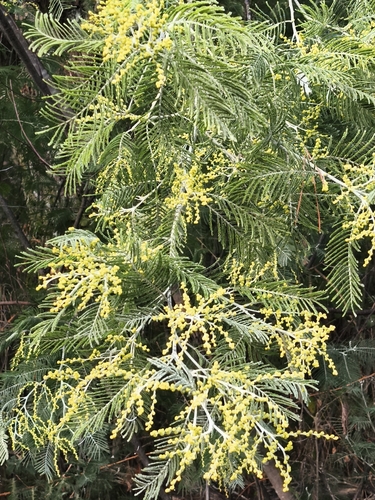
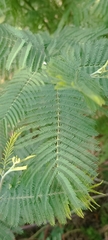
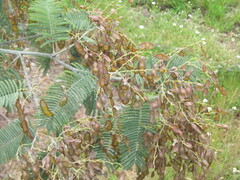
Silver wattle (Acacia dealbata Link) is an evergreen tree in the Fabaceae, native to southeastern Australia and Tasmania. Finely divided, blue-silver foliage and fragrant yellow flower heads in late winter make it distinctive. It can be spectacular in mild climates, but its vigor and potential to spread require careful siting.
Read moreSilver wattle, Blue wattle and Mimosa
Place in full sun, with intense direct light all day long.
Sheltered full sun; winter warmth and protection from cold winds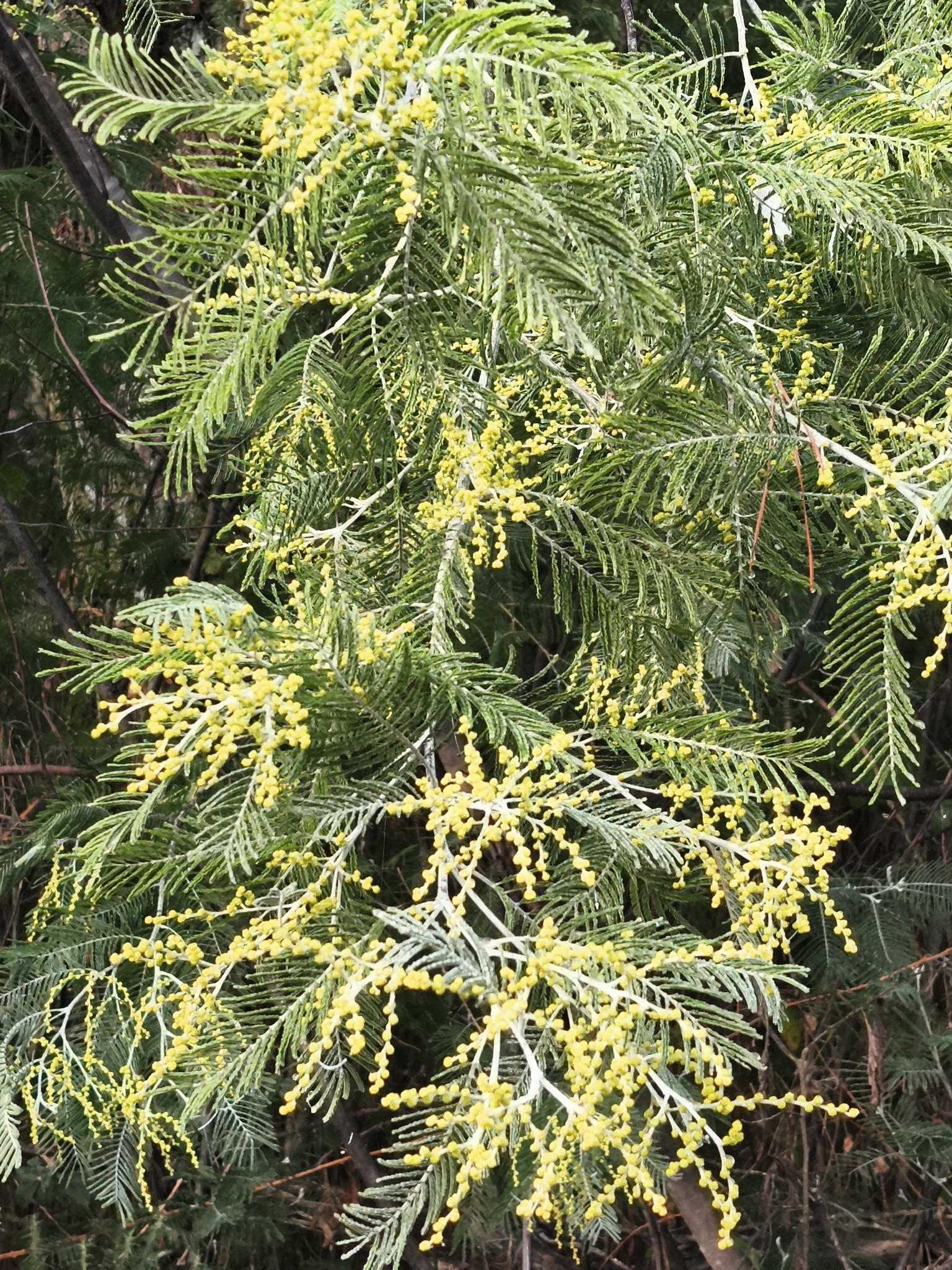


© photo
Jose Castro · CC BY-NC
Gianluca Congi🪶🦆🌲 · cc-by-sa
zebedeugalinha · cc-by
Taken Feb 25, 2017 by Paul Bonilla (cc-by-sa)
Taken Dec 8, 2019 by Correa Gregorio (cc-by-sa)
Taken Nov 26, 2021 by De Vincentis Davide (cc-by-sa)
Taken Jan 25, 2020 by Ciantia Ruben (cc-by-sa)
Taken Mar 16, 2013 by Tela Botanica − Pierre Bonnet (cc-by-sa)
© copyright of the Board of Trustees of the Royal Botanic Gardens, Kew.


Global distribution
POWO places Acacia dealbata in southeastern Australia and Tasmania. Widely cultivated and naturalized in several mild temperate regions, including Mediterranean Europe, the species can become invasive outside its native range.
- Native2
- Introduced4
- Australia
- Tasmania
- Mediterranean France
- Portugal
- Spain
- Italy
Hexagons: regions where the plant occurs. Green dots: native range.1
Identity
Silver wattle (Acacia dealbata Link) is an accepted species of Acacia in the Fabaceae. POWO places its native range in southeastern Australia and Tasmania. IPNI documents the name published by Link in the early 19th century, linking the familiar garden tree to its botanical identity. 1 3
The trade name mimosa can be misleading because Mimosa is a different botanical genus. In French horticulture, winter mimosa, silver mimosa and florist’s mimosa commonly refer to Acacia dealbata. The binomial distinguishes this species from the other plants sold under similar names. 2 7
Its English name silver wattle describes the blue-silver foliage. Also called blue wattle, it became emblematic of mild gardens on the French Riviera. That horticultural success does not change its Australian origin or the vigorous growth it can develop after introduction elsewhere. 6 4
Recognition
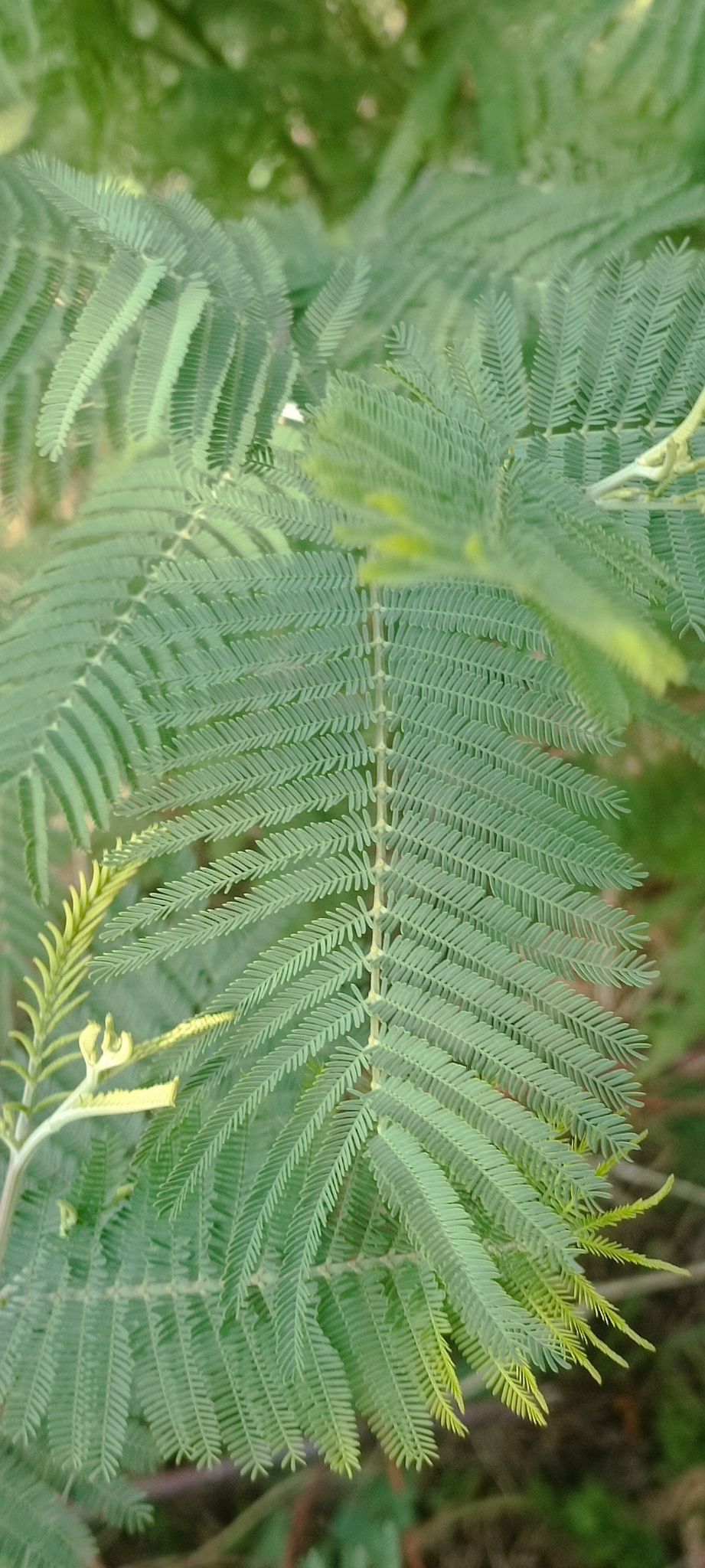
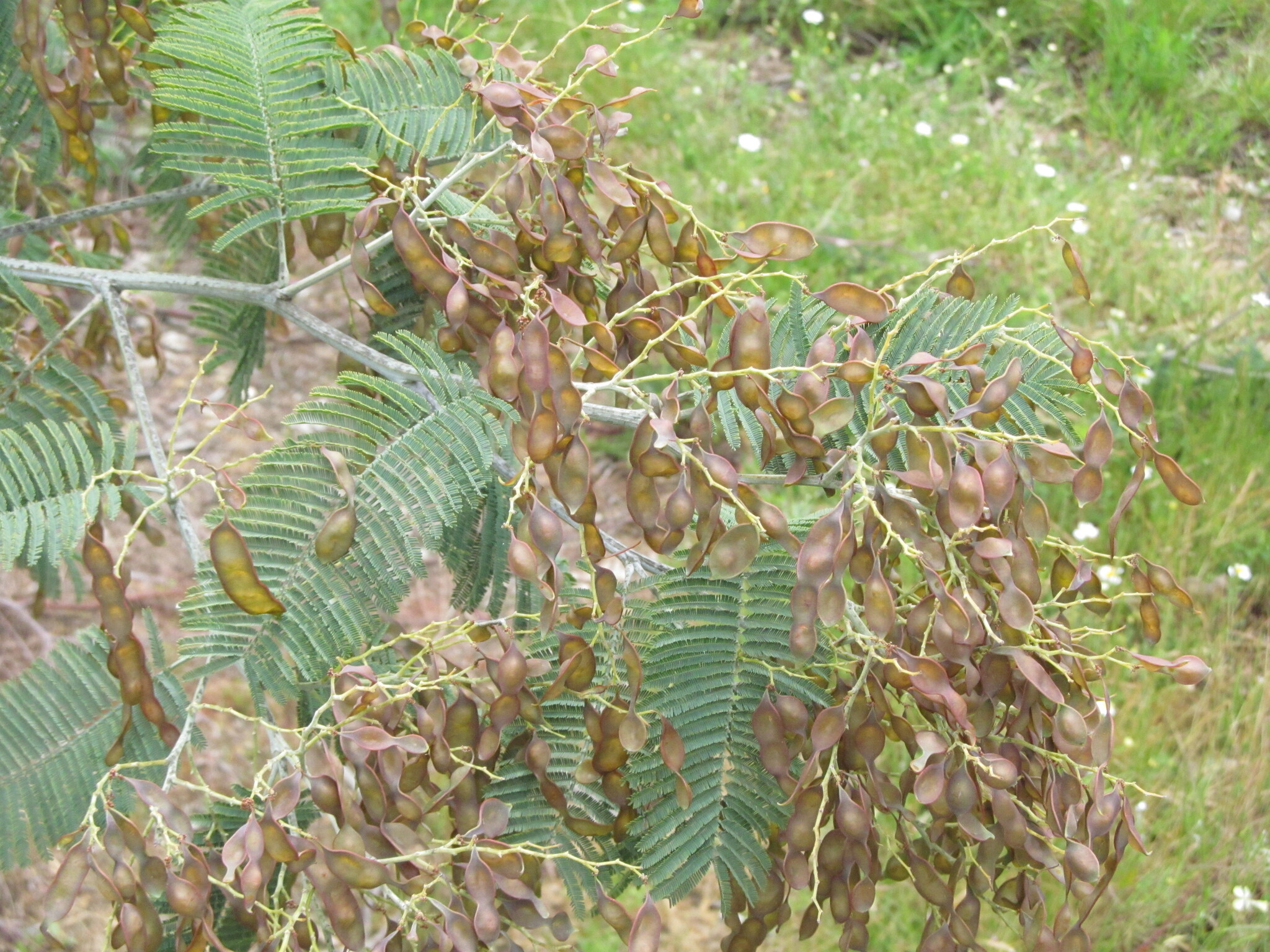
Finely divided, bipinnate leaves cover a fast-growing evergreen shrub or tree. The leaflets and young shoots have a bluish, glaucous to silvery cast. That pale surface is reflected in both the epithet dealbata and the common name silver wattle, making foliage useful even outside the flowering season. 6 8
Flowering comes in local winter or very early spring where the climate is mild. Small spherical heads of bright yellow flowers gather into fragrant panicles. These yellow clusters supply conspicuous early color while much of a temperate garden is still between its main flowering seasons. 8 5
A broad crown develops quickly. A young flowering plant can become a full-sized tree, with strong roots, substantial wind load and the capacity to resprout. Allow space for a tree rather than treating the purchase as a permanently compact shrub for a mixed bed. 4 8
Cultivation in mild climates
Plant silver wattle in full sun, with warmth and well-drained soil. Acidic to neutral ground suits it better than soil containing free lime, where chlorosis develops readily. On calcareous sites, a plant grafted onto a suitable rootstock is more dependable than an ungrafted seedling. 8 5
Water mainly while the roots establish. An established tree tolerates dry spells but dislikes cold, compacted soil. The first two years are particularly important: support deep rooting, stake only as needed, and avoid heavy nitrogen feeding. Successful establishment matters more than encouraging soft, rapid top growth. 8
Keep pruning to light correction after flowering. Severe cuts into old wood produce disordered shoots, weaken the framework and can lead to regrowth that is difficult to control. Choosing adequate space at planting reduces the need for repeated corrective cutting later in the tree’s life. 8
Check the mature size before buying. A flowering specimen in a pot looks compact, but it will not retain those proportions in the ground. Allow clearance from walls, drains, boundaries and nearby natural areas. In a small garden, cut flowers or a temporarily container-grown specimen may be more appropriate than a tree that will outgrow the house. 8 4
Choose the individual plant as carefully as the species. On marginal soils, grafting can improve tolerance of lime, yet cannot remove the need for drainage or reduce the inherent vigor of the crown. Flowering selections such as Le Gaulois and Mirandole are chosen for their bloom and garden performance, not as a way to eliminate ecological spread. Generous clearance from buildings also limits corrective pruning. 8
Invasiveness and look-alikes
Invasiveness is the central concern outside the native range. CABI documents silver wattle as introduced and invasive in several regions. Where winters are mild, seeds, stump shoots and root suckers can establish on banks, woodland edges and disturbed ground, extending a planting beyond its original position. 4 1
In France, it is especially familiar as an ornamental, but planting near Mediterranean or mild Atlantic natural habitats requires care. A cut bouquet presents a different spread risk from a living tree beside scrubland, a river or sensitive waste ground. Assess the planting position as well as the ornamental effect. 4
Other plants called mimosa can cause confusion. Acacia baileyana, Acacia retinodes and several horticultural hybrids also bear yellow flowers. Silk tree (Albizia julibrissin) is another plant given mimosa names, but it belongs to a different genus and flowers in summer. 8 6
Act early when suckers appear. Cutting a visible shoot may not stop a vigorous root system from producing more. Monitor the ground around the tree, remove young shoots before they become woody, and avoid moving soil containing seeds. Germination can increase after fire, cutting or ground disturbance, helping explain its persistence in invaded landscapes. 4
Decorative uses differ in their exposure to natural habitats. A cut bouquet, an isolated urban garden tree and a planting beside natural vegetation pose different concerns. The last calls for particular caution and may justify choosing a locally suitable or less freely spreading alternative. Site and surrounding vegetation therefore belong in the planting decision. 4 8
Safety and uses
Silver wattle is grown as an ornamental tree and for fragrant cut flowers. It is not grown as a food plant. Do not eat flowers, leaves or seeds, particularly without reliable identification and evidence for a specific food use; their familiar place in bouquets does not establish edibility. 8
Pollen, fragrance and repeated contact with shoots may cause discomfort in sensitive people. A strong veterinary poisoning risk comparable to that of aconites or poisonous bulbs is not established. Prevent animals from eating flowers, leaves or seeds; limited veterinary information does not establish their safety. 5 8
Acacia dealbata is a distinctive Australian tree for bouquets and winter planting in suitable mild climates. Its silvery foliage and early yellow flowers give it considerable ornamental value, while its growth and capacity to spread require adequate space and separation from sensitive natural habitats. 1 4
Main sources
- Plants of the World Online / Kew, Acacia dealbata Link
- World Flora Online, Acacia dealbata
- International Plant Names Index, Acacia dealbata Link
- CABI Compendium, Acacia dealbata
- Wikipedia FR, Acacia dealbata
- Wikipedia EN, Acacia dealbata
- Wikidata, Acacia dealbata
- Royal Horticultural Society, Acacia dealbata
Frequently asked questions
Is silver wattle the plant sold as winter mimosa?
Yes. Acacia dealbata is the winter or silver mimosa widely planted for its fragrant yellow flowers.
Can silver wattle become invasive?
Yes, in mild climates. It naturalizes through seed and sometimes root suckers. Avoid planting it close to sensitive natural habitats.
What soil does silver wattle need?
Well-drained soil, preferably acidic to neutral. Free lime often causes chlorosis, especially in plants not grafted onto a suitable rootstock.
What climate does silver wattle need?
It needs mild winters, as found in sheltered coastal and Mediterranean climates. In colder regions it requires protection; it is not hardy everywhere.
Should silver wattle be pruned?
Prune lightly after flowering to reduce wind loading. Severe cutting into old wood is risky.
Is silver wattle poisonous?
It is not regarded as a major poisonous plant, but it is not a food plant. Pollen and fragrance may cause discomfort in sensitive people.
If you are unsure about a plant’s toxicity, ask a botanist or veterinarian for advice.