
Garden dahlia (Dahlia pinnata, )


Garden dahlia (Dahlia pinnata) is a Mexican herbaceous perennial in the Asteraceae. Tuberous roots support upright stems and showy flower heads, and the species has contributed to the complex hybrids grown in borders and for cutting.
Read moreGarden dahlia and Pinnate dahlia
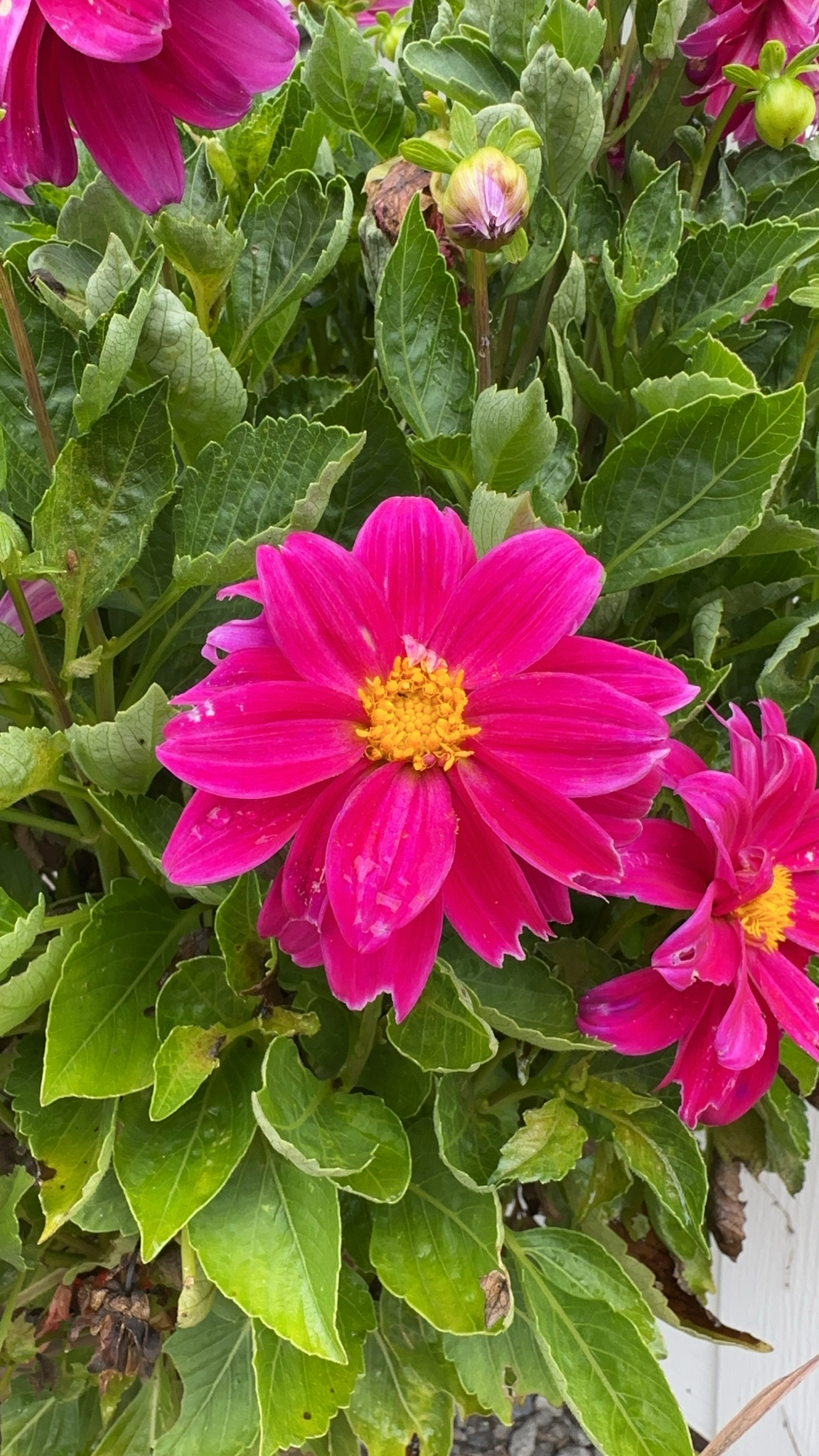


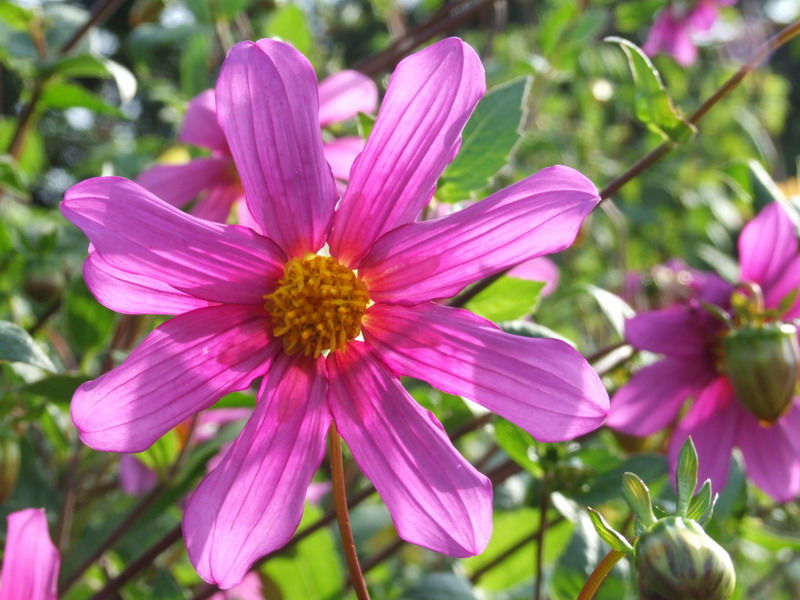
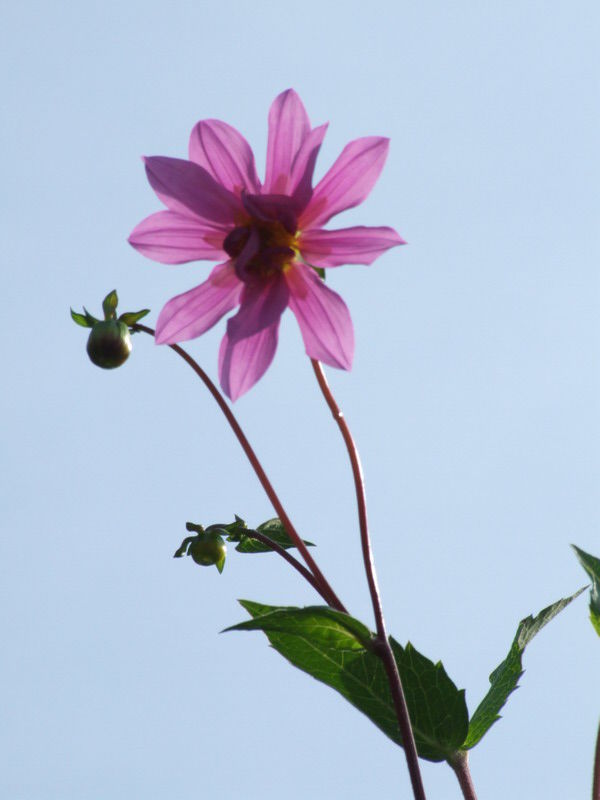
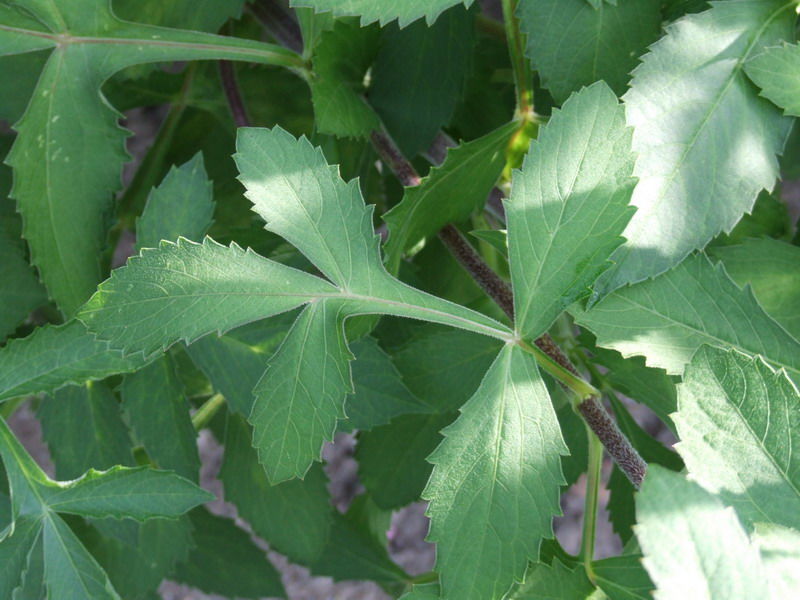
© photo
(c) cabierer, some rights reserved (CC BY-NC) · cc-by-nc
Wikimedia Commons · CC BY-SA or Public Domain
Wikipedia · CC BY-SA
Taken Feb 27, 2022 by Jim Knopf (cc-by-sa)
Taken Sep 6, 2022 by maire sofia (cc-by-sa)
Taken Aug 5, 2021 by dan hewison (cc-by-sa)
Taken Feb 24, 2022 by Jim Knopf (cc-by-sa)
© copyright of the Board of Trustees of the Royal Botanic Gardens, Kew.


Identity
Garden dahlia (Dahlia pinnata Cav.) is a Mexican member of the Asteraceae. The botanical species is distinct from the genus Dahlia as a whole and from the many garden hybrids commonly sold under the simple name dahlia. These related plants do not all have the same botanical identity. 1 2 3
Dahlia pinnata has a particular place in the history of cultivated dahlias. It is among the species that contributed to modern selection, with variable flower heads and tuberous roots. The broader genus also contains the plants behind the major horticultural groups familiar in gardens and cut-flower displays. 5 6
Red dahlias make a substantial display in late summer. Their ornamental use goes with practical requirements: plenty of sun, well-fed soil, support where needed and removal of faded flowers to sustain further bloom. Large flowers depend on the condition of the growing plant as well as the variety chosen. 9 7
A red cut flower sold simply as a dahlia may belong to a complex garden hybrid rather than pure Dahlia pinnata. The binomial identifies a particular botanical species, while the wider horticultural name covers a much larger range of cultivated plants with different flower forms. 5 6
Recognition
Upright herbaceous growth rises from tuberous roots. Stems are often hollow, leaves opposite or compound, and the flower heads follow the Asteraceae pattern: a central disc surrounded by colored ray florets. These underground storage roots are as important to the plant’s persistence as its conspicuous flower heads are to identification. 5 7
Color and flower form vary across cultivated lines. Red is only part of the range associated with the species and its descendants, which also includes pink, orange, yellow, white and purple. There is no true blue. A red flower alone therefore does not establish the identity of Dahlia pinnata. 6 9
Unlike a simple annual, a dahlia stores reserves in tuberous roots that can restart growth if they survive winter. In cold climates, these storage organs need protection, lifting or frost-free storage. Their survival determines whether the plant returns for another season rather than being replaced each year. 7 6
Useful taxonomy
The botanical name Dahlia pinnata is associated with Cavanilles. It identifies the species recognized in POWO, WFO, IPNI and Wikidata, separately from the genus Dahlia. The species-level name is useful when tracing botanical identity through a much larger horticultural assortment. 2 4
Modern garden dahlias are often complex hybrids, rather than pure D. pinnata. They are grouped by flower-head form, including decorative, cactus, pompon, dwarf, ball and semi-double types. Such categories describe cultivated plants and should not be treated as alternative names for a single species. 6 5
Species and genus names describe different botanical scopes. Dahlia pinnata identifies the particular species; Dahlia includes the broader range of dahlias. The distinction matters when comparing the history of the species with the diverse hybrid forms that now dominate cultivation. 9 2
Neither reducing every dahlia to D. pinnata nor treating the species name as interchangeable with the whole genus gives an accurate identification. Garden catalogues emphasize horticultural groups, but the exact binomial remains useful for separating that botanical identity from general flower forms. 6 3
Cultivation
Grow garden dahlia in full sun, in rich, well-drained soil, with regular watering during the local summer. Watch for slugs as tender new shoots emerge. Damage at this early stage can remove young growth quickly, before the plant has developed enough foliage to make its later display. 7 6
Plant tuberous roots after frost danger has passed and the soil has warmed. Tall plants and those carrying heavy heads need stakes before the stems collapse. Adding support late can break the stems it is meant to save, so position it while the developing plant is still manageable. 9 7
Where winters bring frost, lift the rootstock after the first serious frost, dry it and store it frost-free. In mild climates with exceptionally free drainage, mulch may be enough. Winter wet can be as damaging as cold, so leaving the plant in the ground depends on both conditions. 6 5
Keep nutrition balanced. Poor soil produces weak stems and few flowers, while excess nitrogen favors a large mass of leaves at the expense of flower heads. Well-rotted compost and steady watering are more useful than abrupt, heavy feeding intended to compensate for unsuitable growing conditions. 7 6
Uses
Red dahlias serve as both bedding plants and cut flowers. Very large forms create an imposing display, but single and semi-double forms often fit more naturally into informal planting and withstand rain better. Flower form therefore affects placement and performance as well as the size of the display. 9 6
For bouquets, cut stems at the appropriate stage, remove the lower leaves and renew the water. In the garden, regular deadheading prolongs the production of flower heads until frost. Tidying spent blooms supports a continuing display rather than leaving all the plant’s older heads in place. 7 6
Single forms are generally more useful to pollinators than densely double forms, whose centers are often inaccessible. A planting can combine showy flowers for cutting with open-centered forms for insects, allowing different dahlia selections to serve complementary roles within the same garden. 6 9
Toxicity and limits
The ASPCA classifies dahlias as mildly toxic to cats and dogs. Expected signs are chiefly digestive or skin irritation, including mild vomiting or dermatitis. Prevent animals from chewing foliage and tuberous roots, while keeping the level of risk in proportion to these generally mild reported effects. 8 7
Historical accounts of edible dahlia tubers do not make modern ornamental plants suitable food. A garden specimen may have received treatments or fertilizers, or belong to selections grown for display rather than consumption. Keep ornamental cultivation separate from assumptions about the use of its underground parts in cooking. 5 6
Winter survival is the main limit on perennial growth. Without protection, Dahlia pinnata often behaves as an annual in cold regions. Successful return depends on managing the tuberous roots through the local cold season, rather than relying on the botanical name to guarantee hardiness. 7 9
The generous seasonal display comes with practical work. Dahlias are comparatively straightforward while actively growing, but their frost-sensitive storage roots require more attention when the growing season ends. A plant that performs well in summer may still fail if winter storage or drainage is unsuitable. 6 8
For reliable flowering, combine a sunny site with suitable tuber management and protection from damaging wind. Dahlia pinnata remains the precise species name, while these practical needs link its cultivation to that of the more commonly encountered garden hybrids. 9 2
Main sources
- Wikidata, Dahlia pinnata
- Plants of the World Online / Kew, Dahlia pinnata
- World Flora Online, Dahlia pinnata
- International Plant Names Index, Dahlia pinnata
- Wikipedia EN, Dahlia pinnata
- Royal Horticultural Society, Dahlia
- NC State Extension, Dahlia
- ASPCA, Dahlia toxic plant entry
- Floralens, red-flower selection
If you are unsure about a plant’s toxicity, ask a botanist or veterinarian for advice.