
Lady's eardrops (Fuchsia, )
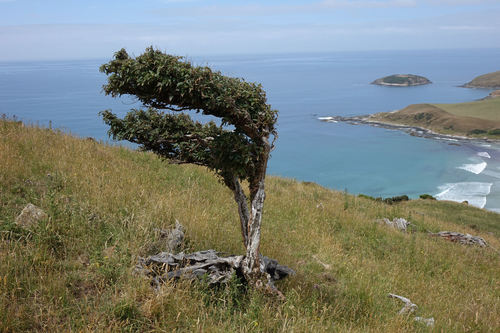
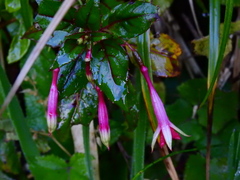
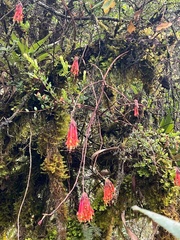
Fuchsia (Fuchsia) is a genus of shrubs in the Onagraceae, mainly native to Central and South America with some Pacific species. Its hanging flowers suit containers in partial shade. Common garden hybrids need cool, moist conditions, and their winter hardiness varies from tender basket plants to hardy shrubs.
Read moreLady's eardrops


© photo
John Barkla · cc0
Esteban Poveda · cc-by
Francisco Sánchez Karste · cc-by
© copyright of the Board of Trustees of the Royal Botanic Gardens, Kew.


Identity
Fuchsia (Fuchsia L.) is a genus in the Onagraceae, mainly native to Central and South America, with some Pacific species. POWO, WFO and IPNI recognize the genus; the familiar container plants belong to this broader group rather than a single species. 1 2 3
On balconies with gentle light, fuchsias combine well with tuberous begonias and heucheras. An east-facing position, or a west-facing one protected from intense sun, suits their need for soft light, moist growing medium and shelter from scorching conditions. 8 5
Garden-center fuchsias are often hybrids, so the genus name is a useful starting point. Some are frost-tender basket plants; others, related to Fuchsia magellanica, can become hardy shrubs in oceanic climates. 4 6
Seasonal planters show only part of this diversity. The name fuchsia also covers longer-lived shrubs, rather than simply the hanging baskets sold for late spring in Northern Hemisphere gardens. 8 7
Recognition
Hanging, often bicolored flowers distinguish fuchsias, with elongated sepals surrounding shorter petals. Plants may be upright, bushy or trailing, depending on species and cultivar. These different forms suit both hanging baskets and planters. 6 4
Pink, red, violet, purple and white dominate their flower colors. This range makes fuchsias valuable on partially shaded balconies, where they provide strong color without full sun. 8 5
Simple leaves are often opposite or whorled, sometimes with toothed margins. Several species produce berries, although ornamental selections emphasize flowers, growth habit and flowering duration rather than fruit. 6 4
Healthy fuchsias retain supple green foliage and buds that open without drying out first. Dull leaves, dropped buds and scorched tips almost always point to excessive heat, wind or dryness in the container. 5 8
Useful taxonomy
Named in honor of Leonhart Fuchs, the genus includes many garden plants sold only under cultivar names, without a precise species, or under the horticultural name Fuchsia × hybrida. The broader genus therefore remains useful for understanding these plants. 3 6
For gardeners, hardy fuchsia versus tender container fuchsia matters more than color alone. Fuchsia magellanica and some cultivars overwinter outdoors in mild climates, while many hanging-basket forms need frost-free shelter. 5 4
Fuchsia magellanica illustrates the hardier part of the genus. This South American shrub withstands more cold than tropical basket hybrids but still needs cool, sheltered, moist conditions. 7 5
Used as a genus name, Fuchsia covers both planter hybrids and hardy garden forms. Restricting it to Fuchsia × hybrida would exclude part of the diversity familiar to gardeners. 8 1
Growing in containers
Bright partial shade suits container fuchsias. In Northern Hemisphere settings, an east-facing balcony, a gently sunny west-facing one or a very bright north-facing one is preferable to a hot south-facing exposure. Elsewhere, judge the actual heat and light: more than a few hours of hot direct sun quickly stresses leaves and flowers. 8 5
Container growing requires moist growing medium without waterlogging. A small planter may dry out in a single windy day, while one without drainage can rot the roots. Choose a stable container, rich potting mix and regular moisture checks. 8 5
Pinching young shoots encourages bushier growth. Light, regular feeding supports flowering, especially in hanging baskets with little growing medium. Stem cuttings reproduce cultivars faithfully. 5 4
A water reservoir helps only when the growing medium remains aerated and roots are not sitting in a cold, saturated zone. On windy balconies, a larger container and a thin mulch often work better than a small decorative pot. 5 8
Overwintering and uses
Before frost arrives, move tender forms into a bright or cool sheltered space. Reduce watering without allowing the root ball to become dust-dry. In spring, a cleanup pruning encourages new flowering shoots. 5 6
Hardy forms are better suited to planting in the ground, in moist soil sheltered from cold winds. Mulch around the base helps young plants. They provide a lasting shrubby presence rather than the same effect as heavily flowered double basket varieties. 4 6
In mixed balcony containers, fuchsias supply vertical or trailing movement, begonias provide masses of flowers, and heucheras maintain foliage interest. This combination considers plant form as well as flower color. 8 5
Growth habit deserves as much attention as shade of bloom. Put upright forms toward the back of a planter, let trailing forms soften its edge, and give hardy shrubs a garden position. Ignoring these differences quickly produces a crowded, muddled display. 4 8
Precautions and limitations
The ASPCA lists Fuchsia as non-toxic to dogs, cats and horses. The references do not report toxicity comparable to oxalate-containing plants, lily of the valley or delphinium. Even so, an ornamental planter should not be treated as a food crop. 9 6 1
Climate sets the main limit. Fuchsias need cool air, steady moisture and gentle light; dry heat, hot winds and neglected containers work against them. Scorching on a hot, sun-facing balcony indicates a poor match between the plant and its position. 8 5
Keep Fuchsia as the reference for the genus, including Fuchsia × hybrida among the familiar container plants. A specifically identified hardy species needs its own requirements considered separately. 8 2
Main sources
- Plants of the World Online / Kew, Fuchsia
- World Flora Online, Fuchsia
- International Plant Names Index, Fuchsia
- Royal Horticultural Society, Fuchsia search results
- Clemson Cooperative Extension, Home & Garden Information Center: Fuchsia
- Wikipedia EN, Fuchsia
- Wikipedia EN, Fuchsia magellanica
- Floralens, balcony planters
- ASPCA, Ladies Ear Drops (Fuchsia spp.) non-toxic plant entry
If you are unsure about a plant’s toxicity, ask a botanist or veterinarian for advice.