
Hellebore (Helleborus, )
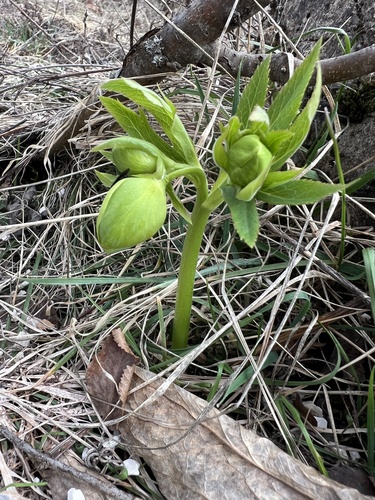
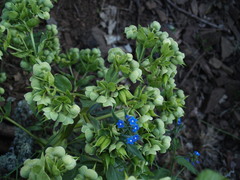
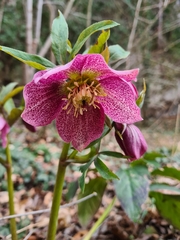
Hellebore (Helleborus) is a genus of Ranunculaceae perennials grown chiefly for winter or early-spring flowers. Christmas rose usually refers to Helleborus niger, while Lenten rose is associated with Helleborus orientalis and its hybrids. These species and garden selections share a familiar appearance but retain distinct identities.
Read moreHellebore, Christmas rose and Lenten rose


© photo
Mirko Ubović · cc0
zebedeugalinha · cc-by
Jacek Pietruszewski · cc-by
© copyright of the Board of Trustees of the Royal Botanic Gardens, Kew.


Identity
Hellebore refers to Helleborus, an accepted genus in the buttercup family, Ranunculaceae, published by Linnaeus in 1753. Its native range extends from Europe to the Caucasus, northwestern Africa and northern China. Several accepted species and their garden hybrids account for the variety of plants grown under this familiar name. 1 3
A hellebore is not a single species. Christmas rose often means Helleborus niger, while Lenten rose is associated with Helleborus orientalis and its hybrids. These common names describe a recognizable group of garden plants, but the species or hybrid name is needed to identify an individual plant more precisely. 2 6
Hellebores are clumping garden perennials valued for flowers that appear in winter or early spring, when relatively few other perennials are flowering. Their cold tolerance, substantial leaves and low, established clumps give them a lasting presence in a shaded border rather than a brief display of flowers alone. 4
Recognition
Most garden hellebores form low clumps of leathery, divided leaves, often evergreen or semi-evergreen. Flower stems rise through or above this foliage in winter or early spring, with their height and flowering time varying among species and cultivars. Both the leaves and the way the stems emerge help distinguish the different members of the group. 4
The showy parts that look like petals are often colored sepals. They remain decorative for a long time, giving the flowers their enduring appearance. The cup-shaped blooms may be solitary or borne toward the ends of stems, in white, cream, green, pink, red, purple or yellow. Their persistent floral parts explain much of the long garden display. 4 7
Despite the word “rose,” a hellebore is not a rose bush and does not belong to Rosaceae. It is a member of Ranunculaceae, alongside clematis and many buttercups. Christmas rose and Lenten rose are common names, not indications of a botanical relationship with true roses. 1
Taxonomy and related species
Species recognized within the genus include Helleborus niger, Helleborus orientalis, Helleborus foetidus and Helleborus argutifolius, together with several hybrids. Differences in foliage, habit, flowering season and hardiness reflect this diversity. A garden label giving the species therefore conveys more information than the common name hellebore alone. 1
Helleborus niger is the botanical Christmas rose. Lenten roses and mixed border hellebores may instead be Helleborus orientalis or hybrids. Keeping these names distinct helps explain why plants sold under a similar common name do not all have the same flowers, leaves or growth habit.
Cultivars such as 'Anna's Red' and 'Penny's Pink' are garden selections rather than separate wild species. Their names identify particular cultivated plants within this wider horticultural group; they should be read alongside the species or hybrid name when that information is supplied on the label. 4 Helleborus itself is a genus name. 8
Hellebores have also been introduced beyond their native range in several temperate regions. Cultivation, persistence outside a garden and local naturalization are different situations. An introduction record alone does not establish invasive status in France, and the behavior of one species or hybrid should not be assumed to describe the entire genus. 1 2
Cultivation
Partial shade and humus-rich, well-drained soil suit garden hellebores. Neutral to alkaline conditions are generally appropriate, with filtered light or partial sun rather than a deeply shaded, waterlogged position. Organic matter and drainage matter together: a soil can retain moisture without leaving the crown standing in water. 4
Choose a lasting position beneath deciduous shrubs or along a light woodland edge. Repeatedly moving an established clump can reduce flowering, so patience is useful after planting. A surface dressing of mature compost feeds the surrounding soil without burying the crown beneath a thick layer of material.
Remove damaged old leaves before flowering to reveal the flowers and reduce the carryover of leaf spotting around the clump. During warm summer weather, newly planted hellebores benefit from soil that stays moist but not saturated. Established foliage and the developing flowers can then remain the main focus of routine care.
The apparent length of flowering owes much to the persistent sepals. A plant can remain attractive after the flower has opened because those colored structures stay visible. This lasting effect is especially valuable in winter borders, where the foliage and flowers together provide interest through a relatively quiet season. 4 7
Toxicity and precautions
Hellebores are poisonous if eaten. NC State identifies ingestion toxicity, while the ASPCA lists Christmas rose, Helleborus niger, as toxic to dogs, cats and horses. Reported signs include drooling, abdominal pain, diarrhea, colic and depression. The ASPCA entry concerns that named species. 4 5
Treat hellebores as ornamental plants that should not be eaten. Keep roots, leaves, seeds and pruning debris away from curious animals and children. Gloves are useful for gardeners with sensitive skin, and cut material should be gathered rather than left within reach of an animal.
Their place in the garden remains that of durable, shade-tolerant ornamentals. Their flowers and foliage can be enjoyed without using the plant as food. Suitable placement and ordinary care in handling allow the display to be appreciated while retaining clear ingestion precautions.
Garden uses
Hellebores bring flowers to winter plantings, partial-shade borders and groups of evergreen perennials. The genus includes enough variation for these different uses, from a Christmas rose grown for a seasonal display to a larger planting of Lenten roses beneath deciduous shrubs.
For a particular plant, retain the more precise identity given by its label: Helleborus niger, Helleborus orientalis or a named hybrid. Species and cultivar names explain differences within a collection instead of treating every hellebore as an interchangeable plant.
A Christmas rose sold for a holiday display, a Lenten rose planted at a woodland edge and a modern hybrid chosen for a collection share a horticultural background. Their common names overlap, but their individual identities still matter when comparing flowering, foliage and the precautions associated with the named plant. 4 5 1
Main sources
If you are unsure about a plant’s toxicity, ask a botanist or veterinarian for advice.