
amaryllis (Hippeastrum, )
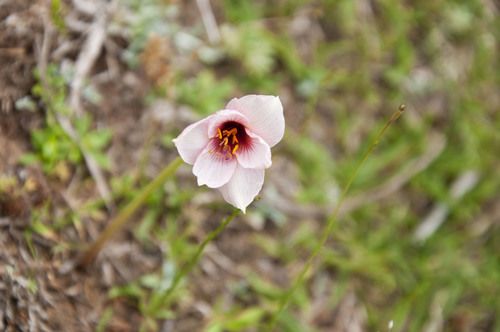

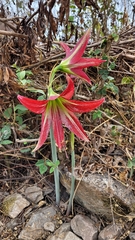
Amaryllis (Hippeastrum) is a genus of large bulbs in the Amaryllidaceae, native to tropical America and widely grown indoors for its showy flowers. Despite the familiar common name, it is botanically distinct from the genus Amaryllis. Its green leaves rebuild the bulb after flowering.
Read moreamaryllis, Dutch amaryllis and Knight's star lily


© photo
iNaturalist User · cc-by-sa
Rafael Tosi · cc-by
Frank Dietze · cc-by
© copyright of the Board of Trustees of the Royal Botanic Gardens, Kew.
Identity
amaryllis (Hippeastrum Herb., 1821) belongs to an accepted genus in the Amaryllidaceae, published by Herbert in 1821 and conserved under this name. POWO places its native range in tropical Central and South America and recognizes numerous species within the genus. 1 3
Its familiar garden-center name conceals an important distinction. Large bulbs sold as amaryllis for Christmas flowering are usually Hippeastrum. The separate genus Amaryllis also exists, but its botanical name does not automatically apply to these indoor flowering bulbs. The shared common name should not be taken as evidence that the two genera are interchangeable. 2 7
When the scientific name Hippeastrum is supplied, it identifies this genus specifically. The common name amaryllis helps readers recognize the familiar bulb, but does not replace its botanical identity. Dutch amaryllis and Knight's star lily are other established names used for the group. 1 4
Recognition
Amaryllis grows from a large bulb, sending up one or more upright flower stalks and green, strap-shaped leaves. NC State describes hollow, leafless flowering stems and long, smooth, glossy leaves that appear during flowering or shortly afterward. This combination of a substantial bulb, bare flowering stalk and long leaves provides a useful outline for recognition. 4
Large, funnel-shaped flowers usually appear in groups of two or more at the top of a stalk. Red, pink, white and orange are conspicuous colors in cultivated plants. Flowers may also have stripes, contrasting veins or a differently colored throat, so color alone does not identify a particular cultivar. 4
Flowering can last several weeks if the plant receives good light and is not kept too warm. Once the flowers fade, the less spectacular stage becomes the decisive one: keep the leaves in place so they can rebuild the bulb's reserves. Removing healthy foliage would interrupt that process.
Taxonomy and related names
POWO treats Hippeastrum as a distinct genus in the Amaryllidaceae, with a tropical American native range. NC State gives the same origin, while also noting its distribution and naturalization in several warm regions. A cultivated plant in a warm climate should therefore be distinguished from a population within the genus's native range. 1 4
The horticultural trade readily uses the name amaryllis. Two botanical genera nevertheless remain distinct: Hippeastrum, from the Americas, and Amaryllis, from South Africa. Sharing a horticultural common name does not make them interchangeable.
Red Lion, Apple Blossom, Minerva and Dancing Queen are cultivar names. They identify selections for flower color, size and earliness, rather than replacing the genus name when discussing Hippeastrum broadly. A named selection provides more detail about a garden plant while remaining within the same wider botanical group. 4 8
Both names are therefore encountered in horticulture: amaryllis identifies the familiar flowering bulb, while Hippeastrum specifies its botanical identity and distinguishes it from the South African amaryllis genus. 1 6
Growing in pots
Good drainage is the central requirement in a pot. The bulb should not sit in waterlogged growing medium. A relatively heavy container with drainage holes and an airy potting mix is often sufficient. Leaving the bulb slightly above the surface helps reduce the risk of rot around its neck.
NC State specifies full sun to partial shade, well-drained soil and rapid growth. Indoors, this means a very bright window, particularly after flowering. A leaning flower stalk is often reaching toward the light; rotating the pot helps maintain a more upright shape as it grows. 4
To encourage another flowering, treat amaryllis as a continuing plant rather than a disposable bouquet. Remove the faded flower stalk, retain the leaves, water moderately and feed during the growing season so the bulb can restore its reserves. When the leaves turn yellow naturally, reduce watering and allow a drier period before growth resumes.
Rest is a controlled pause, rather than a period of complete water deprivation imposed regardless of the plant's condition. Reduce water, avoid saturated growing medium and keep the bulb healthy until the next growth cycle. If the foliage remains green and active, continue providing light and measured watering instead of abruptly forcing dormancy. 4
Toxicity
Amaryllis is ornamental, not edible. NC State identifies lycorine as a toxic constituent and describes the bulb as the most dangerous part. Possible symptoms include vomiting, salivation and diarrhea; large ingestions can cause convulsions, low blood pressure and cardiac disturbances. 4
The ASPCA entry titled “Amaryllis” explicitly names Amaryllis spp. and lists it as toxic to dogs, cats and horses. It identifies lycorine and other compounds; the shared common name alone does not extend that attribution to Hippeastrum. NC State separately documents the risks posed by Hippeastrum to these animals. 5 4
Precautions for Hippeastrum therefore rest on its own documentation: NC State identifies lycorine, the particularly poisonous bulb and risks to people and pets. The American genus remains distinct from Amaryllis, the genus named in the ASPCA entry. 5 4 1
Accessible bulbs before planting are a particular concern. A dry bulb may resemble a large onion to a child or tempt an animal to chew it. Store bulbs out of reach and discard loose pieces after repotting, rather than leaving fragments where children or pets can find them.
Ornamental uses
Hippeastrum is grown as a flowering pot plant and also used for cut flowers. Its large red, pink, white or orange blooms add color indoors. In sufficiently mild climates, the bulbs can also be grown outdoors in well-drained soil. 4
A cultivar name identifies a horticultural selection within the genus rather than replacing it. Red Lion and Apple Blossom identify cultivated forms of Hippeastrum; the scientific genus name continues to distinguish these American bulbs from the separate genus Amaryllis. 1 2 4
Sources
If you are unsure about a plant’s toxicity, ask a botanist or veterinarian for advice.