
morning glory (Ipomoea tricolor, )
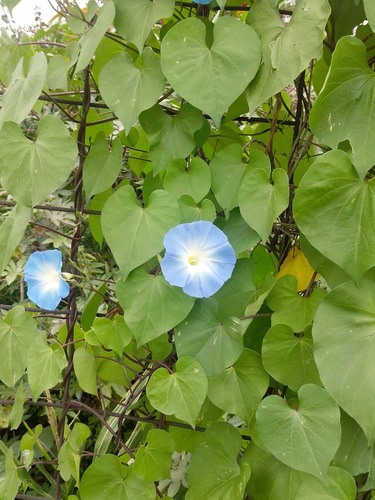
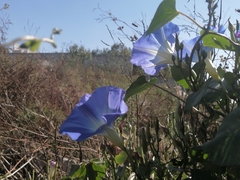
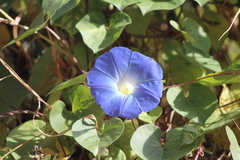
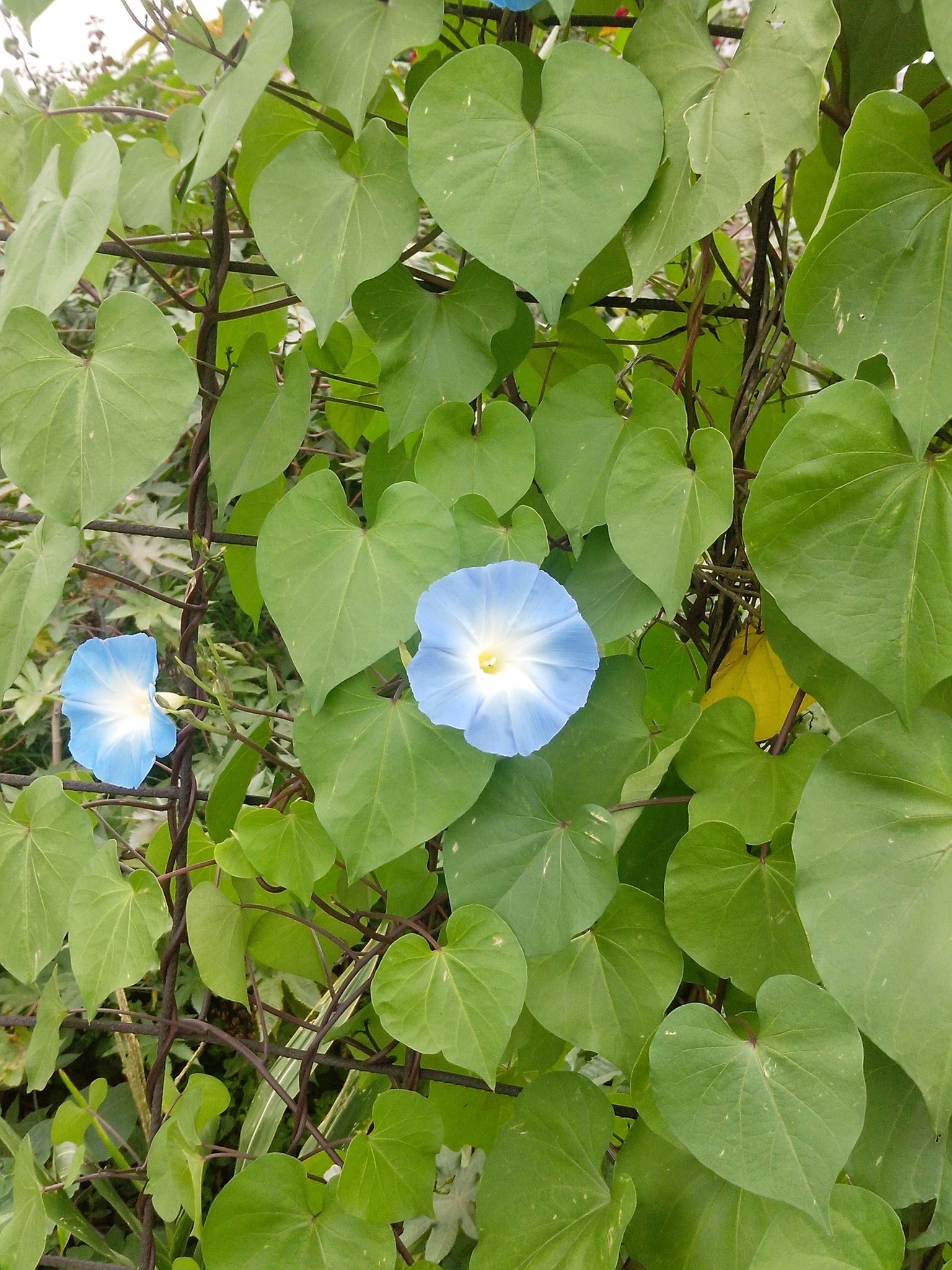
Morning glory (Ipomoea tricolor Cav.) bears large trumpet-shaped flowers that open in the morning, with cultivars such as Heavenly Blue especially valued for their color. It quickly covers a trellis in summer, but toxic seeds and a tendency to self-seed require careful management.
Read moremorning glory
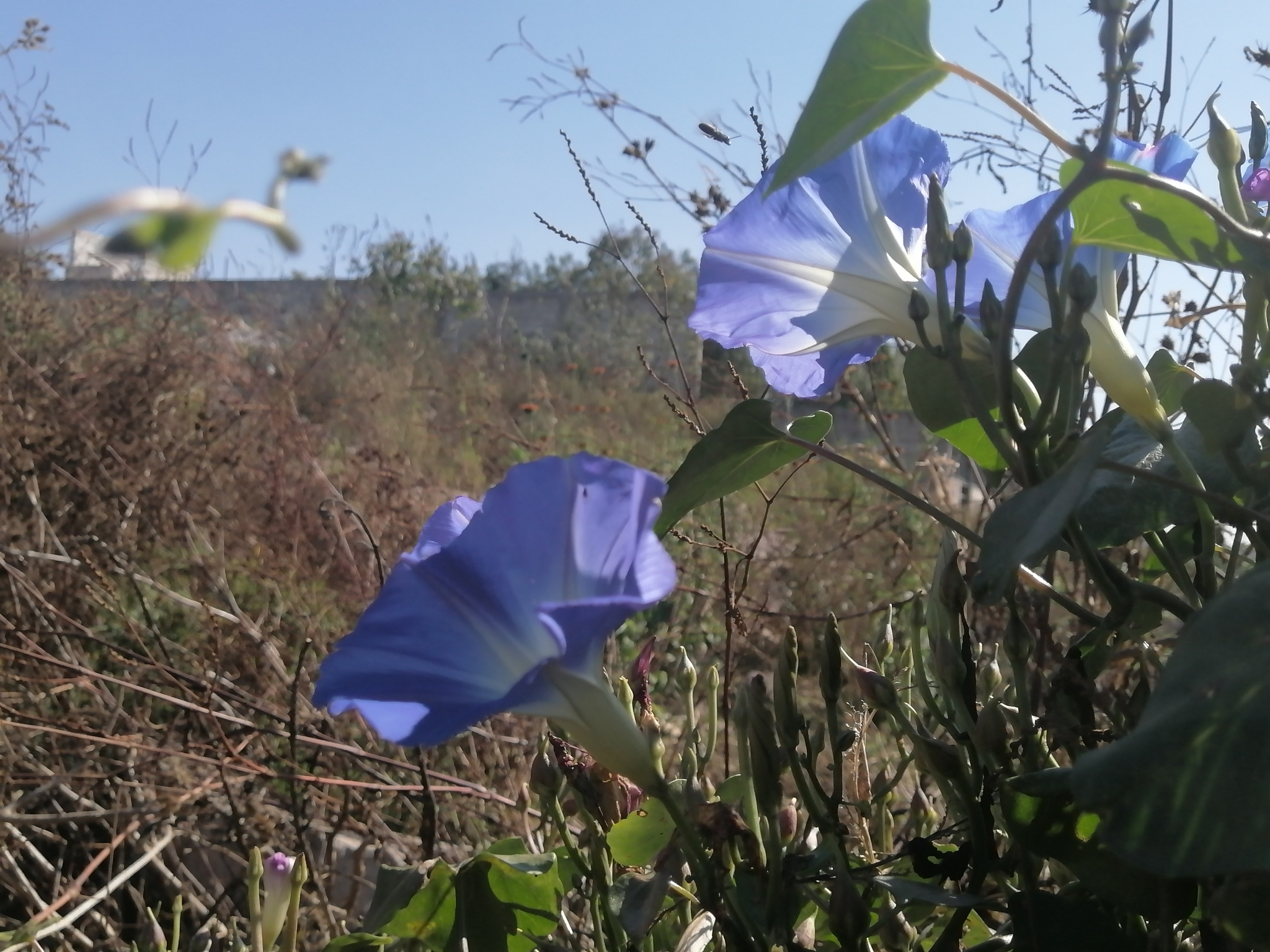
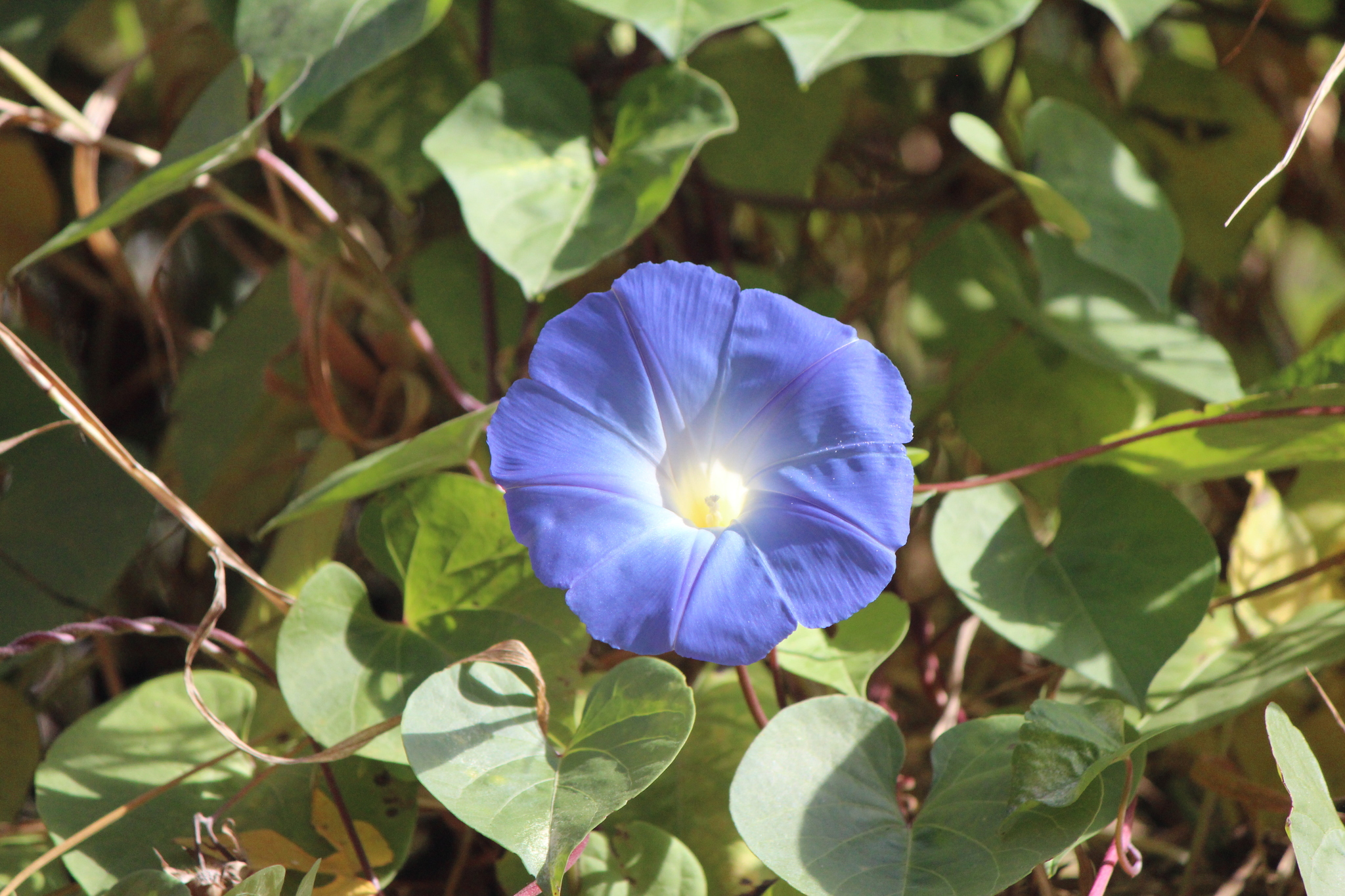


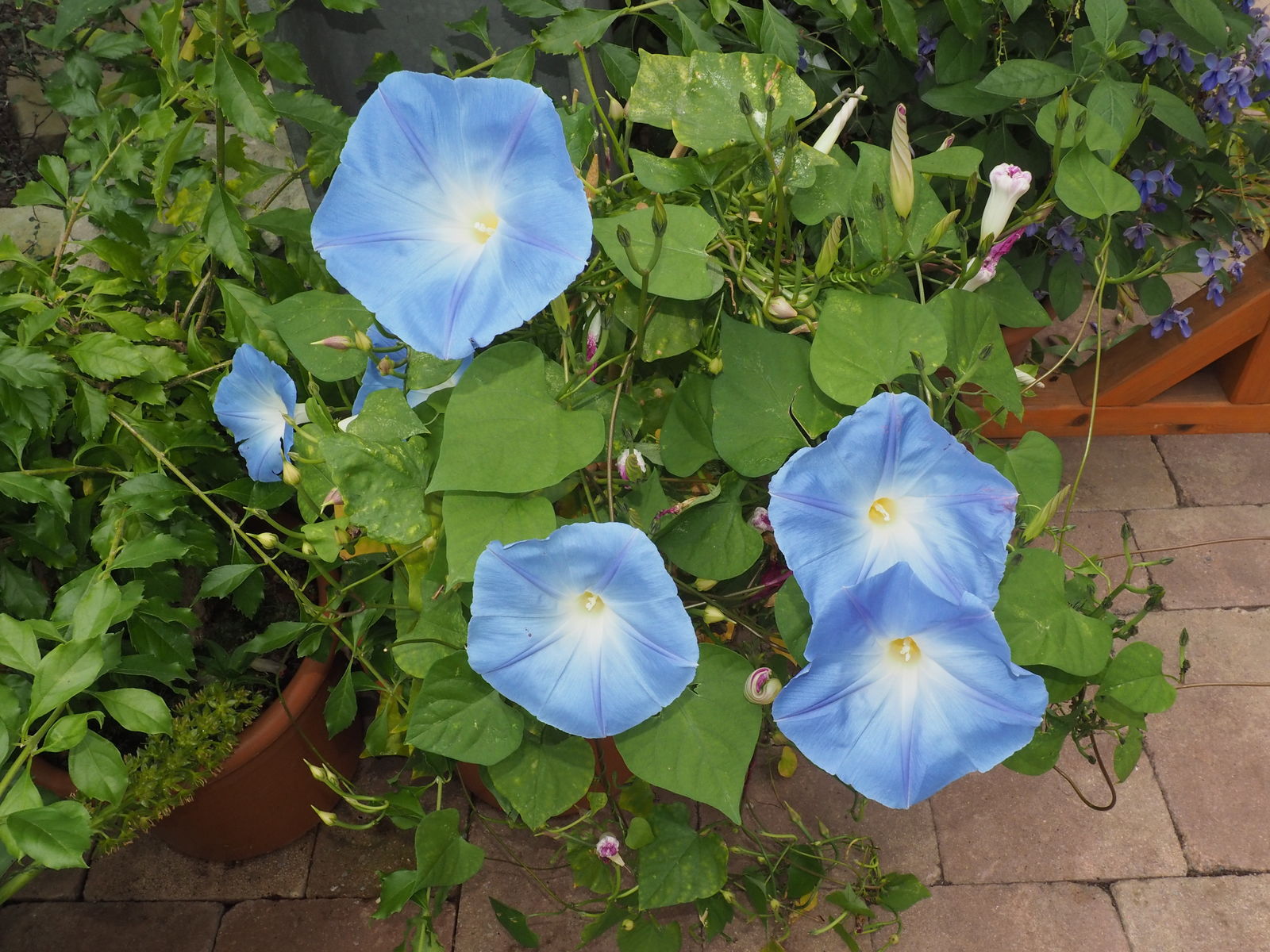
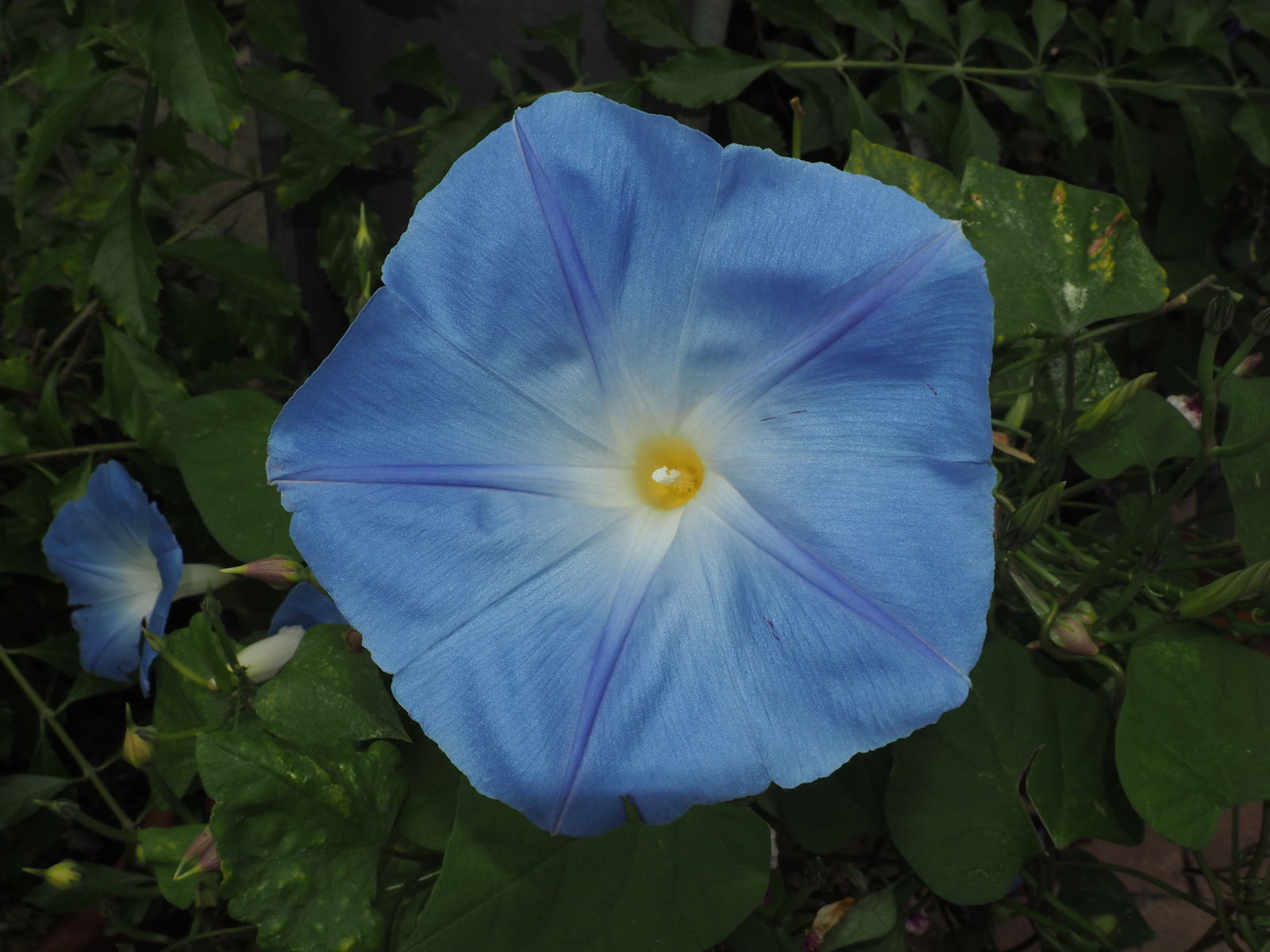
© photo
Guillermo Huerta Ramos · cc-by
Erick Vélez Sánchez · cc-by
José Belem Hernández Díaz · cc-by-nc
Taken Aug 13, 2020 by Karin Gullhav (cc-by-sa)
Taken Mar 11, 2020 by Afonso Bárbara (cc-by-sa)
© copyright of the Board of Trustees of the Royal Botanic Gardens, Kew.


Identity
Large blue trumpets and a rapidly covered trellis make morning glory (Ipomoea tricolor) a familiar seasonal climber. This Mexican member of the Convolvulaceae is grown as an annual in temperate gardens. It features in Floralens’ blue-flower selection for its ability to cover a support within one growing season. 1 2 8
POWO accepts the species and identifies Mexico as its native range. NC State describes a fast ornamental vine with large trumpet-shaped flowers, suitable for trellises, pergolas, fences, containers and hanging baskets. 2 5
It is distinct from Ipomoea purpurea. Both are vigorous vines that need support, but I. tricolor is especially associated with clear light-blue flowers through cultivars such as 'Heavenly Blue'. 5 6
That difference is useful when choosing a plant. For a clearer blue, 'Heavenly Blue' or a similar cultivar is an option; for stronger purple tones, I. purpurea offers alternatives. Both need a support installed early enough to guide their twining stems. 7 8
Its appeal is immediate: an otherwise bare support becomes a blue seasonal display. The limitations are equally practical. Seeds are toxic, self-sown seedlings need monitoring, and the plant cannot be relied on to withstand frost. 8 5
Recognition
Soft green stems twine around their support. The heart-shaped leaves are often pubescent, and the funnel- or trumpet-shaped flowers open in the morning. The supported vine can reach 200–400 cm (6.5–13 ft) tall, with a spread of 80–200 cm (2.5–6.5 ft). 5
Flowers may be blue, purple, pink or white, often with a pale or yellow throat. The clear blue of 'Heavenly Blue' makes that cultivar especially suitable for a planting built around blue flowers. 8 5
An individual flower is short-lived, but successive buds renew the display. This is a vine for a changing daily view: its flowers serve a trellis better than a long-lasting bouquet, opening afresh each morning during flowering. 5
The fruit is a dry capsule containing small black seeds. NC State identifies these as toxic. Looking for the developing capsules is therefore an essential part of caring for the plant, even while it is still producing attractive flowers. 5
Generic morning glory names are the chief source of confusion. I. tricolor, I. purpurea and other species may be sold or illustrated under the same broad label. A binomial clarifies which plant is meant, what color to expect and which precautions apply. 2 6
Useful taxonomy
The accepted name is Ipomoea tricolor Cav. Wikidata, Plants of the World Online and World Flora Online provide species records that distinguish it from other ornamental morning glories. 1 2 3
The epithet tricolor refers to the flower’s combination of colors: blue or violet, a pale zone and a yellow throat. NC State also lists the older name Convolvulus venustus, which can help explain historical labels. 5 4
Cultivars including 'Heavenly Blue', 'Flying Saucers', 'Pearly Gates' and 'Blue Star' change the color and pattern without altering the plant’s basic needs. Warmth, climbing support and attention to seed production remain central to growing them. 5 6
In a selection of blue flowers, this species fills the role of a quick climber with large morning blooms. Choosing the species and cultivar together connects the desired color to a plant with specific growing and safety requirements. 8
Growing
Prepare the hard seeds by soaking overnight or gently scarifying them, then provide steady warmth. Cold seed in wet soil is slow to get started. Sow for the local warm growing season, whether that falls in the Northern or Southern Hemisphere. 5
Full sun and well-drained soil give it a suitable position; keep the soil moist while plants are getting established. It tolerates warmth and soils that are not overly rich, but lack of water in a large container can quickly reduce flowering. 5
Arrange a support at planting time. A trellis, wire fence, light pergola, vertical string or railing can guide the stems. A support installed too late, or one too bulky for the stems to wrap around easily, can leave a tangled ball instead of a clear screen. 8
For container growing, choose a large, stable pot with drainage. Rapid growth increases wind exposure and water use compared with a low-growing annual. A small pot makes flowering erratic because the limited supply of water is quickly exhausted. 5
Where frost ends the growing season, cut back the dead stems afterward and deal with the capsules. If self-seeding becomes excessive, remove spent flowers or developing seed material before seeds ripen. This is easier than waiting for unwanted seedlings to establish. 5
Uses
A fast blue screen is its strongest use. It can hide a view, clothe new wire fencing or bring height to a balcony in a matter of weeks, where a woody climber might need two years to establish a comparable effect. 8
It also works in a large planter with sufficient potting mix and a vertical support. Hanging baskets are possible, though the stems often make a more coherent display when guided upward into a curtain. 5
The flowers favor an early view. Place the vine near a morning route, entrance, terrace or window where its blooms can be enjoyed before the afternoon heat. Its daily rhythm is part of the planting effect rather than a problem to be corrected. 8
Lower plants such as mealycup sages, spring-flowering baby blue eyes or pale green foliage can dress the base of its support. The morning glory provides the vertical element while the lower planting covers the ground beneath it. 8
Toxicity
NC State lists the plant as toxic to dogs, cats and horses. Seed ingestion may cause hallucinations, nausea, vomiting, diarrhea, drowsiness and other symptoms. The seeds deserve particular attention when deciding where to grow the vine. 5
The human toxicity rating is described as low severity, which does not establish safety. Keep seeds out of reach and store packets of planting seed separately from food or edible seeds, rather than leaving them among kitchen supplies. 5 6
Treat it as a striking ornamental climber, not as a plant to taste. In gardens used by children or animals, monitor the capsules, limit access to seed material and clear up fallen seeds as part of regular care. 8 5
This care is integral to growing the plant. Its popularity rests on producing considerable growth and seed in a short time; managing those seeds belongs alongside sun, water and a trellis in the practical growing routine. 5
Main sources
- Wikidata, Ipomoea tricolor
- Plants of the World Online / Kew, Ipomoea tricolor
- World Flora Online, Ipomoea tricolor
- International Plant Names Index, Ipomoea tricolor
- NC State Extension, Ipomoea tricolor
- Wikipedia EN, Ipomoea tricolor
- Royal Horticultural Society, Ipomoea tricolor
- Floralens, selection of blue flowers
If you are unsure about a plant’s toxicity, ask a botanist or veterinarian for advice.