
Ragwort (Jacobaea vulgaris, )
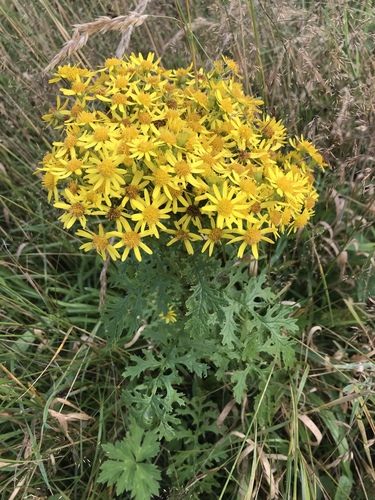
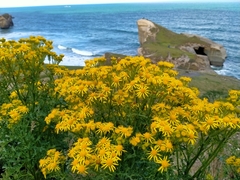
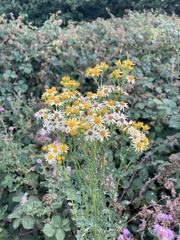
Ragwort (Jacobaea vulgaris Gaertn.) is a yellow wildflower in the Asteraceae whose ecological value comes with a serious livestock risk. The former name Senecio jacobaea remains common in references. Recognizing the plant matters especially around horses and hay, where drying does not remove the danger.
Read moreRagwort, common ragwort and tansy ragwort

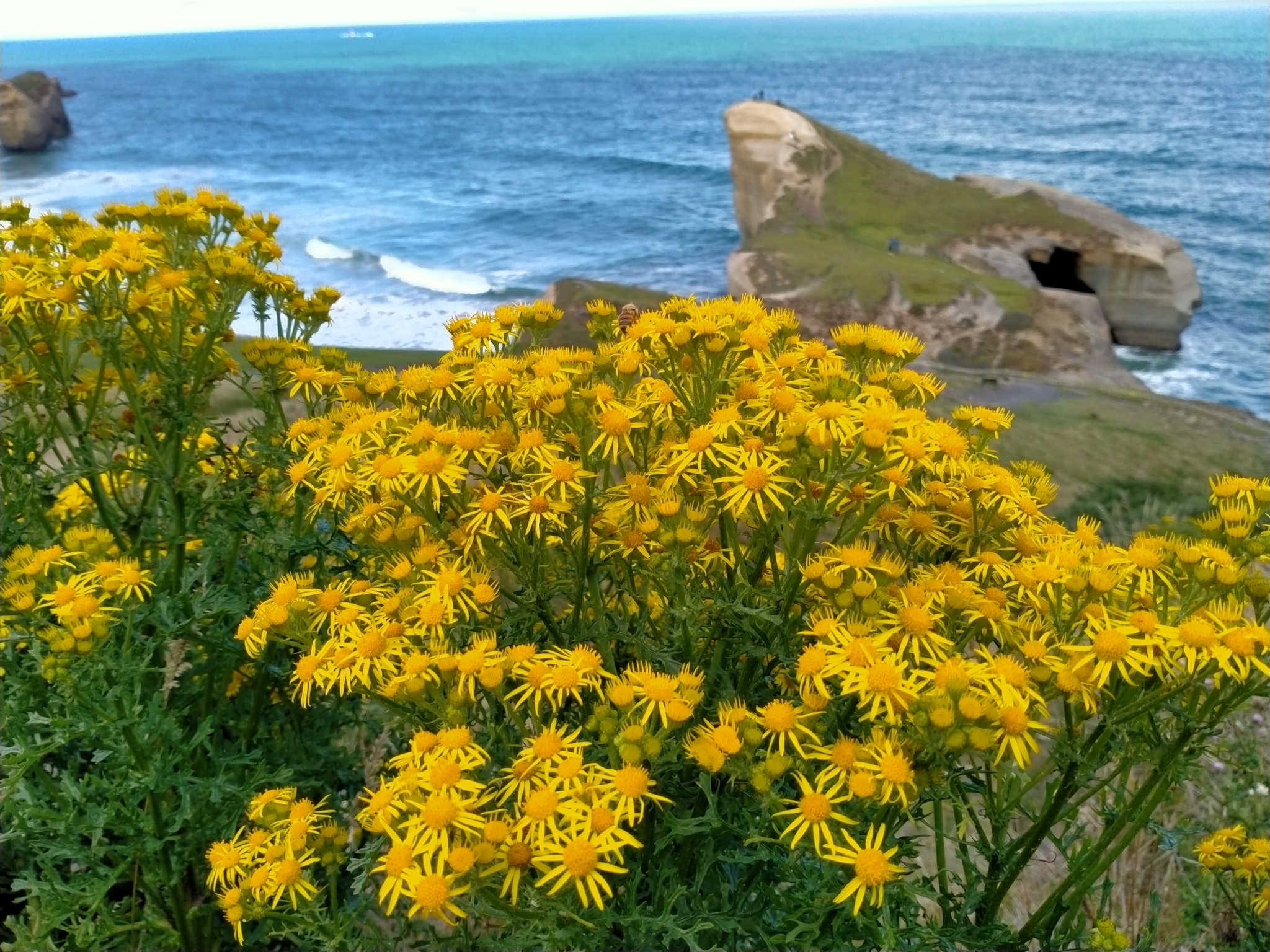
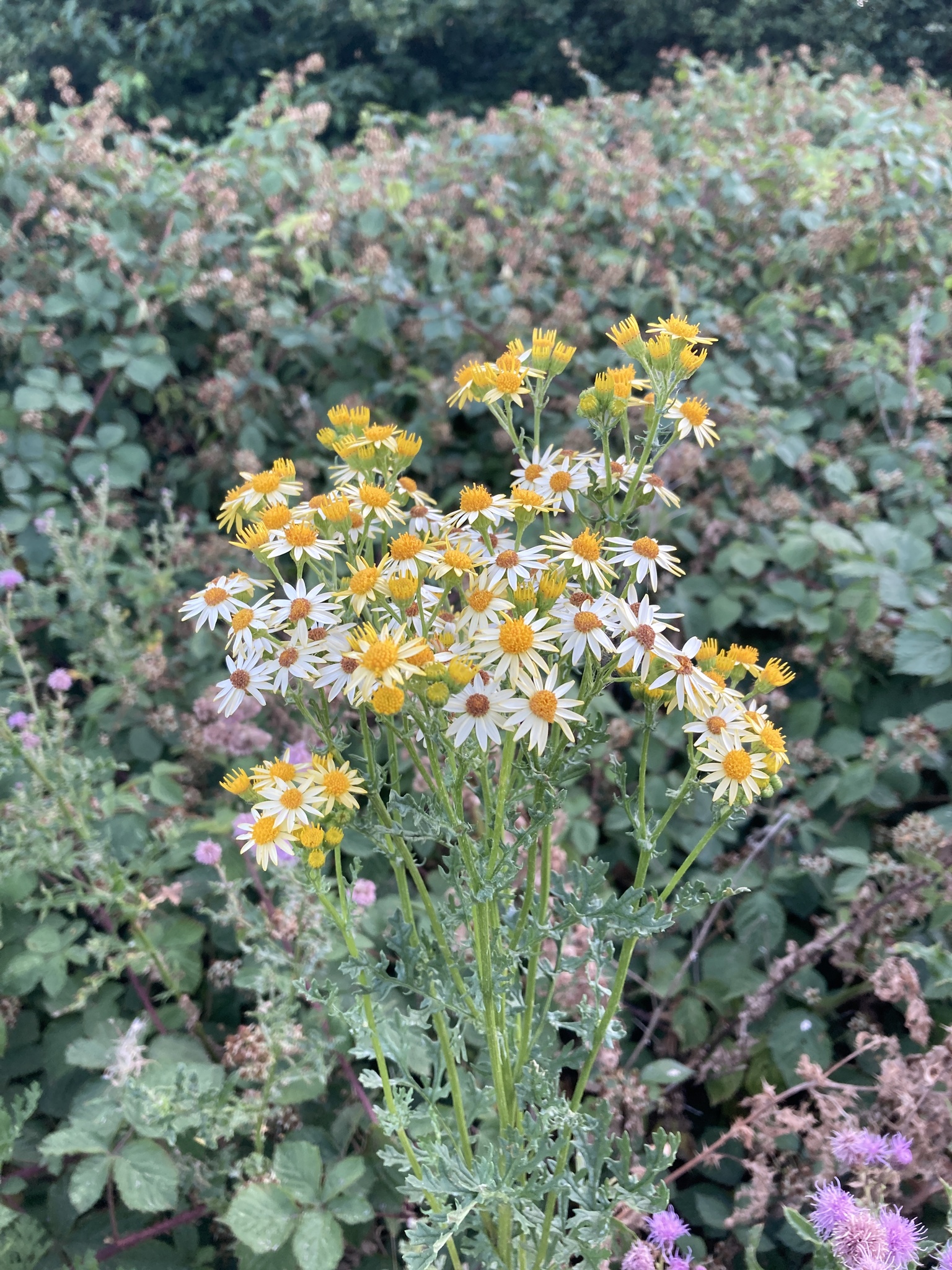
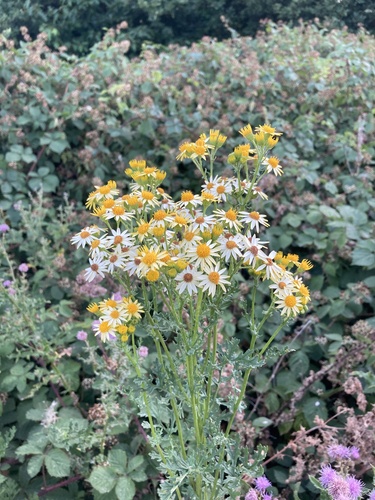
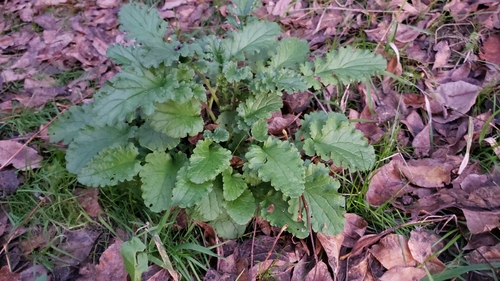
© photo
(c) Arne Åsnes, some rights reserved (CC BY-NC), uploaded by Arne Åsnes · cc-by-nc
John Barkla · cc0
jamie-aa · cc0
(c) jamie-aa, some rights reserved (CC BY) · cc-by
(c) Gavin Slater, some rights reserved (CC BY) · cc-by
Identity
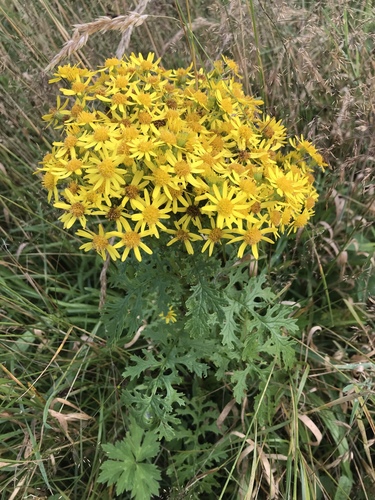
Yellow flower heads draw attention to ragwort (Jacobaea vulgaris Gaertn.), a wild member of the Asteraceae long known as Senecio jacobaea. English names also include common ragwort and tansy ragwort. Attractive yellow flowers are not, by themselves, a reason to gather a plant for a bouquet. 1 2 8
Kew accepts Jacobaea vulgaris and gives its native range as Europe to Mongolia and the Caucasus. The older name remains especially frequent in French references, where the vernacular “séneçon” links the plant with its former placement in Senecio. 2 6
Ragwort may grow among other yellow wildflowers such as hawkweeds and buttercups. Learning to distinguish them has a practical purpose: observation should include the possibility of animal exposure, rather than treating every yellow flower as interchangeable. 8
Two features deserve equal attention. Ragwort has genuine ecological value for insects, yet it is also seriously poisonous to horses and cattle, particularly when it contaminates hay. Its benefit to wildlife does not cancel that livestock hazard. 5 7
Recognition
A rosette of divided leaves appears first, followed by an upright stem carrying clustered yellow flower heads. From a distance, ragwort can disappear among other yellow Asteraceae; closer inspection of the leaves and growth habit makes identification more dependable. 5 8
Flower heads appear mainly in summer and early fall. Roadsides, waste ground, banks, meadows and other open places provide suitable habitat, often on relatively poor soil. The habitat is useful supporting evidence, but cannot replace examination of the plant itself. 2 5
The word “ragwort” does not uniquely identify one species. Several species, including plants formerly placed in Senecio, look alike, and many yellow composites can mislead a casual observer. The accepted binomial should accompany decisions about managing a particular plant. 4 6
A flower close-up alone is an incomplete identification record. Photograph the whole plant, the basal rosette if available, stem leaves and the surrounding habitat. Note nearby pasture or hay as well, because the consequences of a mistaken identification depend partly on that setting. 8
Useful taxonomy
The accepted botanical name is Jacobaea vulgaris Gaertn., the binomial recorded by Wikidata, POWO, WFO and IPNI. It provides a common reference point across older and newer accounts, even when their vernacular names differ. 1 2 3
The synonym Senecio jacobaea is essential when consulting older literature, French accounts and descriptions of livestock poisoning. Both names refer to the same meadow plant; a change of genus has not removed the need to recognize it around grazing animals. 6 8
Keeping the accepted name alongside the older synonym connects information that would otherwise be scattered between two names. It also helps when comparing botanical references with older field signs or land-management documents that still use Senecio jacobaea. 4 2
Accurate naming has a practical role where toxicity is concerned. Mistaking ragwort for a different yellow flower can lead either to an unnecessary alarm or to dangerous neglect near horses. Identification and the use of the land need to be considered together. 5
Ecology and management
Insect visitors, including the caterpillars of the cinnabar moth, use ragwort as a food source. Removing it indiscriminately from every setting overlooks its ecological role and the different ways in which a site may support wildlife. 5
Pasture changes the priorities. Horses and cattle often avoid fresh ragwort when other forage is available, but are much less able to separate it from hay or silage. Material mixed into conserved feed therefore poses a different problem from an identifiable living plant. 8 5
Flower color alone cannot determine a management decision. A plant in a meadow used for recreation may be observed, while the same plant in a horse pasture is a management warning. The difference lies in animal exposure and the intended use of the ground. 8 7
Where removal is needed, act before seeds develop and before hay is cut. Pulling an isolated rosette can be reasonable in pasture, while retaining a patch along waste ground away from animals may also be defensible. Neither response is appropriate everywhere. 5
The plumed seeds make timing important when protecting a particular field. Waiting until flowering is over and seeds are mature can mean considerable work for little benefit, because the opportunity to prevent dispersal has already narrowed. 5
Early recognition of the rosette is more useful than a late reaction to dry stems. Remove plants before seed production where control is required, and never mix the removed material with animal forage. Prevention of contaminated feed is central to useful management. 5
Uses
Careful identification is the most useful practical approach to ragwort. It is not a plant to recommend casually for a family flower bed, but a wildflower to recognize, understand and manage according to where it grows and who may encounter it. 8
Its yellow flowers can be attractive and its value to some insects is real. Those qualities alone do not decide whether it belongs in a bouquet, a horse meadow or compost accessible to animals. The destination of cut or discarded plants matters as much as their appearance. 5
Botanical identification can change how a garden or pasture is managed. Recognizing this species is more than attaching a name to a photograph: it helps connect a plant’s presence with a decision about forage, access and the timing of any necessary removal. 8
Away from livestock, ragwort can be observed and photographed. In a hay field, its presence instead calls for management attention. These different responses follow from the same plant’s biology and toxicity, combined with different uses of the site. 7 5
Ragwort is also valuable for teaching plant recognition. Looking beyond “a yellow wildflower” draws attention to the family, leaf shape, habitat and practical consequences of an identification. Its combination of beauty and danger makes those distinctions especially memorable. 8
Toxicity
Pyrrolizidine alkaloids account for ragwort’s toxicity. Reported compounds include jacobine, senecionine and related substances associated with liver damage in exposed animals. Their presence is a reason to take the plant seriously even when it has useful ecological roles. 5 7
Horses and cattle are the principal livestock concern. Dried plants in hay remain hazardous because animals no longer avoid them as they may avoid the unpleasant taste of fresh ragwort. Drying is therefore not a reliable way to make contaminated forage acceptable. 8 5
Improvised food or medicinal use is inappropriate for humans. People sensitive to Asteraceae may also react on contact, although repeated ingestion by animals remains the major documented hazard emphasized here. Neither an attractive flower nor a history of plant use establishes safety. 5 7
Near horses, identification needs to lead to timely action rather than admiration alone. Remove plants before hay cutting and seed production where required, keep them out of forage, and avoid moving cut material to places where animals can reach it. 8
Main sources
- Wikidata, Jacobaea vulgaris
- Plants of the World Online / Kew, Jacobaea vulgaris
- World Flora Online, Jacobaea vulgaris
- International Plant Names Index, Jacobaea vulgaris
- Wikipedia EN, Jacobaea vulgaris
- Wikipedia FR, Senecio jacobaea
- WHO IPCS, Environmental Health Criteria 80, Pyrrolizidine Alkaloids
- Floralens, selection of yellow flowers
If you are unsure about a plant’s toxicity, ask a botanist or veterinarian for advice.