
pea (Lathyrus oleraceus, )
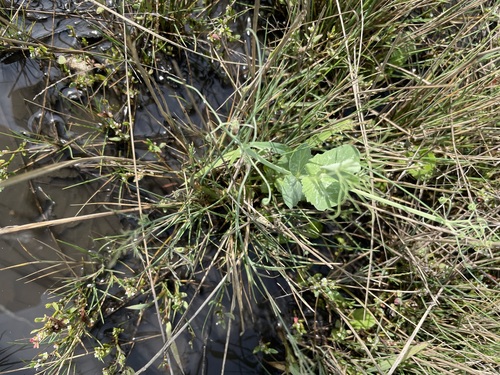
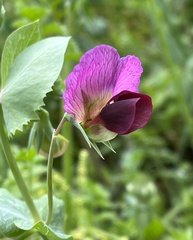
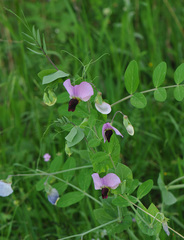
Pea (Lathyrus oleraceus Lam.) is a garden crop in the Fabaceae, accepted under that name by POWO but still widely called Pisum sativum in horticulture. March planting advice concerns its need for cool growing conditions: direct sowing, supports installed early and a short harvest window remain linked to the appropriate local season.
Read morepea and garden pea


© photo
Силаева Татьяна Борисовна · cc0
Bob Walker · cc0
Todd Boland · cc-by
© copyright of the Board of Trustees of the Royal Botanic Gardens, Kew.
Identity
The familiar pea, or garden pea, belongs to the taxon accepted by POWO as Lathyrus oleraceus. The name Pisum sativum remains far more familiar in vegetable gardens, on seed packets and in practical gardening advice, including Floralens' March planting guidance. Both names refer to the edible crop. 2 5 8
The different names reflect a taxonomic distinction that can surprise gardeners. Culinary and horticultural references often use Pisum sativum, while the broader classification adopted by POWO places the pea in Lathyrus oleraceus. Keeping both names connected makes it possible to recognize the same crop across these treatments. 6 7
POWO describes a climbing annual or short-lived perennial native from the Mediterranean to Afghanistan, used for human food, animal feed and certain medicinal purposes. 2
For cultivation, the important point in March planting advice is the right sowing window. Peas succeed when they start in cool conditions, in soil that has drained, with supports ready before their stems begin to break. March is relevant where those conditions coincide with early spring; elsewhere the local cool season supplies the guide. 8
Recognition
Flexible stems carry tendrils that attach to light supports. The leaves are compound, the flowers pea-shaped, and the following pods contain several green or yellow seeds according to variety. These features connect the climbing plant in the bed with the peas harvested from its pods. 5 2
In the vegetable garden, its behavior quickly becomes recognizable: the plant seeks something to climb, establishes during the cool season and suffers if heat arrives too early. It is not a summer crop, even when enthusiastic sowing overlooks that limitation. 8
Dwarf and tall climbing peas need different support. Dwarf forms manage with little assistance; tall forms need netting, dry brushwood or wire mesh installed before the row begins to collapse. Support should suit the growth habit of the variety being grown. 8
Distinguishing the crop from sweet pea is essential. Lathyrus odoratus is grown for scented flowers and bouquets, whereas L. oleraceus is the edible pea. Some classifications place them in the same expanded genus, but their uses remain very different. 6 2
Useful taxonomy
Kew's POWO accepts Lathyrus oleraceus Lam. The associated Wikidata, POWO, WFO and IPNI identifiers refer to this taxonomic target. These identifiers provide a botanical reference alongside the familiar crop name. 1 2 3
Pisum sativum remains central to everyday usage. Wikipedia and recent publications explain that some treatments retain Pisum, while POWO places the name in synonymy under Lathyrus. The two usages therefore need to be understood in relation to their classifications. 6 7
A pea recommended for March sowing does not become a different plant when called Lathyrus oleraceus. The culinary crop and the botanical taxon are connected, rather than representing one plant for cooking and another for taxonomy. 8 4
For practical gardening, “pea” remains the readily understood name. For botanical identification and finding references across classifications, Lathyrus oleraceus supplies POWO's accepted name. Recognizing Pisum sativum alongside it helps connect the literature to the crop growing in the garden. 2 5
Growing in March
March sowing advice applies when the soil is no longer sticky or frozen. Cold, poorly aerated ground causes seeds to rot or emerge unevenly, so the condition of the seedbed matters more than reaching a particular date. In another climate or hemisphere, use the corresponding cool-season window. 8
Peas favor a cool spring. Sowing too late exposes flowering and harvesting to heat, shortening both; sowing too early in saturated ground leaves gaps in the row before the crop has properly started. The successful window lies between those two problems. 8
Put supports in place early. Light netting, dry branches or wire mesh are sufficient, but they need to be ready before stems attach to one another. Untangling a collapsed row tends to break more stems than it saves. 8
This need for planning also makes peas instructive to grow: a straight row, installed supports, drained soil and tendrils directed toward their support show whether the gardener has prepared in time. The crop rewards a simple method rather than forceful handling. 8
Water regularly but moderately. Excess water produces soft foliage, increases disease risk and does not improve the pods' condition. Steady moisture during flowering and pod filling is preferable to alternating extremes. 8
Uses
The main use is in the spring vegetable garden, where peas offer a short, rewarding harvest that beginners can readily follow. Success still depends on respecting the climatic window in which the crop grows best. 8
Peas fit crop rotations, the edges of cool vegetable beds, family gardens and projects with children. Seedlings need protection from birds, and the plants should remain easy to reach at harvest. 8 5
Growing peas alongside lettuce, alliums or low crops can work if spacing allows air to circulate. Filling every gap risks blocking airflow around a crop susceptible to powdery mildew. Generous access and ventilation matter more than packing the bed completely. 8
Children can follow a particularly tangible sequence: a large seed, visible emergence, a tendril that is easy to understand and a quick harvest. Few vegetables show the relationship between sowing, support and timing so clearly. 8 5
That visible sequence also makes peas a useful crop for photographic records of progress in the vegetable garden. 8
After harvest, legume roots also have value within a rotation. This does not make peas a miraculous green manure: producing pods during a cool growing window remains the main purpose of the crop. 5
Cautions
Peas are a familiar human food, but caution around the genus Lathyrus remains appropriate. Some species in the genus are associated with lathyrism when eaten excessively or under severely restricted dietary conditions. That genus-level warning needs to be distinguished from ordinary culinary use of peas. 6 7
For Lathyrus oleraceus, practical concerns in a family garden chiefly involve animals consuming unsuitable quantities, treated seed or crop residues not intended as feed. Normal human consumption of peas remains the expected context. 5 2
March can therefore be a suitable sowing time where soil, season and supports are ready. The accepted name Lathyrus oleraceus explains the botanical classification; for gardeners, the practical lesson is to sow early in the appropriate cool season. 8 2
Main sources
- Wikidata, Lathyrus oleraceus
- Plants of the World Online / Kew, Lathyrus oleraceus
- World Flora Online, Lathyrus oleraceus
- International Plant Names Index, Lathyrus oleraceus
- Wikipedia EN, Pea
- Wikipedia EN, Pisum
- Diversity, taxonomic status of genera within Fabeae with focus on Pisum
- Floralens, que planter en mars
If you are unsure about a plant’s toxicity, ask a botanist or veterinarian for advice.