
Bunch-flowered daffodil (Narcissus tazetta, )
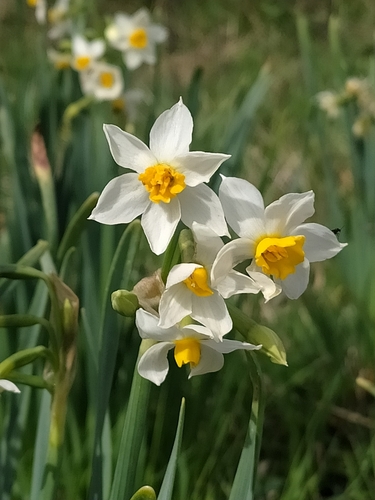
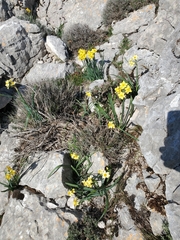

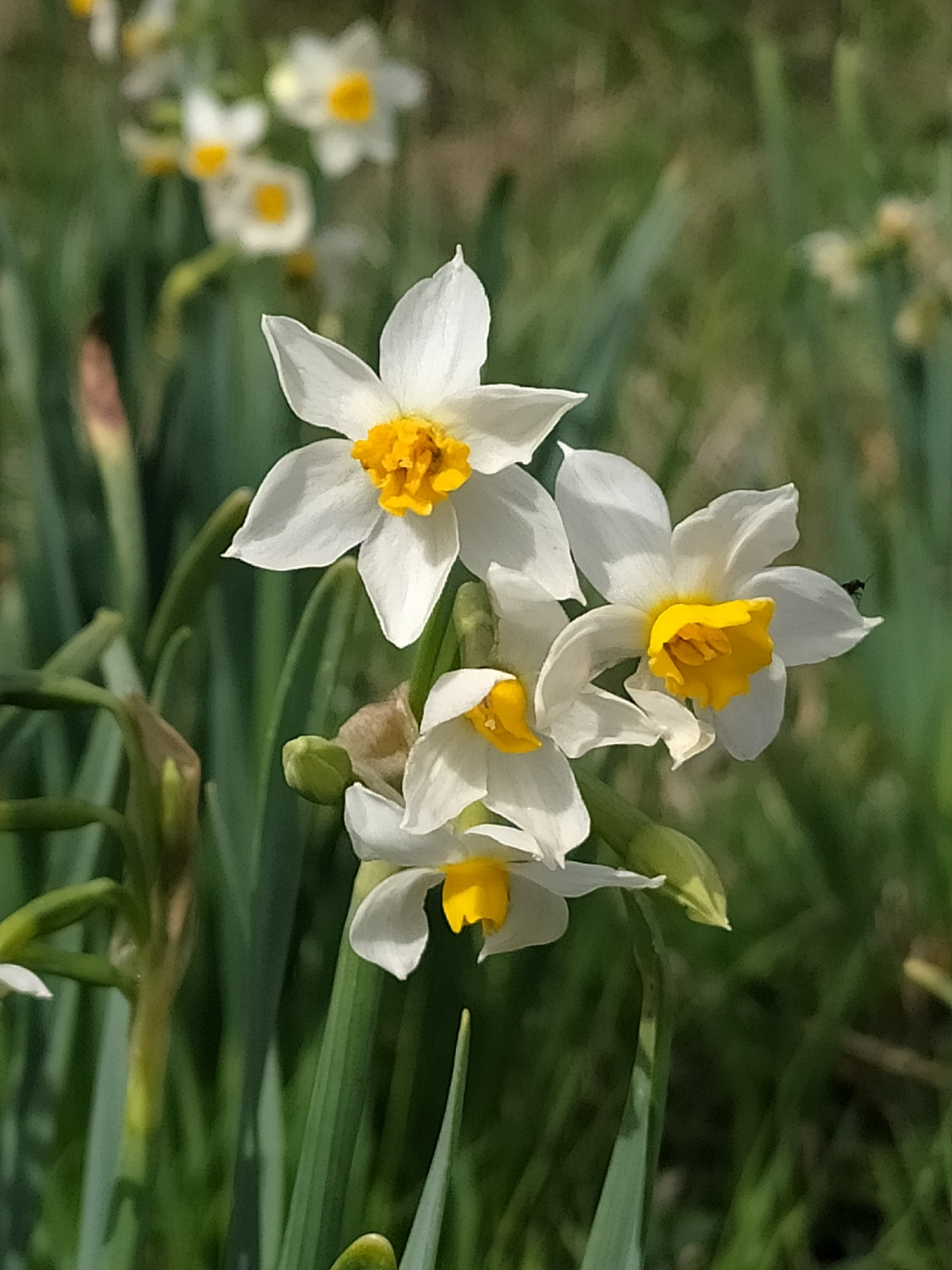
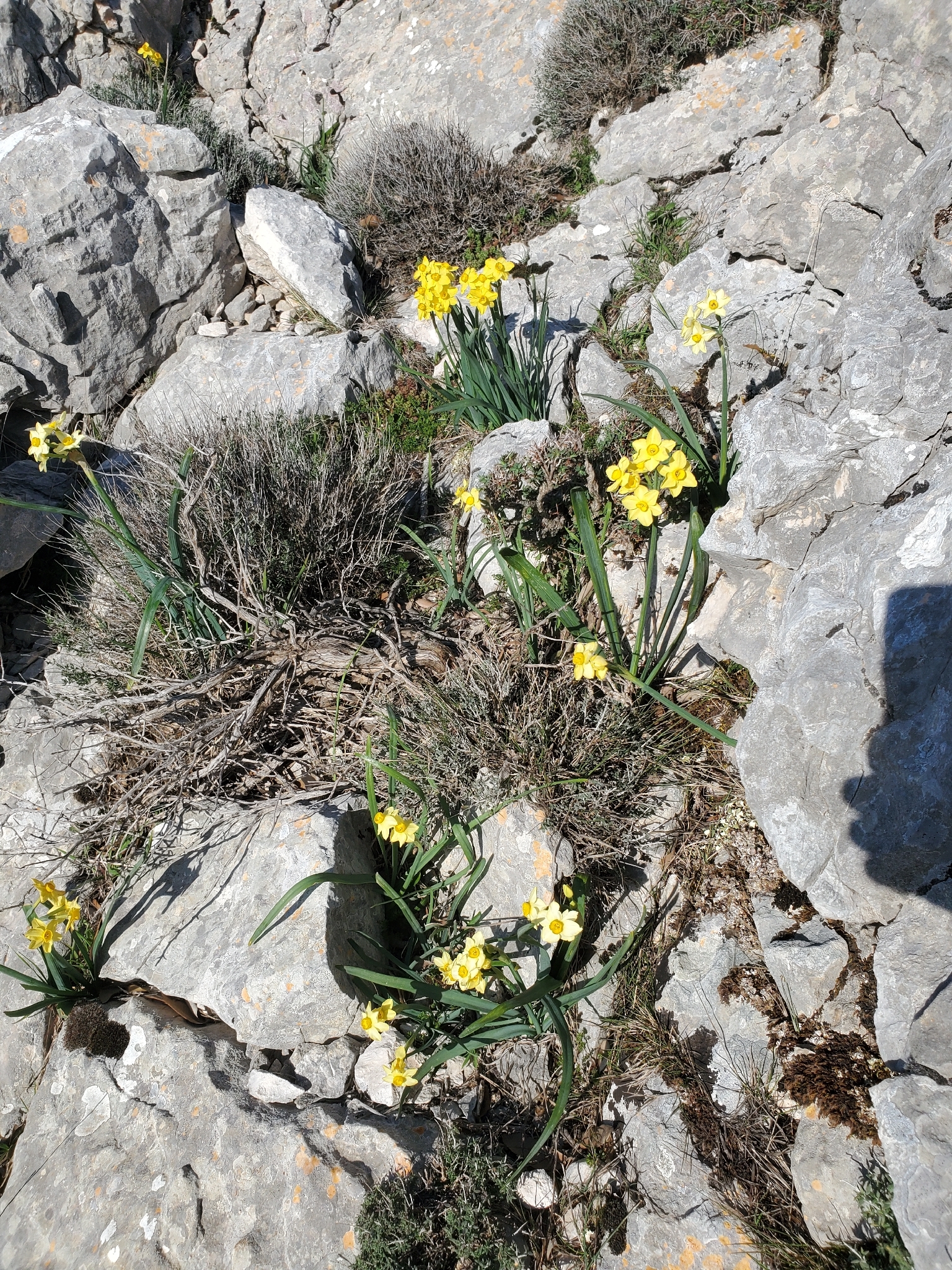
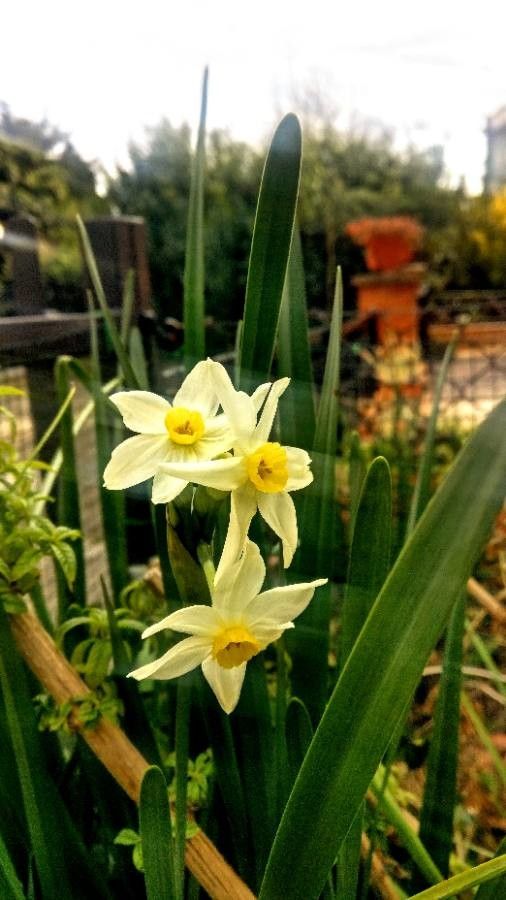
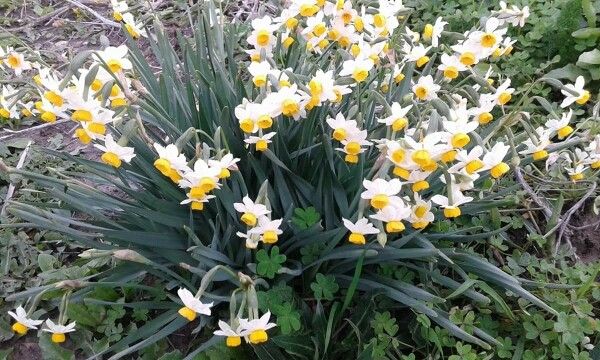
Bunch-flowered daffodil (Narcissus tazetta L.) is a Mediterranean and Asian species in the Amaryllidaceae. Its fragrant flowers form umbels with more blooms than a trumpet daffodil, and it is toxic if eaten, like other daffodils.
Read moreBunch-flowered daffodil, Cream narcissus, Bunch-flowered narcissus, Bunchflower daffodil, Paper white narcissus and Polyanthus narcissus
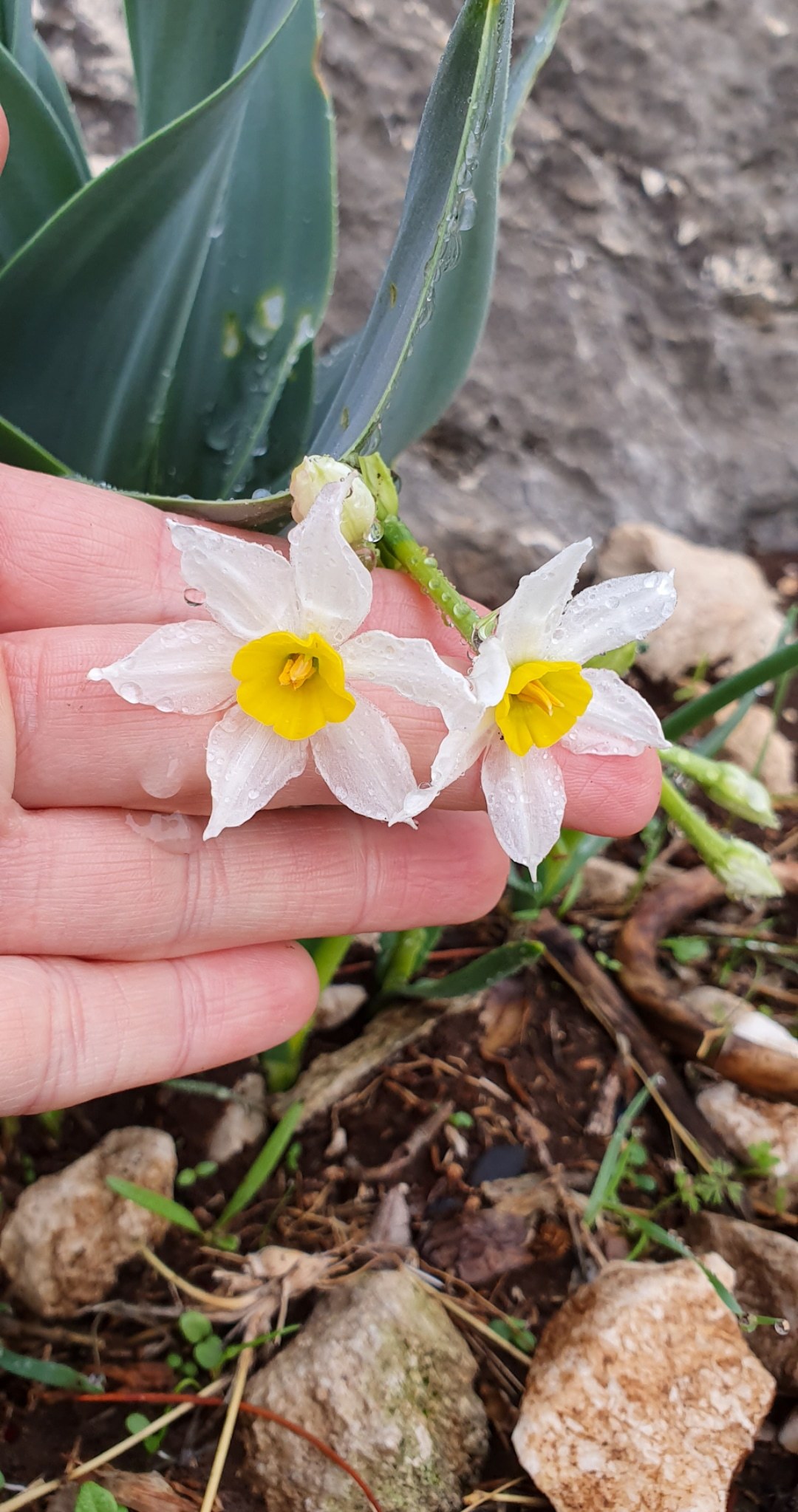


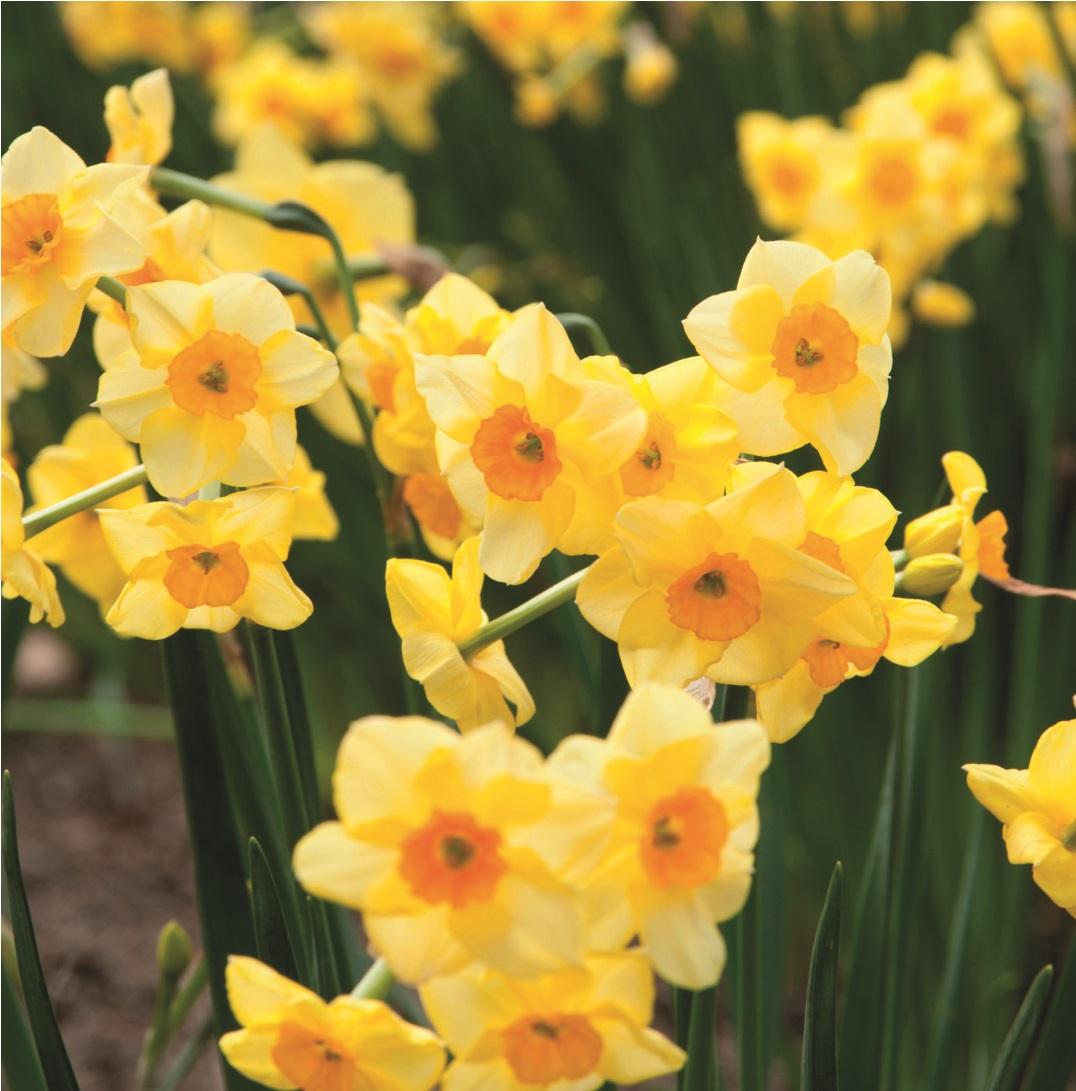
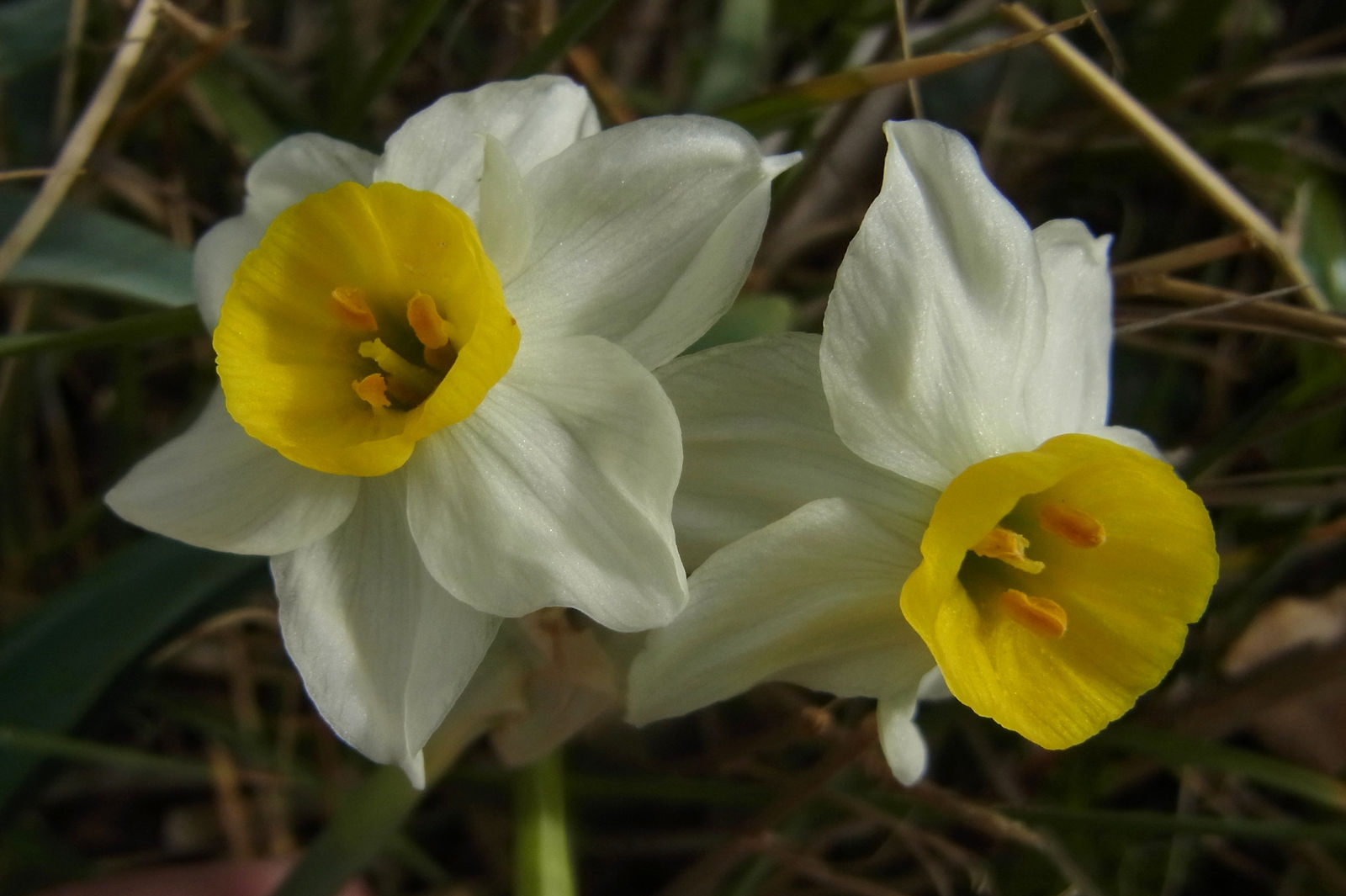
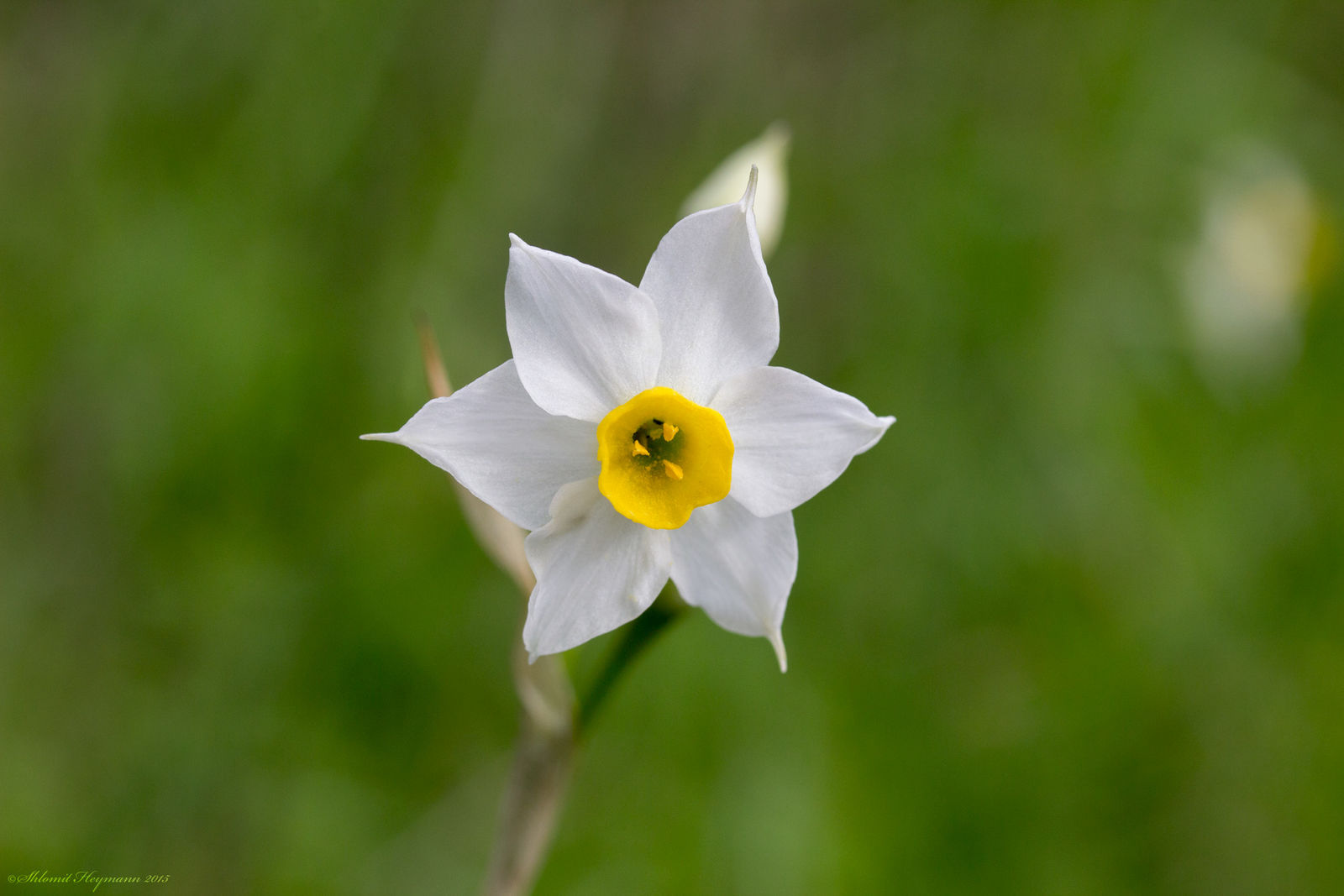
© photo
(c) Francesco Santoro, some rights reserved (CC BY), uploaded by Francesco Santoro · cc-by
Jonathan Hughes · cc0
Татьяна Прозорова · cc0
Taken Apr 16, 2022 by Jim Knopf (cc-by-sa)
Taken Apr 21, 2022 by Dave Flack (cc-by-sa)
Taken Jan 18, 2021 by Miguel Moreno (cc-by-sa)
Taken Apr 6, 2021 by Dieter Wagner (cc-by-sa)
© copyright of the Board of Trustees of the Royal Botanic Gardens, Kew.






Identity
Bunch-flowered daffodil (Narcissus tazetta L.) belongs to the Amaryllidaceae. Its fragrant flowers form clusters rather than a single trumpet, giving this species its distinctive small-bouquet silhouette. 1 8
POWO, WFO, IPNI and Wikidata confirm the accepted binomial. It distinguishes this plant from Narcissus pseudonarcissus and Narcissus papyraceus, two useful comparisons that represent different species. 2 3 4
NC State describes a perennial bulb with fragrant flowers, suited to full sun or partial shade and well-drained soil. Plants can reach 40–80 cm (16–31 in), depending on growing conditions and form. 5
Season, fragrance and the clustered flowers all contribute to its cultural appeal. In hanakotoba, these visual and sensory qualities give this particular daffodil its place in flower symbolism. 8 7
The word tazetta is useful beyond taxonomy: it signals clustered flowers, fragrance and cultivation in milder conditions than many very hardy garden daffodils. 5 7
Recognition
An umbel is the key identifying feature: each stem bears several flowers, often white with a yellow or orange cup and a clear fragrance. The perianth segments spread more widely than those of a typical trumpet daffodil. 5 7
Strap-shaped leaves are flat or slightly channeled, often blue-green. A bare, upright flower stalk holds the blooms above the foliage, creating the effect of a small bouquet. 5
Paperwhites are a frequent source of confusion. Narcissus papyraceus is predominantly white and closely associated with indoor forcing; Narcissus tazetta encompasses a broader range of clustered daffodils, often yellow and white. 7 2
The scientific name resolves this ambiguity. A plant identified as Narcissus tazetta should be understood as that species, even when it is called simply a daffodil or paperwhite. 8 3
Useful taxonomy
Linnaeus published the accepted name Narcissus tazetta L. Numerous horticultural names and cultivated forms are associated with the species, making an authoritative botanical reference useful. 4 2
English names listed by NC State include bunchflower daffodil, cream narcissus, paper white narcissus and polyanthus narcissus. These names help gardeners recognize the plant but do not replace its binomial. 5
Daffodils share a bulbous structure and genus-wide toxicity, yet their uses differ. N. tazetta carries more flowers in a cluster than a trumpet daffodil and encompasses more than the white paperwhite alone. 6 7
Keeping the species name preserves a useful distinction: this is a recognizable botanical species with its own clustered silhouette, rather than an interchangeable name for every daffodil. 8 1
Cultivation
Provide well-drained soil that stays moist during growth and becomes drier during dormancy. NC State recommends full sun to partial shade and describes good tolerance once plants are established in suitable growing zones. 5
Plant bulbs in fall, as with many daffodils, at a depth suited to their size. Small groups repeated through a planting emphasize the clustered floral effect more effectively than isolated bulbs. 5 8
Allow the leaves to yellow naturally after flowering. Cutting them too early weakens the bulbs by preventing the plant from replenishing its reserves, a step often overlooked with ornamental bulbs. 5
In cold climates, some forms are more reliable in protected containers or as seasonal plants. In mild climates, they can grow in Mediterranean-style beds with a drier summer rest. 7 2
Avoid compacted soil around the bulb. Mature organic matter and improved drainage can help heavy soil, but constant wetness is not the goal: the plant needs moisture while growing, followed by a drier rest. 5
Uses
A fragrant cool-season display is its strongest use, whether in a mild-climate bed, container, Mediterranean garden, cut bouquet or symbolic floral arrangement. Several flowers together have more presence than a single bloom. 8 5
Grape hyacinths, forget-me-nots, violas, small cool-season grasses and other low bulbs make suitable companions. Keep plants around the base low enough to leave the flower stalks visible. 8
In hanakotoba, its appeal combines an unmistakable daffodil flower with a bouquet-like silhouette. Recognizing the exact species helps retain that distinctive combination. 8 7
Fragrance can be powerful. Indoors, limit the number of bulbs to suit the room; outdoors, moving air disperses the scent and makes it more subtle, especially along a border. 5
Close viewing makes the most of a planting. An isolated clump at the far end of a garden can disappear, while a group beside a path brings the fragrance and detailed central cups within reach. 8 5
Precautions
The ASPCA lists Narcissus spp. as toxic to dogs, cats and horses because of lycorine and other alkaloids. The bulb is the most hazardous part. 6
Possible symptoms include vomiting, salivation and diarrhea. Large ingestions can cause seizures, low blood pressure, tremors and heart problems; NC State also identifies risks to cats, dogs and horses. 6 5
Keep bulbs away from food, place containers beyond animals' reach and collect loose dried pieces after planting or repotting. 6
Planting and repotting create more opportunities for ingestion than simply viewing the flowers. Exposed bulbs can attract a digging dog or curious child, making careful storage particularly important at those times. 6 5
Floriferous, fragrant and culturally recognizable, Narcissus tazetta has a clear place in hanakotoba and ornamental planting. It remains strictly an ornamental plant. 8 2
Main sources
If you are unsure about a plant’s toxicity, ask a botanist or veterinarian for advice.