
Quaking aspen (Populus tremuloides, )
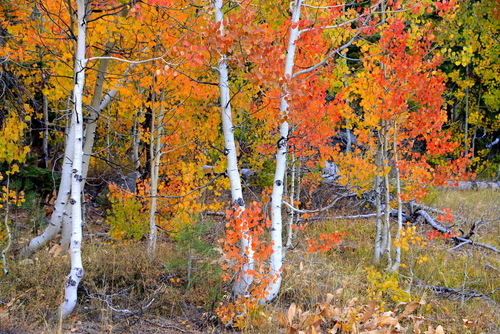

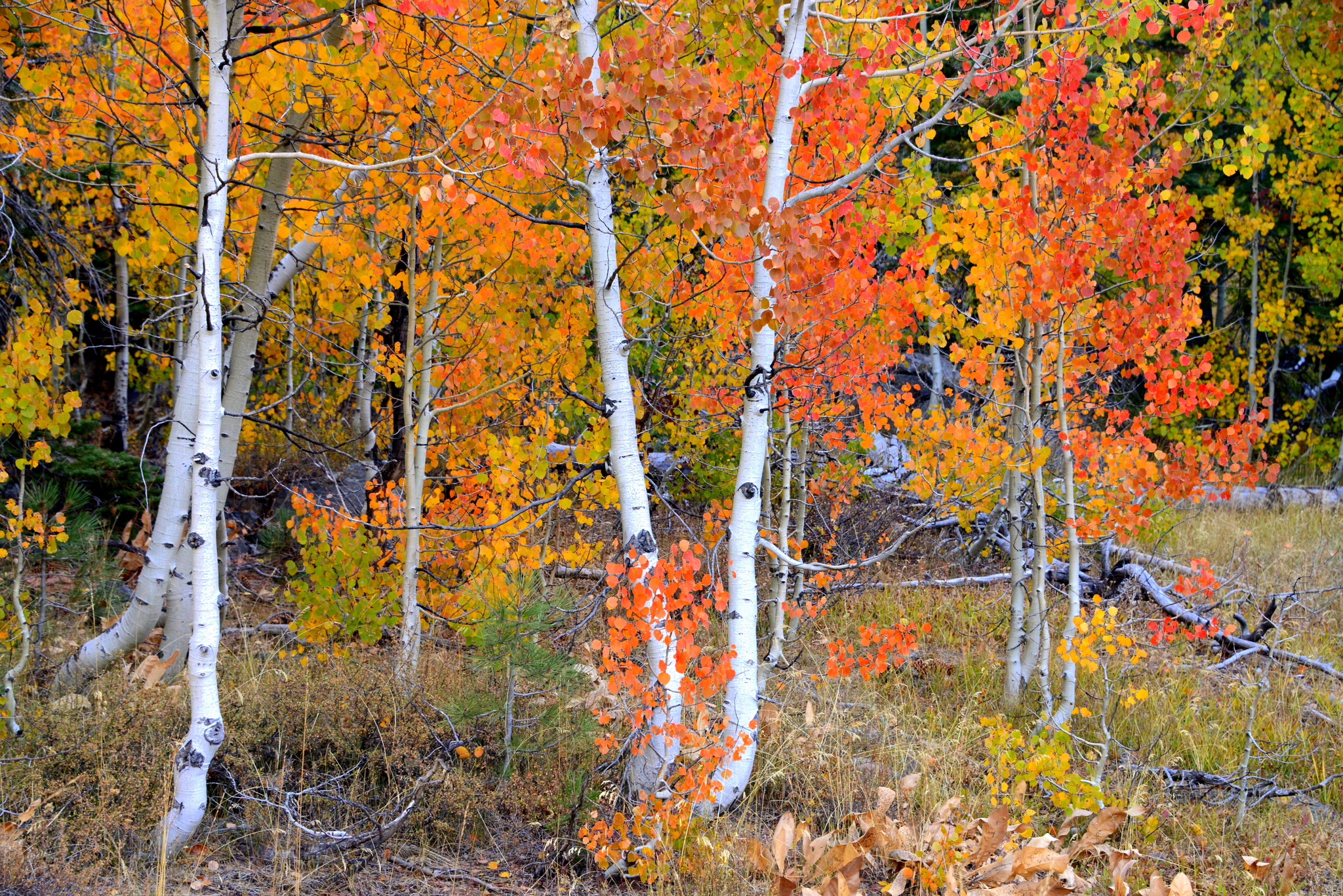
Quaking aspen (Populus tremuloides) is a deciduous pioneer tree in the Salicaceae family, and the most widely distributed tree in North America, from Alaska to central Mexico. Its greenish-white bark and nearly round leaves are distinctive; flattened leaf stalks make the foliage tremble in the slightest breeze. Root suckers form vast colonies of genetically identical trees.
Read moreQuaking aspen, Trembling aspen, American aspen, Mountain aspen, Golden aspen and Popple
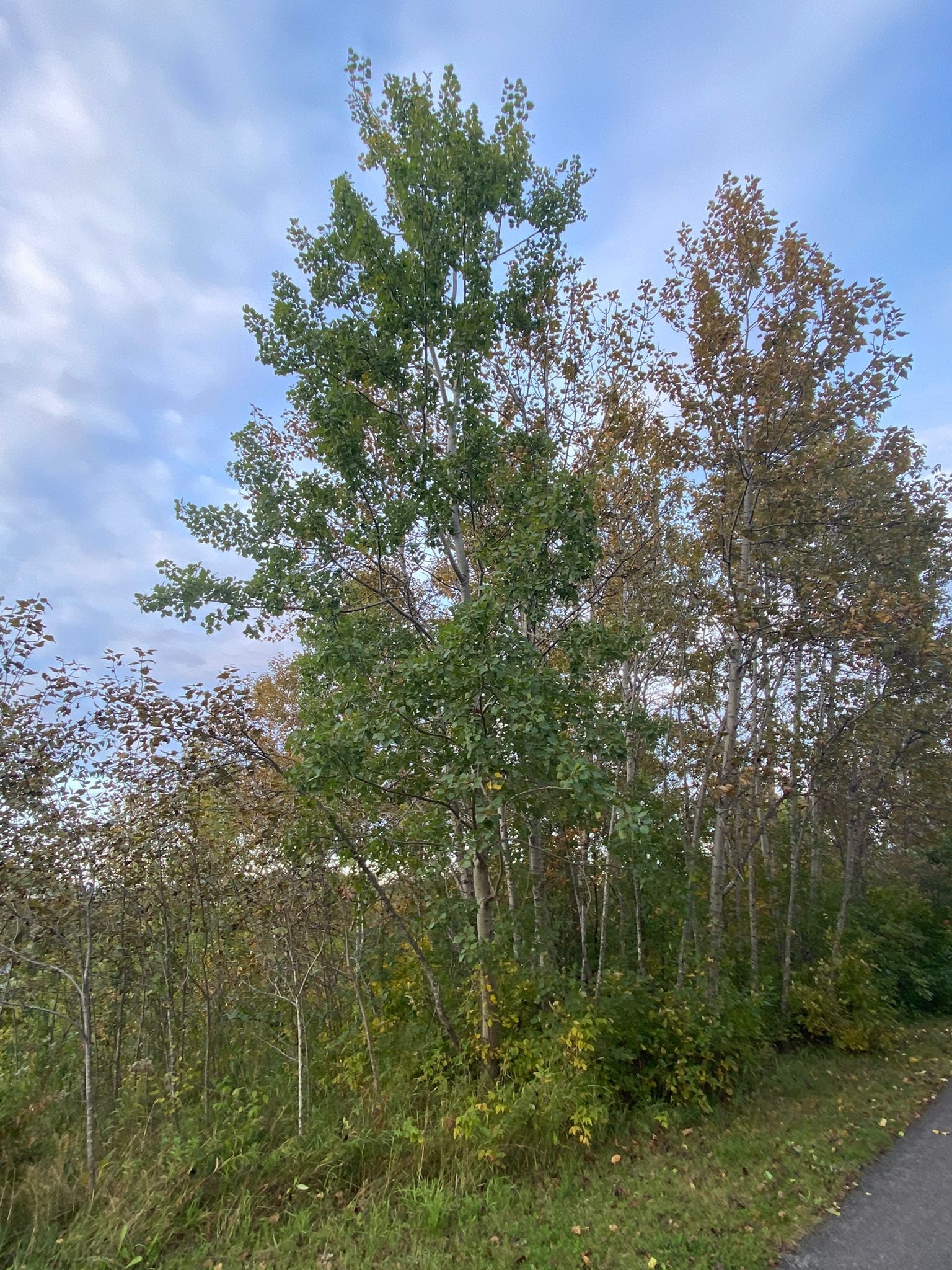


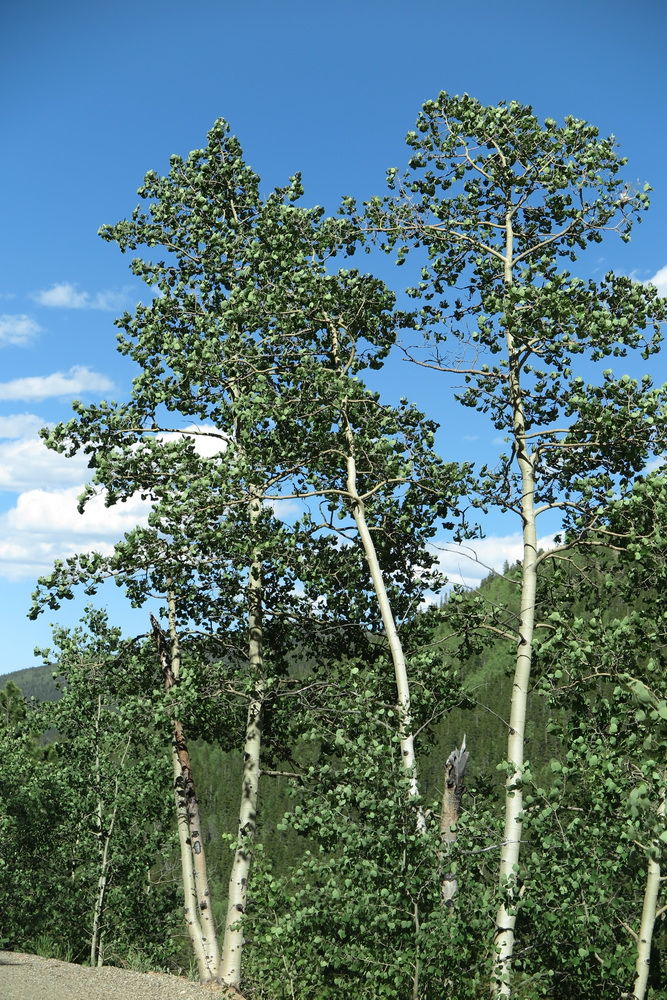
© photo
(c) Damon Tighe, some rights reserved (CC BY-NC), uploaded by Damon Tighe · cc-by-nc
Kallum McDonald · cc0
Denise Alano · cc0
Taken Feb 12, 2022 by Toby Cotton (cc-by-sa)
Taken Mar 10, 2022 by Stephanie M (cc-by-sa)
Taken Jun 7, 2022 by cathleen kruk (cc-by-sa)
Taken Apr 24, 2020 by Natacha Ouellet (cc-by-sa)
Taken Aug 8, 2019 by Adrien Arrous (cc-by-sa)
© copyright of the Board of Trustees of the Royal Botanic Gardens, Kew.


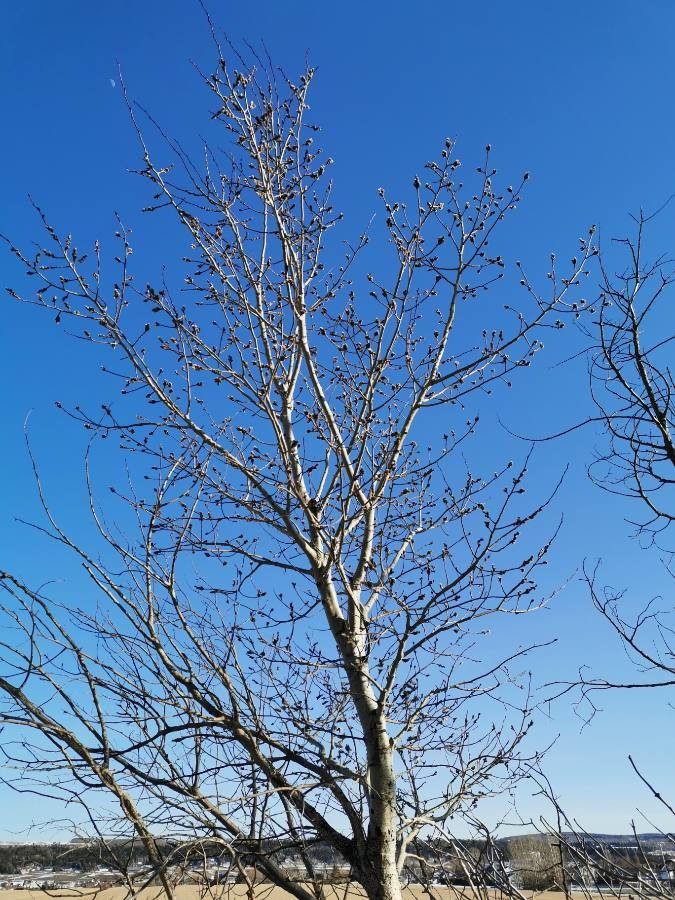


Global distribution
Populus tremuloides is native across almost all of Canada and from Alaska to the mountains of central Mexico, giving it the broadest range of any North American tree. Its northern limit reflects intolerance of permafrost rather than a strict temperature threshold; its southern limit roughly follows the July 24 °C (75 °F) isotherm. It is not naturalized in France or elsewhere in Europe.
- Native3
- Canada
- United States
- Mexico
Hexagons: regions where the plant occurs. Green dots: native range.1
Identity
Quaking aspen (Populus tremuloides Michx.), first described in 1803, is a deciduous tree of the genus Populus in the Salicaceae family. Other names include trembling aspen, American aspen, mountain aspen, golden aspen and popple. The epithet tremuloides means “resembling the aspen,” referring to foliage that moves in the slightest breeze. 1 2
Across North America, no other native tree has a wider distribution: this aspen ranges from Alaska to the mountains of central Mexico. As a pioneer species, it colonizes burns, forest clearings and abandoned ground within a few seasons, helped by rapid growth and vigorous root suckering. 7 3
Recognition
Mature quaking aspens commonly reach 12–25 m (39–82 ft), with exceptional trees exceeding 30 m (98 ft). Smooth, greenish-white bark on young trees develops fissures and darkens at the base after 15–20 years. A thin green photosynthetic layer beneath the bark allows sugar production even in winter. 5 4
Nearly round leaves measure 4–6 cm (1.5–2.5 in) across. Their stalks are flattened perpendicular to the blade, making the foliage tremble at the slightest breeze. Glossy green leaves turn golden yellow in fall, and occasionally red. 2 3
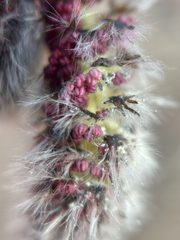
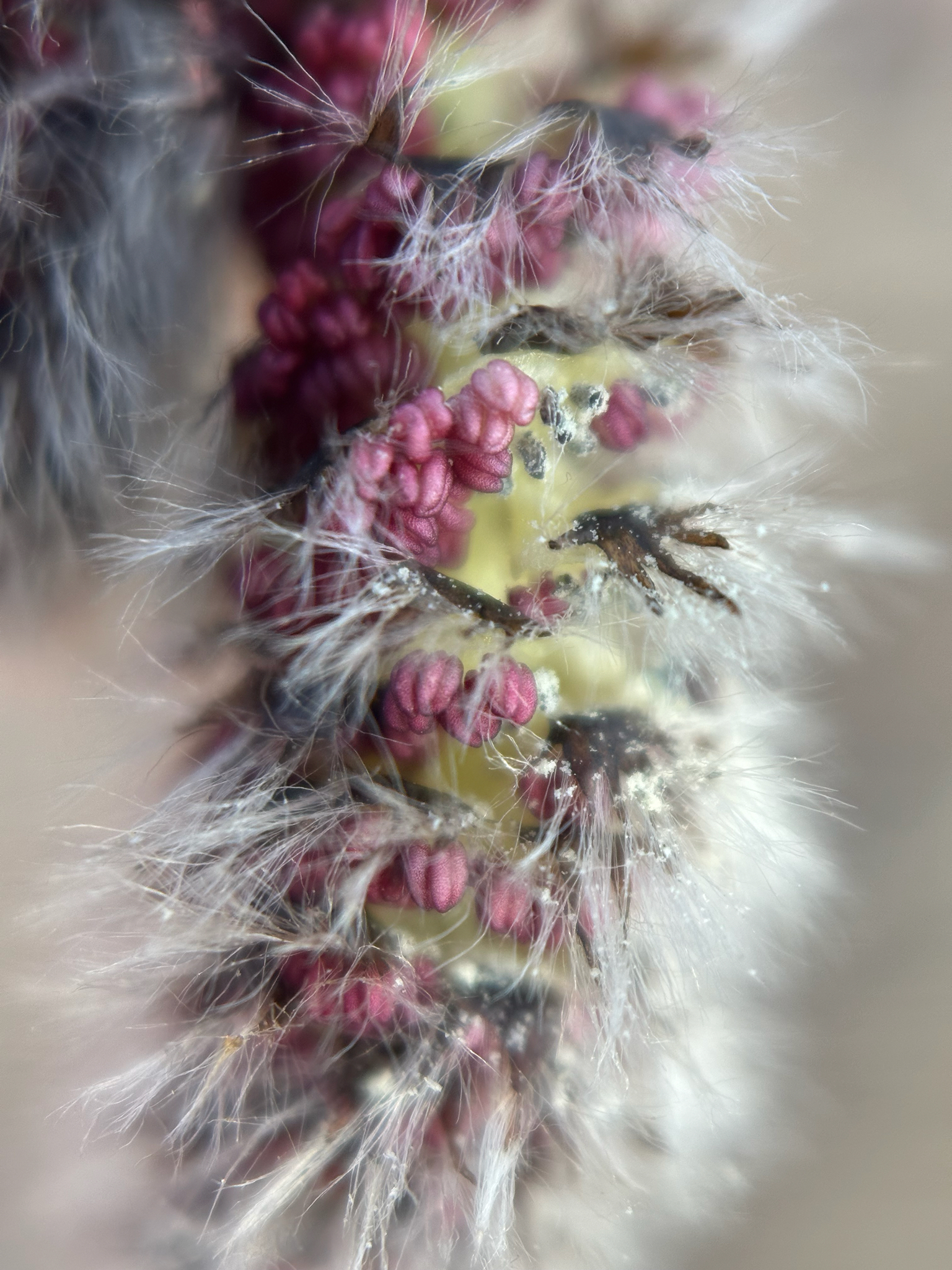
Separate trees bear male and female flowers, making the species dioecious. Flowers form distinct catkins before leaf emergence. Later, capsules release tiny seeds surrounded by cottony down, allowing long-distance wind dispersal. 7
Useful taxonomy
André Michaux described Populus tremuloides in 1803 in his Flora Boreali-Americana. It belongs to the Salicaceae family alongside willows. 1
Despite numerous horticultural synonyms, the accepted name has remained stable. Varieties and forms described since the nineteenth century include P. tremuloides var. aurea and var. pendula, but current references do not recognize any as a distinct species. The accepted name Populus tremuloides remains the reliable reference. 1
Eurasian aspen (Populus tremula L.) has a similar appearance and species name. Its range, however, lies in Europe and temperate Asia, separate from the North American range of Populus tremuloides. 1
Habitat and range
From Alaska and almost all of Canada, quaking aspen reaches the mountains of central Mexico, covering more territory than any other North American tree. In the western United States it grows mainly at 1,500–3,700 m (4,900–12,100 ft), descending to the plains farther north. 7 2
Intolerance of permafrost defines its northern boundary more closely than a strict temperature threshold. The southern boundary approximately follows the July 24 °C (75 °F) isotherm. The International Union for Conservation of Nature lists Populus tremuloides as Least Concern because of its extensive range, despite localized dieback in the western United States since the 1990s. 7 6
Life cycle and reproduction
Seed reproduction is uncommon in the wild: the tiny, short-lived seeds germinate only on bare, moist ground within a few days of dispersal. 7
Most spread occurs through root suckers. Adventitious buds on the parent roots produce new trunks, creating an underground network shared by hundreds or thousands of genetically identical stems. This shared root system is distinct from a true rhizome. 5
Utah’s famous Pando clone covers about 43 hectares (106 acres). Thousands of genetically identical trunks share one root system and may weigh roughly 6,000 metric tons in total, more than the great majority of recorded living organisms. Its age remains debated: study estimates range from several thousand years to more than 80,000 years. 5
After fire destroys the aboveground stems, surviving roots rapidly send up new shoots. Fire can therefore favor Populus tremuloides regeneration by reducing competing conifers. 7
Uses and risks
Soft, lightweight aspen wood dries slowly and rots quickly, making it poor firewood. It provides good-quality paper pulp, however, and is used for oriented strand board, lightweight crates and plywood. 3 2
Indigenous North American peoples used the inner bark, eaten raw or dried into flour, and the sap as famine foods. The bark also served as a quinine substitute for fever; it contains salicylates related to those in willow. The species is not considered toxic to people or pets when ingested, although prolonged internal use of the bark may cause digestive upset. 3
Winter browsing by deer, elk and hares removes bark from young stems when snow covers the understory; the thin photosynthetic layer beneath the bark provides food. Beavers fell trunks for feeding and for building dams and lodges. 5
Since the 1990s, sudden aspen decline has affected several western United States populations. Overgrazing by large herbivores and suppression of natural fires weaken stands; prolonged drought then favors attacks by wood-boring insects. 7
Varieties, look-alikes and related plants
Few horticultural cultivars have stable names, as propagation mainly uses natural suckers or root cuttings rather than varietal selection. Prairie Gold is one of the few recognized commercial cultivars. Selected for improved tolerance of heat and humid low-elevation summers, it remains limited to USDA zone 4. 4
Specialist nurseries sometimes sell a weeping form as Pendula. Its horticultural status varies with the supplier, as plant references do not list it as a stable cultivar.
The closest source of confusion is Eurasian aspen (Populus tremula), similar in name and habit but not native to North America. Balsam poplar (Populus balsamifera L.) sometimes shares moist North American habitats with quaking aspen. Darker bark and longer, pointed leaves that are sticky at bud break distinguish it. 1
Main sources
- Plants of the World Online / Kew, Populus tremuloides Michx.
- NC State Extension, Populus tremuloides (Quaking Aspen)
- Plants For A Future, Populus tremuloides
- Missouri Botanical Garden, Populus tremuloides
- National Park Service, Facts About Quaking Aspen (Bryce Canyon)
- IUCN Red List of Threatened Species, Populus tremuloides assessment
- USDA Forest Service, Fire Effects Information System, Populus tremuloides
Frequently asked questions
Is quaking aspen poisonous?
No. The species is not considered toxic when ingested by people or pets. Its bark contains salicylates related to those in willow, and prolonged internal use can cause digestive upset.
Why do aspen leaves tremble?
Each leaf stalk is flattened perpendicular to the leaf blade, unlike those of most trees. This lets the leaf twist in the slightest breeze, giving quaking aspen its name.
What is the Pando clone?
Pando is the name given to the largest known Populus tremuloides clone, in Utah. Thousands of trunks share one root system, cover about 43 hectares and may weigh about 6,000 metric tons in total.
Does fire threaten quaking aspen?
Its roots survive underground after a fire and quickly produce new shoots. Fire can even favor its regeneration by reducing competition from conifers.
How does quaking aspen differ from European aspen?
The two have similar names and trembling foliage, but Populus tremula belongs to Europe and temperate Asia, whereas Populus tremuloides is native to North America.
What is quaking aspen wood used for?
It makes poor firewood because it dries slowly and rots quickly. It does provide good-quality paper pulp and is used for oriented strand board, lightweight crates and plywood.
Why are some aspen stands dying back?
Sudden dieback has affected parts of the western United States since the 1990s. Overgrazing, suppression of natural fires and severe drought weaken trees and leave them vulnerable to wood-boring insects.
If you are unsure about a plant’s toxicity, ask a botanist or veterinarian for advice.