
Japanese apricot (Prunus mume, )
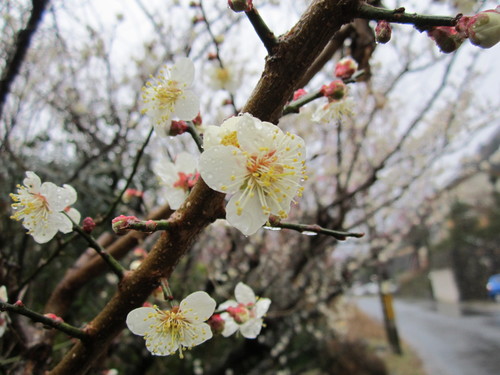

Japanese apricot (Prunus mume), also known as ume, is a very early flowering species in the Rosaceae family. Its often fragrant blossoms have an important place in Chinese and Japanese culture, evoking resilience, nobility of spirit and perseverance before spring.
Read moreJapanese apricot, Ume, Chinese plum and Japanese flowering apricot



© photo
Richard Littauer · cc0
Wikimedia Commons · CC BY-SA or Public Domain
Wikipedia · CC BY-SA
© copyright of the Board of Trustees of the Royal Botanic Gardens, Kew.




Identity
Japanese apricot (Prunus mume Siebold & Zucc.), known as ume in Japan, belongs to the Rosaceae family. In Japanese flower symbolism, or hanakotoba, it precedes sakura and represents resilience, nobility of spirit and perseverance. 1 8
Botanical references POWO, WFO and IPNI confirm the accepted binomial. This member of Rosaceae belongs to the large genus Prunus, which includes cherries, plums, apricots, peaches and almonds. 2 3 4
Ume and sakura are distinct floral symbols. Ume blooms earlier, often in late winter while the air is still cold. That timing underpins its symbolism: beauty appearing before the gentler conditions of spring. 6 8
Japanese floral culture has long given Prunus mume a major place in poetry and gardens. Its importance predates the modern prominence of sakura, adding depth to the familiar image of Japanese cherry blossom. 7 8
Recognition
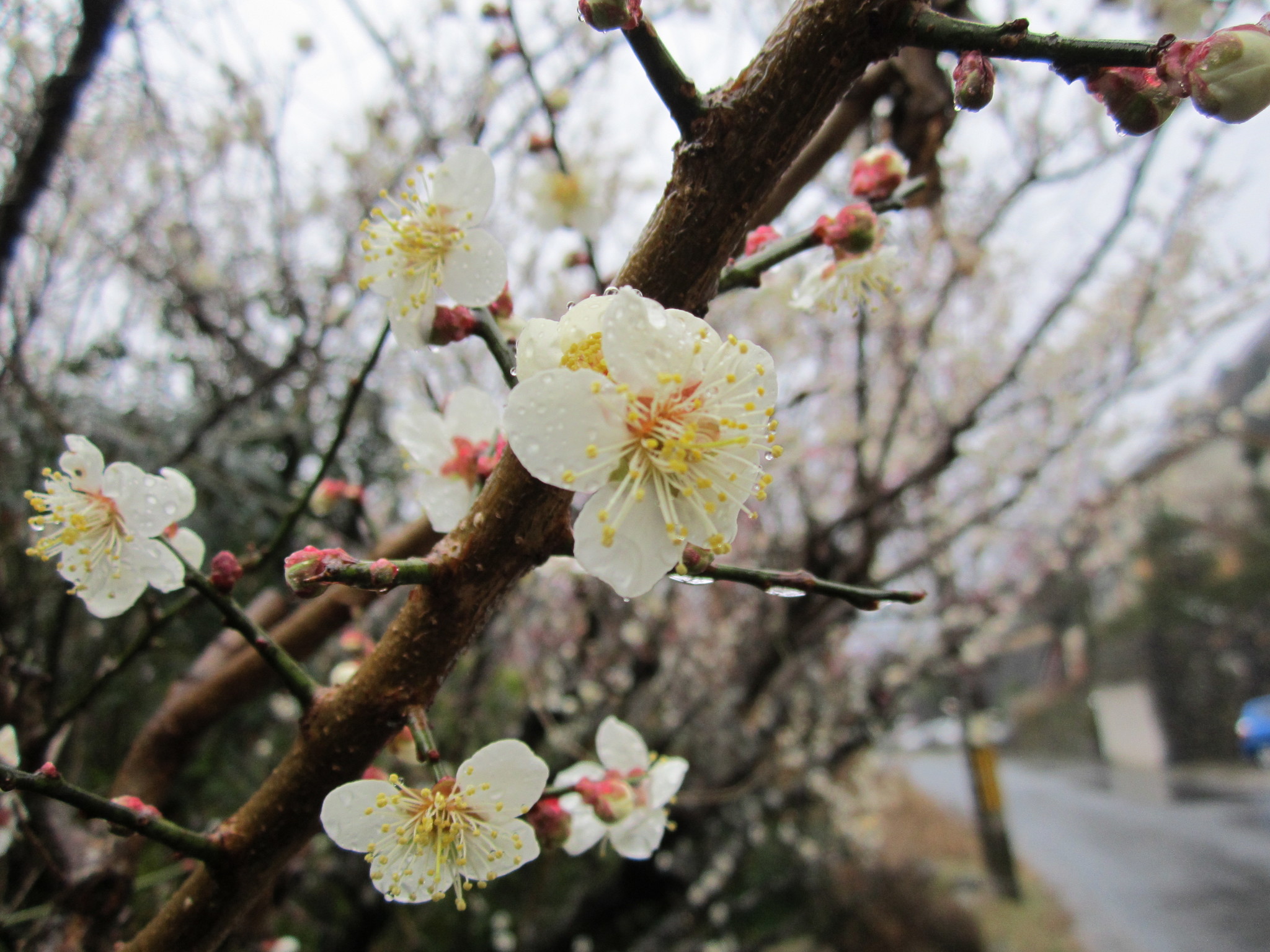
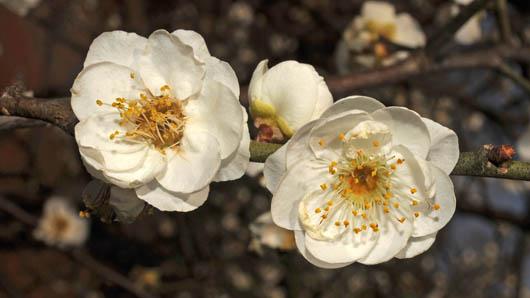
Deciduous growth forms a small tree or large shrub. Flowers open on bare branches before the leaves, in white, pink or red depending on the cultivar. 5 6
Blossoms may carry a noticeable fragrance. Rather than the broad clouds of cherry blossom, they offer a closer view of individual flowers beside the twigs, evoking endurance through winter. 8 7
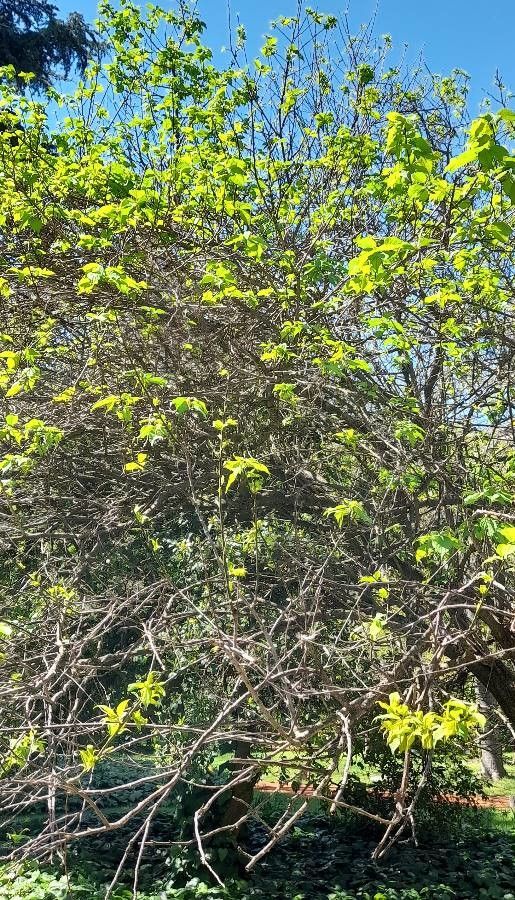
Simple, alternate, toothed leaves follow the blossoms, as in many Prunus. The small drupe-like fruits are used after processing in several Asian culinary traditions. 6
Hanakotoba gives the flowering season a meaning beyond identification. Opening before sakura, ume conveys composure, endurance and dignity before the shared brilliance of spring. 8
Useful taxonomy
The precise botanical identity is Prunus mume Siebold & Zucc. Keeping the species name distinguishes this hanakotoba flower from the broad genus Prunus or an unspecified flowering cherry. 2 8
Confusion with Prunus serrulata has cultural as well as botanical roots. Both belong to familiar images of Japanese Prunus, but ume blooms earlier and carries a different symbolic language. 6 7
Common names such as Japanese apricot and Chinese plum can obscure the identity of a plant that differs from the familiar European apricot. The binomial identifies the exact species intended in hanakotoba. 1 4
Sakura can refer here to Prunus serrulata, while ume remains Prunus mume. Their separate botanical identities preserve the difference between the two floral symbols. 8
Cultivation
Choose full sun or strong light, well-drained soil and shelter from cold winds that can damage early flowers. Excessively wet conditions increase root problems and disease. 5
Fertile soil must also allow water to drain. Like many Prunus, the tree dislikes standing water; improving heavy soil before planting is preferable to waiting until decline begins. 5
Prune to establish a clear framework and remove dead or poorly placed branches. Avoid severe cutting, since the outline of flowering branches contributes to its appeal. 6
Cold climates bring a risk of late frost damaging the flowers. The tree can still be worthwhile, but its ornamental performance depends strongly on shelter and local microclimate. 5
Uses
A late-winter garden makes the most of this tree. Place it beside a path, window or sheltered courtyard where the fragrance and flowers on bare branches can be appreciated. 8 5
In a Japanese-style planting, ume precedes sakura in the seasonal sequence. Camellias, pines, mosses, stones, early bulbs and winter-flowering shrubs can accompany it. 8
Fruit processing belongs to specific culinary traditions, separate from ornamental gardening. An unidentified or treated garden tree should never automatically be regarded as a safe source of food. 6
As a flower symbol, ume expresses beauty that withstands hardship. Where sakura evokes impermanence, ume represents endurance before milder weather returns. 8
Precautions
Animal safety matters: Japanese apricot is toxic to cats, dogs and horses. NC State identifies all three as at risk and lists leaves, stems and seeds as poisonous when ingested. 5
The ASPCA lists Prunus as toxic to dogs, cats and horses. Stems, leaves and seeds contain cyanogenic glycosides that release cyanide, with particular risk from wilted leaves. Reported signs include brick-red mucous membranes, dilated pupils, difficulty breathing, panting and shock. Collect fallen branches and leaves promptly after pruning or strong winds where animals have access, and remove discarded stones. Contact a veterinarian or animal poison service after ingestion. 9
Culinary fruits require specific preparation. The floral symbolism of hanakotoba offers no preparation method or recipe, and appreciating a cultural flower should not be treated as advice to eat it. 8 7
Garden problems chiefly involve frost, Prunus diseases and wet soil. A poorly situated tree may flower sparsely, exude gum or decline; shelter helps it perform well. 5
Treat this tree primarily as an ornamental rather than simply a productive fruit crop. Its flowering branches, winter fragrance and blossoms before leaves matter alongside its particular cultural associations. 8 5
Planting ume closer to the house and a flowering cherry in a larger space can extend their seasonal dialogue. The sequence becomes clear: ume in late winter, followed by sakura in spring, where local conditions allow. 8 7
An everyday viewing position makes early flowers easier to appreciate. Near a path, swelling buds, open flowers on bare branches and falling petals mark the approach of spring more clearly than they would in a distant corner. 5 8
This quiet seasonal progression reflects the flower's association with perseverance. 8
Keep ume distinct from sakura when choosing or describing the tree. Prunus mume combines an earlier flowering season with the hanakotoba meaning of perseverance. 8 2
Main sources
If you are unsure about a plant’s toxicity, ask a botanist or veterinarian for advice.