
Japanese cherry (Prunus serrulata, )
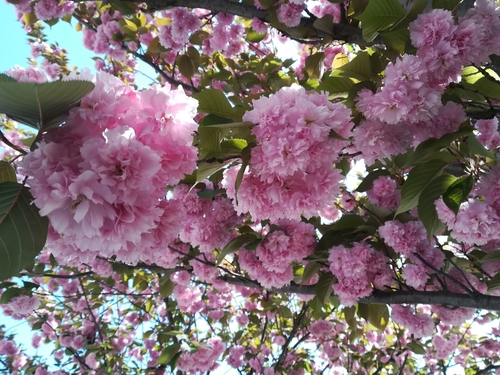
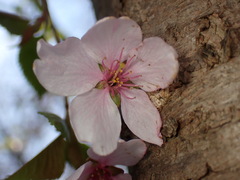
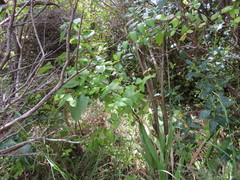
Japanese cherry (Prunus serrulata) is a deciduous flowering tree in the Rosaceae family, associated with Japanese spring landscapes, hanami and the fleeting beauty of sakura. Its many horticultural cultivars bear single or double blossoms. The name sakura also includes other flowering cherries, so this species has a precise botanical identity within a wider cultural tradition.
Read moreJapanese cherry, Japanese flowering cherry and Sakura

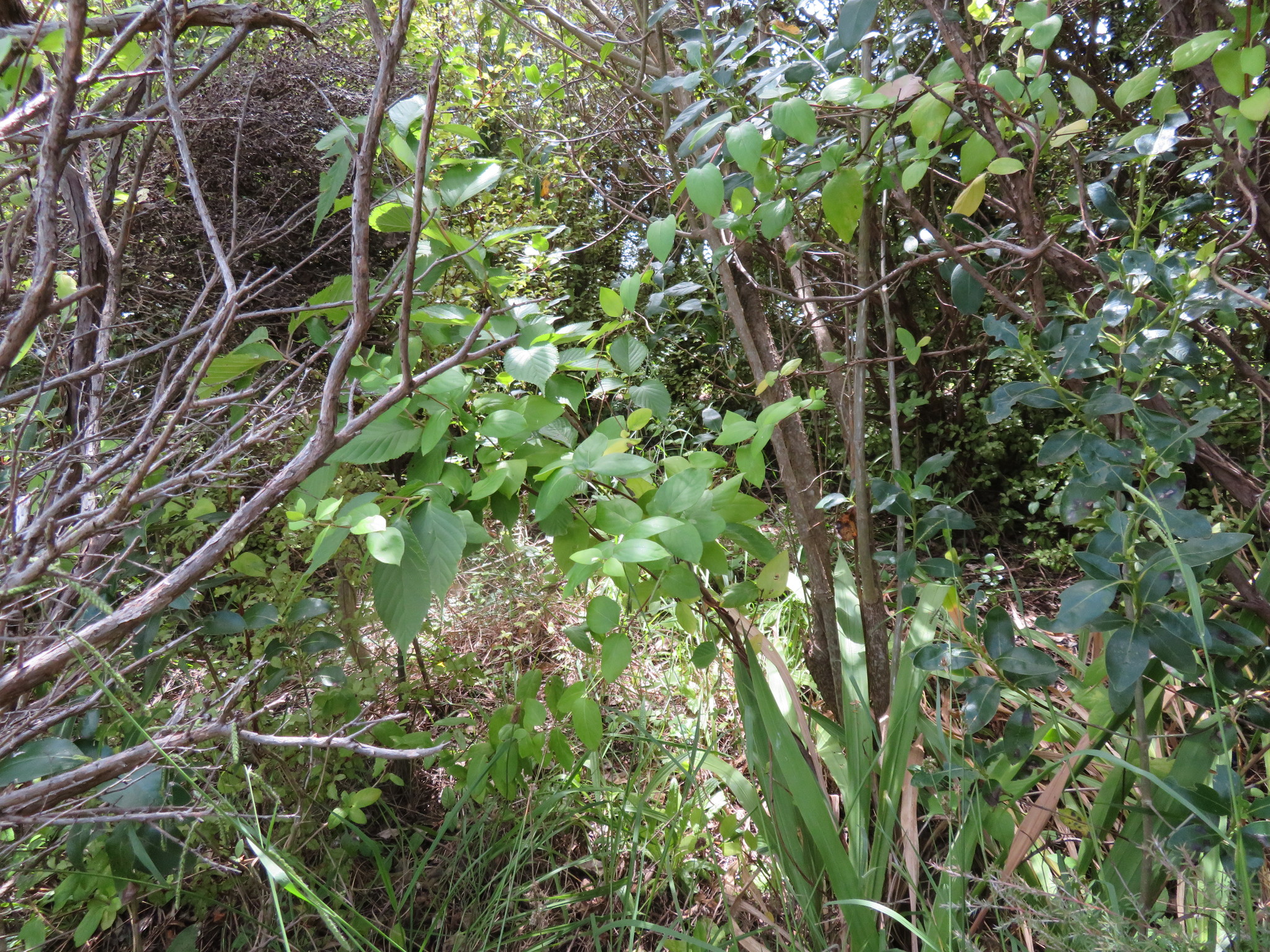


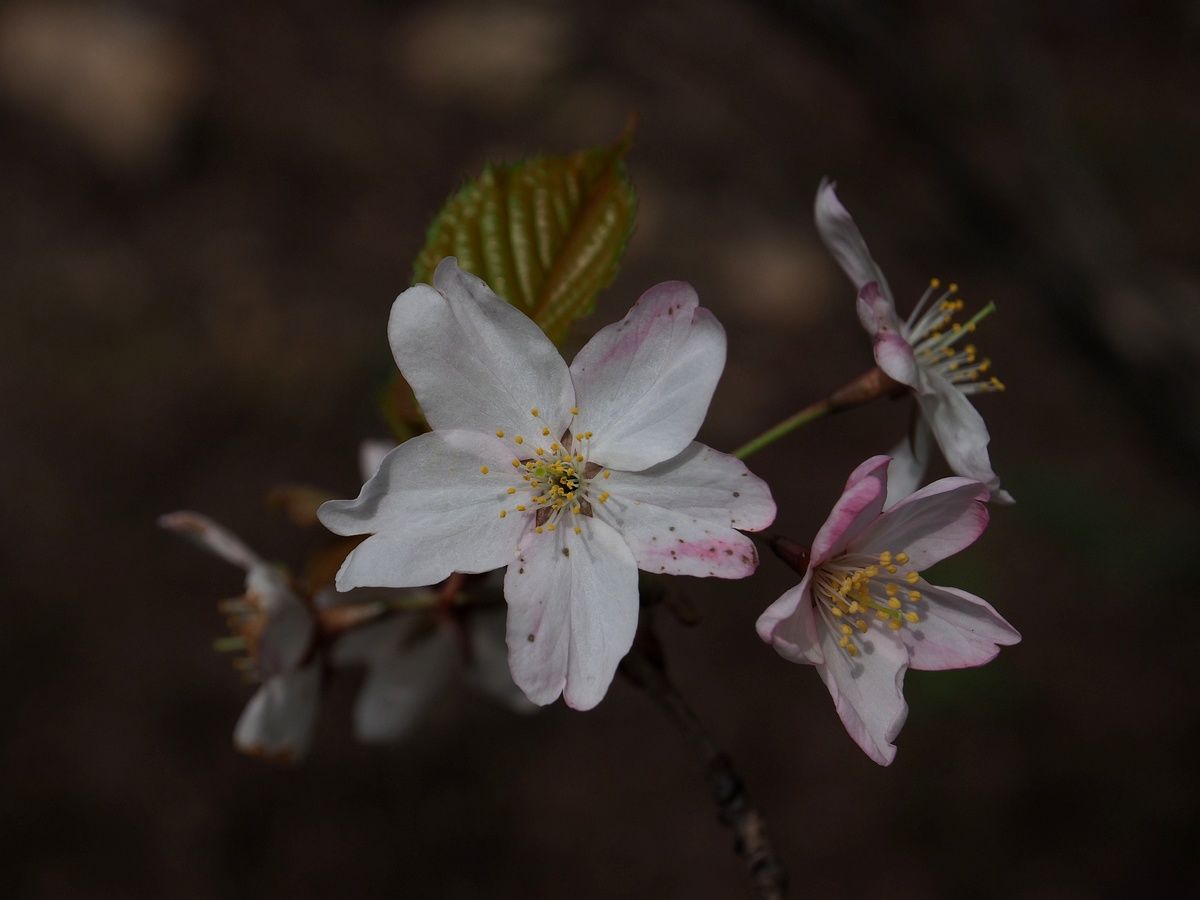
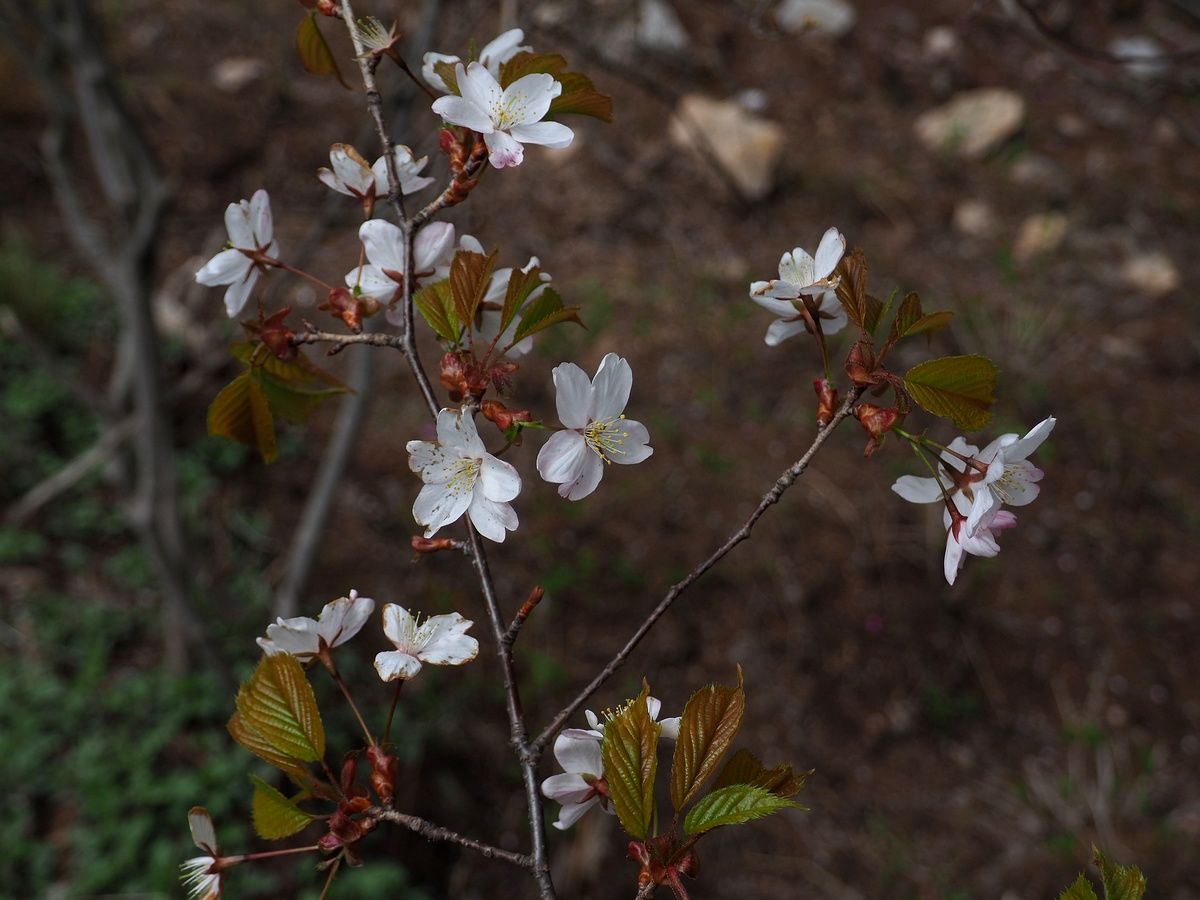
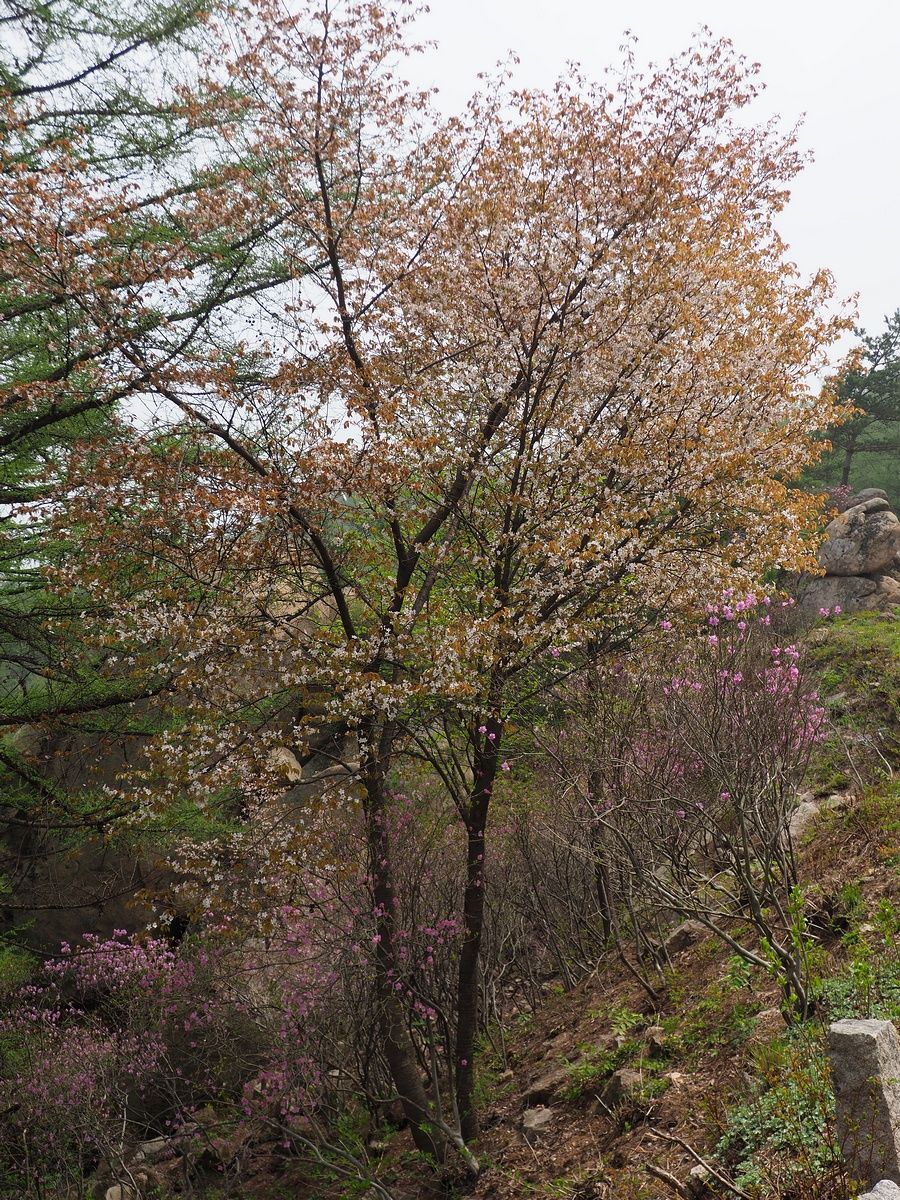
© photo
(c) pigrodri, some rights reserved (CC BY-NC), uploaded by pigrodri · cc-by-nc
W Rao · cc-by
Jenny Christianson · cc-by
Taken May 3, 2022 by Jim Knopf (cc-by-sa)
Taken Mar 9, 2022 by Jim Knopf (cc-by-sa)
Taken Apr 23, 2020 by L'H (cc-by-sa)
Taken Apr 12, 2022 by Tristan Jaton-Maria (cc-by-sa)
© copyright of the Board of Trustees of the Royal Botanic Gardens, Kew.


Identity
Japanese cherry (Prunus serrulata) is one of the flowering cherry taxa associated with sakura in hanakotoba, the Japanese language of flowers. Its blossoms symbolize fleeting beauty, spiritual fulfillment and sensitivity to impermanence. Their significance extends beyond the pink or white color of the individual flower. 1 8
POWO, WFO and IPNI confirm the accepted binomial. This tree belongs to the Rosaceae family and the genus Prunus. Its familiar role is ornamental, centered on spring flowers, hanami gatherings, selected cultivars and rows of flowering trees in parks. 2 3 4
Sakura has the cultural standing of a de facto flower of Japan alongside the imperial chrysanthemum. This association combines cultural meaning with botany: Prunus serrulata supplies one scientific identity for the flowering trees that carry the symbol. 8 7
The word sakura does not designate a single species in every context. Japanese cherry has the precise botanical name Prunus serrulata, but the broader cultural term can encompass other flowering cherries. Keeping these meanings distinct helps make sense of both garden labels and Japanese flower traditions. 8 6
Recognition
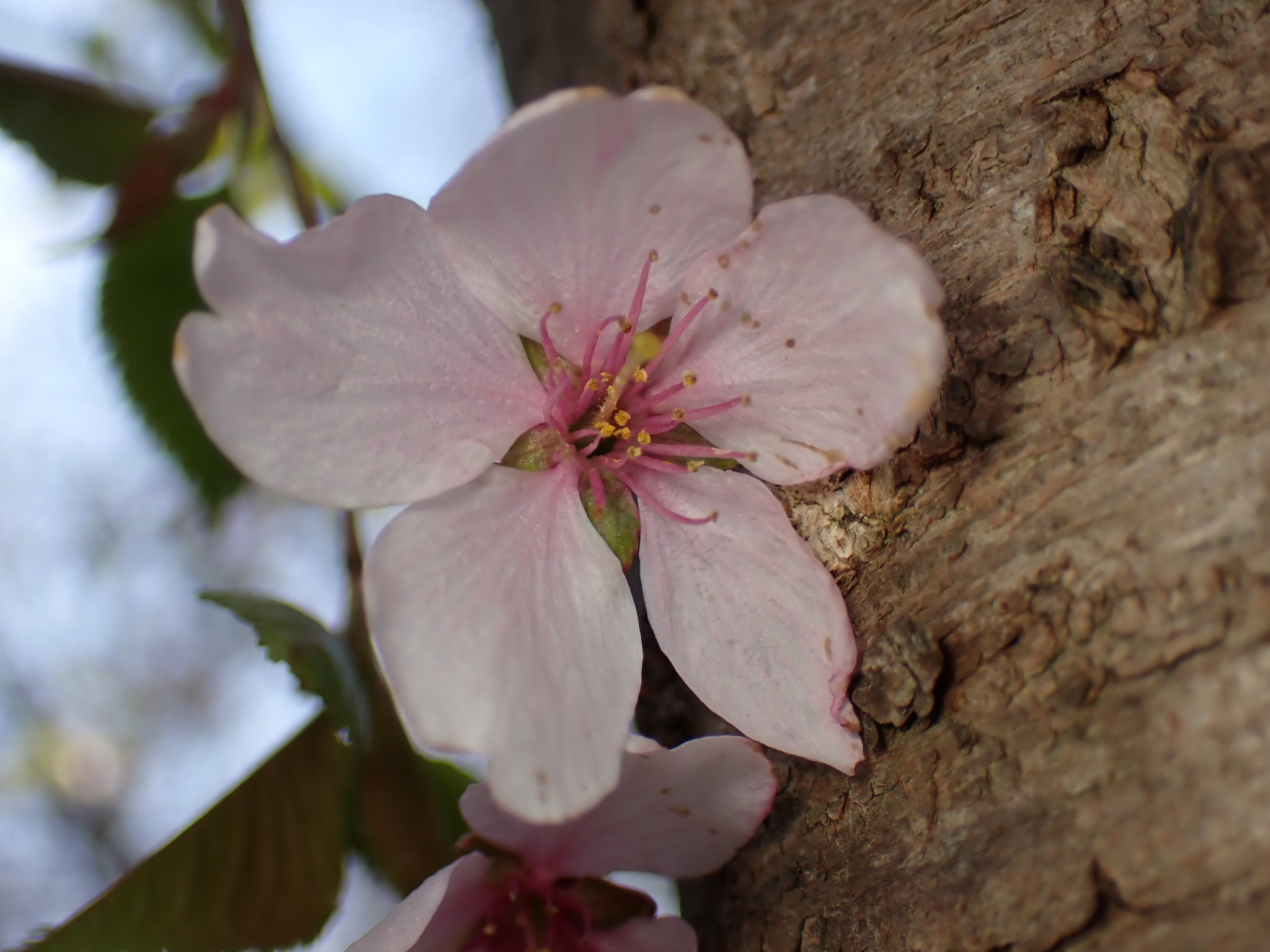
Pink or white spring blossoms make this deciduous cherry conspicuous in gardens. Depending on the cultivar, flowers can be single, semi-double or double, and appear before or with the young leaves. Both flower structure and the timing of leaf emergence contribute to the appearance of the display. 5 6
Alternate, toothed leaves often emerge bronze before turning green. The bark may show horizontal lenticels, a feature shared with several other cherries. These foliage and bark characters remain useful when the short flowering display has ended. 6
Massed blossom is central to the sakura effect. Compared with Japanese apricot, Prunus mume, whose flowering is earlier and more intimate in character, sakura often forms a collective cloud of flowers associated with hanami and gatherings beneath the trees. 8
Cultivars can strongly alter growth habit, flower color and petal number. The wider sakura tradition includes names such as Somei-yoshino, yamazakura and yaezakura. These illustrate its diversity; P. serrulata remains a botanical reference within that broader landscape rather than a name that replaces every other cherry. 8 7
Useful taxonomy
For Japanese cherry specifically, the accepted name is Prunus serrulata Lindl. This binomial identifies a species; the culturally important word sakura has a wider scope and cannot by itself give the same botanical precision. 2 8
Other Japanese flowering cherries create the main identification difficulty. Prunus × yedoensis, Prunus subhirtella and additional taxa also contribute to the imagery of sakura, but their names do not replace P. serrulata. A shared cultural role does not make the plants botanically identical. 8 6
The relationship with Japanese apricot, Prunus mume, is cultural: ume precedes sakura both historically and in the seasonal sequence of flowers. Distinguishing the two preserves the differences that give the Japanese language of flowers its meaning. 8
A broad understanding of sakura can therefore coexist with a precise species identification. The exact name Prunus serrulata is the reference for Japanese cherry, while cultural associations may reach across several other flowering trees. 1 4
Cultivation
A sunny, open planting site with well-drained soil gives Japanese cherry the conditions it needs. Compact soil, excessive wetness or a position that becomes too hot against a wall can impair the tree’s long-term health. Allow enough room and air around the crown. 5
Keep pruning limited. Heavy cuts distort the natural silhouette and increase disease risks. Work mainly involves removing dead wood, crossing branches and poorly positioned suckers rather than repeatedly reshaping the entire crown. 5
Roots favor soil that stays moist without becoming waterlogged. A broad mulch layer helps young trees establish, but keep it clear of the root collar. Mulch piled against the trunk does not serve the same purpose as a wide covering over the surrounding soil. 5
A brief flowering season is part of the tree’s symbolic appeal. In both garden design and hanakotoba, a week of intense blossom can carry more meaning than a prolonged but less striking show. The short duration shapes how the tree is enjoyed through spring. 8
Uses
As a spring focal point, Japanese cherry suits a lawn, courtyard, avenue, garden entrance, park or contemplative setting. Give the canopy enough space for its blossom to read as a three-dimensional mass rather than an isolated patch of color. 8 5
Understated surroundings work well in a Japanese garden or a setting inspired by hanami. Too many competing flowers weaken the effect; a single cherry, a few evergreens and a quiet ground layer can be enough to frame the flowering moment. 8
Camellias, azaleas, Japanese maples and early bulbs can accompany the tree. Its central flowering period remains short, so neighboring plants can carry interest afterward without overwhelming the cherry’s spring display. 5
In the language of flowers, sakura expresses the idea of fleeting beauty. Japanese cherry is therefore understood as a cultural tree as well as an ornamental one: its seasonal event matters as much as the presence of pink blossoms. 8
Risks and precautions
Animal exposure requires particular care: Japanese cherry is toxic to cats, dogs and horses. NC State flags the risk to all three and identifies leaves, stems and seeds as toxic parts. A flowering tree should not be assumed harmless because it is grown for ornament. 5
The ASPCA lists Prunus cherries as toxic to dogs, cats and horses. Stems, leaves and seeds contain cyanogenic glycosides that release cyanide, with particular concern when leaves wilt. Reported signs include brick-red mucous membranes, dilated pupils, breathing difficulties, panting and shock. Collect broken twigs and fallen leaves where animals pass, and remove stones from any small fruit. After ingestion, contact a veterinarian or animal poison control center. 9
Any fruit that develops is secondary to the value of this ornamental species. Sakura traditions emphasize blossom and symbolism rather than food. Keeping ornamental planting and food use separate avoids assumptions based on the edible cherries of other species. 8
Planting stress, diseases and cankers also call for horticultural care. Crowding or severe pruning damages both tree health and the graceful outline that makes the flowering cherry valuable in a garden. 5
Match the cultivar’s shape to the space available. A broad-crowned tree suits a lawn, while a narrower form is better suited to a courtyard. The experience of hanami depends on the room around the tree as well as the color of its blossoms. 5 8
Japanese cherry brings together a precise botanical identity and a cultural symbol. Recognizing both avoids treating every Japanese flowering cherry as one indistinct plant, while allowing their shared meanings to be understood. 1 8
Plan for the brief display rather than expecting endless blossom. Pink buds, falling petals, spring light and light shade together create the experience. After flowering, the tree becomes a green framework that still needs to remain healthy and well placed. 5 8
Place the tree where people regularly pass. Hidden behind a house, a cherry loses much of its role as a seasonal gathering point, even when it flowers well. The short display is easier to appreciate when it forms part of everyday views. 8 5
Daily visibility gives the brief flowering season a place in the rhythm of the garden, letting its changing appearance be appreciated while it lasts. 8
Within hanakotoba, Prunus serrulata is one of the trees associated with sakura. Its botanical identity remains distinct from ume and from other spring-flowering cherries, even where their ornamental roles overlap. 8 2
Main sources
- Wikidata, Prunus serrulata
- Plants of the World Online / Kew, Prunus serrulata
- World Flora Online, Prunus serrulata
- International Plant Names Index, Prunus serrulata
- NC State Extension, Prunus serrulata
- Wikipedia EN, Prunus serrulata
- Wikipedia FR, Prunus serrulata
- Floralens, hanakotoba
- ASPCA, Cherry (Prunus spp.) toxic plant entry
If you are unsure about a plant’s toxicity, ask a botanist or veterinarian for advice.