
Black-eyed Susan (Rudbeckia hirta, )
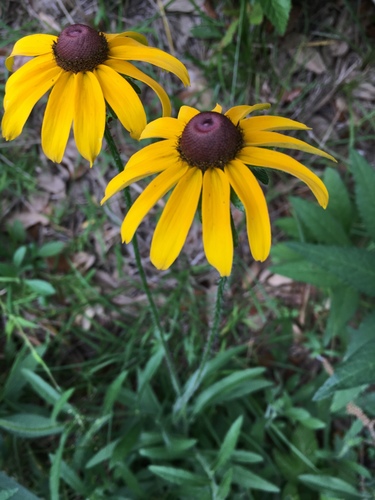
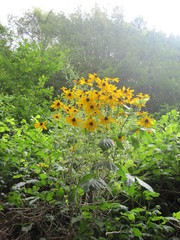
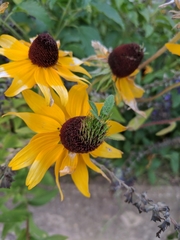
Black-eyed Susan (Rudbeckia hirta) is a sun-loving member of the Asteraceae family, often grown as an annual or short-lived perennial. Large yellow flower heads with brown-black centers give depth to warm-colored borders and late-summer meadows. Its rough leaves and stems help distinguish this species from other garden rudbeckias.
Read moreBlack-eyed Susan, Yellow coneflower and Gloriosa daisy


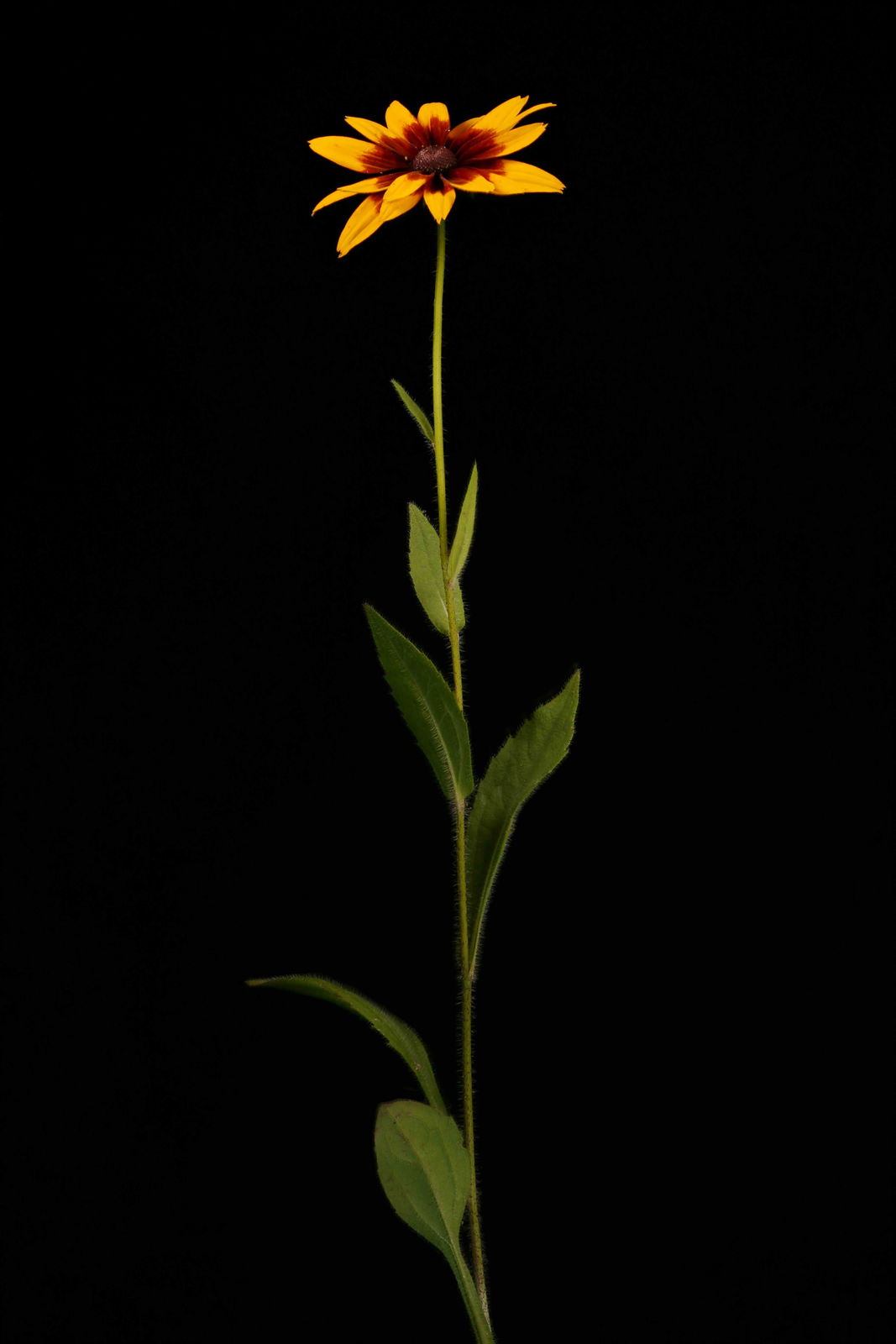
© photo
no rights reserved, uploaded by Brady Reed · cc0
iNaturalist User · cc0
Alison Northup · cc0
Taken Jul 19, 2020 by Freyja Wolfsbane (cc-by-sa)
Taken Jun 22, 2021 by Rita Rita (cc-by-sa)
Taken Aug 18, 2020 by Jocelyn Prewett (cc-by-sa)
Taken Jul 4, 2021 by Joanna Lovell (cc-by-sa)
Taken Jun 27, 2020 by Ken Borgfeldt (cc-by-sa)
© copyright of the Board of Trustees of the Royal Botanic Gardens, Kew.


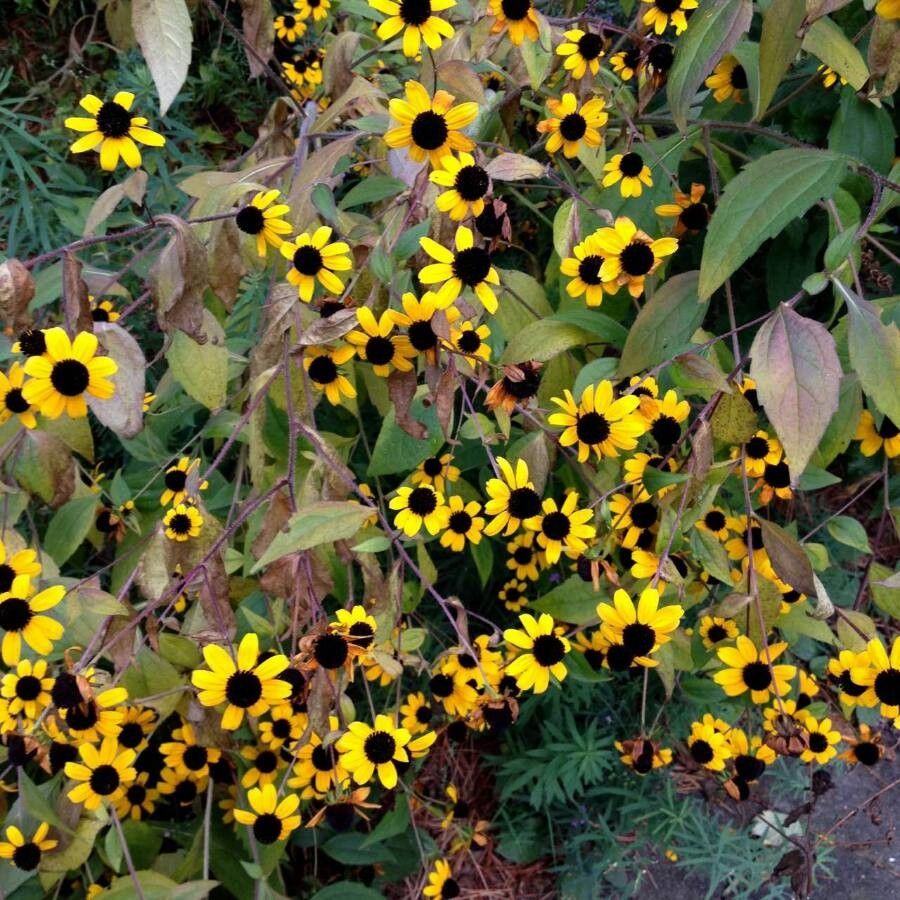


Identity
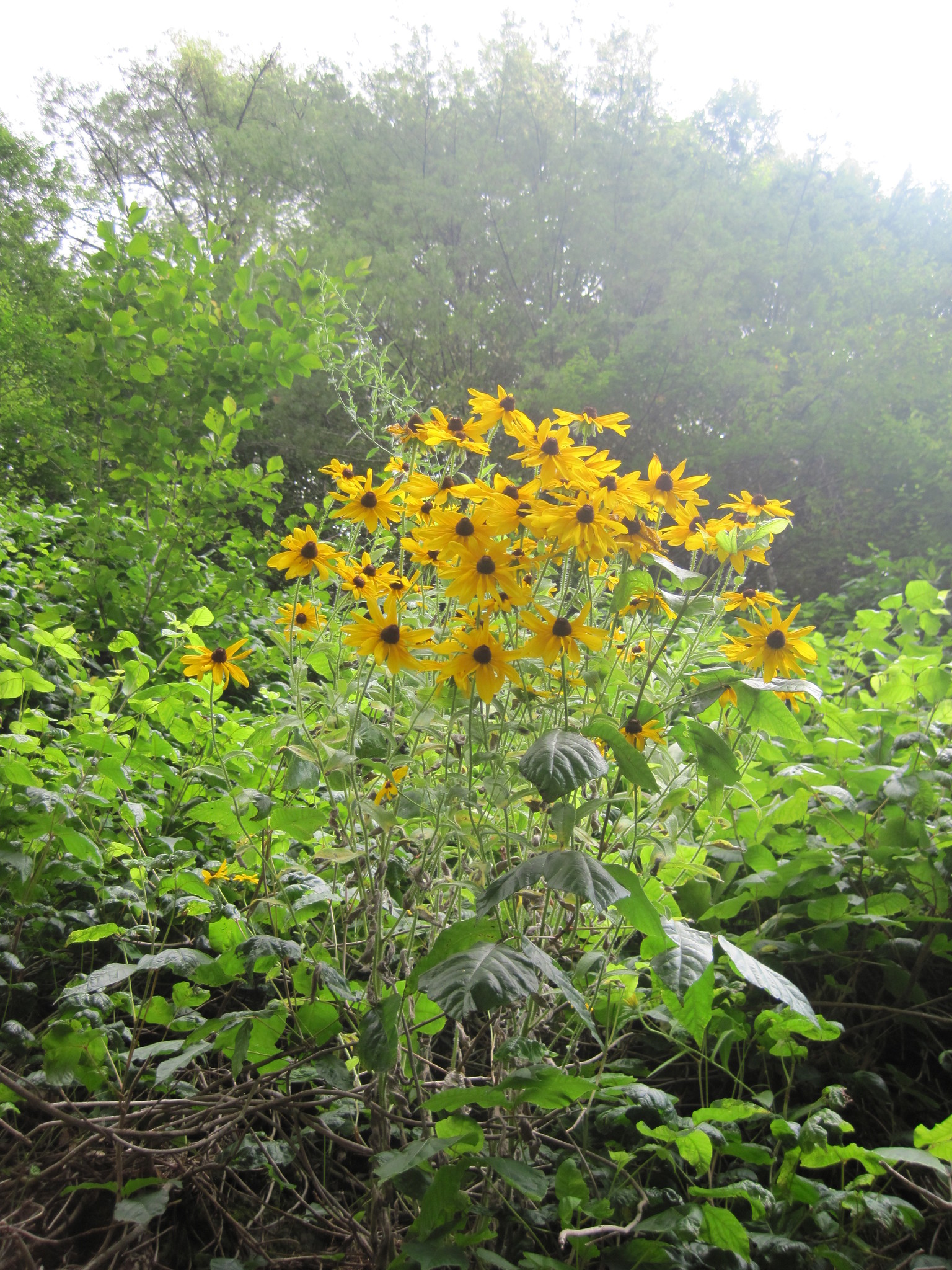
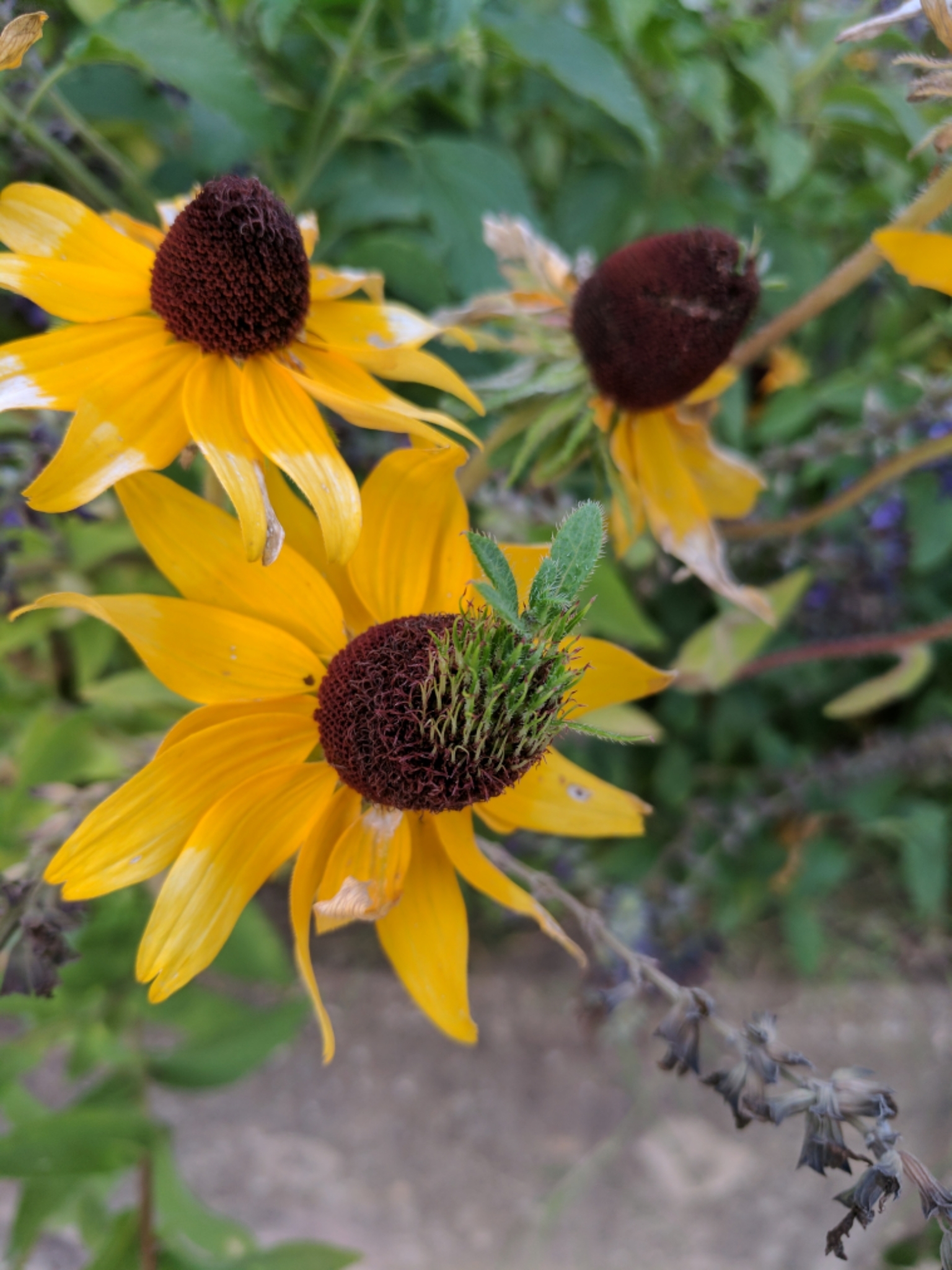
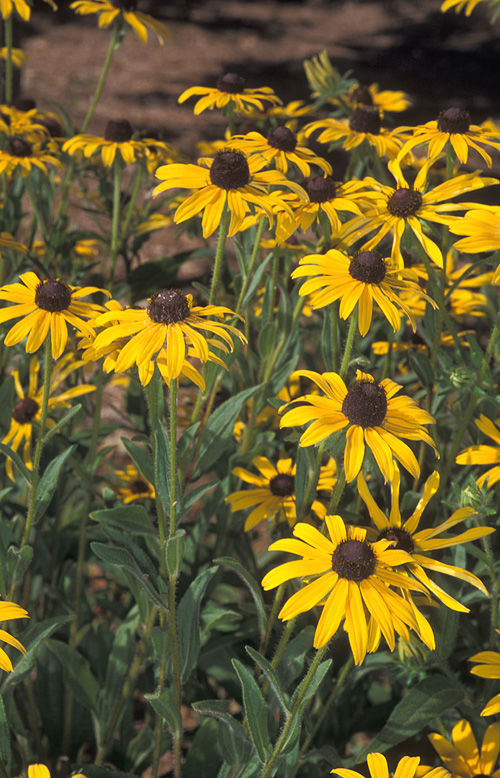
Black-eyed Susan (Rudbeckia hirta) brings clear yellow flower heads and dark brown centers to the late-summer garden. The contrast between the outer rays and central cone gives depth to a border and allows the flowers to remain distinct even within a broad sweep of warm colors. 1 8
POWO, WFO and IPNI recognize the accepted binomial. The plant belongs to Asteraceae: what looks like a single flower is actually a flower head, with yellow ray florets surrounding a dark central disk of smaller florets. 2 3 4
In a yellow planting, R. hirta serves a different seasonal role from a spring primrose or a wild buttercup. Its strongest associations are with sunshine, meadows, warm-colored beds and the closing weeks of summer. 8 5
This name identifies a species within the genus Rudbeckia. Keeping the full binomial matters because different rudbeckias can have different life cycles, even when their flowers share the familiar yellow-and-brown appearance. 1 8
Recognition
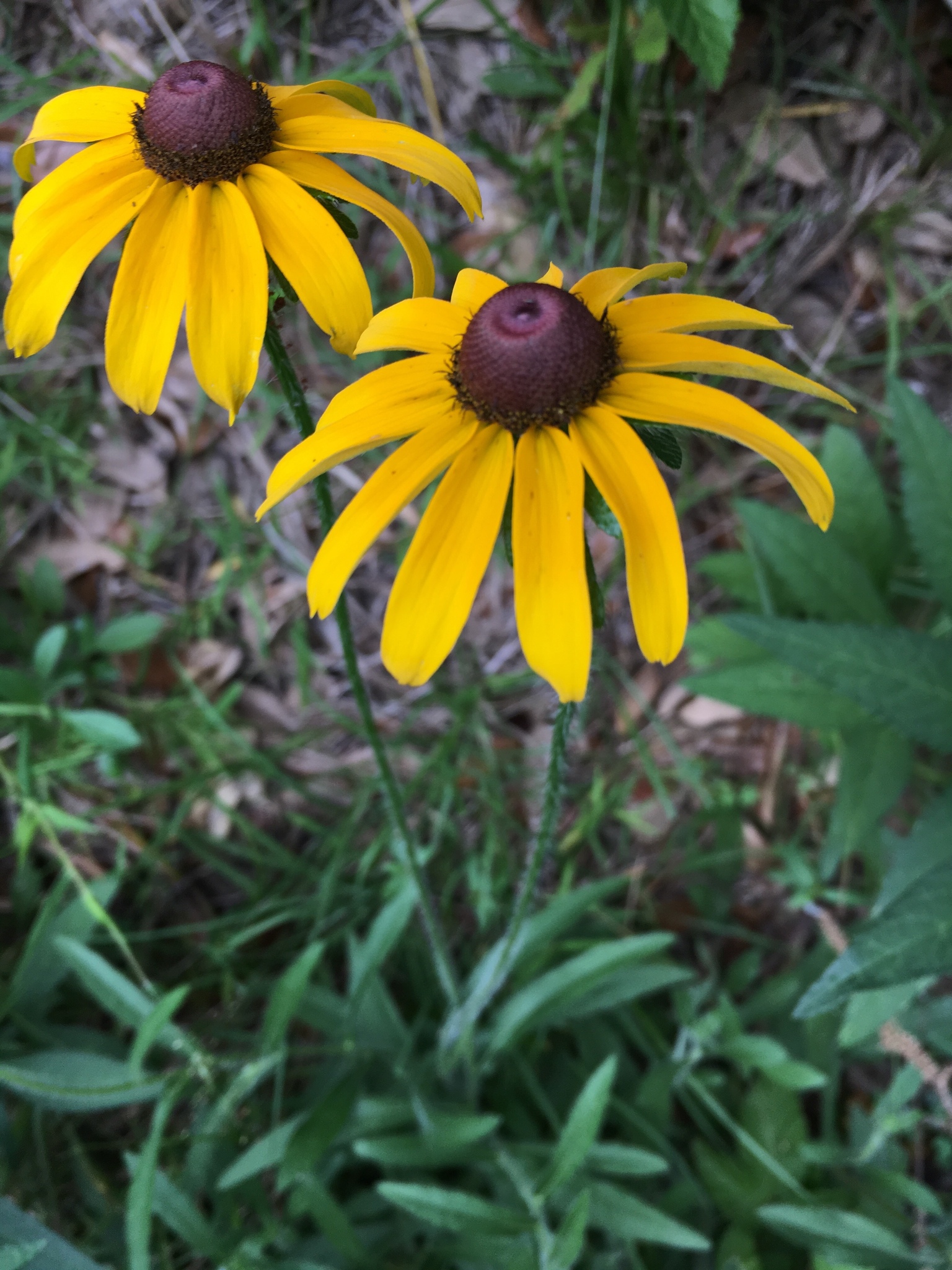
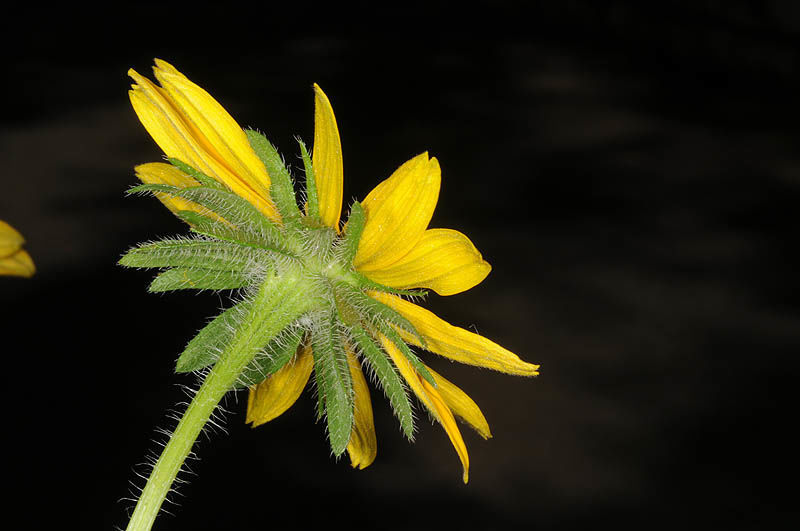
Golden-yellow rays surround a prominent dark brown to black cone, the clearest visual feature of Black-eyed Susan. Rough or hairy leaves and stems supply another useful clue. The epithet hirta, meaning “hairy” or “bristly,” refers to this coarse covering. 7 5
Upright clumps vary in height with the selection and growing conditions. Their heads are large enough to read clearly from a distance, yet retain a more informal appearance than many heavily selected bedding flowers. This combination suits both a mixed border and a looser planting. 6
Flowering falls mainly between summer and fall. That timing makes the species useful for continuing yellow after the spring flowers have finished and before the garden takes on its full autumn colors. 8
A dark center alone does not distinguish every rudbeckia. Rudbeckia fulgida is often a more dependable perennial, and coneflowers can also cause confusion. Rough foliage helps with identification, but the full botanical name is still valuable. 7
Useful taxonomy
The accepted species name is Rudbeckia hirta L. It identifies the particular yellow-flowered rudbeckia grown for late-summer color, rather than every plant sold under the broader garden name “rudbeckia.” 2 8
Nursery names can blur that distinction. Several rudbeckias are sold under similar names, but some make durable perennial clumps while others behave more like annuals or short-lived perennials. A similar flower color does not guarantee the same persistence. 6
The cultivar 'Goldsturm', for example, is generally associated with Rudbeckia fulgida, rather than R. hirta. That distinction matters when choosing a plant for a long-lasting border: Black-eyed Susan may have a considerably shorter individual life. 6 7
A precise identification therefore supports a realistic planting choice. The yellow late-summer flowers are only part of the decision; the species' cycle and limits also determine how the display will develop over successive seasons. 8
Habitat and cultivation
Sunlit meadow-style beds and borders suit Black-eyed Susan when the soil drains freely. Full sun and establishment without excess water are central to cultivation. Very rich soil can encourage stems to flop, whereas leaner soil often produces firmer growth. 5
Seeds and young plants both provide ways to establish a planting. Sowing suits an informal meadow effect, while purchased plants offer a more reliable route to a chosen cultivar. Thinning seedlings leaves air between the developing stems. 6
Removing spent flowers keeps a bed looking fresh for longer. Leaving some cones near the end of the season gives an autumn effect and can also benefit birds. The balance depends on whether a tidier flowering display or standing seed heads are preferred. 8 5
Container cultivation calls for a sufficiently deep pot, sunshine and regular watering without standing water in a saucer. The plant generally looks more natural in open ground, but a large container can suit compact forms. 6
Individual plants often behave as annuals, biennials or short-lived perennials, depending on climate and strain. If one disappears after a few years, that does not necessarily mean cultivation has failed. Its relatively brief life is part of the species' horticultural character. 6 7
A lasting display consequently benefits from a modest renewal strategy. Leave a few cones, save seeds or replace plants occasionally. This approach matches its meadow habit, where renewed generations maintain the planting, rather than relying on a single clump to remain indefinitely. 5 8
Uses and risks
Late-summer borders are a particularly effective setting: flowering meadows, warm-colored beds, yellow-and-violet combinations and mixed plantings with grasses, heleniums, salvias and coreopsis all suit Black-eyed Susan. Its flowers give a strong seasonal focus without requiring a formal bedding arrangement. 8
The dark center creates a contrast absent from many yellow flowers. It prevents the color from looking flat and makes the flower heads stand out in photographs, simple bouquets and the back of a border. 8 7
Pollinators and beneficial insects also visit the flowers. In a naturalistic garden, retaining a few dry stems extends the plant's role beyond the last open blooms instead of cutting the whole clump down immediately. 5
Violet is an especially useful companion color. Woodland sage, catmint and tall verbena strengthen the yellow display while preserving an open, light effect. Their contrasting colors make the dark-centered flower heads easy to distinguish. 8 6
The available profile treats Black-eyed Susan as non-toxic to dogs and cats, while its status for horses is undocumented. It remains an ornamental plant rather than an improvised food, so ordinary precautions against eating garden foliage still apply. 2
Sensitive skin can react to rough leaves. Gloves are useful when cutting many stems, especially for people prone to irritation from repeated contact with coarse plant surfaces. 5
Varieties and planting choices
Cultivar choice and neighboring plants shape the final effect. In full sun, the yellow carries a planting over distance; alongside purple foliage, violet salvias or straw-colored grasses, the dark center becomes a strong visual anchor. This contrast can organize an otherwise loose planting. 8 6
Flowers can be cut for bouquets, but leaving some stems standing preserves a dry framework after flowering. A balance between cutting and retaining stems keeps both the indoor flowers and the outdoor planting useful. 5
On very fertile soil, discreet staking or sturdier neighboring plants may help prevent flopping. On leaner ground, the stems often retain a more natural stance that fits a meadow-style arrangement. 6
That restraint in soil richness supports the plant's late-season presence without forcing an overly lush effect. 8
For a sunny late-summer planting, the useful combination is a clearly identified Rudbeckia hirta, a visible dark center and room for renewal. Those features keep expectations aligned with a short-lived meadow plant rather than an indefinitely permanent clump. 8 2
Main sources
- Wikidata, Rudbeckia hirta
- Plants of the World Online / Kew, Rudbeckia hirta
- World Flora Online, Rudbeckia hirta
- International Plant Names Index, Rudbeckia hirta
- NC State Extension, Rudbeckia hirta
- Royal Horticultural Society, Rudbeckia hirta search results
- Wikipedia EN, Rudbeckia hirta
- Floralens, selection of yellow flowers
If you are unsure about a plant’s toxicity, ask a botanist or veterinarian for advice.