
Common yew (Taxus baccata, )
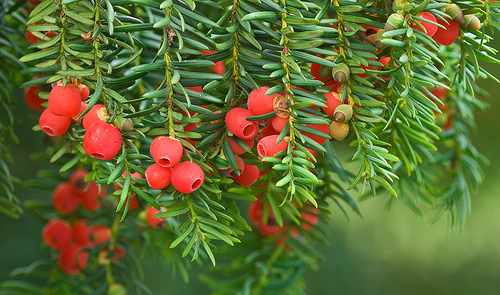
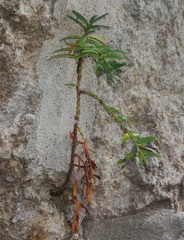
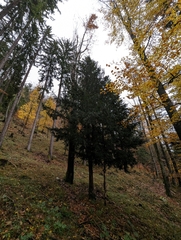
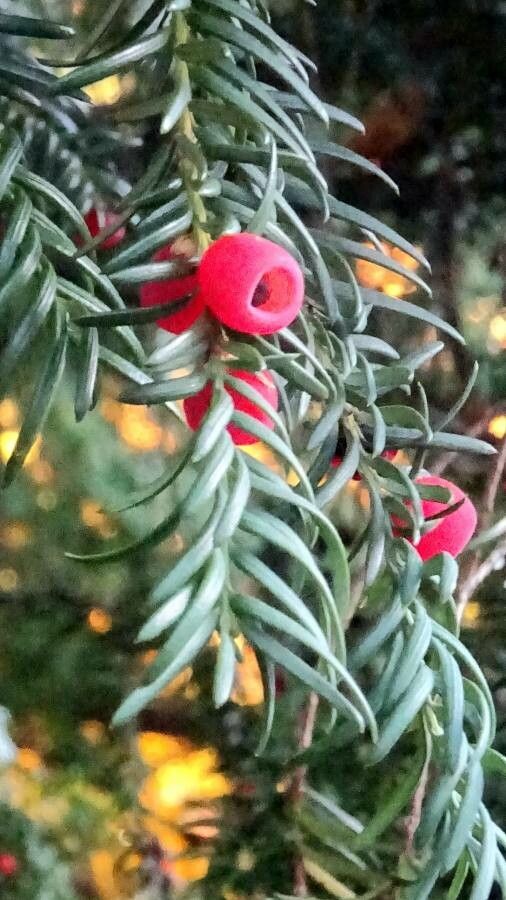
Common yew (Taxus baccata) is an evergreen conifer in the Taxaceae family, native to Europe, northern Iran and northwestern Africa. Flat needles arranged in two rows and a fleshy red aril around a single seed in fall help identify it. Every part is toxic except the flesh of the aril.
Read moreCommon yew, European yew, English yew and Yew



© photo
(c) Jonathan Tyler, some rights reserved (CC BY-NC-SA) · cc-by-nc-sa
Thomas · cc0
Elias · cc0
Taken Dec 6, 2021 by Ernst Fürst (cc-by-sa)
Taken Nov 7, 2019 by jean edelin (cc-by-sa)
Taken Dec 7, 2021 by Ernst Fürst (cc-by-sa)
Taken Sep 27, 2021 by Manu___ (cc-by-sa)
Taken Oct 23, 2021 by Decobert Didier (cc-by-sa)
© copyright of the Board of Trustees of the Royal Botanic Gardens, Kew.




Global distribution
The native range of Taxus baccata spans much of Europe, from the Azores to northern Iran, with isolated populations in the Atlas Mountains of northwestern Africa. Widely planted beyond its native range, especially for hedges and in cemeteries, the species is not considered invasive.
- Native7
- France
- United Kingdom
- Spain
- Italy
- Morocco
- Iran
- Portugal
Hexagons: regions where the plant occurs. Green dots: native range.1
Identity
Common yew (Taxus baccata L., 1753), also called European yew or English yew, is an evergreen conifer in the Taxaceae family. It is the only member of the genus Taxus native to Europe. 1 2
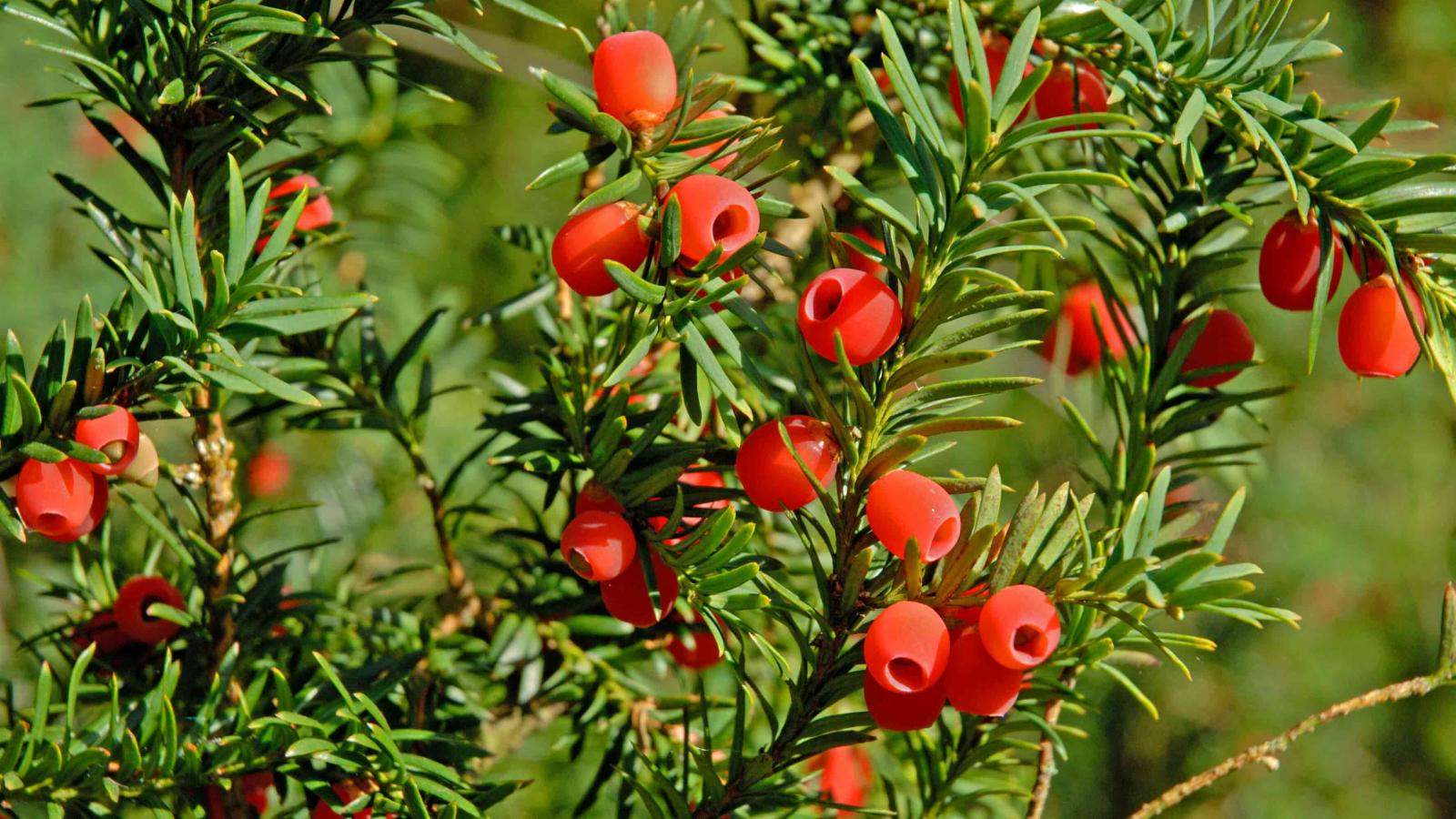
Woody cones never form on Common yew, unlike most conifers. Each seed sits alone inside a fleshy red aril, open at the top, replacing the familiar cone of other Cupressales. The sweet aril attracts birds, while the rest of the plant remains toxic to terrestrial animals, helping explain its ambivalent reputation in European hedgerows and cemeteries. 4 7
Recognition
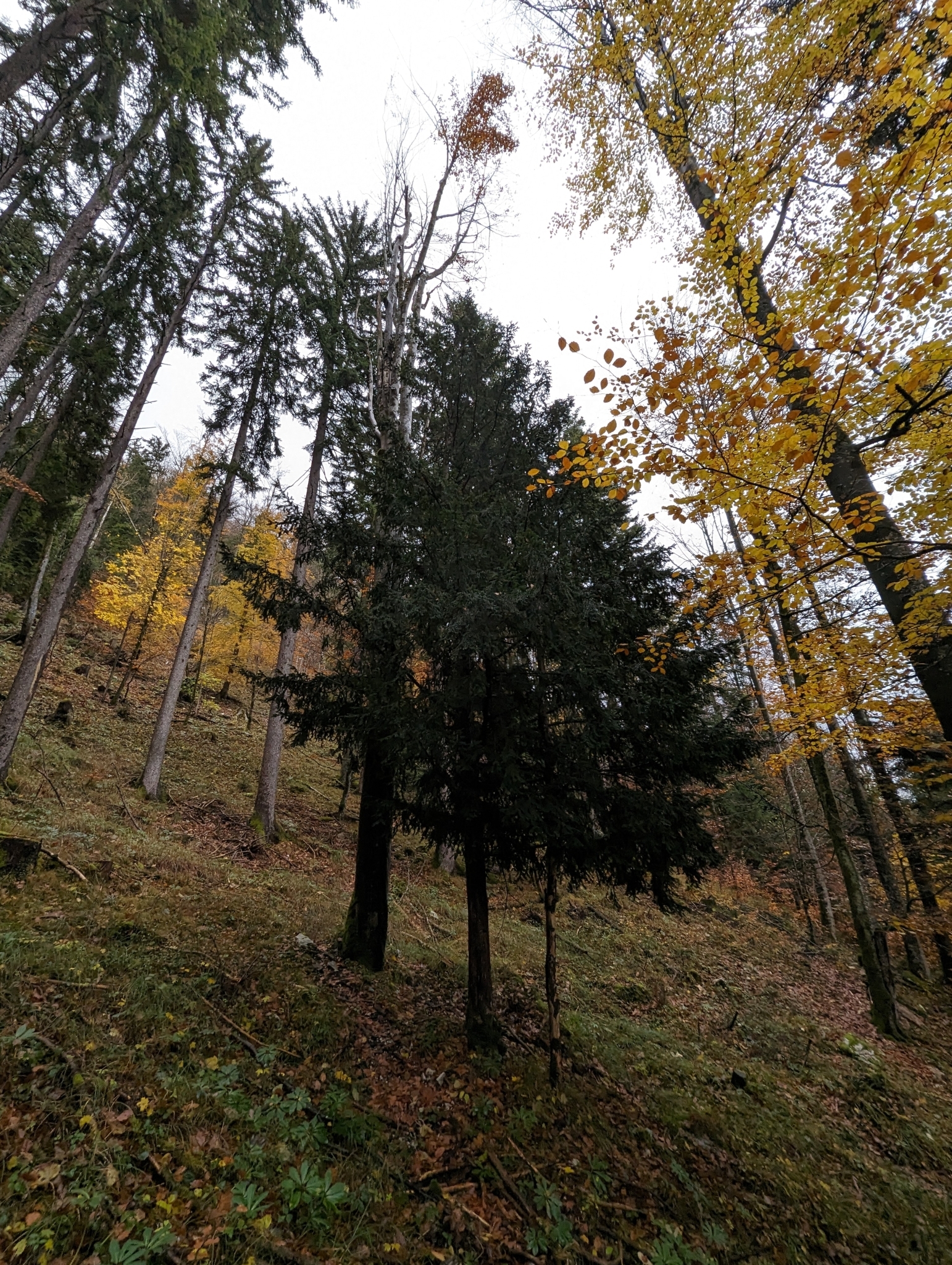
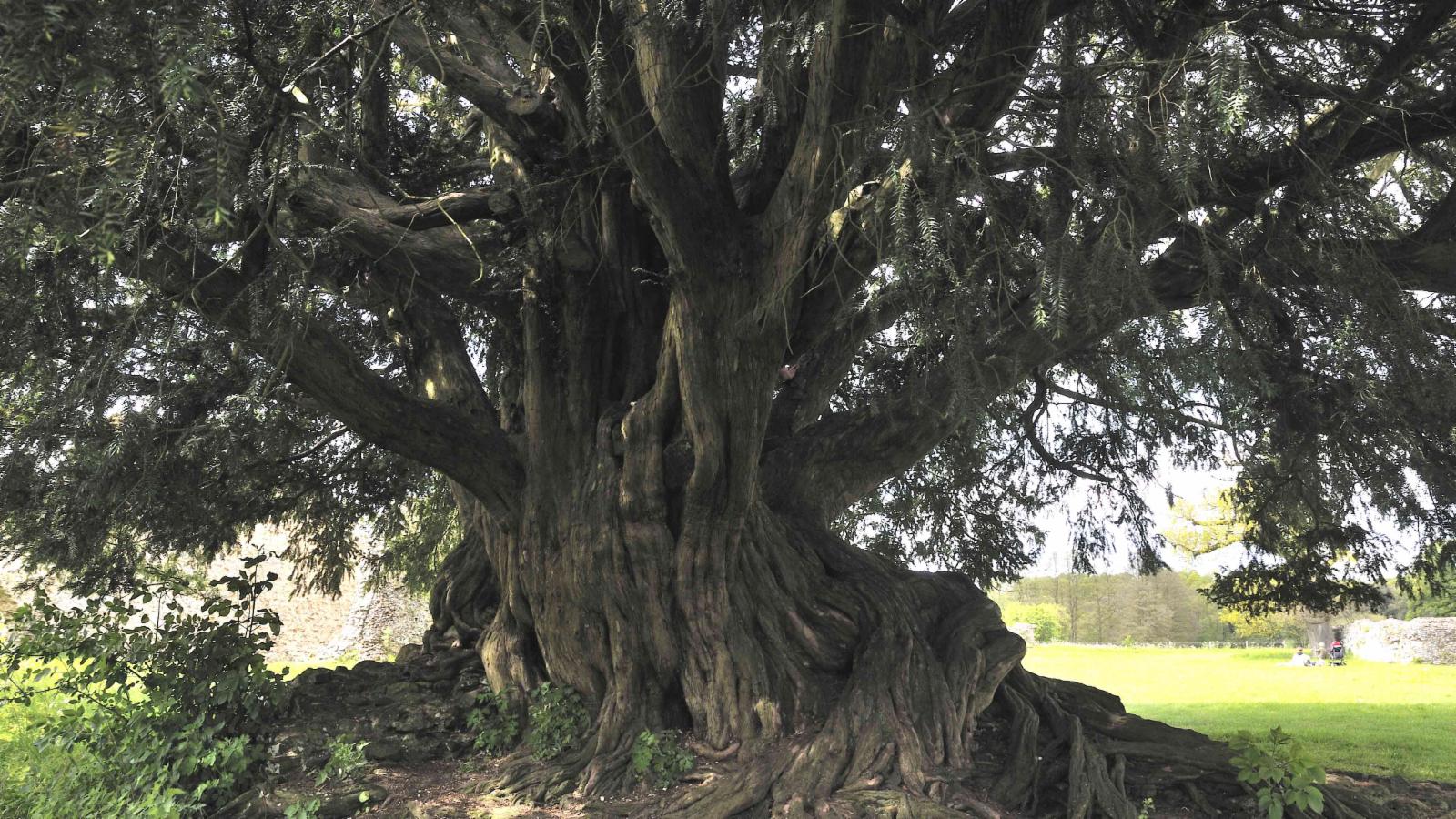
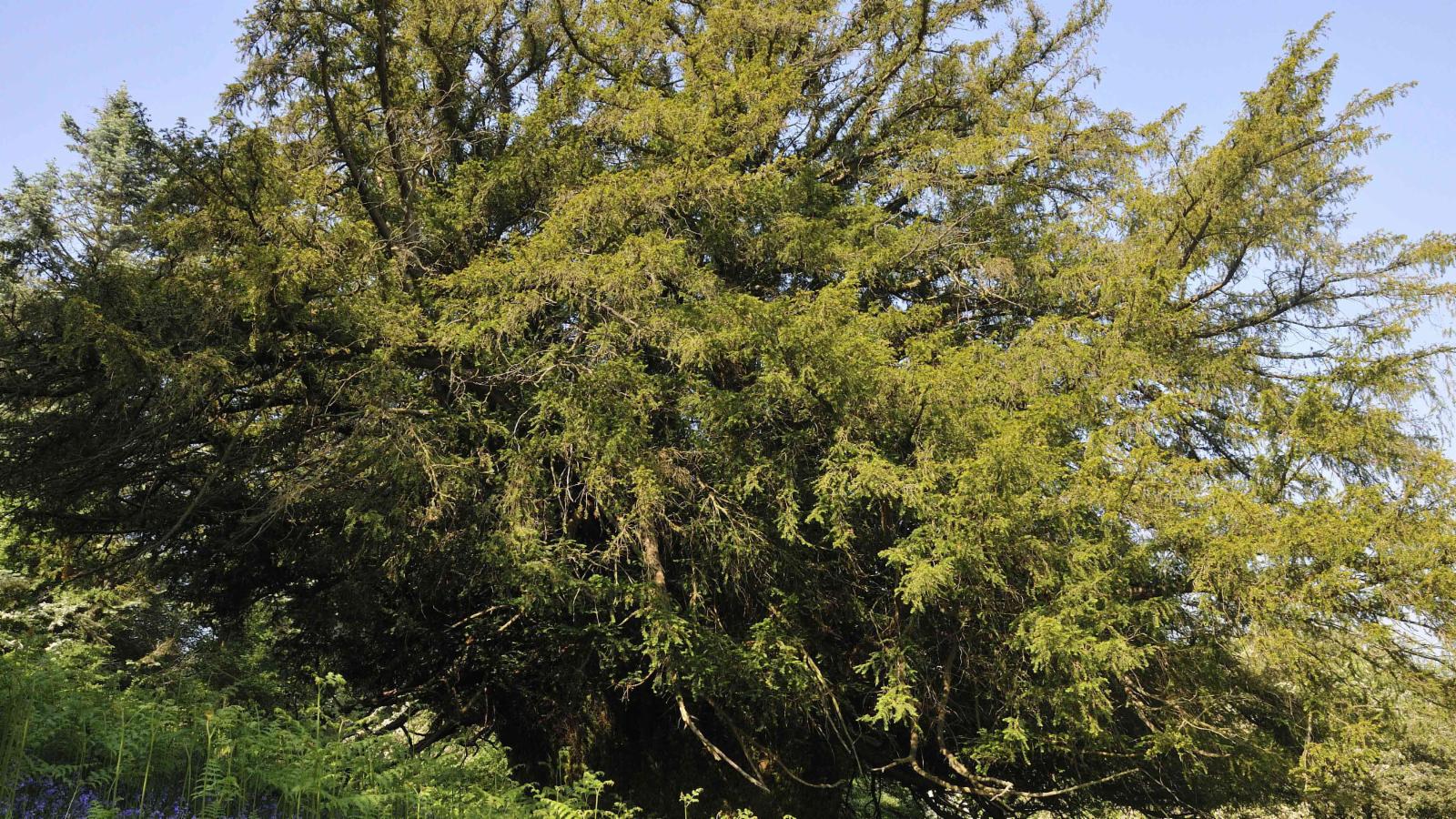
Mature Taxus baccata forms a dense, rounded crown or a shrub according to how it is trained. The trunk is often multiple, and thin reddish-brown bark flakes in irregular patches on old trees. Adults commonly reach 10–20 m (33–66 ft), with exceptional northern European specimens reported at 29 m (95 ft). 2 7
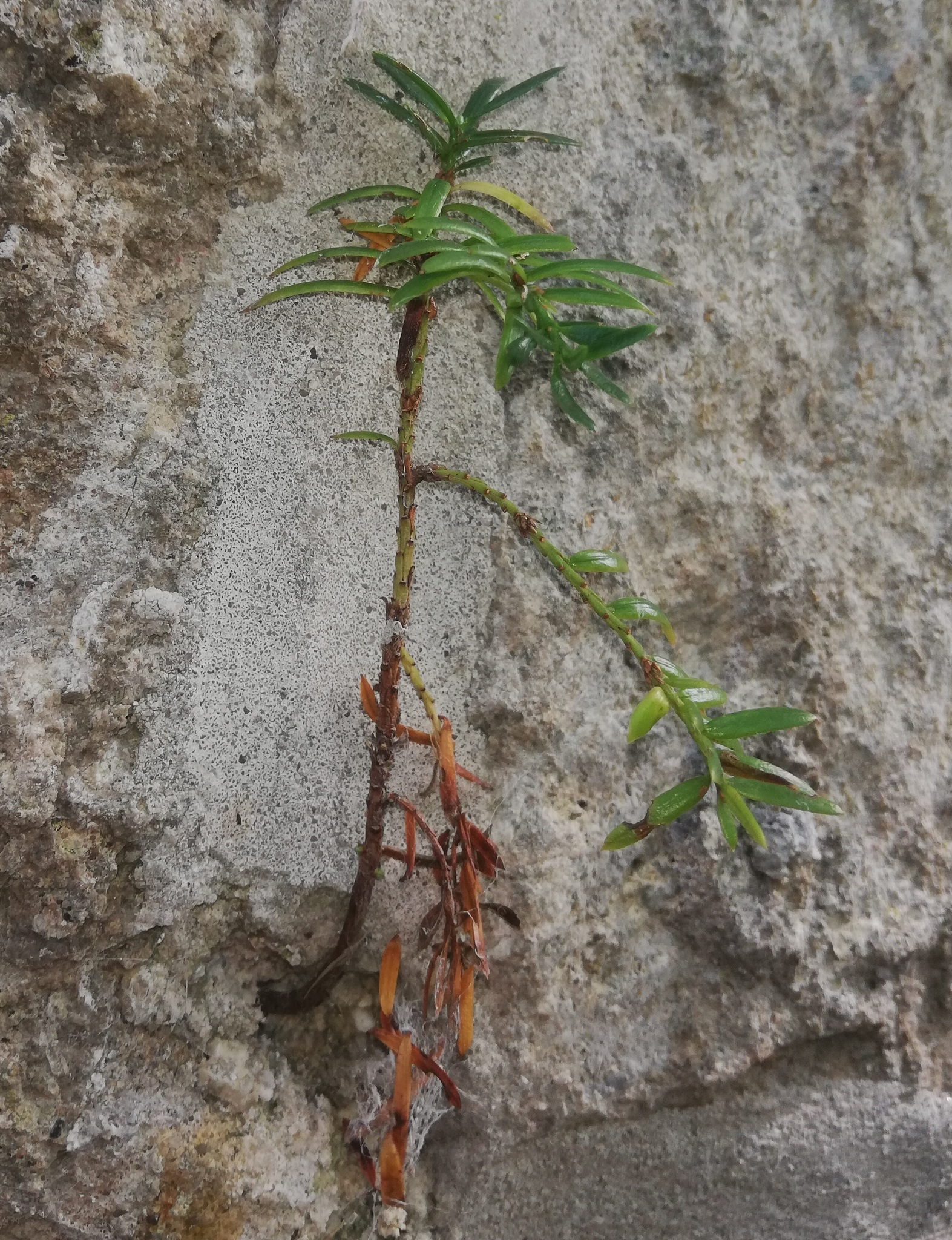
Flat, linear needles measure 1–3 cm (0.4–1.2 in) long. Dark green and glossy above, they carry two pale yellow-green bands below, without the conspicuous white of many firs. On side branches they form two apparent rows, giving a combed appearance; on upright shoots the spiral arrangement becomes visible again. 4 3
Male and female reproductive structures occur on different Common yew trees: the species is dioecious. Only females carry the characteristic red arils in fall. A yew that has grown for years without ever producing berries is almost always male. 3 5
Useful taxonomy
In 1753, Linnaeus described this species as Taxus baccata L. The epithet baccata comes from Latin bacca, berry, referring to the fleshy aril rather than a true botanical fruit. Modern classification places it in Cupressales alongside cypresses and arborvitae, despite its different appearance. 1
Historical and nursery names include the following, without separate botanical standing:
- Taxus fastigiata Lindl., a historical botanical name
- Taxus baccata f. aurea (J.Nelson) Pilg., a historical botanical name
- Taxus baccata f. variegata (Weston) Rehder, a historical botanical name
- Taxus baccata var. dovastonii (Lindl. & Gordon) Paul, a historical botanical name
- Taxus pectinata Gilib., a historical botanical name
- Taxus lugubris Salisb., a historical botanical name
The name fastigiata illustrates this shifting treatment. First described as a separate species from a single columnar tree found in Northern Ireland, it later became a synonym of Taxus baccata once its clonal origin was established. The accepted scientific name, Taxus baccata, therefore remains the dependable reference. 1
Habitat and range
Across much of Europe, from the Azores to northern Iran, Taxus baccata has a broad native range, with isolated populations in the Atlas Mountains of northwestern Africa. It grows beneath broadleaf or conifer woodland, often on limestone, on cliffs and rocky slopes. Pure stands are rare outside a few protected woods such as Kingley Vale in England. 1 7
Deep shade poses less of a barrier to Common yew than to most European conifers. A seedling can wait for decades beneath a dense canopy until a gap admits enough light to restart growth. This endurance, combined with very slow growth, partly explains its exceptional longevity, often ranked among the greatest in northern Europe. 2 7
Worldwide, the International Union for Conservation of Nature lists Taxus baccata as Least Concern, despite local declines caused by historical timber exploitation and browsing of young trees by wild animals. 8
Life cycle and reproduction
Common yew releases pollen in late winter or early spring. Wind carries it from male structures to the ovules on female trees. Without a woody cone, each fertilized seed remains alone inside a fleshy red aril that ripens in fall. 3 4
Birds, especially thrushes, swallow the sweet aril and pass the seed intact, spreading seedlings far from the parent tree. Roe deer and rabbits tolerate the toxin and sometimes browse foliage without apparent harm, unlike domestic livestock. 7
Nurseries propagate the typical species by seed, after lengthy stratification that can exceed a year, or by cuttings from semi-ripe shoots in late summer. Grafting reproduces a particular cultivar true to type more reliably than cuttings. 3
Uses and risks
Dense yet flexible yew wood has a long history in bow making, especially the English longbows used from the Middle Ages through the Renaissance. Today it is used in marquetry and veneer rather than weaponry. 7
Every part of Common yew except the aril flesh contains cardiotoxic taxine alkaloids. In dogs, cats, horses and livestock, ingesting leaves or seeds can cause muscle tremors, breathing difficulties and convulsions, followed by sudden cardiac arrest. 6 4
Hedge clippings provide needles used as raw material for a semi-synthetic precursor of taxanes, anticancer medicines used especially against certain ovarian and breast cancers. 3
Varieties, look-alikes and related plants
Single trees found in the wild gave rise to many garden cultivars. Fastigiata, Irish yew, derives from one tree discovered in Northern Ireland around 1780 and long described as a separate species; the green columns sold under this name are grafted or cutting-grown clones. Aurea and Semperaurea have golden foliage, while Repandens forms low, spreading ground cover. 1
Young nursery or hedge conifers are the main source of confusion: firs and spruces may resemble a yew before their distinctive cones appear. An open red aril is the most reliable identifying feature, shared by no other common European conifer. 4
Main sources
- Plants of the World Online / Kew, Taxus baccata L.
- Royal Horticultural Society, Taxus baccata - English yew
- Plants For A Future, Taxus baccata
- NC State Extension, Taxus baccata (English Yew)
- Missouri Botanical Garden, Taxus baccata
- ASPCA, Yew (Taxus) toxicity entry
- Forestry and Land Scotland, Yew tree profile
- IUCN Red List of Threatened Species, Taxus baccata assessment
Frequently asked questions
Is Common yew really dangerous?
Yes. Every part except the flesh of the red aril contains cardiotoxic taxine alkaloids. A pet or child ingesting leaves or seeds needs urgent veterinary or medical attention.
Can you eat the red aril of Common yew?
The sweet aril flesh is the only nontoxic part, but the seed inside remains dangerous if chewed or swallowed. Avoid eating it, especially around children who cannot reliably spit out the seed.
How can I tell whether my Common yew is male or female?
Only female trees carry red arils in fall. A tree that has grown for years without producing berries is almost always male, releasing pollen from its reproductive structures in spring.
Why are yews so common in cemeteries?
The association has ancient roots and several competing explanations: evergreen foliage as a symbol of immortality, branches used on Palm Sunday, or planting that kept livestock away from a toxic tree.
Does Common yew grow quickly?
No. It is among the slowest-growing European conifers, which partly explains its exceptional longevity. Several estimates suggest that some old trees exceed a thousand years.
Is yew wood still used to make bows?
Historically, yes, especially for English longbows. Today yew wood is used mainly for marquetry, veneer and fine furniture; bow making remains a small, specialized craft.
How can I distinguish yew from fir or spruce before it bears seeds?
Flat needles arranged in two rows and soft, non-prickly foliage are useful clues. The most reliable feature is the red aril, open at the top, which no other common European conifer has.
If you are unsure about a plant’s toxicity, ask a botanist or veterinarian for advice.