
White clover (Trifolium repens, )
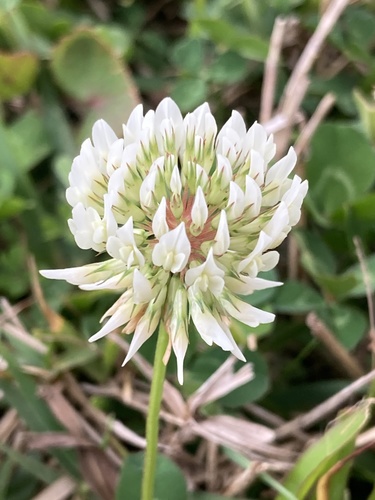

White clover (Trifolium repens) is a creeping perennial in the Fabaceae family, common in temperate lawns and pastures. Its leaves normally have three leaflets; the rare four-leaf variation carries a tradition of good luck but is not a separate species.
Read moreWhite clover, Dutch clover and White Dutch clover

© photo
Jade Fortnash · cc0
Richard Fuller · cc0
(c) Tom Grant (aka Sthiramani), some rights reserved (CC BY-NC-ND) · cc-by-nc-nd
(c) Tom Norton, some rights reserved (CC BY) · cc-by
(c) winston12345, some rights reserved (CC BY) · cc-by
Identity
White clover (Trifolium repens L.) is the creeping clover associated with lucky four-leaf clovers. The rare, symbolic four-leaf mutation belongs to this species rather than constituting a separate species. 2 8
Botanical records from POWO, WFO, IPNI and Wikidata recognize Trifolium repens L. in the Fabaceae family. This small creeping perennial is very common in temperate lawns, meadows and pastures. 2 3 4 1
The four-leaf clover tradition gives an unusual leaf its meaning as a good-luck charm. White clover itself remains the botanical plant behind the custom. 8
Distinguishing botany from symbolism makes the plant easier to understand. A normal leaf has three leaflets; an occasional fourth becomes culturally significant because it is rare. 6
Recognition
Creeping stems root at their nodes, helping white clover spread across the ground. Each leaf usually consists of three rounded leaflets, often marked with a paler crescent. 6
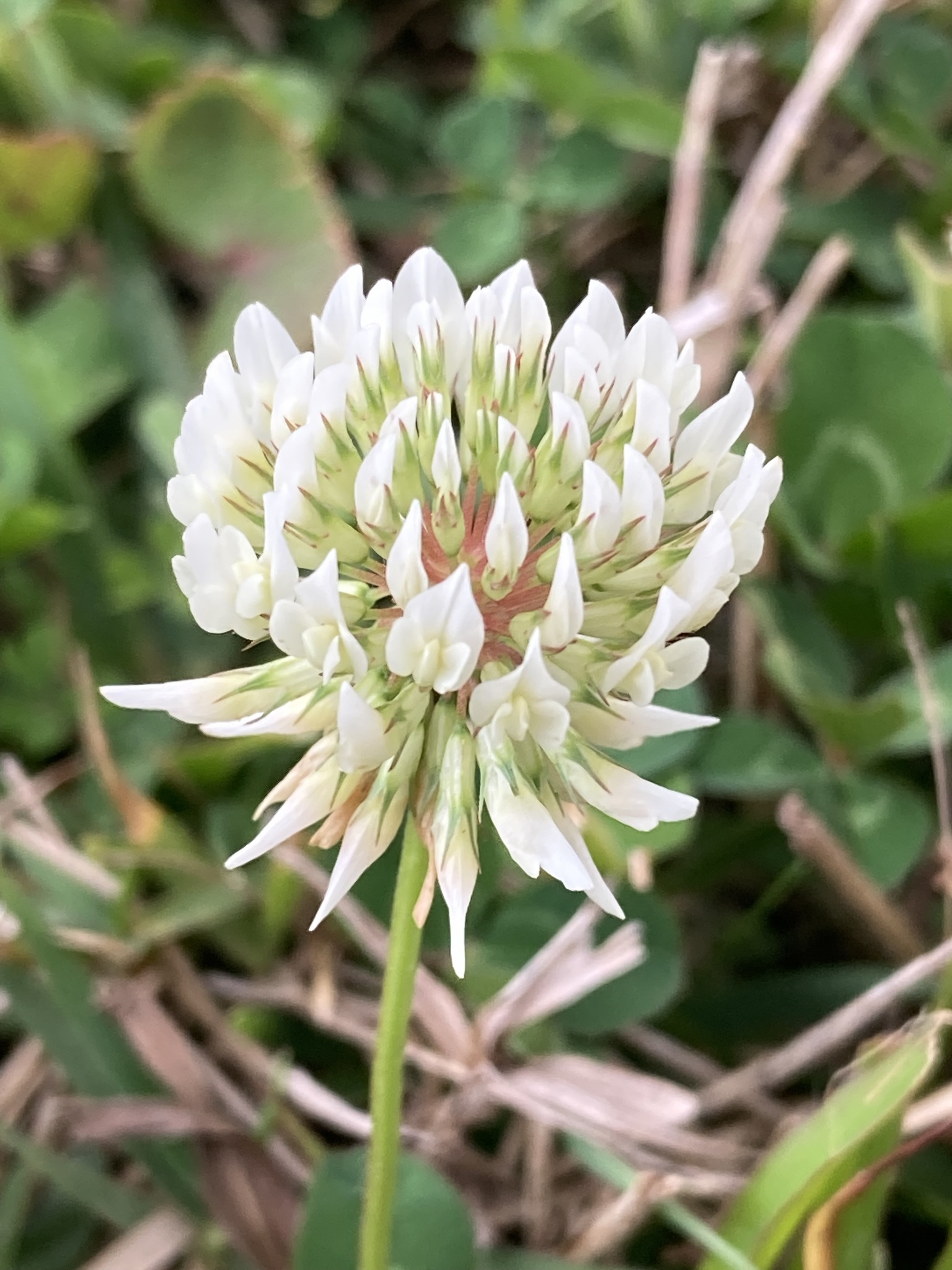
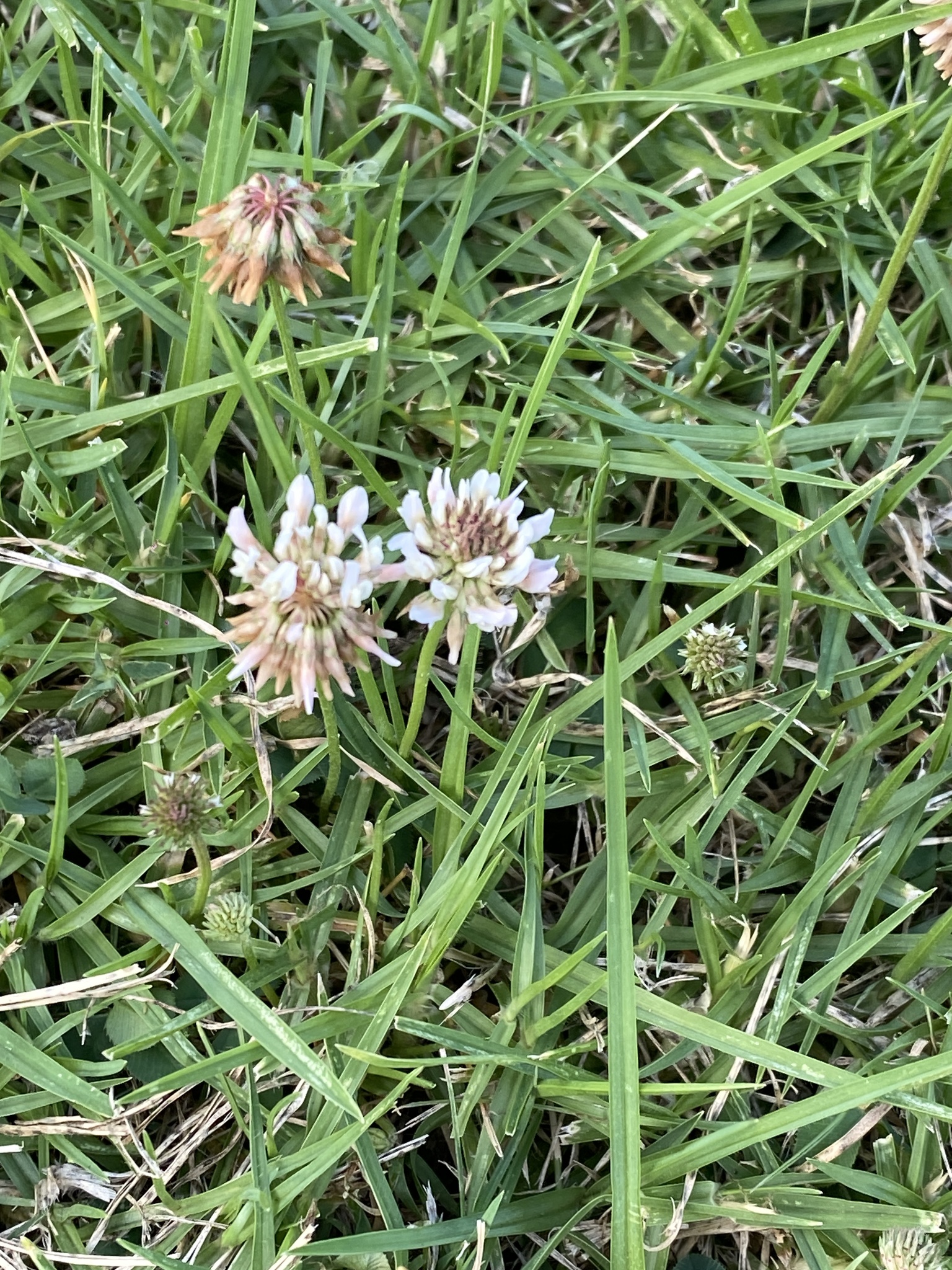
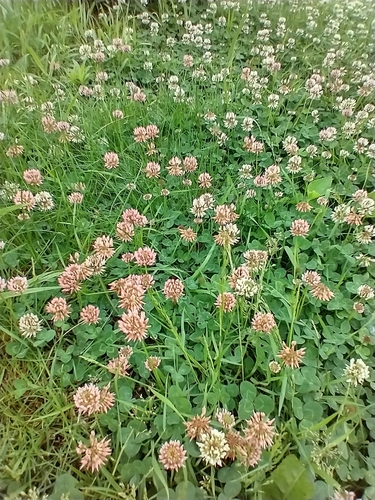
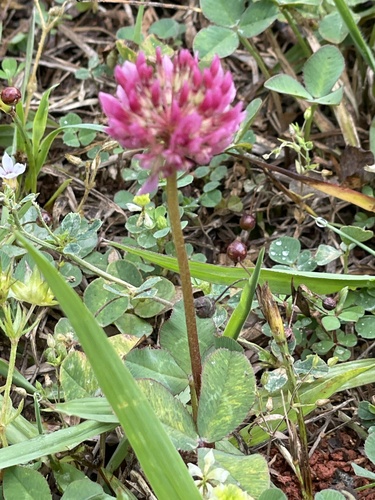
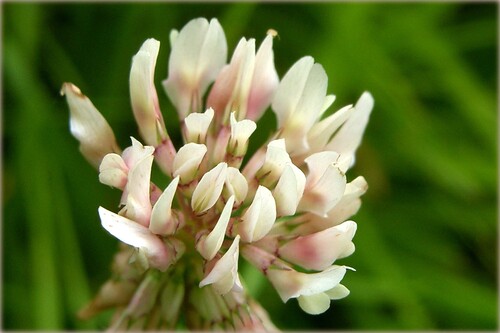
Small white to pinkish flower heads rise above the foliage. They attract bees and other pollinators, especially where lawns are mown less often. 5
A low, creeping habit separates white clover from several more upright clovers. In a lawn it forms soft, low patches that recover after moderate foot traffic. 6
The four-leaf variation does not change the species. This rare anomaly or variation within T. repens is sought as a lucky charm because it departs from the usual pattern. 8
Useful taxonomy
For white clover, the accepted name is Trifolium repens L. Its botanical identity should be distinguished from the culturally defined Irish shamrock. 2 8
Which plant is the authentic St. Patrick’s Day shamrock remains disputed. Trifolium dubium was often preferred in the cited Irish survey; Trifolium repens remains only one of the cultural candidates. 8 7
Membership of the Fabaceae family helps explain why Trifolium can associate with nitrogen-fixing bacteria. This ability matters in pastures and flowering lawns. 6
Both a lawn plant and a popular symbol, white clover has two distinct roles. Good luck is a cultural convention; its taxonomy remains that of a creeping member of the Fabaceae. 8
Cultivation
Bright conditions and moist to moderately drained soil suit white clover, which tolerates mowing if it is not cut too short. It establishes through seed and rooted creeping stems. 5
Whether clover is welcome in turf depends on the intended result. A flowering lawn values its blooms and ecological contribution, while a highly uniform lawn treats it as a competitor. 5
The mowing schedule has a strong influence on flowering. Frequent cutting reduces flowers, while a higher cut lets the white heads emerge and provide food for pollinators. 6
Meadows and orchards can use white clover as low cover. Watch its competition with fragile young seedlings and maintain a balance with grasses. 5
Its nitrogen contribution should be understood without overstating it. White clover supports the fertility of a ground cover but does not replace complete soil management. In a poor lawn, its presence can indicate a more tolerant system than single-species turf. 6
Tolerance of foot traffic has limits. Intensive play, muddy pathways or compacted soil eventually open gaps in the cover and favor other weeds. In mixed areas, alternating mown paths with flowering patches works better. 5
Uses
The best-known cultural use is the four-leaf clover. An estimated frequency of roughly one among several thousand three-leaf clovers helps explain its association with luck. 8
Practical horticultural uses include low ground cover, bee forage, flowering lawns, pasture and soil cover. White clover tolerates light foot traffic better than many flowering perennials. 6
A family garden can become more lively when clover joins an otherwise flowerless lawn. Keeping both flowering patches and mown areas provides a compromise suited to different uses. 5
The symbol should not obscure the plant. Searching for a four-leaf clover teaches close observation of an ordinary species, making the activity a form of botanical exploration in itself. 8
Searching for four leaflets works best across many patches rather than among isolated leaves. Compare the normal three-leaflet pattern, then look for the anomaly. The slow search helps explain the charm’s connection with patience. 8
Caution
No major toxicity is identified here for white clover, and it is considered safe for cats and dogs, while safety for horses remains uncertain. This does not encourage excessive consumption: large quantities of fresh plant material may upset digestion. 1
For horses and pasture, appropriate caution depends on agronomic conditions, the balance of the sward and fermentation conditions. Managing a pasture requires attention beyond general garden advice. 6
The cultural claim needs care, too: a four-leaf clover should not be sold as a magical or separate rare species. It is a variation of Trifolium repens, with no botanical guarantee of happiness. 8
Confusion around the word shamrock deserves attention. At an Irish celebration it may be a national or religious symbol; during lawn observation, the taxon needs checking. The word’s precision changes with its context. 7 8
Flowers, creeping stems and a role as ground cover explain white clover’s everyday presence before any symbolism is considered. The association with luck comes from the unusual fourth leaflet, rather than from a different kind of plant. 8
Botanically, Trifolium repens is white clover. Its four-leaf mutation, its reputation as a good-luck charm and its possible use as an Irish shamrock are related ideas that should still be kept distinct. 8 2
Main sources
- Wikidata, Trifolium repens
- Plants of the World Online / Kew, Trifolium repens
- World Flora Online, Trifolium repens
- International Plant Names Index, Trifolium repens
- Royal Horticultural Society, Trifolium repens search results
- Wikipedia EN, Trifolium repens
- Wikipedia EN, Shamrock
- Floralens, Flowers associated with good luck
If you are unsure about a plant’s toxicity, ask a botanist or veterinarian for advice.