
Red valerian (Valeriana rubra, )
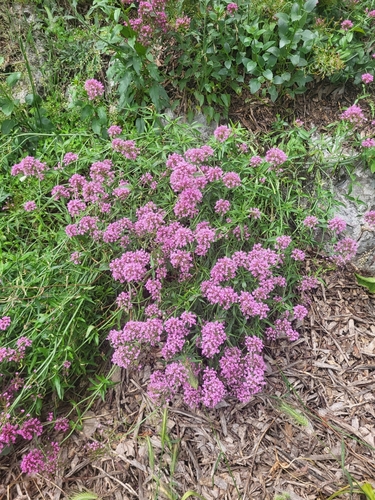
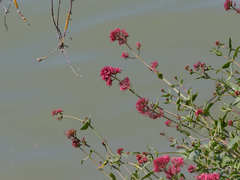
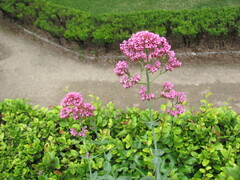
Red valerian (Valeriana rubra) is a perennial in the Caprifoliaceae family associated with the familiar garden name Centranthus ruber. It is a plant of walls, dry slopes, cracks and poor, sharply drained soil, valued for a long season of red flowers. The relationship between these botanical names matters when identifying or buying the plant.
Read moreRed valerian


© photo
Jacek Pietruszewski · cc-by
Andreas Stiller · cc-by
zebedeugalinha · cc-by
© copyright of the Board of Trustees of the Royal Botanic Gardens, Kew.
Identity
Red valerian (Valeriana rubra L.) is associated with the familiar horticultural name Centranthus ruber. Garden descriptions under that name concern the red-flowered perennial of walls and dry slopes. 8 6
Taxonomic references place Valeriana rubra L. in the genus Valeriana and family Caprifoliaceae. POWO, WFO, IPNI and Wikidata provide the nomenclatural framework for this name. 2 3 4 1
For gardeners, the useful picture is a red-flowered plant of cracks and crevices: undemanding, free-flowering and able to live in poor, stony, sharply drained ground. 8 5
Botanical naming is the delicate point when matching descriptions of red valerian. The wall-growing red-flowered plant is discussed under Centranthus ruber, so checking the full scientific name helps connect garden descriptions with Valeriana rubra. 8
Recognition
Branched, upright stems form clumps with opposite leaves and terminal clusters of red, pink or occasionally white flowers. Flowering lasts well where conditions stay warm and well drained. 7 6
Cracks, walls and dry slopes are characteristic places to find this plant. That setting is almost as useful an identification clue as the red flowers: it favors sun, open space and relatively undisturbed ground. 8
A wandering habit can look untidy in a closely managed garden. In Mediterranean planting, rock gardens or poor slopes, the same mobility can become an advantage. 5
Combine the clues of light red flower clusters, opposite leaves and growth in dry joints. A red-flowered plant demanding rich soil does not fill the same garden role. 8
Useful taxonomy
Valeriana rubra L. is the botanical name considered here; Centranthus ruber is the name widely encountered in garden accounts of red valerian. These connected names reflect its horticultural and nomenclatural history. 2 8
Today’s Caprifoliaceae includes several lineages formerly treated differently, helping explain why names associated with red valerian can be surprising. The naming history should not suggest two separate garden plants where descriptions concern the same familiar form. 3 6
In French horticulture, “valériane rouge” usually refers to the Centranthus ruber group. The name Valeriana rubra provides the scientific reference for the plant discussed here. 8 5
A practical identification therefore checks the botanical name while keeping the growing conditions in view: walls, dry slopes and gardens with poor soil are the setting associated with red valerian. 7
Cultivation
Grow it in full sun, in poor to moderately fertile, sharply drained soil. Little watering is needed once established. Excess fertility or moisture produces softer, less durable clumps. 8 5
Cracks, gravel, old walls, rock gardens and slopes suit red valerian. It is useful where many other red flowers would demand too much water, soil or care. 8
Self-seeding can be prolific. Removing some spent flowers limits spread, while leaving a few stems supports insects and preserves a natural appearance. 7
Maintenance depends on the style of planting. Tidy more closely in formal arrangements; in a dry garden, allow some movement and remove only seedlings in unsuitable spots. 5
Soil fertility strongly affects the result. Rich, watered ground often produces tall, soft, less graceful growth; a poor crevice keeps the plant more compact and closer to its characteristic wall-growing form. 8
Renew aging clumps through controlled self-seeding or division of plants that are still vigorous. Retaining only very old woody plants weakens the display; a few young replacements keep the red flowering lively. 7
Uses
Reliable red flowers on difficult ground are the main ornamental use. Walls, dry slopes and poor gardens suit a plant that does not require carefully perfected growing conditions. 8
Between buildings and planting, red valerian softens mineral surfaces at wall bases, steps, gravel, terrace edges and the tops of slopes. 5
Pollinators benefit from the long-lasting flower clusters, particularly in dry gardens where summer resources may be scarce. 7
Gray foliage, grasses, lavender, sage and pinks make useful visual companions. Red valerian adds a lively red note that feels less formal than dahlias or gladioli. 8
Airy stems can add a loose touch to bouquets without replacing large cut flowers. They work better beside more structured stems than as the sole feature, especially when the flower clusters are picked rather late. 5
Cautions
A low level of caution is appropriate: avoid ingestion and pay attention to naming confusion, especially with medicinal valerians or other red-flowered plants of slopes. 2
Self-seeding is the main horticultural concern. In mild climates and very favorable soils, plants may establish more widely than expected; cut stems before seed forms if a controlled bed is required. 5
Differences between the names Valeriana rubra and Centranthus ruber make full labels worth checking. When buying red valerian for a wall, follow the complete botanical name rather than the common name alone. 8
Small spaces need thoughtful placement. A plant able to seed into gravel can be ideal at a wall base yet troublesome in an alpine collection or a very orderly border. Suitable positioning reduces the need to pull out unwanted seedlings. 5
For wall planting, keep both the scientific name Valeriana rubra and its connection with the plant commonly called Centranthus ruber in view. That naming link clarifies red valerian’s identity without treating the same horticultural plant as two different choices. 8 2
Main sources
- Wikidata, Valeriana rubra
- Plants of the World Online / Kew, Valeriana rubra
- World Flora Online, Valeriana rubra
- International Plant Names Index, Valeriana rubra
- Royal Horticultural Society, red valerian search results
- Wikipedia EN, Centranthus ruber
- NC State Extension, Centranthus ruber
- Floralens, selection of red flowers
If you are unsure about a plant’s toxicity, ask a botanist or veterinarian for advice.