
Sycamore maple (Acer pseudoplatanus, )
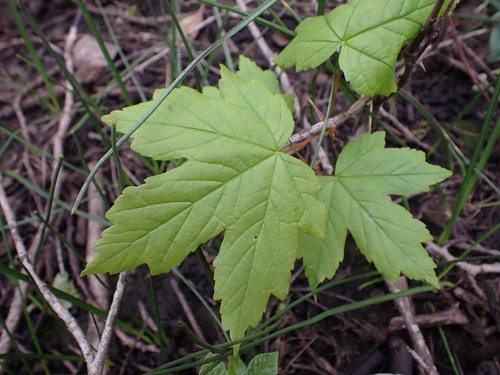
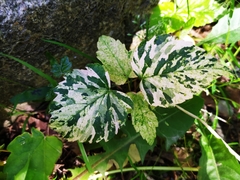
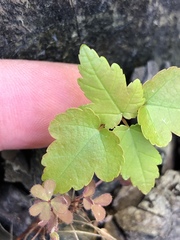
Sycamore maple (Acer pseudoplatanus) is a large deciduous tree in the Sapindaceae family, native to the mountains of central and southern Europe, including France. Its dark green, five-lobed leaves and paired winged fruits identify it as a maple. The seeds and young seedlings contain hypoglycin A, a toxin that causes often fatal muscle disease in horses.
Read moreSycamore maple and Sycamore
© photo
Ellyne Geurts · cc0
iNaturalist User · cc0
Nathan Odgers · cc0
(c) Douglas Goldman, some rights reserved (CC BY-SA) · cc-by-sa
(c) Sandy Wolkenberg, some rights reserved (CC BY) · cc-by
Global distribution
Acer pseudoplatanus is native to the mountains of central and southern Europe and western Asia, from France east to Ukraine and south through upland regions to northern Spain, Italy, Turkey and the Caucasus. In France it grows wild in cool mountain forests. Widely planted and naturalized beyond its native range, it is locally considered invasive, notably in the British Isles.
- Native6
- Introduced2
- Invasive1
- Metropolitan France
- Germany
- Switzerland
- Italy
- Ukraine
- Turkey
- United States
- New Zealand
- United Kingdom
Hexagons: regions where the plant occurs. Green dots: native range.1
Identity
Sycamore maple (Acer pseudoplatanus L., 1753), also called sycamore, is a large deciduous tree in the genus Acer and the Sapindaceae family. One of Europe's largest maples, it bears palmate leaves and the paired winged fruits characteristic of the genus. In English, the longer name helps distinguish this maple from other trees known as sycamores. 1 5
In France, sycamore maple is familiar in cool mountain forests, hedgerows and plantings at moderate elevations. It is grown for its generous shade, tolerance of wind and pale timber, long valued in furniture making and the construction of musical instruments. 7 8
Recognition
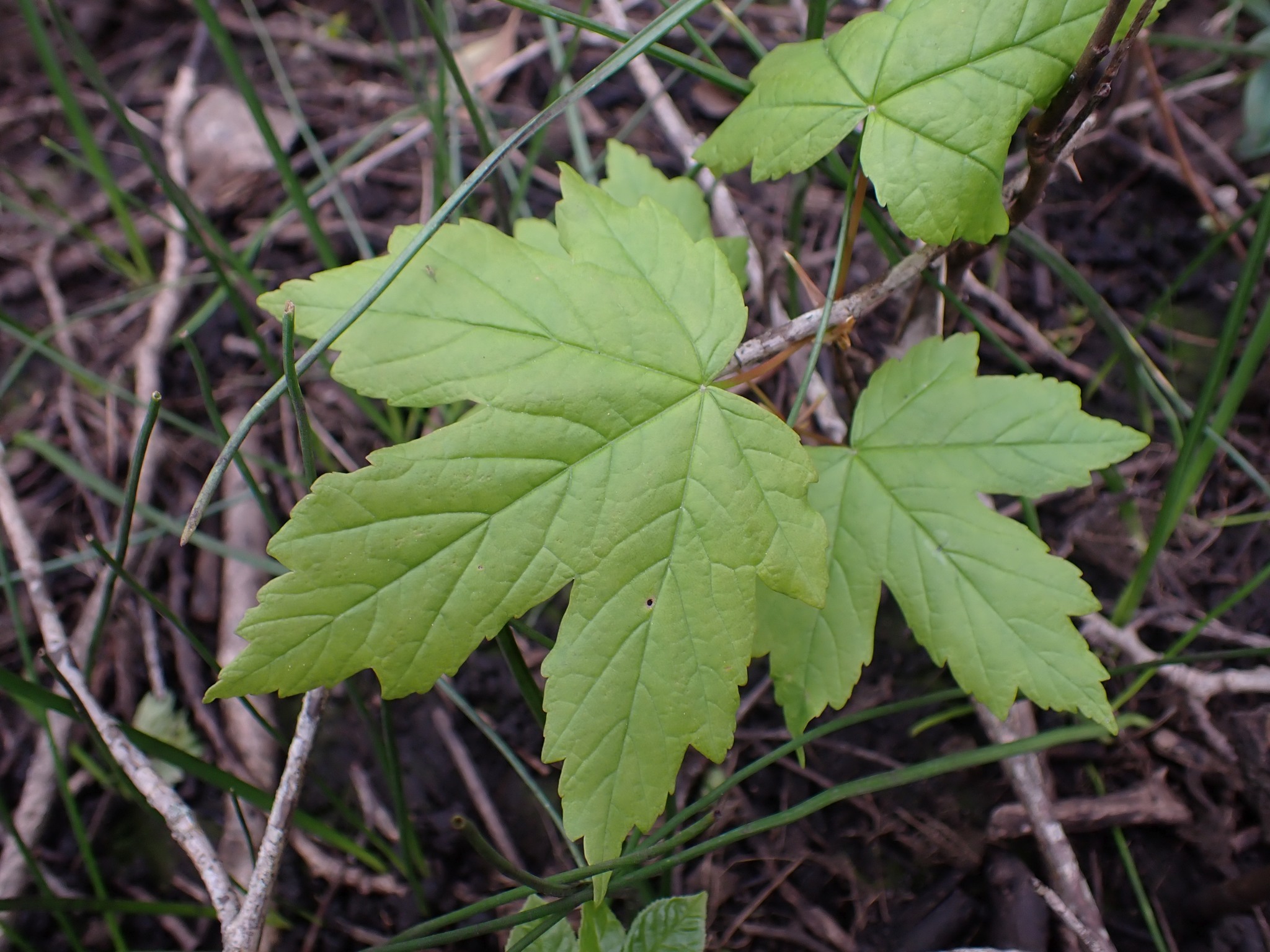
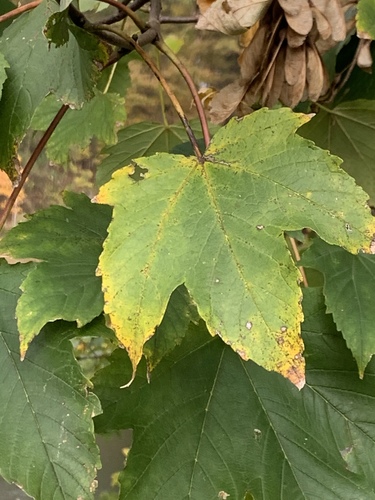
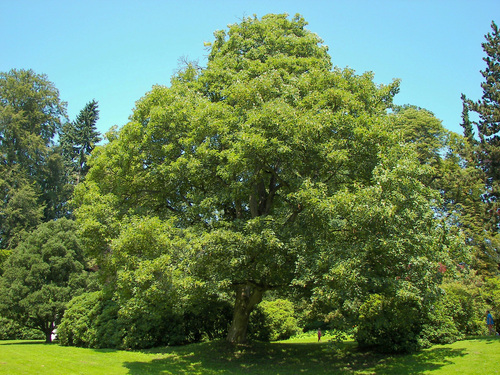
Opposite, five-lobed leaves provide the first clue to Acer pseudoplatanus: they measure 10–16 cm (4–6 in) long, with toothed margins, dark green upper surfaces and paler undersides. The leaf stalk is often reddish; on young shoots, breaking it releases a milky sap. 4 2
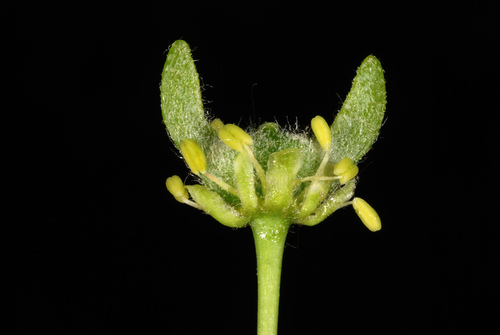
After the leaves unfold in spring, long hanging clusters of small greenish to yellowish, nectar-rich flowers appear. They develop into paired, dry winged fruits called samaras in fall. Their wings form an acute angle, a useful distinction from the horizontally spreading wings of Norway maple. 3 5
Young bark is smooth and gray, later flaking in plates to reveal orange-toned patches. A straight trunk supports a broad, rounded crown. Mature trees commonly stand 20–30 m (65–100 ft) tall, with well-grown old specimens sometimes reaching 35 m (115 ft). 2 4
Useful taxonomy
Linnaeus described sycamore maple as Acer pseudoplatanus L. in 1753. Many names have since been proposed for botanical and horticultural forms, most now treated as synonyms. Historical names include:
- Acer pseudoplatanus var. fieberi Pax, a historical synonym
- Acer pseudoplatanus var. subobtusum DC., a historical synonym
- Acer pseudoplatanus f. purpurascens (Jacob-Makoy) Pax, a historical synonym
- Acer pseudoplatanus var. dittrichii (Ortmann) Čelak., a historical synonym
Using the accepted scientific name, Acer pseudoplatanus, keeps the identity clear. Cultivar names such as Atropurpureum and Brilliantissimum refer to horticultural selections, rather than separate species or distinct botanical varieties. 1 7
Habitat and range
Mountain regions of central and southern Europe and western Asia form the native range of sycamore maple. It extends from France east to Ukraine and south through upland areas to northern Spain, Italy, Turkey and the Caucasus. In France, the tree grows wild in cool mountain and ravine forests. 8 7
Partial shade and deep, rich, moist soil suit this woodland tree, which also tolerates wind and coastal air on exposed shores. Young trees establish in the light shade of the understory, then grow into a gap in the canopy when more light becomes available. 4 3
Extensive ornamental and forestry planting has carried sycamore maple beyond its native range, where it has naturalized. In the British Isles in particular, the introduced tree self-seeds abundantly and is locally considered invasive. These introduced populations should be distinguished from its native European woodland populations. 2 5
Life cycle and reproduction
Spring flowering follows leaf emergence in sycamore maple. Insects visit its nectar-rich flowers, which produce abundant samaras in fall. The fruits spin as the wind carries them away from the parent tree. Germination follows winter cold stratification, and self-sown seedlings readily become established. 3 5
Early growth is fast, especially where soil remains deep and moist. This vigor helps a tree establish quickly, but also explains the many seedlings that can appear in gardens and surrounding ground. Sycamore maple is long-lived: on a favorable site it commonly exceeds two centuries and can survive considerably longer. 2 4
For the ordinary species, propagation usually starts with seed collected from ripe samaras in fall. Variegated and purple-leaved cultivars do not reliably retain their selected foliage when raised from seed. Cuttings or grafting onto a rootstock of the same species preserve those traits. 6 2
Uses and risks
Shade, avenue planting and reforestation are established uses for sycamore maple, reflecting its vigor, hardiness and tolerance of wind and coastal air. Its pale, even-textured, lustrous wood is valued for fine furniture and especially musical instruments. For centuries, figured timber has supplied the backs and sides of many violins, including celebrated instruments made in Cremona. 5 6
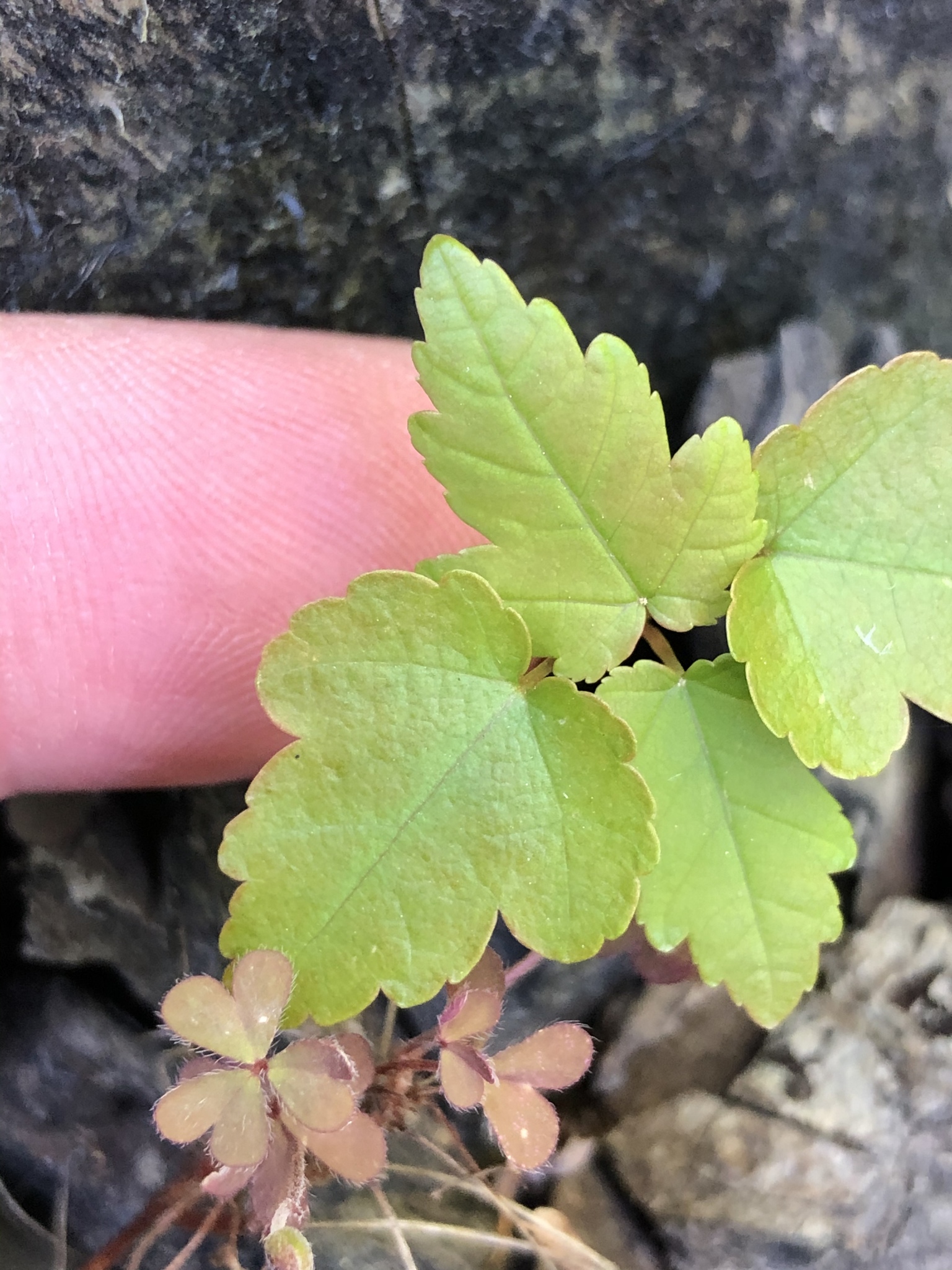
Horses face the main safety risk. Seeds and young seedlings contain hypoglycin A, which causes atypical myopathy, also known as seasonal pasture myopathy. This severe muscle disease is often fatal. Horses become poisoned by grazing on samaras and seedlings, particularly in fall and spring. Keeping horses away from the area beneath a sycamore maple and collecting fallen seeds are prudent precautions. The risk to humans, dogs and cats remains low. 2 4
Varieties, look-alikes and related plants
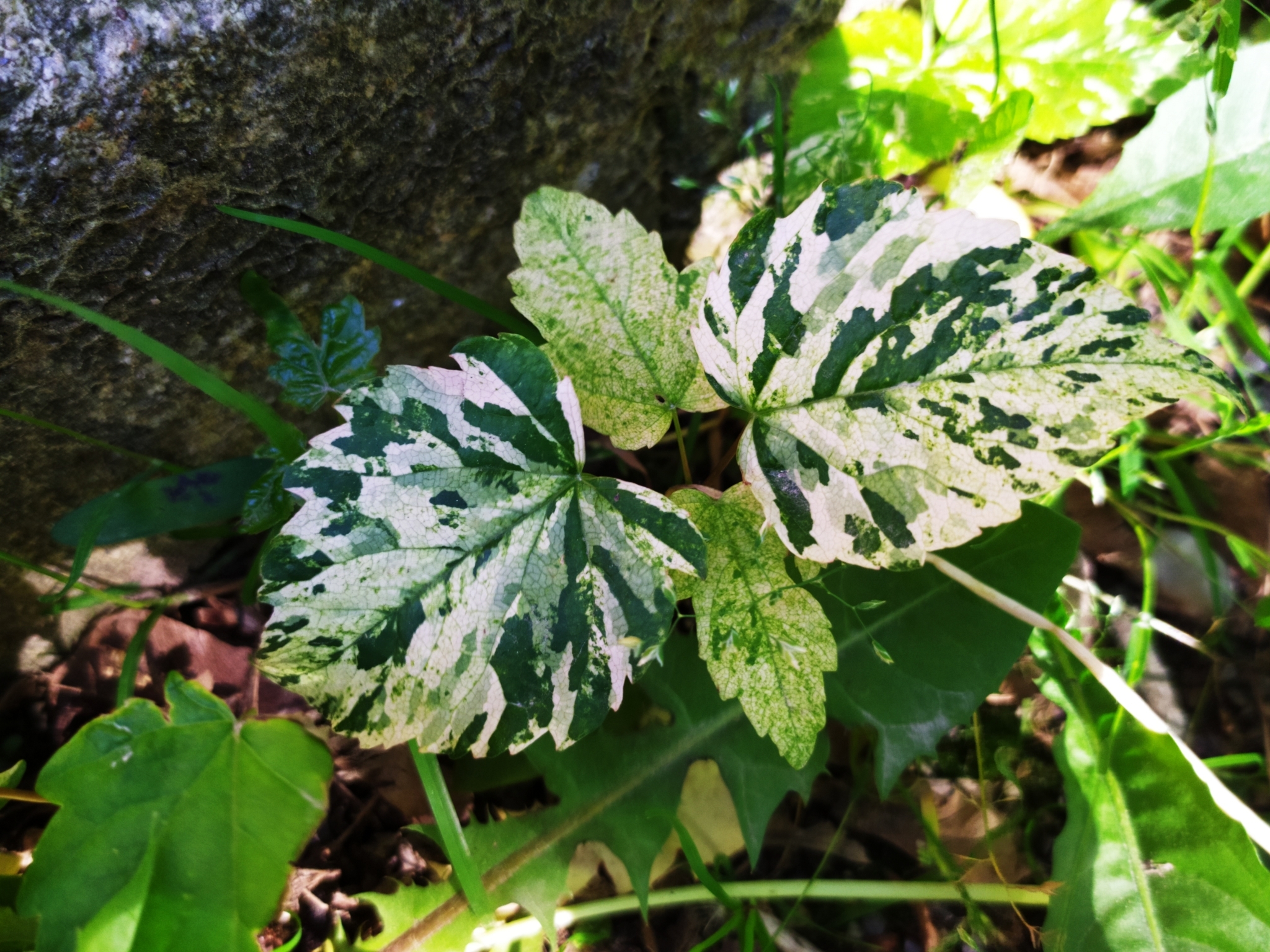
Foliage selections account for the many cultivars of sycamore maple; they are not separate species. Atropurpureum and Spaethii have purple leaf undersides, while Brilliantissimum produces salmon-pink spring shoots. Leopoldii and Simon-Louis Frères carry leaves variegated in cream, yellow and pink. Grafting or cuttings preserve their selected character. 2
Several trees can be mistaken for sycamore maple:
- Norway maple, Acer platanoides, has horizontally spreading seed wings and lighter foliage;
- plane trees, Platanus, have similar palmate leaves but bear spherical fruits;
- field maple, Acer campestre, is smaller, with rounded leaf lobes.
Dark palmate foliage, paired seed wings at an acute angle and bark that flakes in plates remain the most useful combination of clues for confirming Acer pseudoplatanus. 4 1
Main sources
- Plants of the World Online / Kew, Acer pseudoplatanus L.
- Royal Horticultural Society, Acer pseudoplatanus - sycamore
- Missouri Botanical Garden, Acer pseudoplatanus
- NC State Extension, Acer pseudoplatanus (Sycamore Maple)
- Encyclopaedia Britannica, sycamore maple
- Plants For A Future, Acer pseudoplatanus
- Tela Botanica, Acer pseudoplatanus L.
- INPN / MNHN, Acer pseudoplatanus L., 1753 (cd_nom 79766)
Frequently asked questions
Is sycamore maple poisonous?
Its seeds and young seedlings contain hypoglycin A, a toxin that causes often fatal atypical myopathy in horses. The risk to humans, dogs and cats is low, but horses should not graze beneath a sycamore maple.
How can I tell sycamore maple from Norway maple?
Sycamore maple has paired seed wings that form an acute angle, almost parallel, whereas Norway maple (Acer platanoides) has wings spread horizontally. Sycamore maple foliage is darker, with a duller underside.
Why does my sycamore maple have black leaf spots?
These are tar spots caused by fungi in the genus Rhytisma. Although conspicuous, they do little harm to the tree. Collecting fallen leaves helps reduce their return the following year.
Is sycamore maple a good garden tree?
It is vigorous, hardy and tolerant of wind and coastal air, but grows large and produces many self-sown seedlings. Reserve it for large spaces as a shade or avenue tree.
Why is sycamore maple timber valued?
Its pale, even-textured, lustrous wood is prized for furniture and musical instruments. The backs and sides of many violins, including instruments from Cremona, are made from its figured timber.
Is sycamore maple invasive?
Within its native range, including France, it is part of the woodland flora. Where introduced, notably in the British Isles, it self-seeds freely and is locally considered invasive.
How tall does sycamore maple grow?
One of the largest European maples, it commonly reaches 20–30 m (65–100 ft), sometimes 35 m (115 ft), with a broad crown that can spread more than 15 m (50 ft).
Are purple-leaved forms separate species?
No. Atropurpureum, Brilliantissimum and Leopoldii are cultivars selected for their foliage, rather than separate species. Grafting or cuttings preserve their distinctive traits.
Similar plants
If you are unsure about a plant’s toxicity, ask a botanist or veterinarian for advice.