
Barberry (Berberis, )
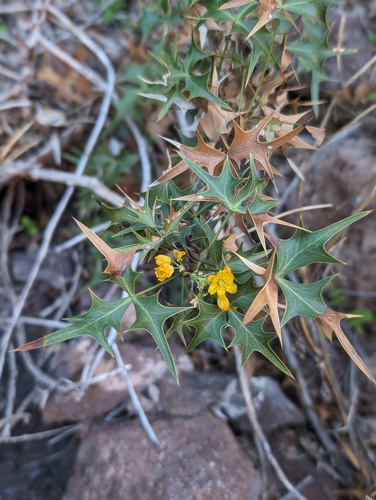
Barberry (Berberis) is a genus of thorny shrubs in the Berberidaceae. Deciduous and evergreen species provide yellow spring flowers, berries and dense hedges, with important differences in foliage, size and invasive behavior.
Read moreBarberry


© photo
Trevor Van Loon · cc-by
Cricket Raspet · cc-by
Gavin Slater · cc-by
© copyright of the Board of Trustees of the Royal Botanic Gardens, Kew.
Identity
Barberry (Berberis L., 1753) is a genus in the Berberidaceae, recognized by POWO, WFO and IPNI. Its many shrubs produce small yellow to orange spring flowers, which earn them a place in the Floralens selection of yellow flowers. 1 2 3
A genus name covers plants with very different garden roles. Berberis thunbergii, Berberis vulgaris and Berberis darwinii differ in shape, leaf persistence and ecological behavior. Identifying the species matters before choosing a hedge or interpreting growing advice. 4 5
Thorns are central to the garden character of Berberis. A barberry can provide ornament, flowers for insects and a dense barrier, but its branches make it a poor choice beside narrow paths, play areas or beds maintained with bare hands. 5
Recognition
Across the genus, shrubs may be deciduous or evergreen. Many have thorny branches and small to medium leaves, with purple or golden foliage in some cultivars. Yellow or orange flowers generally appear in spring. 4 5
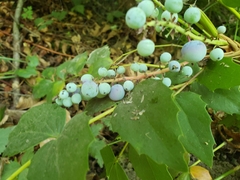
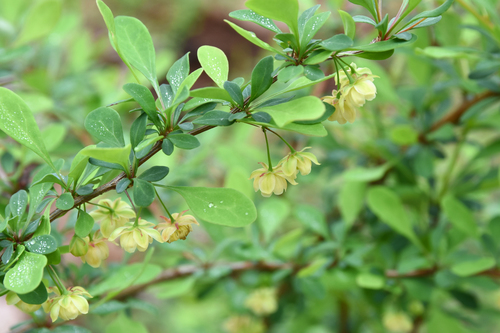
Close inspection often reveals flowers that barely register from a distance: small yellow bells held in clusters and visited by pollinators. Berries and autumn foliage can provide a second season of interest, particularly in deciduous species. 5
Sharp branches make barberry useful as a defensive hedge, while complicating pruning, weeding and leaf removal. In a family garden, position it toward the back of a bed, along a boundary or somewhere people do not need to walk through. 5 6
Foliage and growth habit vary together. Purple, golden, variegated and compact cultivars share the genus with substantial boundary shrubs. A dwarf edging plant and a tall thorny hedge serve very different purposes, so choose beyond the genus name. 5
Growing and pruning
Most garden barberries grow readily in ordinary, well-drained soil. The RHS describes an adaptable group that tolerates sun or partial shade and becomes resilient once established. Adequate light supports foliage color, flowering and visible fruit. 5
When planting a barberry, prepare a broad hole, water it in and mulch the soil, then monitor moisture through the first year. Many tolerate moderate drought afterward. Container plants need closer attention, and their thorns make repotting awkward. 5
Prune according to the intended shape and use. Trim a defensive hedge after flowering or as its form requires, wearing thick gloves and long sleeves. A specimen shrub can grow more freely, with dead, misplaced or obstructive branches removed. 5
Species and ecological awareness
Species choice determines much of the result. Berberis thunbergii supplies colorful foliage and low hedges; Berberis vulgaris is European barberry; Berberis darwinii is evergreen with orange flowers. The label “barberry” alone does not identify the right plant for a site. 4 7
Outside their native ranges, some species or cultivars can cause ecological problems. In North America, B. thunbergii is widely discussed as an invasive shrub. Status varies by species and region; choose carefully and avoid planting beside sensitive natural habitats. 6
Flowers for insects, fruit for birds and dense shelter give barberries value in gardens. A mixed hedge provides a richer structure than a thorny monoculture. Viburnums, species roses, dogwoods and hollies can share that boundary planting. 5
Deciduous or evergreen foliage also changes the seasonal effect. An evergreen maintains a winter screen; a deciduous shrub often offers stronger autumn color and admits more light in the cold season. In either case, yellow flowering is chiefly a spring feature. 5 4
Toxicity and safety
Eating barberry plant parts may cause mild stomach upset, according to the RHS. Some species have fruits used as food, but that does not make the entire genus edible. Avoid tasting unidentified berries, leaves or stems. 5 7
Physical injury is the most immediate hazard: thorns can puncture hands, scratch legs and remain hidden among fallen leaves. A garden boundary is a more suitable position around children and animals than a play space. 5
Cats, dogs and horses should not be offered barberry as forage. Unusual ingestion of berries or branches warrants caution. This precaution should not be confused with the severe poisoning hazards associated with lily-of-the-valley or autumn crocus.
Cut branches retain their sharp thorns, making pruning and cleanup particularly awkward. Remove them promptly instead of leaving them on the ground or in an accessible pile of garden debris, where children, dogs and gardeners may be scratched. 5
Place in the blog
In the yellow-flower selection, Barberry contributes the spring yellow of a shrub, subtler than forsythia but useful in hedges. Its flowers belong to a larger picture that includes thorns, berries, pruning, species choice and ecological precautions. 8 1
The genus entry at /encyclopedia/berberis covers the broad name used in the blog. Species such as Berberis thunbergii and B. vulgaris, or particular selections, need their own distinctions rather than a single generalized growing recommendation. 4
Main sources
Species in this genus
If you are unsure about a plant’s toxicity, ask a botanist or veterinarian for advice.