
Field mustard (Brassica rapa, )
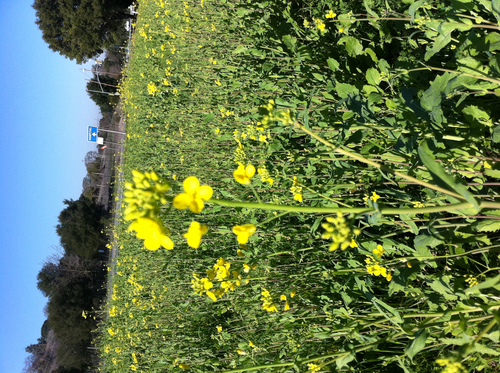
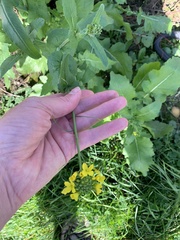

Field mustard (Brassica rapa) is an accepted species in the Brassicaceae family encompassing turnips, Asian leafy vegetables and oilseed forms. These cool-season vegetables differ in the part harvested but share many growing needs and pests.
Read moreField mustard, Turnip, Bok choy, Chinese cabbage and Turnip rape



© photo
Scott Loarie · cc0
naturalist charlie · cc0
Mark Wagner · cc-by
Taken Jan 2, 2017 by Yoan MARTIN (cc-by-sa)
Taken Jan 1, 1970 by Photoflora - L'Abbé COSTE (©)
Taken Nov 6, 2022 by Na Zed (cc-by-sa)
Taken Jun 1, 2019 by Sian jiffy (cc-by-sa)
Taken May 31, 2020 by john regan (cc-by-sa)
© copyright of the Board of Trustees of the Royal Botanic Gardens, Kew.




Identity
Field mustard (Brassica rapa L., 1753) is an accepted species in the Brassicaceae family. POWO, WFO, IPNI and Wikidata provide its taxonomic reference points, but one name encompasses many vegetables: turnip, bok choy, Chinese cabbage, turnip rape and other oilseed forms. 2 3 1
For the French blog’s midsummer planting article, the relevant crops are autumn turnips and other cool-season forms. Their practical connection is sowing toward the end of summer for a tender harvest as temperatures fall, with timing adjusted to the local growing season. 7 9
The species name connects vegetables sold under quite different culinary names. Many Asian greens belong to B. rapa. Turnips, bok choy and Chinese cabbage therefore share pests, crop-rotation requirements and several growing needs, even though their appearance and use differ. 5
Recognition
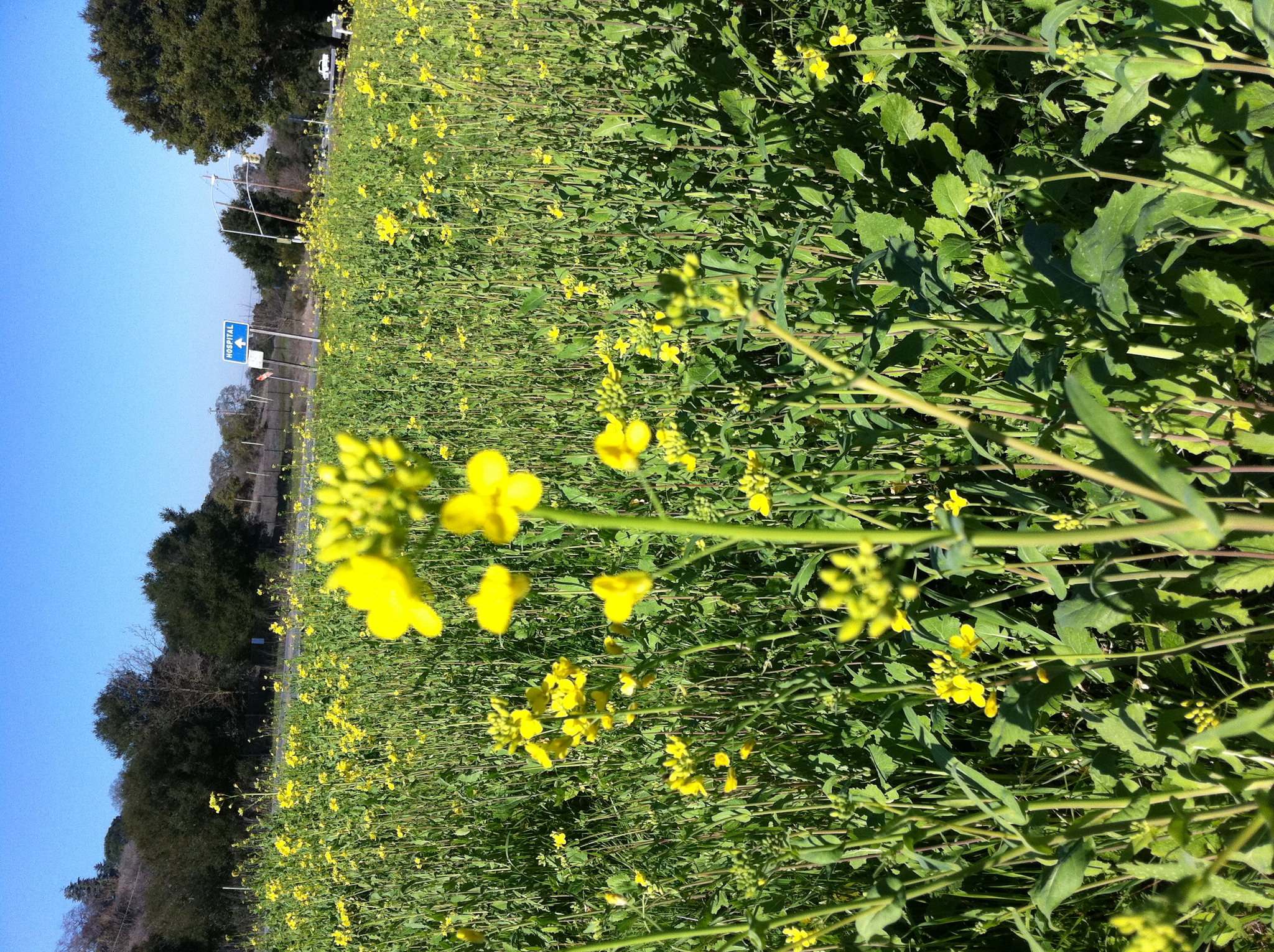
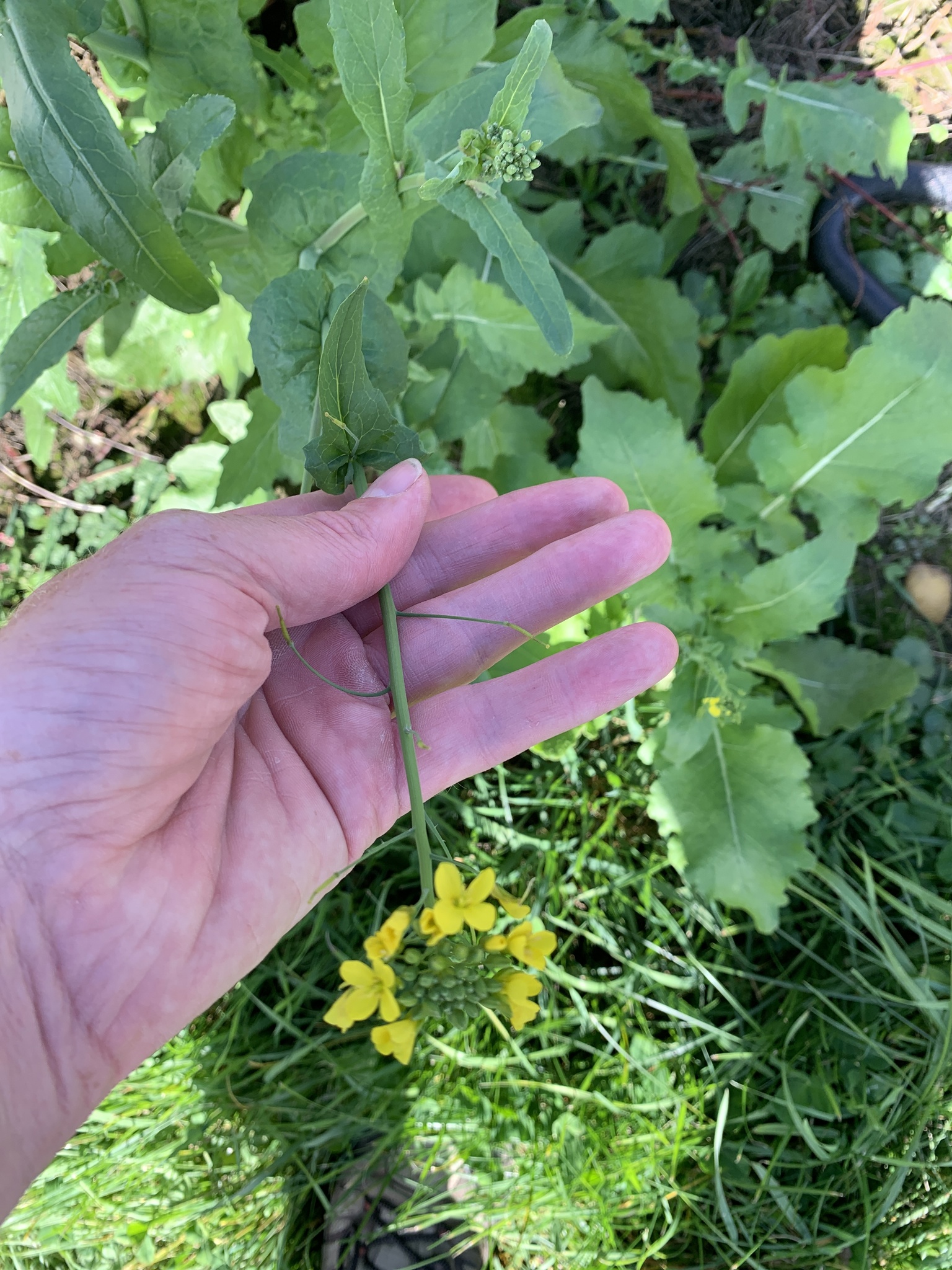
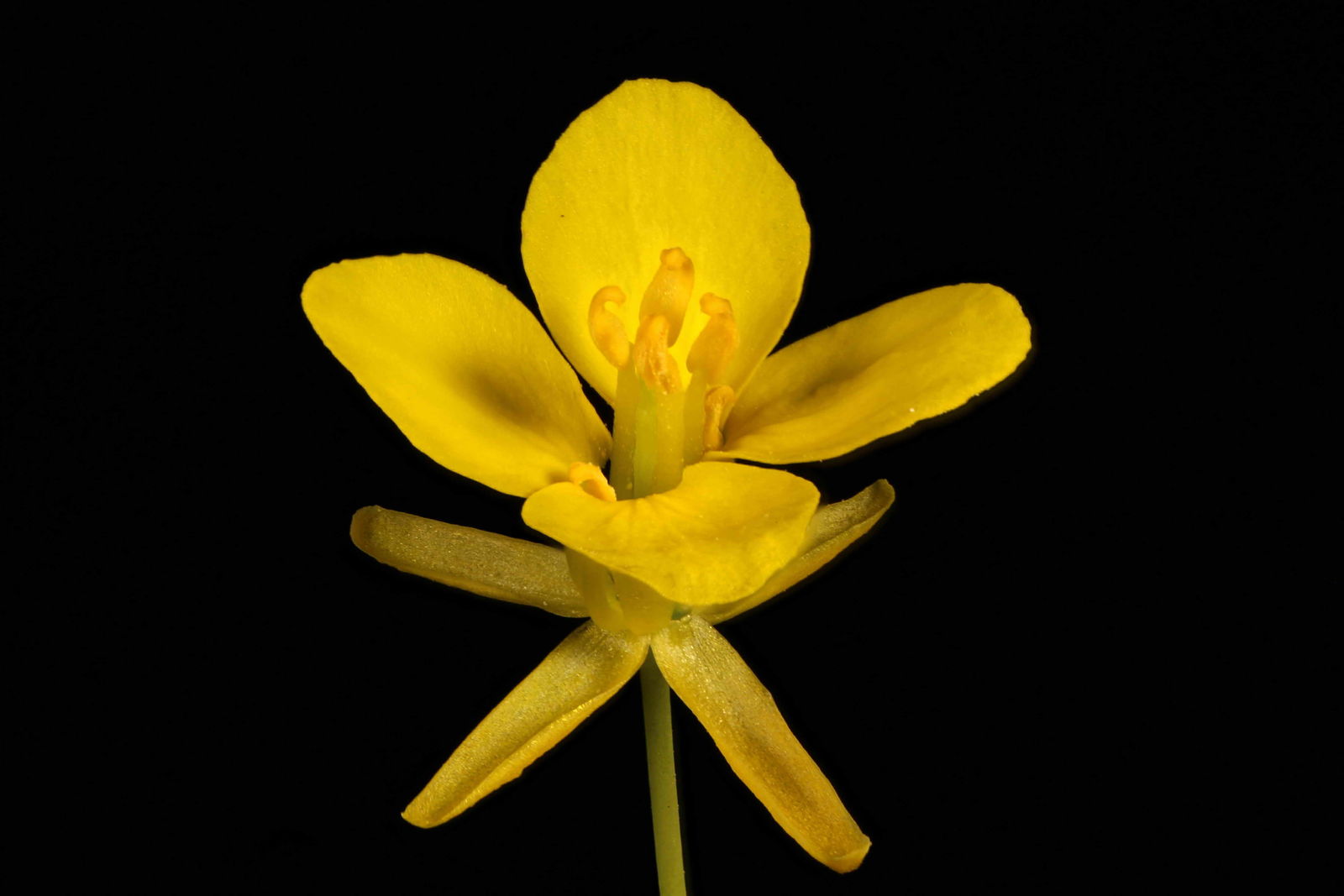
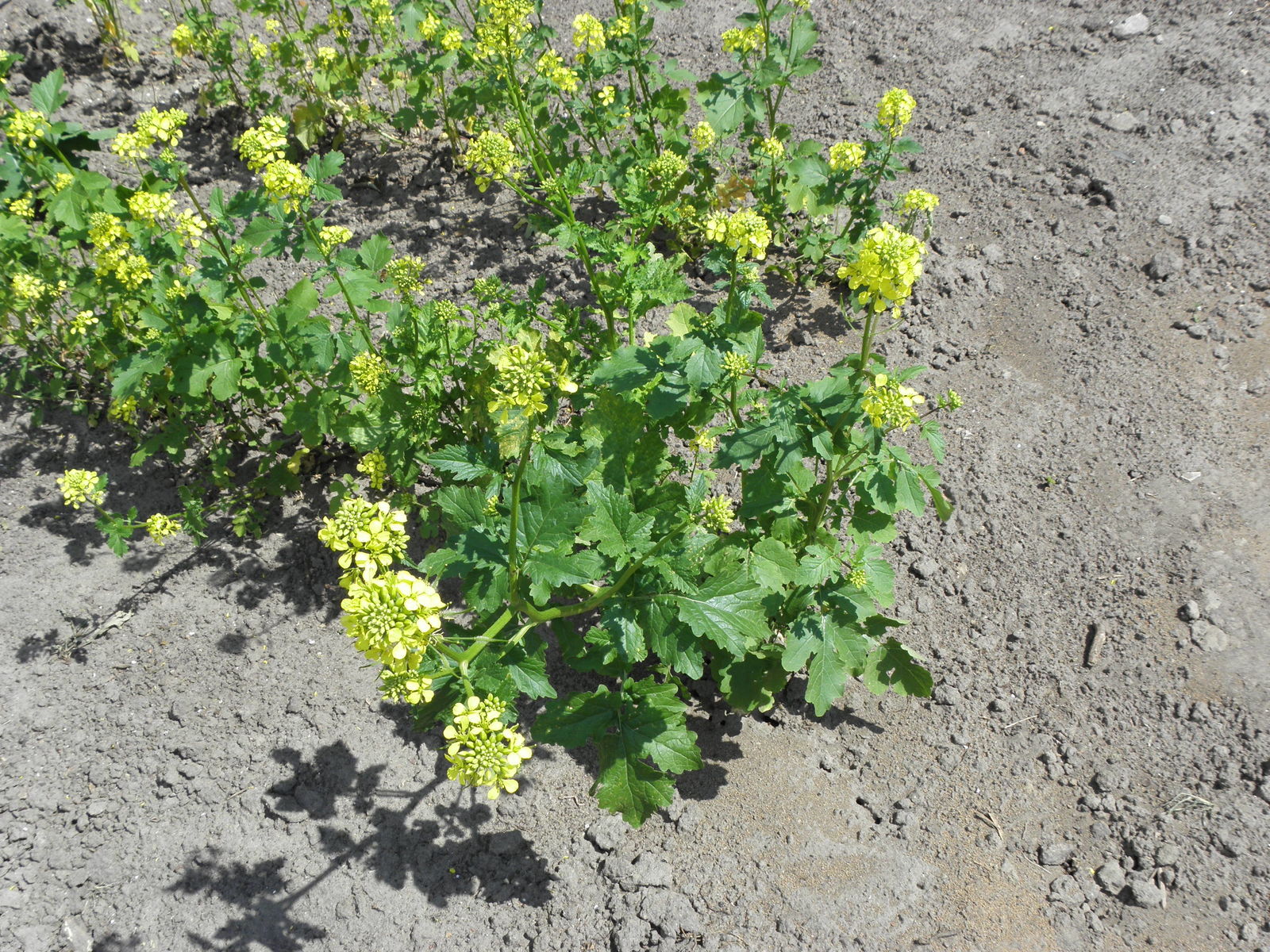
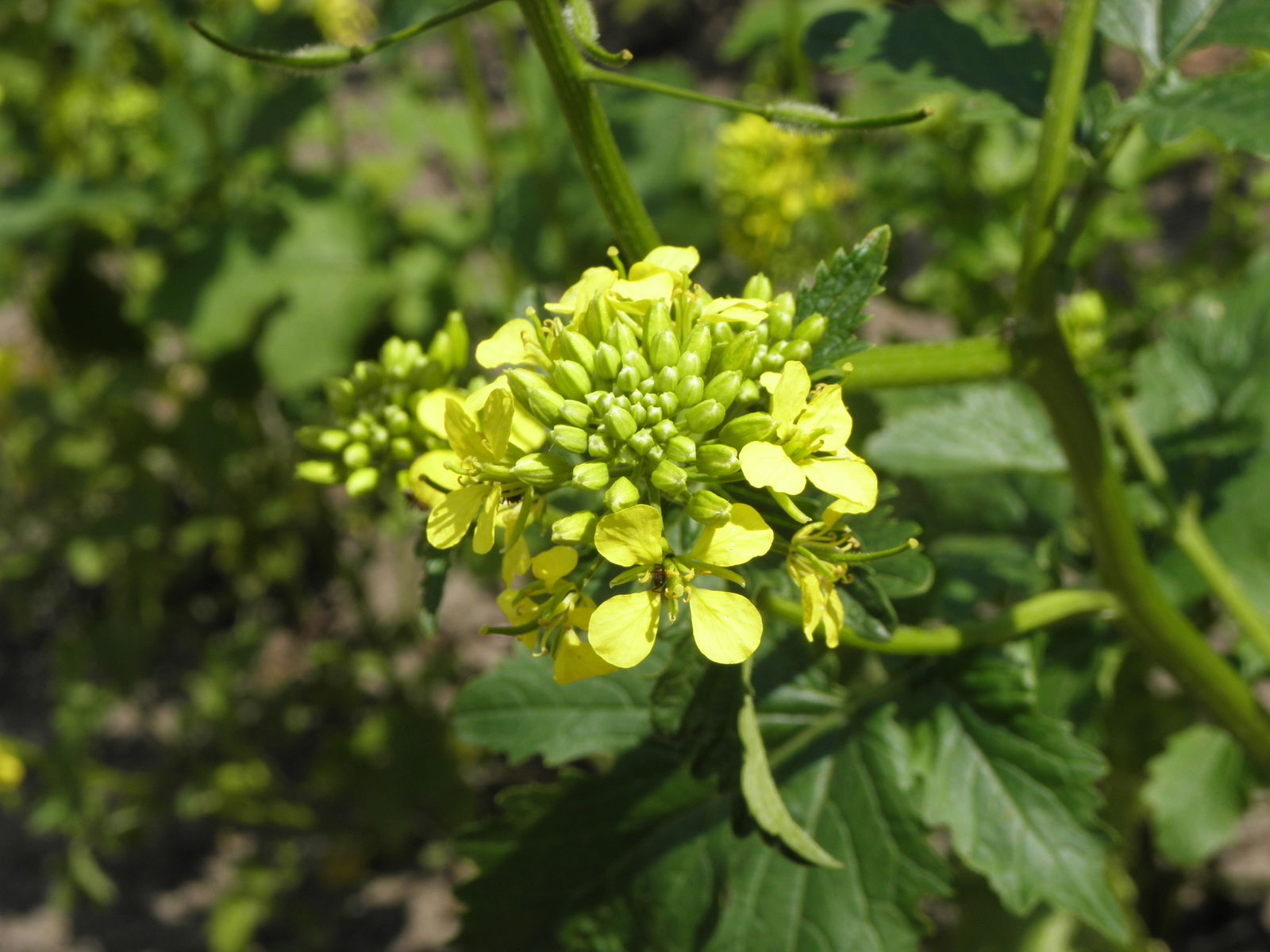
Identification begins with the cultivated group. A turnip develops a swollen root, often white or purple; bok choy forms fleshy leaf stalks and a rosette; Chinese cabbage produces a more or less tightly packed mass of leaves. Yellow brassica flowers appear when these plants bolt and set seed. 5 6
Tender seedlings are particularly vulnerable to flea beetles. Late-summer sowings establish better when the soil stays moist, emergence is quick and a protective cover shields the young plants. Heavy damage at this stage can compromise the entire row. 7 8
Turnip roots reveal their size at the shoulder emerging above the soil. Extension advice commonly recommends harvesting them young, before they become fibrous or strongly flavored. For a late-summer sowing, tenderness matters more than producing the largest possible root. 8
Leaf crops need a different assessment. With bok choy and Chinese cabbage, look for sound, fleshy leaf stalks, fresh foliage and no sign of bolting. A crop of the same species can fail for a different reason depending on which vegetable form you are growing. 5
Midsummer cultivation
Cool-season growth suits Brassica rapa. Sowing toward the end of summer targets an autumn crop, when nights cool and growth becomes steadier. Where midsummer is hot and dry, successful establishment requires consistent watering and protection for the young leaves. 7 8
Prepare a fine seedbed with fertile soil, avoiding excessive fresh manure. Too much nitrogen or water stress can produce lush foliage, poorly formed roots or premature bolting. Mature compost and steady watering are more useful than a sudden heavy feed. 8
Crop rotation is central to long-term success. Avoid growing turnips, cabbages, radishes or other brassicas in the same spot year after year. Short rotations favor flea beetles, cabbage root flies, root diseases and clubroot. 7 8
An insect barrier is another useful summer tool. It protects emerging seedlings and young leaves when installed before pests arrive, provided it does not trap flea beetles already present. A clean bed watered before sowing gives seeds a better start than a dry, crusted surface. 8
Harvest and uses
Harvest turnips young while their roots are tender. Their leaves can also be eaten, depending on the variety and culinary tradition. Bok choy and Chinese cabbage are grown mainly for leaves and leaf stalks, harvested before heat or severe cold spoils their texture. 5 8
Harvest advice must distinguish the different forms of Brassica rapa. Turnips, bok choy and oilseed turnip rape are not gathered at the same stage. They nevertheless share a preference for cool growing conditions and susceptibility to brassica pests. 5
Small, repeated sowings work well in a household vegetable garden. A few meters of properly thinned row can provide more useful vegetables than a large neglected planting that turns tough. Light mulch helps retain moisture, but young pests still need to be visible during inspections. 7
Safety and animals
As a major food species, Brassica rapa has no identified toxicity in ordinary vegetable use. That does not make every amount suitable for every animal: brassicas can cause digestive discomfort when introduced suddenly or fed in excess. 5
For cats and dogs, small amounts of cooked vegetables do not present the same botanical poisoning concern as Allium species. Reasonable portions without sauces or added salt are the relevant context. Horses and livestock require established feeding practices rather than improvised meals of garden waste. 8
Children can grow and harvest turnips, making them useful teaching plants. The practical precautions concern washing, food hygiene, kitchen knives and identifying neighboring plants in the vegetable bed. 7
Food use and nutritional advice have different scopes. Brassica rapa is an edible crop, but that fact does not replace medical or dietary guidance for special diets, young animals or people who poorly tolerate brassicas.
Connection with seasonal planting
Late-summer sowing explains why Brassica rapa appears in the French midsummer planting article. Many cultivated forms can supply an autumn harvest, linking the sowing season to moist soil, watering, thinning and rotation. Gardeners in either hemisphere should follow their local seasonal conditions. 9 7 8
The botanical reference remains the species Brassica rapa. Keeping turnips and related leafy or oilseed forms together preserves the connection between the crop mentioned in the seasonal article and the wider diversity represented by that scientific name. 2 5
Main sources
- Wikidata, Brassica rapa
- Plants of the World Online / Kew, Brassica rapa
- World Flora Online, Brassica rapa
- International Plant Names Index, Brassica rapa
- Wikipedia EN, Brassica rapa
- Wikipedia EN, Turnip
- Royal Horticultural Society, how to grow turnips
- University of Minnesota Extension, growing turnips and rutabagas
- Floralens, what to plant in July
If you are unsure about a plant’s toxicity, ask a botanist or veterinarian for advice.