
European hornbeam (Carpinus betulus, )
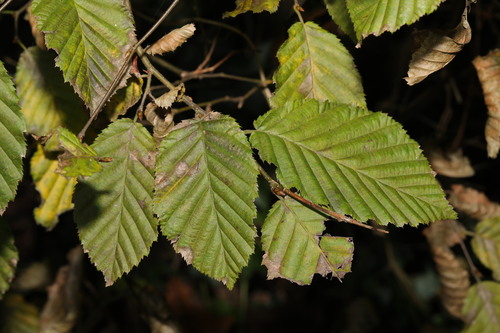
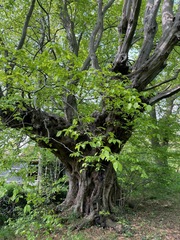
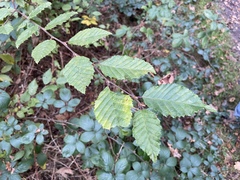
European hornbeam (Carpinus betulus) is a deciduous tree in the Betulaceae family, native to Europe and western Asia. Its fluted, muscular-looking trunk, oval leaves with doubly toothed margins and exceptionally hard wood distinguish it. That hardness gave rise to the English name hornbeam, combining horn with an old word for tree.
Read moreEuropean hornbeam, Common hornbeam and Hornbeam


© photo
Stephen James McWilliam · cc0
Justin Cormack · cc0
Joss Carr · cc-by
Taken May 20, 2021 by Lucile Hubas (cc-by-sa)
Taken Aug 9, 2014 by Tela Botanica − Liliane Roubaudi (cc-by-sa)
Taken Dec 27, 2021 by Manuëlle (cc-by-sa)
Taken Nov 16, 2019 by Dirk Fabian (cc-by-sa)
Taken Apr 6, 2006 by Tela Botanica − Michel POURCHET (cc-by-sa)
© copyright of the Board of Trustees of the Royal Botanic Gardens, Kew.


Global distribution
The native range of Carpinus betulus extends from Sweden and southern England to the Pyrenees in the west, and to the Caucasus and northern Iran in the east. In France, it is native across almost the entire country except strictly Mediterranean areas and high mountains.
- Native6
- France
- United Kingdom
- Germany
- Sweden
- Iran
- Türkiye
Hexagons: regions where the plant occurs. Green dots: native range.1
Identity
European hornbeam (Carpinus betulus L., 1753), also called common hornbeam, is a deciduous tree in the birch family, Betulaceae. Its genus name comes directly from Latin carpinus, already used for the tree in antiquity. The epithet betulus means birch-like, referring to another member of the same family. 1 6
Hornbeam combines horn, referring to the hardness of the wood, with beam, an old English word for tree or timber. Among European hardwoods, hornbeam timber is exceptionally hard. It was long used for mechanical parts expected to withstand heavy wear, especially the teeth of mill gears. 6 5
Recognition
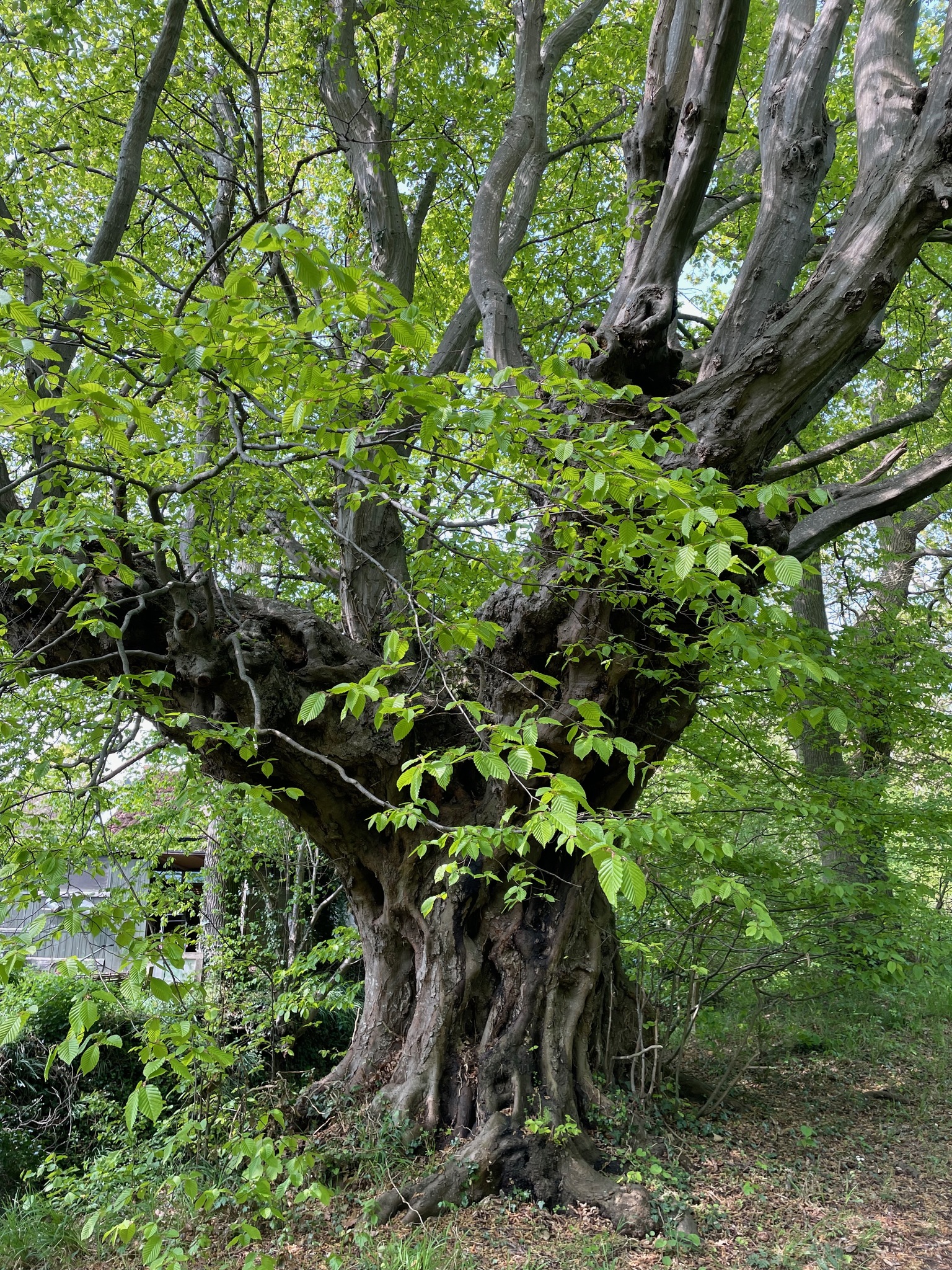
At maturity, Carpinus betulus commonly reaches 15–25 m (49–82 ft) tall and 8–12 m (26–39 ft) wide. A young conical crown broadens with age. Its gray trunk provides an immediate clue: the bark is smooth but strongly fluted, forming ridges like taut muscles. This differs from the uniformly smooth, cylindrical trunk of beech. 2 4
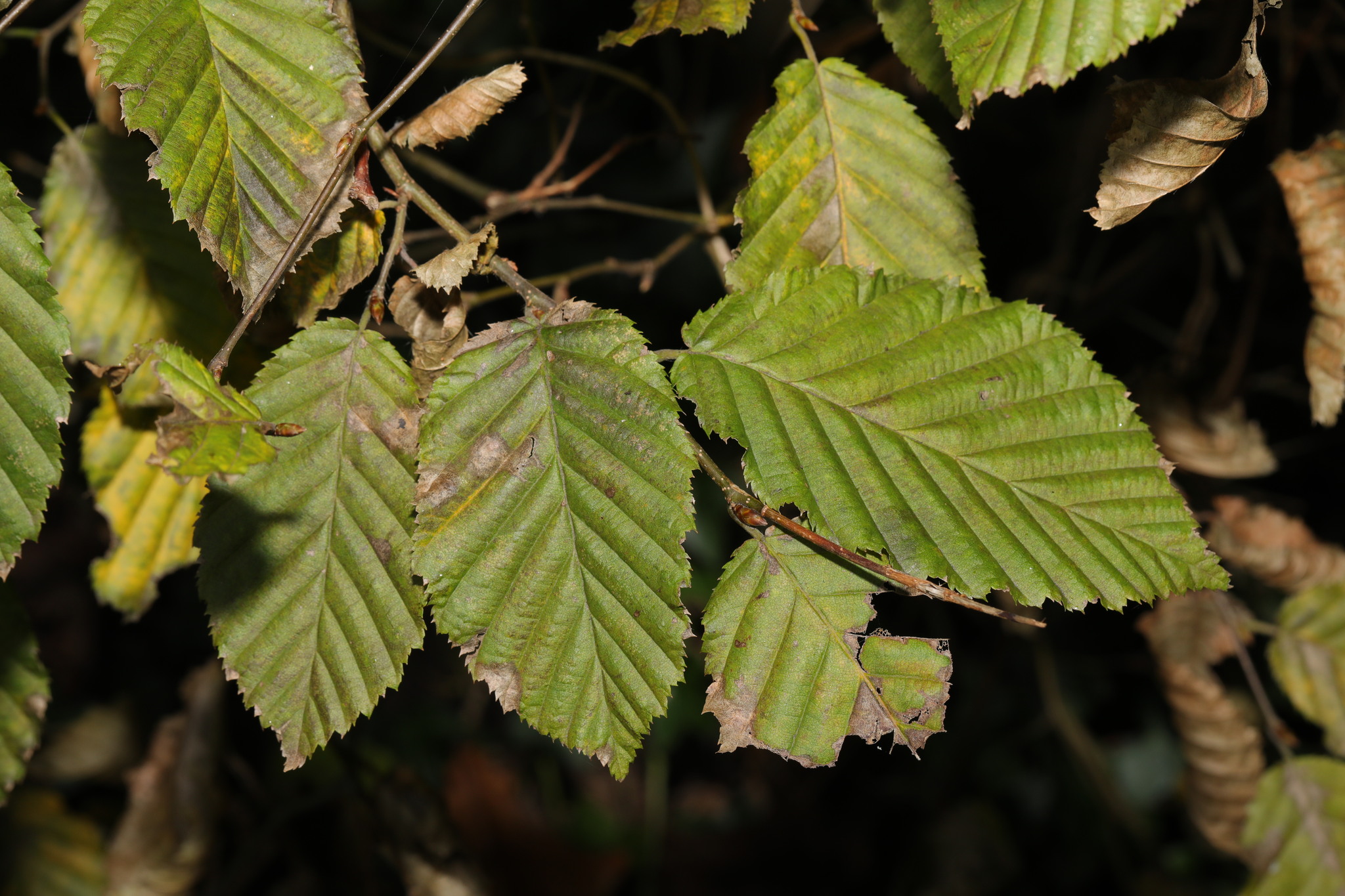
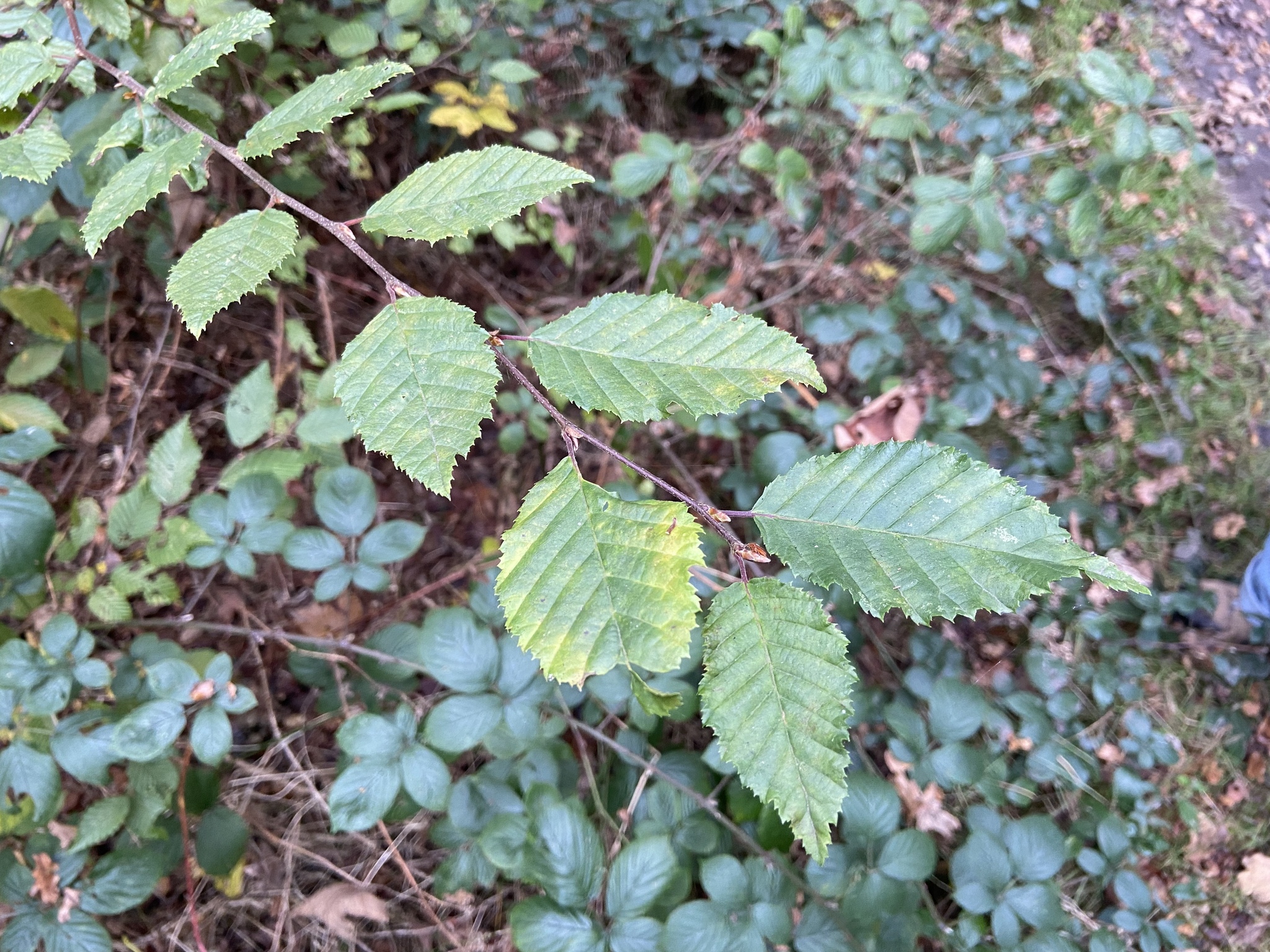
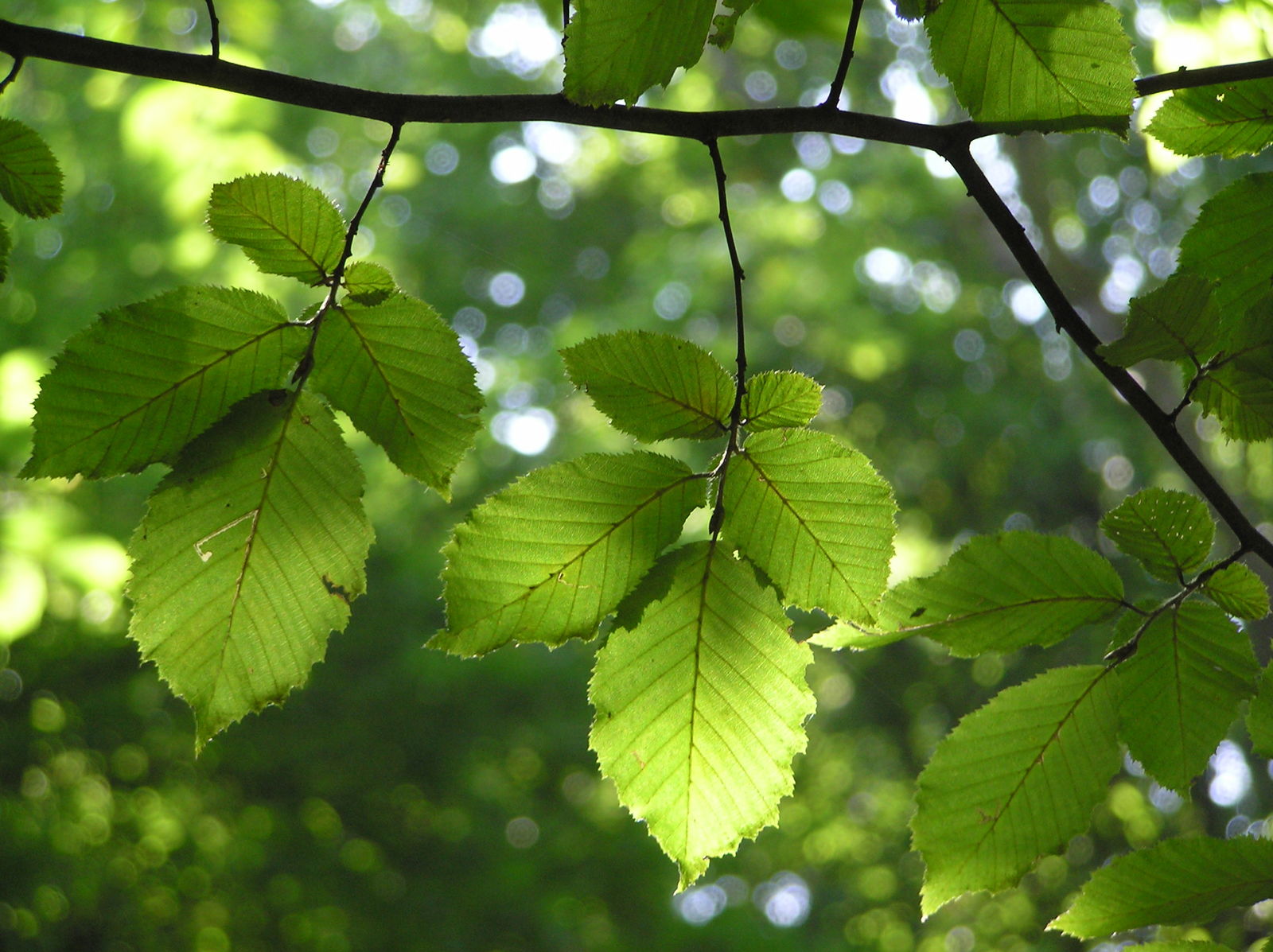
Oval, pointed leaves measure 5–10 cm (2–4 in) long. Their doubly toothed margins and strongly marked parallel veins separate them from beech leaves, whose edges are merely wavy and fringed with hairs. These leaf characters remain useful even when clipping has altered the natural shape of the tree. 2 6
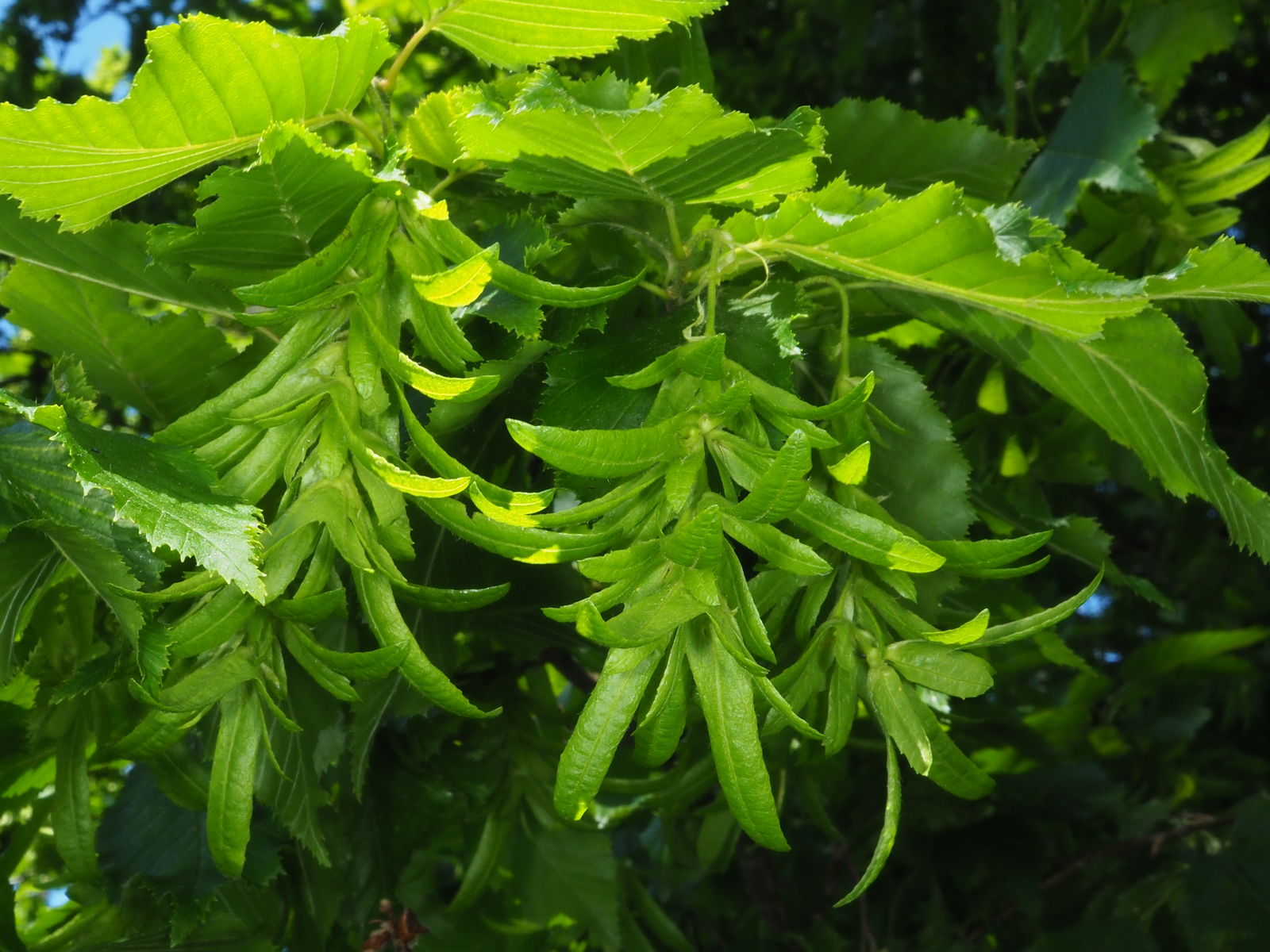
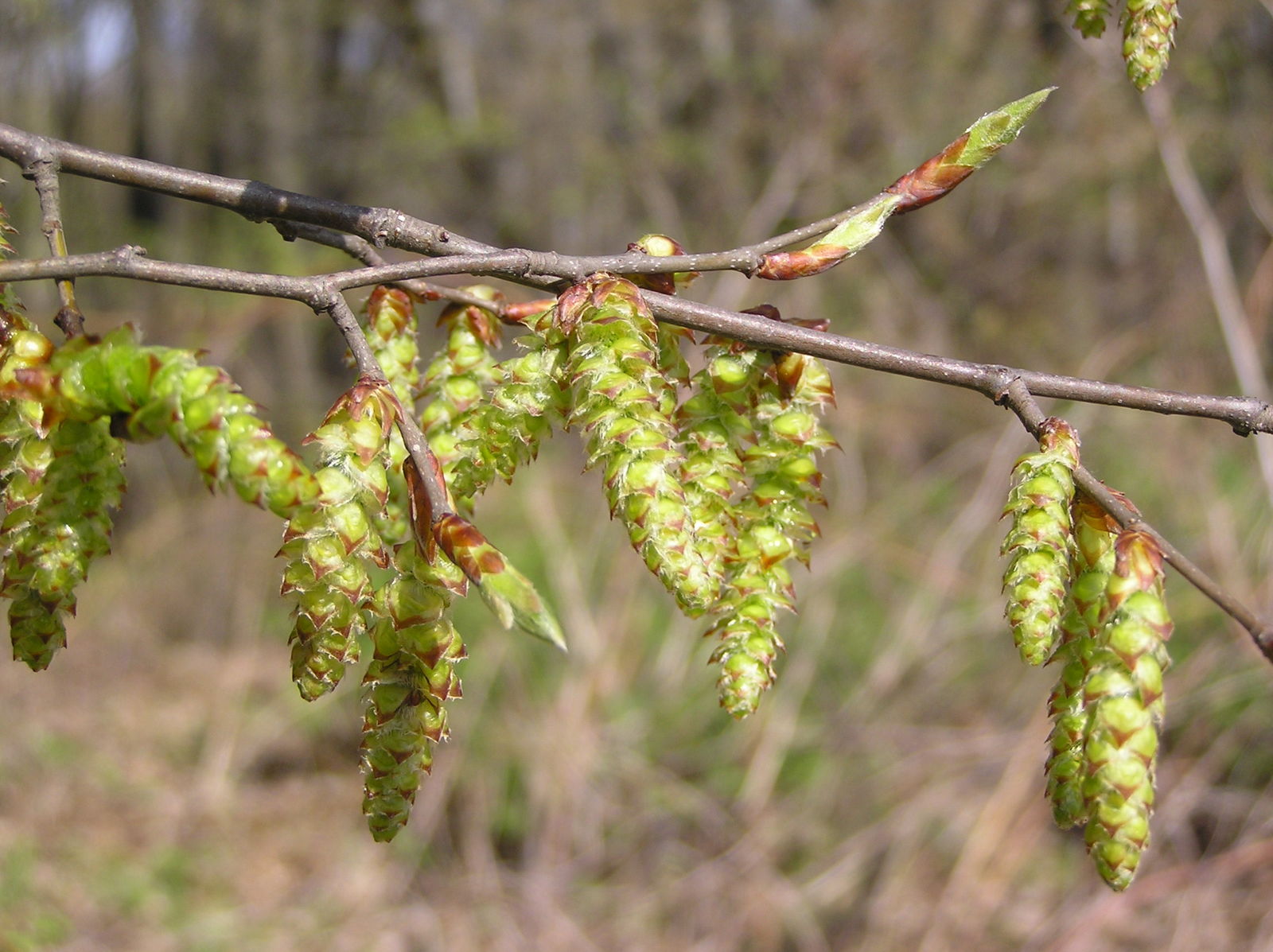
Yellowish male catkins and greenish female catkins appear separately on the same tree in spring, before the leaves. By fall, hanging clusters carry small ribbed fruits, each accompanied by a three-lobed, winglike bract. 4 2
Useful taxonomy
Linnaeus published Carpinus betulus L. in Species Plantarum in 1753. That remains the accepted scientific name, without a major revision. Carpinus belongs to the Coryloideae subfamily alongside common hazel. Although closely related, hazel forms a multistemmed shrub with rounder, hairy leaves, rather than a tree with a single trunk. 1 8
French usage distinguishes charme, the tree, from charmille, usually a clipped hornbeam hedge or avenue rather than a separate taxon. In English, common hornbeam and European hornbeam refer to this species. Horticultural cultivars such as Fastigiata and Frans Fontaine are grafted selections of the same species. 7 3
Habitat and range
Sweden, southern England, the Pyrenees, the Caucasus and northern Iran mark the broad extent of the native range. In mainland France, European hornbeam is native across almost the entire country, except strictly Mediterranean areas and high mountains. 1 8
Woodland hornbeam grows beneath oaks and beeches on clay or chalky soils that often stay moist for much of the year. It tolerates deeper shade than most other European deciduous trees, explaining its familiar role alongside pedunculate oak and beech in mixed woodland. 5 6
Planting beyond the native range, particularly in North America and East Asia, chiefly supplies ornamental trees and urban hedges. The cited references do not document invasive behavior in these cultivated settings. 6 4
Life cycle and reproduction
Male and female catkins share a monoecious tree, each in separate clusters on the same individual. This contrasts with ginkgo or holly, whose male and female flowers occur on different plants. Spring flowering precedes leaf emergence, with wind pollination typical of the Betulaceae family. 4 2
Ripening fruits hang in fall clusters up to 8 cm (3 in) long. Each ribbed fruit measures 5–8 mm (0.2–0.3 in) and has a three-lobed bract that acts as a wing during wind dispersal. The clusters resemble hop fruits and provide a useful feature for fall identification. 2 4
Growers propagate the species by seed, following several months of cold stratification; germination may take up to eighteen months. To preserve a selected cultivar such as Fastigiata, grafting onto European hornbeam rootstock remains the reliable method. 5 3
Uses and risks
Clipped hornbeam hedges are a familiar feature of French rural landscapes. The tree tolerates close annual trimming, while marcescent foliage stays pale brown on the twigs through winter, maintaining a dense screen. Trimming takes place in late summer; spring cuts cause heavy sap bleeding from fresh wounds. 6 5
Dense, exceptionally hard timber once supplied wear-resistant parts: mill-gear teeth, tool handles and internal piano components. The comparison with horn in the English name directly reflects this hardness and its practical value. 5 6
No toxicity is documented for European hornbeam in people or domestic animals. Its wood and foliage contain no known active compound of concern, unlike those of many other ornamental trees. 5
Varieties, look-alikes and related plants
Fastigiata begins with a columnar crown that becomes ovoid at maturity. Widely planted along streets, it has received the Award of Garden Merit. Frans Fontaine, derived from Fastigiata, keeps a narrower, more uniform outline, useful in smaller spaces. Columnaris remains dense and narrow from a young age, without the gradual broadening of Fastigiata. 3 2
European beech (Fagus sylvatica L.) is the main look-alike and also forms hedges retaining dead leaves. Hornbeam has doubly toothed leaves and a fluted trunk; beech has wavy leaf edges and smooth, silvery bark. A less frequent confusion involves Carpinus caroliniana Walter, American hornbeam, a smaller North American tree. 2 4
Main sources
- Plants of the World Online / Kew, Carpinus betulus L.
- Royal Horticultural Society, Carpinus betulus
- Royal Horticultural Society, Carpinus betulus 'Fastigiata'
- Missouri Botanical Garden, Carpinus betulus
- Plants For A Future, Carpinus betulus
- NC State Extension, Carpinus betulus (European Hornbeam)
- Tela Botanica, Carpinus betulus L.
- INPN / MNHN, Carpinus betulus L., 1753 (cd_nom 89200)
Frequently asked questions
How can I tell European hornbeam from beech?
The most reliable feature is the leaf margin, doubly toothed in hornbeam but merely wavy and fringed with hairs in beech. The trunk also helps: hornbeam has muscular fluting, while beech is smooth and silvery gray.
Why do hornbeam hedges keep their leaves in winter?
This natural process, called marcescence, is more pronounced in clipped plants than in freely growing trees. Dead leaves cling to the twigs until the following spring, when expanding buds finally push them off.
Is European hornbeam poisonous?
No toxicity is documented in this species, either for people or domestic animals. Its wood and foliage contain no known active compound of concern.
When should I trim a hornbeam hedge?
Trim in late summer rather than spring. Cutting during the strong spring sap flow causes heavy, prolonged bleeding from pruning wounds.
Do hornbeam seeds feed birds?
Yes. Several small birds and woodland rodents eat the winged fruits that hang in clusters in fall, making the tree useful to local wildlife.
Can hornbeam be confused with hazel?
Both belong to the same botanical subfamily. Hornbeam, however, is a tree with a single fluted trunk, while hazel is a multistemmed shrub with rounder, hairy leaves.
Why is hornbeam wood used for tools?
Its exceptional hardness, compared with horn in the name hornbeam, long made it a favored wood for tool handles, mill gears and certain piano parts.
Similar plants
If you are unsure about a plant’s toxicity, ask a botanist or veterinarian for advice.