
Leatherflower (Clematis, )
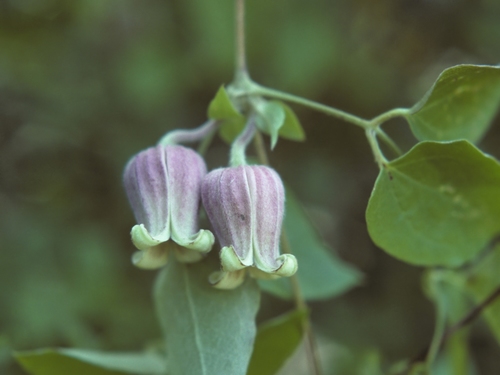
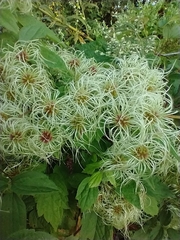
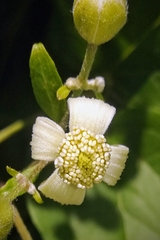
Clematis (Clematis) is a genus of mainly perennial plants in the Ranunculaceae family. Many are slender-stemmed climbers; others are herbaceous or shrubby. The genus name covers this diversity without erasing the separate identities of species such as Clematis armandi and Clematis montana or the many large-flowered garden hybrids.
Read moreLeatherflower, Virgin’s bower and Old man’s beard


© photo
Jim Morefield · cc-by
Tom Norton · cc-by
Gianni Del Bufalo bygdb · cc-by
© copyright of the Board of Trustees of the Royal Botanic Gardens, Kew.
Identity
Clematis (Clematis L., 1753) is an accepted genus in the Ranunculaceae, published by Linnaeus. POWO recognizes it as a large genus containing several hundred accepted species. Its name therefore describes a broad botanical group, rather than a single garden plant with one fixed appearance or flowering season. 1 3
Gardeners use clematis both as the everyday name and as the botanical genus name. That shared usage is convenient, but the genus and its individual members are different levels of identification. Clematis armandi, Clematis montana and Clematis × jackmanii retain their own identities, even when all are casually called clematis. Knowing the species or hybrid makes a practical difference when comparing plants. 2 4 6
NC State describes perennial members of the buttercup family that often climb, but do not invariably do so. Herbaceous plants, subshrubs and ground-covering forms also occur within the genus. No single climbing silhouette represents this full range, and a plant without a woody climbing framework can still belong to Clematis. 4 7
Recognition
Flexible stems, a need for support and conspicuous flowers characterize many garden clematis. Flower shape varies with the species and cultivar: stars, bells, trumpets and broad, flat blooms all occur. NC State records a wide color range that includes white, pink, purple, red, blue, yellow and variegated combinations. These differences are part of the genus's diversity rather than evidence that every form belongs to one species. 4 7
Leaves are often compound and may be opposite or alternate according to species. The dry fruits are achenes, frequently extended into feathery tails that create the old man's beard effect in some clematis. Such features help recognize the genus, while still leaving the species to be established from a fuller combination of characters. A seed head alone does not supply that complete identification. 4 7
Young stems are fragile and break easily during training. Guide them early and handle them gently around supports. A clematis broken above a well-established crown often regrows, whereas one that has dried out at the base or rooted poorly is less likely to recover. The condition of the crown matters as much as the appearance of the damaged shoot.
Taxonomy and related species
Temperate regions and tropical mountains of the Old World fall within the exceptionally broad native range recorded by POWO. Clematis is also cultivated and introduced in many regions. This geographical breadth accompanies a wide range of habits: evergreen vines, deciduous vines, herbaceous perennials and more shrubby forms all belong to the group. 1 8
The horticultural spelling Clematis armandii is common, but the accepted form Clematis armandi identifies the species. It remains distinct from the genus as a whole. Recognizing that difference allows an evergreen, spring-flowering clematis to be compared with other members without treating them as interchangeable plants.
Large-flowered hybrids add another layer of names. Commercial labels often foreground cultivars, while botanical references follow accepted taxonomic names. Retaining the most precise established identity is useful: a cultivar, hybrid or species name conveys more than the genus alone. Clematis remains the appropriate broad name when a plant's identity is known only to that level. 1 8
Growing and pruning
Light above and a cool root zone below remain a useful horticultural principle. NC State recommends full sun, afternoon shade during hot summers and moist but well-drained soil, neutral to slightly alkaline. The combination matters: a cool root area does not imply leaving the plant standing in poorly drained ground. 4
Water needs to reach the depth of the roots. A clematis may survive with modest foliage, yet flower poorly if its base stays dry for long periods in spring or early summer. A thin mulch, a tile, a heuchera or a hardy geranium can shade the base without smothering the crown. The aim is moisture at depth alongside an open, healthy crown.
Pruning depends on the group. Group 1 flowers on old wood in spring; pruning is limited to removing dead stems after flowering. Group 2 flowers on old and new wood and needs only light pruning in late winter. Group 3 flowers on the current season's shoots, so it can be cut back more firmly in late winter. These groups explain why one pruning routine cannot suit every clematis. 4 7
Toxicity and safety
Clematis plants are not edible. The ASPCA lists Clematis spp. as toxic to dogs, cats and horses, naming protoanemonin as the irritating compound. Reported signs chiefly include drooling, vomiting and diarrhea. Ornamental use does not make the leaves or stems suitable for animals to chew. 5
NC State also records poisonous characteristics of high severity. Practical risks include a curious animal eating foliage or stems and skin irritation in sensitive people pruning for a long time without gloves. Clematis remains useful in an ornamental garden, but tasting it is inappropriate, whether it is a wild species or a named garden cultivar. 4 5
Keep pruning waste away from animals. Mild symptoms do not call for panic, but a substantial ingestion warrants veterinary advice, especially for a small animal or a horse. The same caution applies to wild species and cultivated selections; a familiar garden name does not remove the underlying risk.
Garden uses and precise identification
Flowering climbers for pergolas, perennial plantings and selections organized by flower color can all include Clematis. At this level the name denotes the genus, encompassing several kinds of plants rather than promising a particular habit, leaf type or flowering date. A general discussion of clematis can include that breadth while leaving individual species distinct. 1 2
A species or variety name deserves to be retained whenever it is known. Clematis armandi conveys different information from an herbaceous clematis or a large-flowered hybrid. Precise naming, including the accepted spelling, allows those differences to remain visible and makes comparisons more useful. Treating all of them simply as the same climber would conceal the botanical variety that makes the genus valuable in gardens. 1
Main sources
Species in this genus
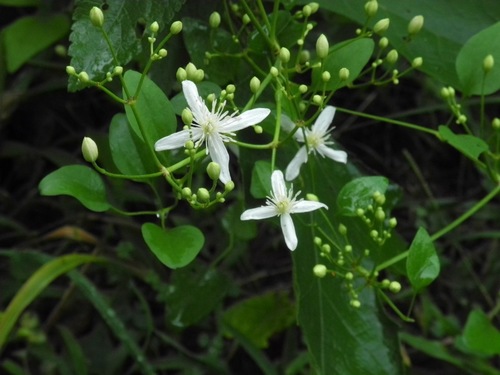
If you are unsure about a plant’s toxicity, ask a botanist or veterinarian for advice.