
Russian olive (Elaeagnus angustifolia, )
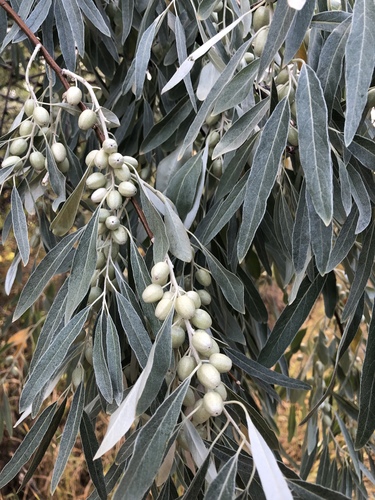
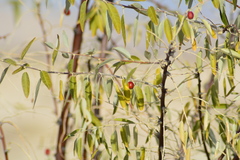
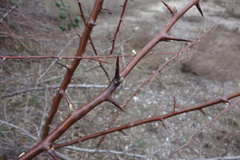
Russian olive (Elaeagnus angustifolia), also called oleaster or Russian silverberry, is a thorny shrub or small tree in the Elaeagnaceae family, native to eastern Europe and temperate Asia. Its silver foliage, fragrant flowers and edible fruit have led to planting worldwide; it is now considered invasive in several parts of North America.
Read moreRussian olive, Oleaster, Russian silverberry, Silver berry and Wild olive

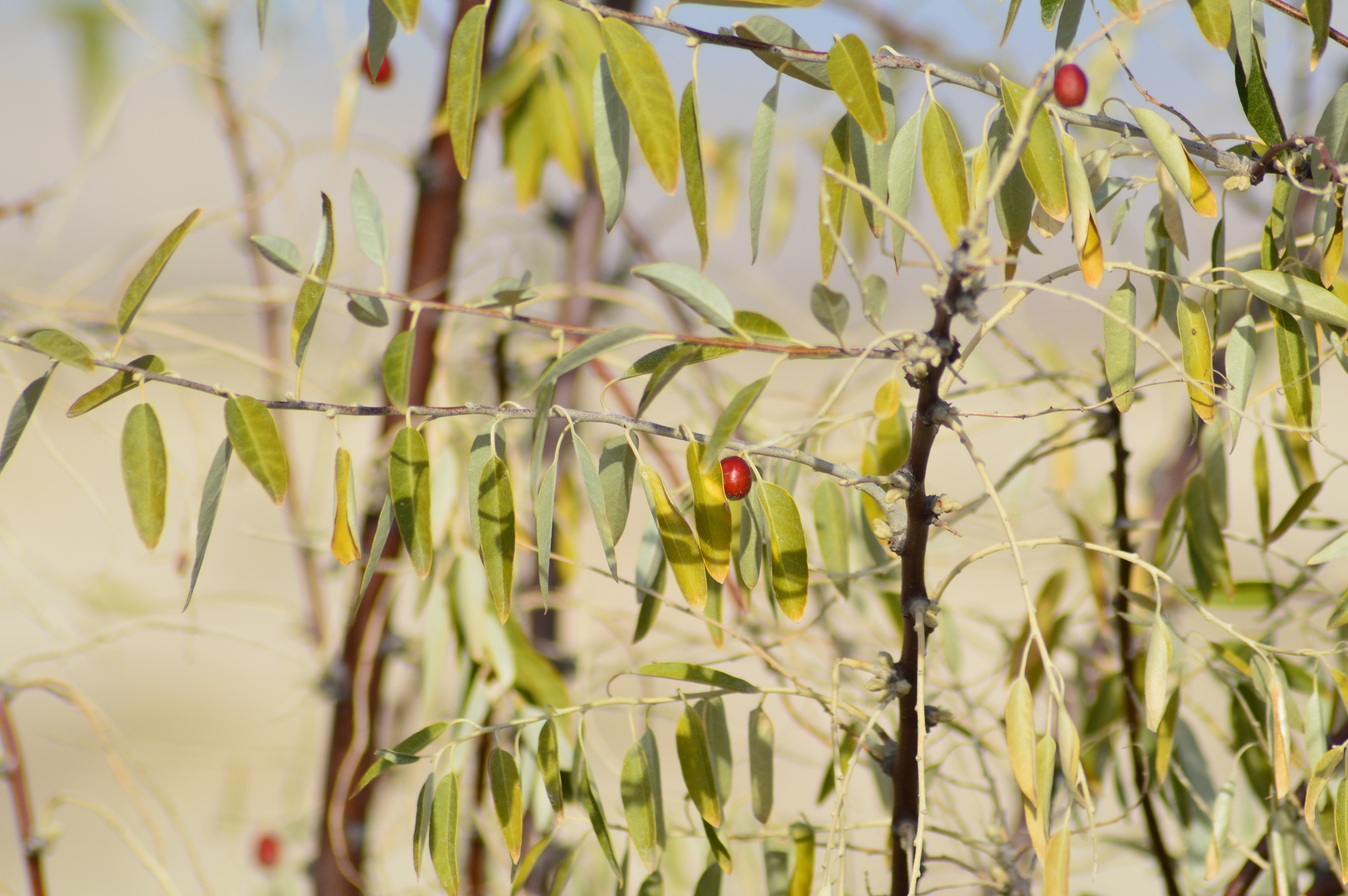



© photo
(c) tejnarayan, some rights reserved (CC BY-NC) · cc-by-nc
Olena V. Vakarenko · cc-by
Clément Maouche · cc-by
Taken Jun 28, 2021 by Jacques Zuber (cc-by-sa)
Taken May 14, 2015 by Tela Botanica − Pierre Bonnet (cc-by-sa)
Taken Nov 28, 2021 by robinpbt (cc-by-sa)
Taken Oct 24, 2019 by massimo barchi massimo barchi (cc-by-sa)
Taken May 11, 2020 by fuego (cc-by-sa)
© copyright of the Board of Trustees of the Royal Botanic Gardens, Kew.


Global distribution
Elaeagnus angustifolia is native to eastern Europe and temperate Asia, from southern Russia and Kazakhstan to Turkey, Iran and western China. Introduced to North America as an ornamental in the early 20th century, it has become widely naturalized along waterways and is classified as invasive in several states. In France, it remains cultivated, without an official invasive designation.
- Native5
- Invasive2
- Russia
- Kazakhstan
- Turkey
- Iran
- China
- United States
- Canada
Hexagons: regions where the plant occurs. Green dots: native range.1
Identity
Russian olive (Elaeagnus angustifolia L., 1753), also known as Oleaster, is a shrub or small tree in the Elaeagnaceae family. Its olive name refers to the resemblance of its fruit to a small olive. True olives belong to the separate Oleaceae family. 1 6
Fine silver scales cover young shoots and the undersides of the leaves, explaining names such as Russian silverberry and Silver berry. The alias Wild olive again refers to the fruit’s appearance. The French word chalef is thought to derive from Arabic kalaf, meaning willow, another plant to which it is not botanically related. 8
Recognition
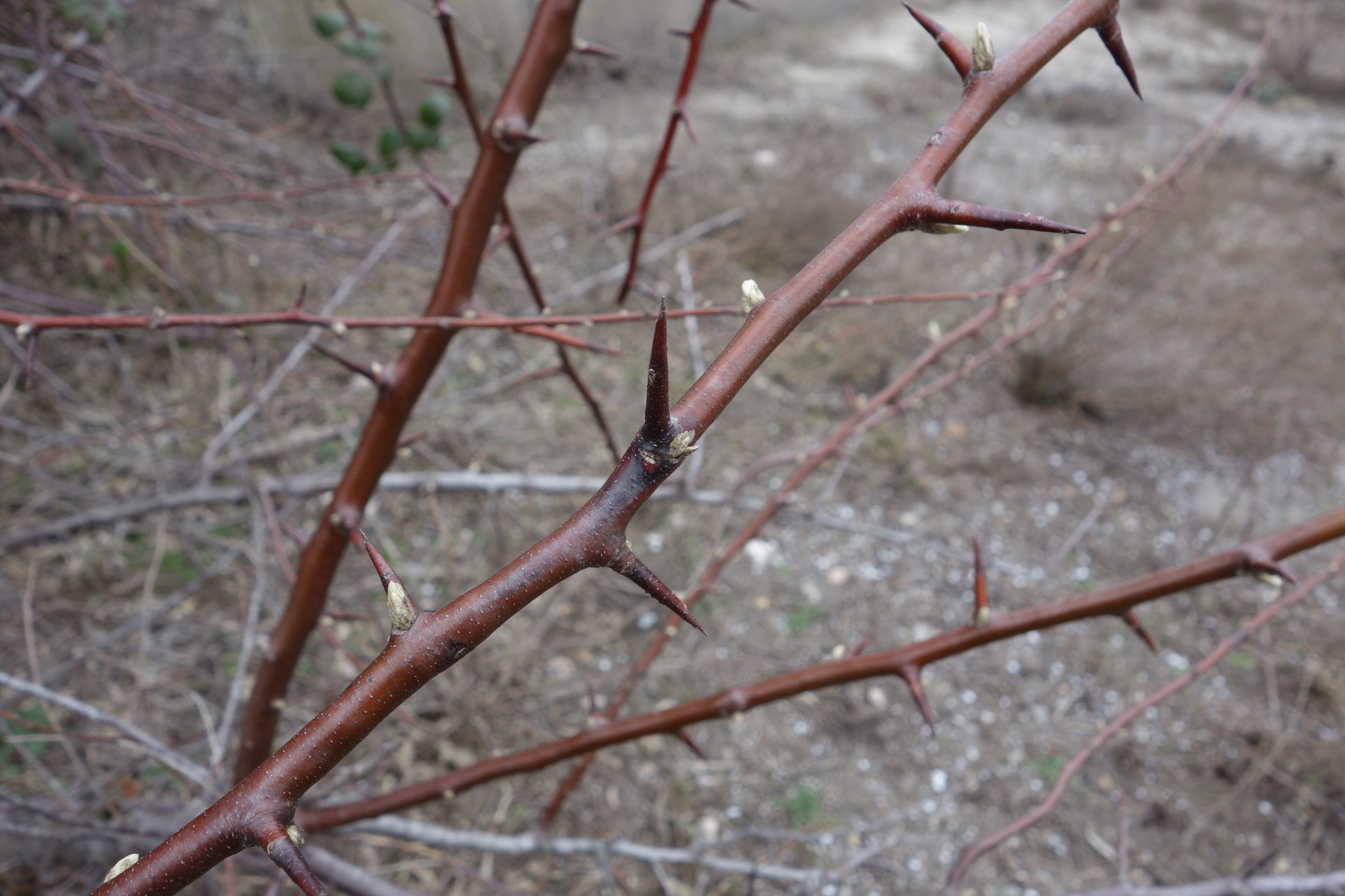
With its untidy, often multistemmed habit, Russian olive usually reaches 3–7 m (10–23 ft) tall with a similar spread. Well-watered riverside specimens can exceed this range. Silver to rusty-brown scales cover young shoots and buds; older branches develop reddish-brown bark. Thorns 0.7–3 cm (0.3–1.2 in) long appear on young branches, especially when unpruned. 2 3
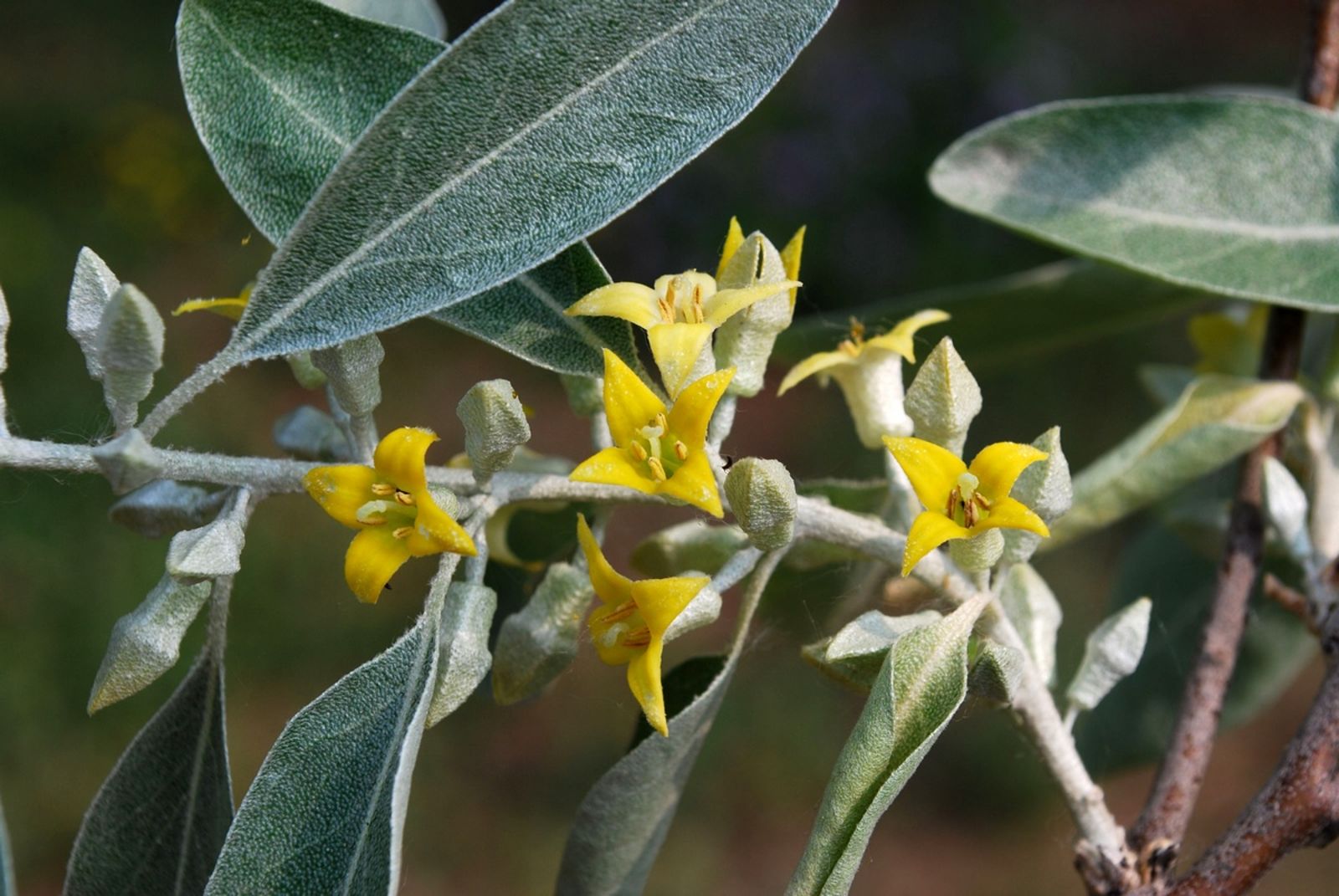
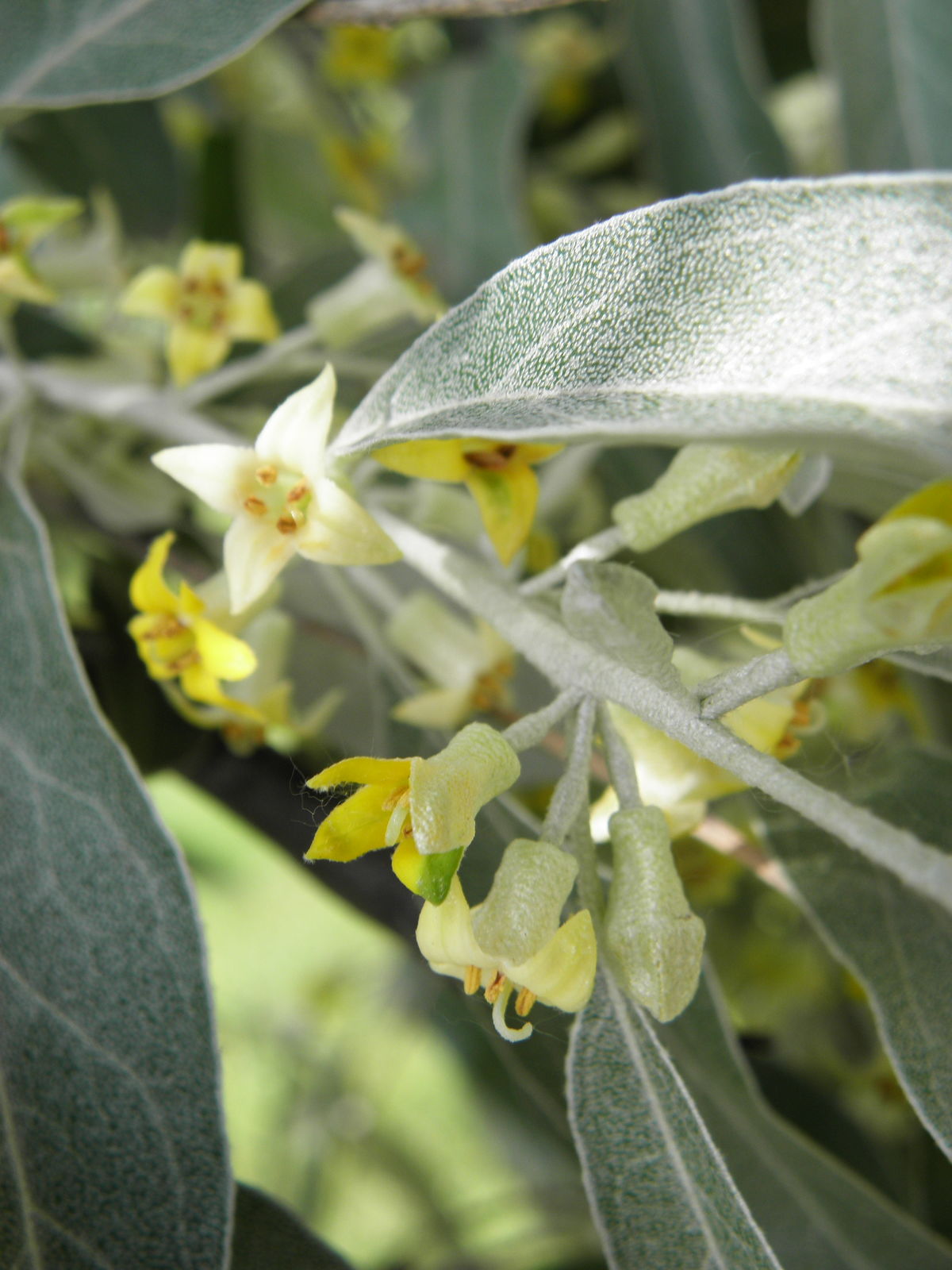
Alternate, simple leaves are lance-shaped to oval and 4–8 cm (1.6–3.1 in) long, remaining silver-scaled on both sides until autumn leaf fall. Petal-free flowers form four-lobed bells about 1 cm (0.4 in) long, silver-white outside and yellow within. They open in late spring and release an intense fragrance. 8 6
Egg-shaped fruit measures 1–2.5 cm (0.4–1 in) long and resembles a small olive or date. It changes from orange-yellow to reddish-brown as it ripens, from August to October in the northern temperate setting described here. 8
Useful taxonomy
The name Elaeagnus angustifolia was published by Carl Linnaeus in Species Plantarum in 1753 and remains accepted. Several silver-leaved members of Elaeagnus look similar, creating recurring confusion both in nurseries and in the field. 1
Key related species can be separated as follows:
- Elaeagnus umbellata Thunb. turns green in summer as its silver scales wear away, while E. angustifolia stays silver into autumn;
- Elaeagnus commutata Bernh. ex Rydb. is native to North America, remains smaller and has rusty-brown rather than silver young shoots;
- Elaeagnus x ebbingei Servett. is a horticultural hybrid with broader leaves and autumn flowers, often confused with it in evergreen hedges.
Thornless Quicksilver, with broader foliage, is described in some catalogs as a hybrid with Elaeagnus commutata. This illustrates the recurring difference between botanical identification and horticultural labeling in this genus. 4
Habitat and range
Eastern Europe and temperate Asia form its native range, from southern Russia and Kazakhstan to Turkey, Iran and western China. It usually grows near water, below 2,000–3,000 m (6,600–9,800 ft) depending on the region, on saline or alkaline soils that it tolerates better than most woody shrubs. 2 8
North American ornamental planting began in the early 20th century, favoring its silver foliage and resilience. The species became widely naturalized along waterways in the western and central United States. Colorado, Connecticut and New Mexico officially classify it as invasive; South Carolina prohibited nursery sales from October 2024. 5 8
Metropolitan France continues to cultivate Russian olive as an ornamental and windbreak hedge plant, without an official invasive designation recorded in the cited account. 6
Life cycle and reproduction
Root nodules house Frankia bacteria capable of fixing atmospheric nitrogen. This actinorhizal association allows Russian olive to establish on poor soil without fertilizer and rapidly colonize disturbed ground. 2 8
Late-spring and early-summer flowers strongly attract bees. A flowering hedge can yield about 80 kg of honey per hectare (71 lb per acre), making the species valued by beekeepers. 8
Seed germination is slow, sometimes taking 18 months, so nurseries often prefer cuttings or layering for selected plants. Wild populations also spread through suckers, with numerous shoots emerging around the base, especially after pruning or stress. 2 4
Uses and risks
Ripe fruit is eaten fresh, dried or made into jam. In Iran it is called senjed and appears on the haft-sin table for Nowruz, the Persian New Year, where it symbolizes love. 8
Garden planting chiefly uses Russian olive for windbreaks or screening where few shrubs tolerate the combination of salt, wind and poor soil. It is not listed as toxic or hazardous to cats, dogs or horses. Thorns 0.7–3 cm (0.3–1.2 in) long are the main physical hazard during pruning or fruit picking. 4
Outside its native range, that ecological success can become a problem. Colonization of riverbanks puts it in competition with native cottonwoods and willows, while thickets close formerly open dunes and wet grasslands. This imbalance, documented mainly in the United States, underlies regional sales restrictions. 5
Varieties, look-alikes and related plants
Few stable cultivars circulate; most plants are raised from seed or layered from wild-origin specimens. Quicksilver has no thorns and broader silver foliage. King Red is a rusty-red-fruited selection grown in Central Asia for fruit production rather than ornament. 4
Recurring identification problems involve these relatives:
- Elaeagnus umbellata turns green in summer and bears red, silver-spotted fruit, contrasting with the reddish-brown fruit of E. angustifolia;
- Elaeagnus commutata is smaller and native to North America, with rusty-brown rather than silver young shoots;
- Elaeagnus x ebbingei is a broader-leaved evergreen horticultural hybrid planted in hedges, sometimes sold under the same French common name, olivier de Bohême.
Persistent silver scales on both leaf surfaces until autumn distinguish Elaeagnus angustifolia from summer-green E. umbellata and rusty-shooted E. commutata. This feature is more reliable than fruit color or shrub size when comparing cultivated relatives. 8
Main sources
- Plants of the World Online / Kew, Elaeagnus angustifolia L.
- Plants For A Future, Elaeagnus angustifolia
- Missouri Botanical Garden Plant Finder, Elaeagnus angustifolia
- NC State Extension, Elaeagnus angustifolia
- National Invasive Species Information Center, Russian olive
- Tela Botanica / eFlore BDTFX, Elaeagnus angustifolia
- INPN, Elaeagnus angustifolia L., 1753
- Wikipedia FR, Elaeagnus angustifolia
Frequently asked questions
Is Russian olive invasive in France?
It has no official invasive designation in metropolitan France, where it remains cultivated. The problem is documented mainly in North America, where it colonizes riverbanks and competes with native cottonwoods and willows.
Is Russian olive fruit edible?
Yes. The ripe fruit is dry and sweet but somewhat mealy; it is eaten fresh, dried or made into jam. Known as senjed in Iran, it appears on the Persian New Year table.
Why does Russian olive not need fertilizer?
Its root nodules house Frankia bacteria that fix atmospheric nitrogen. This actinorhizal association lets the plant establish in poor soils without added nitrogen.
How can I distinguish Russian olive from other Elaeagnus species?
Its leaves remain silver on both sides until they fall in autumn, unlike Elaeagnus umbellata, which turns green in summer. Elaeagnus commutata is smaller, native to North America, and has rusty-brown rather than silver young shoots.
Is Russian olive toxic to animals?
No. The species is not listed as toxic to cats, dogs or horses. Its thorns can, however, cause injuries during pruning or fruit picking.
Why does Russian olive produce so many suckers?
Suckering is a natural response to stress, pruning or disturbed soil. Cut shoots below the root collar as soon as they appear to prevent thicket formation.
Similar plants
If you are unsure about a plant’s toxicity, ask a botanist or veterinarian for advice.