
cogon grass (Imperata cylindrica, )

Cogon grass (Imperata cylindrica) is a rhizomatous perennial in the Poaceae, native across a broad tropical and subtropical part of the Old World. Silky silver flower heads contrast with its aggressive underground spread. It is included among the 100 worst invasive alien species listed by the IUCN.
Read morecogon grass, cogongrass, alang-alang and satintail
Place in full sun, with intense direct light all day long.
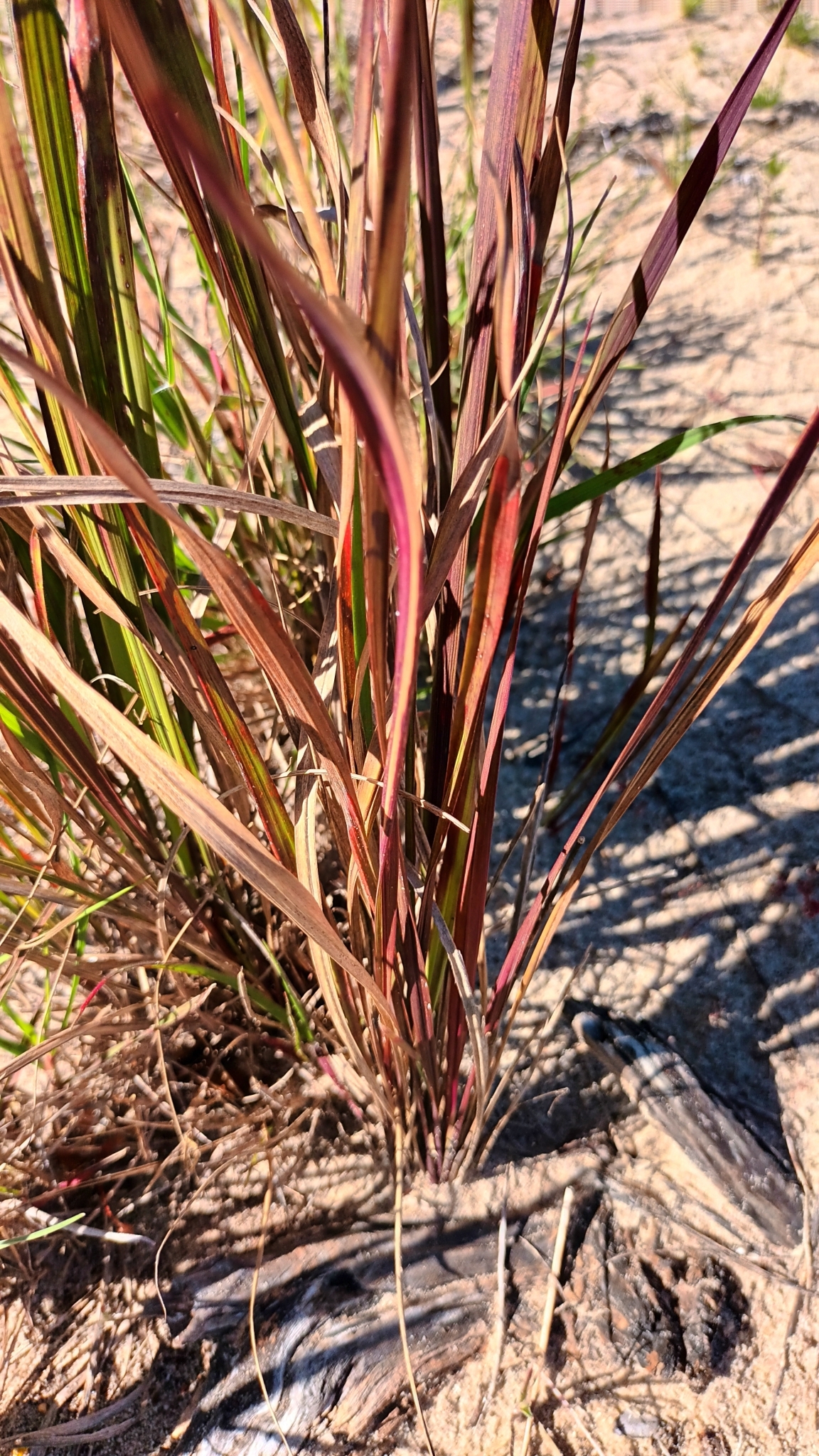

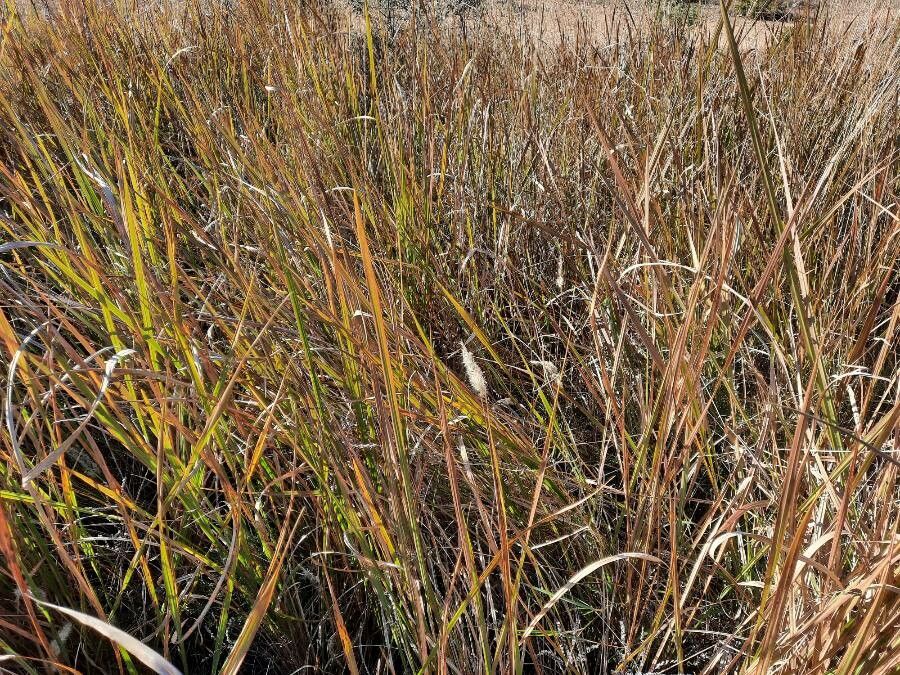
© photo
(c) wangleeping, some rights reserved (CC BY-NC), uploaded by wangleeping · cc-by-nc
Harry Rose · cc0
Siphiwe Bright Zengele · cc-by
© copyright of the Board of Trustees of the Royal Botanic Gardens, Kew.




Global distribution
POWO gives a native range spanning the Mediterranean region, Africa and Afghanistan; other treatments extend it to tropical Asia, Micronesia, Melanesia, Australia and southern Europe. Introduced beyond this range, including the United States in the early 20th century, it became a well-documented invasive grass.
- Native5
- Invasive2
- Southeast Asia
- Tropical Africa
- Mediterranean region
- Australia
- Japan
- Southeastern United States
- Caribbean
Hexagons: regions where the plant occurs. Green dots: native range.1
Identity
Cogon grass (Imperata cylindrica (L.) Raeusch., 1797) is a rhizomatous perennial grass in the Poaceae. Also known as cogongrass, alang-alang and satintail, it belongs to the genus Imperata. POWO accepts the combination based on Lagurus cylindricus L., the name published by Linnaeus in 1759 and transferred to Imperata in 1797. The two names therefore represent stages in its botanical naming history rather than two different grasses. 1 2
The genus honors Ferrante Imperato, a 16th-century Neapolitan apothecary and naturalist. That dedication does not describe a use of the plant. The epithet cylindrica, by contrast, points to a visible feature: the upright, cylindrical flower panicle, covered with silvery hairs as it flowers. This silky seed head explains why the plant can look striking despite the problems caused by its spread. 5
Recognition
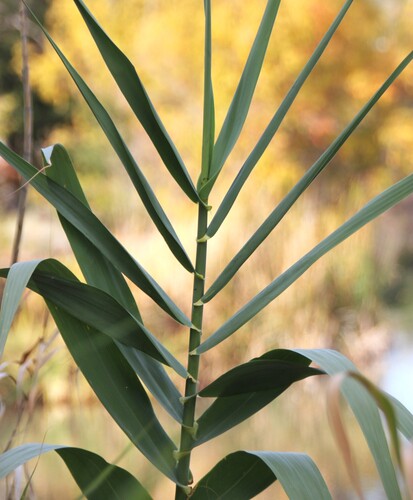
An upright habit and creeping underground stems characterize this rhizomatous grass. Plants generally reach 20 cm–1.5 m (8 in–5 ft), with tough, strap-shaped leaves. The pale midrib runs noticeably off-center, closer to one edge of the blade. Its position is a useful field character for separating cogon grass from other grasses with otherwise similar narrow leaves. 4 6
Tiny silica crystals along the leaf margins make the blades sharp enough to cut skin when rubbed against it. This is a physical hazard rather than an invitation to test a leaf with bare fingers. In combination with the off-center midrib, the rough, cutting edge gives a more useful identification than green leaf color alone. 7
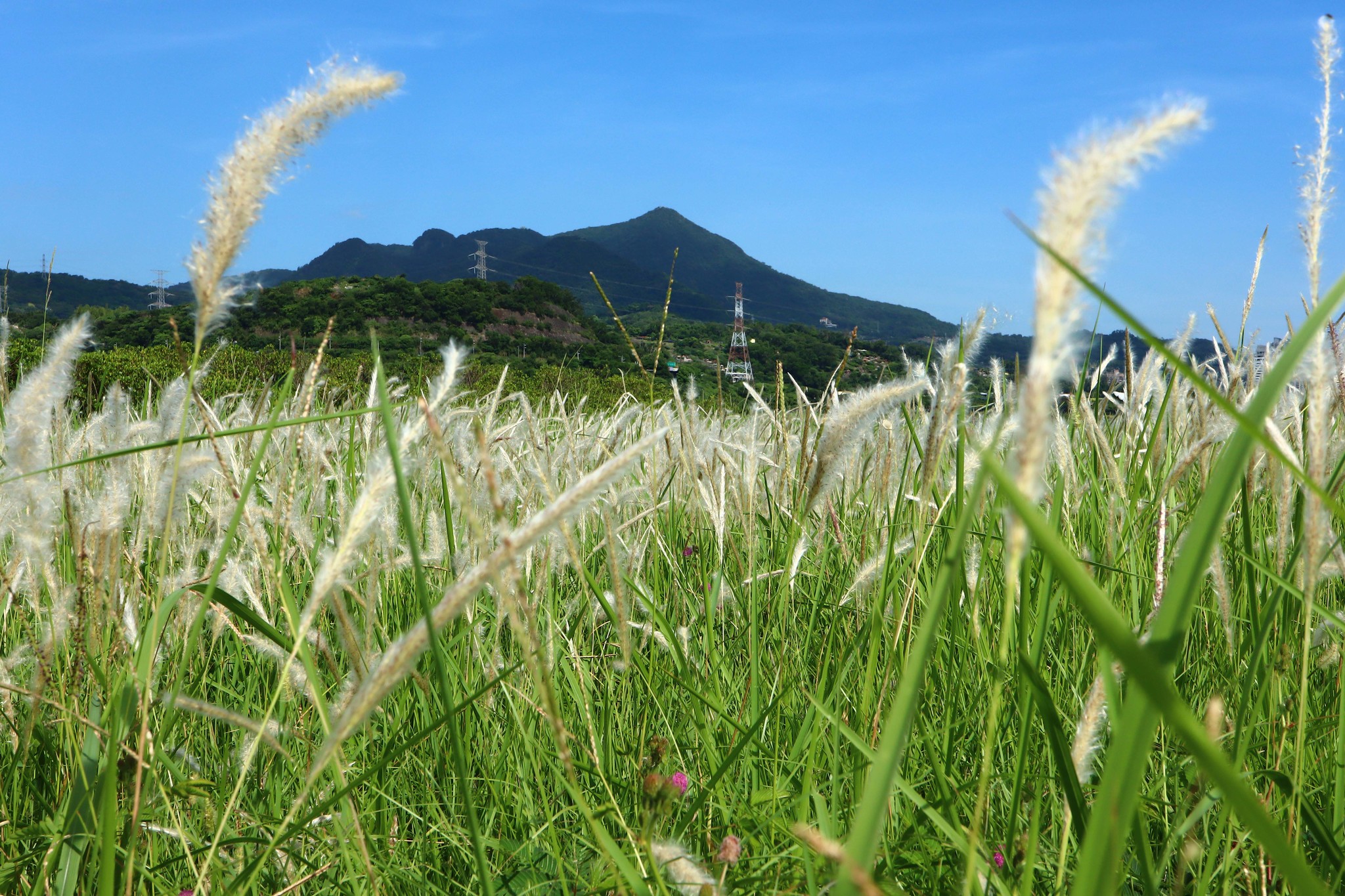
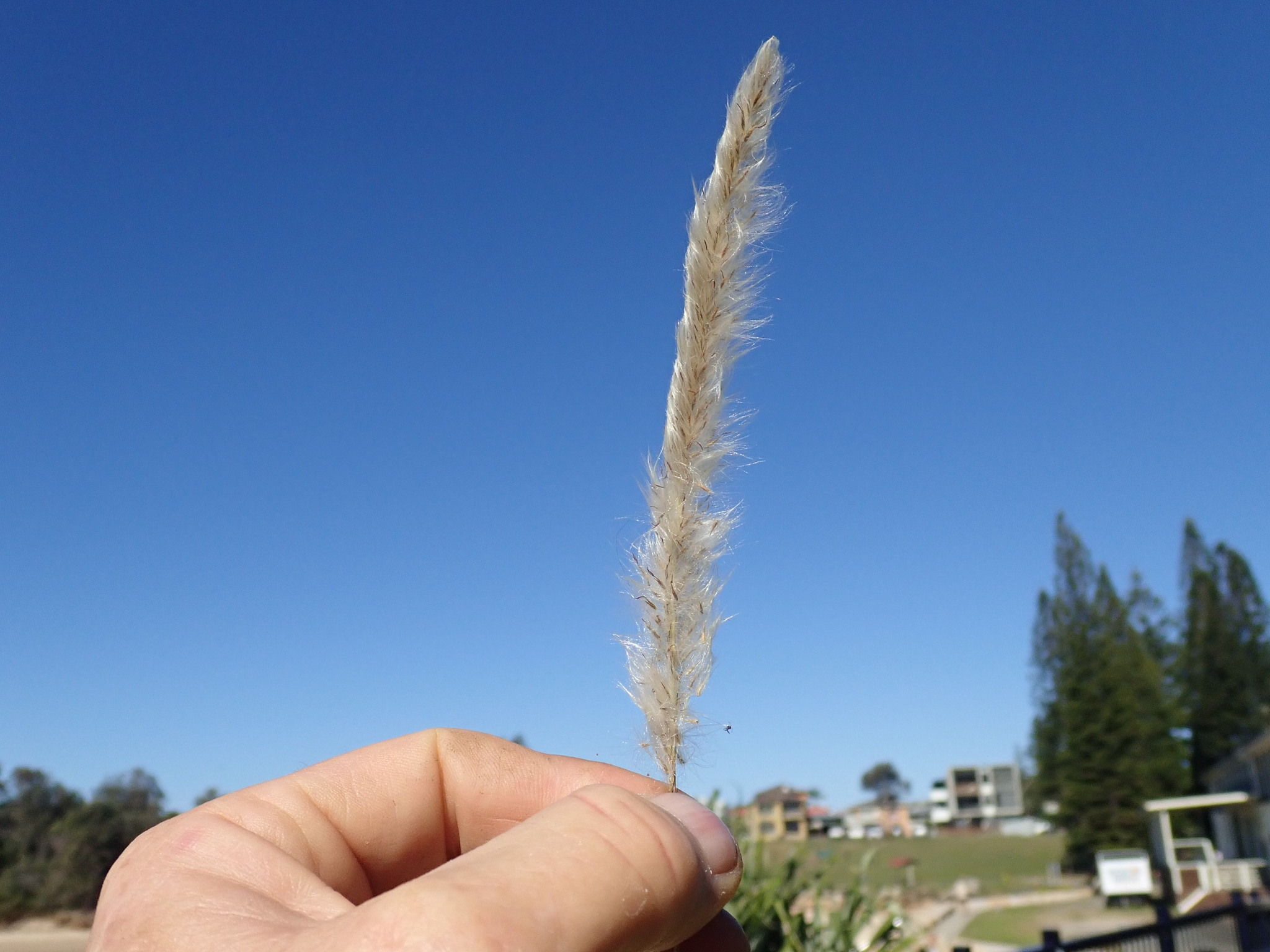
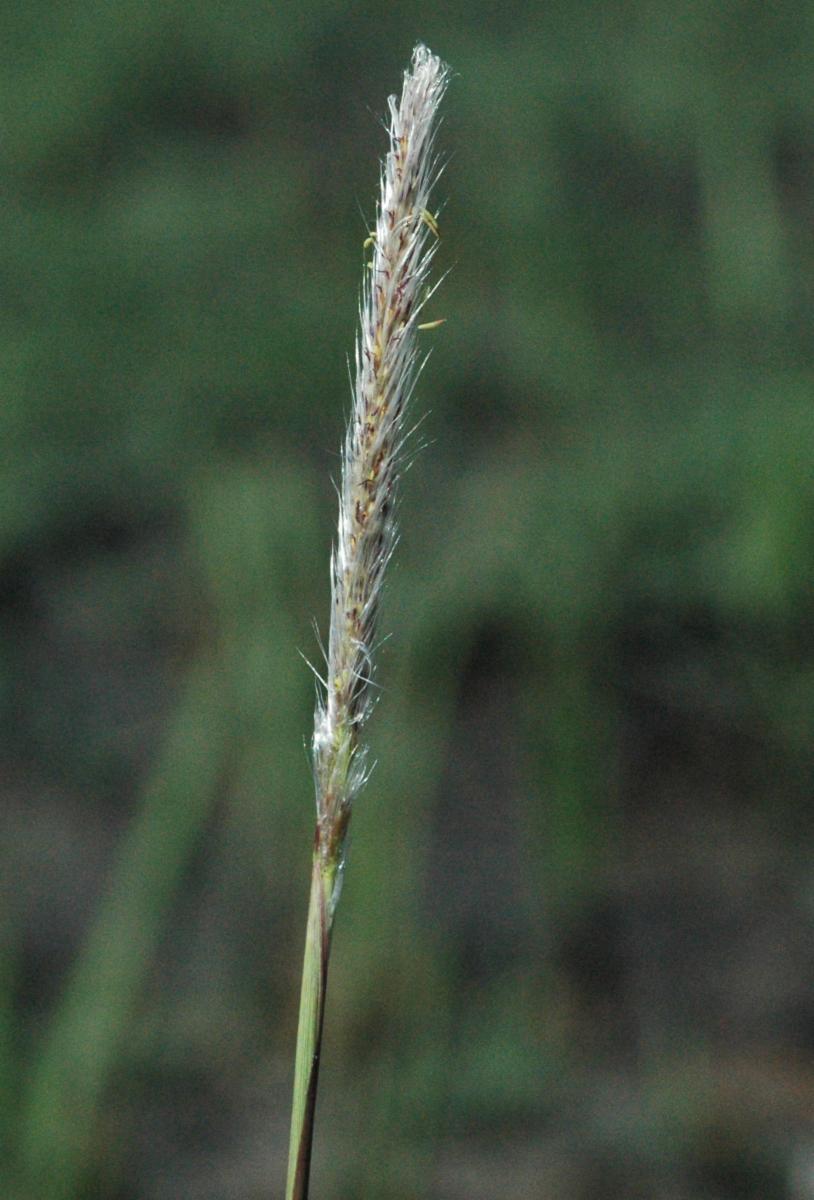
A narrow, silvery, silky panicle stands above the foliage. Its spikelets carry long white hairs. At maturity, these hairs help the light seeds travel on the wind, potentially over long distances. Seed dispersal supplements the underground spread of established colonies; the two routes contribute at different scales rather than one replacing the other. 3
Taxonomy and names
Botanical reclassification has left several dozen synonyms, many based on regional varieties now included in the same taxon. Names found in older accounts include:
- Imperata cylindrica var. koenigii (Retz.) Benth. ex Pilg.
- Imperata cylindrica var. major (Nees) C.E.Hubb.
- Imperata cylindrica var. europaea (Andersson) Asch. & Graebn.
- Imperata koenigii (Retz.) P.Beauv.
- Lagurus cylindricus L.
The accepted name Imperata cylindrica provides the stable reference used by POWO and GBIF. Imperata contains several distinct species, whereas the name cogongrass generally refers to this one. Regional forms once described as separate taxa help explain the variety of names attached to it in botanical and agricultural literature. 1 8
Habitat and range
The native-range account in POWO extends through the Mediterranean region and Africa toward Afghanistan. Other treatments give a broader picture that includes tropical Asia, Micronesia, Melanesia, Australia and southern Europe. Within its native range, the grass occupies open ground, fallow land and poor soils in full sun. Long cultivation and differing taxonomic treatments make it useful to distinguish the scope of each regional account. 1 4
Its arrival in the United States is well documented. The grass is thought to have reached Alabama in the early 20th century, probably in packing material imported from Japan. It subsequently established across the Southeast. It is federally listed as a noxious weed in the US and appears on the IUCN list of the 100 worst invasive alien species worldwide. These US restrictions concern a particular jurisdiction; the ecological risk extends beyond any single legal list. 7 3
A tolerated soil pH range of 4.5–7.5 allows it to occupy varied sites. Degraded, sandy or poorly drained ground can support colonies where some competing grasses struggle to establish. The broad soil tolerance helps explain its success on disturbed land rather than making every such site part of its native range. 6
Life cycle and reproduction
Warmth above 15 °C (59 °F) stimulates growth, which peaks during the hottest part of the growing season. In cold climates the dry aboveground foliage dies back, but underground rhizomes can extend more than 1 m (3.3 ft) deep and often survive freezing at the surface. Loss of visible leaves therefore does not necessarily mean that a colony has died. 4
Dry foliage catches fire readily. Cogon grass is a documented pyrophyte: fire quickly consumes its leaves and kills some woody competitors, while protected rhizomes can produce fresh growth within weeks. This feedback between fire and regrowth helps maintain infestations. Invaded ground can burn more often than the original vegetation it replaces, so the grass alters its surroundings as well as occupying them. 3 7
Reproduction follows two complementary routes. Feathery seeds travel long distances on the wind, while fragments of rhizome spread the plant vegetatively. A single rhizome node left in the soil after shallow digging can regenerate a clump. Consequently, one attempt at mechanical removal is rarely sufficient; removing the visible shoots without the underground system leaves a source of regrowth. 4
Uses and risks
Thatching is its best-documented traditional use. Dried leaves roofed homes on several continents before sheet-metal roofing became widespread; the French name herbe à paillote refers to that practice. The underground stem also appears in traditional Chinese medicine as a diuretic and a means of stopping bleeding. These are historical uses, distinct from evidence of clinical effectiveness or a recommendation to plant an invasive grass. 5 6
Beyond its native range, cogon grass is a major agricultural and forestry weed. It competes with young trees and invades tropical plantations. Where dense stands take over open habitats, plant diversity declines. The persistence of the rhizomes and the flammability of the dry leaves compound that competition, making established colonies difficult to manage through a single intervention. 3 7
The plant is described as non-toxic to people and domestic animals through ingestion. Its sharp leaf edges remain a separate hazard: silica along the margins can cut exposed skin on contact. Gloves are a basic precaution during manual removal. Absence of a poisoning concern does not remove the risk of physical injury from mature blades. 7
Varieties, look-alikes and related plants
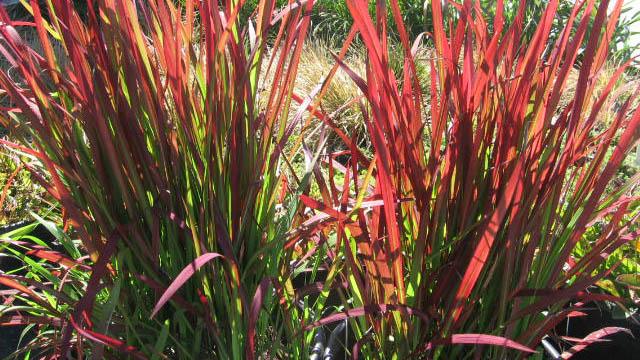
The cultivar Rubra, also sold as Red Baron or Japanese blood grass, has blood-red leaf tips valued in controlled ornamental plantings. It remains Imperata cylindrica, rather than a separate species. Horticultural selection changes its appearance, and partial reversion to ordinary green foliage can occur from one season to the next. The red garden form and invasive green plants must therefore be understood within the same species. 10
In nurseries, Miscanthus sinensis is a frequent source of confusion because it too has silvery flower plumes. Its leaf midrib is centered, unlike the distinctly off-center midrib of cogon grass. A Miscanthus panicle is also more openly branched than the narrow flower head of Imperata. Comparing both the leaf and the inflorescence is more dependable than judging an ornamental grass by its plume color. 4
Three features together are useful in the field: sharp leaf margins, an off-center midrib and deeply creeping rhizomes. Green wild plants and the red-tinged Rubra selection both belong to Imperata cylindrica. A garden label or red foliage alone does not establish a different botanical identity.
Main sources
- Plants of the World Online / Kew, Imperata cylindrica (L.) Raeusch.
- GBIF Backbone Taxonomy, Imperata cylindrica (L.) Raeusch.
- CABI Compendium, Imperata cylindrica datasheet
- University of Florida IFAS Extension EDIS WG202, Biology and Management of Cogongrass
- Encyclopaedia Britannica, cogon grass
- Plants For A Future, Imperata cylindrica
- US National Invasive Species Information Center, Cogongrass
- Tela Botanica / BDTFX, Imperata cylindrica (L.) Raeusch.
- USDA GRIN Global Taxonomy, Imperata cylindrica (L.) Raeusch.
- Missouri Botanical Garden Plant Finder, Imperata cylindrica 'Rubra'
Frequently asked questions
Is cogon grass poisonous?
No, to neither people nor domestic animals. Its main hazard is physical: silica crystals along the leaf edges can cut skin on contact.
Why is cogon grass considered a worldwide weed?
The IUCN includes it among the 100 worst invasive alien species. Creeping rhizomes colonize ground, while highly flammable dry foliage encourages fires that remove competing vegetation.
How is cogon grass related to Japanese blood grass?
Japanese blood grass is a trade name for Rubra, the cultivar with blood-red leaf tips. It is botanically the same species as invasive cogon grass; horticultural selection accounts for the difference.
How can I tell cogon grass from Miscanthus?
Its leaf midrib is distinctly off-center, whereas that of Miscanthus sinensis is centered. Cogon grass also has a narrower, less branched panicle.
How can cogon grass be removed from a garden?
Shallow pulling often fails because a rhizome fragment left underground can form another clump. Repeated cutting before seeds form, combined with systematic rhizome removal, is more effective than a single intervention.
Does cogon grass have traditional uses?
Yes. Dried leaves have long been used to thatch roofs, reflected in the French name herbe à paillote. The underground stem is also used in traditional Chinese medicine as a diuretic and to stop bleeding.
How did cogon grass reach the United States?
It is thought to have arrived in Alabama in the early 20th century in packing material imported from Japan. It subsequently established in the Southeast and is federally listed as a noxious weed.
Similar plants
If you are unsure about a plant’s toxicity, ask a botanist or veterinarian for advice.