
Sweet pea (Lathyrus odoratus, )
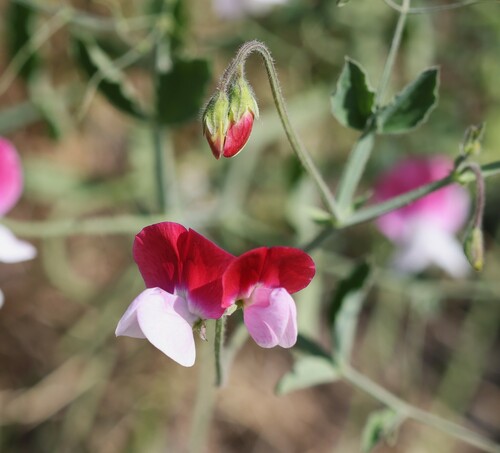
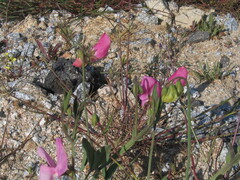

Sweet pea (Lathyrus odoratus) is an annual climber in the Fabaceae, native to Sicily and southern Italy. Grown for highly fragrant racemes of pastel flowers, it is a familiar border climber and classic cut flower. Its seeds are toxic and must not be confused with edible peas.
Read moreSweet pea and sweetpea


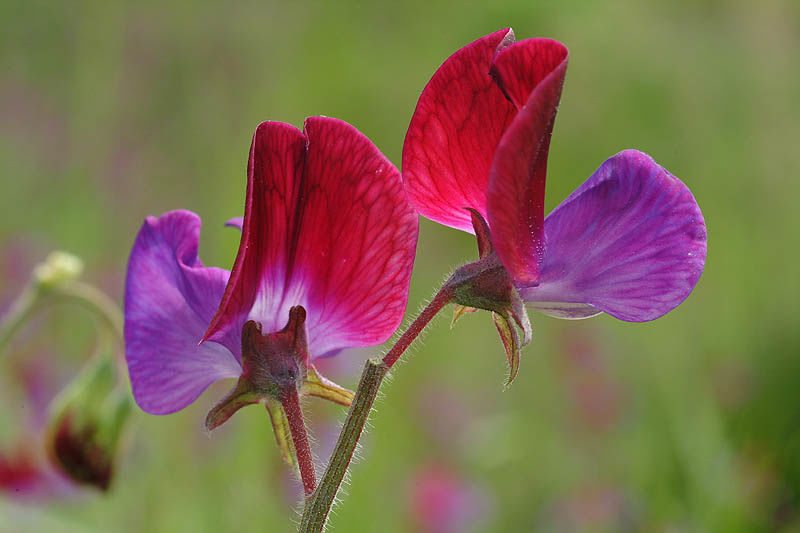
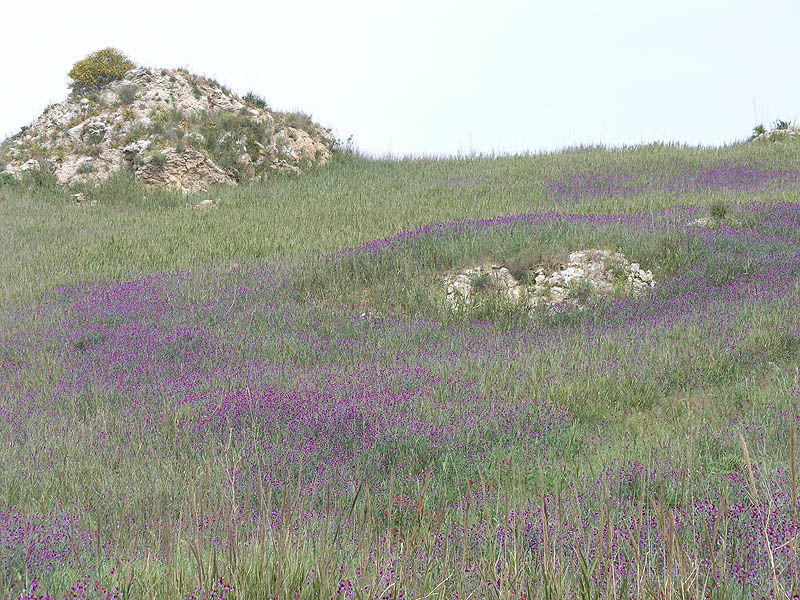
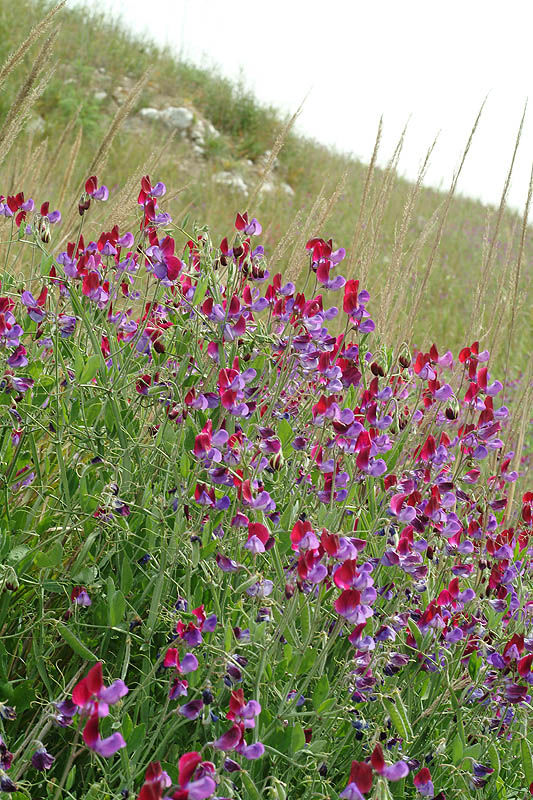
© photo
iNaturalist User · cc-by
zebedeugalinha · cc-by
Wikimedia Commons · CC BY-SA or Public Domain
Taken Mar 13, 2021 by Huszti Jozsef (cc-by-sa)
Taken Jul 6, 2017 by SPS Karvina (cc-by-sa)
Taken Apr 28, 2022 by trees flinkerbusch (cc-by-sa)
Taken Nov 10, 2022 by Silvana Mendicino (cc-by-sa)
Taken May 8, 2019 by natalia scrobota (cc-by-sa)
© copyright of the Board of Trustees of the Royal Botanic Gardens, Kew.


Global distribution
The native range of Lathyrus odoratus covers Sicily, southern Italy and the Aegean islands. Widely cultivated for ornament since the 17th century, it has naturalized locally beyond this range, including parts of temperate Europe and the Americas. These introduced regions remain distinct from its Mediterranean area of origin.
- Native2
- Introduced2
- Italy (Sicily)
- Greece
- United States
- Australia
Hexagons: regions where the plant occurs. Green dots: native range.1
Identity
Intense, sweet fragrance gives sweet pea (Lathyrus odoratus L., 1753) its specific epithet: odoratus means fragrant. Also spelled sweetpea, this annual climber belongs to the genus Lathyrus in the Fabaceae. Its scent is unusually strong among garden climbers and is the species' principal attraction. 1 4
Gardeners grow it chiefly as an ornamental climber and a classic cut flower. Racemes of pastel, pea-shaped flowers decorate trellises and bouquets through summer where conditions remain suitable. It needs full sun and is easy to raise from seed, but those seeds are toxic and must not be confused with edible peas. 2 3
Recognition
A winged, climbing stem can reach 1–2 m (3.3–6.6 ft) in a single season. Each leaf has just one pair of leaflets and ends in a branched tendril, the characteristic climbing organ of these plants, which coils around nearby supports. 3 6
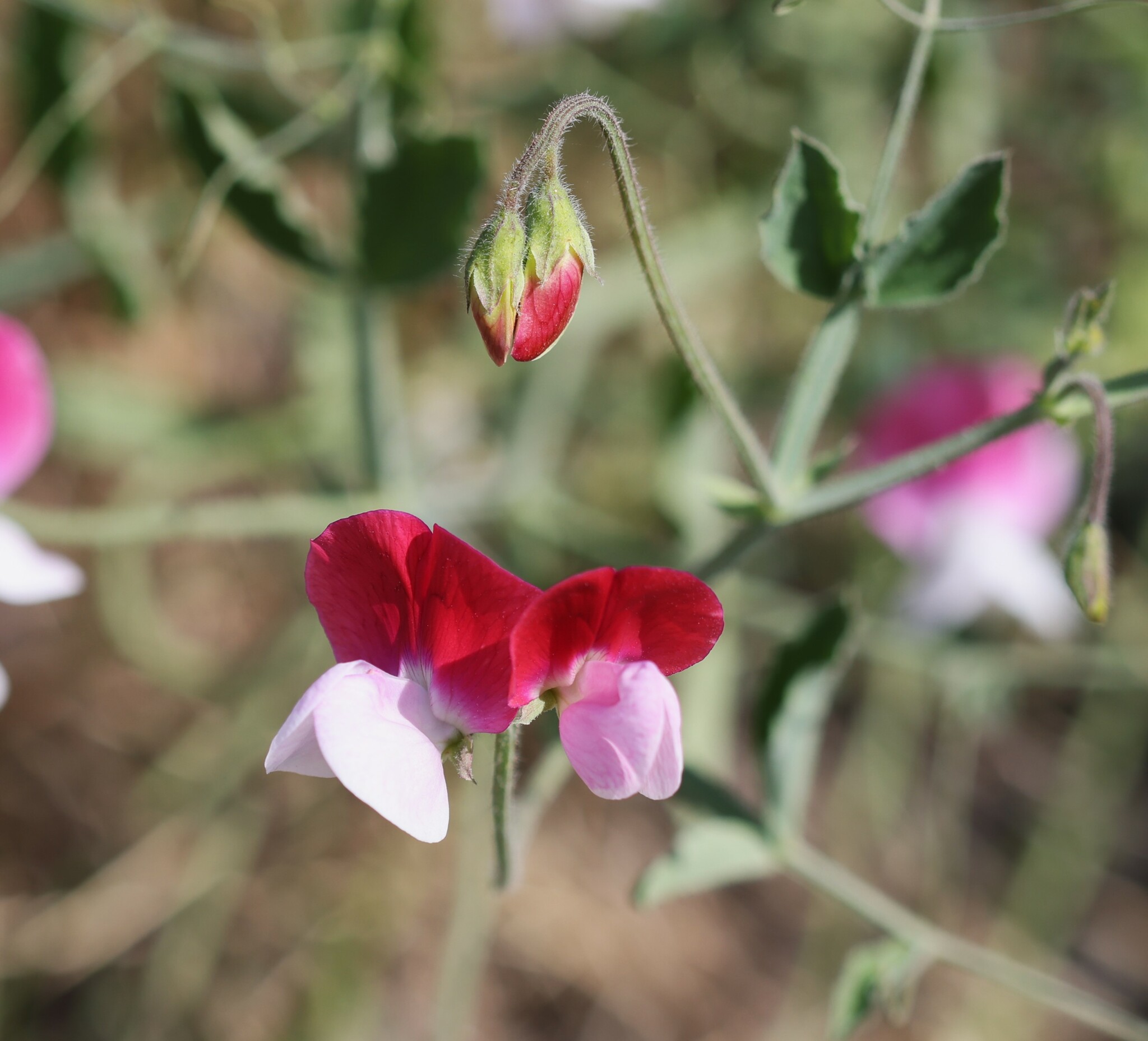
The flowers provide the clearest feature: a pea-shaped corolla, borne in loose racemes, in pastel pink, purple, white or blue according to cultivar. Their musky, sweet scent is almost always present in old forms, although some modern selections have lost part of their fragrance in exchange for larger flowers. 2 4
Hairy pods containing several round seeds follow flowering. Like any annual, the plant dies after fruiting and has no perennial crown. This separates it clearly from everlasting pea, Lathyrus latifolius. 5 3
Useful taxonomy
Carl Linnaeus described the species as Lathyrus odoratus L. in 1753. The genus Lathyrus contains many annual and perennial species. Older infraspecific names still occur in horticultural literature; the main synonyms to recognize are:
- Lathyrus odoratus var. albus Alef. (historical botanical name)
- Lathyrus odoratus var. carneus Alef. (historical botanical name)
- Lathyrus odoratus var. siculus L. (historical botanical name)
- Lathyrus odoratus f. pleniflorus Moldenke (historical botanical name)
- Lathyrus odoratus-zeylanicus Burm.f. (historical botanical name)
The accepted scientific name, Lathyrus odoratus, is the stable reference. Horticultural group names such as Spencer and Cupani identify garden selections rather than separate species or botanical varieties. 1 7
Habitat and range
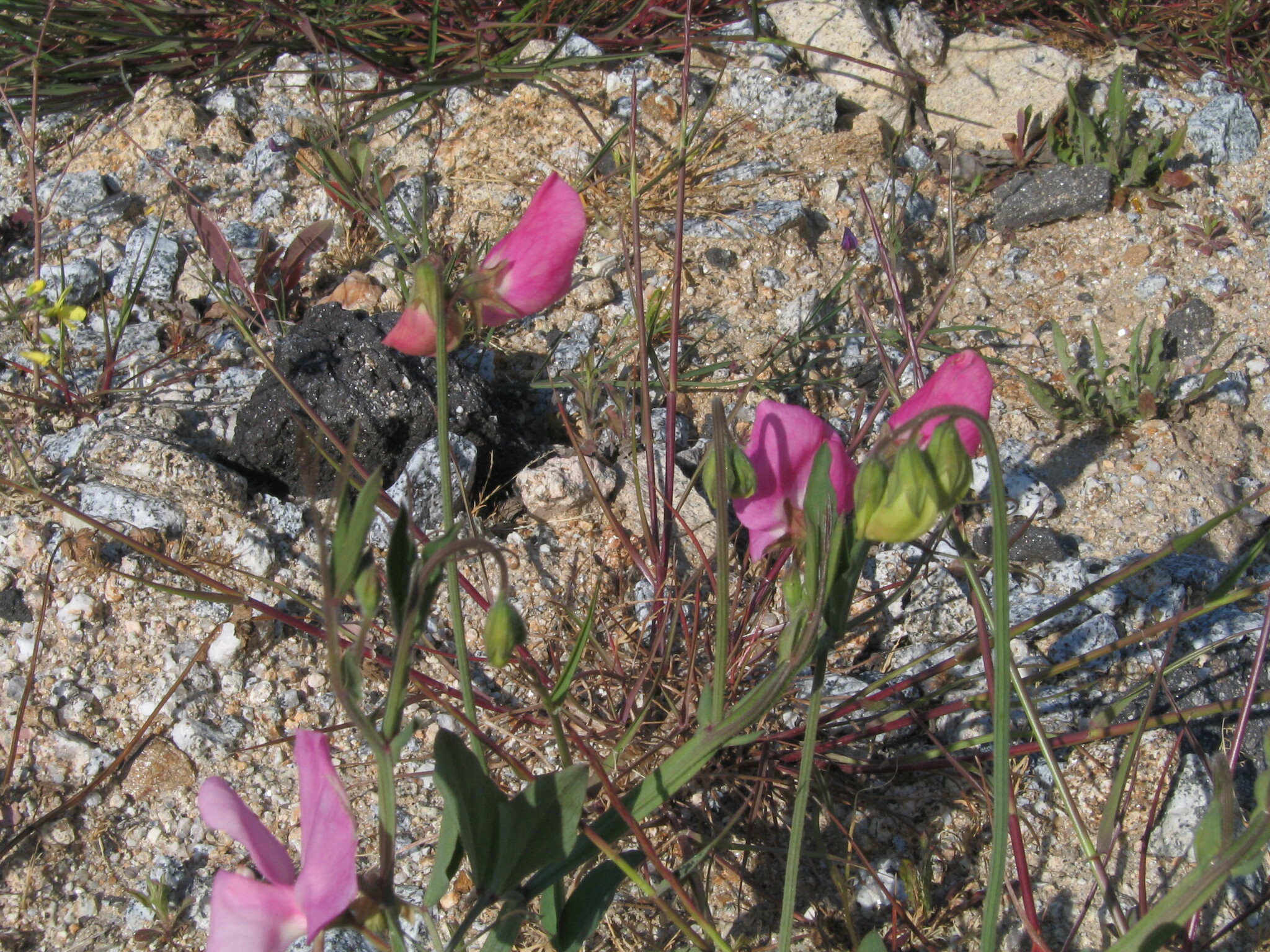
The restricted native Mediterranean range encompasses Sicily, southern Italy and the Aegean islands. There the plant grows on waste ground, woodland margins and rocky sites with moist, well-drained soil. 1 4
Like many annual legumes, it benefits from a bright, cool spring and dislikes the dry summer heat that stops flowering. Its preference for moderate temperatures, around 13–18 °C (55–64 °F), guides garden cultivation and explains the value of early sowing. In other climates, the corresponding cool growing season matters more than the calendar month. 2 6
Widely cultivated for ornament since the 17th century, sweet pea has naturalized locally outside its original range, including parts of temperate Europe and the Americas. These introduced populations remain distinct from the Mediterranean native range. 7 5
Life cycle and reproduction
Its strictly annual cycle runs from spring germination through climbing growth, flowering and fruiting to death in autumn in the temperate seasonal setting. The whole cycle fits within one season, with flowering about three months after sowing. 3 2
Pea-shaped flowers suit pollination by long-tongued insects, chiefly bees and bumblebees; many horticultural varieties also self-pollinate readily. After fertilization, the pods ripen and release round seeds, allowing self-sowing in favorable climates. 4 5
Garden propagation is exclusively by seed. Soak seeds overnight to soften their coats, then sow under cover in late winter or directly outdoors in spring where that seasonal schedule suits the climate. Pinching young plants above the second pair of leaves encourages branching and produces more floriferous clumps. Modern varieties do not always reproduce their parents' flower color faithfully; seed for maintaining a particular variety is collected from isolated plants. 2 6
Uses and risks
As an annual for trellises, stake teepees and fences, it is grown mainly for ornament. It also supplies some of the summer garden's most fragrant cut flowers. A sunny bed, border or large container with a sturdy support accommodates its climbing stems. 2 3
Unlike garden peas, sweet pea is not edible. Its seeds contain an aminopropionitrile responsible for lathyrism, a group of neurological and locomotor disorders caused by repeated ingestion. Under the name sweet pea, the ASPCA describes Lathyrus latifolius, a different species, as toxic to horses but non-toxic to cats and dogs. Pet Poison Helpline addresses Lathyrus odoratus itself: its toxic compounds can cause illness after ingestion of large amounts. 9 Keep seeds and pods out of reach of animals and young children, and never confuse them with a vegetable crop. 8 5
Varieties, look-alikes and related plants
The many forms sold are not separate species. Spencer brings together the large, ruffled flowers of modern floristry; Cupani and Painted Lady are old bicolored forms prized for intense fragrance. Royal Family and Cuthbertson are horticultural series selected for vigor and heat tolerance. Before buying, check the variety name, whether strong fragrance is specified and the recommended sowing time. 2
The most frequent confusions involve:
- Pisum sativum, the edible garden pea, whose seeds must never be confused with toxic sweet pea seeds;
- Lathyrus latifolius, everlasting pea, with large, unscented flowers and a perennial crown;
- Lathyrus sativus, grass pea, another species associated with lathyrism.
Intense floral fragrance, a winged stem with tendrils and a strictly annual cycle remain the most reliable features for confirming that a plant sold as sweet pea is Lathyrus odoratus. 3 1
Main sources
- Plants of the World Online / Kew, Lathyrus odoratus L.
- Royal Horticultural Society, Lathyrus odoratus - sweet pea
- Missouri Botanical Garden, Lathyrus odoratus
- Encyclopaedia Britannica, sweet pea
- Plants For A Future, Lathyrus odoratus
- NC State Extension, Lathyrus odoratus
- USDA PLANTS Database, Lathyrus odoratus L.
- ASPCA, Sweet pea (Lathyrus odoratus) toxicity entry
- Pet Poison Helpline, Sweet Pea (Lathyrus odoratus)
Frequently asked questions
Is sweet pea toxic?
Yes, through its seeds. Lathyrus odoratus is not edible: its seeds contain an aminopropionitrile that can cause lathyrism, with neurological and locomotor disorders, after repeated ingestion. Pet Poison Helpline reports a risk to animals after ingestion of large amounts of Lathyrus odoratus.
Can sweet peas be eaten like garden peas?
No. Despite similar flowers and pods, sweet pea (Lathyrus odoratus) is not the garden pea (Pisum sativum). Its seeds are toxic and must never be eaten.
How do you sow sweet peas?
Soak seeds overnight, then sow under cover in late winter or directly outdoors in spring where that seasonal schedule suits the climate. Transplant seedlings beside a sturdy support once the risk of hard frost has passed.
Why has my sweet pea stopped flowering?
Dry heat or seeds left to develop on the plant often stop flowering. Keep the soil moist, water at the base and regularly remove faded flowers to extend the display.
Do sweet peas return every year?
No. They are annuals that die after fruiting and must be sown again each year. They are sometimes confused with everlasting pea, Lathyrus latifolius, a perennial with unscented flowers.
What support does sweet pea need?
Its tendrils attach themselves to a trellis, wire mesh or a teepee of stakes. Provide sturdy support at least 1.5–2 m (5–6.6 ft) tall, because stems climb quickly in spring.
How does sweet pea differ from everlasting pea?
Everlasting pea (Lathyrus latifolius) has larger, unscented flowers and regrows from its crown each year. Sweet pea (Lathyrus odoratus) is annual and distinguished chiefly by its intense fragrance.
Similar plants
If you are unsure about a plant’s toxicity, ask a botanist or veterinarian for advice.