
Perennial scabious (Lomelosia caucasica, )


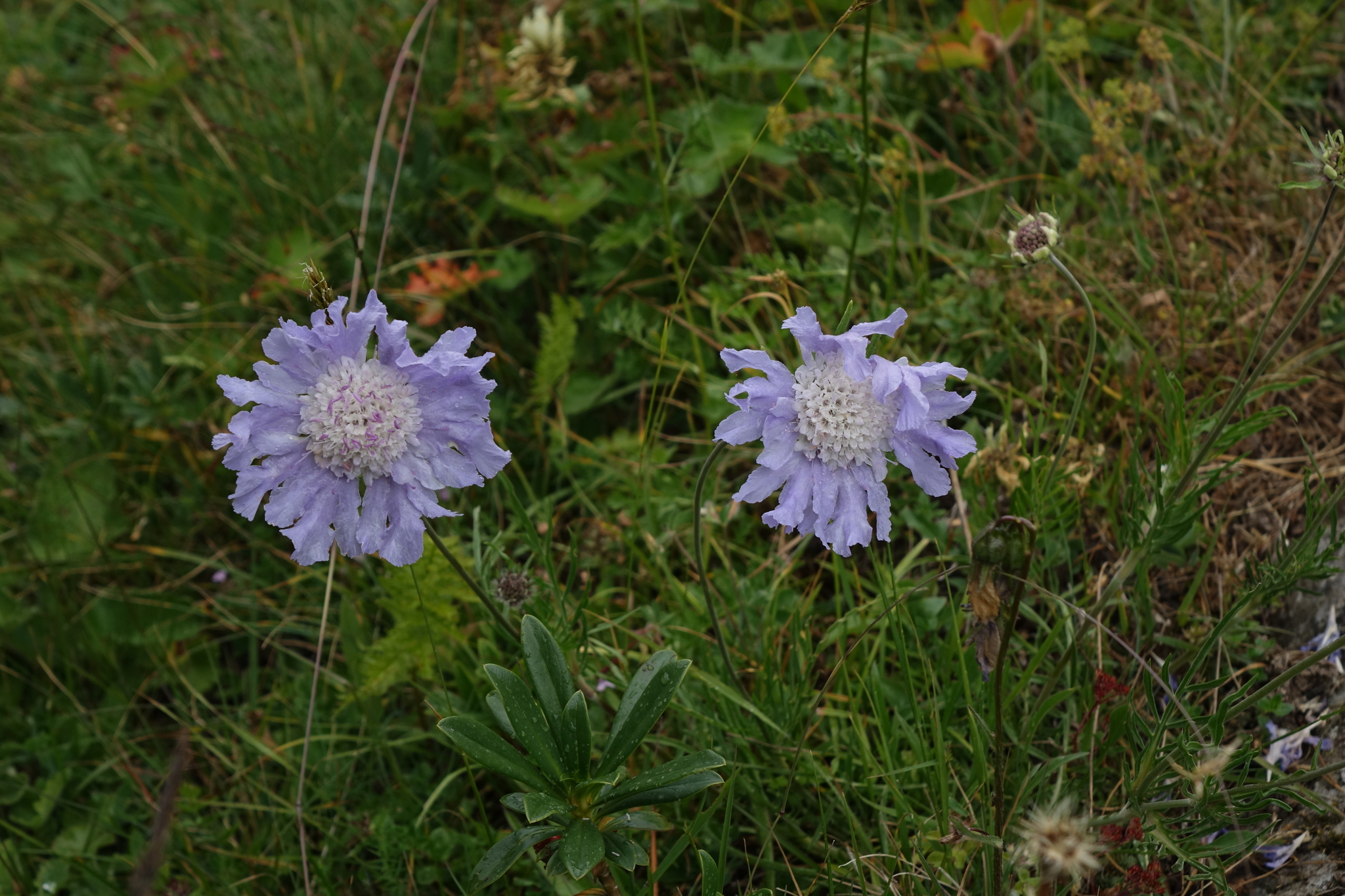
Perennial scabious (Lomelosia caucasica) is a clump-forming perennial in the Caprifoliaceae family, native to the Caucasus, northeastern Turkey, and northwestern Iran. Often sold as Scabiosa caucasica, it is grown for its blue or lilac flower heads.
Read morePerennial scabious, Scabiosa caucasica, Caucasian scabious and Caucasian pincushion flower
Place in full sun, with intense direct light all day long.
Full sun, open air, and soil that dries between rains.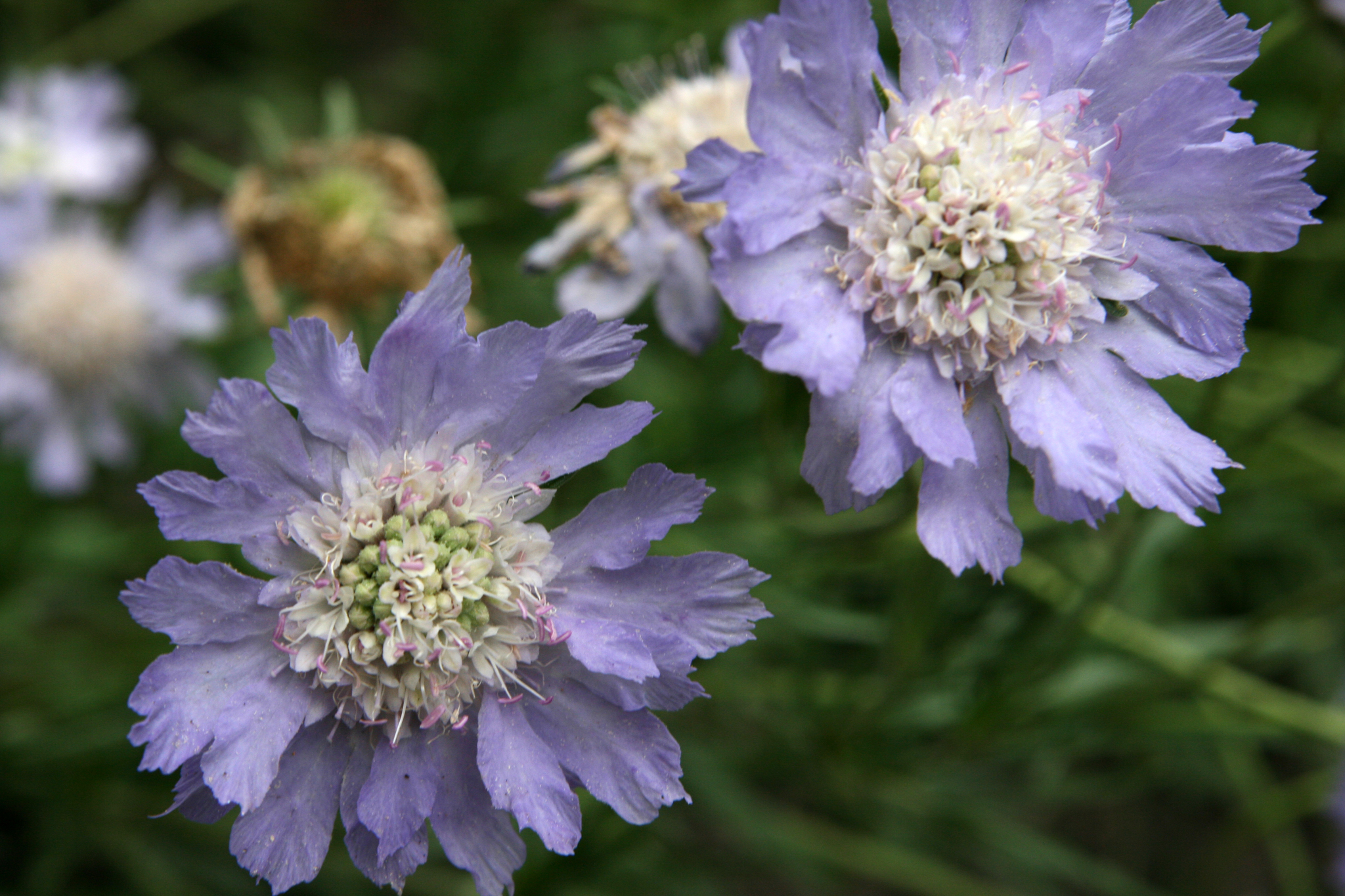

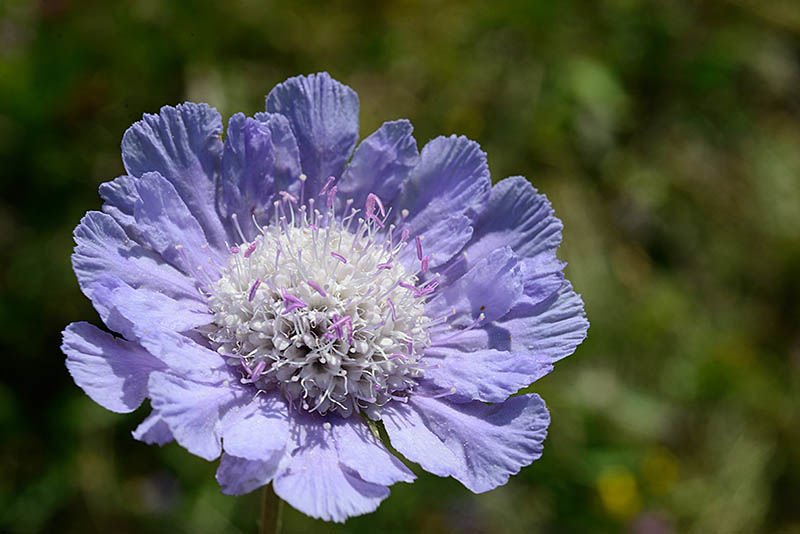
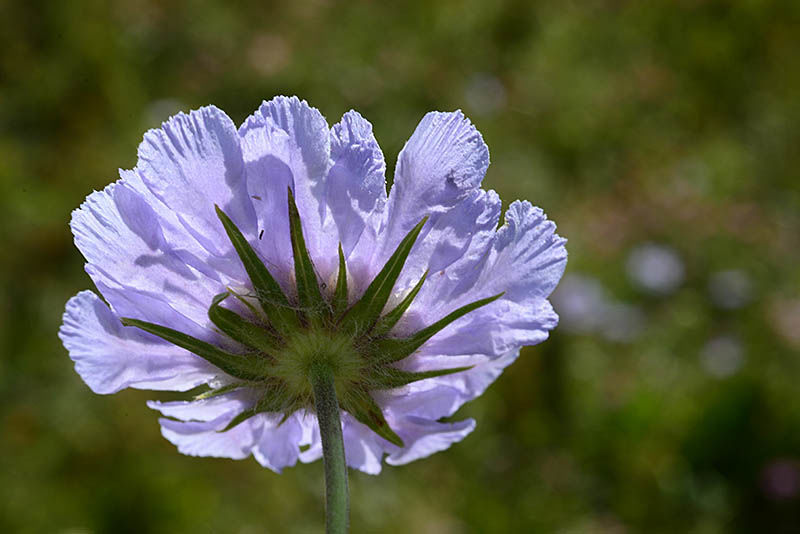
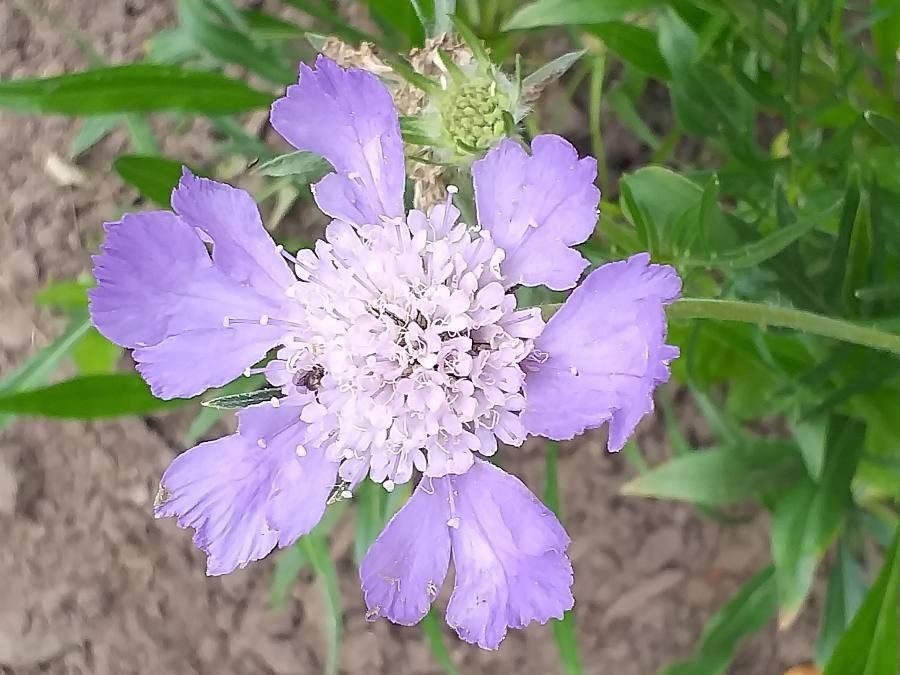
© photo
(c) Quinn Dombrowski, some rights reserved (CC BY-SA) · cc-by-sa
Oleg Kosterin · cc0
Wikimedia Commons · CC BY-SA or Public Domain
© copyright of the Board of Trustees of the Royal Botanic Gardens, Kew.



Global distribution
POWO accepts Lomelosia caucasica as native from northeastern Turkey through the Caucasus to northwestern Iran. Scabiosa caucasica is a synonym still familiar in horticulture.
- Native3
- Introduced1
- Northeastern Turkey
- Caucasus and Transcaucasia
- Northwestern Iran
- Germany
Hexagons: regions where the plant occurs. Green dots: native range.2
Identity
Perennial scabious (Lomelosia caucasica (M.Bieb.) Greuter & Burdet, 1985) is the accepted species name used here for this Caucasian perennial. POWO places it in Caprifoliaceae and treats Scabiosa caucasica as a synonym. Both names identify the same blue to lilac garden plant. 2 4
Garden labels still frequently use Scabiosa caucasica. Knowing this older name helps when choosing a plant or comparing descriptions. It remains familiar to gardeners even though Lomelosia caucasica is the accepted botanical combination. The two names should be understood together. 3 1
This taxon is a species within Lomelosia, rather than a collective name for every meadow scabious. It is a border perennial grown for large pincushion flower heads, blue, lilac, or white depending on the cultivar. Its identity remains distinct from similar-looking plants. 5
Several related-looking plants are called scabious. Caucasian scabious and Caucasian pincushion flower describe this species, but the full scientific name helps distinguish it from other plants with similar flower heads. A precise label matters when choosing a particular perennial for a border. 7 8
Scabiosa caucasica and the accepted name
Horticultural names often outlast changes in botanical classification. Scabiosa caucasica is a familiar example: understandable on nursery labels even though the accepted name used here is Lomelosia caucasica. These different combinations do not mean that two separate species are involved. 2
When comparing catalogs, retain Scabiosa caucasica as a useful synonym of Lomelosia caucasica. This connects familiar garden labels with the accepted genus and makes clear that the older name does not describe an entirely different plant with separate growing requirements. 3
An annual bedding scabious, a wild meadow scabious, and an unnamed garden cultivar should not automatically be identified as this species. Similar pincushion flowers can conceal differences in identity and life span. Check the full plant name rather than relying on flower shape alone.
Sales names and botanical names serve different purposes. An older combination can identify a familiar garden plant, while the accepted combination provides a consistent species identity. A cultivar name refines that identification but does not replace the species name or turn every scabious into this plant. 1 4
Recognition
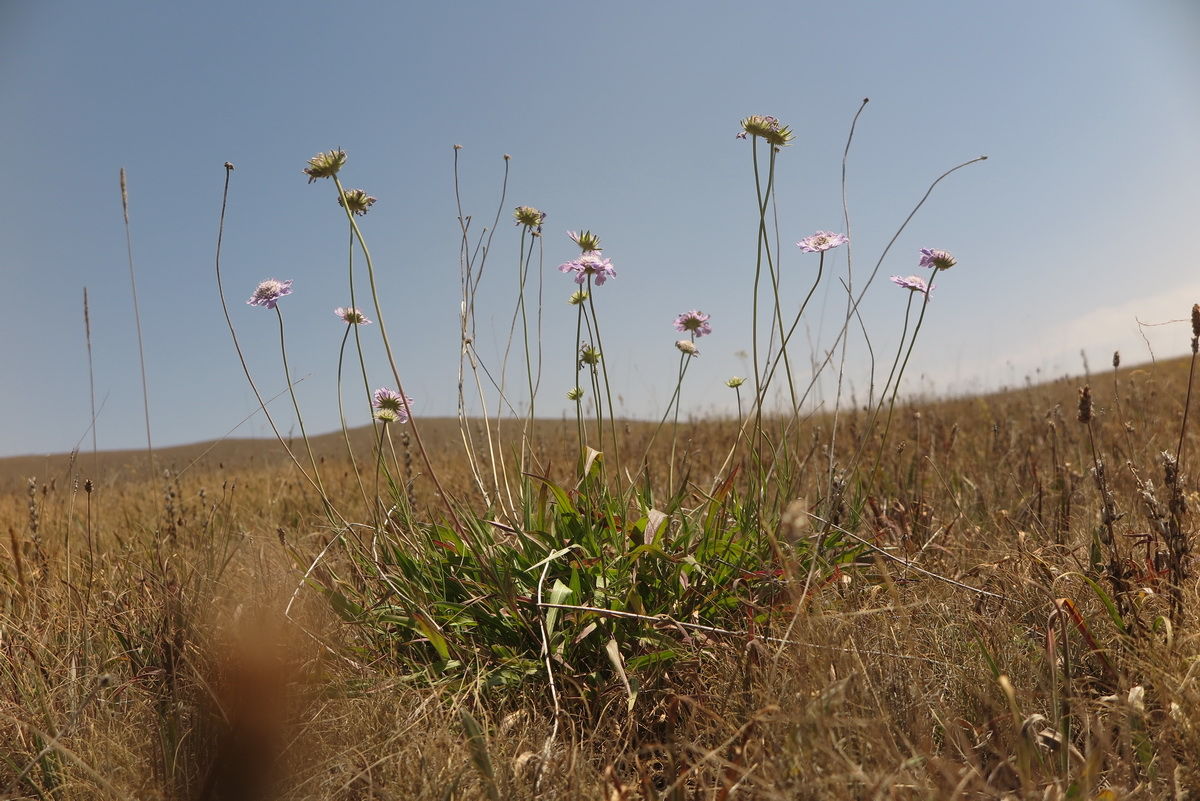
A perennial clump of divided, often gray-green leaves forms the base of the plant. Slender upright stems carry pincushion-shaped flower heads, explaining the English name. This combination of light stems and rounded heads gives the plant its characteristic outline in a mixed border. 5
Lavender blue, lilac, deeper blue, and white are familiar garden colors, depending on the cultivar. Regular removal of faded heads can prolong the display. In bouquets, the flowers add an airy texture and elegant stems rather than a heavy block of color. 5
Heavy winter soil is a particular weakness. A plant that looks excellent during the growing season may disappear if its crown remains in cold, compacted, wet earth. Free drainage matters as much as the water supplied during active growth when assessing a planting site.
Fine stems support the conspicuous pincushion flowers. In exposed gardens, neighboring perennials can give natural support. This is preferable to placing an isolated plant in a strong draft, where the slender stems have no surrounding growth to help hold them upright. 5 6
Growing in borders
Sunny borders suit perennial scabious best. Light shade late in the day may work in hot climates, but dense shade gives softer stems and fewer flowers. Catmint, sages, yarrows, light grasses, and coneflowers make useful companions in a mixed perennial planting. 5 6
Free-draining, moderately fertile soil with a neutral to slightly calcareous reaction is ideal. Excess winter water weakens the crown, while too much nitrogen encourages elongated stems. An application of mature compost in spring is often sufficient without pushing lush, soft growth.
Deadheading extends flowering and keeps the clump tidy. If an older clump opens in the center, careful division or replacement with a young plant is more useful than trying to force growth from a declining crown. This helps maintain the border display. 5
Container growing requires drainage and plenty of light. A terrace can accommodate the plant, although a sunny border often provides a more natural setting. There, slender flowering stems mingle with neighboring perennials instead of standing apart from the rest of the planting.
Among purple-flowered plants, this species contributes texture. It does not form a dense mass like a sage; its rounded heads punctuate the border. The same light outline is useful in cut-flower arrangements, where it brings shape without overwhelming the other flowers. 5 7
Uses and safety
Ornamental uses include dry borders, mixed perennial beds, cut-flower gardens, and pollinator planting. Bees and other insects visit the flowers. A diverse planting offers a useful setting for these visitors, rather than restricting the plant to a single isolated pot on its own. 5
Major toxicity is not reported in the sources used, but this ornamental remains a nonfood plant. Avoid ingestion by children and animals, and do not use it in homemade recipes. A lack of documented major toxicity should not be interpreted as evidence that a garden plant is edible. 2
For bouquets, cut stems as the flowers begin opening to improve their keeping quality. Remove lower leaves to reduce dirty vase water. Faded heads in the border can be removed to encourage further flowering, or a few can remain to observe seed development.
Names in the garden
Blue to lilac flowers and slender stems describe the perennial often labeled Scabiosa caucasica. The accepted name Lomelosia caucasica identifies the same plant. Understanding the synonym preserves the connection between familiar nursery labels and current botanical classification without losing the garden identity. 2 3
A label bearing the older genus should therefore be read alongside the accepted name. This keeps the identity clear while allowing attention to the practical details that matter: drainage, sunlight, flowering stems, and the difference between this perennial and other scabious-like plants.
Clear synonymy brings the information together: one border perennial with familiar horticultural aliases, defined growing needs, and a cautious approach to ingestion. Its name history helps identify the plant, while its appearance and growth habit explain its value in the garden. 1 4
Main sources
Frequently asked questions
Are Scabiosa caucasica and Lomelosia caucasica the same plant?
Yes. Scabiosa caucasica is a familiar horticultural name for the species accepted as Lomelosia caucasica.
Why are both scientific names used?
Scabiosa caucasica remains in horticultural use, while Lomelosia caucasica is the accepted name. They refer to the same species.
Is perennial scabious a good cut flower?
Yes. Its slender stems and pincushion flowers work well in vases, especially when cut as they begin to open.
Where should I plant it?
Choose full sun and well-drained soil. Shade and wet soil reduce flowering and weaken the crown.
Is perennial scabious poisonous?
The sources used do not report major toxicity. It is still not a food plant and should not be used in homemade recipes.
Does it come back every year?
Yes, provided winter soil drains well. In heavy soil it may be short-lived.
Similar plants
If you are unsure about a plant’s toxicity, ask a botanist or veterinarian for advice.