
Dwarf mallow (Malva neglecta, )
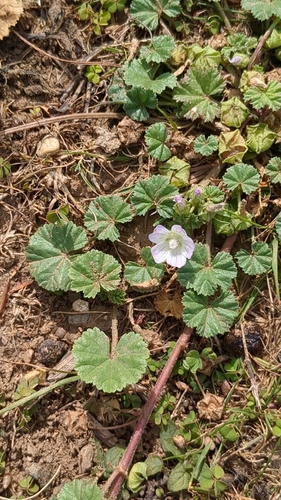
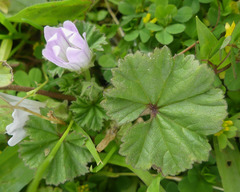
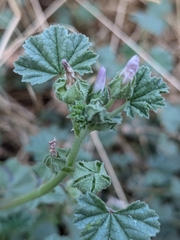
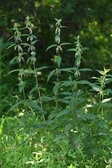
Dwarf mallow (Malva neglecta) is an annual or biennial herb in the Malvaceae, a close relative of Malva sylvestris. Widespread in temperate Europe, North Africa and western Asia, it colonizes nitrogen-rich pathsides, farmyards and compost margins. White to pale lilac flowers, much smaller than those of Malva sylvestris, and a ring-shaped disc of fruit with rounded edges help distinguish it in the field.
Read moreDwarf mallow, common mallow and cheeseweed
Allow a few hours of direct sun per day, preferably morning or evening.
Full sun to light partial shade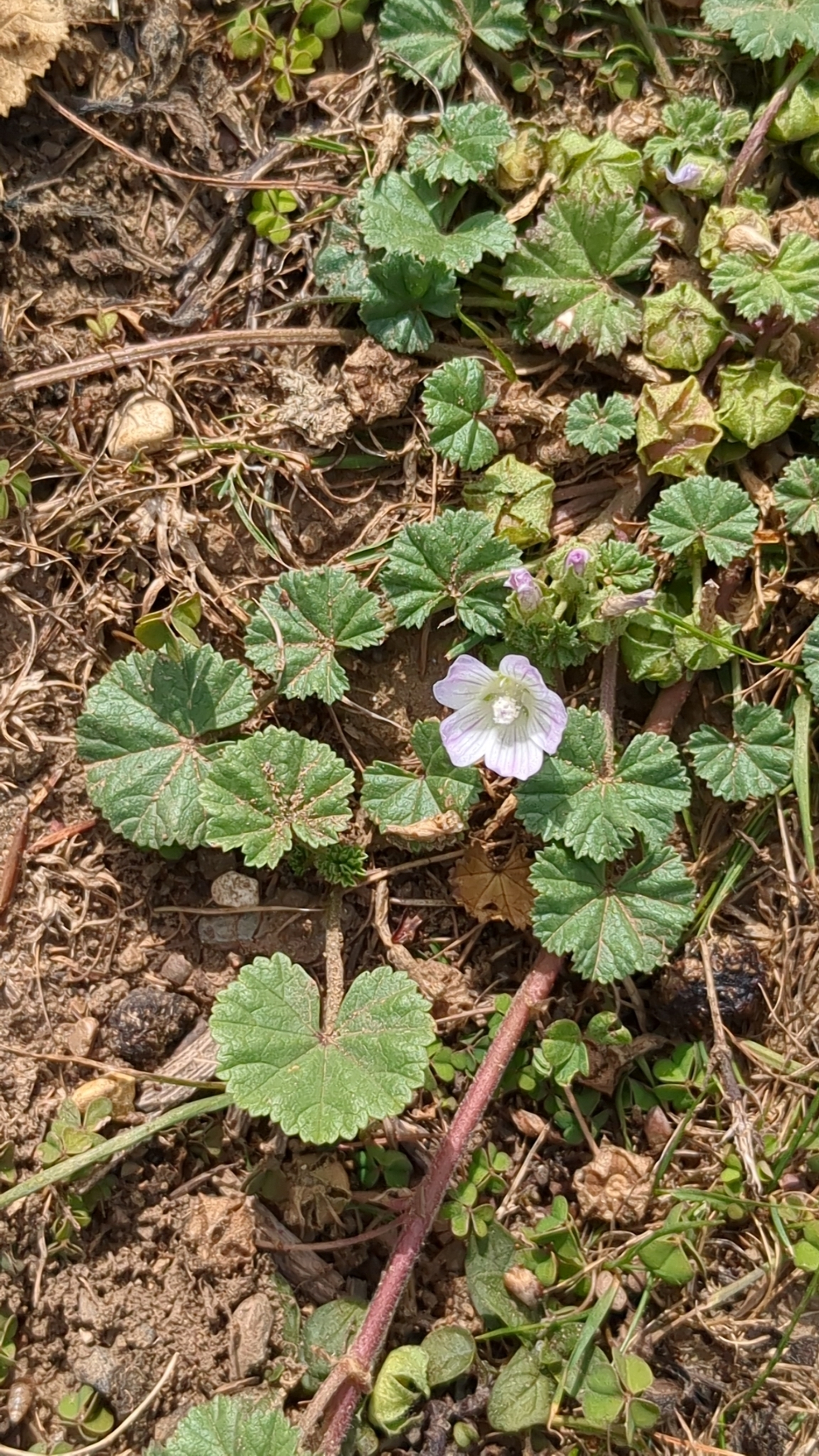



© photo
(c) Africa Gomez, some rights reserved (CC BY-NC), uploaded by Africa Gomez · cc-by-nc
Allen Browne · cc0
P Holroyd · cc0
Taken Aug 22, 2022 by Dan d'Auge (cc-by-sa)
Taken Jan 20, 2018 by Mehmet Basbag (cc-by-sa)
Taken May 28, 2022 by Petr Harant (cc-by-sa)
Taken Jun 14, 2015 by Tela Botanica − _ _ (cc-by-sa)
Taken Jul 6, 2022 by Nathalie Martin (cc-by-sa)
© copyright of the Board of Trustees of the Royal Botanic Gardens, Kew.




Global distribution
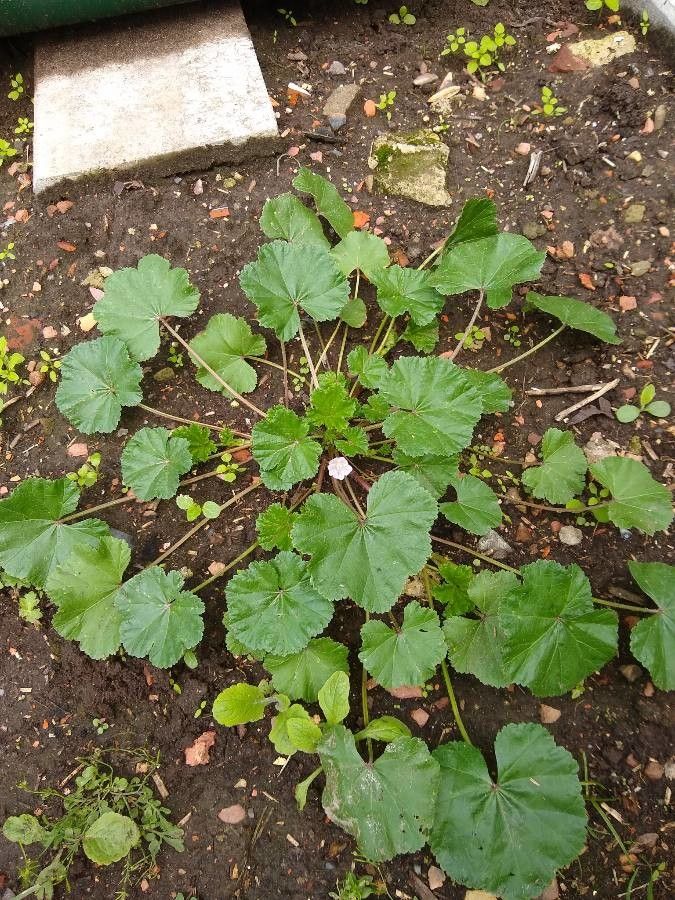
POWO places the native range of Malva neglecta in the Canary Islands, Morocco and Europe east to Central Asia and the western Himalayas. Other sources extend it across nearly all the temperate Old World outside sub-Saharan Africa, from the Maghreb to China. Widely introduced in North and South America, it is now considered an invasive weed in several regions.
- Native5
- Introduced1
- Invasive1
- France
- Morocco
- Spain
- United Kingdom
- Germany
- Canada
- United States
Hexagons: regions where the plant occurs. Green dots: native range.1
Identity
Dwarf mallow (Malva neglecta Wallr., 1824), also called common mallow or cheeseweed, is a herbaceous species in the Malvaceae, in the same genus as Malva sylvestris. The genus name Malva comes from the ancient Greek malakos, “soft,” referring to the soothing mucilage shared with its relatives. 4 1
The Latin epithet neglecta, “neglected,” captures a real taxonomic difficulty. The species was long confused with other small-flowered mallows, overshadowed by older names such as Malva rotundifolia. Wallroth formally distinguished and published it in 1824. 7
Recognition
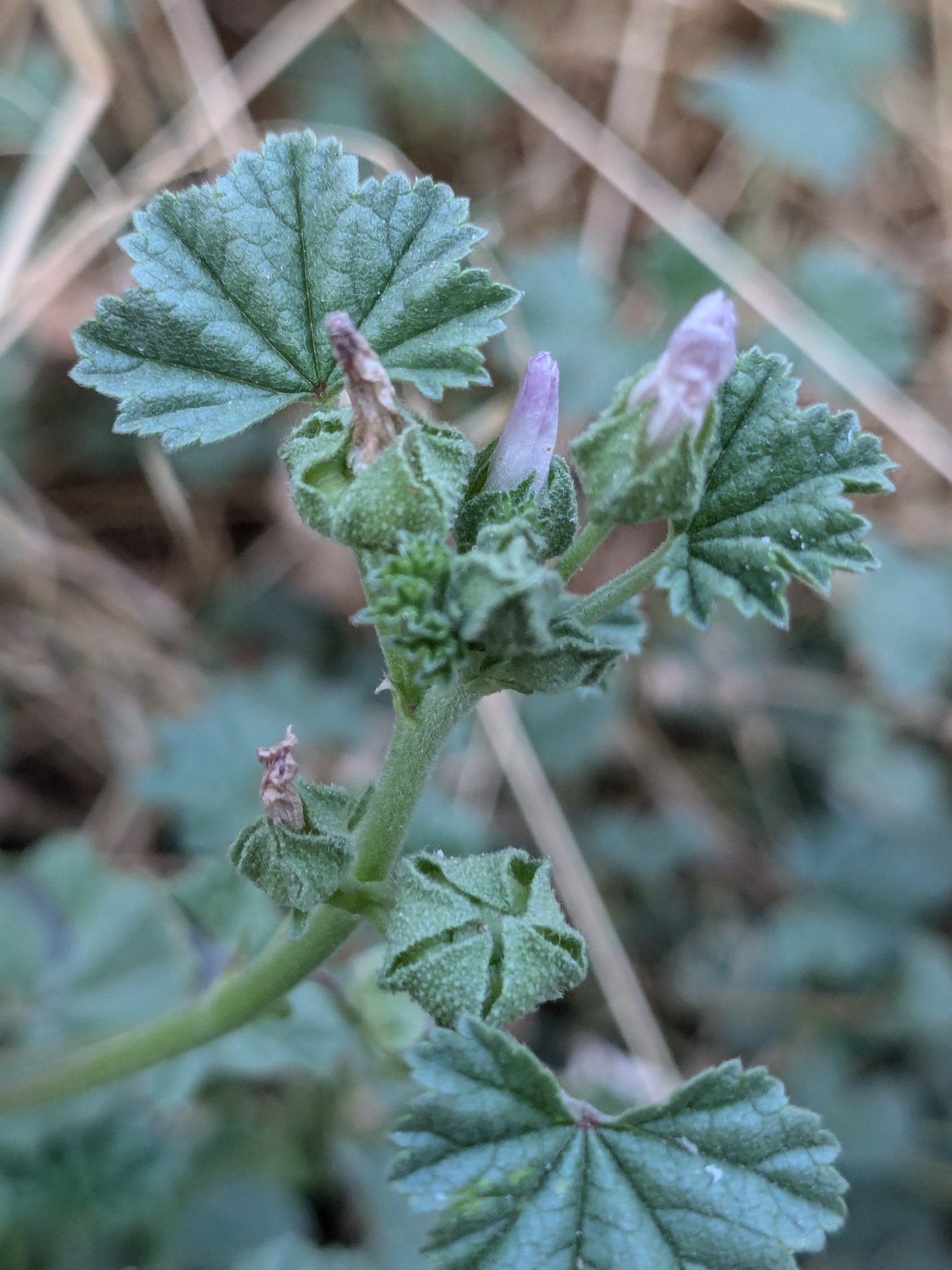
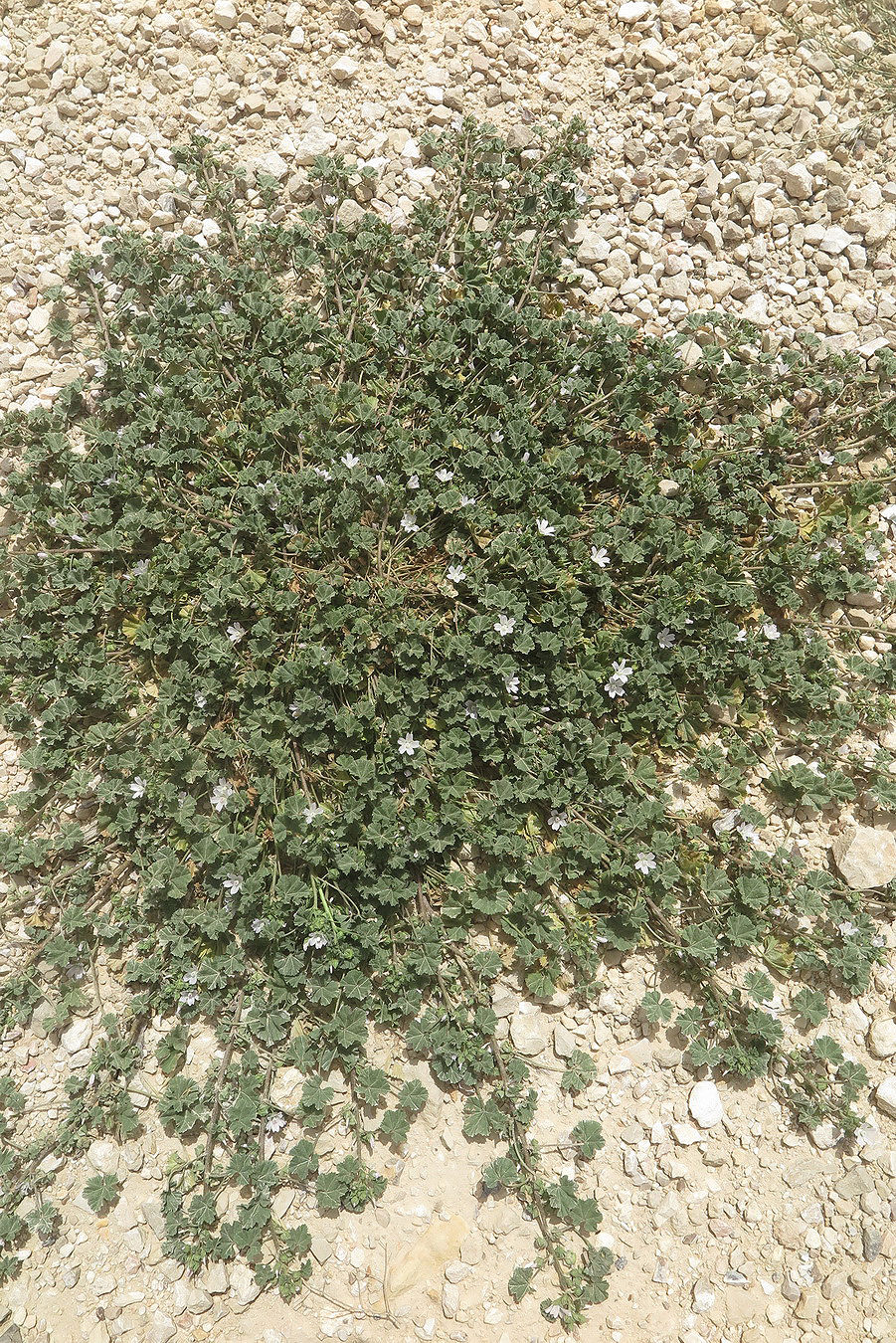
Branches arise from the base of prostrate to ascending stems 15–60 cm (6–24 in) long. This low habit, sometimes lifting only at the tips, identifies it from a distance before the flowers are examined: Malva sylvestris grows distinctly taller and more upright. The rounded to kidney-shaped leaves have long, grooved, hairy stalks and 5–9 shallow lobes, measuring 2–6 cm (0.8–2.4 in) across. 5 6
Flowers cluster in groups of 2–5 in the leaf axils. Each has five white to pale lilac petals only 8–12 mm (0.3–0.5 in) long, two to three times shorter than the vivid pink petals of Malva sylvestris, often growing on the same banks. 5
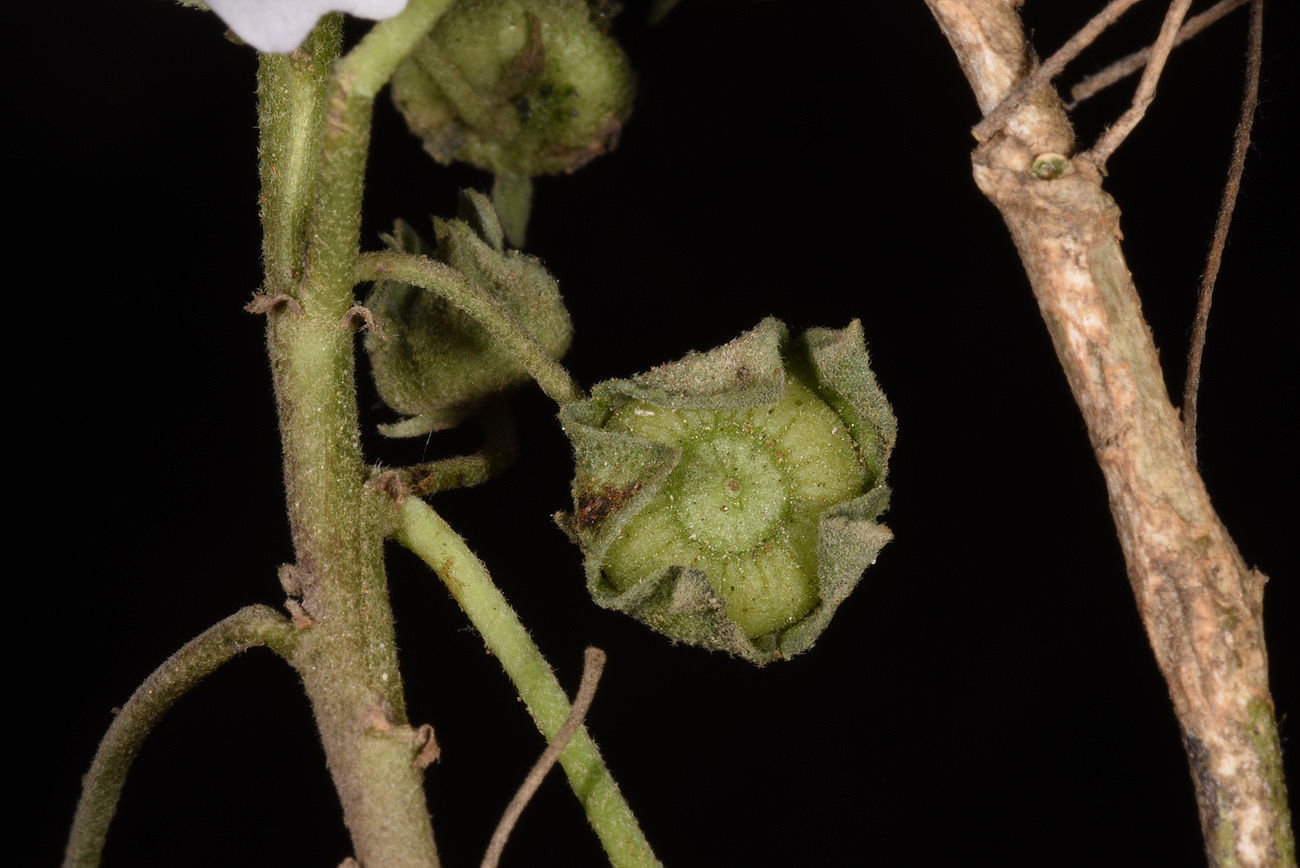
Fruit forms a ring-shaped disc about 5 mm (0.2 in) across, containing roughly ten to fifteen small carpels. These are smooth or weakly ribbed, with rounded edges less prominent than the distinctly ribbed carpels of Malva sylvestris. 4
Useful taxonomy
Wallroth’s accepted name, Malva neglecta Wallr., dates from 1824. Like the rest of Malva, the species belongs to the Malvaceae. 1
Older floras used several names for the species. POWO treats Malva rotundifolia var. crispa Wimm. & Grab. as homotypic with the accepted name, and also lists Malva vulgaris Fr., Malva orbiculata Pomel and Malva prostrata Gilib. as synonyms. 1
Many floras and old herbarium sheets nevertheless identify dwarf mallow as Malva rotundifolia. POWO assigns that binomial, published by Linnaeus in 1753, to a different species, Malva pusilla Sm. Given this inherited taxonomic confusion, only the name Malva neglecta unambiguously identifies the small ruderal mallow described here. 1 7
Habitat and range
The Canary Islands, Morocco and Europe east to Central Asia and the western Himalayas form the temperate native range recognized by POWO. Other sources describe a broader range across nearly all the temperate Old World outside sub-Saharan Africa, from the Maghreb to China and the Indian subcontinent. 1 3
Disturbed ground rich in nitrogen favors dwarf mallow: pathsides, banks, farmyards, rubble and the margins of manure or compost heaps. Its appetite for nitrogen makes it an almost regular occupant beside manure piles, where few other weeds establish so densely. In France it occurs throughout the country on waste ground and disturbed sites. 5
Introductions far beyond its native range have led to widespread naturalization in North and South America. Several U.S. states now classify it as an invasive weed. 6 8
Life cycle and reproduction
In most observed populations, Malva neglecta behaves as a winter annual. Where soil stays loose and unfrozen, it can persist as a biennial or even a short-lived perennial. Seeds germinate in 1–2 weeks in moist, warmed soil, allowing rapid colonization of newly disturbed waste ground. 3 2
Flowering extends from late spring through summer into early fall, typically May–September in the Northern Hemisphere, depending on region. Darker veins on the petals attract pollinators. The aphid Acyrthosiphon malvae often colonizes young shoots, while painted lady caterpillars, Vanessa cardui, feed on the leaves. 4
As with Malva sylvestris, sowing seed is the only documented propagation method. The persistent taproot, woody once established, explains why the plant resists hand pulling and readily returns from seed from year to year. 6
Uses and risks
All parts of dwarf mallow are documented as edible. Young leaves are eaten raw in salads or cooked like spinach, with a mucilaginous texture resembling okra. The nutty seeds contain 21% protein and 15.2% fat and have been ground into substitute flour during food shortages. 3 2
In Morocco, leaves go into traditional simmered dishes such as bakoula or khobiza, still documented among women gathering wild vegetables. The mild-tasting root also serves as an egg-white substitute for meringue after being boiled into a decoction and whisked. 9 5
The food uses described in humans do not constitute a safety assessment for cats or dogs. Excessive nitrogen in the soil can, however, promote nitrate accumulation in the tissues at concentrations dangerous to livestock eating large quantities. 5
Varieties, look-alikes and related plants
Dwarf mallow has no stabilized horticultural selections. It is a spontaneous weed that has never really been domesticated as an ornamental. 2
Several related species regularly cause confusion in the field:
- Malva sylvestris has much larger, more colorful flowers and a more upright habit;
- Malva pusilla, often mistakenly called Malva rotundifolia, shares its disturbed habitats but remains distinct in POWO’s treatment;
- Malva parviflora has more conspicuously net-veined carpels at maturity.
Combining three features, the prostrate habit, small pale flowers and ring-shaped fruit with rounded edges, sharply reduces confusion. A single feature in isolation does not reliably distinguish Malva neglecta from its relatives. 4
Main sources
- Plants of the World Online / Kew, Malva neglecta Wallr.
- Plants For A Future, Malva neglecta
- Wikipedia EN, Malva neglecta
- Wikipedia FR, Malva neglecta
- Wikipedia DE, Weg-Malve (Malva neglecta)
- NC State Extension, Malva neglecta plant profile
- Integrated Taxonomic Information System, Malva neglecta Wallr.
- USDA PLANTS Database, Malva neglecta plant profile
- Ethnobotanical study, wild leafy vegetables incl. Malva neglecta in Morocco
Frequently asked questions
Is dwarf mallow toxic to cats or dogs?
The food uses described in humans do not establish safety for cats or dogs. On excessively nitrogen-rich soil, however, the plant can accumulate nitrates dangerous to livestock.
Can dwarf mallow be eaten?
Yes. The leaves, seeds and root are documented as edible. Seeds contain about 21% protein and 15.2% fat, with a nutty flavor.
How does Malva neglecta differ from Malva sylvestris?
Their habit differs clearly: dwarf mallow is prostrate to ascending, while Malva sylvestris is upright. Dwarf mallow flowers are also much smaller and paler, barely 8–12 mm (0.3–0.5 in) against nearly 2 cm (0.8 in) in its relative.
Why does the epithet neglecta mean neglected?
The species was long confused with other small-flowered mallows, including Malva rotundifolia in its older sense, before Wallroth formally distinguished and published it in 1824.
Is dwarf mallow invasive?
In its native European and North African range it is a common but unproblematic weed. Introduced in North and South America, it is considered invasive in several regions.
Where does dwarf mallow grow?
It favors disturbed, nitrogen-rich soils: pathsides, banks, farmyards, rubble and the edges of compost or manure heaps.
Does dwarf mallow have traditional uses?
Yes. In Morocco its leaves go into simmered dishes such as bakoula or khobiza. Its root, boiled into a decoction and then whisked, has also substituted for egg white in meringues.
Similar plants
If you are unsure about a plant’s toxicity, ask a botanist or veterinarian for advice.