
Stinging nettle (Urtica dioica, )
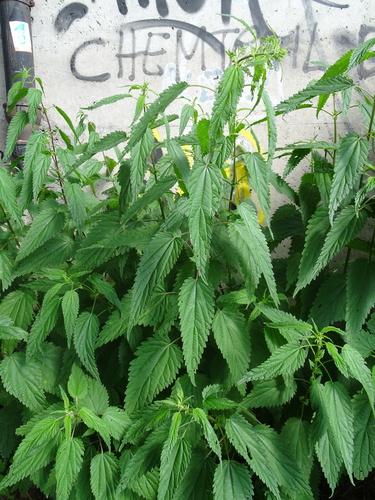
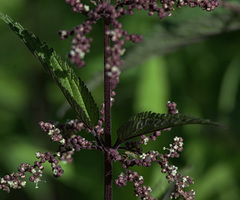
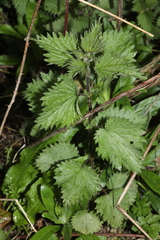
Stinging nettle (Urtica dioica L.) is a rhizomatous perennial in the Urticaceae family, native to France and widespread in herbaceous margins, moist waste ground, roadsides, riverbanks and nitrogen-rich soils. It supports biodiversity, but its stinging hairs and spreading rhizomes call for gloves and clearly defined growing areas.
Read moreStinging nettle, Common nettle and Great nettle
Give plenty of ambient light without direct sun on the leaves.
Sun in cool, moist conditions to light partial shade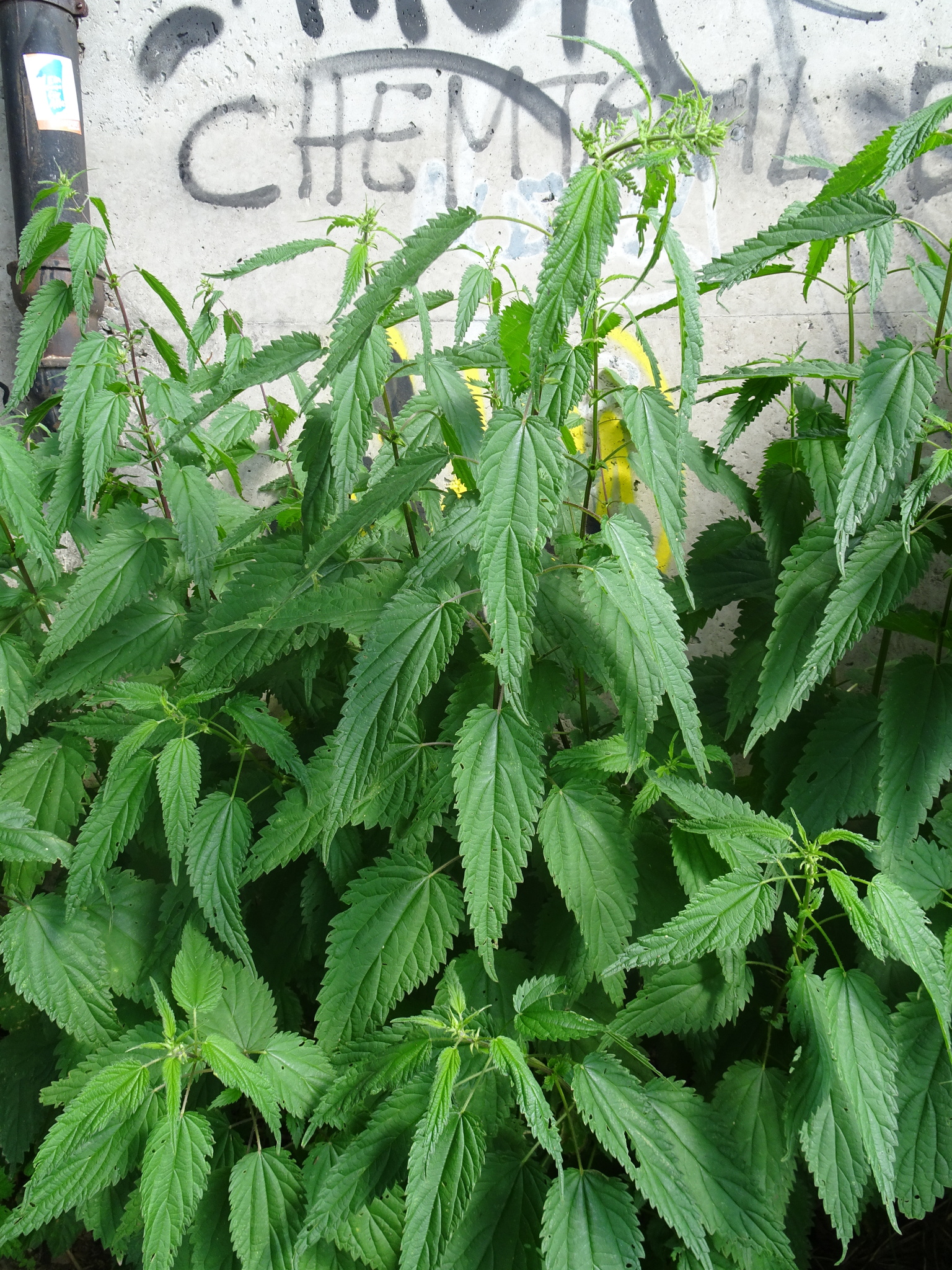
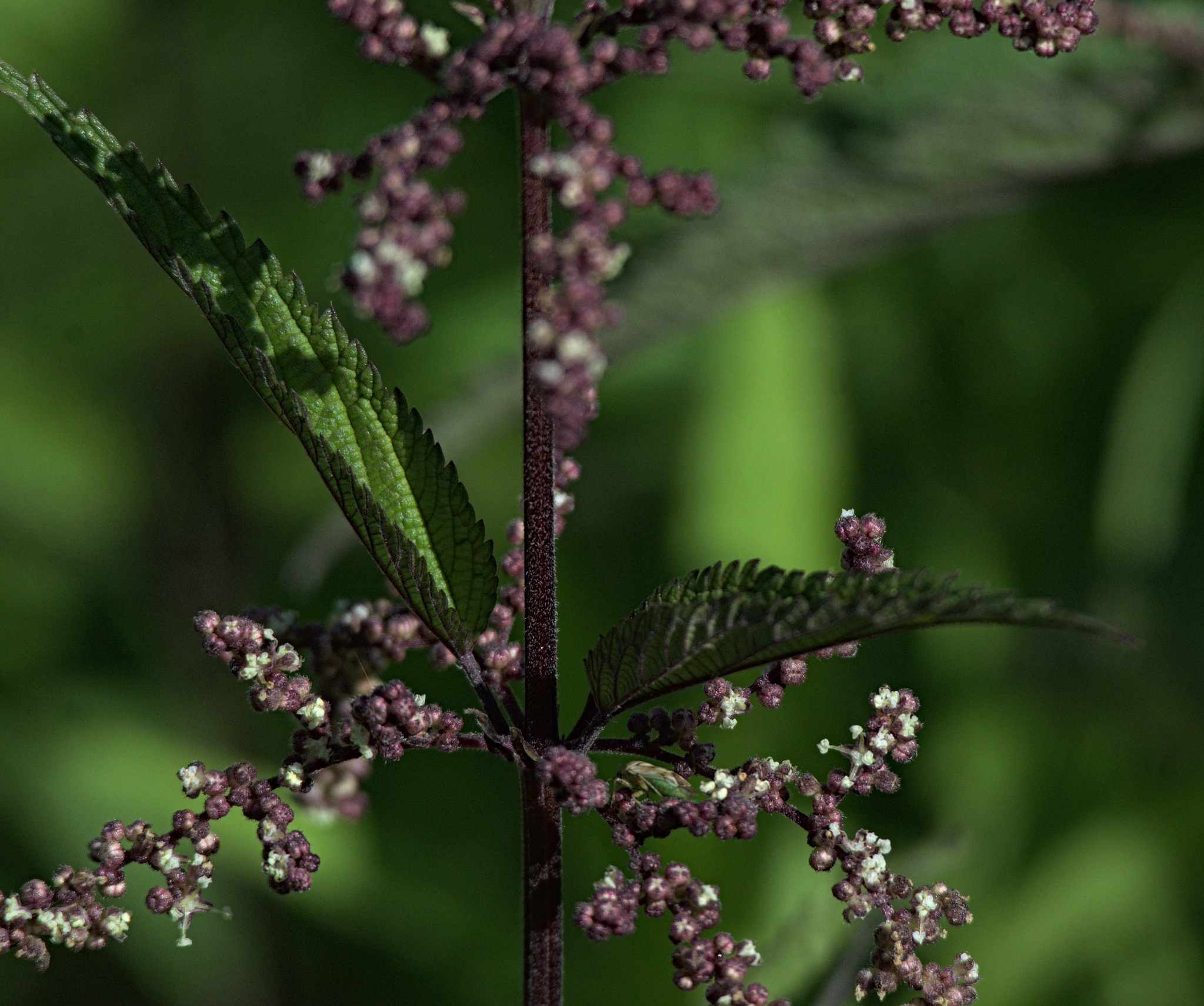
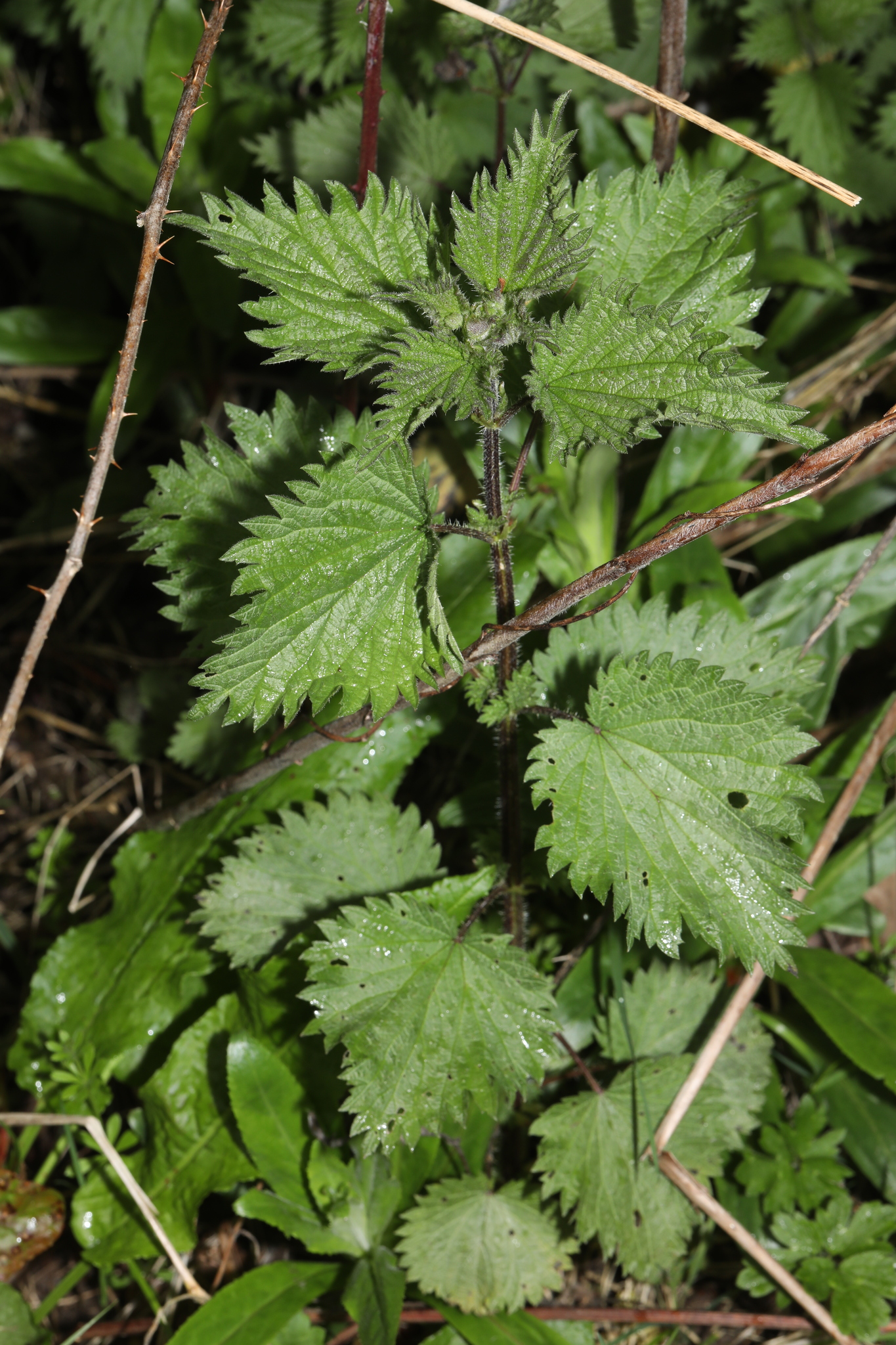


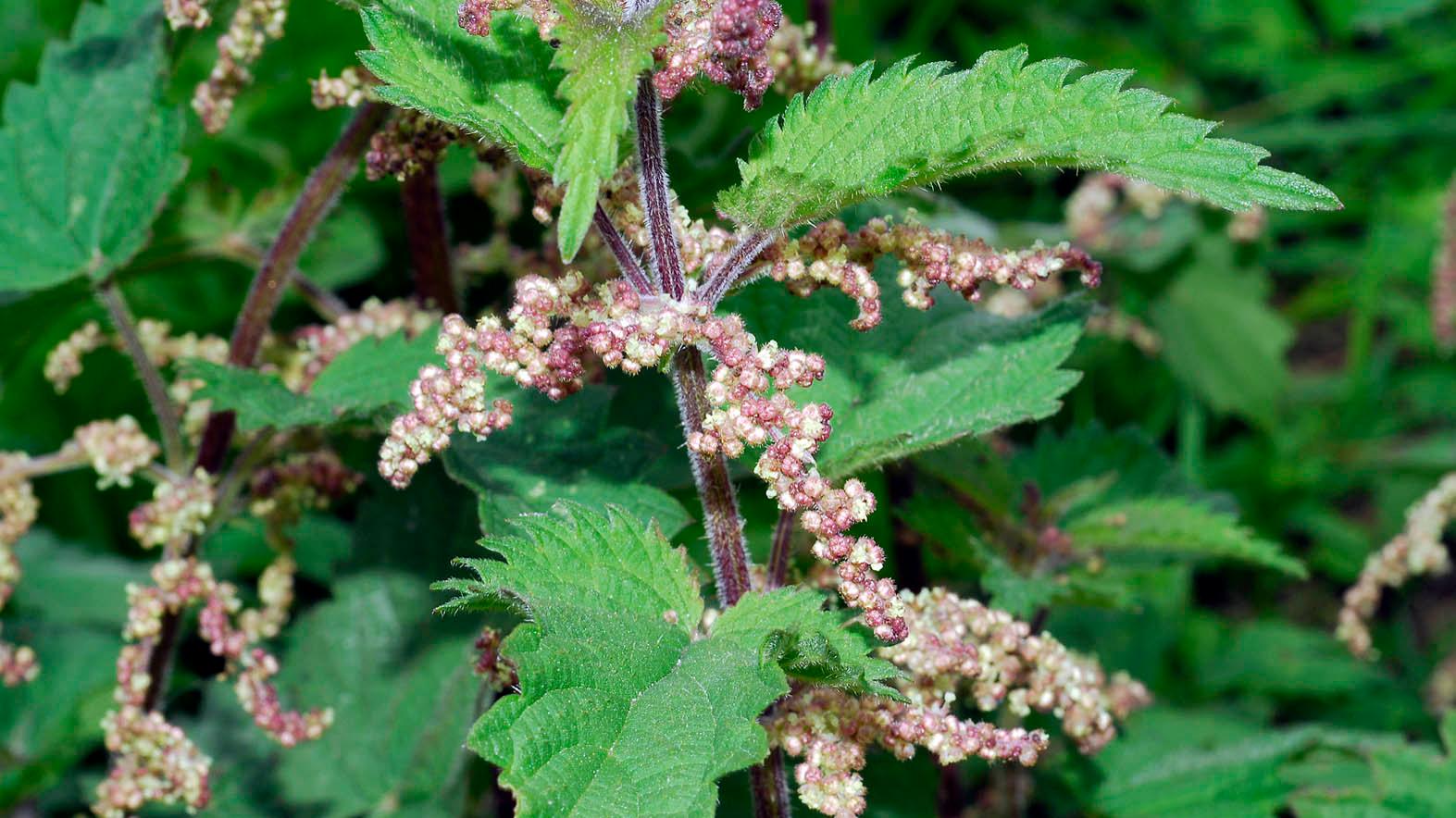
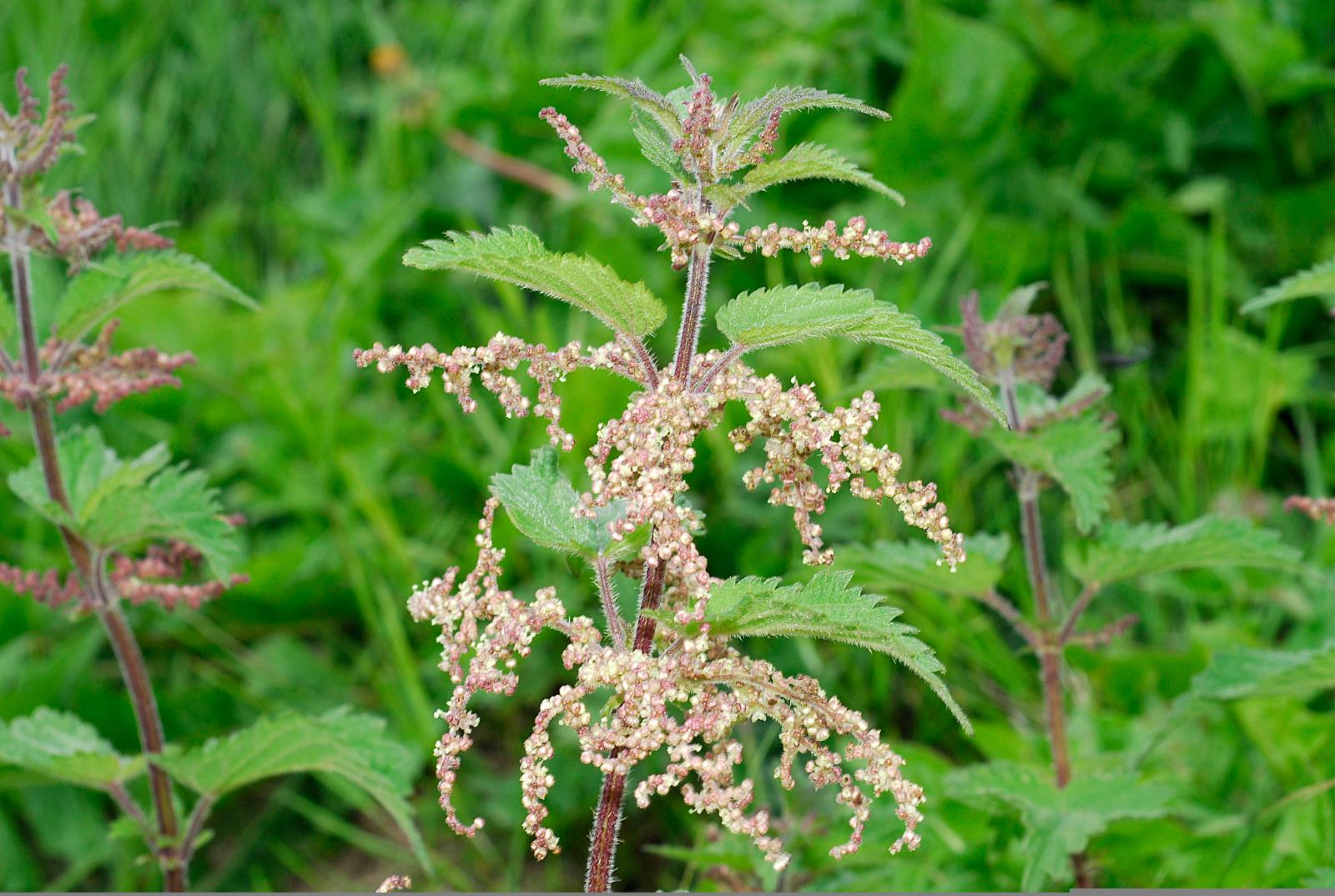

© photo
Robert H. Wardell · cc0
Pavel Komkov · cc0
Stephen James McWilliam · cc0
Taken May 6, 2022 by Gaël Covain (cc-by-sa)
Taken Aug 31, 2021 by Teocolo Dronogo (cc-by-sa)
Taken Aug 20, 2020 by Giode Tonpino (cc-by-sa)
Taken Sep 15, 2022 by Jacques Zuber (cc-by-sa)
Taken Dec 21, 2021 by Jeff B (cc-by-sa)
© copyright of the Board of Trustees of the Royal Botanic Gardens, Kew.




Global distribution
POWO accepts Urtica dioica L. as native from Europe to Siberia, western China and northwestern Africa, including France. Tela Botanica describes it as common throughout France and Corsica on uncultivated ground and nutrient-rich margins and woodland edges. Introductions occur outside the native range, but it is not classified as an invasive alien species in metropolitan France.
- Native12
- Introduced2
- Metropolitan France
- Corsica
- Great Britain
- Ireland
- Belgium
- Germany
- Italy
- Spain
- Central Europe
- Siberia
- Western China
- Northwestern Africa
- North America
- New Zealand
Hexagons: regions where the plant occurs. Green dots: native range.1
Identity
Stinging nettle (Urtica dioica L.) is a perennial in the Urticaceae family, published by Linnaeus in 1753. POWO, GBIF, WFO and Tela Botanica retain it as an accepted species in the genus Urtica, within the order Rosales. 1 2 3 4
English horticultural sources use common nettle as well as stinging nettle. Tela Botanica records the French standardized name Grande Ortie and the vernacular Ortie dioïque. Together these names describe a common, often tall perennial whose hairs sting at the slightest brush. 4 5 8
The epithet dioica describes a useful biological distinction: male and female flowers are generally borne on separate plants. Only female plants produce abundant achenes, the tiny dry fruits. A colony of either sex can nevertheless expand without seeds, through its rhizomes. 4 6
Native in France, this species is not classified there as a nationally invasive alien plant. That does not make it harmless in a flower bed. Rich, moist and little-disturbed soil can turn a small patch into a dense, stinging colony that is difficult to remove cleanly. 1 4 6
Recognition
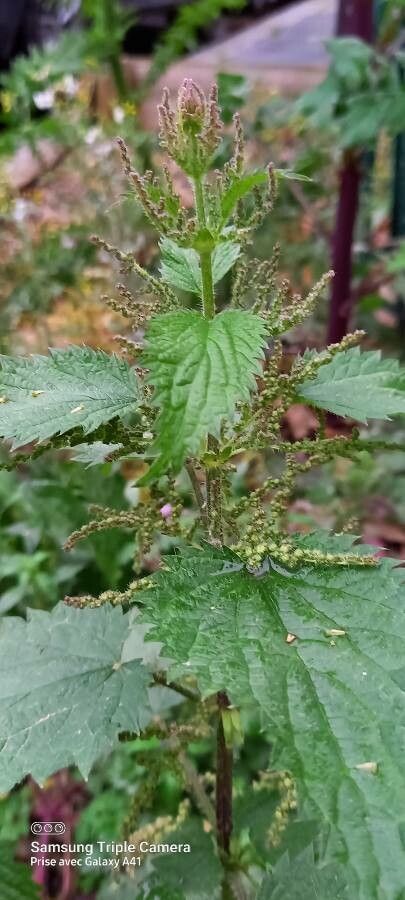
French floras often describe stinging nettle as 50 cm–1 m (20–39 in) tall, but it can exceed 1.5 m (5 ft) on very rich soils. Tela Botanica describes a dark green, bristly plant with a creeping rootstock, sturdy stems and large, toothed, oval leaves tapering to a point and slightly heart-shaped at the base. 4
Opposite leaves have stalks shorter than their blades. The margins carry conspicuous triangular or oval teeth, and narrow stipules sit at the leaf bases. NC State also records the opposite foliage, toothed margins and stinging hairs on both stems and leaves. 4 8
Stinging hairs are memorable, but pain alone cannot identify a nettle. Look for the combination of upright stems, opposite leaves, distinct teeth, greenish flower clusters and rich-soil habitat. Other Urticaceae and some hairy plants can cause irritation without being Urtica dioica. 8 6
Small green or cream flowers lack showy petals and form branching clusters much longer than the leaf stalks. Female clusters hang down as fruits develop. Pollination is mainly by wind, explaining why the flowers can function effectively in a dense colony without being visually attractive. 4 5
Habitat and range
Europe, Siberia, western China and northwestern Africa make up the broad native range given by POWO. France, Corsica, the British Isles, central Europe and many other Eurasian regions lie within it. Introductions are listed in the Americas, New Zealand and other temperate territories. 1
Tela Botanica describes the French habitat as uncultivated places throughout France and Corsica. More technically, it associates the plant with nutrient-rich perennial waste-ground and edge vegetation on moderately moist to moist soils. In practical terms, nettles favor rich, cool, nutrient-laden ground. 4
The RHS describes a common UK native of fertile soils, hedges, borders, open woods and waste ground. The horticultural implication extends to many gardens: a large nettle patch rarely indicates very poor, dry soil. It often reflects a local concentration of organic matter, compost, manure or disturbance. 6
The US Forest Service FEIS describes a rhizomatous herb of moist, riparian, wet or disturbed habitats, able to persist through both rhizomes and seeds. This capacity explains its behavior outside its native range. Although it is not an invasive alien in France, it forms colonies in gardens that provide moisture and nitrogen. 15 1
Dioecy, life cycle and reproduction
Persistent rootstocks and rhizomes allow stinging nettle to return year after year. Aboveground shoots restart in spring, grow quickly, flower mainly from late spring into autumn depending on climate and cutting, then die back in winter. Mown colonies can regrow low and dense; uncut patches produce tall flowering stems. 4 6
Separate sexes shape reproduction. Male plants release pollen, while female plants carry hanging fruit clusters and produce tiny achenes. This distinction may be hard to see outside flowering time, but it explains why neighboring clumps can behave differently when seeds begin to form. 4 6
Vegetative spread matters at least as much as seed production. Creeping rhizomes form broad patches, and fragments left in rich soil can regrow. Cutting limits height and seed formation but does not remove the rootstock. Shallow pulling often breaks rhizomes instead of removing the whole underground system. 6 15
Small nettle, Urtica urens, can cause confusion. The RHS describes it as a shorter, compact annual, often under 60 cm (2 ft), without the long hanging clusters of stinging nettle. It also stings, but its life cycle and overall shape differ from those of U. dioica. 7 6
Biodiversity and the garden
Nettles illustrate the wildlife value of a familiar weed. The Wildlife Trusts describes them as a food plant for small tortoiseshell and peacock butterfly caterpillars. Lady beetles find aphids on the stems, and seed-eating birds benefit from the autumn seed crop. 9
OSU Extension also records nettles as habitat and food for wildlife, including butterflies whose larvae feed on the leaves. This is a sound reason to retain an intentional patch near a hedge or compost area, provided it does not obstruct a path. 10 9
A clearly defined patch offers the best compromise: nettles away from circulation routes rather than scattered throughout the vegetable garden. A mown strip around the colony, cutting some stems before they seed and leaving others for insects can work together. The plant then becomes a managed ecological resource. 6 9
Containers offer an option in very small gardens. OSU Extension notes that nettles can grow in pots, while RHS advice emphasizes controlling roots to prevent spread. A large, heavy container limits rhizomes and allows careful observation and harvesting, though it needs more water than moist open ground. 10 6
Food and traditional uses
Food, fiber and medicine all belong to stinging nettle’s long history of use. Reliable foraging identification, medical advice and local permission to harvest remain separate requirements. POWO lists food, social, medicinal and poison uses; that breadth calls for precision rather than generalized recipes. 1
OSU Extension treats stinging nettle as a wild edible after preparation. It emphasizes tender young leaves, careful harvesting with gloves, and the fact that drying or blanching destroys the stinging hairs. Leaves become less useful as the plant ages and flowers. 10
FEIS also records boiled leaves as food, used in place of other green vegetables. A cautious approach remains limited to young shoots, reliable identification, an unpolluted collecting site and preparation that neutralizes the hairs. These food records provide no basis for a treatment course or dosage. 15 10
Medicinal uses belong to regulated or traditional preparations rather than casual household treatment. The EMA distinguishes nettle leaf or herb monographs from nettle root monographs, each with its own preparations, indications, populations and precautions. Neither leaves, roots nor seeds should be turned into a general health recommendation. 11 12
Mature stems supply another traditional resource: fiber. OSU Extension notes their use for rope, fabric and nets. This textile history concerns the older fibrous stems, in contrast to the tender leaves associated with food use, and shows the range of materials obtained from the plant. 10 1
Stinging hairs and safety
Skin contact is the main gardening hazard. University of Utah Poison Control classifies stinging nettle as a skin irritant. NC State describes low human toxicity from contact with the hairs, causing irritation, burning, redness and itching. 13 8
Fragile hairs act like tiny needles. When broken, they pierce the skin and release irritating substances. LiverTox records rash and hives from fresh raw leaves, while culinary processing destroys the stinging structures. This distinguishes irritating fresh material from prepared food; it does not support eating raw nettles. 14 10
For children, placement matters especially. A patch behind a hedge can be suitable, whereas a clump beside a swing or a narrow path is poorly placed. Thin gloves may not provide enough protection. Thick gardening gloves, long sleeves and cutting away from the face reduce contact. 13 6
For cats, dogs and horses, the references used here provide no reliable direct ASPCA-style classification. Their status therefore remains unknown, with caution about animal skin contact. An animal brushing against a clump may become irritated; unusual ingestion or marked symptoms call for veterinary advice rather than a home remedy. 8 13
Garden management
Decide what needs to change before removing a nettle patch. Where access is the issue, moving the boundary or cutting regularly may be enough. In a cultivated bed, removing rhizomes as completely as possible and monitoring regrowth is necessary. The RHS distinguishes cutting top growth from longer-lasting root management. 6
Repeated mowing weakens a colony and prevents tall stems from seeding, but also removes some resources for insects. In a wildlife garden, rotational cutting can balance these aims: cut one half, leave the other standing, then reverse the areas later if needed. 9 6
Use a garden fork to lift brittle rhizomes instead of simply pulling stems. Do not discard root pieces on moist garden soil where they can regrow. Aboveground growth cut before seed formation can go into properly heating compost, but it should still be handled with protection rather than bare hands. 6 15
On very fertile ground, removing nettles without changing the conditions often leaves room for another nitrogen-loving plant. Reducing inputs, avoiding open compost piles against beds, mulching carefully and planting suitable competitors can help limit the return of large colonies. 6 4
Look-alikes and related species
Urtica urens, small nettle, is the most frequent source of confusion. The RHS describes a compact annual generally below 60 cm (2 ft), without the long hanging clusters of U. dioica. A shared common name is insufficient for foraging or management: life cycle, size, flowers and habitat all matter. 7 6
Within Urtica dioica, infraspecific treatments vary between regions and references. POWO lists several accepted subspecies and varieties, while Tela Botanica records subspecies used in French floristic treatments. The species name remains the most robust general reference, with finer identification checked against the relevant local flora. 1 4
North American taxonomy needs particular care because some plants long included in U. dioica may be separated in different databases. GBIF and WFO help clarify nomenclature, but a North American gardener should consult a local flora before applying a European description to every native nettle. 2 3 15
Not every stinging plant is an edible nettle. Tropical Urticaceae, spurges, members of Boraginaceae and other very hairy plants may cause irritation or misidentification. Safe identification therefore begins before cooking: check the botanical name, habitat, opposite leaves, flower clusters, lack of contamination and confirmation from local expertise. 8 10
Main sources
- Plants of the World Online / Kew, Urtica dioica L.
- GBIF Backbone Taxonomy, Urtica dioica L.
- World Flora Online, Urtica dioica L.
- Tela Botanica eFlore, Urtica dioica L.
- Royal Horticultural Society, Urtica dioica
- Royal Horticultural Society, Stinging Nettles
- Royal Horticultural Society, Urtica urens
- NC State Extension Gardener Plant Toolbox, Urtica dioica
- The Wildlife Trusts, Stinging nettle
- Oregon State University Extension, Wild Edibles: Stinging Nettle
- European Medicines Agency, Urticae folium
- European Medicines Agency, Urticae radix
- University of Utah Poison Control, Stinging Nettle
- NIH LiverTox, Stinging Nettle
- US Forest Service FEIS, Urtica dioica
Frequently asked questions
Is stinging nettle native to France?
Yes. POWO includes France in its native range, and Tela Botanica describes it throughout France and Corsica on uncultivated ground and in rich margins, waste ground and woodland edges.
What does dioica mean in the name?
Male and female flowers are generally carried on separate plants. This dioecy explains the name Urtica dioica, although floras sometimes record less strictly separated arrangements.
Is stinging nettle invasive?
In France it is native and is not treated as a nationally invasive alien species. In gardens, however, it can spread aggressively through rhizomes and seedlings where the soil is rich.
Can you eat stinging nettle?
Young shoots are used as food in several traditions, but only after reliable identification and preparation that neutralizes the stinging hairs. Traditional food use is not advice on medical treatment or dosage.
How should I handle the stinging hairs?
Avoid contact. Wear gloves and long sleeves and use clean tools. The hairs mainly cause local irritation; seek medical help for a significant reaction, eye exposure or feeling unwell.
How does it differ from Urtica urens?
Urtica urens, or small nettle, is a shorter, compact annual without the long hanging flower clusters typical of stinging nettle. It can also sting strongly and needs separate identification when foraging.
Should I remove every nettle from my garden?
Not necessarily. A well-placed nettle patch can support caterpillars, aphids, lady beetles and seed-eating birds. Keeping a small defined patch away from paths is often a useful compromise.
Is stinging nettle toxic to pets?
The references mainly document contact irritation and human food use after preparation, rather than a direct veterinary classification such as an ASPCA listing for cats, dogs or horses. Their status remains unknown, with general caution advised.
Similar plants
If you are unsure about a plant’s toxicity, ask a botanist or veterinarian for advice.