
Spearmint (Mentha spicata, )
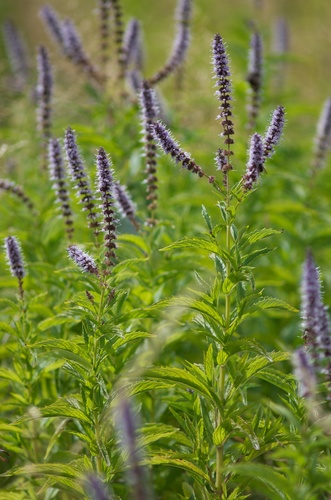
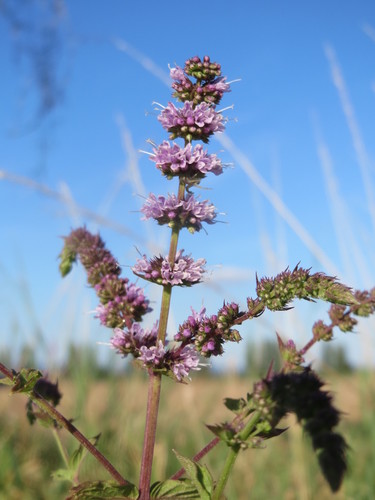
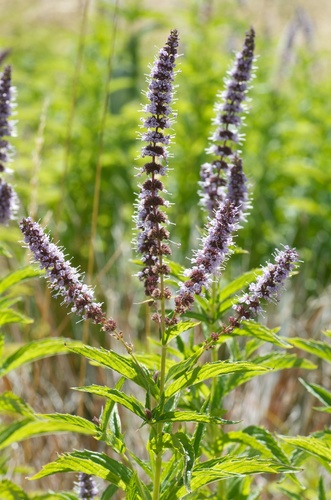
Spearmint (Mentha spicata) is a perennial in the mint family, Lamiaceae, described by Linnaeus in 1753. Its specific epithet refers to the flower spikes, a helpful feature once the plant is in bloom.
Read moreGarden mint and Mentha spicata
Allow a few hours of direct sun per day, preferably morning or evening.
Global distribution
Spearmint is widely cultivated, naturalized and hybridized, so the map calls for caution: presence does not always mean strict native origin.
- Native2
- Introduced1
- France
- United Kingdom
- United States
Hexagons: sourced regions. Green dots: native range. Statuses according to POWO (Kew).
Identity
Spearmint is Mentha spicata, a rhizomatous perennial in the mint family, Lamiaceae. It is best thought of as a plant of moist ground that spreads fast, not as a small, well-behaved herb. 1 2
Names such as spearmint and garden mint describe its aroma, but the genus Mentha is full of hybrids. The binomial keeps a common kitchen mint from being mistaken for a more problematic species such as pennyroyal. 3 4
Recognition
Square stems and opposite, toothed leaves, often nearly stalkless, set it apart, along with a scent softer than peppermint. Mauve or whitish flower spikes confirm the identification in season. 5 6
In the garden, the key trait lies underground: the rhizomes quickly take over a planter or a bed. A mint that looks modest in spring can dominate by summer if nothing holds it back. 4 6
Useful taxonomy
POWO treats Mentha spicata as the accepted name, yet hybrids and horticultural names remain common in the genus. Scent alone cannot separate spearmint, peppermint and cultivated forms. 1 7
- Mentha viridis L.
- Mentha spicata var. crispa Benth.
A plain "mint" in a recipe or on a nursery tag should therefore be checked against the scientific name whenever toxicity, medicinal use or vigor matter. 1
Habitat and range
Moist soils, damp margins and light that does not scorch suit spearmint best. It copes with wet conditions better than a Mediterranean herb, though it still needs air around it and soil that does not stay waterlogged. 1 5
In cultivation, the choice of container often matters most: a pot, a planter or a root barrier. Morning sun and steady watering give a more tender plant than dry full sun. 6 4
Life cycle and reproduction
Top growth returns in spring, spreads through summer, flowers in spikes and then dies back with the cold. The rhizomes carry the plant through to the next season, which is why it counts as a perennial. 5 6
Division and cuttings keep the aroma of a selection more reliably than seed does. A single rooted piece can rebuild a full clump. 6
Uses and risks
Its leaves flavor drinks, sauces, desserts, herbal teas and dishes from European and Middle Eastern cooking. Picking before flowering is well advanced usually keeps the scent fresher. 4 6
The ASPCA lists the genus Mentha as toxic to cats, dogs and horses after large ingestions, with the essential oils as the main hazard. A culinary leaf does not carry the same level of exposure as a concentrated essential oil. 8
Varieties, look-alikes and related plants
Moroccan, Kentucky Colonel, Crispa and Nana are selections for aroma, leaf shape and vigor. What they share is the need to manage spread: picking a cultivar is no substitute for a well-planned container. 6 5
Common look-alikes include:
- Mentha × piperita, peppermint, a hybrid with a stronger menthol scent
- Melissa officinalis, lemon balm, a different genus in the Lamiaceae
- Mentha suaveolens, with downier leaves and a different scent
Sorting them works best by scientific name, smell, leaf hairiness, spike shape and rhizome behavior. 2
Checkpoints
Judge spearmint as a perennial of moist soil, not a dry rock-garden herb. A productive clump keeps supple stems, tender leaves and a clean scent when crushed. If the leaves turn small, tough or crisp at the edges, harsh sun, a cramped pot or irregular watering is usually to blame. 6
Before planting it in open ground, settle how it will be contained:
- a heavy pot or a planter with drainage holes, to hold moisture without waterlogging;
- regular division to renew the young shoots;
- harvesting before heavy flowering, for more tender foliage;
- cutting right back if rust appears or stems look tired, with regrowth coming from the rhizomes.
Underground vigor is the deciding factor. A small division can invade neighboring plants within a few weeks of active growth, especially in rich, moist soil. In a planter that same strength becomes an asset, since it makes the plant easy to rejuvenate and healthy pieces easy to share. With animals, the concern is mainly large ingestions and concentrated essential oils; strong preparations call for more care than a few culinary leaves. 8 4
At harvest, cut whole shoot tips rather than stripping a few old leaves. The plant then branches with softer side shoots, and the pot stays dense instead of producing long, hard, weakly scented stems. 6
Main sources
Frequently asked questions
Is spearmint invasive?
Yes, its rhizomes spread quickly; a pot or a root barrier is often the best care you can give it.
Is mint toxic to animals?
The ASPCA lists the genus Mentha as toxic after large ingestions, mainly because of its essential oils.
When should mint be harvested?
Before flowering is well underway, while the leaves are young and fragrant.
Similar plants
Botanical data compiled from reference sources (RHS, Kew Gardens, POWO). This profile is for guidance only and is not a substitute for advice from a botanist or veterinarian if you have concerns about toxicity.