
Sweet basil (Ocimum basilicum, )
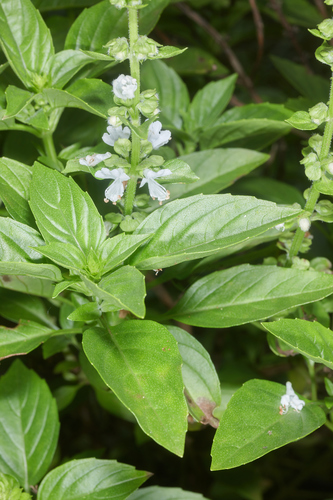
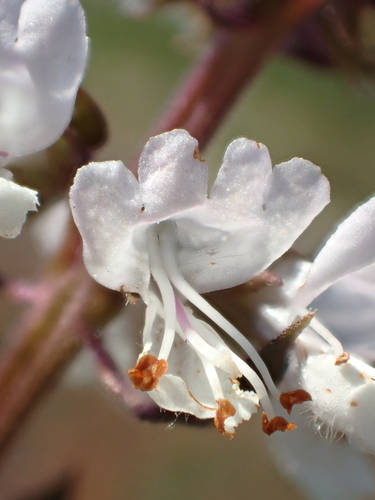
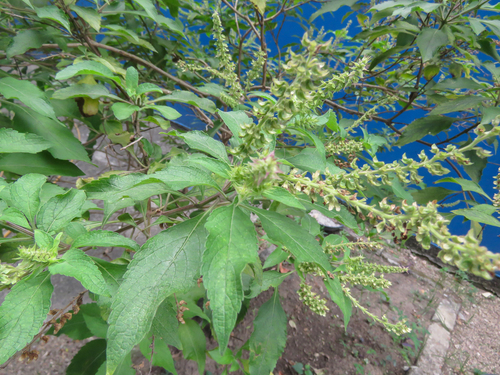
Sweet basil (Ocimum basilicum) is an annual or tender subshrub in the mint family, Lamiaceae, described by Linnaeus in 1753. It is identified as much by its square stem and opposite leaves as by a scent rich in aromatic compounds.
Read moreBasil, Common basil and Genovese basil
Place in full sun, with intense direct light all day long.
Global distribution
Basil is an aromatic herb with a long history of cultivation, grown widely in warm-climate cuisines. Its probable area of origin, the regions where it is cultivated and its culinary names are therefore kept apart.
- Cultivated4
- India
- Thailand
- Italy
- France
Hexagons: sourced regions. Green dots: native range. Statuses according to POWO (Kew).
Identity
Cultivated sweet basil is Ocimum basilicum, a warm-season member of the Lamiaceae that is usually grown as an annual. It is recognized as much by its square stem and opposite leaves as by its scent, which varies widely from one selection to the next. 1 2
Genovese, Thai, lemon and purple basil should not be treated as separate species at first glance. They are primarily profiles of aroma, color and use within O. basilicum or a closely related group. 3 4
Recognition
Square stems carry opposite, soft leaves that are oval to lance-shaped, and flower spikes appear once the plant bolts. Crushing a leaf helps, but scent should never be the only test, since several aromatic Lamiaceae look alike. 5 6
Flowering often marks a change in leaf texture and flavor. Pinching out the tips keeps the plant bushier and delays seed set. 4 6
Useful taxonomy
POWO treats Ocimum basilicum as the accepted name. Cultivar names are handy in the kitchen, but the binomial is still needed to avoid mixing up sweet basil, holy basil and other species in the genus. 1 7
- Ocimum basilicum var. minimum L.
- Ocimum caryophyllatum Roxb.
A label reading simply "basil" tells you nothing reliable about flavor or culinary use; check the cultivar or smell the plant. 1
Habitat and range
Basil is a plant of heat and light, grown worldwide in vegetable gardens and containers. Its origin and cultivation history are complex, but the practical need is simple: keep it away from cold, deep shade and soggy soil. 1 5
Care follows the logic of a tender herb: strong light without prolonged stress, regular watering with good drainage, and frequent harvests. A plant that stretches is usually short on light or has been allowed to flower. 6 4
Life cycle and reproduction
The life cycle is quick: warm sowing, leafy growth, pinching, flower spikes, then seed. Where winters bring frost, treating it as an annual is more useful than describing a perennial that only survives in frost-free conditions. 5 6
Seed is the main method of propagation, and soft stem cuttings also root easily in warm weather. That speed means replacing plants makes more sense than nursing a spent one along indefinitely. 6
Uses and risks
Most basil is used fresh: pesto, salads, sauces, infusions, and Mediterranean or Asian cooking. Harvesting regularly before full bloom generally keeps the leaves more tender and aromatic. 4 6
The ASPCA lists basil as non-toxic to cats and dogs, while its status for horses is not given in the data consulted. Caution applies mainly to concentrated essential oils, which cannot be dosed like a culinary leaf. 8
Varieties, look-alikes and related plants
Genovese, Thai, purple, lemon and cinnamon types each suit different uses. When choosing, plant size matters less than the flavor you want and when you plan to harvest. 6 5
Frequent mix-ups involve:
- Ocimum tenuiflorum, holy basil, with a different scent and cultural status
- Perilla frutescens, an aromatic Lamiaceae often purple, in another genus
- Mentha spicata, also with opposite leaves, but a minty scent and rhizomes
To tell basil from mint, lemon balm or other Lamiaceae, combine square stem, leaf, inflorescence, scent and botanical label. 2
Checkpoints
Basil performs best when managed as a plant to be replaced, not as a small permanent shrub. A young, branching plant usually beats a single tall stem: pinch just above a pair of leaves, let two shoots take over, then harvest regularly before the flower spikes take charge. This keeps the plant compact and delays the toughening of the leaves. 6
Stress shows quickly in the foliage. Limp leaves often point to a lack of water or a pot that is too small; leaves that blacken after a cool night suggest cold damage; a pale, leggy plant needs more light. On the other hand, sudden full sun behind glass can scorch a plant fresh from the garden center. Aim for strong light, steady warmth and a mix that stays moist without turning heavy. 5 6
In the kitchen, the cultivar matters as much as the species: a Thai, lemon or cinnamon basil will not always stand in for Genovese in pesto. Tasting a healthy, unsprayed leaf is more reliable than buying from the label photo alone. 4
By late summer, or whenever nights start to cool in your climate, a heavily flowering plant can still earn its place: leave a few spikes for pollinators or seed, then replace tired plants with young seedlings or cuttings. This rotation gives a cleaner harvest than an old, stunted plant kept too long. 6
Main sources
Frequently asked questions
Should you pinch off basil flowers?
Yes, if you want tender leaves; leave only a few flower spikes for pollinators or seed.
Is basil toxic?
The ASPCA lists it as non-toxic to cats and dogs; avoid concentrated essential oils.
Why is my basil turning black?
Cold, standing water or transplant shock are the most frequent causes.
Similar plants
Botanical data compiled from reference sources (RHS, Kew Gardens, POWO). This profile is for guidance only and is not a substitute for advice from a botanist or veterinarian if you have concerns about toxicity.