
Tomato (Solanum lycopersicum, )
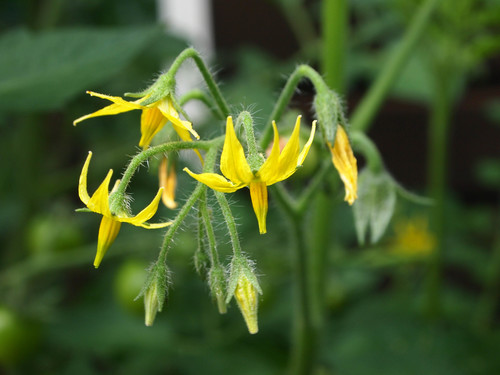
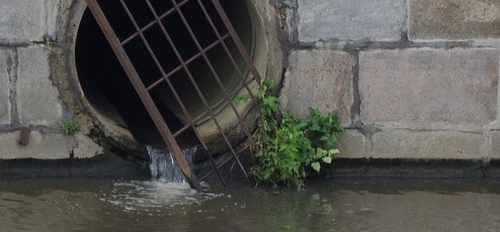
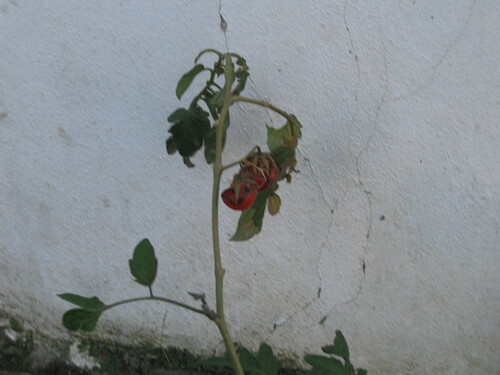
The tomato (Solanum lycopersicum) is a member of the nightshade family, Solanaceae, described by Linnaeus in 1753. POWO treats it as a cultigen linked to Peru, while GBIF settles the accepted name within the genus Solanum.
Read moreGarden tomato and Love apple
Place in full sun, with intense direct light all day long.
Global distribution
The cultivated tomato is a worldwide cultigen. Its history separates Andean wild relatives, Mesoamerican domestication and modern horticultural spread, so its origin cannot be pinned to a single country.
- Observations109.3K
- Native range2
- Perunative
- Ecuadornative
Yellow-orange dots: concentration of documented observations by country. Green countries: sourced native range. GBIF source · Native range according to POWO (Kew).
Identity
The cultivated tomato is Solanum lycopersicum, a nightshade whose ripe fruit is food while the green plant calls for caution. The part you eat has to be kept separate from the rest of the plant. 1 2
Tomato, garden tomato and the old love apple tell a two-sided story: a berry that became a global staple, and an earlier ornamental curiosity. When cultivars blur shape, color and use, the scientific name stays the fixed point. 3 4
Recognition
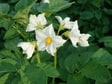
Hairy, brittle stems carry strongly scented compound leaves and small clusters of yellow flowers. Crush a leaf: that green smell often confirms a young plant better than any photo of the fruit. 5 6
The fruits are berries whose size, shape and color vary widely by cultivar. Determinate or indeterminate habit changes how the plant is trained, not the basic botanical diagnosis. 4 6
Useful taxonomy
Older catalogs still use Lycopersicon esculentum, but POWO and GBIF place the tomato firmly in the genus Solanum. That correction stops tomato, potato and other nightshades from being artificially split apart when assessing risk. 1 7
- Lycopersicon esculentum Mill.
- Lycopersicon lycopersicum (L.) H.Karst.
- Solanum esculentum Dunal
Moving back into Solanum groups the tomato with plants whose green parts are toxic; it does not make the leaves edible. 1
Habitat and range
Andean wild relatives, domestication in Mesoamerica and worldwide horticultural spread all feed into the origin of the cultivated tomato. Calling it a cultigen is more accurate than tying it to one modern country. 1 5
Growing it takes heat, sun and fertile soil, because the plant grows fast and fruits heavily. Frost, wet foliage and swings in watering cause more trouble than a lack of fertilizer. 6 4
Life cycle and reproduction
Wherever winters bring frost, tomatoes are grown as annuals: sown indoors in warmth, planted out once frost risk has passed, then flowering, fruiting and dying back with the cold. In frost-free climates the plant can persist as a perennial, though disease pressure builds up. 5 6
Seed remains the standard method. Suckers root easily, which helps multiply a plant, but they are no substitute for proper selection of clean, healthy seed. 6
Uses and risks
As food, it is the ripe fruit that counts, fresh or processed. Keep the distinction clear: in the kitchen it is a vegetable, in botany a berry. 4 6
The ASPCA lists the tomato plant as toxic to cats, dogs and horses. The green parts and some unripe fruit contain glycoalkaloids; ripe fruit as normally eaten has to be considered separately from the foliage. 8
Varieties, look-alikes and related plants
Roma, cherry, beefsteak or Black Krim mostly describe a use, a fruit shape or a selection. To identify the plant itself, the leaves, yellow flower and glandular smell are more reliable than a trade name. 6 5
Common look-alikes include:
- Solanum pimpinellifolium, the wild currant tomato, with tiny fruits
- Solanum nigrum, black nightshade, with black berries that are risky to eat, depending on context
- Physalis peruviana, with fruit inside a papery calyx, a different Solanaceae genus
Mix-ups with nightshades and physalis are settled by combining leaf, flower, smell, fruit and scientific name. 2
Growing checkpoints
Knowing the plant on sight is only half the job with tomatoes; you also need to understand how it grows. A determinate plant concentrates its crop and needs little pruning, while an indeterminate one keeps lengthening its stems and needs a stake, ties and good airflow. Either way, full sun and steady watering matter more than heavy feeding. 6
- At planting: burying part of the stem encourages rooting, provided the soil is neither cold nor waterlogged. Mulch laid once the soil has warmed evens out swings in moisture.
- During the season: water at the base, keep the foliage dry and space plants out. These habits reduce pressure from late blight and early blight without guaranteeing full protection.
- On the fruit: blossom-end rot often comes from water stress that leaves calcium unavailable, not simply from a calcium shortage in the soil. Steady watering is the priority. 6
The toxicology is clear-cut: ripe fruit is the edible part, while foliage, stems and green fruit hold more glycoalkaloids. The same distinction explains why tomato and potato share family risks without sharing uses. 8 4
To pick a variety, start from how you will use it: cherry tomatoes for frequent picking, meaty fruit for sauce, early varieties where summers are short. That way you avoid forcing the same size, staking and schedule on plants that run at different speeds. 6
Main sources
- Plants of the World Online / Kew, Solanum lycopersicum
- International Plant Names Index, Solanum lycopersicum
- GBIF Backbone Taxonomy, Solanum lycopersicum
- Wikidata, Solanum lycopersicum
- Wikipedia FR, Tomate
- Wikipedia EN, Solanum lycopersicum
- NC State Extension, Solanum lycopersicum
- ASPCA, Tomato plant toxicity entry
Frequently asked questions
Are tomato leaves toxic?
Yes. The green parts contain glycoalkaloids; the ripe fruit is the part that is eaten.
What causes blossom-end rot on tomatoes?
It often comes from water stress, which leaves calcium unavailable to the developing fruit.
Is the tomato an annual?
Botanically it is a perennial in warm climates, but it is grown as an annual in temperate ones.
Similar plants
Botanical data compiled from reference sources (RHS, Kew Gardens, POWO). This profile is for guidance only and is not a substitute for advice from a botanist or veterinarian if you have concerns about toxicity.