
Potato (Solanum tuberosum, )
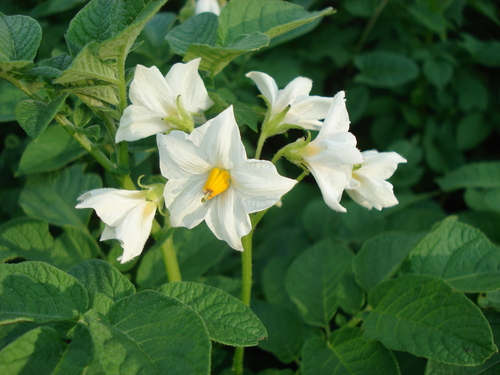
Potato (Solanum tuberosum) is a tuberous member of the Solanaceae from the Andes, grown as an annual for its starchy tubers. Sound, ungreened tubers are the food-bearing organs; leaves, stems, berries, sprouts and tubers exposed to light can concentrate toxic glycoalkaloids.
Read morePotato, Irish potato, White potato and Common potato



© photo
(c) dmitry tretjakov, some rights reserved (CC BY-NC), uploaded by dmitry tretjakov · cc-by-nc
Paula Greer · cc0
Alice Shanks · cc-by
Taken Oct 29, 2022 by Osti Lorenzo (cc-by-sa)
Taken Nov 21, 2017 by Dieter Albrecht (cc-by-sa)
Taken Jan 1, 1800 by Tela Botanica − Daniel MATHIEU (cc-by-sa)
Taken Dec 15, 2019 by Kabbaj Salma (cc-by-sa)
Taken Dec 11, 2019 by Le chat (cc-by-sa)
© copyright of the Board of Trustees of the Royal Botanic Gardens, Kew.




Global distribution
POWO/WCVP records a broad native South American range from Argentina and Chile to Colombia, Peru and Venezuela. Modern cultivation is worldwide, with introductions recorded in Europe, including France.
- Native4
- Introduced1
- Peru
- Bolivia
- Chile
- Colombia
- France
Hexagons: regions where the plant occurs. Green dots: native range.1
Identity
Potato (Solanum tuberosum L., 1753) is a member of the Solanaceae described by Linnaeus. POWO and GBIF place it in Solanum, alongside tomato and other vegetable crops in the family. Its harvested organ is an underground stem tuber, rather than a fruit. 1 3 2
The everyday name potato, also known as Irish potato, refers to the edible tuber. Despite the similar name, sweet potato is Ipomoea batatas, a plant in a different family. Potato belongs to the nightshade family, a relationship reflected in the toxicity of its green parts. 4 3
Keep the whole plant distinct from the edible harvest. Leaves, flowers and sometimes poisonous berries grow above ground, while sound, ungreened tubers provide food. Treating every part of the plant as a vegetable would be a dangerous mistake. 4 6
Recognition
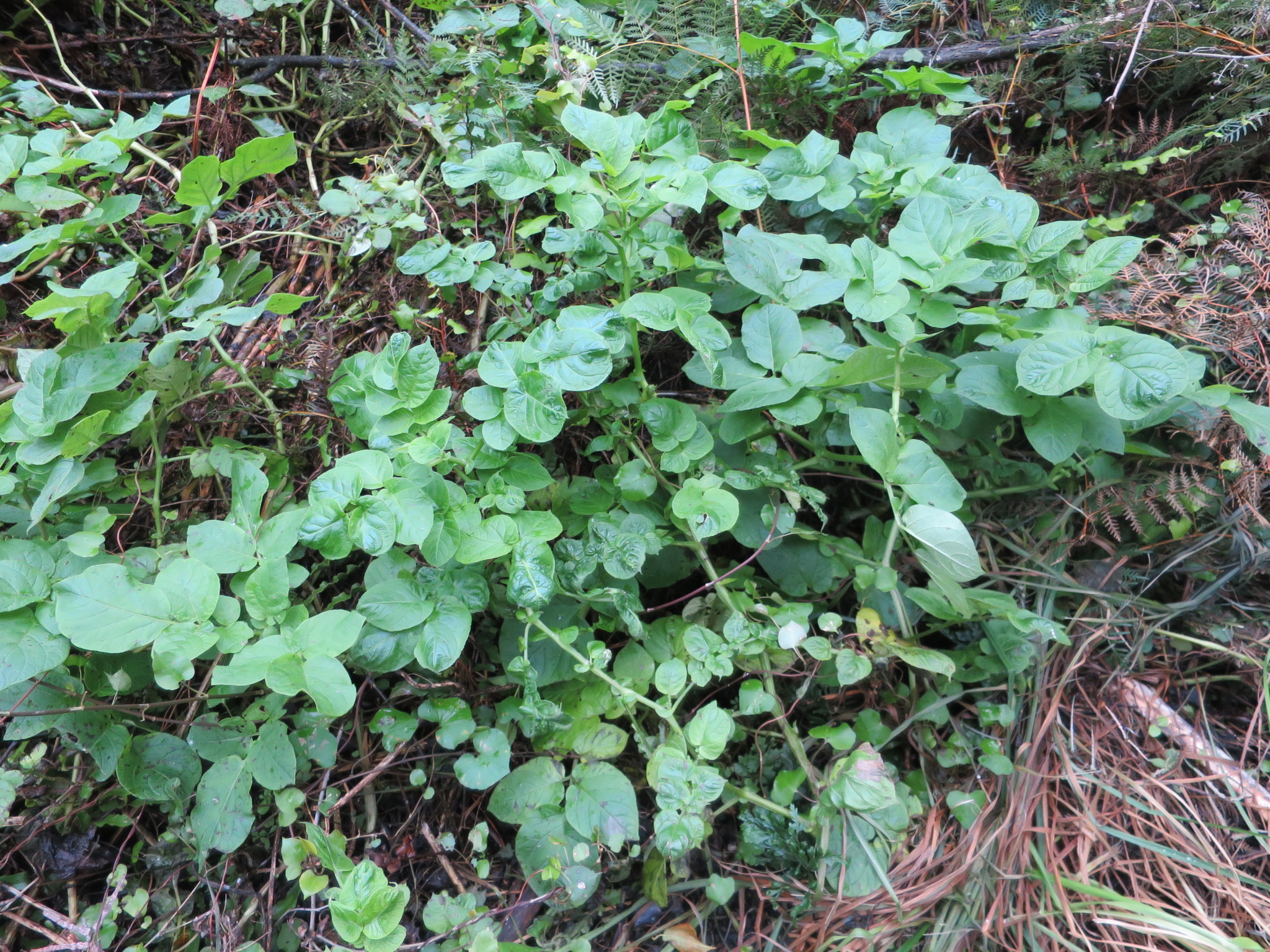
An upright to somewhat spreading herb, potato is often cultivated as an annual. Its green stems may be winged or hairy; alternate compound leaves have several main leaflets with smaller leaflets between them. NC State notes that the foliage dies back once the tubers have matured. 6 5
Star-shaped flowers show the typical nightshade pattern, with white, pink, purple or blue petals and yellow anthers. Flowering may be followed by a small, round, greenish-yellow berry resembling a miniature tomato. This berry is distinct from the tuber and must not be eaten. 4 6
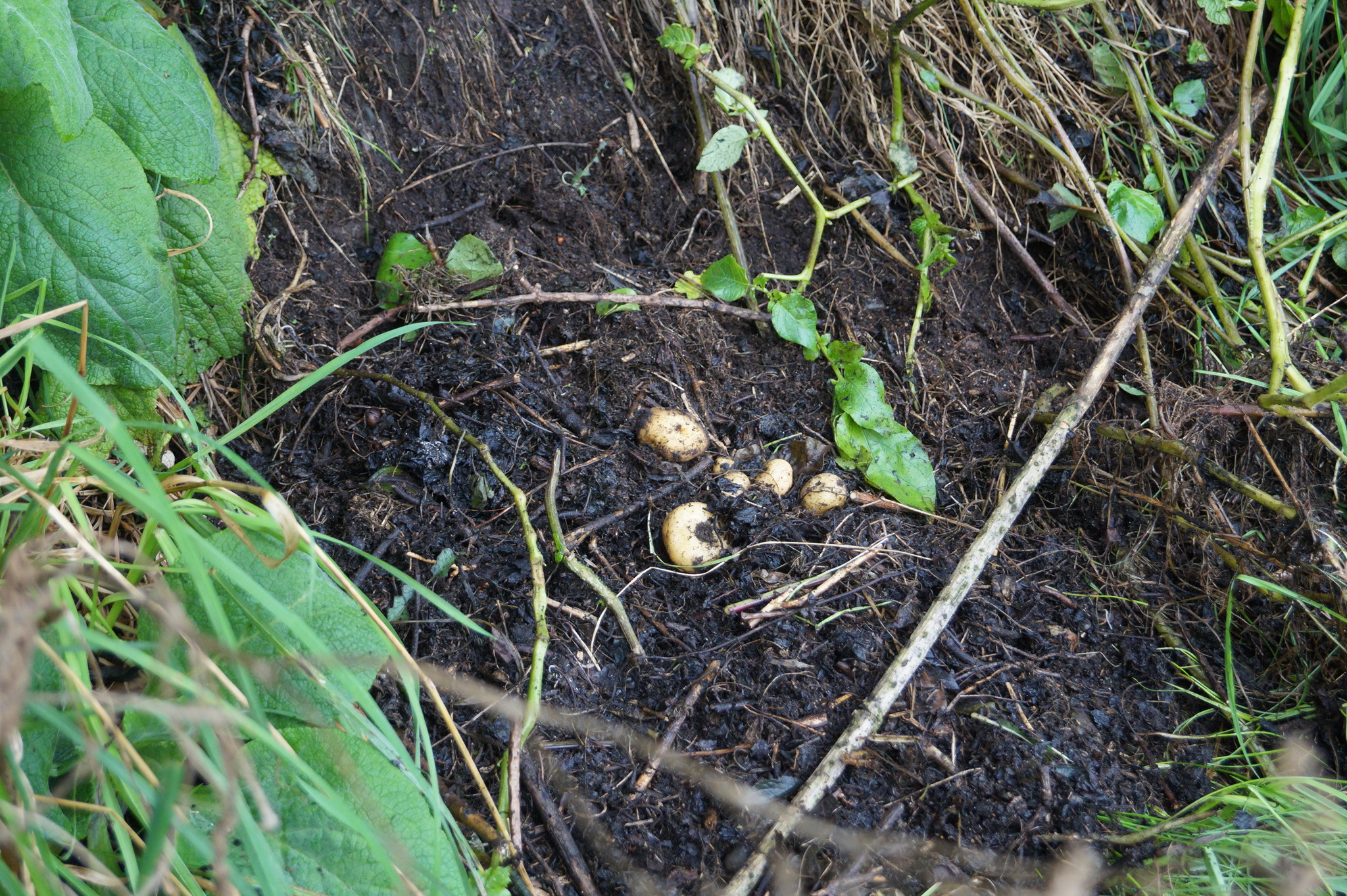
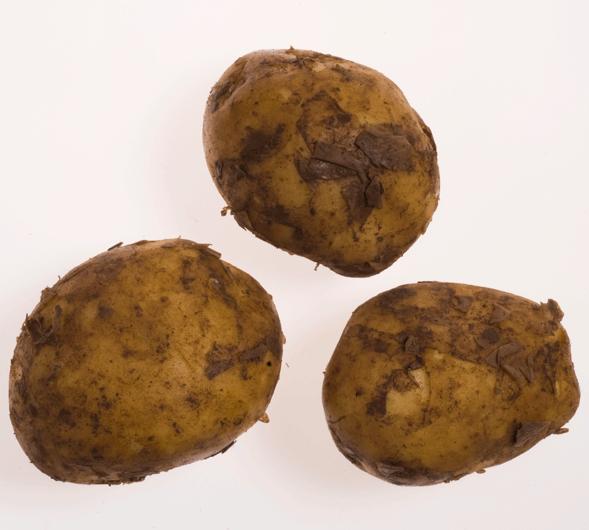
Underground stolons provide the clearest identifying feature: they carry tubers whose size, color and shape vary greatly by cultivar. The RHS describes tubers as modified underground stems. Calling them roots may be familiar in cooking, but is botanically inaccurate. 5
Useful taxonomy
Botanical references anchor the crop to Solanum tuberosum L. IPNI traces the name to Species Plantarum in 1753, and POWO/WCVP treats it as accepted, with extensive synonymy. The many synonyms reflect the complex history of cultivated potatoes rather than separate crops. 2 1
Historical names and closely associated names include:
- Lycopersicon tuberosum (L.) Mill., a historical name;
- Solanum tuberosum var. vulgare Hook.f., a historical varietal name;
- Solanum andigenum Juz. & Bukasov, a name associated with Andean potatoes;
- Battata tuberosa (L.) Hill ex B.D.Jacks., another historical name.
Gardeners usually gain more from a cultivar name than from this synonym list. Botanical identification, however, still rests on the binomial Solanum tuberosum L. 1 3
Habitat and range
Kew and the FAO locate potato domestication in the South American Andes, with an ancient center around Lake Titicaca. POWO records a broader botanical native range extending from Argentina and Chile to Colombia, Peru and Venezuela. 4 8 1
Worldwide cultivation now extends far beyond that origin. POWO records introductions in many territories, including France, where no invasive status is retained here. Cultivation or introduction alone does not establish that a species is invasive. 1
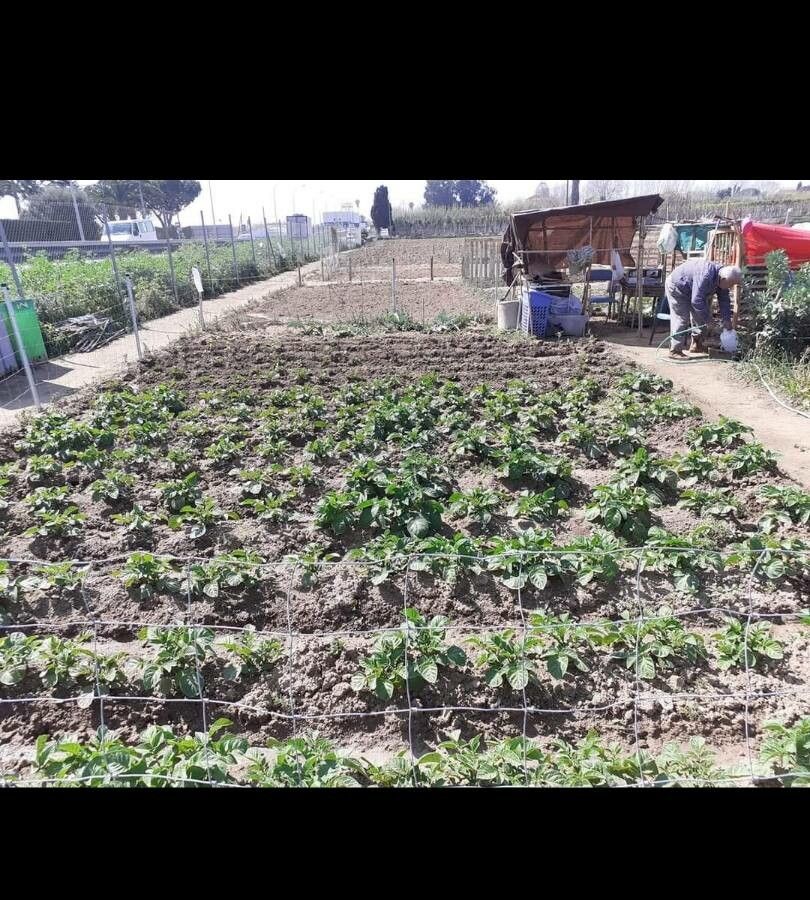
For growing purposes, potato suits a cool to temperate season: full sun on the foliage, loose, well-drained soil and regular moisture. Hilling keeps tubers dark. The FAO emphasizes rotating with other crops over several years to reduce losses from pests and soilborne diseases. 7 5
Life cycle and cultivation
Although a tuberous perennial, potato is grown as an annual in temperate climates. Seed tubers are planted after frost; foliage develops, then stolons and tubers form, followed by harvest as the foliage declines. The RHS describes propagation from pre-sprouted tubers, commonly called seed potatoes. 5
Cool, aerated soil supports tuber formation. The FAO gives a pH range of about 5–6 and describes growing on ridges or level ground according to water conditions. Water shortages during tuber initiation and swelling can substantially reduce yield. 7
Hilling serves a practical purpose beyond tradition. Pulling soil or mulch around stems shields shallow tubers from light and limits greening. It also helps protect some of the crop from temperature fluctuations and mechanical damage. 5 7
Uses and risks
Food use is restricted to sound, ungreened, properly prepared tubers. Kew highlights their global importance as a staple, while the FAO describes their place in diets and farming heritage. That importance does not make other organs edible. 4 8
Green potato tissues require particular caution. Kew reports toxic glycoalkaloids in green parts, including tubers exposed to light. NC State classifies the berries as highly poisonous and includes leaves, stems, fruits and underground parts among the organs of concern. Sound tubers are food; berries and green tissues are not. 4 6
NC State identifies potato as a concern for cats, dogs and horses. Its warning, together with the USDA NRCS account of solanine, supports caution around animals; the public ASPCA material consulted for the French source provided no usable dedicated potato entry. 6 11
In practice, never taste the berries or feed foliage or sprouts to animals. Exclude green tubers from food, and seek medical or veterinary advice after significant ingestion of any green part. 11 5
Varieties, look-alikes and related plants
Kew mentions more than 5,000 varieties, while the RHS distinguishes early potatoes from maincrops, which grow longer and produce a larger harvest. These horticultural groups describe timing, culinary use or storage rather than separate species. 4 5
Other nightshade crops cause the most likely confusion. Tomato shares the genus and several diseases, but produces edible berries rather than tubers. Eggplants and some peppers also have characteristic Solanaceae flowers, without stolon-borne tubers. 3 6
Two problems worth recognizing early are late blight and Colorado potato beetle. NDSU describes late blight, caused by Phytophthora infestans, as affecting foliage and tubers. NC State lists Colorado potato beetles, aphids, leafhoppers, wireworms and potato tuber moths among pests to watch. 9 10
Main sources
- Plants of the World Online / Kew, Solanum tuberosum L.
- International Plant Names Index, Solanum tuberosum L.
- GBIF Backbone Taxonomy, Solanum tuberosum L.
- Kew Plant Profile, Potato - Solanum tuberosum
- Royal Horticultural Society, Solanum tuberosum
- NC State Extension Gardener Plant Toolbox, Solanum tuberosum
- FAO Land & Water, Potato crop information (Solanum tuberosum), Internet Archive capture 24 June 2026
- FAO, The potato's travel through ages and continents
- NDSU Extension, Late Blight in Potato
- NC State Extension Publications, Pests of Potato
- USDA NRCS Illinois, Illinois Grazing Manual Fact Sheet: Potato (2006), Internet Archive copy dated 9 February 2026
Frequently asked questions
Is a potato a root?
No. Tubers develop on underground stolons, which are specialized stems, even though they are harvested below ground.
Which parts of a potato are edible?
Only sound, ungreened, properly prepared tubers are food. Leaves, stems, berries, sprouts and green parts are not edible.
Why should potatoes be hilled up?
Hilling keeps tubers in darkness, reduces greening and protects tubers growing near the surface.
Can potatoes and tomatoes be planted in the same place?
Crop rotation is preferable: both belong to the Solanaceae and share diseases such as late blight.
Are the small tomato-like berries edible?
No. NC State describes the aboveground berries as poisonous; do not taste them.
Similar plants
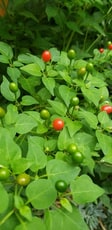
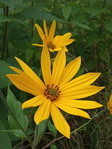
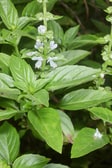
If you are unsure about a plant’s toxicity, ask a botanist or veterinarian for advice.