
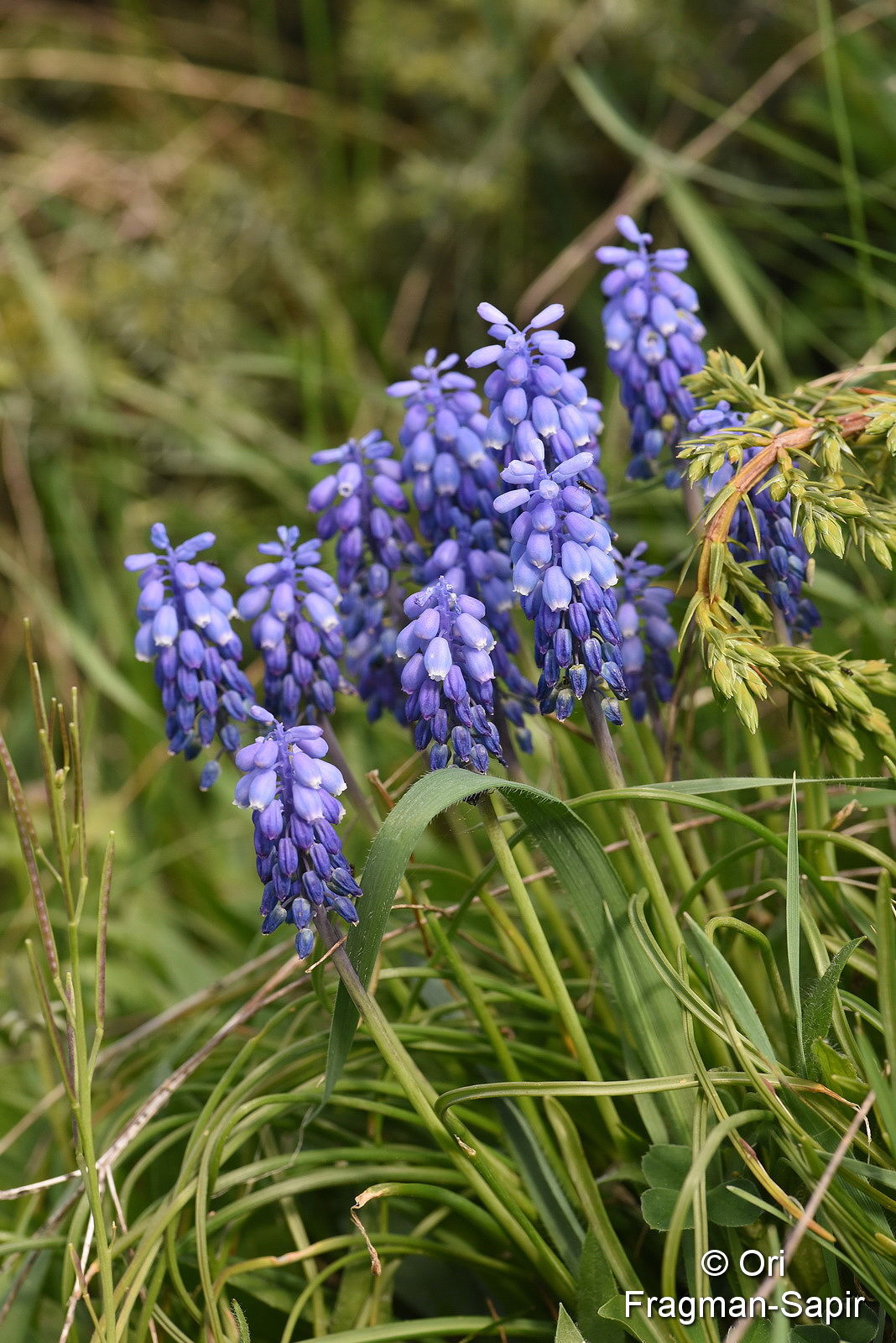
Garden grape-hyacinth (Muscari armeniacum, )
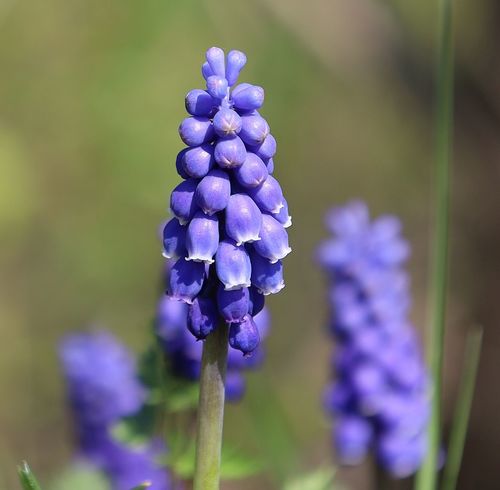
Garden grape-hyacinth (Muscari armeniacum) is a small spring-flowering bulb in the Asparagaceae family. Its dense blue clusters suit borders, pots, rock gardens and naturalized carpets; the ASPCA lists it as non-toxic to dogs, cats and horses.
Read moreGarden grape-hyacinth, Armenian grape hyacinth and Grape hyacinth
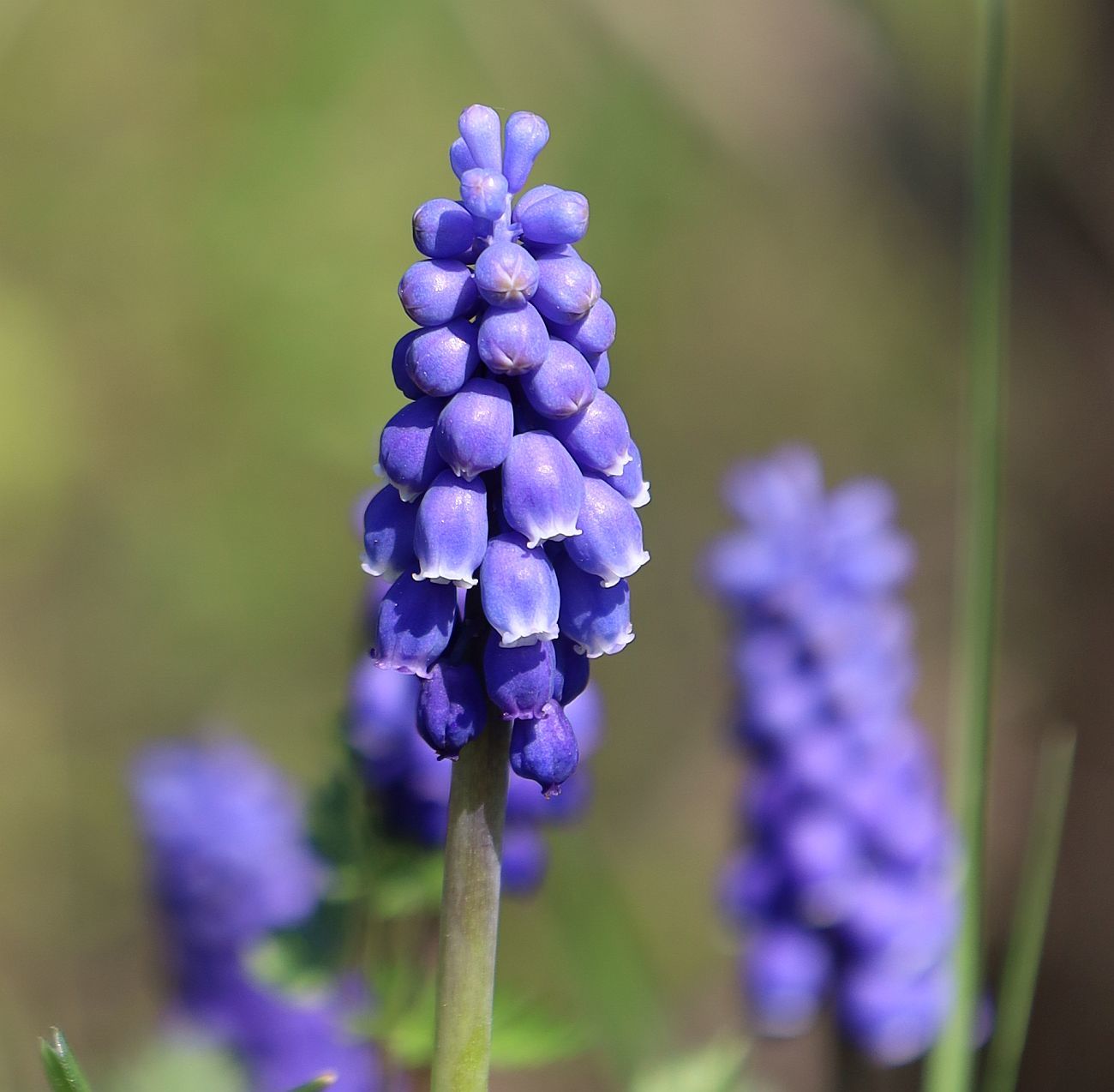


© photo
(c) Norbert Sauberer, some rights reserved (CC BY-NC), uploaded by Norbert Sauberer · cc-by-nc
Gustaf Fredell · cc0
zebedeugalinha · cc-by
Taken Apr 11, 2019 by Tela Botanica − Lydie Dufeu (cc-by-sa)
Taken Apr 3, 2022 by Eszter Elek (cc-by-sa)
Taken Mar 25, 2022 by Loredana Turri (cc-by-sa)
Taken Apr 11, 2022 by Petr Harant (cc-by-sa)
Taken Mar 25, 2022 by Rita Rita (cc-by-sa)
© copyright of the Board of Trustees of the Royal Botanic Gardens, Kew.


Identity
Garden grape-hyacinth (Muscari armeniacum Leichtlin ex Baker) is the compact blue spring bulb in the Asparagaceae family. This profile concerns the species itself, rather than every plant in the genus Muscari. 1 8
Taxonomic references place it in Asparagaceae and confirm the binomial Muscari armeniacum. POWO, WFO, IPNI and Wikidata distinguish its identity from true hyacinths and squills. 2 3 4
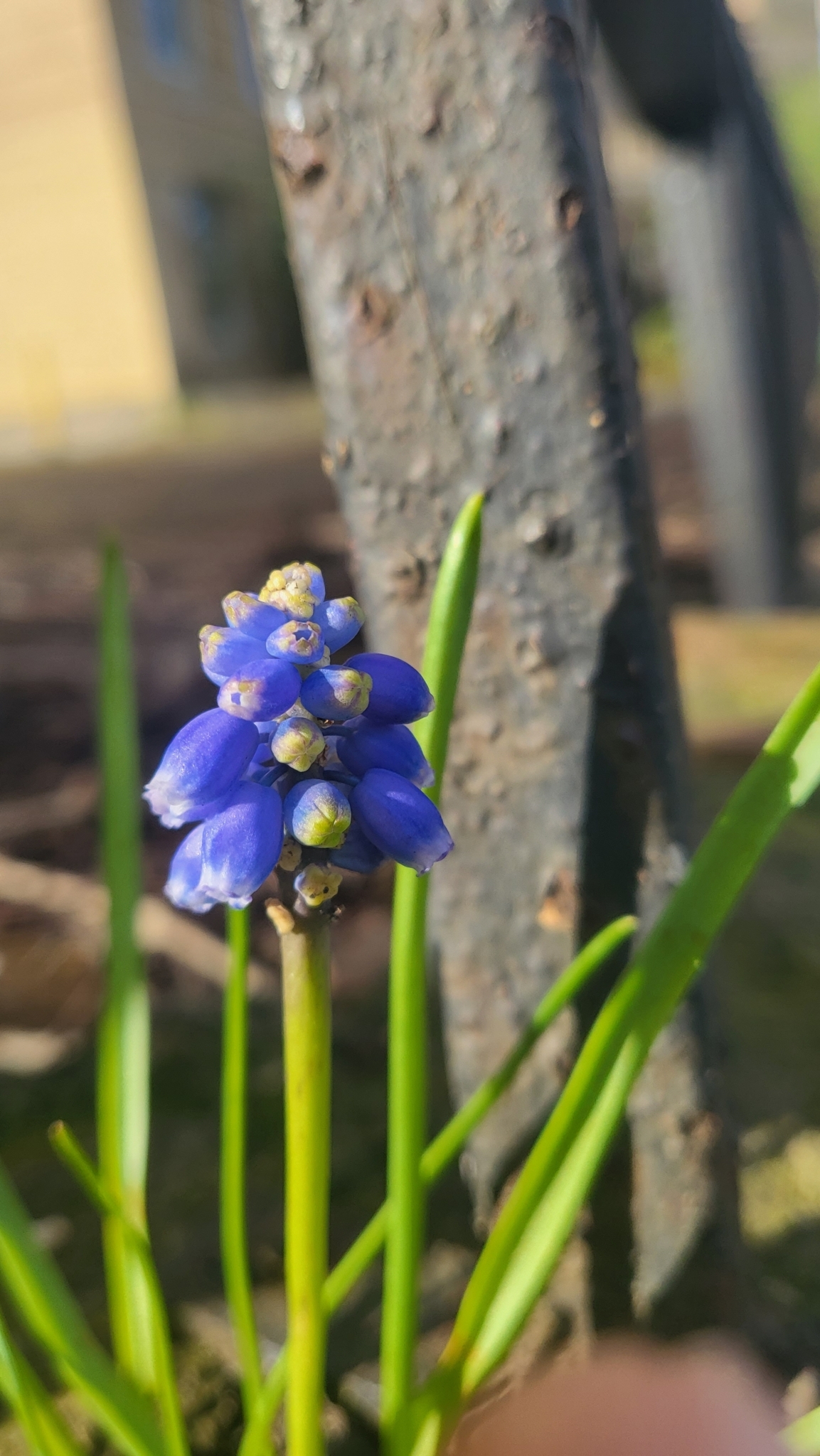
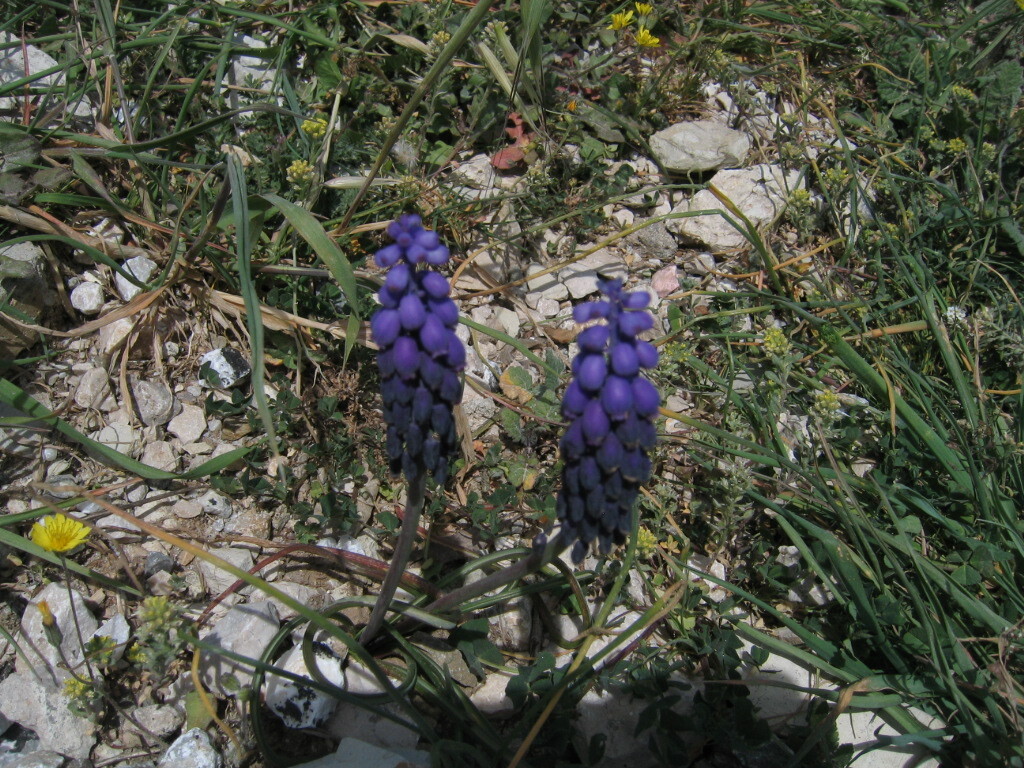
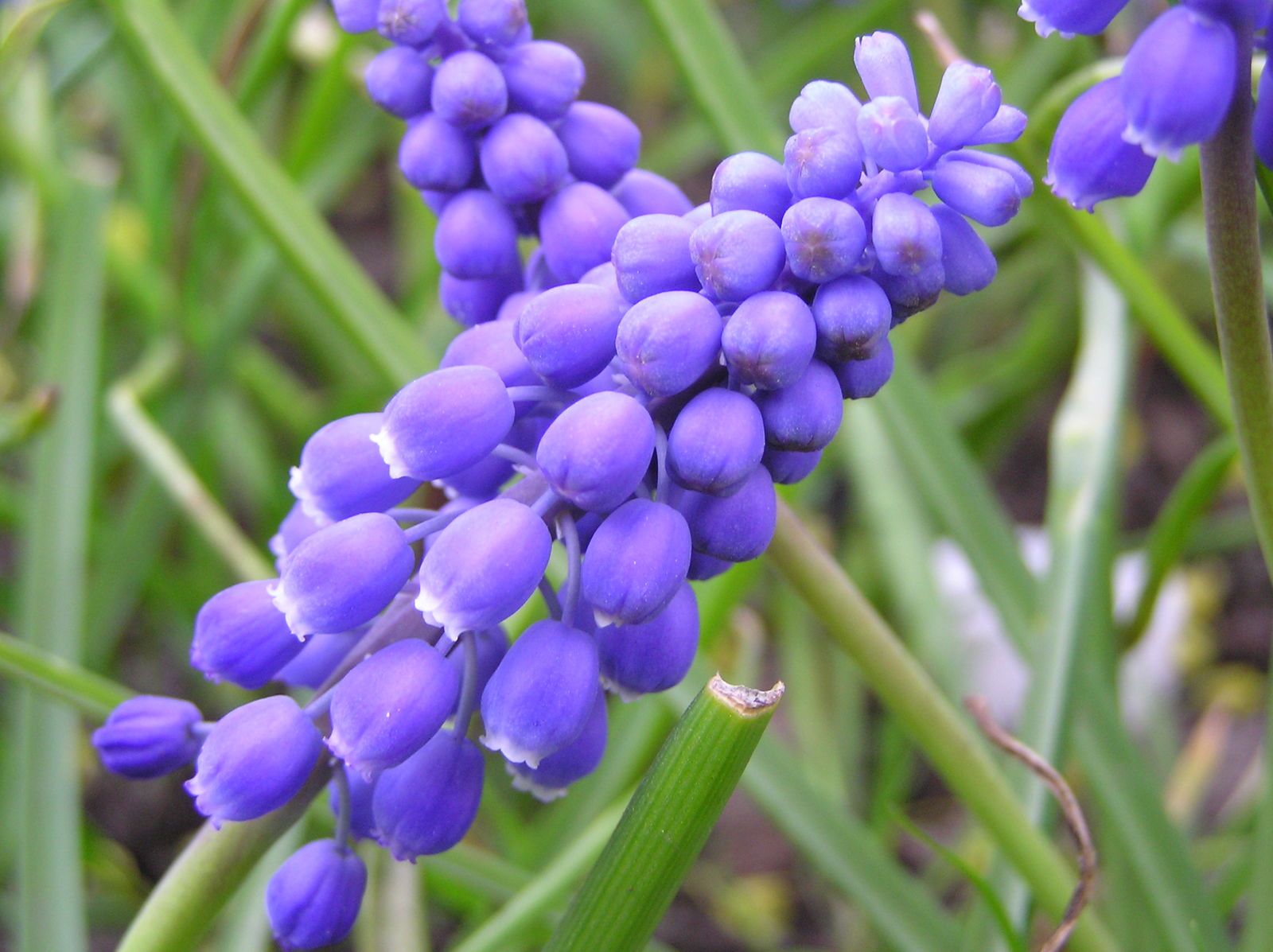
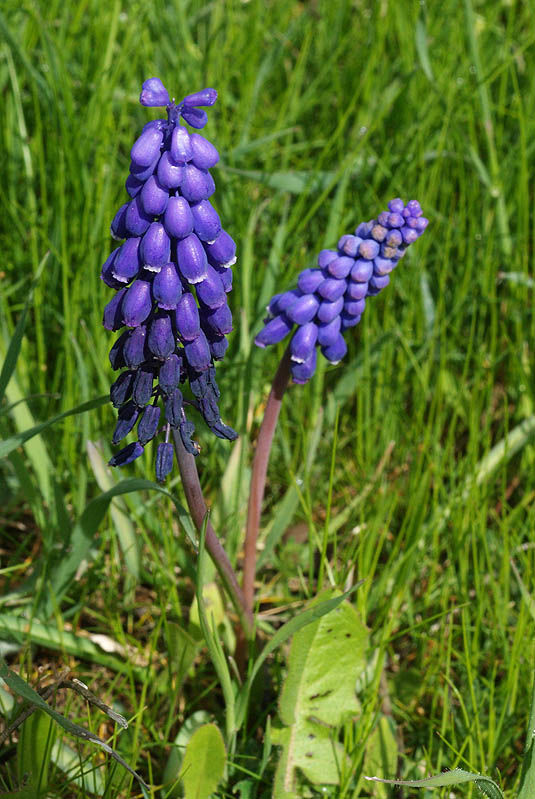
In garden plantings, this bulb reaches 15–23 cm (6–9 in), with linear leaves and tightly packed clusters of royal-blue, urn-shaped flowers. NC State also describes white, pink and pale-blue cultivars; the familiar type has dense blue flowers. 5 6
Its appeal comes from a clear mass of blue early in the season, before many perennials emerge. That density makes it useful for borders, rock gardens and spring containers. 8 5
Recognition
Look first for the conical flower cluster. Numerous small flowers have petals fused almost to the rim, with a paler edge around the opening. Together they resemble tightly packed miniature bells. 5 6
Basal leaves are linear and slightly fleshy, often appearing in fall or winter. This early foliage is compatible with a tidy planting if a more natural outline is acceptable. 5
Compared with Hyacinthus orientalis, garden grape-hyacinth stays lower and naturalizes much more readily. The oriental hyacinth has a larger stalk, star-shaped flowers and a heavier fragrance. 8 5
Within a flower bed, blue color alone is insufficient for identification. The combination of a small bulb, dense cluster, low habit and mid-spring flowering is more informative. Taller or looser blue flowers play a different role. 6 8
Useful taxonomy
The accepted botanical name is Muscari armeniacum Leichtlin ex Baker. Placement in Muscari separates it from older broad uses of the name hyacinth that could include several genera of small blue bulbs. 2 4
Knowing the genus helps explain grape hyacinths generally, but Muscari armeniacum identifies a particular species. It is the commonly grown garden species discussed here, with its own taxonomic identifiers. 3 8
NC State lists cultivars including Cantab, Christmas Pearl and Valerie Finnis. Their differences chiefly affect the shade of blue and the appearance of a mass planting, rather than the basic growing requirements of garden grape-hyacinth. 5
Species-level identification preserves a useful distinction: the horticultural features of Muscari armeniacum belong to this named species. The broader name Muscari alone does not communicate the same precision. 2 8
Cultivation
Grow it as a spring bulb: plant in fall in close groups in well-drained soil, allowing bulbs to root before visible growth resumes. Widely scattered individual bulbs can look sparse. 6 5
Spring sunshine or light partial shade under deciduous trees suits it well. The bulb takes advantage of light before the canopy closes and tolerates the dry season better after its foliage disappears. 5
Drainage deserves particular attention. Moist soil in spring is suitable, but heavy, waterlogged ground encourages bulb rot. In containers, avoid full saucers and compacted growing media. 6 5
Let the leaves turn yellow after flowering. Although less attractive than the flowers, they replenish the bulb's reserves. Mowing or cutting too soon reduces the next display, especially in naturalized plantings. 8 6
Uses
Use it chiefly as a low blue carpet along paths, beneath tulips, in rock gardens and spring containers, in lightly mown lawns or in front of deciduous shrubs. Its compact blue outline gives these plantings definition. 8 5
Pair it with daffodils, botanical tulips, pansies, violas, primroses or forget-me-nots. Garden grape-hyacinth supplies the mass; its companions provide height, contrast or softness. Overcrowding becomes a problem when post-flowering foliage has no space. 6 8
In blue-flowered combinations, it complements bluebells and forget-me-nots. Bluebells have a more woodland character, forget-me-nots a softer texture, and grape hyacinths a clearer outline. Each contributes a distinct effect. 8 5
Offsets and seeds can produce generous naturalization. This is welcome in a spring lawn but may overwhelm a small, precisely arranged rock garden. Remove faded stalks before seeds form when spread needs limiting. 6 5
In a large pot, close planting works better than the spacing used for perennials. The blue carpet should register as a continuous mass; wide gaps weaken its graphic effect. 8 5
Cautions
The ASPCA classifies Muscari armeniacum as non-toxic to dogs, cats and horses. This distinction matters because the shared word hyacinth can suggest the oriental hyacinth, which has a different safety profile. 7 5
A non-toxic classification does not make the bulb food. Dogs, cats or children may experience digestive discomfort after chewing plant material. Keep stored bulbs out of reach as a routine gardening precaution. 7
Practical concerns center on the planting site: avoid standing water, delay mowing until foliage yellows and monitor spread in a small garden. Easy growth does not mean an established colony will remain unobtrusive. 6 8
For a compact carpet of blue spring flowers, Muscari armeniacum offers a particular combination of garden use, low toxicity and massed color. These characteristics should be considered at species level rather than assumed for the entire genus. 8 2
Main sources
- Wikidata, Muscari armeniacum
- Plants of the World Online / Kew, Muscari armeniacum
- World Flora Online, Muscari armeniacum
- International Plant Names Index, Muscari armeniacum
- NC State Extension, Muscari armeniacum
- Missouri Botanical Garden, Muscari armeniacum
- ASPCA, Grape hyacinth toxicity entry
- Floralens, selection of blue flowers
If you are unsure about a plant’s toxicity, ask a botanist or veterinarian for advice.