
Chamberbitter (Phyllanthus urinaria, )
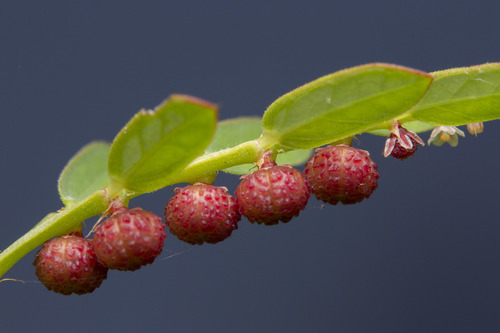
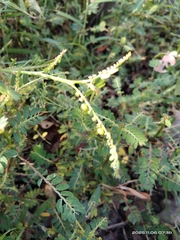
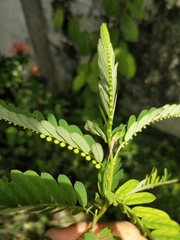
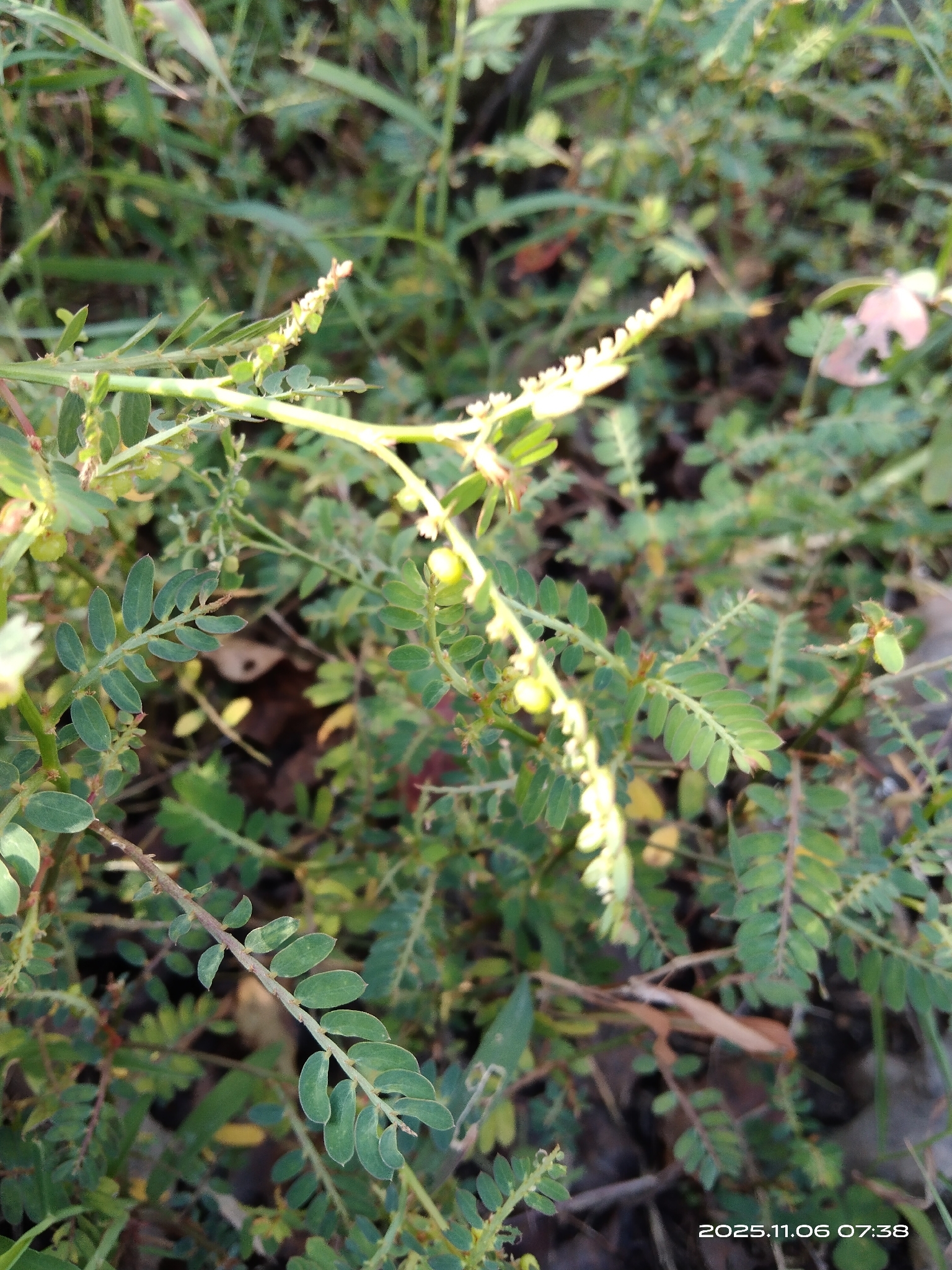
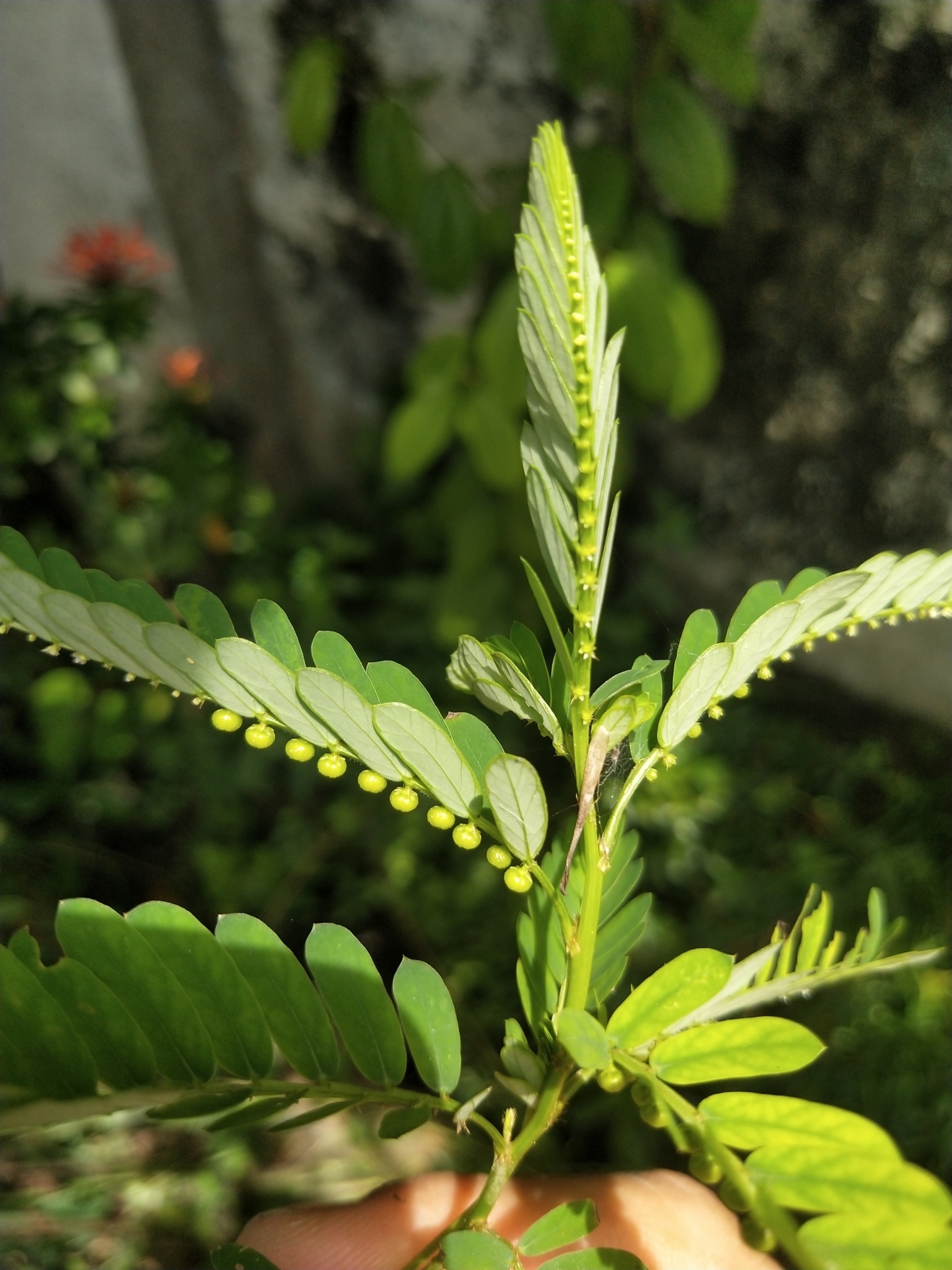
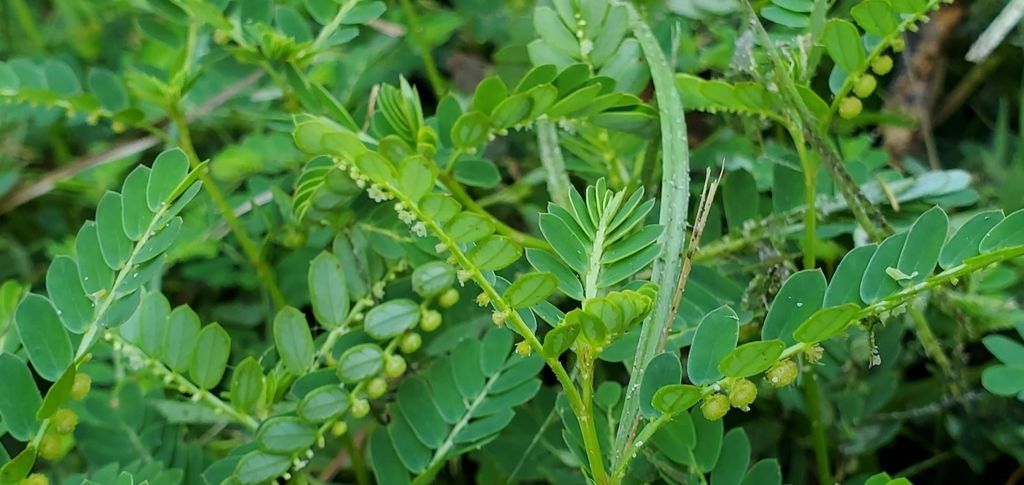
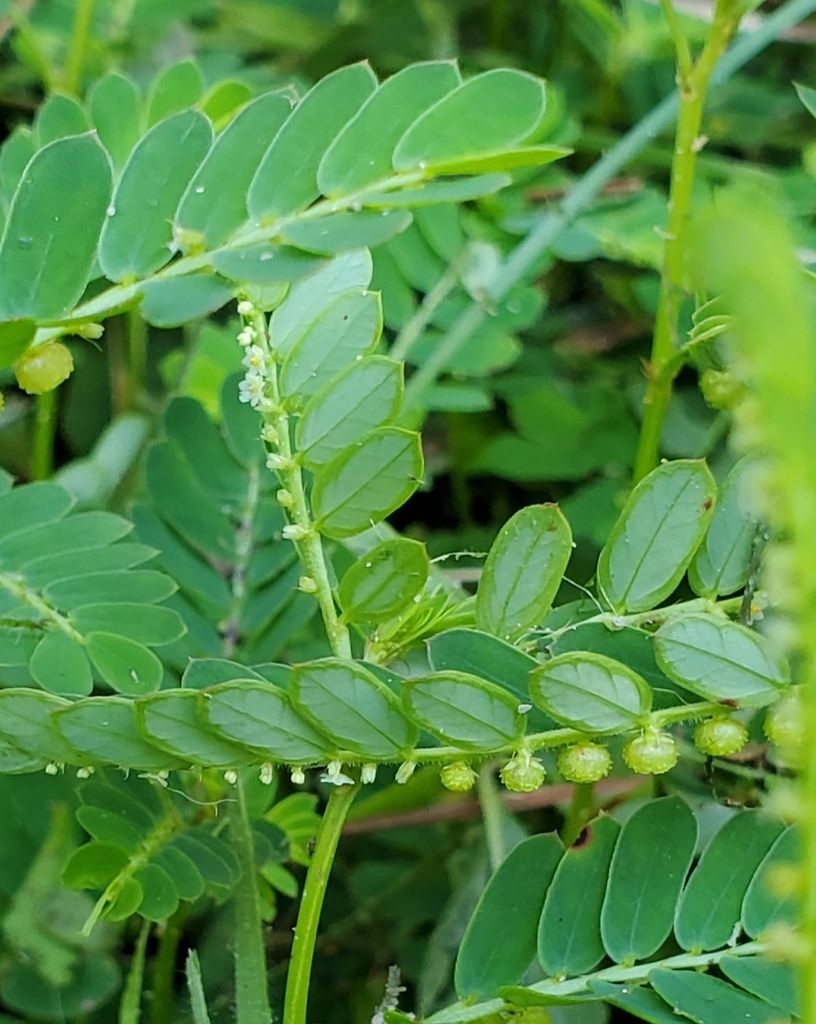
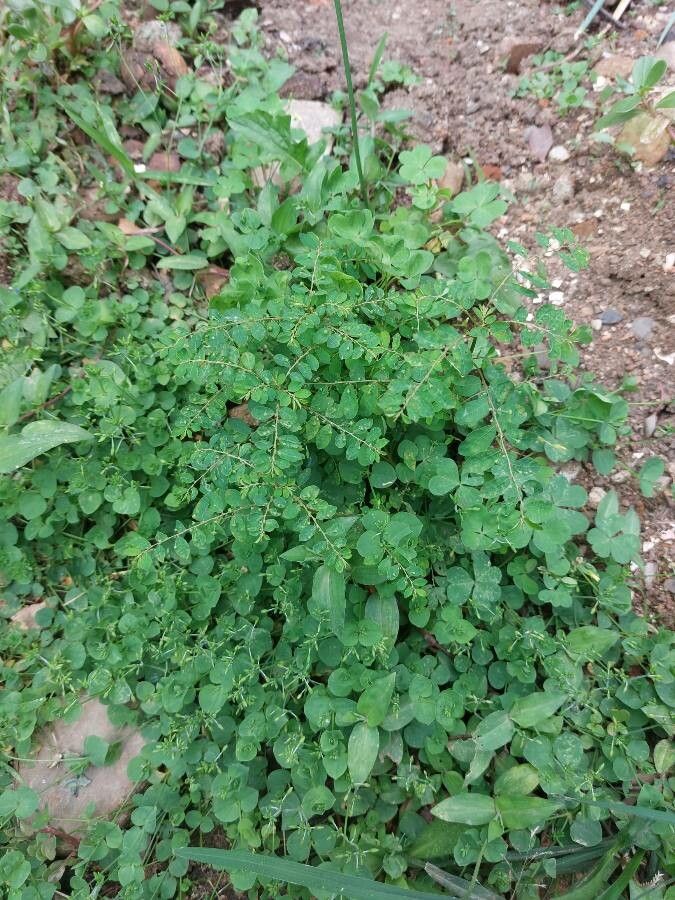
Chamberbitter (Phyllanthus urinaria L., 1753) is an annual herb in the Phyllanthaceae family, native to tropical and subtropical Asia and northern Australia, now naturalized across much of the tropics. Its reddish stem carries small leaves in two rows, with tiny green or reddish fruits lined up beneath them, a feature reflected in the name of the whole genus.
Read moreChamberbitter, Chamber bitter, Stonebreaker, Gripeweed, Shatterstone and Leafflower
Allow a few hours of direct sun per day, preferably morning or evening.
Full sun to light partial shade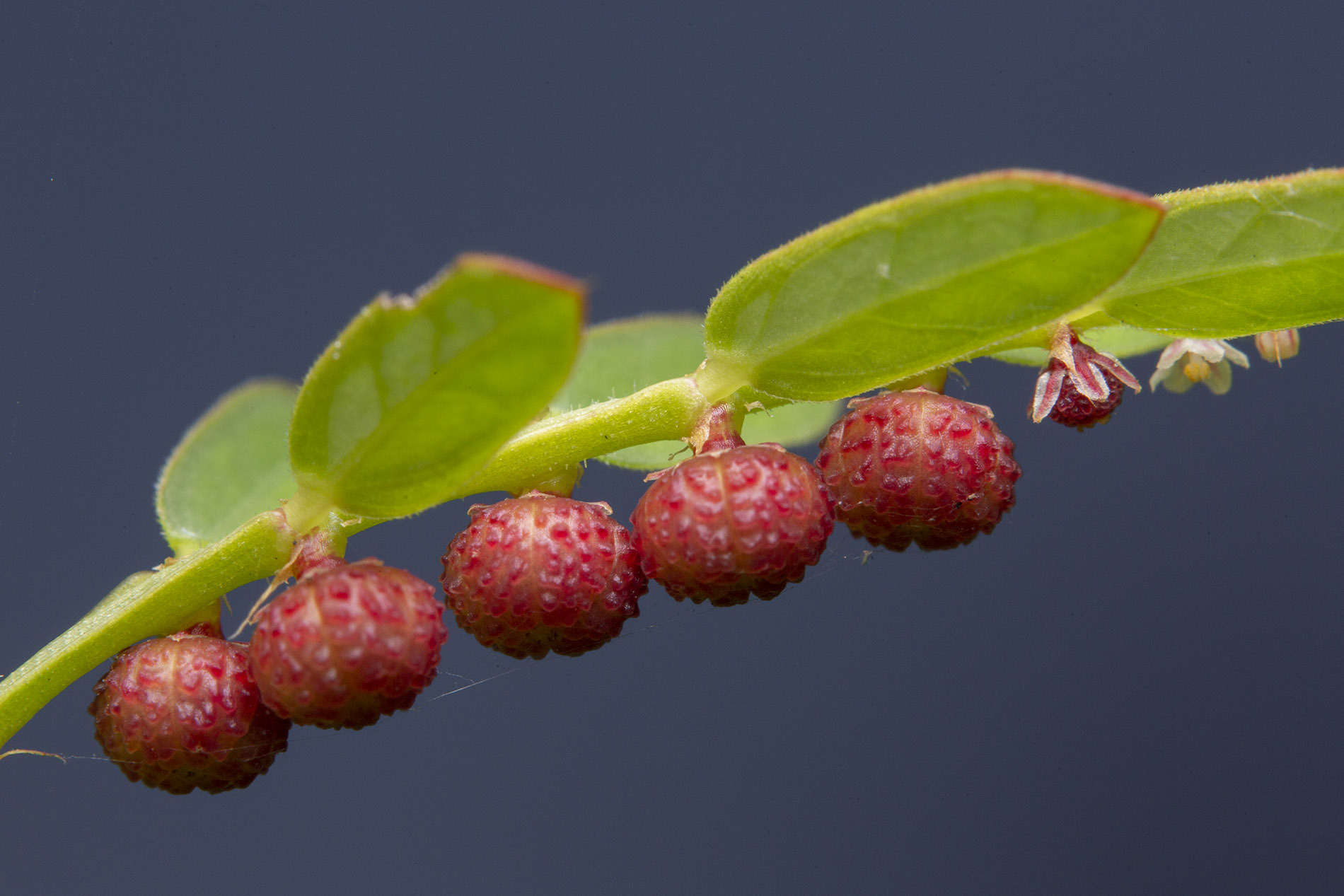



© photo
(c) budak, some rights reserved (CC BY-NC), uploaded by budak · cc-by-nc
Shiwen Yu · cc0
Greg III Espera · cc-by
Taken Aug 15, 2013 by OTS - Oviedo-Brenes, Federico (cc-by-nc-sa)
Taken Apr 17, 2019 by OTS - J. González (cc-by-nc-sa)
Taken Nov 13, 2021 by Syafiq Hadzir (cc-by-sa)
© copyright of the Board of Trustees of the Royal Botanic Gardens, Kew.




Global distribution
WCVP places the native range of Phyllanthus urinaria in tropical and subtropical Asia, extending to northern Australia. Introduced elsewhere, it is now naturalized in most tropical and subtropical regions worldwide, including Mexico, Central America, South America, Africa and the United States.
- Native6
- Introduced3
- Invasive1
- India
- Southern China
- Vietnam
- Thailand
- Philippines
- Northern Australia
- Southeastern United States
- Mexico
- Tropical Africa
- British Indian Ocean Territory
Hexagons: regions where the plant occurs. Green dots: native range.1
Identity
Chamberbitter (Phyllanthus urinaria L., 1753), also written chamber bitter, is an annual herb in the genus Phyllanthus, family Phyllanthaceae. Older classifications placed it in Euphorbiaceae. Modern revision of the order Malpighiales separated it from that family along with the rest of the genus. 1 4
The epithet urinaria recalls a widespread traditional use against urinary stones, a thread also reflected in the English name stonebreaker and Vietnamese name diệp hạ châu. The name chamber bitter combines two distinct features: the internal chambers of the fruit and the bitter taste of an infusion of the foliage. 2
Greek phyllon, meaning leaf, and anthos, meaning flower, form the genus name Phyllanthus. It describes plants whose flowers, followed by fruits, seem to grow directly from a leaf. The feature is particularly visible in Phyllanthus urinaria: tiny fruits form tight rows beneath each leaf, rather than flowers appearing at the branch tips as in many other herbs. 2
Recognition
Slender, smooth stems stand upright or droop slightly, often with a reddish tint, reaching 10–35 cm (4–14 in) tall. Some sources report well-nourished specimens reaching 60 cm (2 ft). Branching often begins near the base, so a short plant may already carry several leafy side shoots. 4 2
Small, papery leaves measure only 4–10 mm (0.16–0.4 in) long and 2–5 mm (0.08–0.2 in) wide. Alternate and oblong to almost linear, sometimes slightly sickle-shaped, they form two clear rows along each branchlet, recalling a Mimosa. Their upper surfaces range from pale to dark green, while the undersides turn gray-green or reddish. As in many Phyllanthaceae, the foliage shows nyctinasty: leaflets close at night and reopen during the day. This visible daily movement provides a quick field clue without a hand lens or herbarium specimen. 4 2
Male and female flowers grow on the same plant, making the species monoecious. The tiny yellowish-white female flowers sit toward the leaf base, while the equally inconspicuous males occur farther along the upper half toward the tip. The resulting green, red or greenish-red fruits are only about 3 mm (0.12 in) across, with three chambers and small surface projections. 4
Useful taxonomy
The accepted POWO name for chamberbitter is Phyllanthus urinaria L., published in 1753. Two subspecies are recognized: the widespread Phyllanthus urinaria subsp. urinaria, and Phyllanthus urinaria subsp. nudicarpus Rossignol & Haicour, described from southern China to Vietnam and the Philippines. 1
The homotypic name Diasperus urinaria (L.) Kuntze shares the same type as the basionym. Older literature also contains heterotypic synonyms, notably Phyllanthus cantoniensis Hornem. and Phyllanthus lepidocarpus Siebold & Zucc. 2
A recent revision proposes transferring several Phyllanthus species, including this one, to Emblica. That change remains debated, and Plants of the World Online continues to accept Phyllanthus urinaria. In the field and in trade, it is also frequently confused with two close relatives sharing traditional uses, Phyllanthus niruri and Phyllanthus amarus, sold under similar commercial names. 5 1
Habitat and range
Tropical and subtropical Asian habitats, from the Indian subcontinent to northern Australia, make up the native range recorded by WCVP. The plant favors warmth throughout the year, with average summer temperatures above 10 °C (50 °F) and average winter temperatures above 0 °C (32 °F). 1 2
Outside that native range, Phyllanthus urinaria has become naturalized across most tropical and subtropical regions. These include Mexico, Central America, South America, Africa and the southeastern United States. 2
Disturbed soils are its main habitat: dry fields, roadsides, waste ground and forest edges, as well as cultivated land and nurseries where it readily establishes in pots. CABI lists it as invasive in several introduced territories, including Diego Garcia in the British Indian Ocean Territory and parts of India, Indonesia, Korea, Malaysia, Myanmar and the Philippines. 4 3
Life cycle and reproduction
Warm soil and light are required for germination, which occurs chiefly from early summer to early fall. A 1992 study in Weed Technology examined these germination and growth requirements in relation to growing conditions and herbicides. 8
After emergence, the plant quickly develops a reddish stem and two-rowed foliage, then flowers and fruits from summer into early fall. Each plant produces many tiny seeds in the small fruits beneath the leaves. Heavy seed production, substantial shade tolerance and an extensive root system explain why it is considered a competitive weed in several vegetable crops. 2
Seed dispersal is followed by the death of the plant, completing its annual cycle within one warm season. Frost kills any remaining tissue and prevents regrowth in temperate climates. Under continuously tropical conditions, several successive generations can instead develop in the same year. 4
Uses and risks
Traditional medicine and weed ecology account for most interest in this species, rather than ornamental planting. Its tiny yellowish-white flowers are difficult to see from more than a few centimeters away. In Asian traditional medicine the whole plant is used in decoctions for urinary and kidney stones, jaundice and certain liver disorders, with uses documented from Vietnam to Thailand. 6
Chinese clinical studies have tested plant extracts against chronic hepatitis B. One trial involving 140 patients reported remission rates of 88.2% for viral DNA and 52.5% for HBe antigen after treatment lasting three months to two years, with relapse rates of 10.4–13.4% after treatment stopped. A randomized double-blind trial did not confirm a greater benefit than other Phyllanthus species. The subject therefore remains debated in scientific literature. 7
Available safety assessments have not identified toxic effects on the kidneys, cardiovascular system or nervous system, a finding consistent with centuries of traditional oral use. No toxicity is documented in people or domestic animals. 6
The clearest documented risk concerns agriculture. In Taiwan, this species has been identified as a potential symptomless host of Ralstonia solanacearum, the bacterium that causes bacterial wilt in several vegetable crops. An apparently healthy weed may therefore act as a discreet source of contamination in infested fields. 4
Varieties, look-alikes and related plants
Chamberbitter has no recognized horticultural cultivar. Differences between populations mainly involve size and hairiness, traits that separate botanical subspecies rather than garden forms. 1
The most frequent confusion involves Phyllanthus niruri, often sold under similar trade names for the same traditional use against kidney stones. Phyllanthus amarus shares this use and tropical range. On a supplement label, as in field records, the complete scientific name is needed to distinguish these close relatives with certainty: their two-rowed foliage and aligned fruits look very similar to the unaided eye. 5
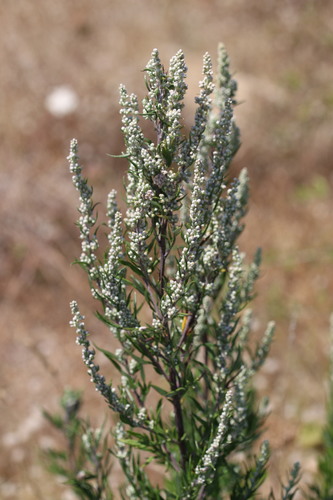
Horseweed (Erigeron canadensis) often grows on the same disturbed ground. It is another short-lived annual weed, with no close relationship to chamberbitter, but a similar pioneer habit on bare soil and the same need for warmth to germinate. Bermuda grass (Cynodon dactylon) shares these waste places as a perennial grass, persisting from one season to the next where Phyllanthus urinaria dies after setting seed each year.
Main sources
- Plants of the World Online / Kew, Phyllanthus urinaria L.
- Wikipedia (EN), Phyllanthus urinaria
- CABI Compendium, Phyllanthus urinaria (chamber bitter)
- Invasive Plant Atlas of the United States, chamber bitter
- University of South Florida, Florida Plant Atlas, Phyllanthus urinaria
- PMC, The Genus Phyllanthus, An Ethnopharmacological, Phytochemical and Pharmacological Review
- Frontiers in Pharmacology 2024, review of Phyllanthus urinaria in liver disease treatment
- Wehtje, Gilliam & Reeder 1992, Germination and Growth of Leafflower, Weed Technology
Frequently asked questions
Is chamberbitter toxic?
Available safety assessments have not identified documented toxic effects on the kidneys, cardiovascular system or nervous system. No toxicity is established in people or domestic animals.
Why is it called stonebreaker?
The name reflects a widespread Asian traditional use against urinary and kidney stones. This ethnobotanical use is documented, but no dedicated clinical trial has validated this specific indication for the species.
Does chamberbitter treat hepatitis B?
Chinese studies reported encouraging remission rates in patients given plant extracts, but a randomized double-blind trial did not confirm greater benefits than other species in the same genus. The topic remains debated in the scientific literature.
How do Phyllanthus urinaria and Phyllanthus niruri differ?
They are often confused and sold together under similar commercial names reflecting a shared traditional use. The complete scientific name on the label is needed to distinguish them with certainty.
Where does chamberbitter usually grow?
In disturbed soil, nurseries and container crops, waste ground, roadsides and forest edges, in climates that stay warm all year or during summer.
Can chamberbitter harm crops?
The documented risk concerns crop health rather than food poisoning. In Taiwan, the species has been identified as a potential symptomless host of Ralstonia solanacearum, the bacterium responsible for bacterial wilt in several vegetable crops.
Does the name Phyllanthus describe its appearance?
Yes. Phyllanthus combines the Greek words for leaf and flower, describing plants whose flowers and then fruits seem to emerge directly from a leaf. In Phyllanthus urinaria, tiny fruits visibly line up beneath each leaf.
Similar plants
If you are unsure about a plant’s toxicity, ask a botanist or veterinarian for advice.