
St lucie cherry (Prunus mahaleb, )
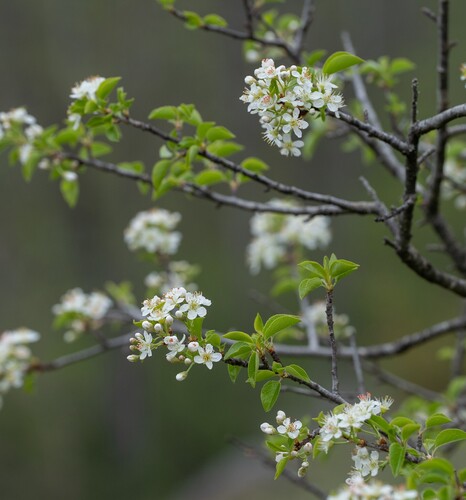
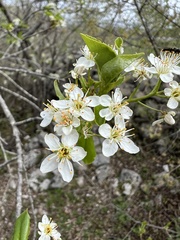
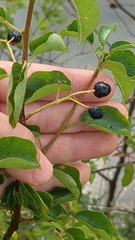
St lucie cherry (Prunus mahaleb L., 1753) is a deciduous shrub or small tree in the Rosaceae family, native from southern and central Europe to Central Asia, northern Pakistan and Morocco. Fragrant white spring flowers, aromatic wood and a strong preference for limestone soils distinguish it. Long used as a rootstock for cultivated cherries, it also supplies the kernel used to make mahlab spice.
Read moreSt lucie cherry and Mahaleb cherry
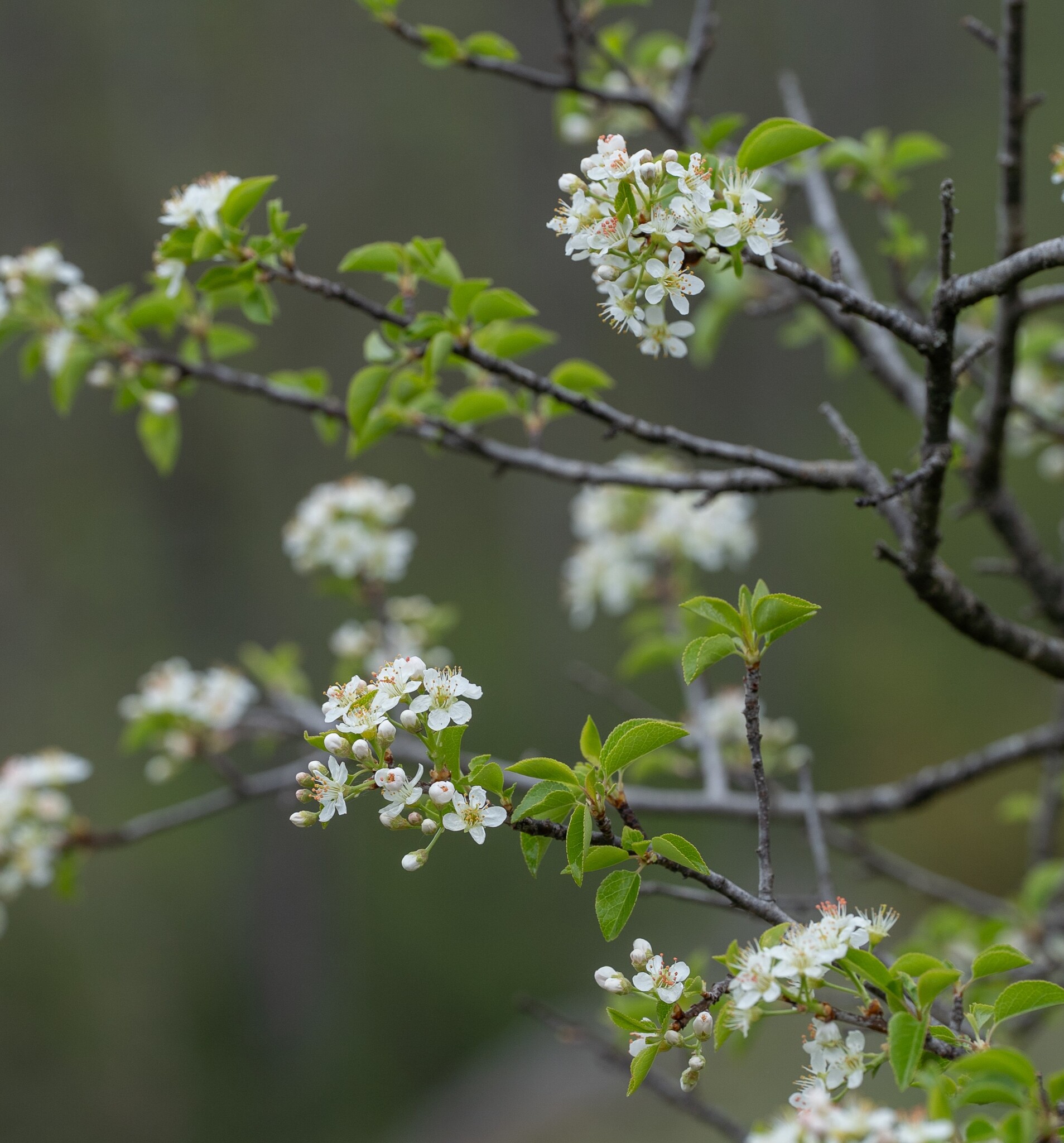




© photo
(c) Steve Parr, some rights reserved (CC BY-NC), uploaded by Steve Parr · cc-by-nc
Mirko Ubović · cc0
Matt Schultz · cc0
Taken Apr 15, 2014 by Photoflora - Jean-Luc TASSET (©)
Taken Jun 10, 2015 by Tela Botanica − George FOWLER (cc-by-sa)
Taken Jul 30, 2019 by 22Ben Combes (cc-by-sa)
Taken Jun 7, 2021 by Alain Bigou (cc-by-sa)
© copyright of the Board of Trustees of the Royal Botanic Gardens, Kew.




Global distribution
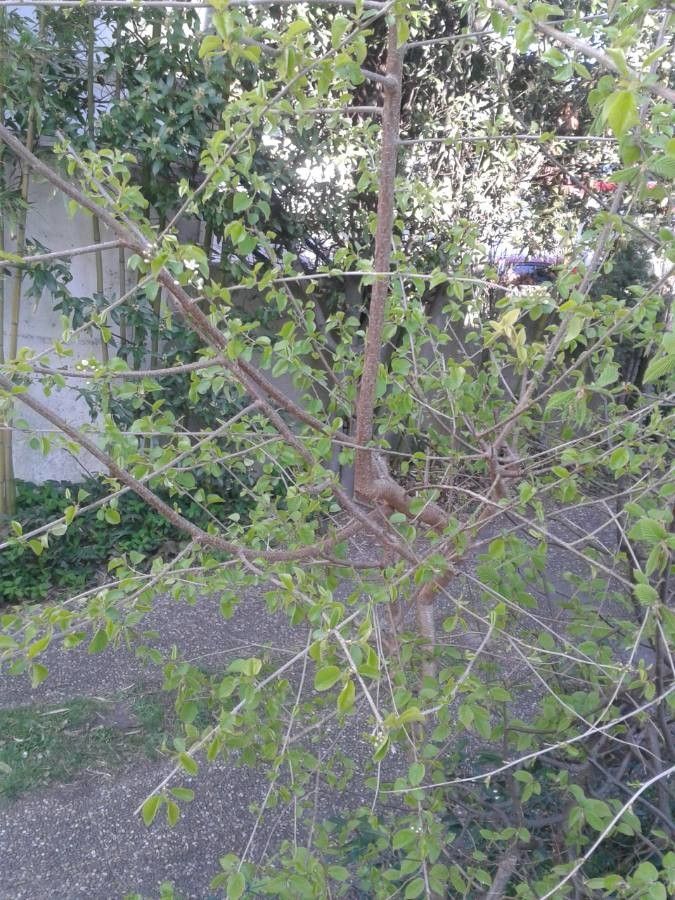
POWO places the native range from Europe to Central Asia and northern Pakistan, extending to Morocco. Widely distributed beyond this range as a cherry rootstock, the species has naturalized in North America and is reported invasive in several northeastern and central US states.
- Native6
- Introduced1
- Invasive1
- France
- Italy
- Spain
- Turkey
- Morocco
- Central Asia
- Canada
- United States (northeast and central)
Hexagons: regions where the plant occurs. Green dots: native range.1
Identity
St lucie cherry (Prunus mahaleb L., 1753), also called Mahaleb cherry, is a deciduous shrub or small tree in the Rosaceae family. Carl Linnaeus described it in Species Plantarum in 1753, using the binomial still accepted by POWO. 1 8
The epithet mahaleb comes from an old Arabic name for the tree. French records used forms such as maguelet and macalep from the 16th century before settling on mahaleb. St lucie cherry takes its name from a monastery in the Meuse region, where its aromatic wood was carved into small objects, including pipe stems. 8
Recognition
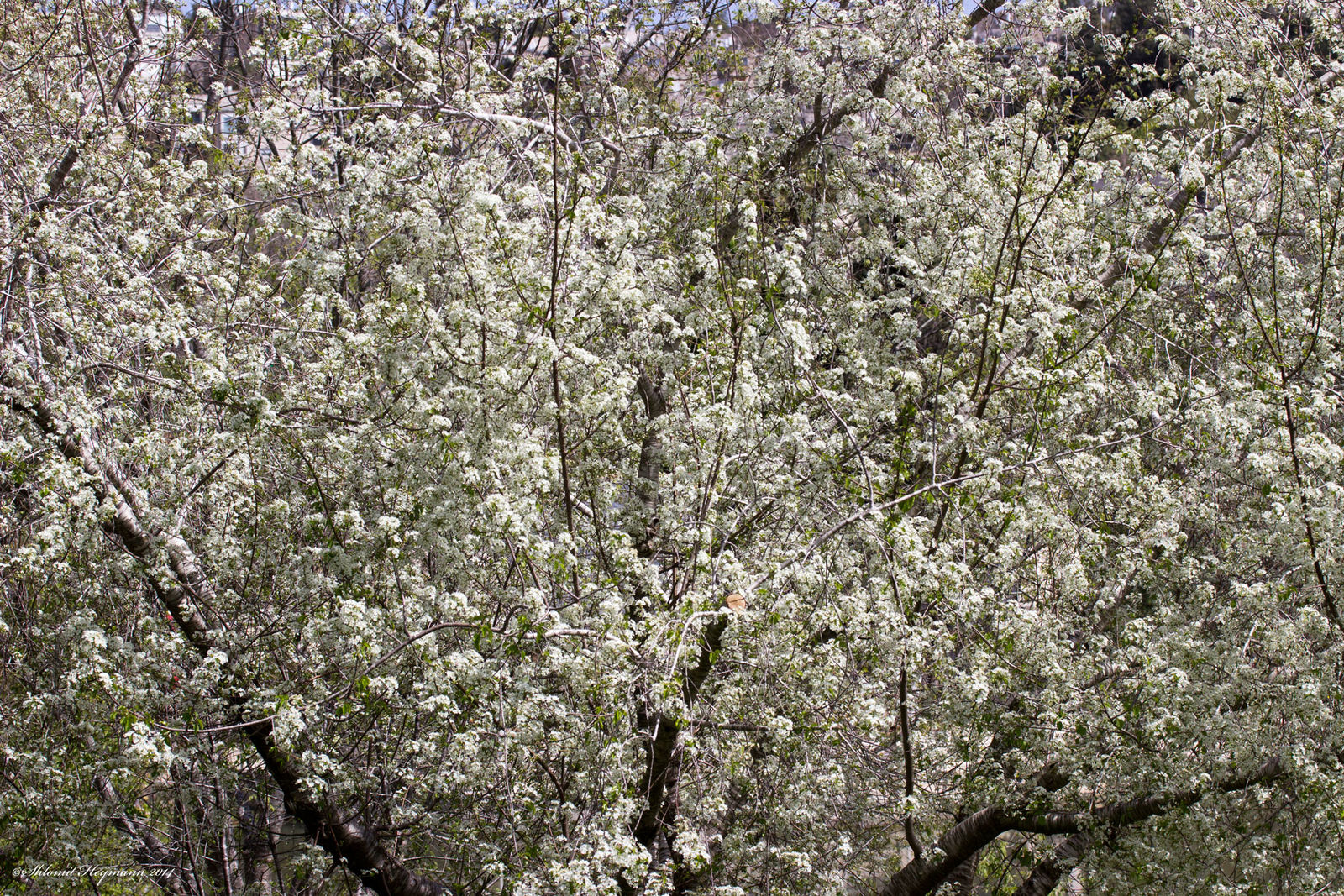
A bushy crown often reaches 3–12 m (10–39 ft) tall and 3–8 m (10–26 ft) wide, although the plant can be trained as a single-stemmed tree. Oval, finely toothed leaves with short tips turn bright yellow in fall. They differ from the larger, more elongated leaves of wild cherry (Prunus avium). 2 5
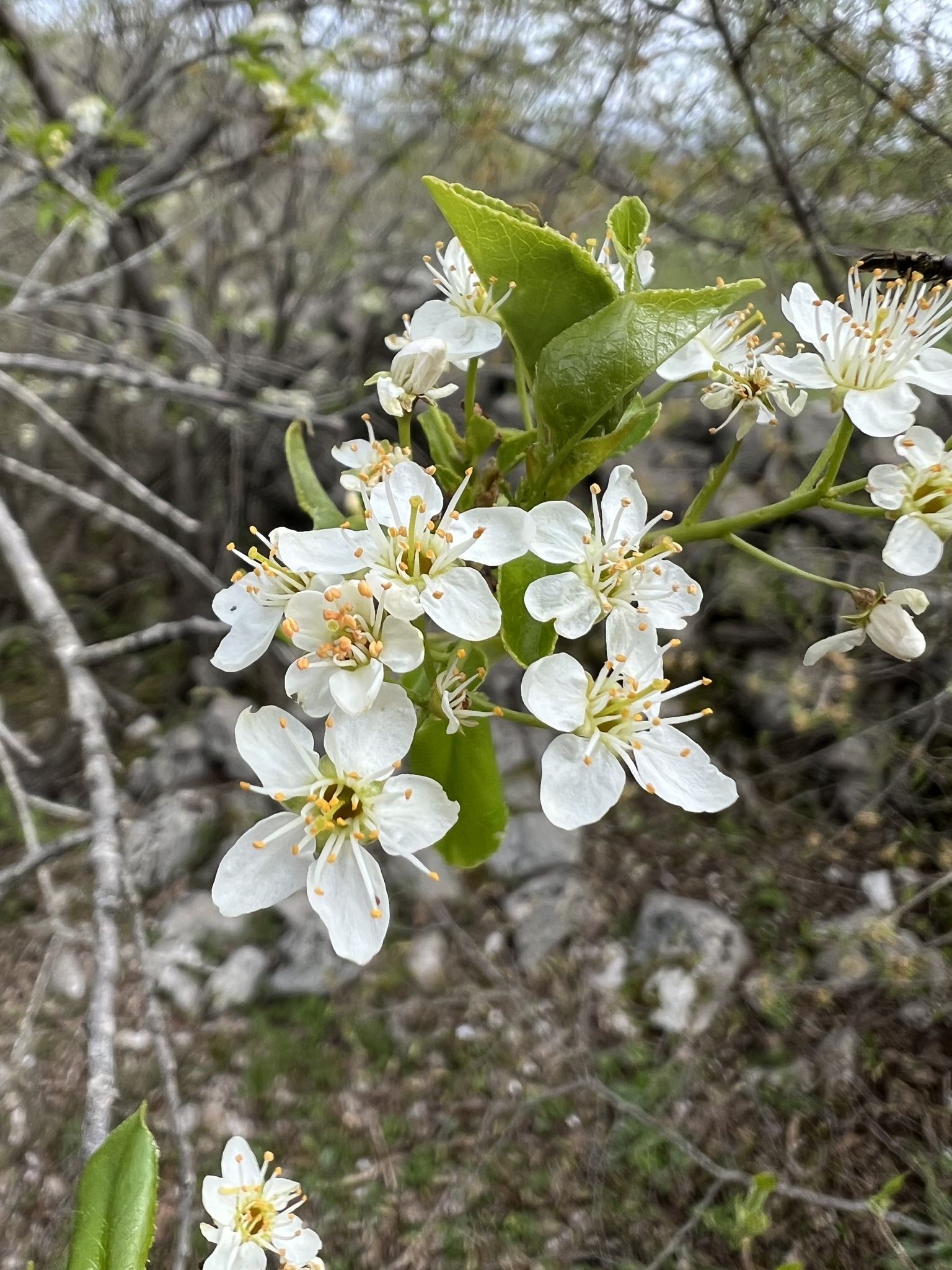
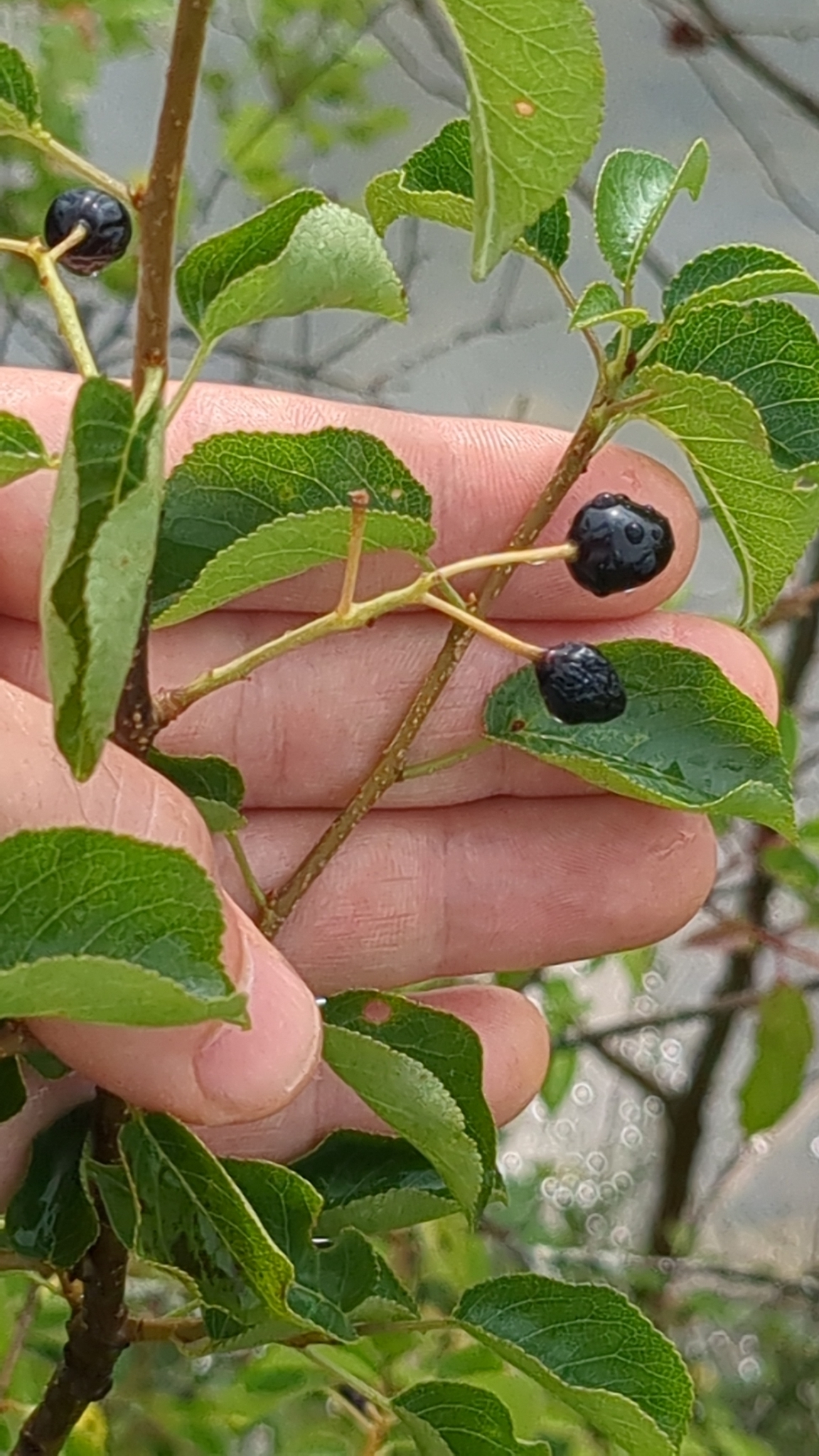
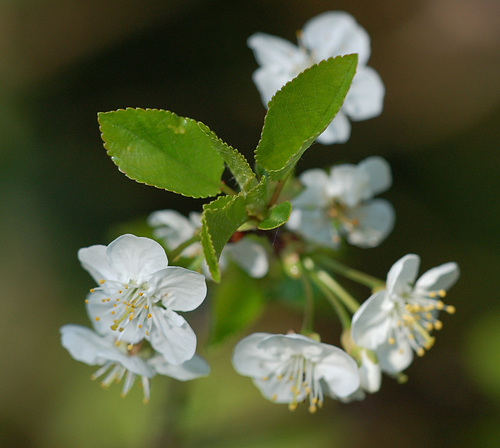
Fragrant white flowers open in short clusters of 3–10 in spring. Small cherries, 6–10 mm (0.24–0.39 in) across, turn from green through red to black and remain distinctly bitter, unlike edible wild cherries. Cut or dried wood releases a distinctive coumarin-like aroma, a useful identification clue when leaf shape or fruit color leaves doubt. 2 6
Useful taxonomy
Within Rosaceae, POWO places Prunus mahaleb in the subfamily Amygdaloideae, alongside cherries, plums, apricots and almonds. It recognizes Prunus mahaleb subsp. cupaniana (Guss.) Arcang. in northern Sicily. 1
Historical botanical synonyms include Prunus mahaleb var. pendula (Dippel) Bean, associated with weeping growth, and Prunus mahaleb var. xanthocarpa (M.Roem.) Rehder, associated with yellow fruit. Among these old varieties and forms, the accepted name Prunus mahaleb L. remains the stable reference for buying or identifying nursery plants. 1
Habitat and range
Southern and central Europe, Central Asia, northern Pakistan and Morocco form its native range. Dry slopes, scrub and open woodland are typical habitats, almost always on limestone soils, which it tolerates better than most other Prunus species. 1 3
Rootstock planting has carried Prunus mahaleb far beyond its native range. Birds disperse the cherries, encouraging naturalization and reports of invasive alien populations in several northeastern and central US states. In France it is native to limestone slopes and Mediterranean scrubland and has no invasive status. 4 9
Life cycle and reproduction
Bees attracted by the scent provide most pollination during the few weeks of spring flowering, before full leaf development. Birds later eat the black cherries, digest the bitter flesh and discard intact stones, helping explain seedlings around mature trees. 2 4
Natural propagation relies on seed, but germination is slow and uneven. Seeds need 2–3 months of cold stratification and may take up to 18 months to emerge. Fruit growers often favor grafting, which places the chosen cherry variety directly on an already rooted St lucie cherry plant. 3 5
Uses and risks
Cherry rootstock use is better documented than ornamental planting or pipe making. Tolerance of poor, dry, limestone soils long made this species a standard choice for sweet and sour cherries in such conditions, though delayed graft incompatibility has reduced its use. Shelled, ground fruit kernels also supply mahlab, a bitter almond and cherry scented spice used for centuries in Middle Eastern and southeastern European breads and pastries. 5 6
Leaves, bark and kernels contain cyanogenic glycosides, as in most Prunus. The ASPCA lists cherries as toxic to dogs and cats, with greater risk from wilted leaves. Recent analyses of kernels processed into mahlab have not detected the amygdalin-type cyanogens characteristic of bitter almonds. This distinction concerns small culinary quantities of the spice, rather than the rest of the plant. 7 6
Varieties, look-alikes and related plants
An ornamental hybrid with Prunus incisa, 'Kursar' has early pale pink flowers. The weeping 'Pendula' form is less common in nurseries than upright wild plants. Sicily's subspecies cupaniana represents a separate botanical category from horticultural selections. 1
Wild cherry (Prunus avium) is a frequent look-alike, with larger leaves and edible fruit, while St lucie cherry remains bitter when ripe. Blackthorn (Prunus spinosa) is lower and thornier, with dense shrubby growth and waxy blue-black fruits. The coumarin-like scent of cut wood is a more decisive clue between these three cherries than leaves or fruits alone. 5
Main sources
- Plants of the World Online / Kew, Prunus mahaleb L.
- Royal Horticultural Society, Prunus mahaleb
- Plants For A Future, Prunus mahaleb database entry
- Invasive Plant Atlas of the United States, Mahaleb cherry
- Missouri State University, Mahaleb cherry plant identification
- Gernot Katzer's Spice Pages, Mahaleb cherry (mahlab)
- ASPCA, Cherry (Prunus spp.) toxicity entry
- Tela Botanica eFlore, Prunus mahaleb L., 1753
- University of Wisconsin-Green Bay Herbarium, Prunus mahaleb
Frequently asked questions
Is St lucie cherry a true cherry?
Yes. Prunus mahaleb belongs to the same genus as sweet cherry (Prunus avium), but its very bitter fruit has no direct culinary use, unlike sweet cherries.
Why is Prunus mahaleb used as a rootstock?
Its tolerance of poor, dry, limestone soils made it a traditional cherry rootstock for these conditions, although delayed graft incompatibility has reduced its use.
What is mahlab spice?
Mahlab comes from the shelled, ground kernel inside a Prunus mahaleb cherry stone. Its bitter almond and cherry aroma flavors traditional pastries and breads in the Middle East and southeastern Europe.
Is St lucie cherry poisonous?
Leaves, bark and kernels contain cyanogenic glycosides, as in most Prunus, and are documented as toxic to dogs, cats and livestock. However, kernels processed into mahlab spice have not shown the amygdalin-type cyanogens typical of bitter almonds.
Where does the name St lucie cherry come from?
It refers to a monastery in the Meuse region where the tree was abundant. Its distinctive, coumarin-like scented wood was used for small objects, including pipe stems.
Is Prunus mahaleb invasive?
It has no recognized invasive status in France. In the United States, where it was widely planted as a rootstock, it is reported as an invasive alien in several northeastern and central states.
How can I distinguish St lucie cherry from wild cherry?
Its leaves are smaller and finer than those of wild cherry (Prunus avium), and its fruit stays bitter when ripe, whereas wild cherries are edible. The scent of cut wood is another distinctive clue.
Similar plants
If you are unsure about a plant’s toxicity, ask a botanist or veterinarian for advice.