
Douglas fir (Pseudotsuga menziesii, )
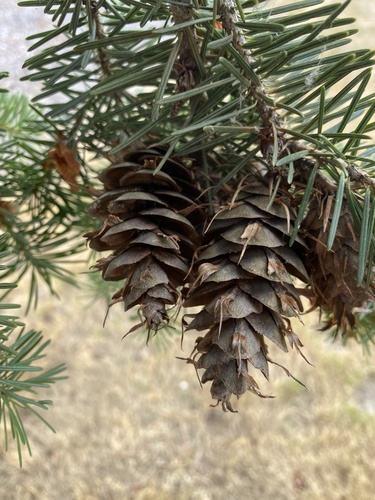
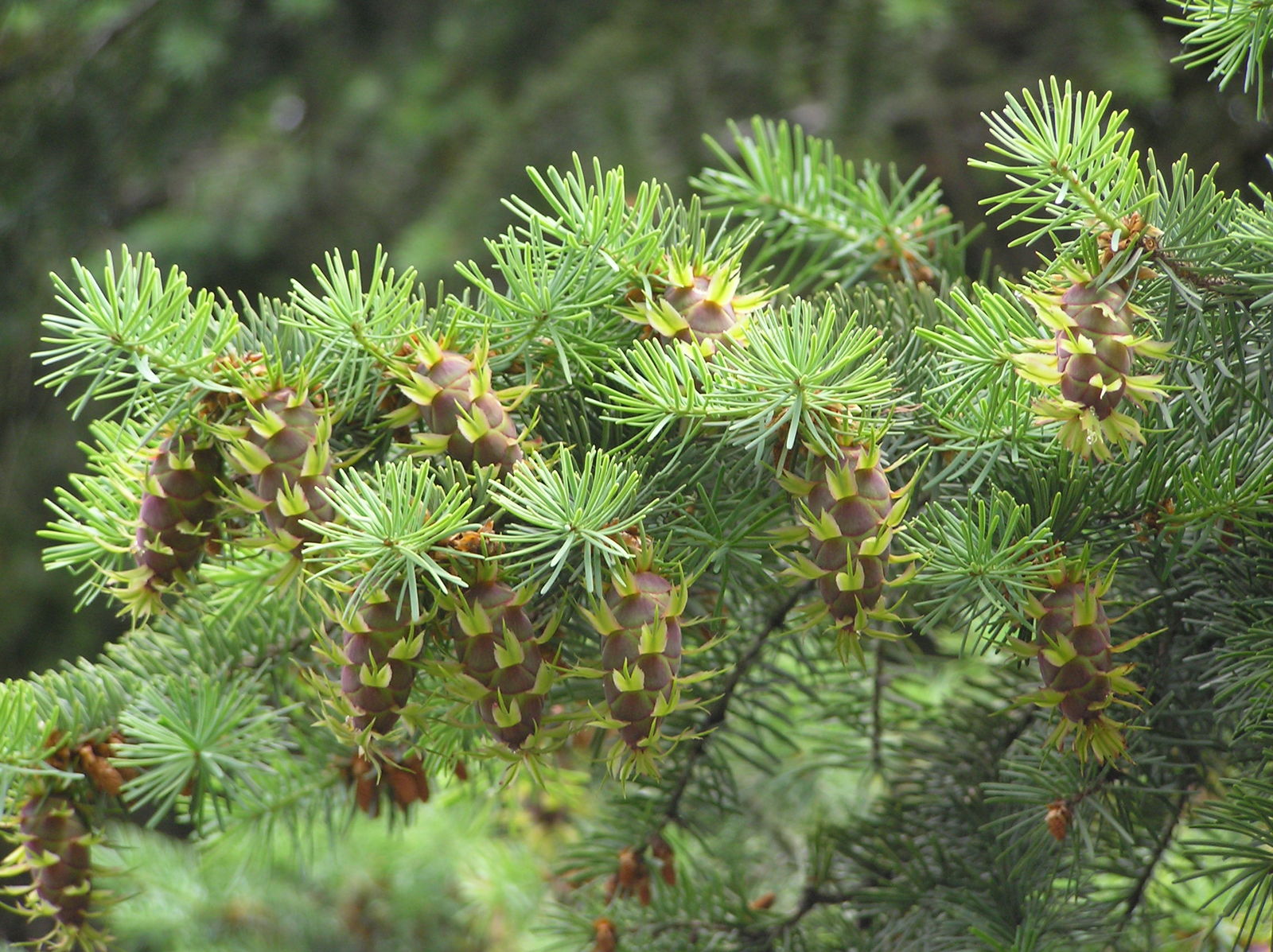
Douglas fir (Pseudotsuga menziesii) is a large conifer in the Pinaceae family, native to western North America from southeastern Alaska to central Mexico. Its soft, nonprickly needles, pointed glossy buds and especially its hanging cones with projecting three-pointed bracts make it distinctive.
Read moreDouglas fir, Douglas-fir, Oregon pine, Douglas spruce and Columbian pine

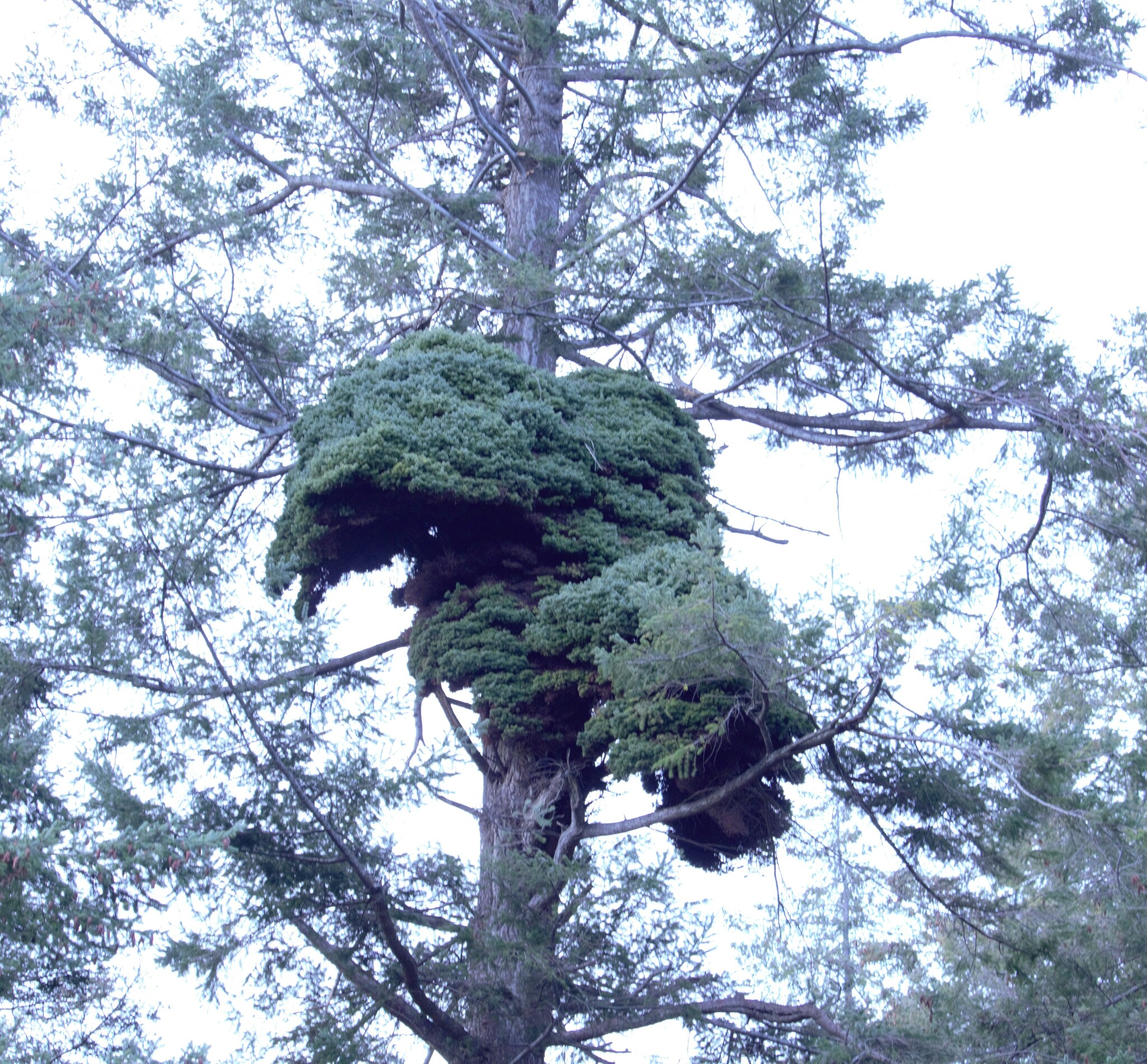


© photo
(c) Tracy S., some rights reserved (CC BY-NC), uploaded by Tracy S. · cc-by-nc
Randal · cc0
iNaturalist User · cc-by
Taken Nov 10, 2012 by Tela Botanica − Liliane Roubaudi (cc-by-sa)
Taken Apr 12, 2015 by Tela Botanica − Yoan MARTIN (cc-by-sa)
Taken Sep 28, 2022 by Dominik Muczyński (cc-by-sa)
Taken Feb 6, 2020 by Jiří Vilím (cc-by-sa)
© copyright of the Board of Trustees of the Royal Botanic Gardens, Kew.


Global distribution
The native range of Pseudotsuga menziesii runs from southeastern Alaska to central Mexico along the Pacific coast and through the Rocky Mountains, from sea level to over 3,300 m depending on latitude. It is widely introduced in European forestry, with France holding a large share of the continent’s planted resource. Natural regeneration beyond plantations remains debated and closely monitored by European foresters.
- Native3
- Introduced2
- United States
- Canada
- Mexico
- Germany
- New Zealand
Hexagons: regions where the plant occurs. Green dots: native range.1
Identity
Douglas fir (Pseudotsuga menziesii (Mirb.) Franco, 1950) is a large conifer in the Pinaceae family and the genus Pseudotsuga. Despite its common name, it is not a true fir of the genus Abies. The genus name means “false hemlock,” reflecting the different genera under which the tree circulated before its naming settled. 1 2
Archibald Menzies, the Scottish surgeon and naturalist who documented the tree on Vancouver Island in 1791, is honored in the epithet menziesii. The common name honors David Douglas, who introduced it to European cultivation in 1827 and helped make it known, without being the author of its scientific name. 5
Recognition
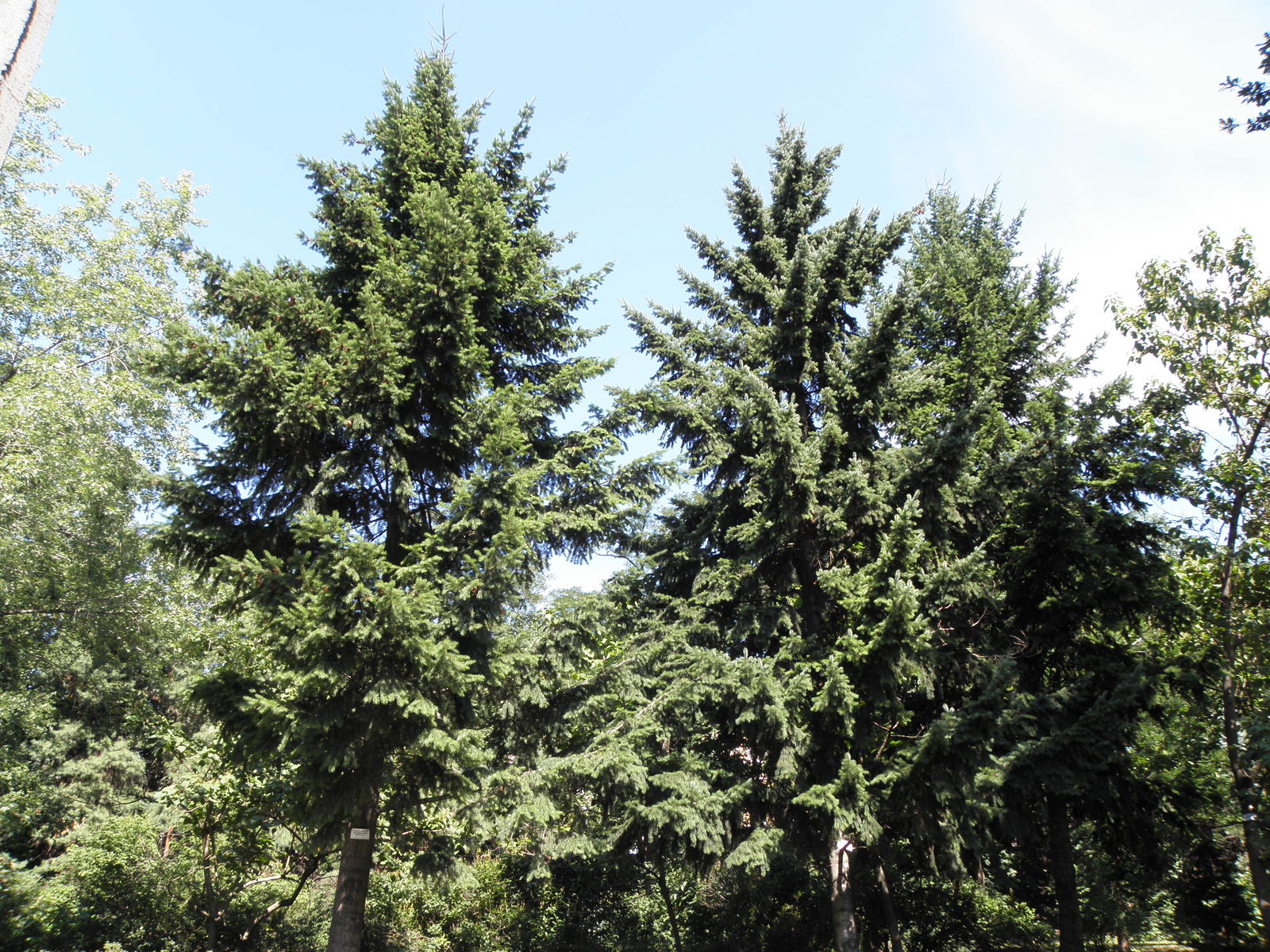
Mature trees in cultivated stands commonly reach 20–60 m (66–197 ft), while some wild specimens exceed 90 m (295 ft). The Doerner Fir in Oregon still measured nearly 99 m (325 ft) in 2022, making it one of the tallest known trees after the redwoods. 6 4
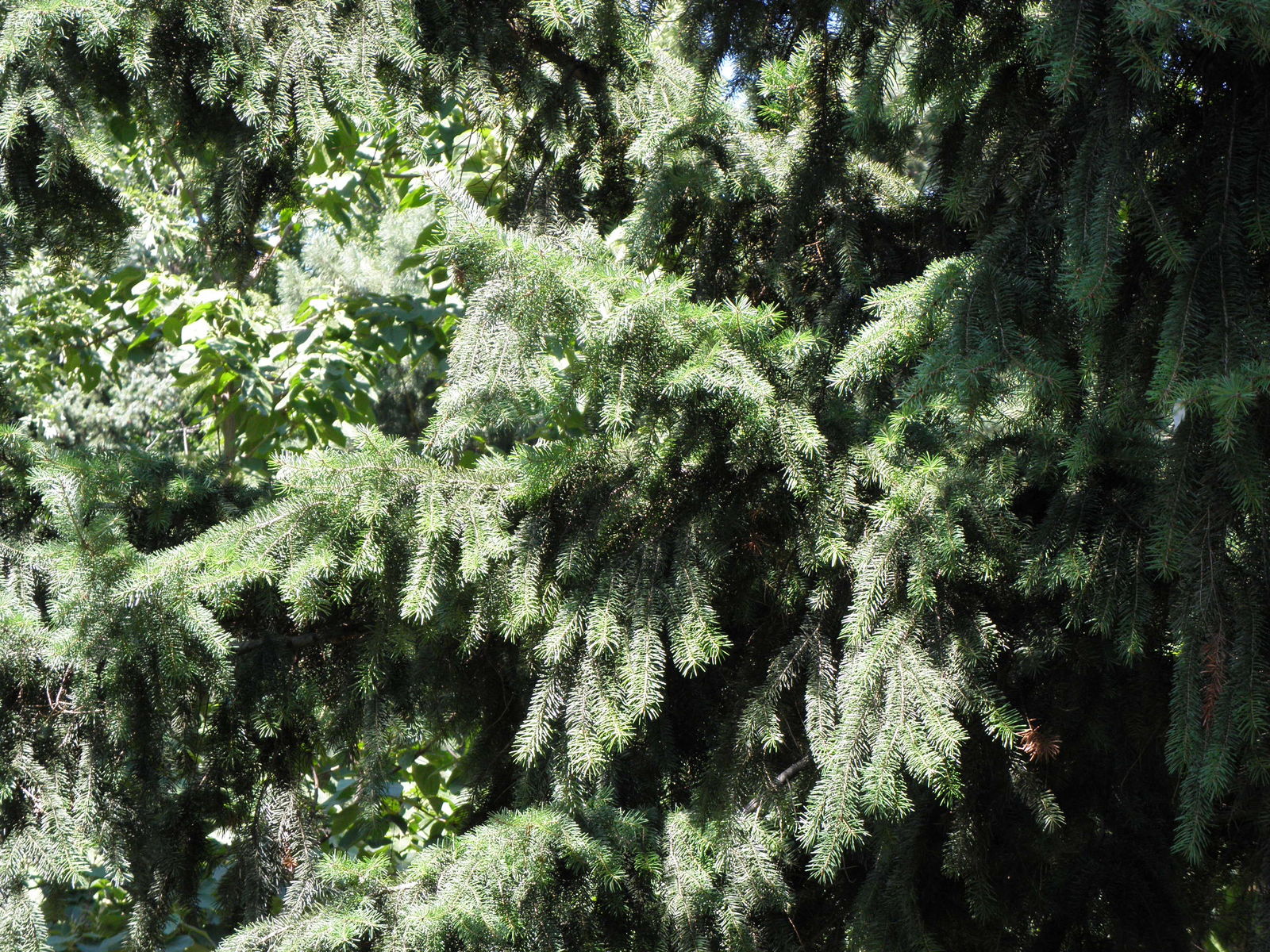
Soft, flat needles measure 2–3.5 cm (0.8–1.4 in) and have rounded, nonprickly tips. They spiral around the twig rather than forming the two rows seen in silver fir. Each needle has two white stomatal bands beneath its paler green surface and leaves a small round scar when it falls, without a raised peg. 3 5
Pointed, spindle-shaped buds offer a more reliable clue than foliage alone: they are glossy reddish brown and nonresinous, unlike the rounded buds of fir or spruce. Hanging cones, 5–10 cm (2–4 in) long, carry a projecting three-pointed bract between the scales. These “mouse tails” distinguish the tree from other conifers in the region. 3 6
Useful taxonomy
Few conifers have such a tangled naming history. Charles François Brisseau de Mirbel described the species as Abies menziesii in 1825, but his publication went overlooked for more than a century while the tree moved through Pinus, Picea, Tsuga and Pseudotsuga. Portuguese botanist João do Amaral Franco rediscovered Mirbel’s text and established the accepted combination, Pseudotsuga menziesii (Mirb.) Franco, in 1950. 1 2
Two recognized varieties distinguish the coast Douglas fir (P. menziesii var. menziesii) along the Pacific coast from the more compact, blue-tinged Rocky Mountain Douglas fir (P. menziesii var. glauca), which is markedly more cold-hardy. Important synonyms are Abies menziesii Mirb., the basionym, Pseudotsuga douglasii Carrière and Pseudotsuga taxifolia (Lamb.) Britton.
Through a century and a half of reclassification, the accepted scientific name Pseudotsuga menziesii provides the consistent reference for identifying this tree. 1 8
Habitat and range
From southeastern Alaska to central Mexico, Douglas fir occurs along the Pacific coast and in the Rocky Mountains, from sea level to above 3,300 m (10,827 ft) depending on latitude. It forms extensive forests, alone or with other conifers, and pioneers sites after fire or disturbance. Thick bark protects mature trees from fire. 6 5
European forestry has planted Douglas fir widely since the early twentieth century. France holds a large share of the continent’s planted resource, particularly in the Massif Central and Vosges, where rapid growth and construction timber drive its use. 9
Beyond plantations, the tree’s status remains debated. It regenerates naturally on some open sites in central Europe but does not dominate closed, productive broadleaf forests, where beech and native trees retain the advantage. The IUCN lists Pseudotsuga menziesii as Least Concern throughout its native range. 7
Life cycle and reproduction
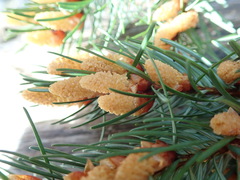
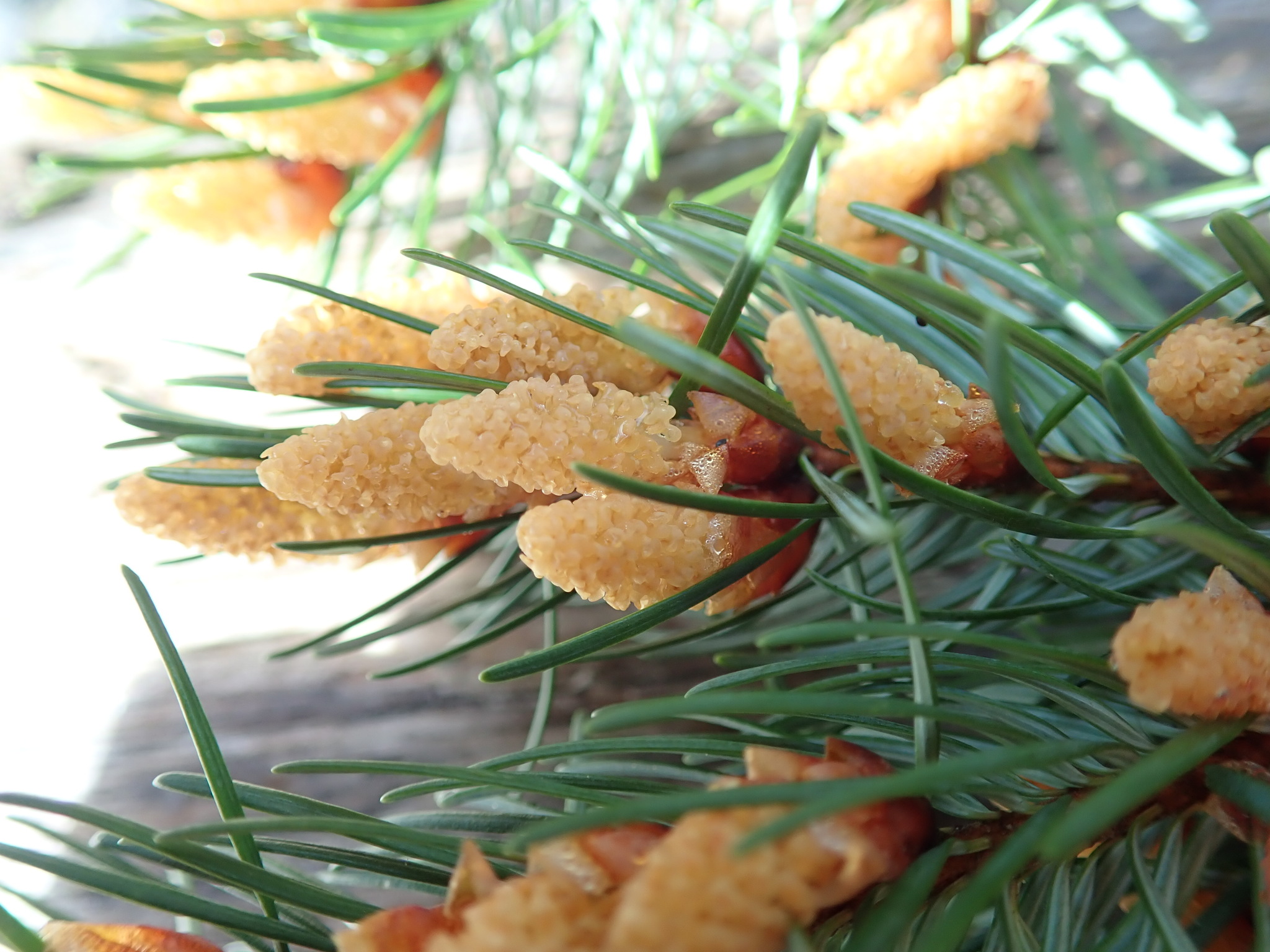
As a monoecious gymnosperm, Pseudotsuga menziesii bears separate male and female cones on each tree. Wind carries pollen in spring. Female cones mature within one season, in fall, then drop whole, unlike the upright cones of true firs, which break apart on the tree. 6
Early growth is slow in shaded woodland, then accelerates markedly once a young tree reaches full sun, to as much as 1 m (3.3 ft) a year in a favorable oceanic climate. Regular cone production begins after 30–40 years. 6 5
Most propagation uses seed: the winged seeds germinate in three to six weeks after cold stratification. Ornamental cultivars such as Glauca Pendula are grafted onto rootstock of the typical species to preserve their distinctive habit. 3
Uses and risks
Construction timber is Douglas fir’s main economic use. Its pale wood is strong, durable and easy to work, valued for framing and outdoor construction as both lumber and plywood. In France, it is the second most widely used reforestation species, selected for rapid growth and useful timber properties. 9 6
Indigenous peoples of the North American Pacific region traditionally used the trunk’s antiseptic resin on wounds and burns, and infused young shoots for coughs. Today, Douglas fir is among North America’s best-selling Christmas trees, valued for its soft needles and good indoor needle retention. 6
Ingestion of Pseudotsuga menziesii has no documented toxic effect in humans or common domestic animals. Repeated skin contact with resin may cause irritation, while swallowing many needles poses mainly a mechanical digestive risk. Toxicity to horses remains poorly documented. 5
Varieties, look-alikes and related plants
Ornamental selections mainly vary in shape and color. Fletcheri is dwarf and bushy, without a dominant leader, and suits rock gardens. Glauca Pendula is a blue-tinged, weeping selection derived from Rocky Mountain Douglas fir. Pannonia and Compacta have very slow-growing dwarf habits suited to small gardens. 3
Silver fir (Abies alba) is a frequent look-alike: its needles attach without pegs, while its upright cones break apart on the tree, unlike Douglas fir’s hanging cones. Norway spruce (Picea abies) and some hemlocks also share a similar outline, but prickly needles on woody pegs, or needles of unequal length on one twig, distinguish them by touch. The cone with projecting bracts identifies Douglas fir more reliably than overall shape; this feature is absent from all three neighboring genera.
Main sources
- Plants of the World Online / Kew, Pseudotsuga menziesii (Mirb.) Franco
- International Plant Names Index, Pseudotsuga menziesii (Mirb.) Franco
- Royal Horticultural Society, Pseudotsuga menziesii - Douglas fir
- Missouri Botanical Garden, Pseudotsuga menziesii
- NC State Extension, Pseudotsuga menziesii (Douglas Fir)
- Plants For A Future, Pseudotsuga menziesii
- IUCN Red List of Threatened Species, Pseudotsuga menziesii assessment
- INPN / MNHN, Pseudotsuga menziesii (Mirb.) Franco, 1950 (cd_nom 116216)
- Tela Botanica, Pseudotsuga menziesii (Mirb.) Franco
Frequently asked questions
Is Douglas fir a true fir?
No. Pseudotsuga menziesii belongs to Pseudotsuga, a genus separate from the true firs in Abies. Its genus name means “false hemlock,” and its pointed, nonresinous buds distinguish it clearly from true firs.
Is Douglas fir poisonous?
No toxicity is documented for humans, cats or dogs. Resin may irritate skin after prolonged contact; effects on horses remain poorly documented.
Why do Douglas fir cones have “mouse tails”?
Each cone scale has a three-pointed bract much longer than the scale, projecting clearly outside it. This feature is unique among North American conifers and makes identification immediate.
How tall can Douglas fir grow?
Wild trees commonly exceed 60 m (197 ft). The Doerner Fir in Oregon measured nearly 99 m (325 ft) in 2022, placing it among the tallest known trees after the redwoods.
How can I tell Douglas fir from spruce or true fir?
Douglas fir needles are soft and nonprickly, unlike spruce needles. Its pointed, glossy buds distinguish it from true fir, while its hanging cones with projecting bracts are unlike any other conifer in its range.
Is Douglas fir threatened?
No. The IUCN lists it as Least Concern across its native range. It is nevertheless vulnerable to Swiss needle cast and prolonged summer drought.
Is Douglas fir invasive in Europe?
Its status remains debated. Planted in France and Germany for a century, it regenerates beyond plantations in some open sites but does not dominate closed, productive broadleaf forests.
Similar plants
If you are unsure about a plant’s toxicity, ask a botanist or veterinarian for advice.