
Teak (Tectona grandis, )

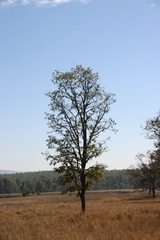

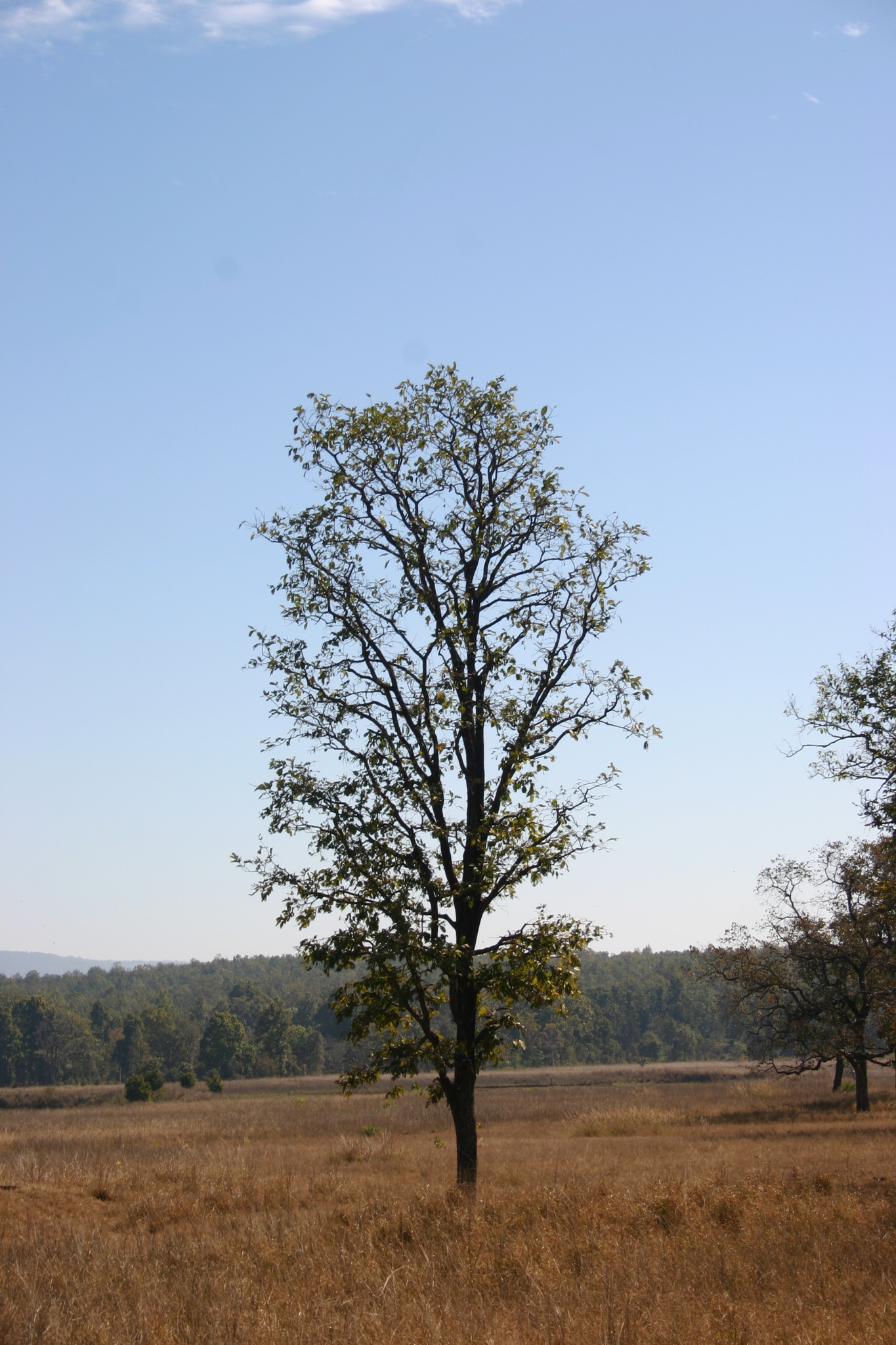
Teak (Tectona grandis) is a large deciduous tropical tree in the Lamiaceae family, native to India, Myanmar, northern Thailand, northwestern Laos and southern Vietnam. Its large, rough, opposite leaves, fissured gray bark and golden heartwood make it distinctive. The timber is highly valued for its resistance to water and insects.
Read moreTeak, Common teak, Sagwan, Djati and Teca



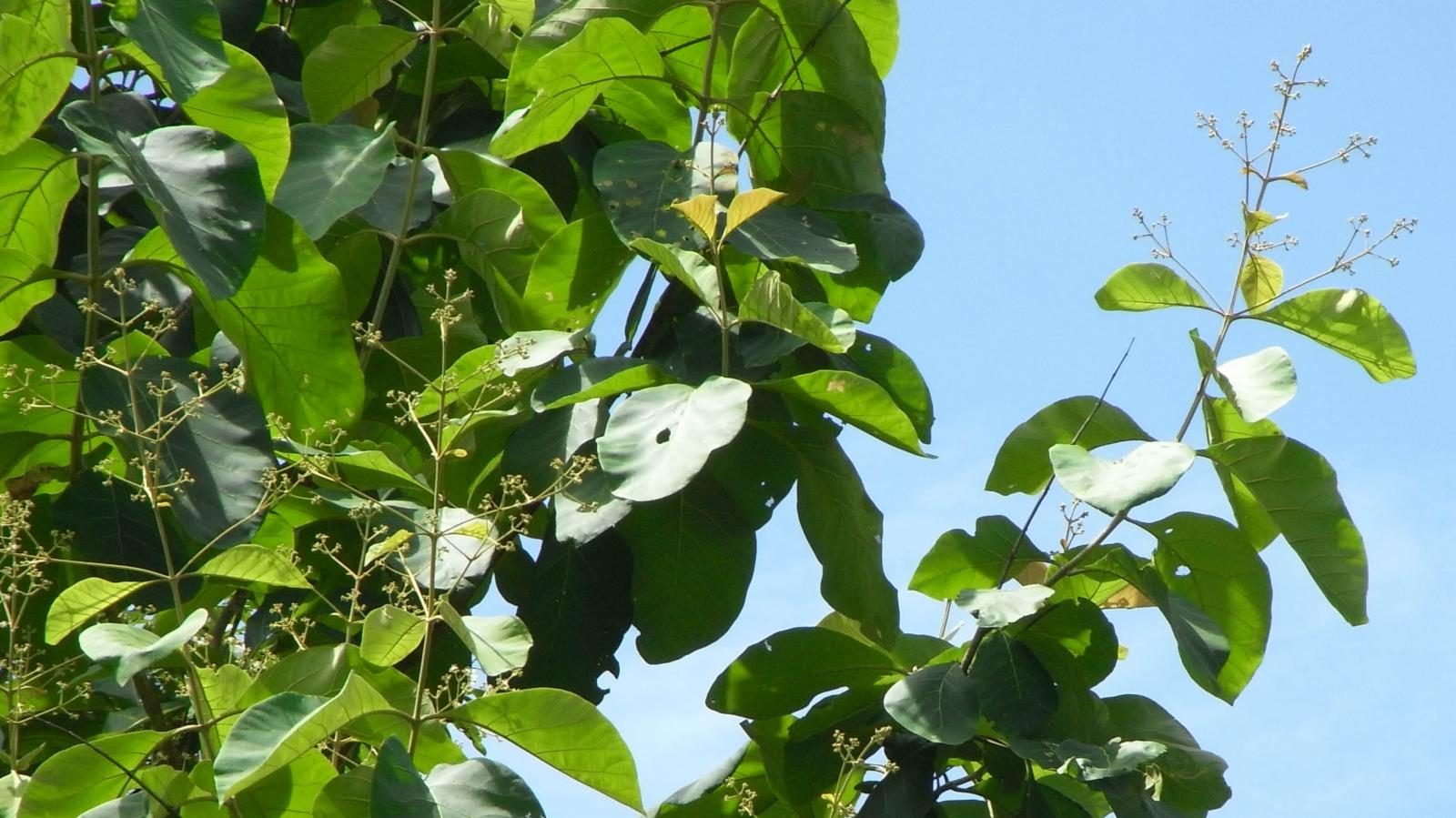
© photo
(c) Fábio Luis dos Santos, some rights reserved (CC BY-NC), uploaded by Fábio Luis dos Santos · cc-by-nc
Praveen J · cc0
Wikimedia Commons · CC BY-SA or Public Domain
Taken Jan 15, 2020 by Aelle J (cc-by-sa)
Taken Jan 5, 2020 by RHSJ (cc-by-sa)
© copyright of the Board of Trustees of the Royal Botanic Gardens, Kew.


Global distribution
Tectona grandis is native from India through Myanmar to northern Thailand, northwestern Laos and southern Vietnam. Its status in Indonesia remains debated: Java’s teak forests may derive from an ancient introduction rather than a truly native population. The tree is now widely planted for timber in West Africa and Central America.
- Native5
- Introduced2
- India
- Myanmar
- Thailand
- Laos
- Vietnam
- Indonesia
- Sri Lanka
Hexagons: regions where the plant occurs. Green dots: native range.1
Identity
Teak (Tectona grandis L.f., 1782), also called Sagwan in northern India and Djati in Indonesia, is a large deciduous tropical tree in the genus Tectona, family Lamiaceae. Long classified in Verbenaceae, the genus moved to Lamiaceae, subfamily Viticoideae, following molecular phylogenetic analyses. 1 6
The English word teak, in use since the late seventeenth century, shares the origin of French teck: Portuguese teca, borrowed from Malayalam thekku. Malayalam is spoken in Kerala, southern India, where timber was shipped overseas through ancient trade networks. 2 6
Recognition
Mature Tectona grandis commonly reaches 25–40 m (82–131 ft), with exceptional old forest trees exceeding 45 m (148 ft). Gray to grayish-brown bark develops narrow fissured strips with age. The often straight trunk is a major feature prized in timber production. 2 3
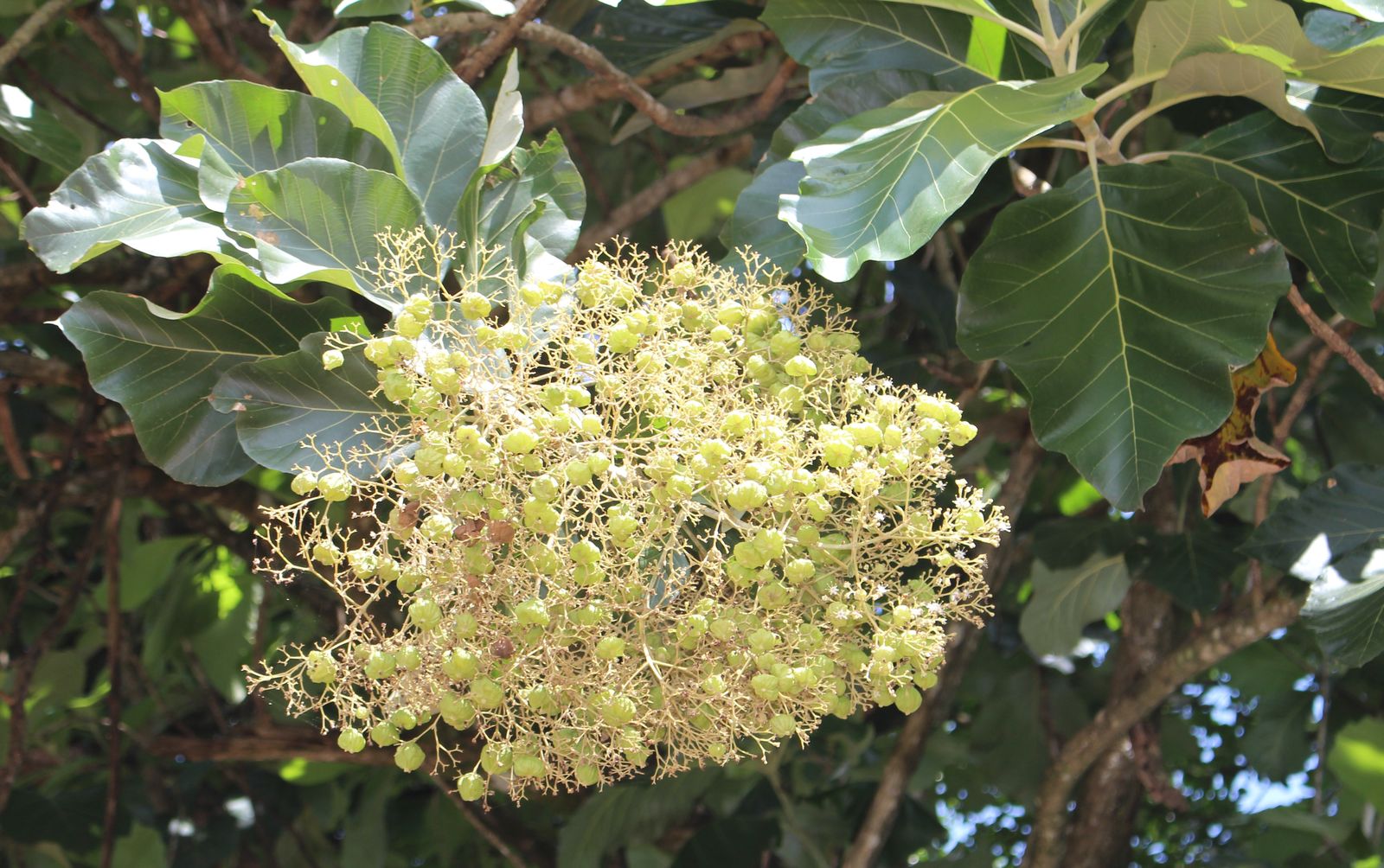
Rough, opposite leaves are ovate to elliptic, 15–45 cm (6–18 in) long and 8–23 cm (3–9 in) wide, with robust stalks and often hairy undersides. All fall during the dry season. While many large tropical trees remain evergreen, Tectona grandis spends several months entirely leafless. 2 3
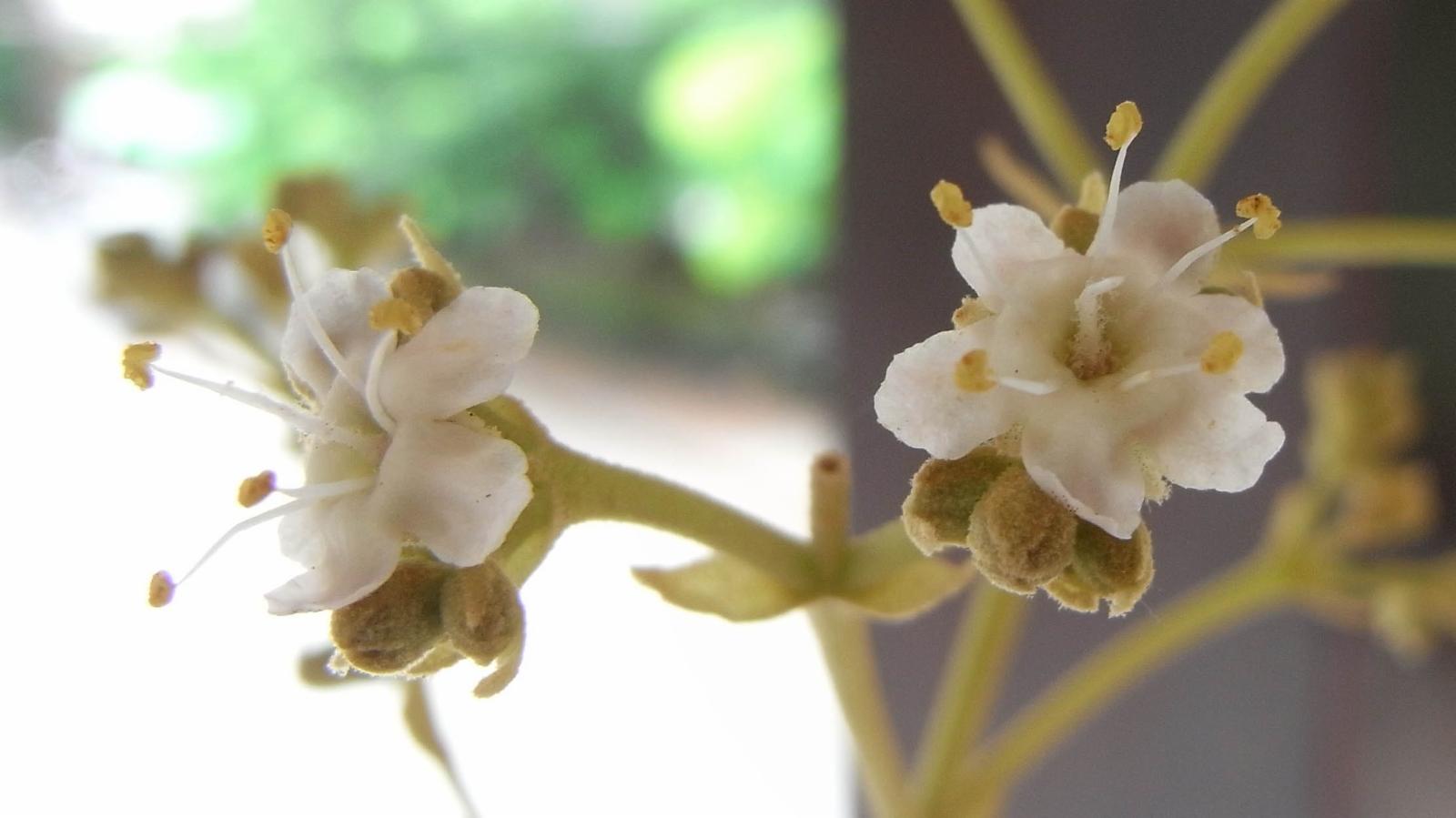
Tiny, fragrant white to cream flowers form large terminal panicles 25–40 cm (10–16 in) long and about 30 cm (12 in) wide, visible from June to August depending on region. Dry, rounded fruits measure 1.2–1.8 cm (0.5–0.7 in) across. A persistent papery calyx encloses each fruit, protecting the seed and helping wind dispersal. 2
Useful taxonomy
Carl Linnaeus the Younger described Tectona grandis in the Supplementum Plantarum in 1782 under the name POWO still accepts. Only three species are recognized in Tectona: the widely planted Tectona grandis; the smaller Tectona hamiltoniana, restricted to Myanmar and the Malay Peninsula; and the endangered Tectona philippinensis, confined to two Philippine islands. 1 7
Botanists have described several forms, including variants distinguished by Harold Norman Moldenke in 1975 on the basis of leaf shape and hairiness. Names encountered in synonymy include:
- Tectona theca Lour., a historical synonym
- Tectona grandis f. canescens Moldenke, a named botanical form
- Tectona grandis f. pilosula Moldenke, a named botanical form
- Tectona grandis f. punctata Moldenke, a named botanical form
Moldenke’s forms remain synonyms or minor variants without separate horticultural status. The accepted scientific name provides a consistent reference amid sometimes imprecise timber trade names. 1
Habitat and range
India, Myanmar, northern Thailand, northwestern Laos and southern Vietnam form the native range of Tectona grandis. It grows in dry to semi-humid tropical forests receiving 1,250–1,650 mm (49–65 in) of annual rain, with a pronounced three- to five-month dry season. Myanmar alone holds nearly half of the world’s remaining natural Teak. 2 3
Indonesia’s Teak populations have a debated origin. Java’s well-known forests may descend from trees introduced long ago by traders or settlers, rather than truly native populations. The historic cultivation range therefore differs from the strict native range. 6
The International Union for Conservation of Nature assessed wild Teak as Endangered in 2022 because natural stands are overharvested, particularly in Myanmar, where illegal logging intensified after the 2021 coup. This IUCN status does not apply to plantation Teak, now the main source of commercially traded wood. 5
Life cycle and reproduction
June-to-August flowering produces bisexual flowers, pollinated mainly by small bees in the genus Ceratina in Thailand. Fruits develop afterward, through December. A thick fruit wall contributes to natural seed dormancy and the need for pretreatment before sowing. 2
Nurseries break dormancy by alternating soaking and drying cycles over ten to fourteen days. Germination then takes fifteen to thirty days, often with success below 50%. Grafting and budding outperform stem cuttings when propagating selected seed-orchard clones. 3 2
Young trees grow quickly on deep alluvial soil, potentially reaching 13 m (43 ft) in five years. Roots remain shallow, often within the upper 50 cm (20 in), but spread sideways as far as 15 m (49 ft). This limits anchorage in strong winds. The traditional forestry rotation for heartwood harvest is about 80 years. 3
Uses and risks
Golden-yellow to brown heartwood has a density of about 660 kg/m³ (41 lb/ft³). Natural oil makes it water-resistant and protects the fibers from termites and fungi, explaining more than two thousand years of shipbuilding use. Teak decks on the battleship USS Missouri provide a specific example: the wood protected steel from heat and sparks. 2
Outdoor furniture, joinery, veneers and flooring are further uses for the wood. Its high silica content quickly dulls cutting tools. Usual toxicology reference databases document no notable toxicity to cats or dogs; the status in horses remains uncertain because specific data are lacking. 3
Illegal harvesting continues to threaten wild Teak, particularly in Myanmar since 2021. This has led the European Union to strictly control imports of timber of uncertain origin. Plantation Teak, grown especially in West Africa and Central America, largely avoids this pressure on wild populations. 5 2
Varieties, look-alikes and related plants
Forestry selections differ from the ornamental cultivars familiar in houseplants. Teak’s useful variation centers on elite seed-orchard clones and two main genetic provenances, Indian and Myanmar–Laos, selected for trunk straightness or heartwood quality. 2
The remaining Tectona species are rarely traded. Tectona hamiltoniana forms smaller stands in Myanmar and the Malay Peninsula; endangered Tectona philippinensis is restricted to two Philippine islands. From a distance, the latter can resemble a young Tectona grandis, especially without flowers or fruits to distinguish them. 7
Main sources
- Plants of the World Online / Kew, Tectona grandis L.f.
- Encyclopaedia Britannica, teak (Tectona grandis)
- Plants For A Future, Tectona grandis
- INPN / MNHN, Tectona grandis L.f. (cd_nom 447682)
- IUCN Red List of Threatened Species, Tectona grandis assessment (2022)
- USDA GRIN Taxonomy, Tectona grandis
- Integrated Taxonomic Information System, Tectona grandis L.f.
- USDA PLANTS Database, Tectona grandis profile (TEGR)
Frequently asked questions
Is Teak toxic to cats and dogs?
No notable toxicity to cats or dogs is documented in the usual toxicology reference databases. Its status in horses remains uncertain because specific data are lacking.
Why does Teak wood resist moisture so well?
The heartwood contains natural oils that make it water-resistant and unattractive to termites and fungi. This durability explains its traditional use in shipbuilding for more than two thousand years.
Does Teak really lose all its leaves?
Yes. Unlike many evergreen tropical trees, Tectona grandis is fully deciduous and loses its foliage during the dry season, reducing water loss at that time.
Where does the name Teak come from?
The English name shares its origin with Portuguese teca, borrowed from Malayalam thekku, a language of Kerala in southern India, where timber had long been exported by sea.
Is Teak endangered?
Wild Teak is classified as Endangered by the IUCN, mainly because of overharvesting in natural stands in Myanmar, where illegal logging intensified after 2021. Widespread plantation-grown Teak is not covered by that status.
Can I grow Teak indoors in a temperate climate?
A young potted tree can be grown as a botanical curiosity in a conservatory or warm greenhouse, provided it receives abundant light and temperatures never fall below 15 °C (59 °F). It will not reach its mature size outside the tropics.
How does Tectona grandis differ from other Tectona species?
The genus also includes Tectona hamiltoniana, a smaller tree from Myanmar and the Malay Peninsula, and Tectona philippinensis, an endangered species restricted to two Philippine islands. Tectona grandis is the only one grown for timber on a large scale.
Similar plants
If you are unsure about a plant’s toxicity, ask a botanist or veterinarian for advice.