
Small-leaved lime (Tilia cordata, )

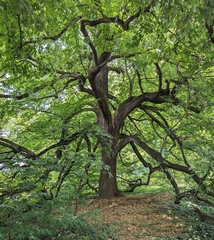
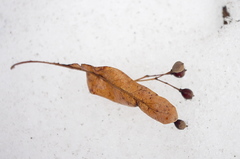
Small-leaved lime (Tilia cordata Mill., 1768) is a large deciduous tree in the Malvaceae family, native across most of Europe to central Siberia and northern Iran. Smaller leaves, later flowering and thin-shelled fruit without prominent ribs distinguish it from Tilia platyphyllos.
Read moreSmall-leaved lime, Littleleaf linden, Small-leaved linden, Little-leaf linden, Pry and Pry tree



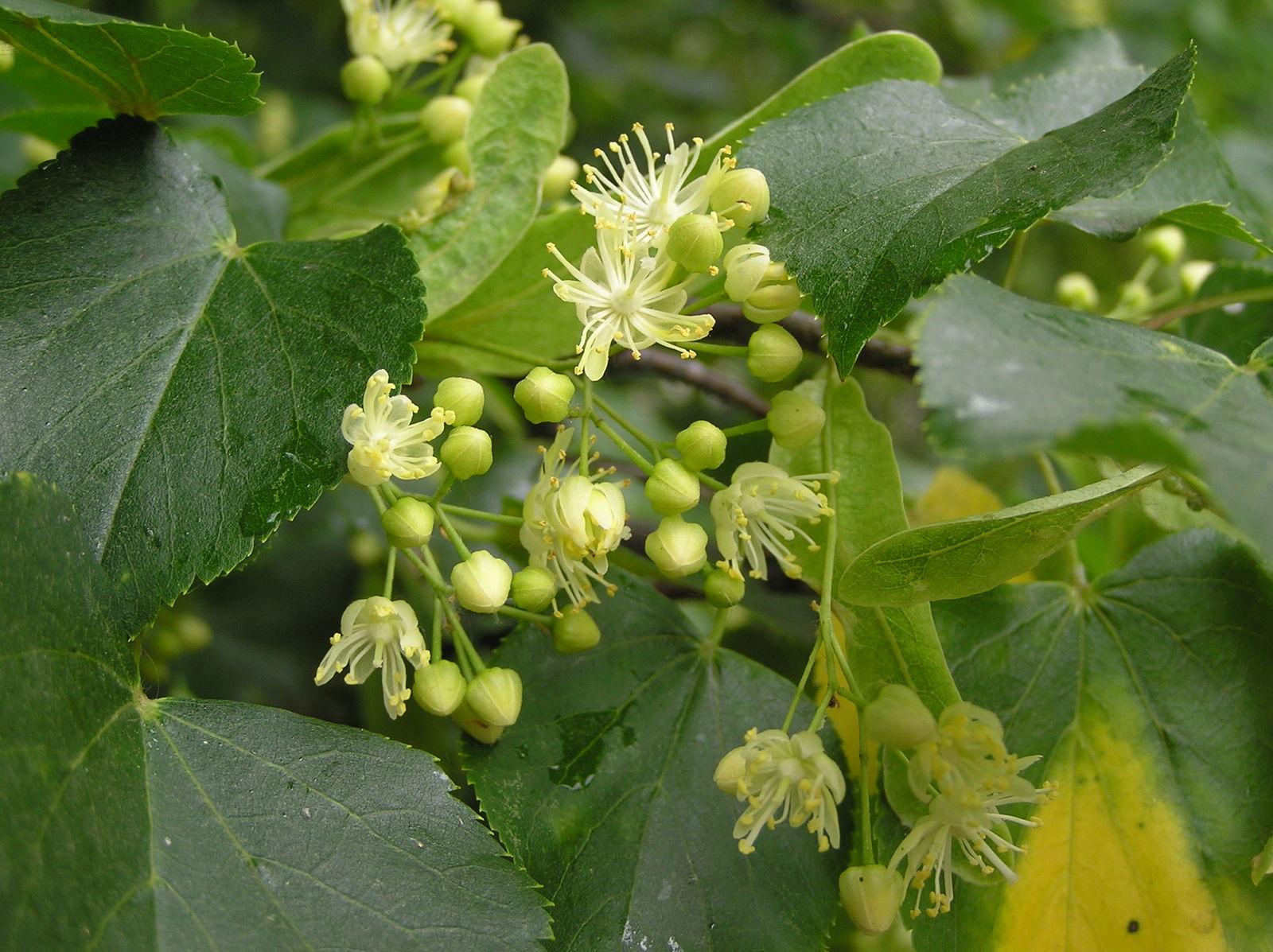
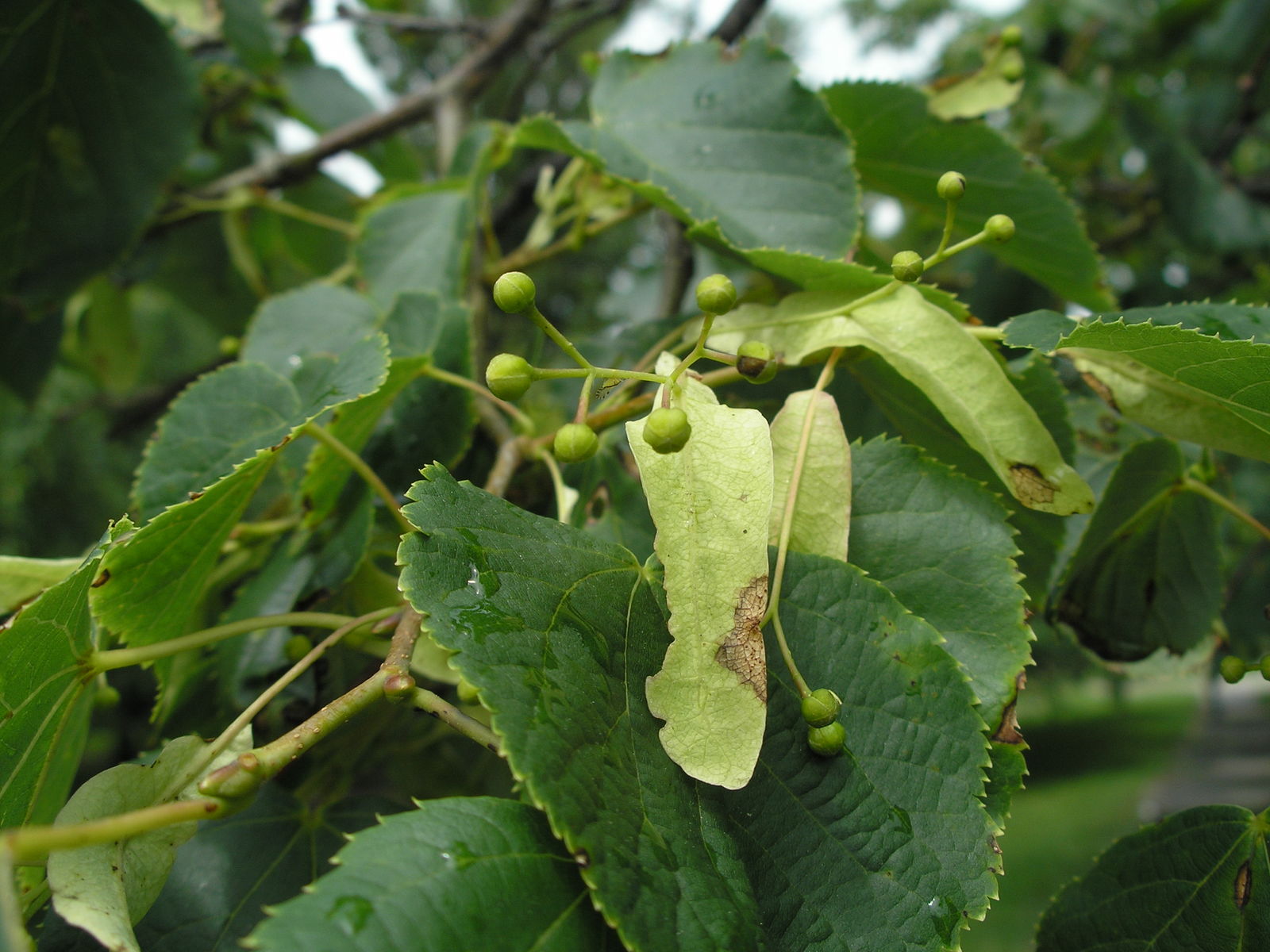
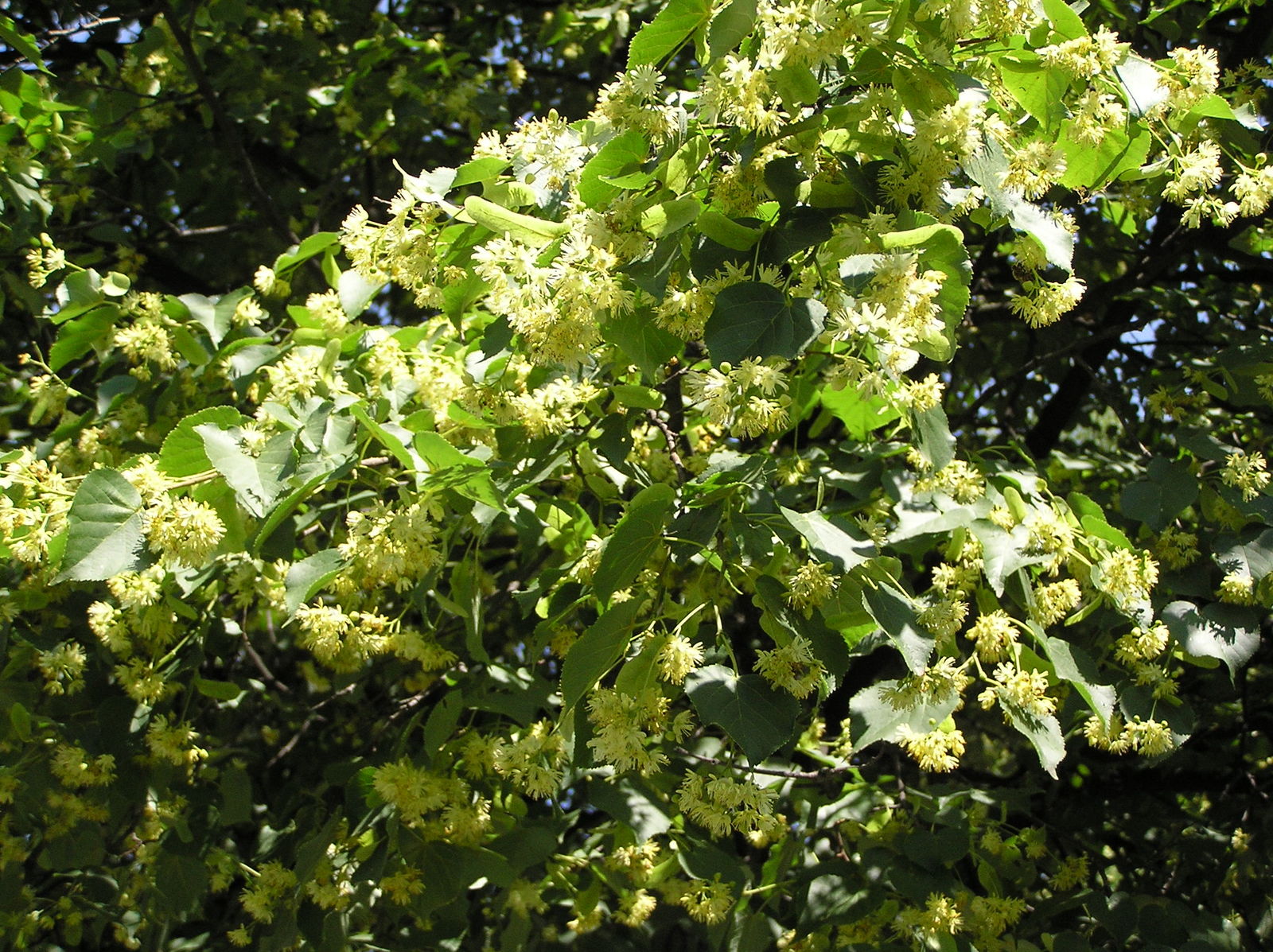
© photo
Maria Lazareva · cc0
Conway Hawn · cc-by
Георгий Виноградов (Georgy Vinogradov) · cc-by
Taken Jul 22, 2022 by Oğuzhan (cc-by-sa)
Taken Jul 5, 2022 by Cabanossi Jupp (cc-by-sa)
Taken Jun 1, 2014 by Alain Bigou (cc-by-sa)
Taken Jul 12, 2014 by Tela Botanica − Geneviève Botti (cc-by-sa)
Taken Apr 26, 2019 by La Renarde (cc-by-sa)
© copyright of the Board of Trustees of the Royal Botanic Gardens, Kew.


Global distribution
POWO/WCVP records Tilia cordata as native from Europe to central Siberia and northern Iran, with three recognized subspecies. Metropolitan France lies within this native range, but the species is also widely planted outside its natural sites there, particularly along urban streets.
- Native7
- Metropolitan France
- United Kingdom
- Scandinavia
- Central Europe
- Caucasus
- Western and central Siberia
- Northern Iran
Hexagons: regions where the plant occurs. Green dots: native range.1
Identity
Small-leaved lime (Tilia cordata Mill., 1768) is an accepted species of Tilia in the Malvaceae family. POWO/WCVP traces its name to Philip Miller’s publication in 1768 and describes a temperate native range extending from Europe to central Siberia and northern Iran. 1
The genus name may derive from an old Greek word for elm or black poplar. The epithet cordata describes the heart-shaped base of the leaf blade, a feature readily visible on a mature leaf. French names referring to its heart-shaped or small leaves, and to its woodland habitat, describe different aspects of the same species. 4 5
English speakers also know this tree as littleleaf linden, small-leaved linden or little-leaf linden; pry and pry tree are traditional names in southeastern England. The German name Winterlinde contrasts with the summer lime, Tilia platyphyllos, because Tilia cordata flowers later in the season. 4 2
Recognition
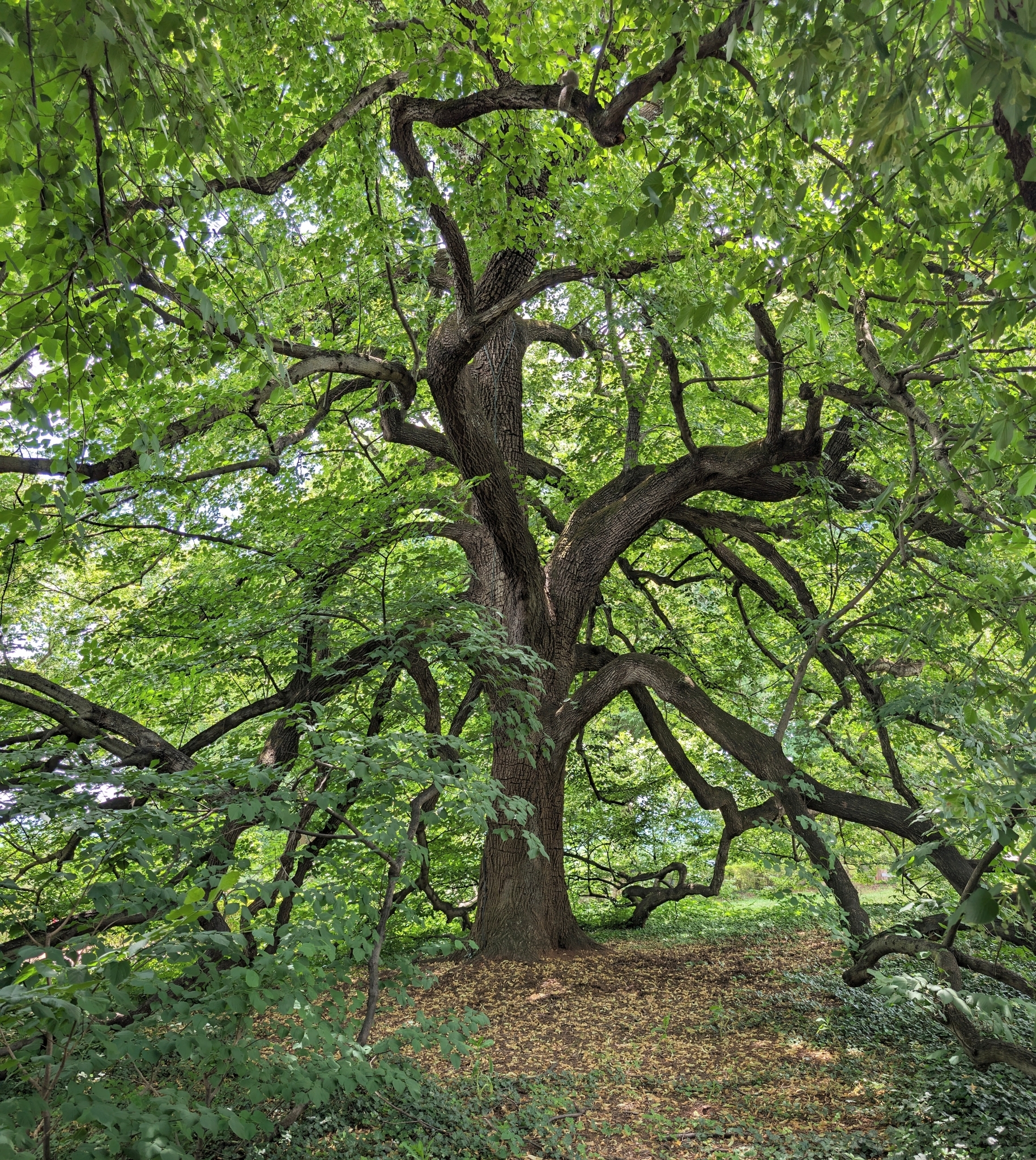
A dense crown and a height of 15–25 m (50–80 ft) are typical of planted Tilia cordata, while old woodland trees can reach 30 m (100 ft). The young trunk has smooth gray-brown bark, which becomes fissured with age. Stump sprouts often develop around its base. 2 4
At 3–8 cm (1–3 in) long, the leaves are small for this genus. They are heart-shaped with a strongly asymmetric base and a finely toothed edge. Beneath the blade, rusty or reddish-brown hair tufts occupy the junctions of secondary veins. These tufts help separate it from Tilia platyphyllos, in which the hairs are whitish. 4 2
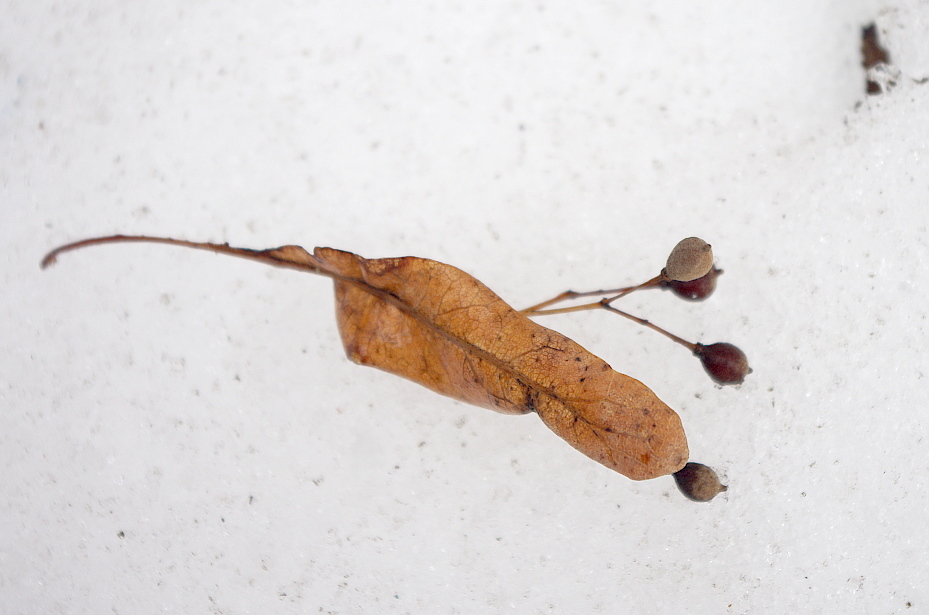
Late flowering, in early to midsummer in its northern temperate range, produces drooping cymes of a few strongly fragrant, creamy white flowers. Each cluster has a long, pale green, tongue-shaped bract. The small fruit has a thin shell, smooth or only faintly ribbed; the thicker fruit of Tilia platyphyllos has conspicuous ribs. Fruit structure is particularly useful when comparing the two trees. 3 2
Taxonomy and names
Three subspecies sit under the accepted name Tilia cordata Mill. in POWO/WCVP. They include the typical Tilia cordata subsp. cordata and two more eastern forms associated with Siberia. The species now belongs to Malvaceae, following a long horticultural tradition of placing limes in the former family Tiliaceae. 1
Names encountered in older books or catalogs include Tilia microphylla, Tilia ulmifolia and the frequent synonym Tilia parvifolia. All refer to the same species and do not replace the accepted name Tilia cordata. Recognizing these older names helps reconcile records that otherwise appear to concern different trees. 4 2
Hybridization occurs readily within Tilia. Small-leaved lime and Tilia platyphyllos produce Tilia × europaea, the hybrid most often planted in urban avenues in Europe. Its frequency in towns explains why many trees casually called street limes are not strictly Tilia cordata. 4 3
Habitat and range
Across western Europe, the native range of small-leaved lime continues east to central Siberia and northern Iran in POWO/WCVP. Metropolitan France lies within this range, alongside the United Kingdom, Scandinavia and central Europe. Native occurrence needs to be distinguished from the many deliberate plantings within and beyond that area. 1
Woodland populations generally grow on fertile soil, often over limestone. Records frequently mention limestone slopes and cliffs, where good drainage combines with access to moisture deeper in the ground. These sites provide moisture without the roots remaining in poorly drained soil. 3
Beyond natural woodland sites, Tilia cordata is widely planted in temperate parks and avenues. This includes North America, which lies outside its native range. Its presence both in the wild and in horticulture contributes to confusion with the hybrid Tilia × europaea. 4 8
Life cycle, ecology and cultivation
Pollinators benefit from small-leaved lime’s late summer flowering, which follows that of most large hedgerow trees. Its nectar is a valuable food resource at a point in the season when the wider supply of flowers is already declining. 3
Space is the first consideration when planting this tree in a garden or avenue. Its dense, broad crown soon exceeds the scale of a small plot. An undersized urban planting space can result in restricted growth, leaf-edge dieback or wind damage where the root system cannot develop securely. 4
Seed propagation of the species requires several months of cold stratification to overcome dormancy. Named cultivars such as 'Greenspire' and 'Winter Orange' do not come true from seed. They are propagated by grafting or layering to retain the characteristics for which they were selected. 4
Uses and risks
Tea made from freshly dried flowers and their attached bracts is the best documented traditional use of small-leaved lime. Herbal sources describe antispasmodic, sweat-promoting and mildly sedative properties. These traditional descriptions do not establish the infusion as a validated medical treatment. 3
Storage time is the documented safety concern for harvested flowers. Flowers kept too long are reported to develop mildly narcotic properties and are discouraged for regular tea drinking. The sources consulted otherwise record no known toxicity to humans, cats or dogs. 3 7
Carvers and turners value the pale, soft wood of Tilia cordata: its fine, even grain can be worked without splintering. The fibrous inner bark was long made into rope. The English name lime derives from the old word lind, used for both the tree and its fiber. 8 4
Cultivars and look-alikes
Among cultivated small-leaved limes, 'Greenspire' is the most widely planted street selection, valued for its regular pyramidal crown and tolerance of street conditions. 'Winter Orange' has young orange twigs that stand out in winter, while 'Rancho' is more compact. Nurseries sometimes offer 'Erecta' as a narrower form, but its status should be checked with the supplier. These are horticultural selections rather than separate parts of the native range described by POWO. 4
Large-leaved lime, Tilia platyphyllos, is the closest common source of confusion. It has larger leaves with whitish hair tufts, flowers earlier and produces thick fruit with clear ribs. Many street trees actually belong to Tilia × europaea, often recognizable by abundant aphid honeydew and numerous shoots at the base of the trunk. 2 4
Reliable field identification combines leaf size, hair-tuft color, flowering time and fruit structure. A single trait taken from a low branch or a vigorous basal shoot gives a less dependable comparison than this combination of features from the same tree. 2 3
Main sources
- Plants of the World Online / Kew, Tilia cordata Mill.
- Royal Horticultural Society, Tilia cordata - small-leaved lime
- Plants For A Future, Tilia cordata database entry
- NC State Extension Gardener Plant Toolbox, Tilia cordata
- Tela Botanica / eFlore, Tilia cordata overview
- USDA GRIN Taxonomy, Tilia cordata
- ASPCA, Linden toxicity entry
- Encyclopaedia Britannica, small-leaf linden
Frequently asked questions
Is small-leaved lime toxic?
No known toxicity to humans, cats or dogs is recorded in the sources consulted. The documented precaution concerns tea made from flowers stored too long, which may have a mildly narcotic effect.
How can I distinguish Tilia cordata from Tilia platyphyllos?
Small-leaved lime has smaller leaves, later flowering in early to midsummer and thin-shelled fruit without prominent ribs. Large-leaved lime flowers earlier and has thicker fruit with clear ribs.
Are city street limes always Tilia cordata?
No. Many avenues contain Tilia × europaea, a natural hybrid between Tilia cordata and Tilia platyphyllos, known for abundant honeydew beneath its crown.
Can lime flowers be used to make tea?
Yes, this is the best documented traditional use. Freshly dried flowers are infused in water; sources advise against keeping flowers too long, since their quality declines and they may become mildly narcotic.
Does small-leaved lime suit a small garden?
Rarely. The species commonly reaches 15–30 m (50–100 ft) with a broad crown. Parks, large gardens and avenues suit it better than a small urban plot.
Is small-leaved lime native to France?
Yes. POWO/WCVP places France within the species’ European native range, alongside the United Kingdom, Scandinavia and central Europe.
Similar plants

If you are unsure about a plant’s toxicity, ask a botanist or veterinarian for advice.