
Chinese tallow (Triadica sebifera, )
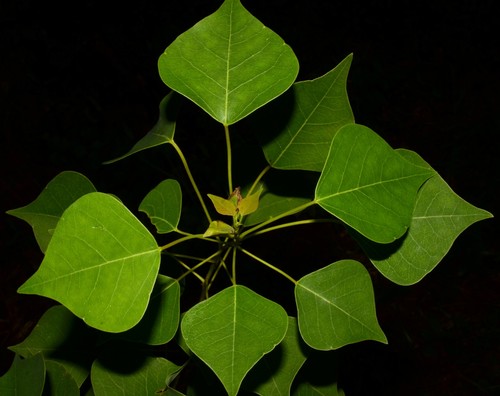
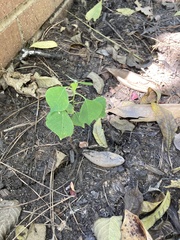
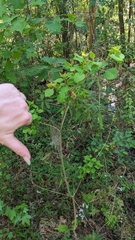
Chinese tallow (Triadica sebifera) is a deciduous tree in the Euphorbiaceae family, native to southern China, Taiwan and Vietnam. Cultivated for centuries for its seed wax, it has become widely naturalized along the Gulf of Mexico and the North American Atlantic coast, where its brilliant fall foliage accompanies well-documented toxicity and invasive behavior.
Read moreChinese tallow, Chinese tallowtree, Florida aspen, Chicken tree, Candleberry tree and Popcorn tree
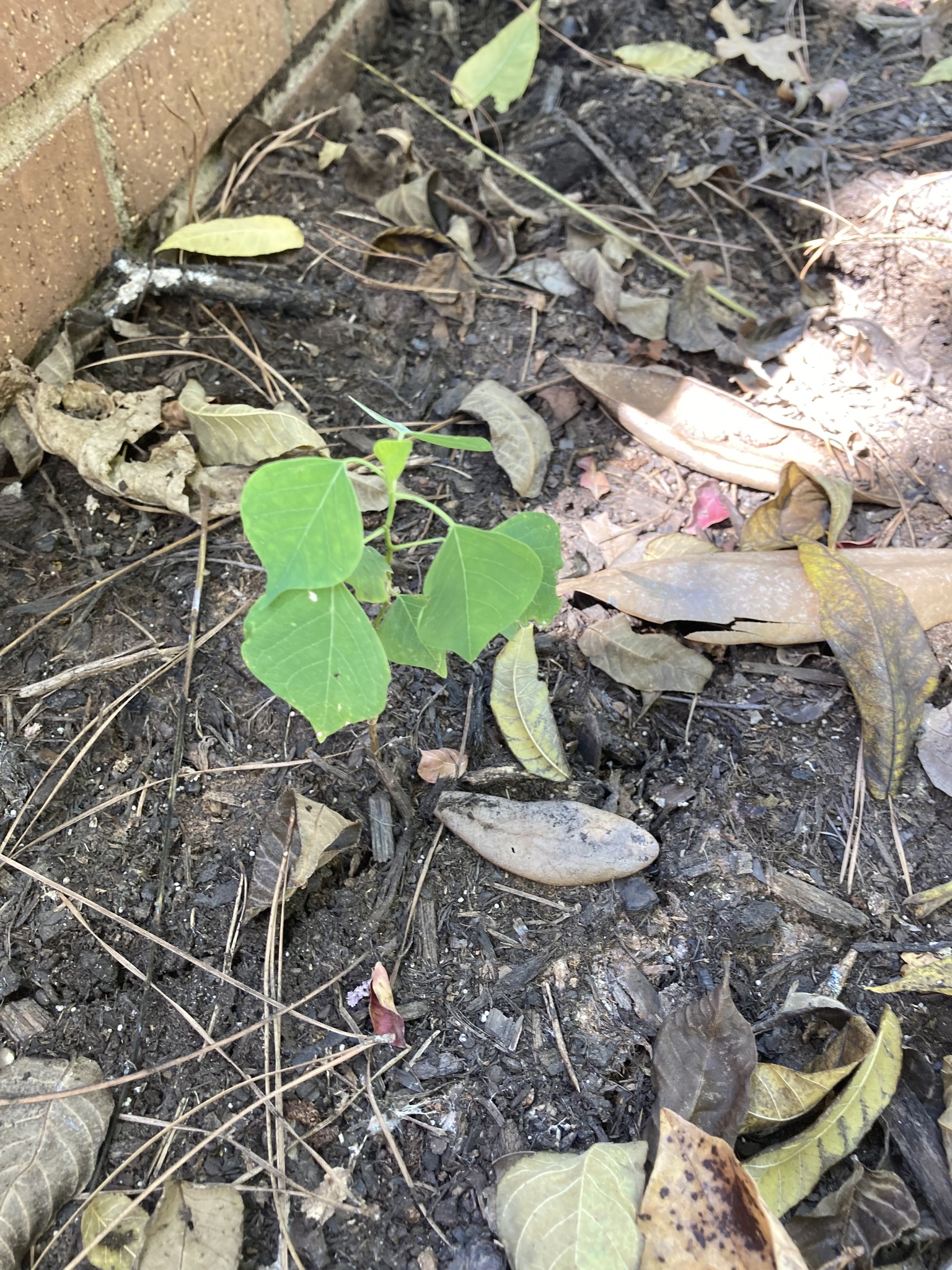
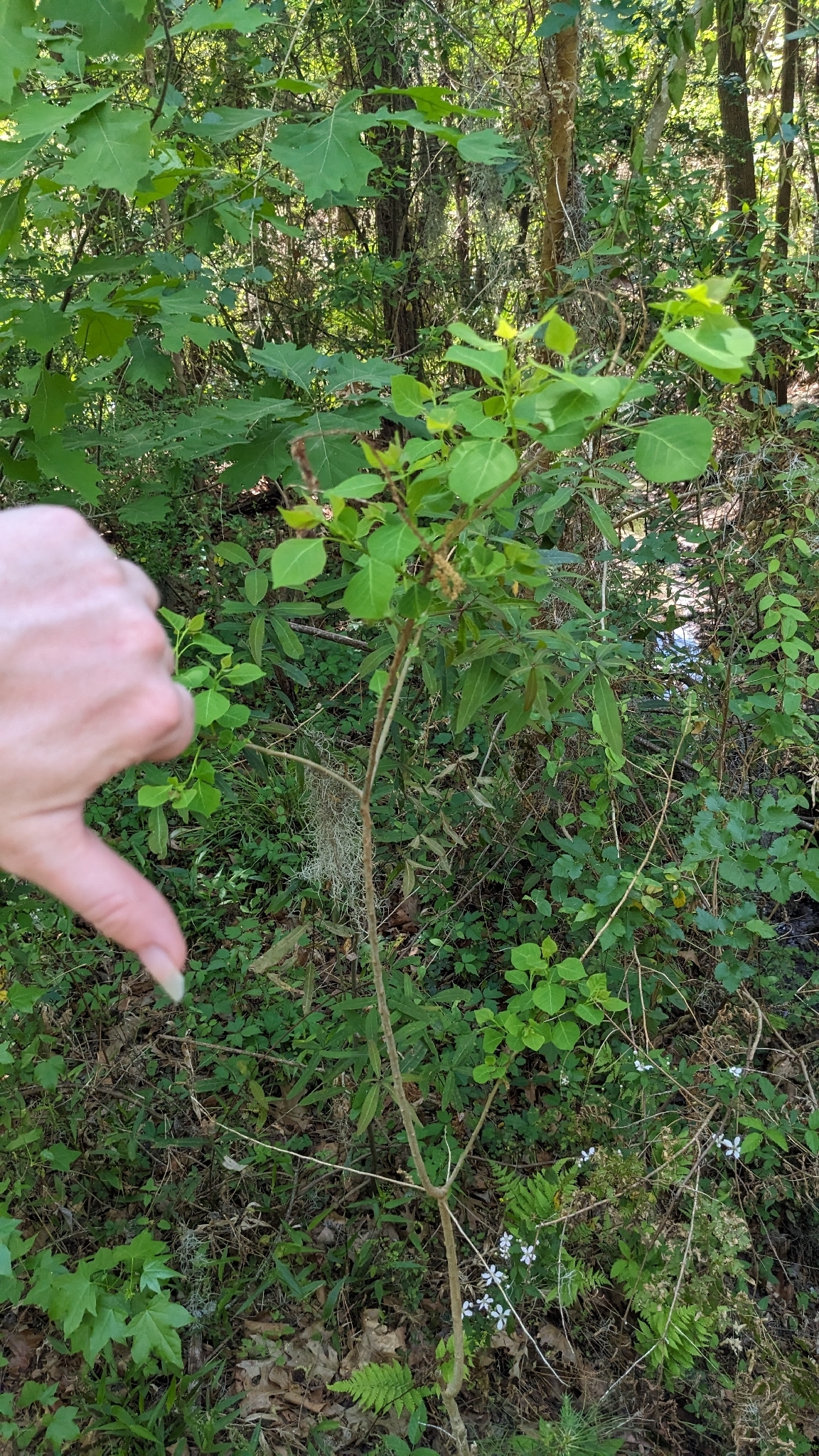


© photo
(c) J. Richard Abbott, some rights reserved (CC BY-NC), uploaded by J. Richard Abbott · cc-by-nc
iNaturalist User · cc0
Nonbinary-Naturalist · cc0
Taken Jun 9, 2021 by Eli Small (cc-by-sa)
Taken Jul 31, 2021 by Miroslav Cikan (cc-by-sa)
Taken Mar 19, 2020 by Brandi Bourne (cc-by-sa)
© copyright of the Board of Trustees of the Royal Botanic Gardens, Kew.


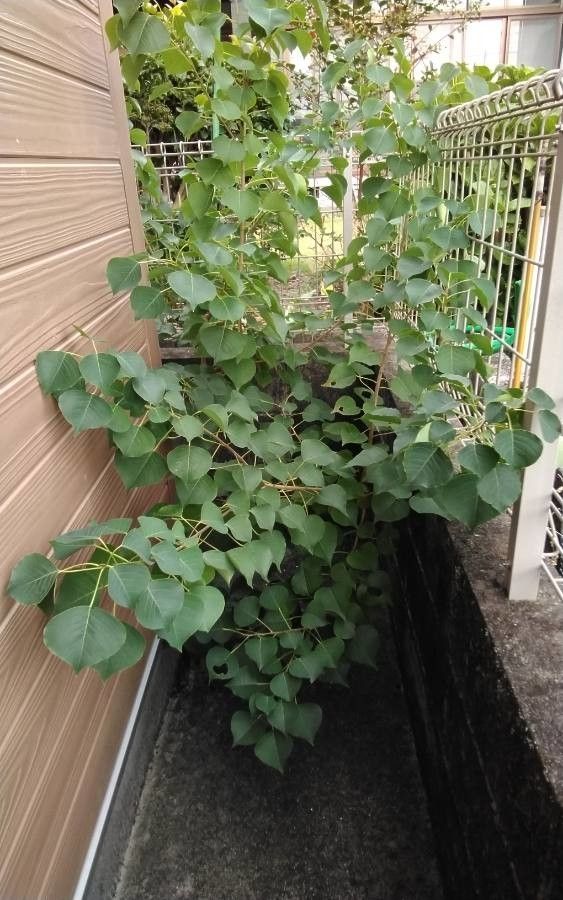


Global distribution
The native range covers southern and central China, Taiwan and Vietnam, with populations in temperate East Asia. Introduced to North America in the 18th century for its wax, Chinese tallow has become widely naturalized along the Atlantic and Gulf coasts, as well as in India and Queensland, Australia. In mainland France it remains absent from natural habitats despite historical ornamental plantings; it has been listed as an invasive alien species of EU concern since 2019.
- Native3
- Introduced1
- Invasive3
- China
- Taiwan
- Vietnam
- Japan
- United States
- India
- Australia
Hexagons: regions where the plant occurs. Green dots: native range.1
Identity
Chinese tallow (Triadica sebifera (L.) Small, 1913) is a deciduous tree in the genus Triadica, family Euphorbiaceae. The scientific name combines Latin sebum, tallow, and fero, to bear, referring to the white wax around each seed. This wax has long been used in China to make candles and soap. 2
Linnaeus first described this tree as Croton sebiferum in 1753. It subsequently bore the name Sapium sebiferum for nearly two centuries. John Kunkel Small transferred it to Triadica in 1913, the placement now accepted by POWO/WCVP. 1
Recognition
A young Chinese tallow tree has a pyramidal crown that rounds out with age. Typical dimensions are 9–15 m (30–49 ft) tall and 4–6 m (13–20 ft) wide. 2 3
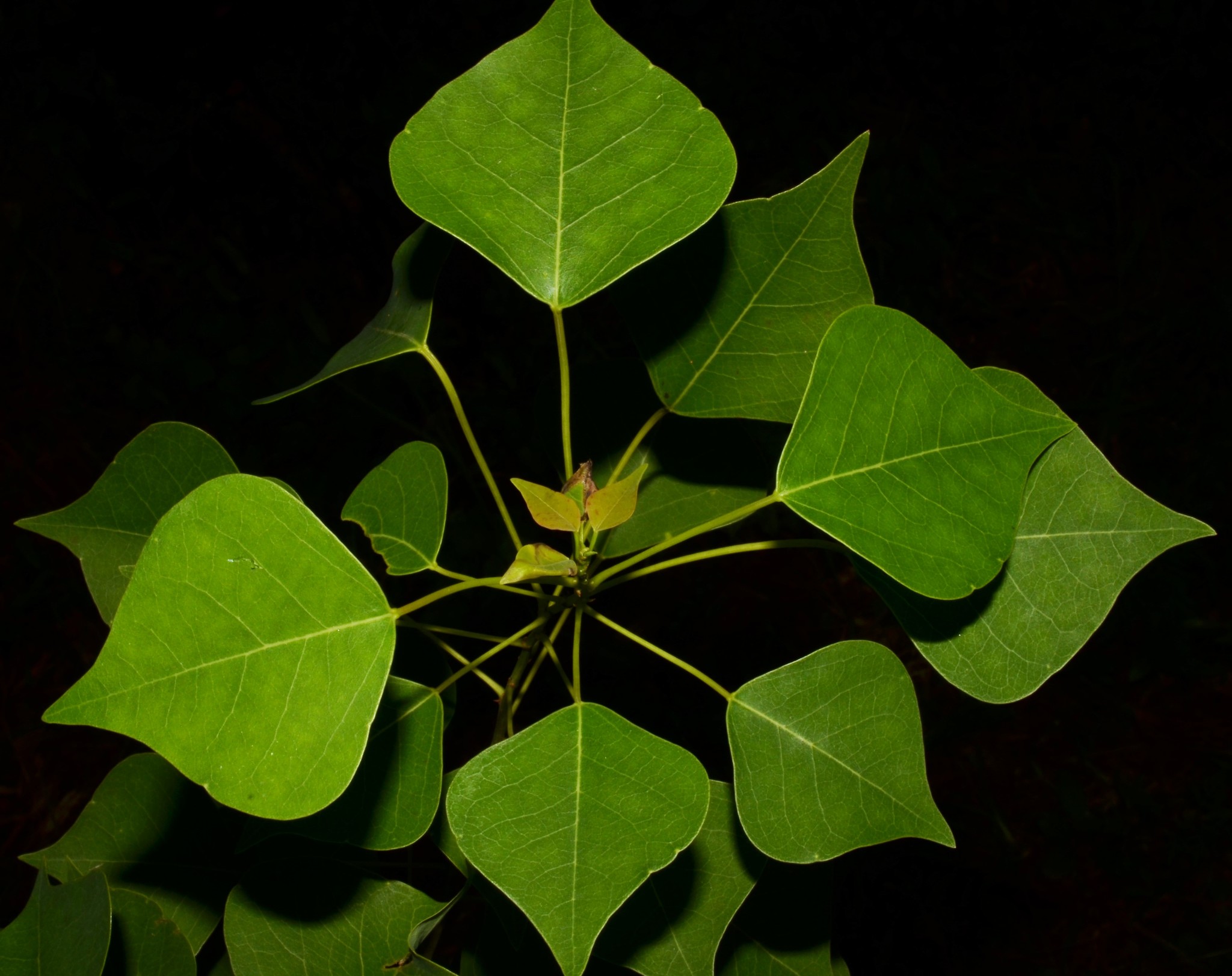
Alternate, deciduous leaves have diamond-shaped to oval blades with smooth margins, tapered tips and long stalks. Their resemblance to poplar foliage accounts for the name Florida aspen. Bright green during the growing season, they turn yellow, orange, red or purple in fall, sometimes rivaling American sweetgum and leading to confusion between the two trees. 4
Upright terminal spikes carry greenish-yellow flowers and reach 20 cm (8 in) long. The tree is monoecious, with male and female flowers on the same spike. After flowering, three-chambered capsules dry and release three round seeds about 1 cm (0.4 in) across. Their white wax coating resembles popcorn on the bare branches, hence popcorn tree. 4 3
Useful taxonomy
Botanical references currently accept Triadica sebifera (L.) Small. Several earlier names remain in use outside recent scientific literature:
- Croton sebiferum L., the original name from 1753
- Sapium sebiferum (L.) Dum.Cours., more widely used than Croton sebiferum in North American horticulture until the 1913 revision
- Sapium sebiferum var. cordatum S.Y.Wang, a historical varietal name
- Stillingia sebifera (L.) Michx., an earlier combination
The genus name Triadica comes from Greek trias, three. It refers to the three sepals, three carpels and three styles that characterize its flowers. 1
Habitat and range
Southern and central China, Taiwan and Vietnam form the native range, with populations in temperate East Asia. There, the species grows along forest edges and riverbanks. 1
Centuries of cultivation in China for seed wax preceded its arrival in North America in the 18th century. Benjamin Franklin reportedly sent seeds to South Carolina in 1772. The tree later naturalized widely along the Atlantic and Gulf coasts, colonizing waste ground, riverbanks and storm-damaged forests. In Houston, it reportedly accounts for almost a quarter of surveyed urban trees. 5 8
A single tree commonly produces several thousand seeds each year, dispersed by birds and water over distances exceeding 1 km (0.6 mi). Dense stands can produce more than 1,000 viable seeds per square meter (about 93 per sq ft). Combined with vigorous resprouting after cutting, fire or grazing, this fertility allows almost pure stands to develop, reducing local plant diversity and altering soil nutrient cycles. 6
Mainland France has no established populations in natural habitats according to the French reference. Historical records concern 19th-century ornamental plantings in the south, including the Grand Jardin de La Valette near Toulon. Chinese tallow has nevertheless been listed as an invasive alien species of EU concern since 2019, prohibiting its import, sale and planting in France. 7
Life cycle and reproduction
Seed-grown trees can produce viable seeds from just 3 years old. This early maturity accelerates their spread compared with native forest trees that generally take much longer to fruit. 5
Spring flowering is followed by capsules that ripen in late summer and release waxy seeds in fall. These seeds remain on the branches for several weeks after leaf fall; the timing follows the local growing season. 4
Seed wax has been used in China for candles and soap since the 7th century, while oil from the kernel served in lighting and paint. The medical treatise Xinxiu bencao, dated 659, contains one of the earliest written descriptions. 2
Uses and risks
Every part of Chinese tallow is toxic by contact or ingestion. Its milky sap, typical of many Euphorbiaceae, irritates skin and mucous membranes. Foliage can cause severe digestive problems and a purgative effect in cattle, particularly under extensive grazing. People who eat the fruit or leaves may experience nausea and vomiting. 3 2
Fast shade and vivid fall color still encourage planting in some places despite the toxicity to people and livestock. Gulf Coast beekeepers value honey produced from its nectar, and their opposition can complicate removal campaigns. 5
Biological control research focuses on insects from the native range, including a bug and a defoliating caterpillar. These agents remain under study before any large-scale release, in response to the invasive behavior of Chinese tallow. 6
Varieties, look-alikes and related plants
Widely distributed, stable ornamental cultivars are not established. Reported botanical variants, including var. cordatum with more distinctly heart-shaped leaves and var. pendulum with a weeping habit, remain curiosities of Chinese literature without established horticultural status. 1
Diamond-shaped foliage and fall color can cause confusion with poplars (Populus spp.), explaining the name Florida aspen, and with American sweetgum (Liquidambar styraciflua), whose lobed leaves may mingle with it in a mixed hedge. Fruit provides the clearest distinction: neither poplars nor sweetgum produces white, waxy, popcorn-like seeds. 4
Main sources
- Plants of the World Online / Kew, Triadica sebifera (L.) Small
- Plants For A Future, Sapium sebiferum (Triadica sebifera)
- NC State Extension Gardener Plant Toolbox, Triadica sebifera
- Missouri Botanical Garden Plant Finder, Triadica sebifera
- U.S. National Invasive Species Information Center, Chinese tallow
- California Invasive Plant Council, Triadica sebifera Plant Assessment Form
- Base information espèces introduites, Triadica sebifera (status in France)
- USDA PLANTS Database, Triadica sebifera profile (TRSE6)
Frequently asked questions
Is Chinese tallow the same tree once sold as Sapium sebiferum?
Yes. Sapium sebiferum is an older scientific name for the same species, transferred to Triadica by botanist John Kunkel Small in 1913. Triadica sebifera is the name currently accepted by POWO/WCVP.
Can Chinese tallow still be planted in France?
No. Triadica sebifera has been listed as an invasive alien species of EU concern since 2019, prohibiting its import, sale and planting in France.
Is Chinese tallow toxic?
Yes. Its milky sap and foliage irritate skin and mucous membranes on contact. Eating the leaves or fruit causes nausea and vomiting in people and severe digestive problems in cattle.
Why is Chinese tallow called popcorn tree?
Its round seeds have a white wax coating and remain attached to bare branches after the leaves fall. They resemble popped kernels of corn, giving the tree this name.
Does Chinese tallow produce seeds at a young age?
Yes, which helps explain its invasiveness. A seed-grown tree can produce viable seeds from 3 years old, much earlier than most native forest trees in the regions it colonizes.
Which trees resemble Chinese tallow?
Its diamond-shaped leaves resemble poplar leaves, explaining the name Florida aspen, while its fall color can resemble American sweetgum. White waxy seeds provide the most reliable distinction.
Similar plants

If you are unsure about a plant’s toxicity, ask a botanist or veterinarian for advice.