














01
ระบุชนิดหรือค้นหา
ถ่ายรูป หรือค้นหาจากชื่อ

สารานุกรม
พันธุ์ไม้ทุกชนิดมีหน้าข้อมูลครบถ้วน: ต้องการอะไร มาจากไหน ใช้ประโยชน์อะไรได้ สังเกตอย่างไร และเป็นอันตรายต่อสัตว์เลี้ยงของคุณหรือไม่
4.8 บนแอปสโตร์นักทำสวนกว่า 50,000 คน
Monstera deliciosa
ชื่ออื่น ๆ: Philodendron pertusum, Monstera borsigiana
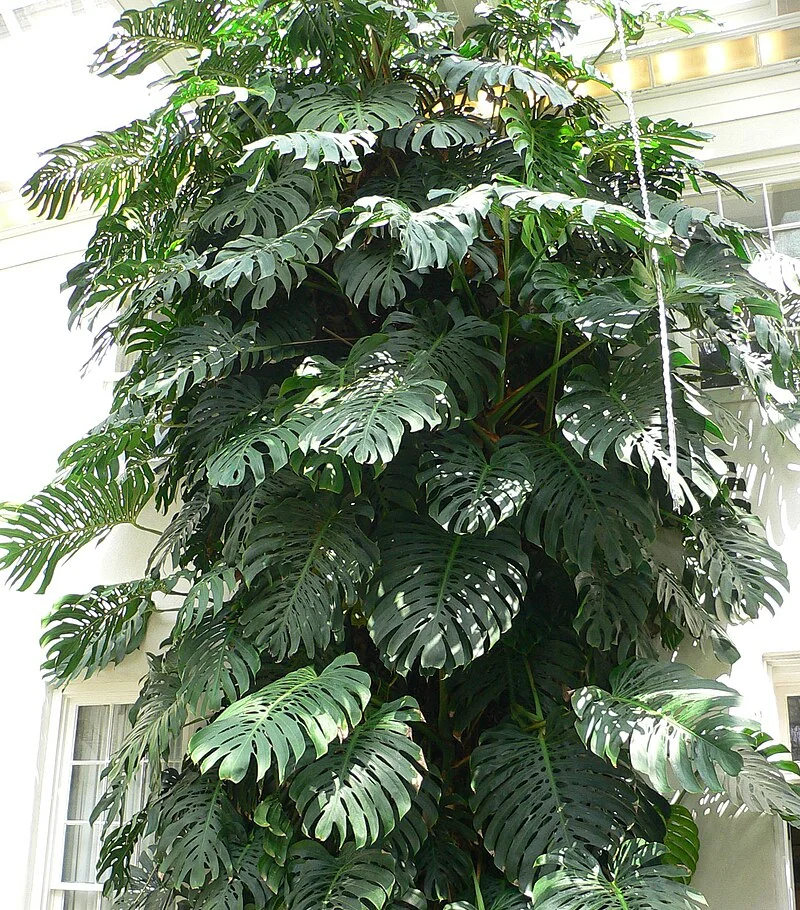
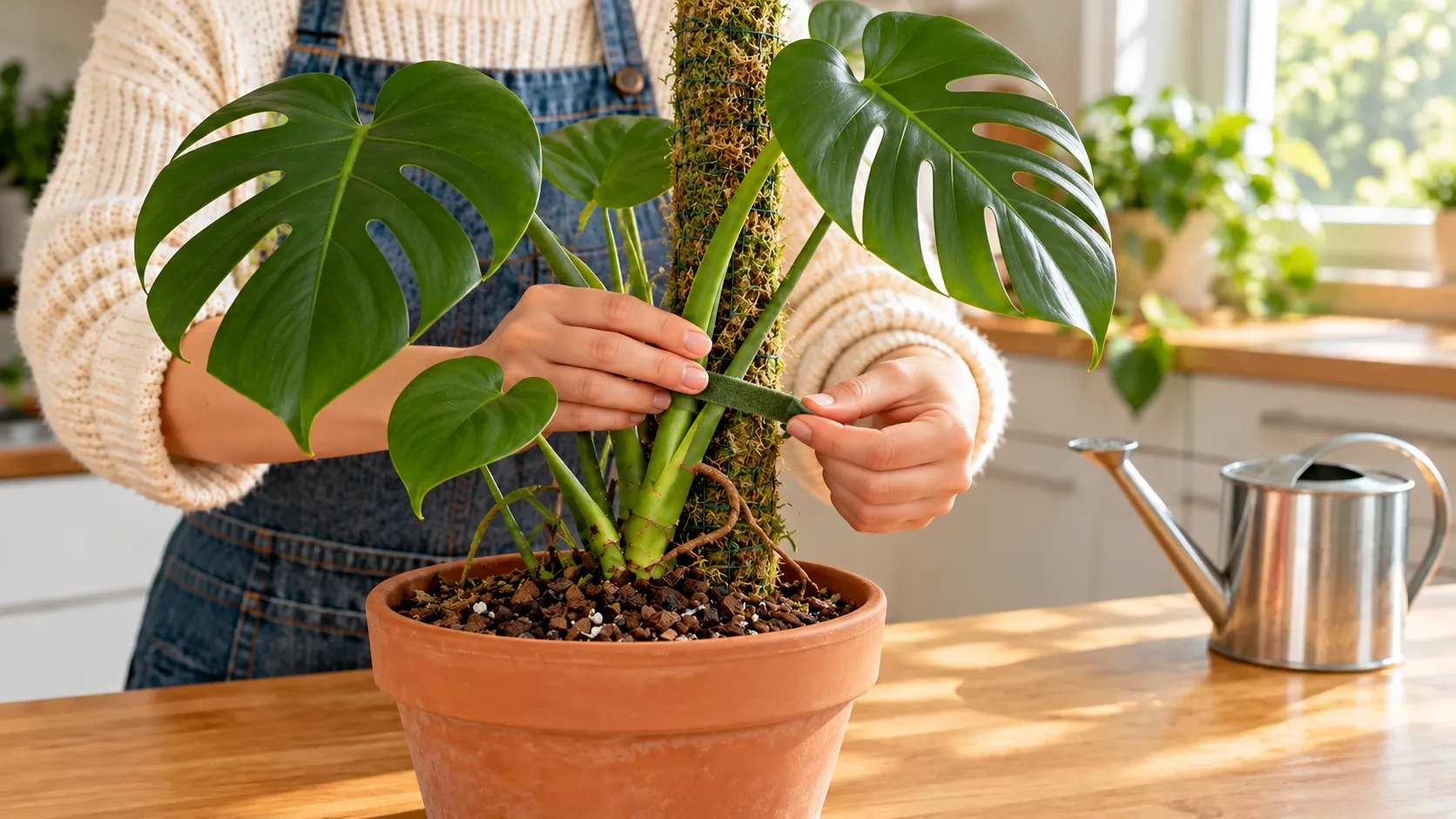
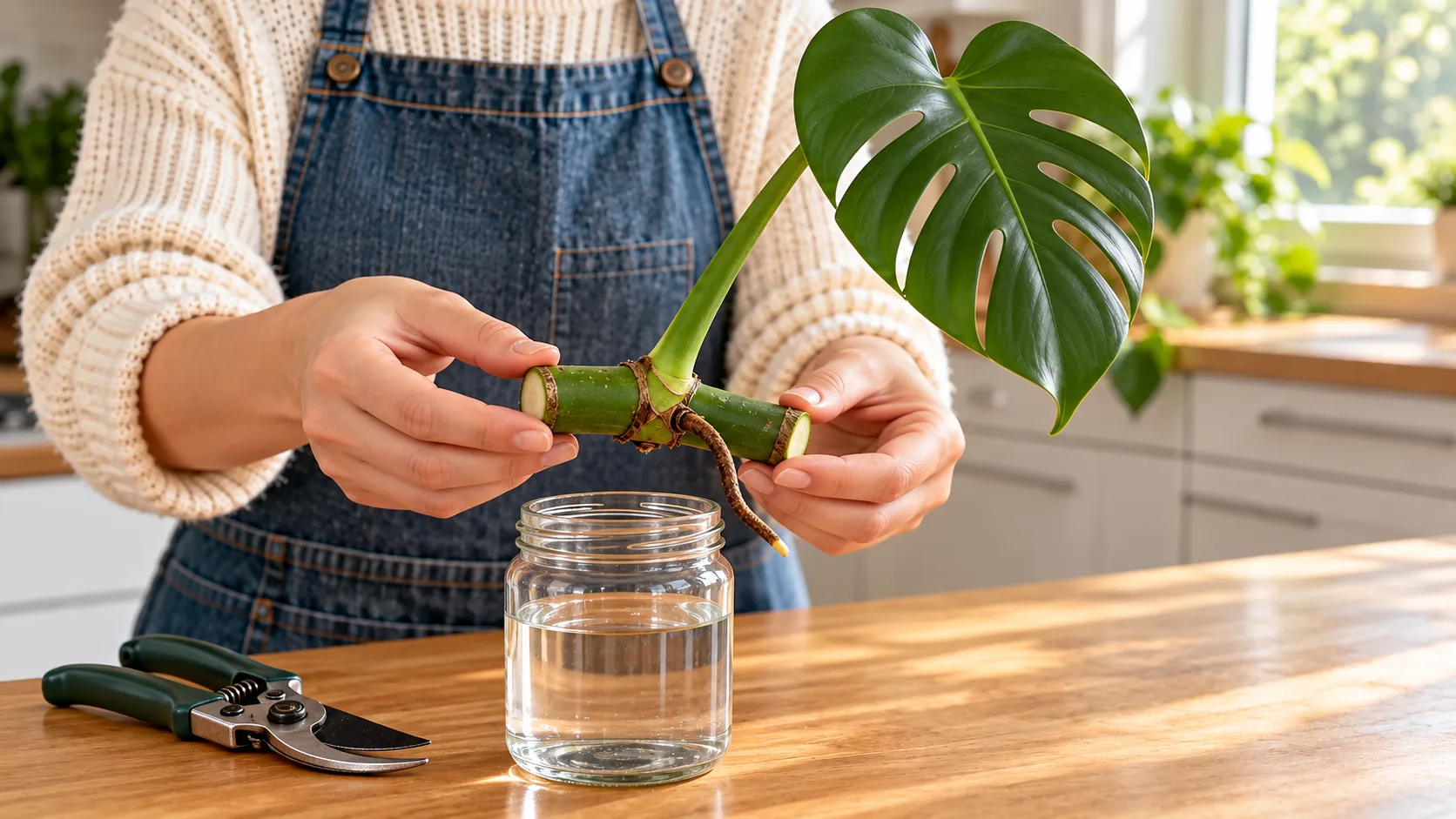
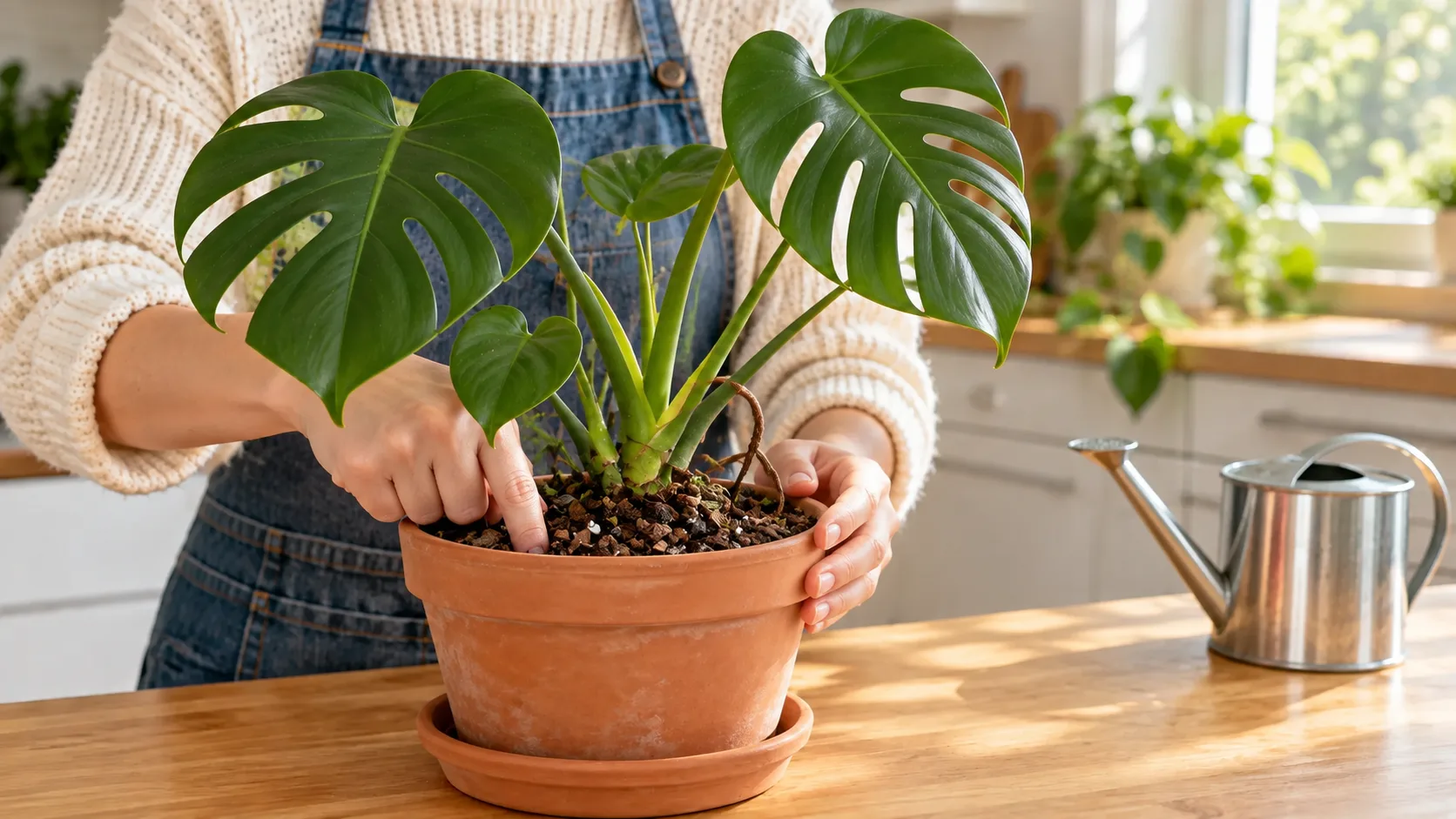 +15
Monstera deliciosa มีถิ่นกำเนิดในป่าดิบชื้นทางตอนใต้ของเม็กซิโกและอเมริกากลาง ใบขนาดใหญ่จะแตกเป็นแฉกและมีรูมากขึ้นเมื่อต้นโตเต็มที่ ยิ่งได้รับแสงมากก็ยิ่งเห็นชัด
Monstera deliciosa มีถิ่นกำเนิดในป่าดิบชื้นทางตอนใต้ของเม็กซิโกและอเมริกากลาง ใบขนาดใหญ่จะแตกเป็นแฉกและมีรูมากขึ้นเมื่อต้นโตเต็มที่ ยิ่งได้รับแสงมากก็ยิ่งเห็นชัด
The specific epithet deliciosa means "delicious", referring to the edible fruit. The genus Monstera is named from the Latin word for "monstrous" or "abnormal", and refers to the unusual leaves with natural holes that members of the genus have. Its popular name as a houseplant of "Swiss cheese plant", or just "cheese plant", is commonly stated to refer to the "eyes" or holes that develop in its leaves similar to the holes in some Swiss-type cheeses such as Emmental cheese.
ที่มา: วิกิพีเดีย
This member of the arum family (Araceae) is a hemiepiphyte with aerial roots. It is able to grow up to 20 m (66 ft) high in the wild, with large, leathery, glossy, pinnate, heart-shaped leaves 25, 90 cm (10, 35.5 in) long by 25, 75 cm (10, 29.5 in) broad. The leaves on young plants are smaller and entire with no lobes or holes, but soon produce lobed and fenestrate leaves as they grow. Although it can grow very tall in nature, it only measures between 2 and 3 m (6.6 and 9.8 ft) when grown indoors.
ที่มา: วิกิพีเดีย
Monstera deliciosa is native to humid tropical forests, in lowlands and on lower mountains, in the south of Mexico and also in Costa Rica, Guatemala and Panama. The seeds fall to the ground, then the seedlings crawl (negative phototropism) until they meet a tree on which to attach. The many adjacent roots thus allow the plant to anchor against its new support and reach the canopy light (although it rarely grows in full sun and prefers a light dimmed by the foliage).
ที่มา: วิกิพีเดีย
Monstera deliciosa is commonly grown outdoors as an ornamental plant in the tropics and subtropics. The plant requires a lot of space and a rich and loose soil (ideally garden soil and compost in equal parts). If it grows in the ground it is better to plant it near a tree, where it can climb, if not against a trellis. It is a "moderately greedy plant", in that it needs to be watered just to keep the soil slightly moist. Its hardiness is 11 (that is to say the coldest at −1 °C or 30 °F).
ที่มา: วิกิพีเดีย
Monstera deliciosa is moderately toxic to both cats and dogs because it contains needle-like insoluble calcium oxalate crystals. These crystals may cause injury to the mouth, tongue, and digestive tract. It also causes dermatitis by direct contact with cat and dog skin.
ที่มา: วิกิพีเดีย
In those areas where it grows naturally, M. deliciosa is considered a delicacy due to its sweet and exotic flavor. The fruit may be ripened by cutting it when the first scales begin to lift up and it begins to exude a pungent odor. It is wrapped in a paper bag and set aside until the scales begin popping off. The scales are then brushed off or fall away to reveal the edible flesh underneath. The flesh, which is similar to pineapple in texture, can be cut away from the core and eaten.
ที่มา: วิกิพีเดีย
แท็บต่าง ๆ ของหน้าข้อมูล เหมือนในแอป: ภาพรวม แล้วตามด้วยหัวข้อต่าง ๆ จากบทความวิกิพีเดียของพืชชนิดนั้น ในภาษาของคุณ
ระดับการดูแล ความเป็นพิษ แสง การรดน้ำ
ลักษณะ การกระจายพันธุ์ การปลูก: หัวข้อต่าง ๆ จากบทความวิกิพีเดีย ในภาษาของคุณ
เปลี่ยนจากหัวข้อหนึ่งไปอีกหัวข้อได้เหมือนในแอป โดยไม่ต้องออกจากหน้าข้อมูล
ลองใช้งานได้เลยที่หน้านี้: สลับแท็บ
Monstera deliciosa
ชื่ออื่น ๆ: Philodendron pertusum, Monstera borsigiana
+15Monstera deliciosa มีถิ่นกำเนิดในป่าดิบชื้นทางตอนใต้ของเม็กซิโกและอเมริกากลาง ใบขนาดใหญ่จะแตกเป็นแฉกและมีรูมากขึ้นเมื่อต้นโตเต็มที่ ยิ่งได้รับแสงมากก็ยิ่งเห็นชัด
Monstera deliciosa มีถิ่นกำเนิดในป่าดิบชื้นทางตอนใต้ของเม็กซิโกและอเมริกากลาง ใบขนาดใหญ่จะแตกเป็นแฉกและมีรูมากขึ้นเมื่อต้นโตเต็มที่ ยิ่งได้รับแสงมากก็ยิ่งเห็นชัด
The specific epithet deliciosa means "delicious", referring to the edible fruit. The genus Monstera is named from the Latin word for "monstrous" or "abnormal", and refers to the unusual leaves with natural holes that members of the genus have. Its popular name as a houseplant of "Swiss cheese plant", or just "cheese plant", is commonly stated to refer to the "eyes" or holes that develop in its leaves similar to the holes in some Swiss-type cheeses such as Emmental cheese.
ที่มา: วิกิพีเดีย
This member of the arum family (Araceae) is a hemiepiphyte with aerial roots. It is able to grow up to 20 m (66 ft) high in the wild, with large, leathery, glossy, pinnate, heart-shaped leaves 25, 90 cm (10, 35.5 in) long by 25, 75 cm (10, 29.5 in) broad. The leaves on young plants are smaller and entire with no lobes or holes, but soon produce lobed and fenestrate leaves as they grow. Although it can grow very tall in nature, it only measures between 2 and 3 m (6.6 and 9.8 ft) when grown indoors.
ที่มา: วิกิพีเดีย
Monstera deliciosa is native to humid tropical forests, in lowlands and on lower mountains, in the south of Mexico and also in Costa Rica, Guatemala and Panama. The seeds fall to the ground, then the seedlings crawl (negative phototropism) until they meet a tree on which to attach. The many adjacent roots thus allow the plant to anchor against its new support and reach the canopy light (although it rarely grows in full sun and prefers a light dimmed by the foliage).
ที่มา: วิกิพีเดีย
Monstera deliciosa is commonly grown outdoors as an ornamental plant in the tropics and subtropics. The plant requires a lot of space and a rich and loose soil (ideally garden soil and compost in equal parts). If it grows in the ground it is better to plant it near a tree, where it can climb, if not against a trellis. It is a "moderately greedy plant", in that it needs to be watered just to keep the soil slightly moist. Its hardiness is 11 (that is to say the coldest at −1 °C or 30 °F).
ที่มา: วิกิพีเดีย
Monstera deliciosa is moderately toxic to both cats and dogs because it contains needle-like insoluble calcium oxalate crystals. These crystals may cause injury to the mouth, tongue, and digestive tract. It also causes dermatitis by direct contact with cat and dog skin.
ที่มา: วิกิพีเดีย
In those areas where it grows naturally, M. deliciosa is considered a delicacy due to its sweet and exotic flavor. The fruit may be ripened by cutting it when the first scales begin to lift up and it begins to exude a pungent odor. It is wrapped in a paper bag and set aside until the scales begin popping off. The scales are then brushed off or fall away to reveal the edible flesh underneath. The flesh, which is similar to pineapple in texture, can be cut away from the core and eaten.
ที่มา: วิกิพีเดีย
01
ถ่ายรูป หรือค้นหาจากชื่อ
02
ระดับการดูแล ความเป็นพิษ แสง และการรดน้ำ อยู่ด้านบนของหน้าข้อมูล
03
หัวข้อต่าง ๆ จากบทความวิกิพีเดีย แยกเป็นแท็บ ในภาษาของคุณ
ถัดจากภาพรวม แต่ละแท็บคือหนึ่งหัวข้อจากบทความวิกิพีเดียของพืชชนิดนั้น แกลเลอรีแสดงใบ ดอก ผล ทรงพุ่ม และเปลือกไม้ เพื่อช่วยให้คุณจำแนกชนิดพันธุ์ได้
Monstera deliciosa
ชื่ออื่น ๆ: Philodendron pertusum, Monstera borsigiana
+15Monstera deliciosa มีถิ่นกำเนิดในป่าดิบชื้นทางตอนใต้ของเม็กซิโกและอเมริกากลาง ใบขนาดใหญ่จะแตกเป็นแฉกและมีรูมากขึ้นเมื่อต้นโตเต็มที่ ยิ่งได้รับแสงมากก็ยิ่งเห็นชัด
Monstera deliciosa มีถิ่นกำเนิดในป่าดิบชื้นทางตอนใต้ของเม็กซิโกและอเมริกากลาง ใบขนาดใหญ่จะแตกเป็นแฉกและมีรูมากขึ้นเมื่อต้นโตเต็มที่ ยิ่งได้รับแสงมากก็ยิ่งเห็นชัด
The specific epithet deliciosa means "delicious", referring to the edible fruit. The genus Monstera is named from the Latin word for "monstrous" or "abnormal", and refers to the unusual leaves with natural holes that members of the genus have. Its popular name as a houseplant of "Swiss cheese plant", or just "cheese plant", is commonly stated to refer to the "eyes" or holes that develop in its leaves similar to the holes in some Swiss-type cheeses such as Emmental cheese.
ที่มา: วิกิพีเดีย
This member of the arum family (Araceae) is a hemiepiphyte with aerial roots. It is able to grow up to 20 m (66 ft) high in the wild, with large, leathery, glossy, pinnate, heart-shaped leaves 25, 90 cm (10, 35.5 in) long by 25, 75 cm (10, 29.5 in) broad. The leaves on young plants are smaller and entire with no lobes or holes, but soon produce lobed and fenestrate leaves as they grow. Although it can grow very tall in nature, it only measures between 2 and 3 m (6.6 and 9.8 ft) when grown indoors.
ที่มา: วิกิพีเดีย
Monstera deliciosa is native to humid tropical forests, in lowlands and on lower mountains, in the south of Mexico and also in Costa Rica, Guatemala and Panama. The seeds fall to the ground, then the seedlings crawl (negative phototropism) until they meet a tree on which to attach. The many adjacent roots thus allow the plant to anchor against its new support and reach the canopy light (although it rarely grows in full sun and prefers a light dimmed by the foliage).
ที่มา: วิกิพีเดีย
Monstera deliciosa is commonly grown outdoors as an ornamental plant in the tropics and subtropics. The plant requires a lot of space and a rich and loose soil (ideally garden soil and compost in equal parts). If it grows in the ground it is better to plant it near a tree, where it can climb, if not against a trellis. It is a "moderately greedy plant", in that it needs to be watered just to keep the soil slightly moist. Its hardiness is 11 (that is to say the coldest at −1 °C or 30 °F).
ที่มา: วิกิพีเดีย
Monstera deliciosa is moderately toxic to both cats and dogs because it contains needle-like insoluble calcium oxalate crystals. These crystals may cause injury to the mouth, tongue, and digestive tract. It also causes dermatitis by direct contact with cat and dog skin.
ที่มา: วิกิพีเดีย
In those areas where it grows naturally, M. deliciosa is considered a delicacy due to its sweet and exotic flavor. The fruit may be ripened by cutting it when the first scales begin to lift up and it begins to exude a pungent odor. It is wrapped in a paper bag and set aside until the scales begin popping off. The scales are then brushed off or fall away to reveal the edible flesh underneath. The flesh, which is similar to pineapple in texture, can be cut away from the core and eaten.
ที่มา: วิกิพีเดีย
ความเป็นพิษแยกรายละเอียดตามชนิดสัตว์: สุนัข แมว ม้า หน้าข้อมูลอธิบายว่าทำไมต้นไม้จึงมีพิษ จะปกป้องสัตว์เลี้ยงอย่างไร และควรทำอย่างไรหากกินเข้าไป พร้อมข้อมูลติดต่อศูนย์พิษวิทยา
Monstera deliciosa
ชื่ออื่น ๆ: Philodendron pertusum, Monstera borsigiana
+15Monstera deliciosa มีถิ่นกำเนิดในป่าดิบชื้นทางตอนใต้ของเม็กซิโกและอเมริกากลาง ใบขนาดใหญ่จะแตกเป็นแฉกและมีรูมากขึ้นเมื่อต้นโตเต็มที่ ยิ่งได้รับแสงมากก็ยิ่งเห็นชัด
Monstera deliciosa มีถิ่นกำเนิดในป่าดิบชื้นทางตอนใต้ของเม็กซิโกและอเมริกากลาง ใบขนาดใหญ่จะแตกเป็นแฉกและมีรูมากขึ้นเมื่อต้นโตเต็มที่ ยิ่งได้รับแสงมากก็ยิ่งเห็นชัด
The specific epithet deliciosa means "delicious", referring to the edible fruit. The genus Monstera is named from the Latin word for "monstrous" or "abnormal", and refers to the unusual leaves with natural holes that members of the genus have. Its popular name as a houseplant of "Swiss cheese plant", or just "cheese plant", is commonly stated to refer to the "eyes" or holes that develop in its leaves similar to the holes in some Swiss-type cheeses such as Emmental cheese.
ที่มา: วิกิพีเดีย
This member of the arum family (Araceae) is a hemiepiphyte with aerial roots. It is able to grow up to 20 m (66 ft) high in the wild, with large, leathery, glossy, pinnate, heart-shaped leaves 25, 90 cm (10, 35.5 in) long by 25, 75 cm (10, 29.5 in) broad. The leaves on young plants are smaller and entire with no lobes or holes, but soon produce lobed and fenestrate leaves as they grow. Although it can grow very tall in nature, it only measures between 2 and 3 m (6.6 and 9.8 ft) when grown indoors.
ที่มา: วิกิพีเดีย
Monstera deliciosa is native to humid tropical forests, in lowlands and on lower mountains, in the south of Mexico and also in Costa Rica, Guatemala and Panama. The seeds fall to the ground, then the seedlings crawl (negative phototropism) until they meet a tree on which to attach. The many adjacent roots thus allow the plant to anchor against its new support and reach the canopy light (although it rarely grows in full sun and prefers a light dimmed by the foliage).
ที่มา: วิกิพีเดีย
Monstera deliciosa is commonly grown outdoors as an ornamental plant in the tropics and subtropics. The plant requires a lot of space and a rich and loose soil (ideally garden soil and compost in equal parts). If it grows in the ground it is better to plant it near a tree, where it can climb, if not against a trellis. It is a "moderately greedy plant", in that it needs to be watered just to keep the soil slightly moist. Its hardiness is 11 (that is to say the coldest at −1 °C or 30 °F).
ที่มา: วิกิพีเดีย
Monstera deliciosa is moderately toxic to both cats and dogs because it contains needle-like insoluble calcium oxalate crystals. These crystals may cause injury to the mouth, tongue, and digestive tract. It also causes dermatitis by direct contact with cat and dog skin.
ที่มา: วิกิพีเดีย
In those areas where it grows naturally, M. deliciosa is considered a delicacy due to its sweet and exotic flavor. The fruit may be ripened by cutting it when the first scales begin to lift up and it begins to exude a pungent odor. It is wrapped in a paper bag and set aside until the scales begin popping off. The scales are then brushed off or fall away to reveal the edible flesh underneath. The flesh, which is similar to pineapple in texture, can be cut away from the core and eaten.
ที่มา: วิกิพีเดีย
ฟีเจอร์สำรวจสายพันธุ์พืชพาคุณไล่ดูคลังพันธุ์ไม้ตามอันดับ วงศ์ และสกุล เริ่มจากชนิดที่คุณรู้จัก แล้วค้นพบพันธุ์ไม้ที่ใกล้เคียงกัน
Monstera deliciosa
ชื่ออื่น ๆ: Philodendron pertusum, Monstera borsigiana
+15Monstera deliciosa มีถิ่นกำเนิดในป่าดิบชื้นทางตอนใต้ของเม็กซิโกและอเมริกากลาง ใบขนาดใหญ่จะแตกเป็นแฉกและมีรูมากขึ้นเมื่อต้นโตเต็มที่ ยิ่งได้รับแสงมากก็ยิ่งเห็นชัด
Monstera deliciosa มีถิ่นกำเนิดในป่าดิบชื้นทางตอนใต้ของเม็กซิโกและอเมริกากลาง ใบขนาดใหญ่จะแตกเป็นแฉกและมีรูมากขึ้นเมื่อต้นโตเต็มที่ ยิ่งได้รับแสงมากก็ยิ่งเห็นชัด
The specific epithet deliciosa means "delicious", referring to the edible fruit. The genus Monstera is named from the Latin word for "monstrous" or "abnormal", and refers to the unusual leaves with natural holes that members of the genus have. Its popular name as a houseplant of "Swiss cheese plant", or just "cheese plant", is commonly stated to refer to the "eyes" or holes that develop in its leaves similar to the holes in some Swiss-type cheeses such as Emmental cheese.
ที่มา: วิกิพีเดีย
This member of the arum family (Araceae) is a hemiepiphyte with aerial roots. It is able to grow up to 20 m (66 ft) high in the wild, with large, leathery, glossy, pinnate, heart-shaped leaves 25, 90 cm (10, 35.5 in) long by 25, 75 cm (10, 29.5 in) broad. The leaves on young plants are smaller and entire with no lobes or holes, but soon produce lobed and fenestrate leaves as they grow. Although it can grow very tall in nature, it only measures between 2 and 3 m (6.6 and 9.8 ft) when grown indoors.
ที่มา: วิกิพีเดีย
Monstera deliciosa is native to humid tropical forests, in lowlands and on lower mountains, in the south of Mexico and also in Costa Rica, Guatemala and Panama. The seeds fall to the ground, then the seedlings crawl (negative phototropism) until they meet a tree on which to attach. The many adjacent roots thus allow the plant to anchor against its new support and reach the canopy light (although it rarely grows in full sun and prefers a light dimmed by the foliage).
ที่มา: วิกิพีเดีย
Monstera deliciosa is commonly grown outdoors as an ornamental plant in the tropics and subtropics. The plant requires a lot of space and a rich and loose soil (ideally garden soil and compost in equal parts). If it grows in the ground it is better to plant it near a tree, where it can climb, if not against a trellis. It is a "moderately greedy plant", in that it needs to be watered just to keep the soil slightly moist. Its hardiness is 11 (that is to say the coldest at −1 °C or 30 °F).
ที่มา: วิกิพีเดีย
Monstera deliciosa is moderately toxic to both cats and dogs because it contains needle-like insoluble calcium oxalate crystals. These crystals may cause injury to the mouth, tongue, and digestive tract. It also causes dermatitis by direct contact with cat and dog skin.
ที่มา: วิกิพีเดีย
In those areas where it grows naturally, M. deliciosa is considered a delicacy due to its sweet and exotic flavor. The fruit may be ripened by cutting it when the first scales begin to lift up and it begins to exude a pungent odor. It is wrapped in a paper bag and set aside until the scales begin popping off. The scales are then brushed off or fall away to reveal the edible flesh underneath. The flesh, which is similar to pineapple in texture, can be cut away from the core and eaten.
ที่มา: วิกิพีเดีย
หน้าข้อมูลให้แนวทางทั่วไป การดูแลที่ปรับให้เข้ากับกระถางและห้องของคุณอยู่ในหน้าของต้นไม้ในสวนของฉัน
พันธุ์ไม้บางชนิดยังไม่มีข้อมูลความเป็นพิษหรือแกลเลอรีที่ครบถ้วน หน้าข้อมูลจะแสดงว่า “ยังไม่มีข้อมูล” แทนการคาดเดา
หากสัตว์เลี้ยงกินต้นไม้เข้าไป โปรดติดต่อสัตวแพทย์หรือศูนย์พิษวิทยา หน้าข้อมูลช่วยให้คุณรับมือได้เร็วขึ้น แต่ไม่ได้ใช้วินิจฉัย
ข้อมูลสำคัญ (ระดับการดูแล ความเป็นพิษ แสง การรดน้ำ) แกลเลอรีแยกตามส่วนของต้นไม้ และการจัดจำแนกของชนิดพันธุ์ ตามด้วยหัวข้อต่าง ๆ จากบทความวิกิพีเดียที่แยกเป็นแท็บ ในภาษาของคุณ
เปิดหน้าข้อมูลของชนิดพันธุ์แล้วแตะที่ความเป็นพิษ: ความเสี่ยงจะแยกรายละเอียดสำหรับสุนัข แมว และม้า เมื่อมีข้อมูล
นำเศษที่เหลือออกจากปากอย่างเบามือโดยไม่ฝืน จดไว้ว่ากินส่วนไหนเข้าไป แล้วติดต่อสัตวแพทย์หรือศูนย์พิษวิทยา หน้าข้อมูลของชนิดพันธุ์รวบรวมขั้นตอนเหล่านี้และข้อมูลติดต่อที่จำเป็นไว้ให้แล้ว
หน้าข้อมูลของต้นไม้ในสวนของคุณเปิดดูได้แม้ไม่มีสัญญาณ ถึงจะอยู่สุดมุมสวนก็ตาม
วิธีไล่ดูต้นไม้ตามอันดับ วงศ์ และสกุล แต่ละระดับบอกจำนวนชนิดพันธุ์ที่รวมอยู่ และแนะนำพันธุ์ไม้เด่นหนึ่งชนิด
พันธุ์ไม้บางชนิดมีการบันทึกข้อมูลไว้น้อยกว่าชนิดอื่น แทนที่จะคาดเดา หน้าข้อมูลจะบอกว่ายังไม่มีข้อมูลในส่วนนั้น
มี สารานุกรม Floralens เปิดอ่านบนเว็บได้ด้วย โดยไม่ต้องติดตั้งแอป และมีให้อ่านในหลายภาษา
หน้าข้อมูลอธิบายชนิดพันธุ์ ส่วนหน้าของต้นไม้ในสวนของฉันเริ่มจากหน้าข้อมูลนั้น แล้วปรับให้เข้ากับกระถาง ห้อง และการดูแลของคุณ
ถ่ายรูปต้นไม้สักต้น: หน้าข้อมูลจะเปิดขึ้นพร้อมผลลัพธ์
รูปถ่ายหนึ่งรูป พันธุ์ไม้กว่า 400,000 ชนิด รู้ผลในไม่ถึง 5 วินาที พร้อมคะแนนความมั่นใจและตัวเลือกอื่น
ดูการระบุชนิดจากรูปถ่ายหนึ่งแผนต่อหนึ่งต้น แจ้งเตือนในเวลาที่คุณเลือก และความถี่ที่ปรับตามฤดูกาล
ดูการแจ้งเตือนการดูแลห้องต่าง ๆ หน้าเฉพาะของต้นไม้แต่ละต้น รูปการเติบโต และเส้นทางของแต่ละต้น
ดูสวนของฉันนักพฤกษศาสตร์ที่รู้จักสวนของคุณอย่างละเอียด ถามคำถามได้เลย คำตอบจะคำนึงถึงต้นไม้ของคุณ
ดู Floraรูปถ่ายสามรูป คำถามอีกเล็กน้อย แล้วคุณจะได้สาเหตุที่น่าจะเป็น แผนการรักษาเรียงตามลำดับความสำคัญ และการติดตามผลในเจ็ดวันต่อมา
ดู Dr. Floraโพสต์ต้นไม้ของคุณ ถามคำถามกับคนรักต้นไม้คนอื่น และติดตามคนที่สร้างแรงบันดาลใจให้คุณ
ดูคอมมูนิตี้เหรียญตรา 65 เหรียญใน 6 หมวด 8 ชุด ชุดละ 6 ระดับ และเหรียญตราแบบครั้งเดียว 17 เหรียญ ที่ได้รับจากสิ่งที่คุณลงมือทำ
ดูเหรียญตรา