
Snapdragon (Antirrhinum majus, )
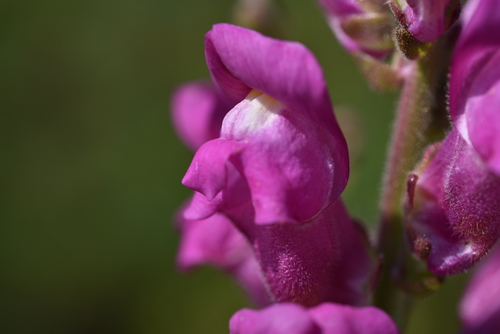
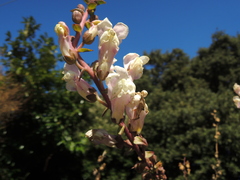
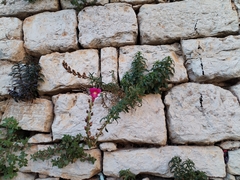
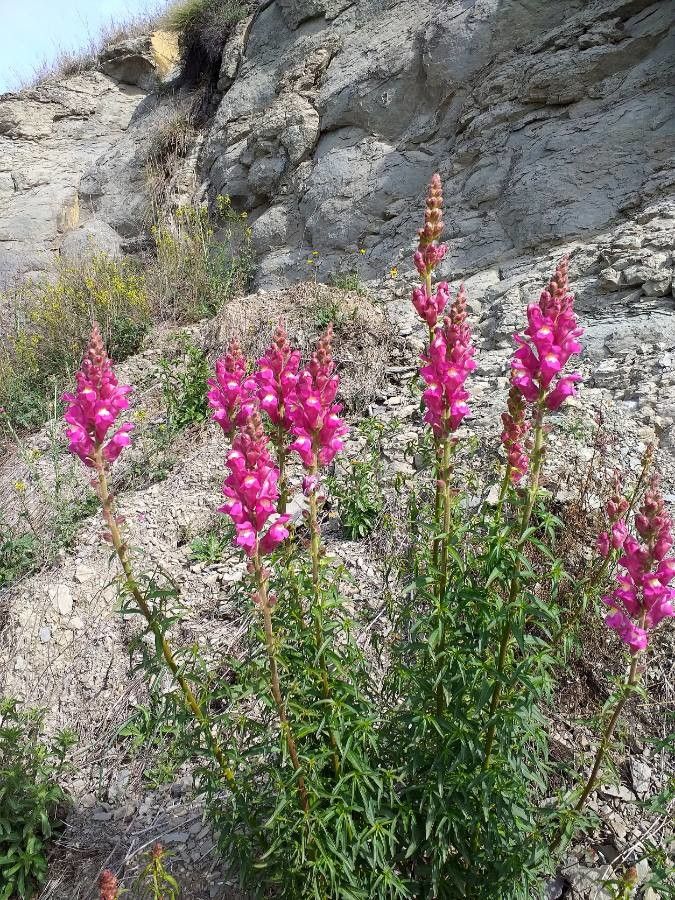
Snapdragon (Antirrhinum majus) is a short-lived perennial in the Plantaginaceae, native to the western Mediterranean region. Often grown as an annual, it bears upright spikes of two-lipped flowers. Each flower opens like a small mouth when a bumblebee pushes its way inside.
Read moreSnapdragon, Common snapdragon and Garden snapdragon
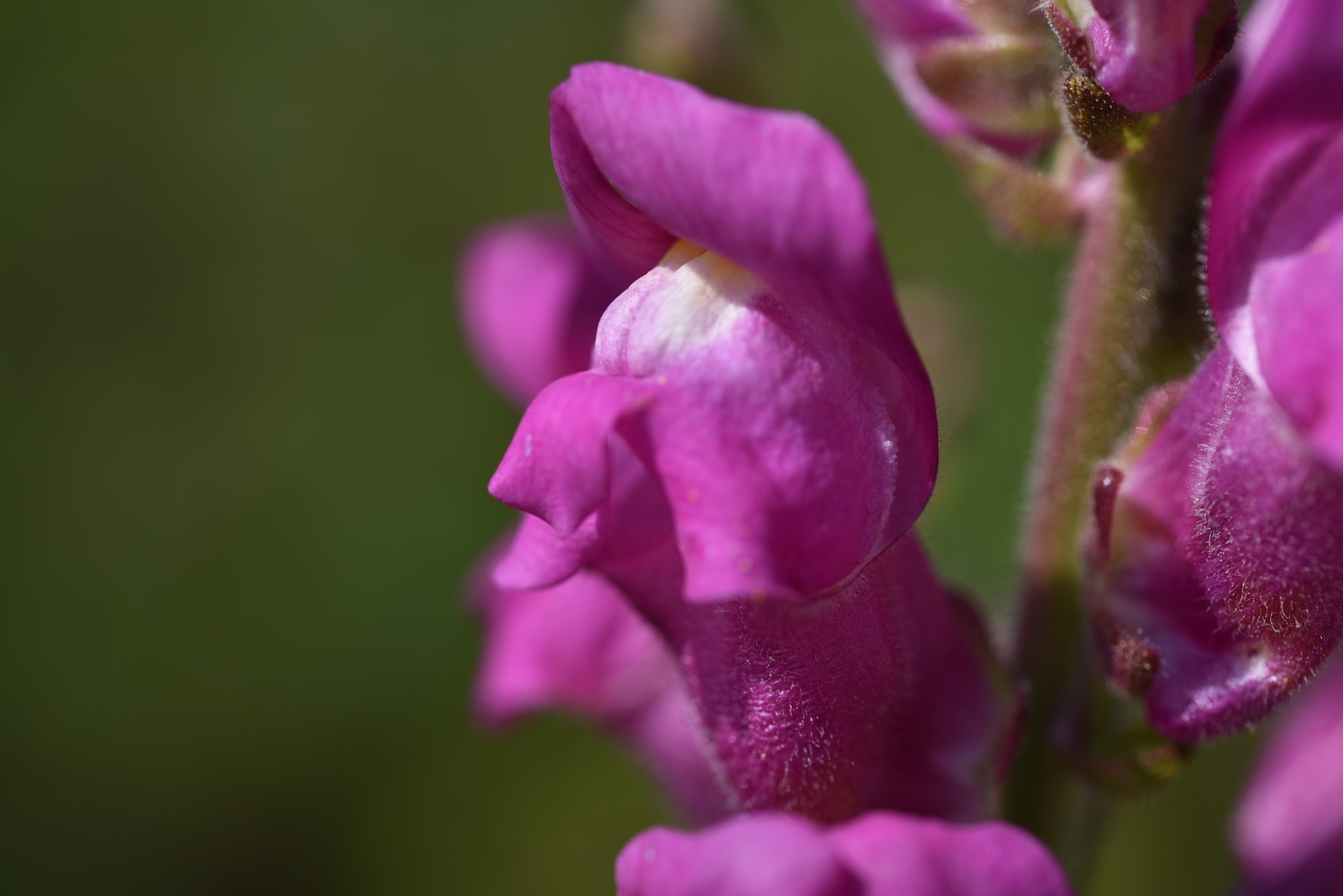
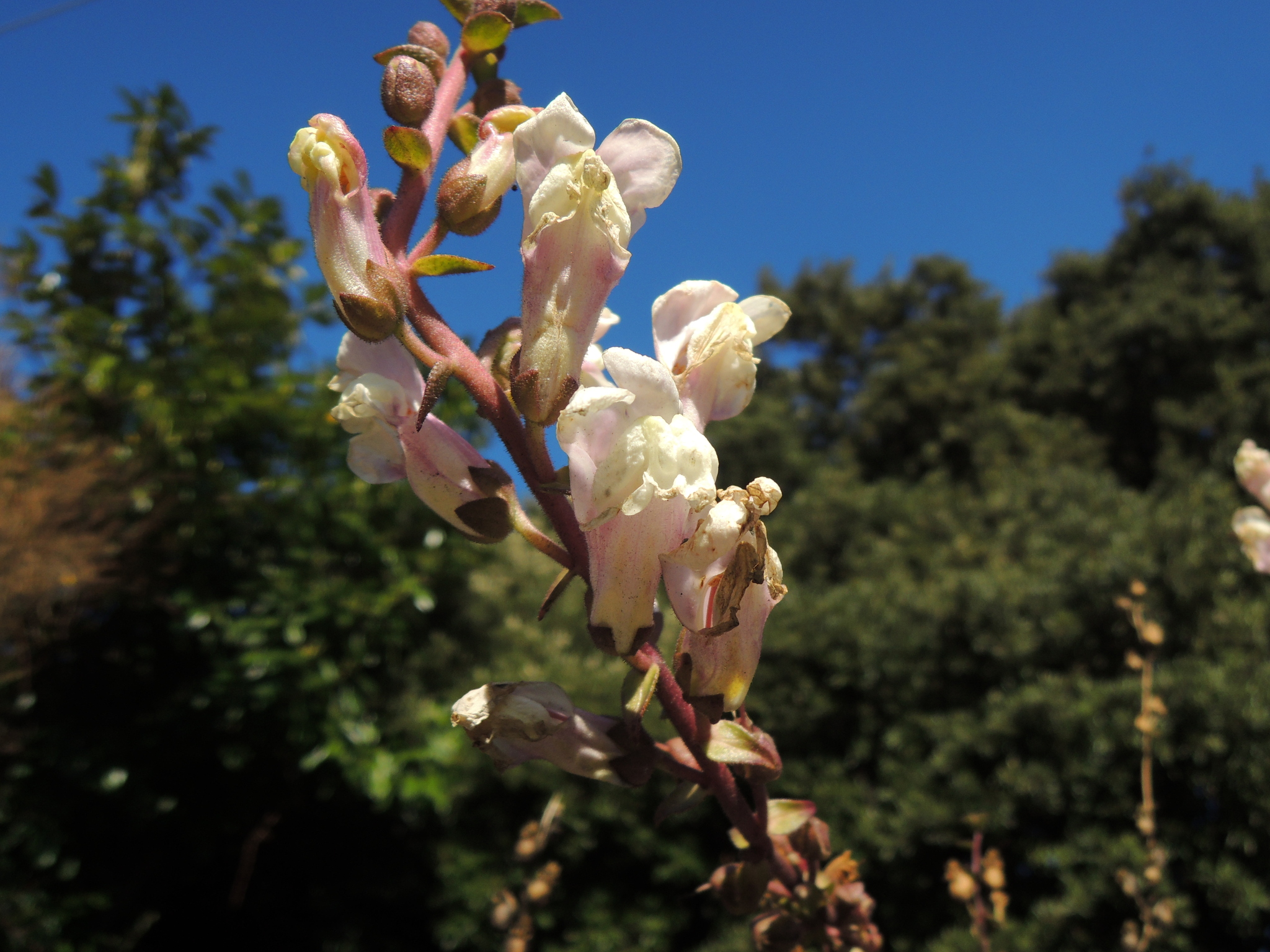
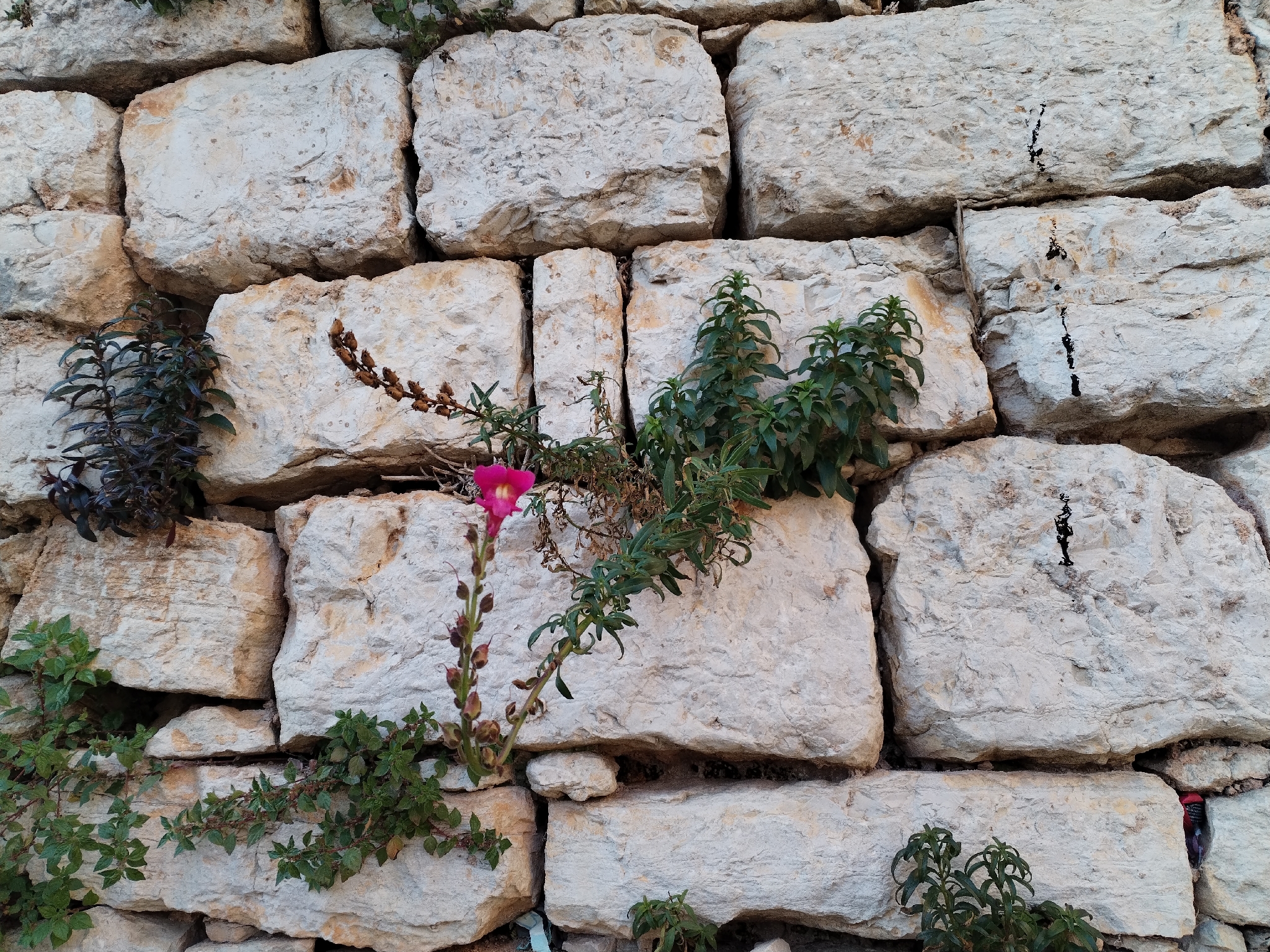


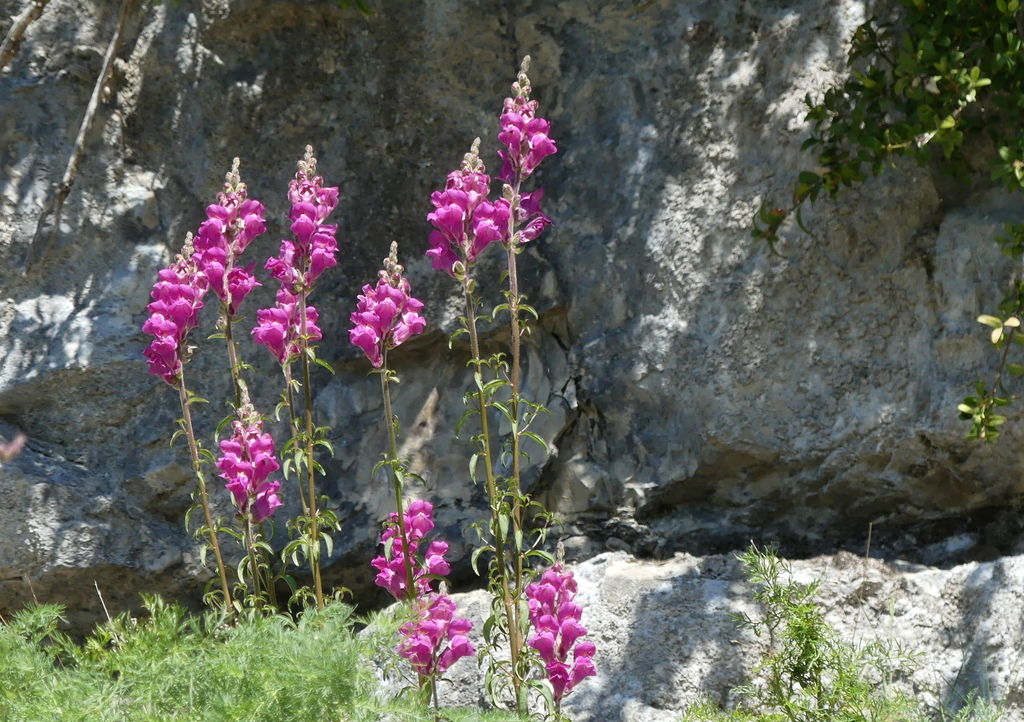
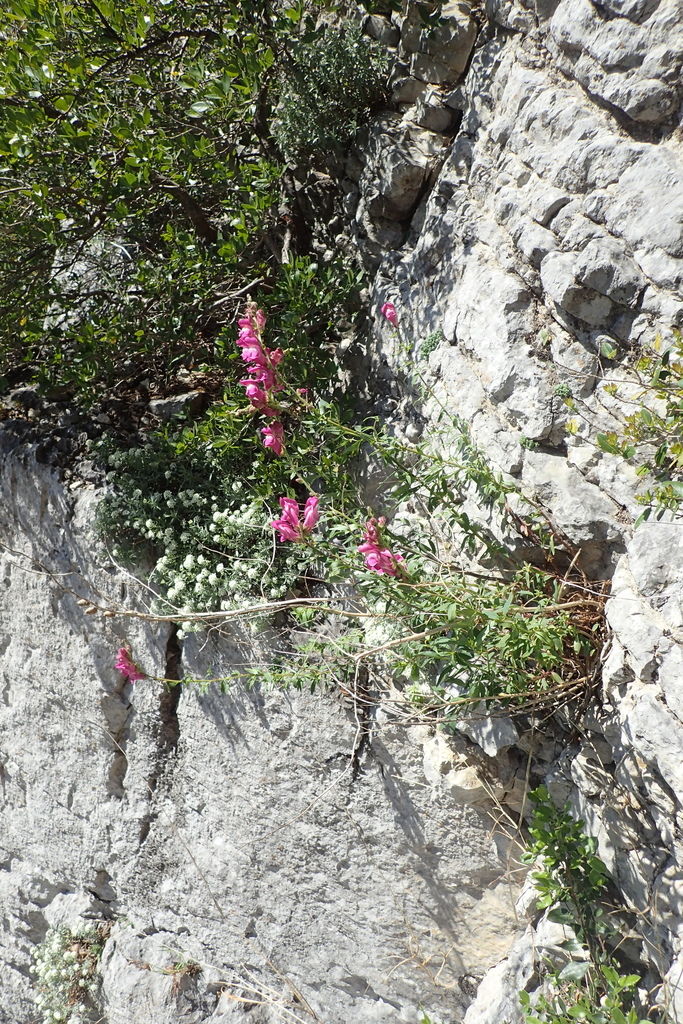
© photo
no rights reserved, uploaded by Jacqueline Jeanne · cc0
Jamie O'Neill · cc0
Dino Babić · cc-by
Taken Apr 6, 2022 by AJ G (cc-by-sa)
Taken Oct 28, 2020 by erfan jalili (cc-by-sa)
Taken May 19, 2022 by Dieter Albrecht (cc-by-sa)
Taken Jul 19, 2022 by Elin Bakås (cc-by-sa)
Taken Oct 15, 2020 by gianni del bufalo (cc-by-sa)
© copyright of the Board of Trustees of the Royal Botanic Gardens, Kew.




Global distribution
Antirrhinum majus is native to southwestern Europe, from northern Spain to southeastern France, around the western Mediterranean. Widely grown as an ornamental, it has naturalized far beyond that range on old walls and banks in many temperate regions. These introduced areas remain distinct from its native range.
- Native3
- Introduced3
- Spain
- Southern France
- Italy
- Portugal
- United Kingdom
- United States
Hexagons: regions where the plant occurs. Green dots: native range.1
Identity
Snapdragon (Antirrhinum majus L., 1753), also called common snapdragon or garden snapdragon, belongs to the genus Antirrhinum in the Plantaginaceae. Described by Linnaeus, it was formerly placed in the Scrophulariaceae before a taxonomic revision moved the group into the Plantaginaceae. Its familiar common name refers to the mouthlike shape of its flowers. 1 4
Gardeners value it as a bedding plant and cut flower. A short-lived perennial, it is usually grown as an annual and can produce upright spikes of colorful blooms from spring through fall in a single growing season. The length of that display depends on local growing conditions rather than a fixed calendar shared by every climate. 2 6
Recognition
A hinged, two-lipped flower provides the clearest identifying feature of Antirrhinum majus. The two lips stay closed like a small mouth until pressure on the sides forces them apart, explaining the name snapdragon. Flowers cluster in terminal spikes on upright, branching stems, giving the plant its characteristic vertical outline. 4 2
Dark green, lance-shaped leaves tend to be opposite near the base and alternate higher on the stems. Height varies substantially between horticultural series: dwarf bedding forms may reach only 15 cm (6 in), while tall cut-flower series grow to around 90 cm (3 ft). Typical spread is 15–30 cm (6–12 in). 6 3
After pollination, each fertilized flower develops into a dry capsule that opens through pores, releasing many extremely fine seeds. Flower colors range through white, yellow, orange, pink, red and purple, sometimes with two colors in the same bloom. The seed capsule and flower spike offer different clues at different stages of the plant's life. 3 5
Useful taxonomy
Linnaeus named this species Antirrhinum majus L. in 1753, and that remains its accepted scientific name. The genus contains many Mediterranean forms. Older and infraspecific names remain common in botanical literature; names and combinations historically associated with this species include:
- Antirrhinum majus subsp. tortuosum (Bosc ex Lam.) Ball, a historical subspecies combination
- Antirrhinum majus subsp. cirrhigerum (Welw. ex Ficalho) Franco, a historical subspecies combination
- Antirrhinum majus var. linkianum hort., an older horticultural name
- Antirrhinum majus f. angustifolium (Chav.) Jáv., an older form name
The accepted species name, Antirrhinum majus, is the useful anchor for identification. Series names such as Rocket and Floral Showers identify horticultural selections rather than separate botanical units, so a name on a seed packet may describe the garden form without changing the species. 1 4
Habitat and range
Western Mediterranean rocks and old walls form the natural setting for snapdragon. Its native range lies in southwestern Europe, from northern Spain to southeastern France. In the wild, it grows on sunny rock faces, dry banks and well-exposed stony ground as well as on old masonry. 1 6
Those origins help explain its garden preferences: full sun, well-drained soil and good drought tolerance once established. It accepts neutral to slightly calcareous soils but dislikes standing moisture around the crown. Drainage matters particularly where winter rainfall leaves the base of the plant persistently wet. 2 3
Extensive ornamental planting has helped snapdragon naturalize well beyond its original range. It now occupies old walls and waste ground in many temperate regions. A self-sown plant on a wall outside the western Mediterranean therefore need not indicate a native population; introduced occurrences should be distinguished from the species' area of origin. 4 5
Life cycle and reproduction
Bumblebees perform most of the pollination. Their weight lets them push the two corolla lips apart and reach the nectar, turning the flower into a selective mechanical doorway. Smaller or lighter visitors cannot open it in the same way. This interaction is among the best-studied features of snapdragon biology. 4 6
In cultivation, seed sowing is the usual method of propagation. Scatter the very fine seeds on the surface without covering them, because light encourages germination. Starting under cover in late winter and transplanting after the last frost produces an early display. Germination takes one to three weeks, followed by roughly two to three months to the first flower spikes. 2 3
As a short-lived perennial, snapdragon may regrow from the crown after a mild winter in suitable climates, within USDA zones 7–10 and down to about −7 °C (19 °F) in well-drained soil. Elsewhere it is treated as an annual and readily self-seeds. Flowering runs from local spring into fall and continues longer when spent flowers are removed. 6 2
Uses and risks
Beds, borders, containers and cut-flower arrangements account for its main ornamental uses. Tall series supply long stems for bouquets, while dwarf series suit the front of a bed. Snapdragon is also a model plant in genetics: research into its flower colors, linked to anthocyanins and aurones, has helped explain how floral traits are inherited. 4 3
The ASPCA lists snapdragon as non-toxic to cats, dogs and horses. Its flowers are also described as edible, although their bitter flavor generally makes them more useful as decorative garnishes than as a regular culinary ingredient. Non-toxicity and flavor are separate qualities; an edible bloom need not be pleasant to eat in quantity. 7 6
Varieties, look-alikes and related plants
Commercial snapdragon series differ in stature and flower form rather than representing separate species. Rocket and Liberty offer tall, long-stemmed forms; Floral Showers and Montego are compact dwarf series. Madame Butterfly has double, azalea-like flowers with a less obvious mouth. Before buying, check the series' stated height and inspect the foliage, which is susceptible to rust. 2
Related plants most likely to cause confusion include:
- Linaria, the toadflaxes, with smaller spurred flowers of a similar basic structure;
- Cymbalaria muralis, ivy-leaved toadflax, a trailing plant of old walls;
- Misopates orontium, weasel's-snout, a more slender plant with smaller flowers.
An upright spike of hinged, two-lipped flowers, a broad range of colors and a bushy habit remain the most reliable combination for recognizing Antirrhinum majus in a flower bed. These features should be considered together rather than relying on color alone. 4 1
Main sources
- Plants of the World Online / Kew, Antirrhinum majus L.
- Royal Horticultural Society, Antirrhinum majus - snapdragon
- Missouri Botanical Garden, Antirrhinum majus
- Encyclopaedia Britannica, snapdragon
- Plants For A Future, Antirrhinum majus
- North Carolina State Extension, Antirrhinum majus
- ASPCA, Snapdragon (Antirrhinum majus) non-toxic entry
Frequently asked questions
Is snapdragon toxic?
No. The ASPCA and horticultural databases list snapdragon as non-toxic to cats, dogs and horses. Its flowers are edible, although their bitter taste makes them more suitable for garnishing than everyday cooking.
Why is it called snapdragon?
The two-lipped flower stays closed until pressure on its sides opens it like a small mouth. In nature, this hinged structure is opened by sufficiently heavy pollinators, especially bumblebees.
Is snapdragon an annual or a perennial?
Antirrhinum majus is a short-lived perennial, usually grown as an annual. In mild climates, within USDA zones 7–10, it can regrow from the crown after a light winter.
How much sun does snapdragon need?
Full sun produces the strongest stems and densest flowering. Light partial shade is tolerated, but plants become looser and produce fewer flowers.
Why does my snapdragon have rust?
Snapdragon rust is its main weakness. Wet foliage and poor air circulation favor it. Watering at soil level, spacing plants and removing affected leaves help limit its spread.
How tall does snapdragon grow?
Height varies greatly by series, from 15 cm (6 in) for dwarf bedding forms to about 90 cm (3 ft) for tall cut-flower series.
How do I sow snapdragon seeds?
Sow the tiny seeds on the surface without covering them, since light encourages germination. Start under cover in late winter and transplant after the last frost for earlier flowers.
Similar plants
If you are unsure about a plant’s toxicity, ask a botanist or veterinarian for advice.