
Common zinnia (Zinnia elegans, )
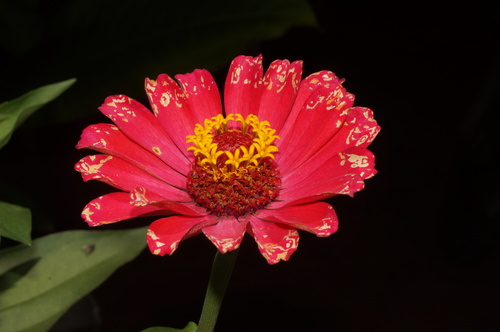

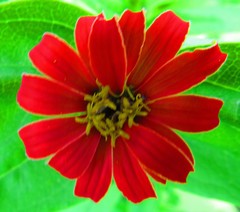
Common zinnia (Zinnia elegans), also called elegant zinnia, is an annual in the Asteraceae family native to Mexico. Upright clumps carry brightly colored single or double daisy-like heads through summer. It is a popular bedding and cut flower, valuable to pollinators and non-toxic, though susceptible to powdery mildew.
Read moreCommon zinnia, Elegant zinnia, Zinnia and Youth-and-age



© photo
(c) Erick Noe Tapia Banda, some rights reserved (CC BY-NC), uploaded by Erick Noe Tapia Banda · cc-by-nc
Ricard Busquets Reverte · cc-by
Oscar Alejandro Morales Juárez · cc-by-nc
Taken Jul 7, 2021 by Syl Syl (cc-by-sa)
Taken Sep 23, 2022 by M. Hedayat (cc-by-sa)
Taken Jun 8, 2019 by Ujang Sahidin (cc-by-sa)
Taken Oct 15, 2022 by Didier EYCHENNE (cc-by-sa)
Taken May 4, 2017 by Pierre Bonnet (cc-by-sa)
© copyright of the Board of Trustees of the Royal Botanic Gardens, Kew.




Global distribution
Zinnia elegans is native from central and southern Mexico to Nicaragua. Widely cultivated as an ornamental, it has naturalized locally beyond that range, including in the United States, South and Central America, the West Indies, Australia and Italy. These introduced areas remain distinct from its Mexican homeland.
- Native3
- Introduced3
- Mexico
- Guatemala
- Nicaragua
- United States
- Italy
- Australia
Hexagons: regions where the plant occurs. Green dots: native range.1
Identity
Common zinnia (Zinnia elegans Jacq., 1792), also known as elegant zinnia, is an annual in the genus Zinnia and family Asteraceae. The genus honors German botanist Johann Gottfried Zinn, who studied the plant in the 18th century from seed sent from its native Mexico. 1 4
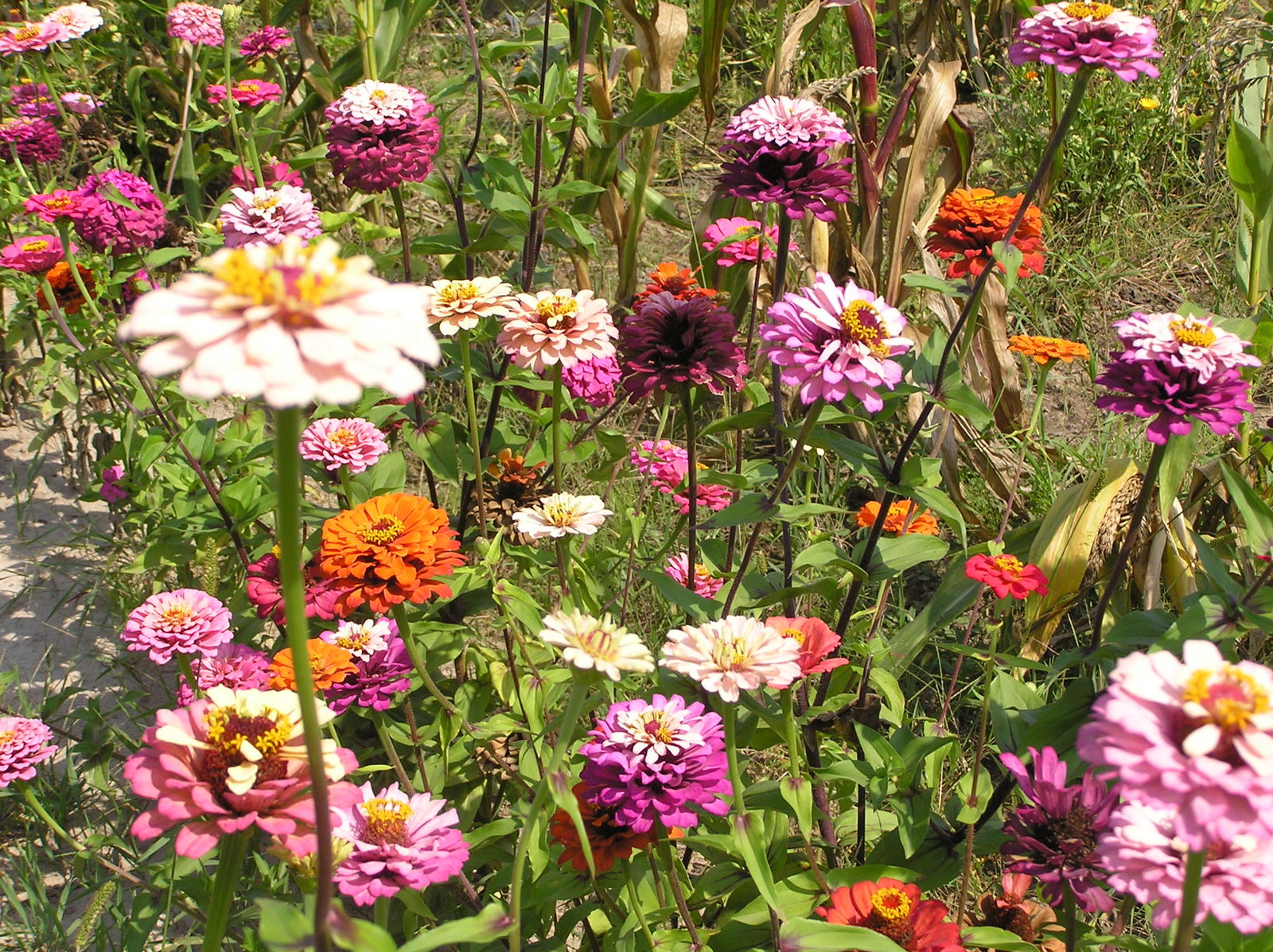
Bright single or double daisy-like heads make this species a familiar bedding plant and cut flower, with a wide color range and flowers throughout summer. Easy to grow, valuable to pollinators and non-toxic, it is especially popular for bouquets. 2 6
Recognition
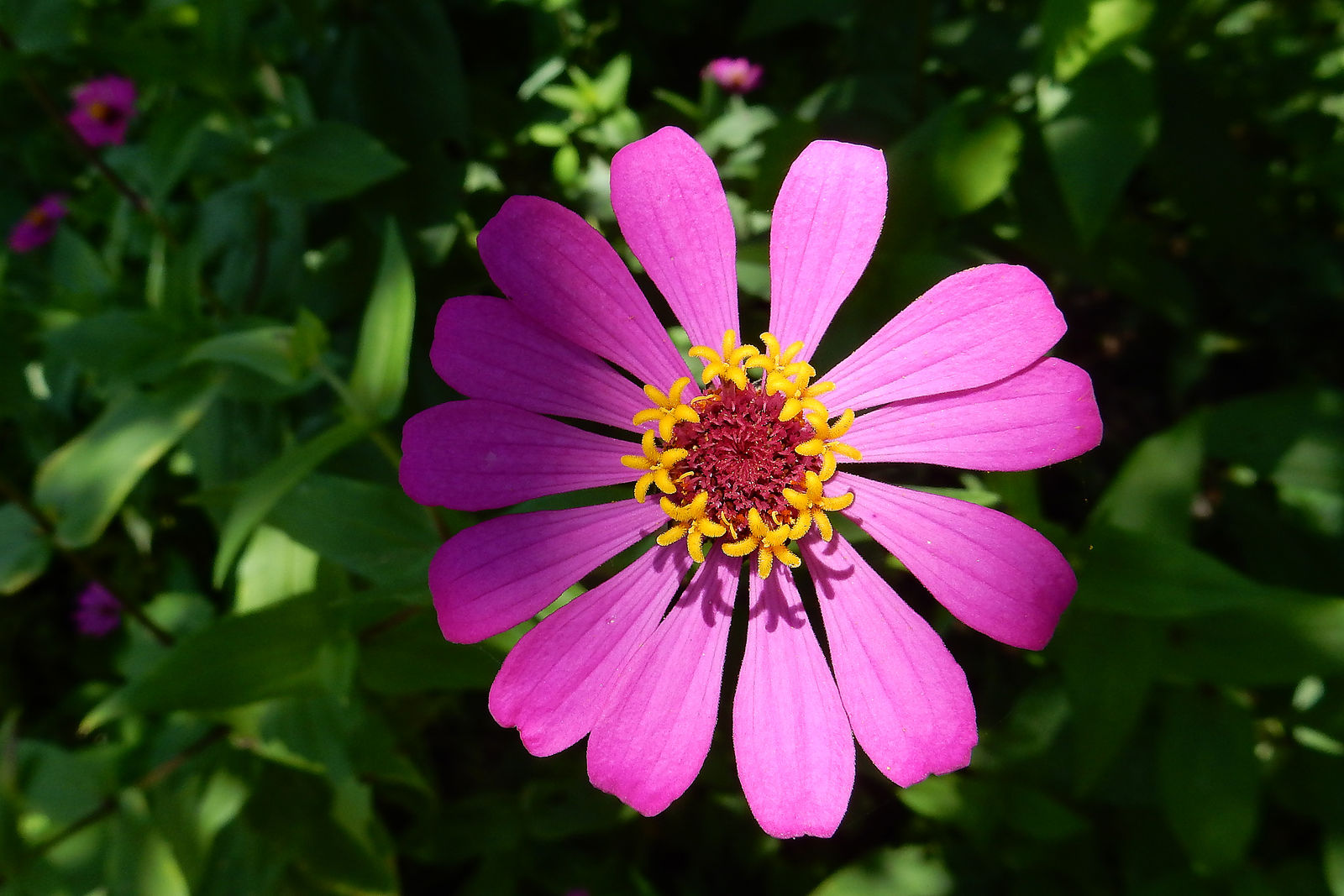
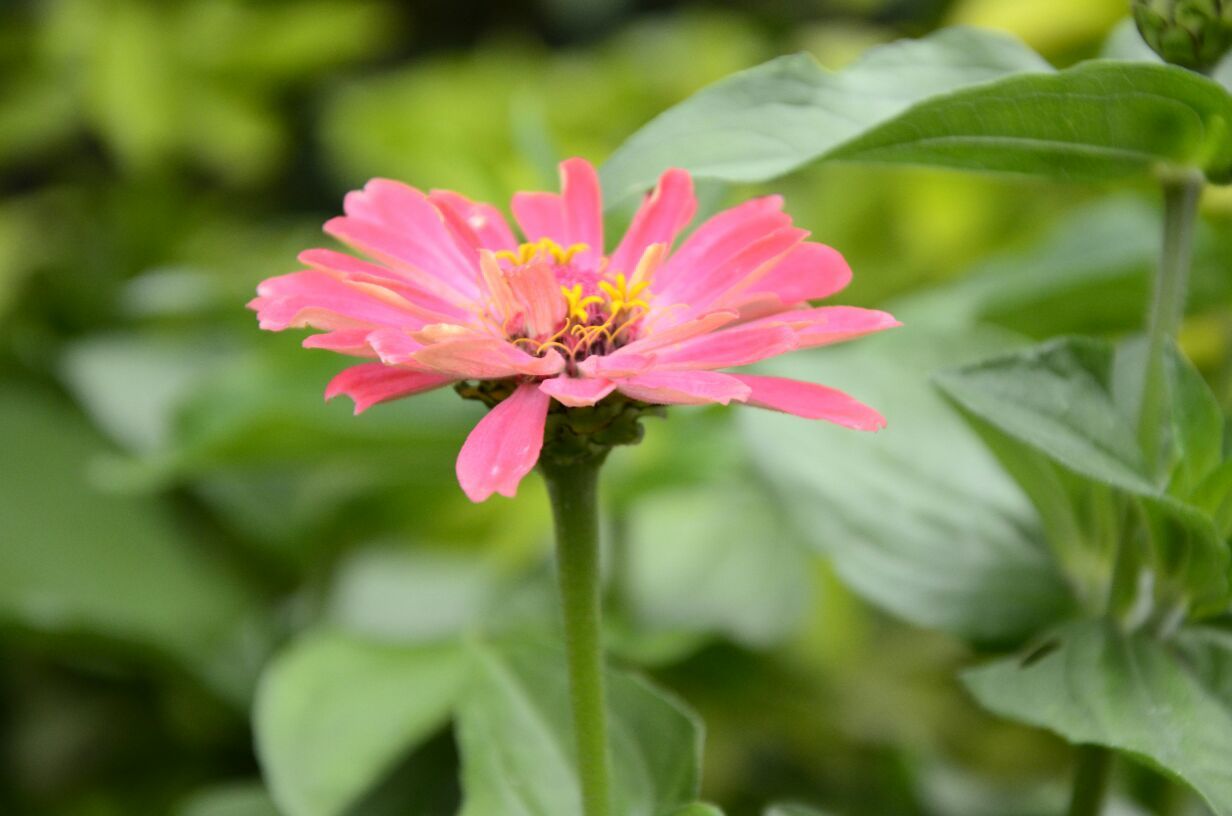
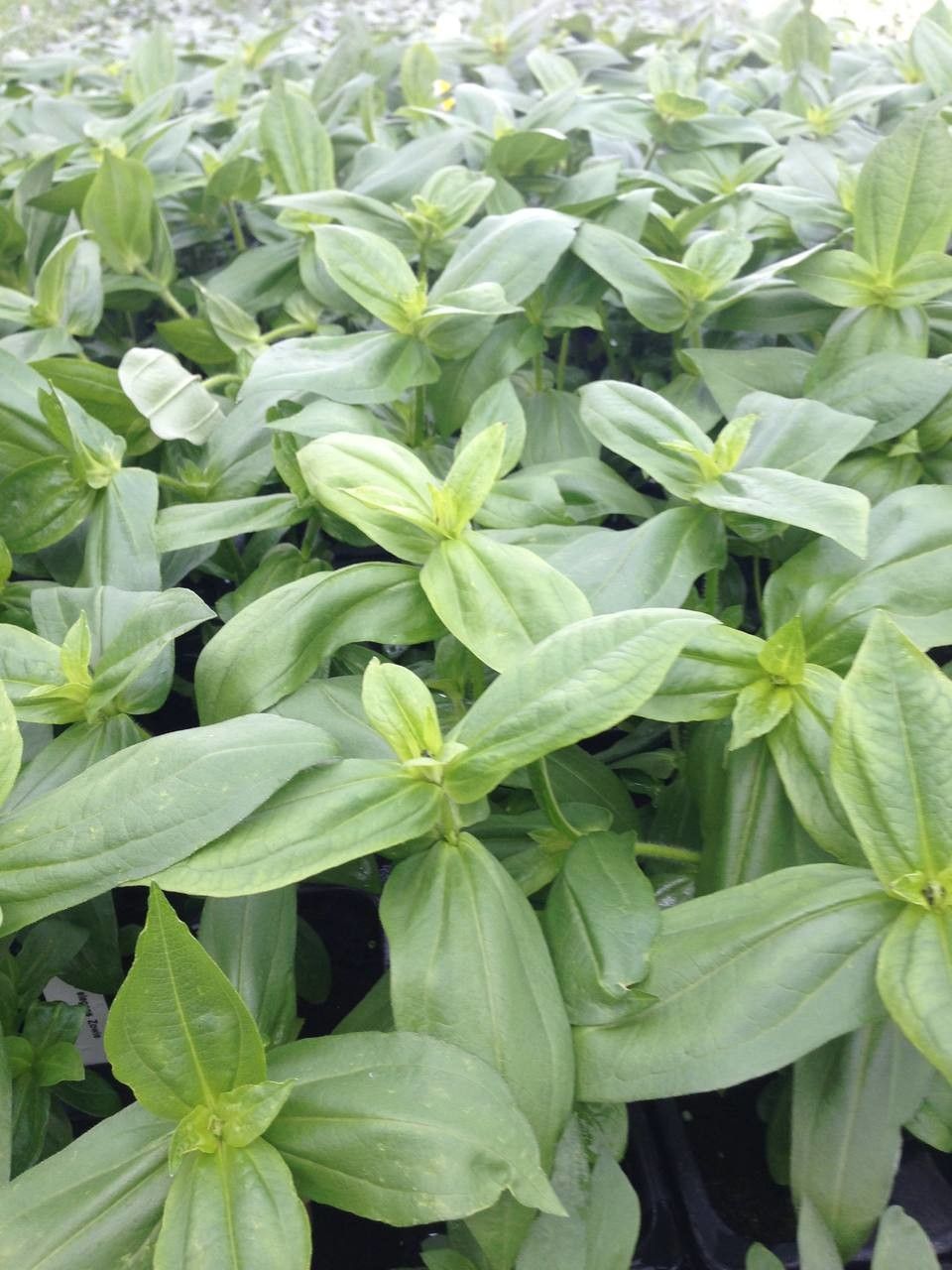
Upright Zinnia elegans clumps stand 30–100 cm (12–39 in) tall, depending on the variety, on stiff, slightly rough stems. Opposite leaves are stalkless, oval to lance-shaped, rough to the touch and slightly clasp the stem. 3 6
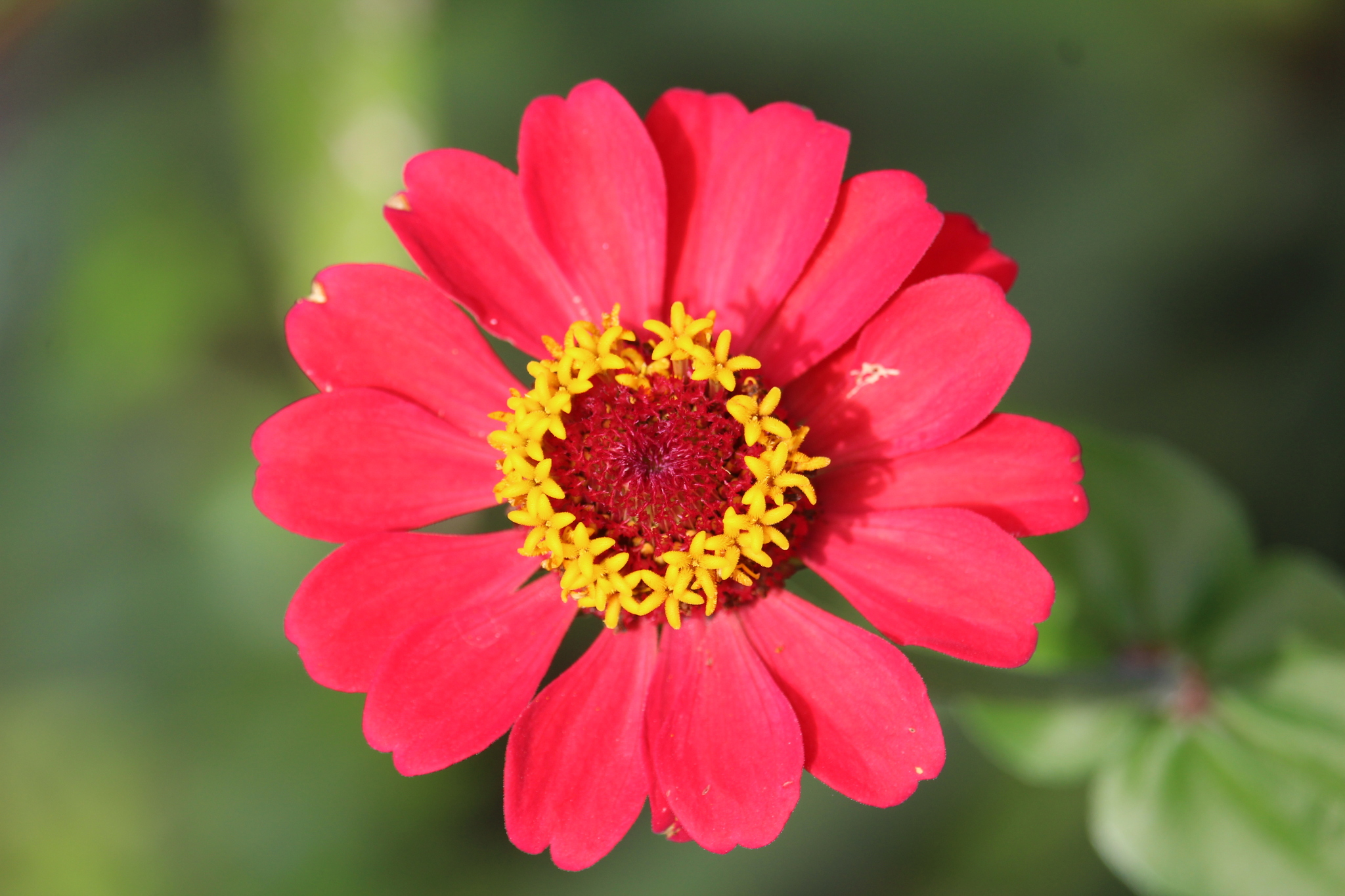
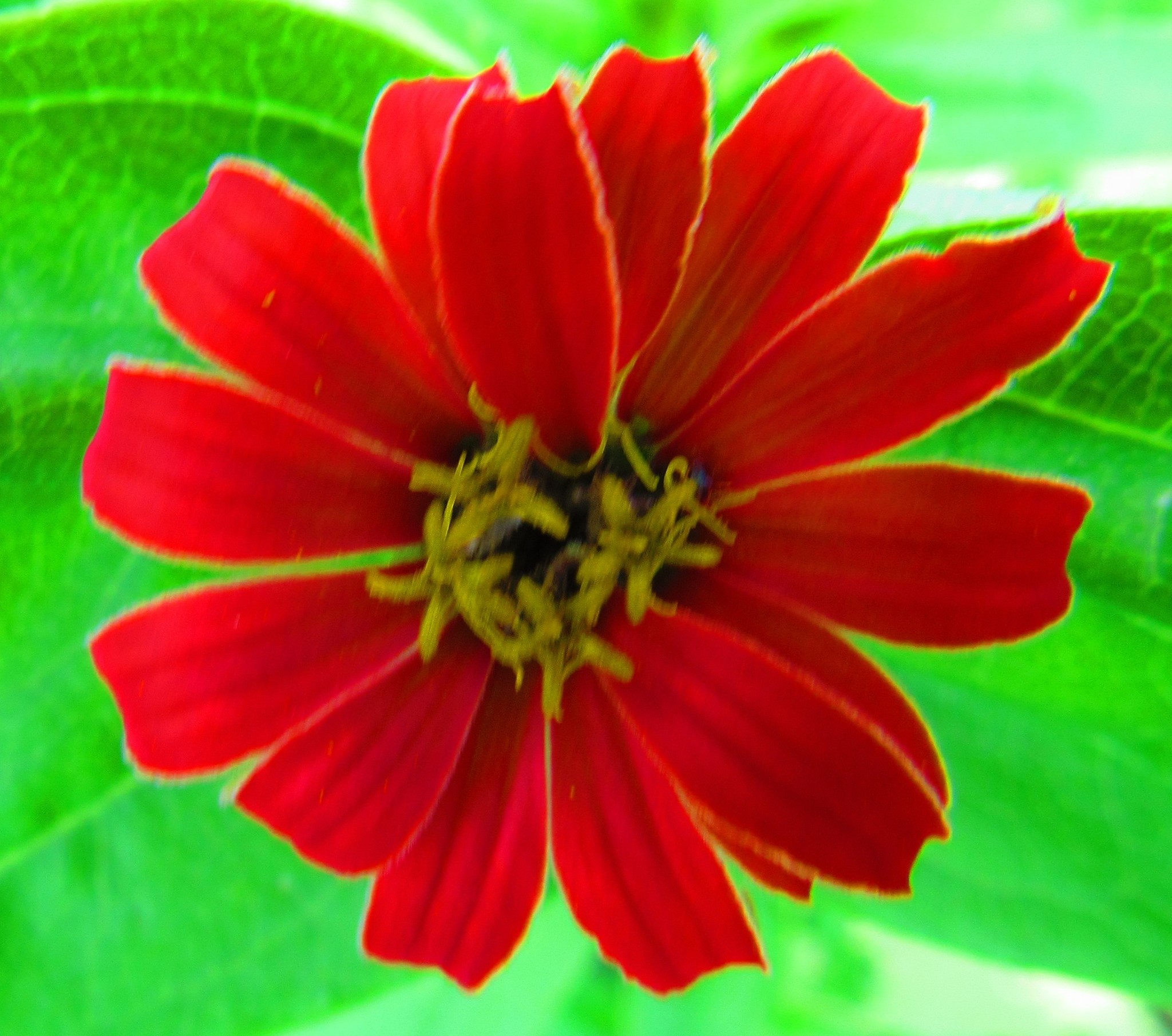
A solitary terminal flower head is the clearest feature: this composite bloom resembles a single or double daisy and measures 5–15 cm (2–6 in) across, often in bright colors. The outer florets remain colored for a long time, explaining the name youth-and-age. 4 2
From summer into fall, continuous flowering draws frequent visits from bees and butterflies. Common zinnia is frost tender, completing its life cycle in one season and dying at the first frost. 5 3
Useful taxonomy
Nikolaus Joseph von Jacquin described the species as Zinnia elegans Jacq. in 1792. Several related North American species belong to Zinnia, and older names still occur in botanical literature. The main synonyms are:
- Zinnia violacea Cav. (botanical synonym)
- Zinnia elegans var. violacea (Cav.) DC. (botanical synonym)
- Crassina elegans (Jacq.) Kuntze (botanical synonym)
One naming detail deserves attention: Zinnia violacea Cav., published in 1791, is sometimes said to have priority, but Plants of the World Online accepts Zinnia elegans Jacq. and treats Zinnia violacea as a synonym. Horticultural names such as Benary's Giant and State Fair refer to selections rather than separate botanical species. 1 3
Habitat and range
From central and southern Mexico, the native range of Zinnia elegans reaches Nicaragua. It grows on dry, open ground, in waste places and clearings under a tropical climate with a marked dry season. 1 4
Like many annuals of open habitats, common zinnia needs plentiful sun and soil that does not remain waterlogged. This preference for warmth and drainage guides garden cultivation and helps explain its susceptibility to fungal diseases in damp or confined conditions. 3 6
Widespread ornamental cultivation has led to naturalization outside its original range, including the United States, South and Central America, the West Indies, Australia and Italy. These introduced areas remain distinct from its Mexican native range. 1 5
Life cycle and reproduction
A frost-tender annual, Zinnia elegans germinates, flowers and dies within a single season. The interval from seed to first flower is often only two to three months, making it one of the quickest annuals to raise from seed. 3 5
Each head combines fertile central florets with colorful outer florets. Insects, especially bees and butterflies, provide pollination. After flowering, heads form small dry achenes, easily collected for sowing the next year. 4 6
Garden propagation relies exclusively on seed. Sow in warmth under cover in spring, or directly outdoors after all frost risk has passed: April and May, respectively, are typical in mild Northern Hemisphere temperate climates. Seeds emerge in one to two weeks at a suitable temperature. Because zinnias dislike root disturbance, individual pots allow planting out with an intact root ball, unlike trays that require lifting bare-root seedlings. Pinching tall cutting varieties while young encourages branching and more flowering stems. 2 6
Uses and risks
Ornamental use dominates: Zinnia elegans is a bedding annual and an excellent cut flower, with stiff stems and bright colors that last well in a vase. Its long summer flowering and value to pollinators also make it useful for attracting bees and butterflies. 2 3
Zinnias are classed as non-toxic garden plants. The ASPCA lists them as safe for cats, dogs and horses, and no notable human toxin is reported. 7 6
The chief growing problem is disease, especially powdery mildew, which coats foliage with white powder in damp or poorly ventilated conditions, along with leaf spots. Reduce these by spacing plants, watering at soil level in the morning, keeping leaves dry and choosing varieties known for resistance. 6 3
Varieties, look-alikes and related plants
Garden selections differ in flower form and stature rather than representing separate species. Benary's Giant and State Fair are large double-flowered series favored for cutting; Dreamland is a dwarf bedding series. Zowie! Yellow Flame, Purple Prince and Zinderella Peach are selections valued for color or flower shape. Check the variety's height, intended use and stated powdery mildew tolerance before buying. 2
Other zinnias and composite-flowered annuals can cause confusion:
- Zinnia haageana, Mexican zinnia, with smaller, often bicolored heads;
- Zinnia angustifolia, with narrow leaves, small flowers and greater disease resistance;
- other composite-flowered bedding annuals, such as cosmos and marigolds.
Opposite rough leaves, stiff stems and a large solitary terminal head are the most reliable features for confirming that a plant sold as a zinnia is Zinnia elegans. 3 1
Main sources
Frequently asked questions
Is common zinnia toxic?
No. The ASPCA lists zinnia as non-toxic to cats, dogs and horses. This bedding annual has no known danger to domestic animals or humans.
Is zinnia annual or perennial?
Zinnia elegans is a frost-tender annual. It germinates, flowers and dies in one season, killed by the first frosts. Sow it again from seed each year.
Why are my zinnia leaves turning white?
The white powdery coating is powdery mildew, the main weakness of zinnias. Wet foliage and poor airflow favor it. Space plants apart, water at soil level and choose a resistant variety.
How can I keep zinnias flowering?
Remove spent flowers regularly and pinch young plants to encourage branching. This promotes fresh flower heads until frost, making zinnia an excellent cut flower.
When should I sow zinnias?
Sow in warmth under cover in spring, or directly outdoors once all frost risk has passed. April indoors and May outdoors are typical in mild Northern Hemisphere temperate climates. Germination is quick and flowers appear in the same season.
Do zinnias attract pollinators?
Yes. Bees and butterflies visit the colorful heads throughout summer. In a sunny bed, zinnias become an important seasonal attraction for pollinators.
What is the difference between Zinnia elegans and Zinnia violacea?
They are two names for the same plant. Plants of the World Online accepts Zinnia elegans Jacquin and treats Zinnia violacea Cavanilles as a synonym. Both refer to common garden zinnia.
Similar plants
If you are unsure about a plant’s toxicity, ask a botanist or veterinarian for advice.