
Red bearberry (Arctostaphylos uva-ursi, )
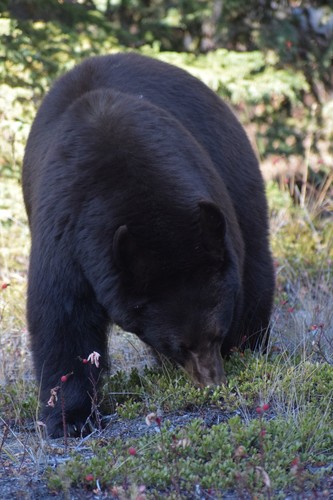
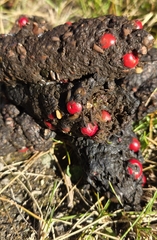
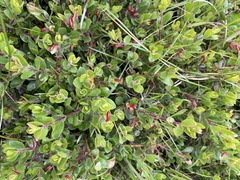
Red bearberry (Arctostaphylos uva-ursi), also called kinnikinnick, is a creeping evergreen subshrub in the Ericaceae family. Its range circles the Northern Hemisphere, from Iceland to Siberia and south into the Rocky and Appalachian Mountains. Leathery leaves form a dense mat, with white to pink urn-shaped spring flowers and bright red fall fruits. The leaves have a long history of medicinal use.
Read moreRed bearberry, Bearberry and Kinnikinnick
Allow a few hours of direct sun per day, preferably morning or evening.
Full sun; tolerates light partial shade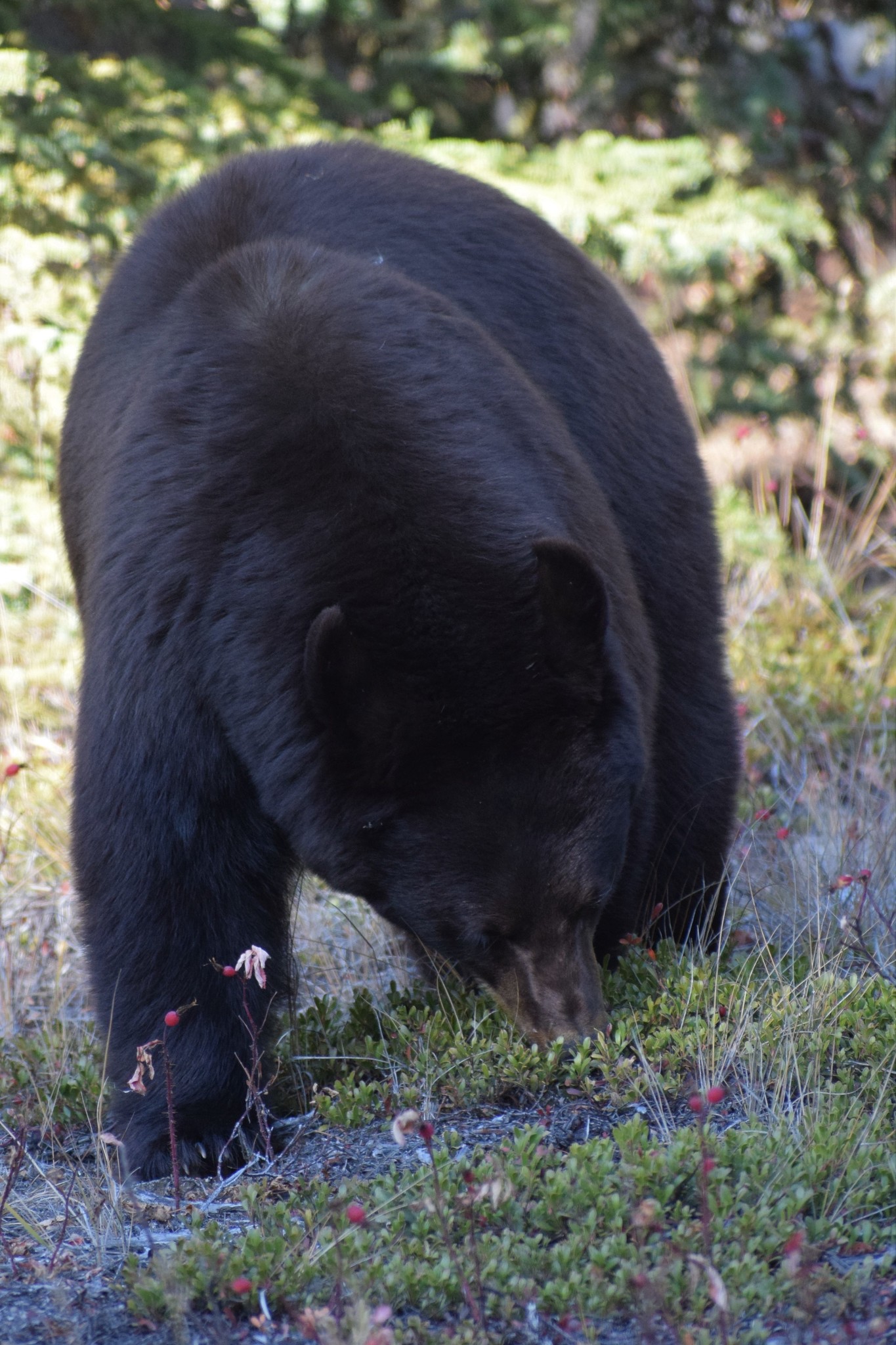
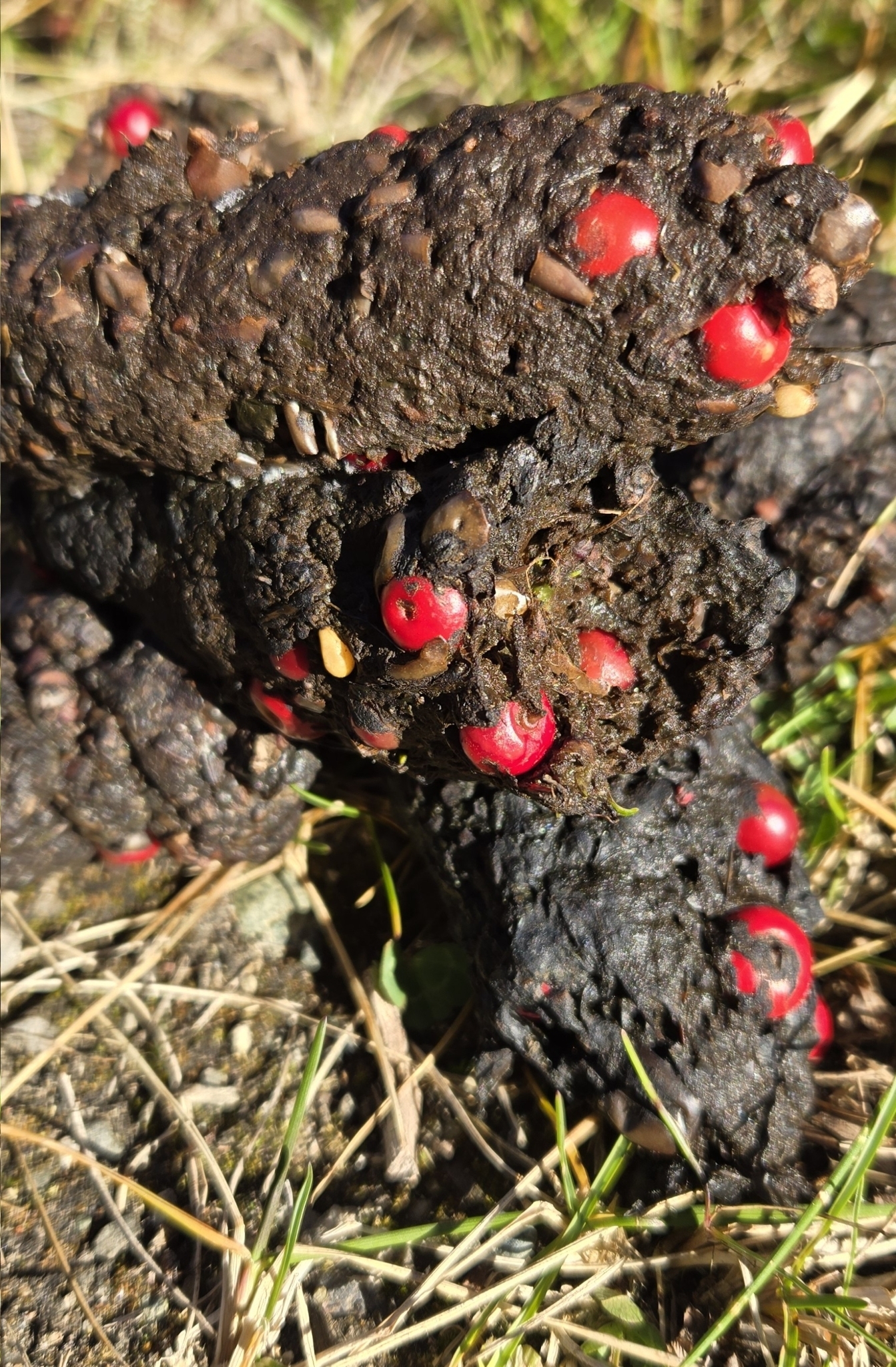
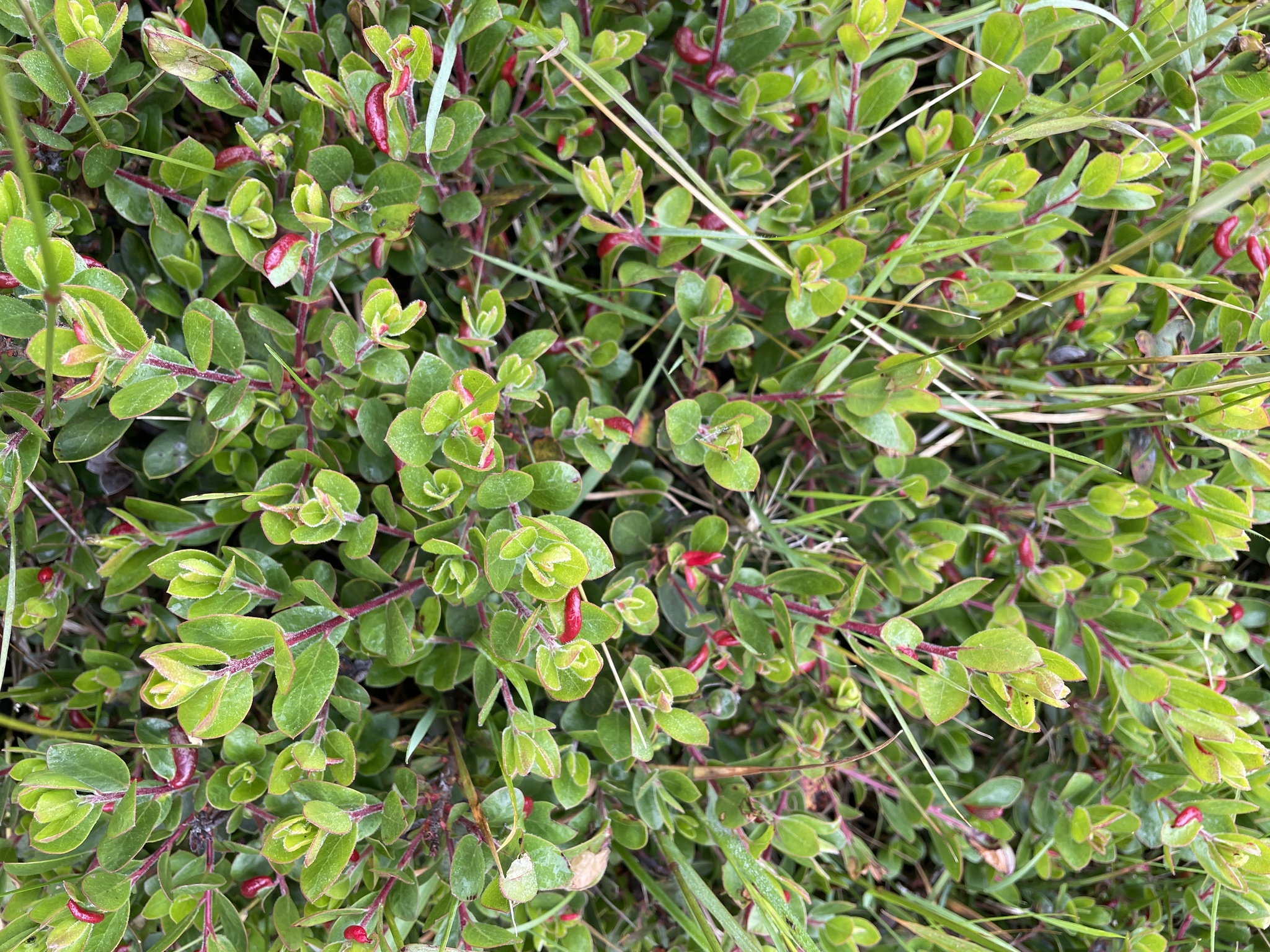


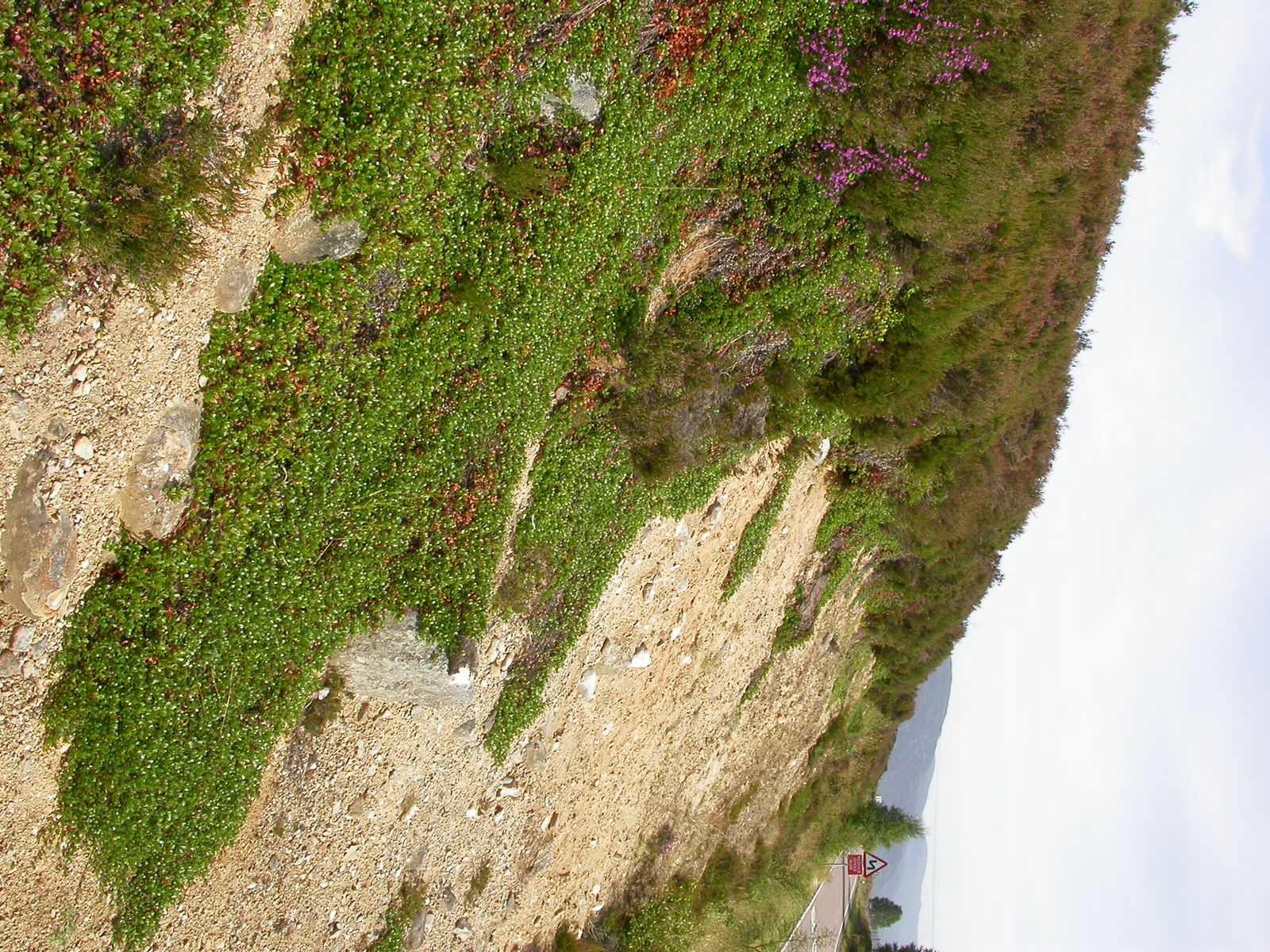
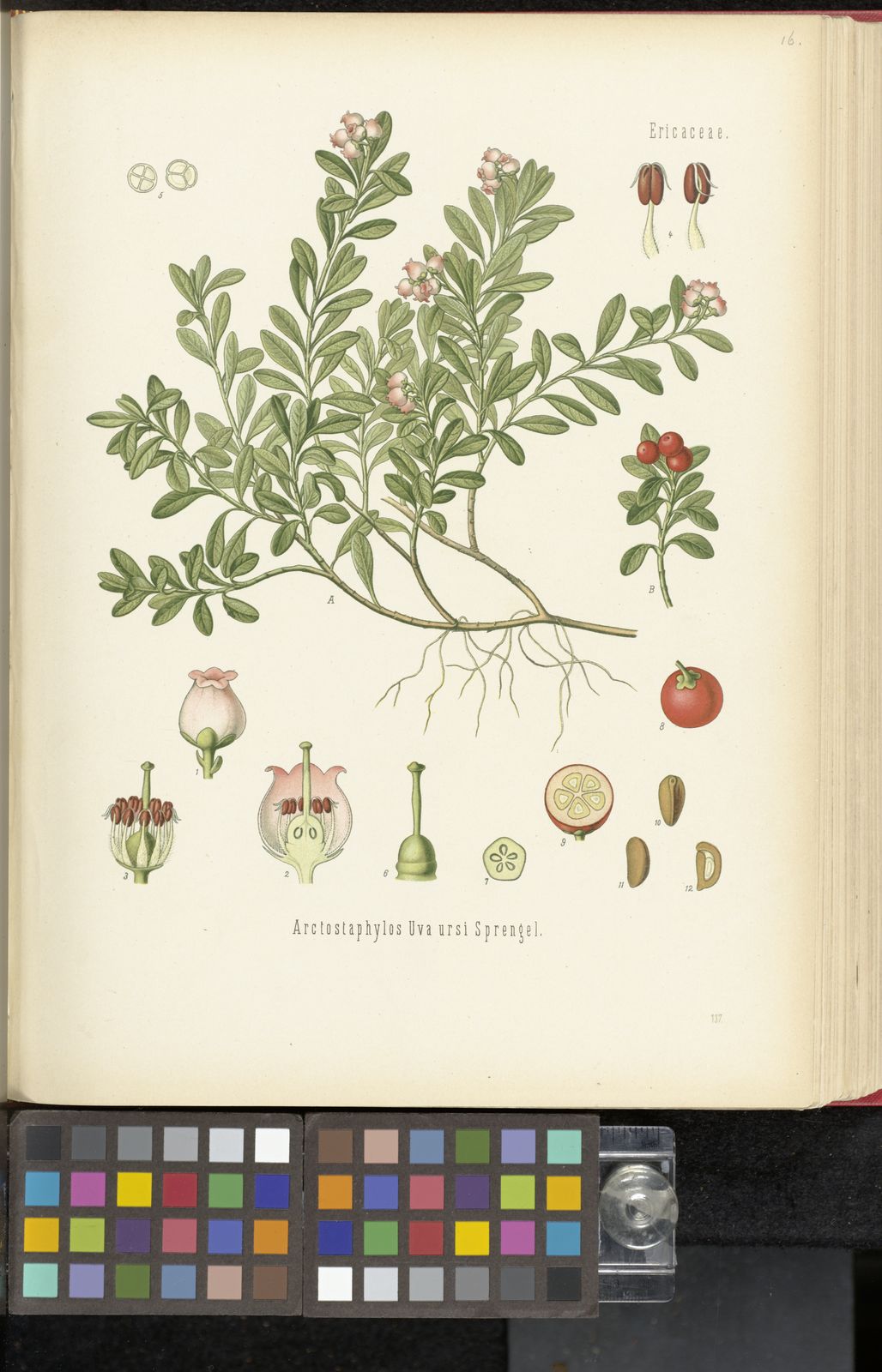
© photo
Syd Cannings · cc-by
Megan Blackmore · cc0
Roger Raiche · cc-by
Taken Jun 9, 2015 by Tela Botanica − George FOWLER (cc-by-sa)
Taken Aug 27, 2015 by Tela Botanica − Liliane ROUBAUDI (cc-by-sa)
Taken May 26, 2021 by NordicPlant (cc-by-sa)
Taken Dec 12, 2021 by chester (cc-by-sa)
Taken May 27, 2021 by Alain Bigou (cc-by-sa)
© copyright of the Board of Trustees of the Royal Botanic Gardens, Kew.


Global distribution
Arctostaphylos uva-ursi has a circumboreal native range across northern Europe, Siberia, North America and Greenland. Southern populations occupy alpine and subalpine mountain habitats in the Alps, Pyrenees, Caucasus, Himalayas, Rockies and Appalachians. It is the only member of Arctostaphylos found outside North America.
- Native8
- France
- Norway
- Russia
- Spain
- Canada
- United States
- Greenland
- Guatemala
Hexagons: regions where the plant occurs. Green dots: native range.1
Identity
Red bearberry (Arctostaphylos uva-ursi (L.) Spreng., 1825), also called bearberry or kinnikinnick, is a creeping subshrub in the Ericaceae family and Arbutoideae subfamily. It is the type species of Arctostaphylos. Linnaeus first described it as Arbutus uva-ursi in 1753, and Kurt Sprengel transferred it to its present genus in 1825. 1 6
Both halves of the scientific name tell the same story. Arctostaphylos combines the Greek arktos, bear, and staphyle, bunch of grapes, while the Latin epithet uva-ursi likewise means bear grape. The Greek and Latin names refer to bears readily eating the fruits. 6 4
The French name busserole refers instead to the resemblance between its leathery evergreen leaves and those of boxwood. That resemblance also explains the occasional French nickname meaning false boxwood. 6
Recognition
Long, flexible stems make a prostrate woody mat: creeping or trailing branches reach 50 cm to 2 m (20 in to 6.5 ft) and root wherever they remain in contact with soil. The resulting cushions stand 5–30 cm (2–12 in) tall. Thin bark peels as young pale green stems mature to smooth reddish brown. 6 4
Thick, leathery evergreen leaves measure 1–3 cm (0.4–1.2 in) long. Their smooth margins curl slightly under; the upper surface is glossy dark green and the underside paler. Winter brings a bronze tint, followed by green again in spring, a normal seasonal change rather than evidence of disease. 6
Nodding clusters of 5–12 flowers appear in spring. Each white or pink urn-shaped corolla has five short lobes enclosing ten stamens. The rounded fruits are drupes 6–13 mm (0.25–0.5 in) across, bright red when ripe. They are edible, but their mealy texture and bland flavor offer less appeal than their appearance. 6 3
Fully prostrate stems that root along their length provide a more reliable identification feature than leaf or flower shape, which varies between sites. A healthy plant makes a continuous carpet no more than 30 cm (12 in) high, rather than a single upright stem touching the ground only at its base. 6
Useful taxonomy
For the species, POWO accepts Arctostaphylos uva-ursi (L.) Spreng., based on Arbutus uva-ursi L. Other homotypic synonyms include Mairrania uva-ursi (L.) Desv. and Uva-Ursi uva-ursi (L.) Britt. 1 2
As many as fourteen subspecies were historically described in North America, including several dwarf forms endemic to California. POWO no longer places all of them within this species. Several, including the isolated Guatemalan population formerly called subsp. cratericola, are associated with distinct species in the genus rather than simple varieties of red bearberry. 1 7
An older nursery name, especially on a North American label, therefore deserves checking. The binomial Arctostaphylos uva-ursi remains the stable reference for the typical circumboreal plant, even where historical subspecies names persist in gardens or reference works. 7
Habitat and range
Across its circumboreal range, red bearberry grows from Iceland and northern Norway through Siberia to the Caucasus and Himalayas. Farther south, populations are restricted to alpine and subalpine mountain zones. It is the only Arctostaphylos species outside North America, where most other members of the genus are Californian plants with restricted ranges. 7 1
North American populations extend from Alaska and Greenland south to New Mexico in the Rockies and Virginia in the Appalachians, with rare outlying populations in Georgia. In France it occurs in the Jura, Alps, Massif Central and Pyrenees. It is abundant at 1,000–1,800 m (3,300–5,900 ft) in Scots pine woods of the southern Alps; its southernmost French station, on Montagne Sainte-Victoire, contains only a few plants at about 850 m (2,800 ft). 6 5
Cold, sunny conditions and dry to moderately moist, siliceous, acidic or neutral soils suit this plant, which dislikes standing moisture. Hardiness to −40 °C (−40 °F) in well-drained ground helps explain its survival in Iceland and Arctic Canada, where few evergreen heath-family ground covers persist. Its conservation status in France and Europe is Least Concern, although it is rare or threatened in some Midwestern US states. 6 5
Life cycle and reproduction
Regeneration depends chiefly on vegetative spread. After the second year, creeping stems produce adventitious roots at their nodes, anchoring them in humus. After 7–8 years, dormant buds develop along buried stems, often following injury or fire. This underground reserve can produce new shoots within weeks after the aerial growth burns. Stems older than ten years may carry around a hundred buds around an underground woody swelling. 6
Seed reproduction plays a secondary role. Drupes remain on the plant through winter before animals or gravity disperse them. Their hard-coated seeds need scarification and stratification to break dormancy, and seedlings grow slowly during their first three years. 6 7
Bees perform most pollination, but specialist thrips, including Ceratothrips ericae and Haplothrips setiger, also contribute. Hummingbirds occasionally visit for nectar, and the plant can self-pollinate as well. 6
Uses and risks
Dried leaves, known as uvae ursi folium, are a traditional herbal drug listed in the European Pharmacopoeia and German Commission E monographs for mild urinary complaints such as cystitis and urethritis. Their main constituent, arbutin, accounts for 5–17% according to the source. It converts to hydroquinone in alkaline urine, explaining the documented antiseptic action against Escherichia coli. 6 7
Traditional medicinal use carries limitations. It is discouraged in kidney failure, during pregnancy and for longer than two or three weeks. Large doses of hydroquinone can cause nausea, ringing in the ears or seizures. Strong clinical evidence nevertheless does not establish the effectiveness of this traditional use. 8 6
For household animals, the species profile reports no toxicity to cats or dogs. Dried leaves were also ingredients in Indigenous North American smoking mixtures called kinnikinnick. In northern European countries, branches were historically used to tan hides. 4 6
Varieties, look-alikes and related plants
Ornamental selections include Vancouver Jade, with bright green foliage and compact growth, Massachusetts, noted for good leaf-rust resistance, and Big Bear, with broader leaves and larger fruits. Their principal garden role is ground cover in rock gardens, on slopes and in coastal gardens, where tolerance of salt and drought is useful. 4 3
Lingonberry, Vaccinium vitis-idaea, is a frequent source of confusion because it is another low-growing Ericaceae of acidic woodland. It has finely toothed leaves on upright stems, whereas red bearberry has smooth-edged leaves and entirely creeping growth that stays below 30 cm (12 in). Several dwarf Californian forms formerly treated as subspecies now belong to separate species in the same genus, adding another identification problem in North American rock gardens. 7
Main sources
- Plants of the World Online / Kew, Arctostaphylos uva-ursi (L.) Spreng.
- International Plant Names Index, Arctostaphylos uva-ursi (L.) Spreng.
- Royal Horticultural Society, Arctostaphylos uva-ursi - bearberry
- NC State Extension, Arctostaphylos uva-ursi - Bearberry
- INPN, Red bearberry, Arctostaphylos uva-ursi
- Wikipedia (FR), Arctostaphylos uva-ursi
- Wikipedia (EN), Arctostaphylos uva-ursi
- De Arriba et al., 2013, Risk assessment of free hydroquinone from Arctostaphylos uva-ursi folium, International Journal of Toxicology
Frequently asked questions
Is red bearberry toxic to cats and dogs?
No. The species profile reports no toxicity to cats, dogs or other pets; its status for horses is simply undocumented.
Is red bearberry safe to consume?
The leaves traditionally make a tea for urinary complaints, but use beyond two to three weeks is discouraged, as is use during pregnancy, because arbutin releases hydroquinone.
How does red bearberry differ from lingonberry?
Both are low-growing Ericaceae of acidic woodland, but red bearberry has smooth-edged leaves and entirely creeping stems. Vaccinium vitis-idaea has finely toothed leaves on more upright stems.
How do you propagate red bearberry?
Cuttings of creeping stems already rooted at the nodes and ground layering establish most reliably. Seed also works, but needs scarification and is slower.
Does red bearberry grow wild in France?
Yes, in most mountain ranges, including the Jura, Alps, Massif Central and Pyrenees. An isolated southern population occurs on Montagne Sainte-Victoire in Bouches-du-Rhône.
Why do red bearberry leaves turn brown in winter?
A natural bronze color develops in response to cold in its evergreen foliage. This is not a sign of disease; green returns in warmer weather.
Does red bearberry really resist fire?
Its dense mat limits the spread of fire, while dormant buds buried along older stems allow rapid regrowth afterward. This behavior is documented particularly in North America and Scotland.
Similar plants

If you are unsure about a plant’s toxicity, ask a botanist or veterinarian for advice.