
Cuckoo-pint (Arum maculatum, )
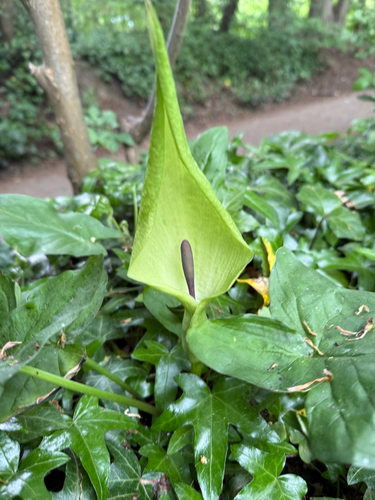
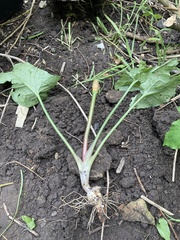
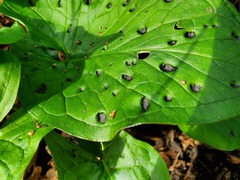
Cuckoo-pint (Arum maculatum), also known as lords-and-ladies, is a tuberous perennial in the Araceae family, native to temperate woodland and hedgerows from Europe to the western Caucasus. Its large, arrow-shaped leaves often carry black spots. The inflorescence produces heat and a carrion-like smell that attracts its pollinators.
Read moreCuckoo-pint and Lords-and-ladies
Place in indirect light or in a shaded room.
Partial to light shade; tolerates filtered sun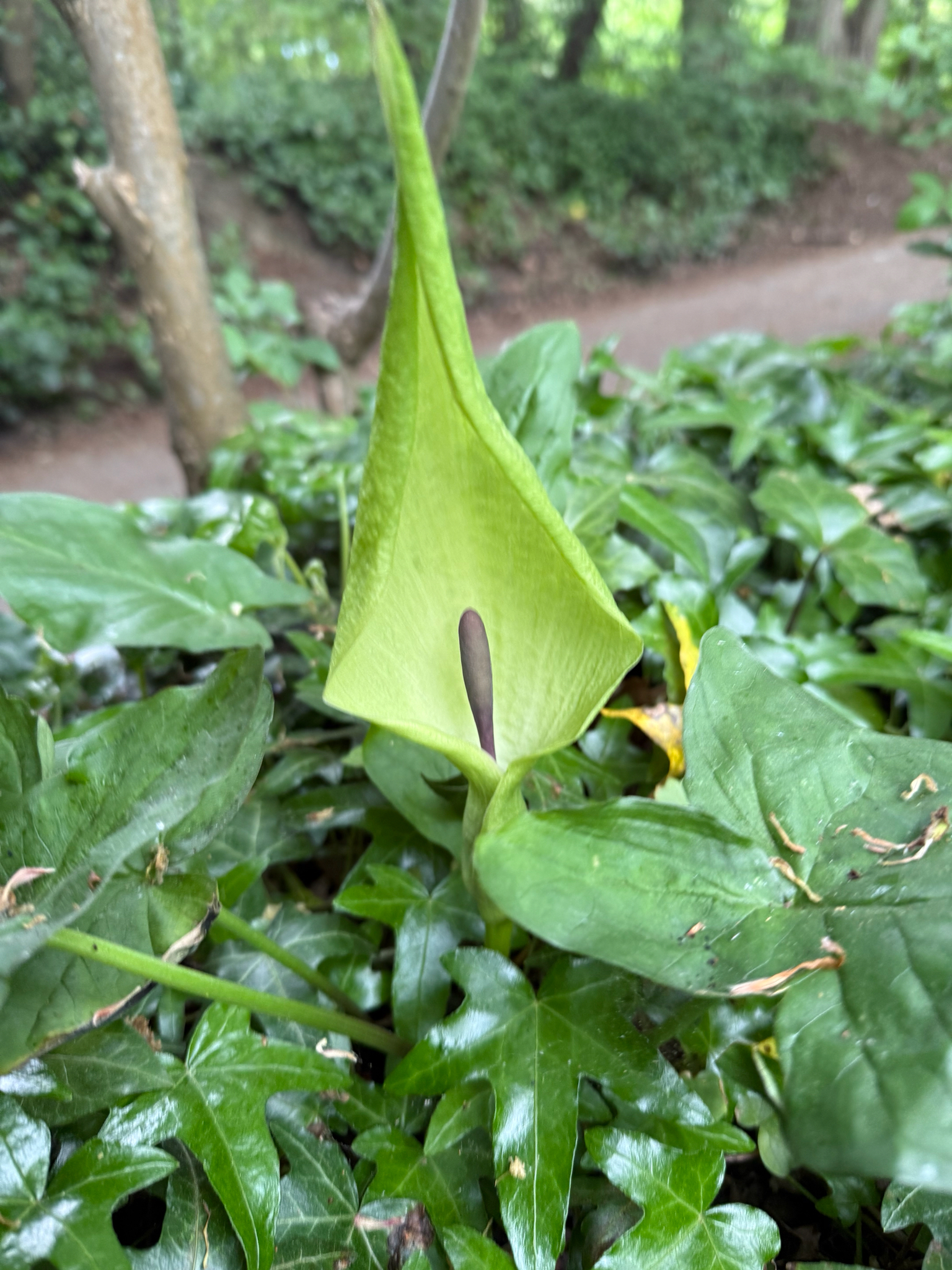



© photo
(c) cassandra_li, some rights reserved (CC BY-NC) · cc-by-nc
jamie-aa · cc0
Anne Taylor · cc0
Taken Apr 15, 2014 by Photoflora - Benoit BOCK (©)
Taken Apr 14, 2022 by huy HO (cc-by-sa)
Taken Nov 3, 2016 by Yoan MARTIN (cc-by-sa)
Taken Apr 17, 2022 by Gaël Covain (cc-by-sa)
© copyright of the Board of Trustees of the Royal Botanic Gardens, Kew.


Global distribution
POWO/WCVP places the native range of Arum maculatum across Europe, from southern Sweden to North Africa, east to eastern Turkey and the western Caucasus. It is native to mainland France and remains common in most wooded and hedgerow landscapes there.
- Native6
- Introduced1
- France
- United Kingdom
- Germany
- Italy
- Turkey
- Georgia
- United States
Hexagons: regions where the plant occurs. Green dots: native range.1
Identity
Cuckoo-pint (Arum maculatum L., 1753), also called lords-and-ladies, is a herbaceous perennial in the genus Arum, family Araceae, native to temperate European woodland. Its arrow-shaped leaves, 10–20 cm (4–8 in) long and often spotted black, emerge from late winter. The red summer berries contain calcium oxalate crystals, making the entire plant toxic to people, cats and dogs. 1 2
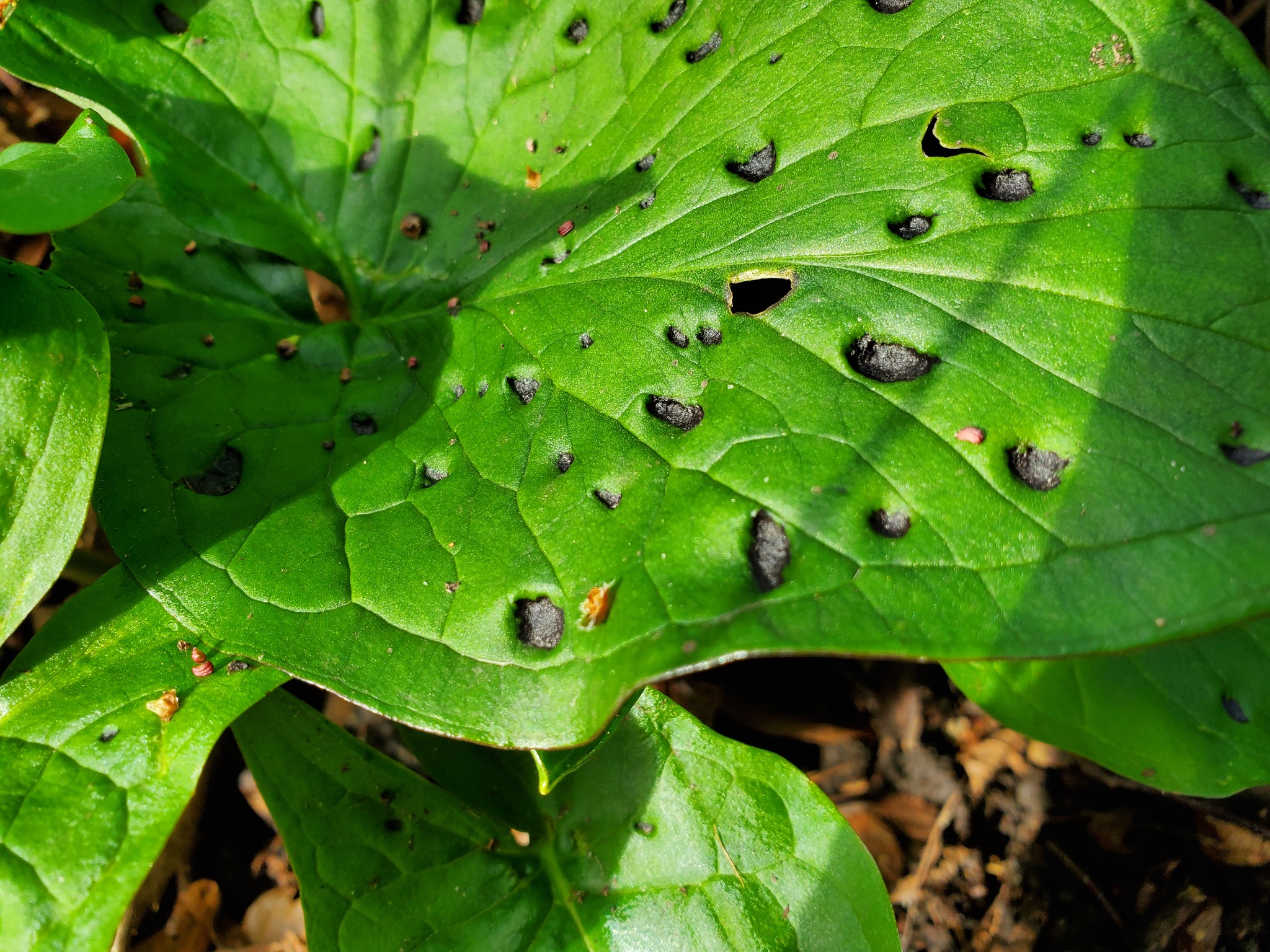
The epithet maculatum refers to the dark blotches on the leaf blade, a variable feature that some plants lack entirely. Cuckoo-pint links the spring flowering season to the cuckoo's return, while lords-and-ladies reflects a folkloric anatomical reading of the spathe surrounding the spadix. The French name pied-de-veau, or calf's foot, compares the fleshy, arrow-shaped leaf to a hoofprint. 6
Recognition
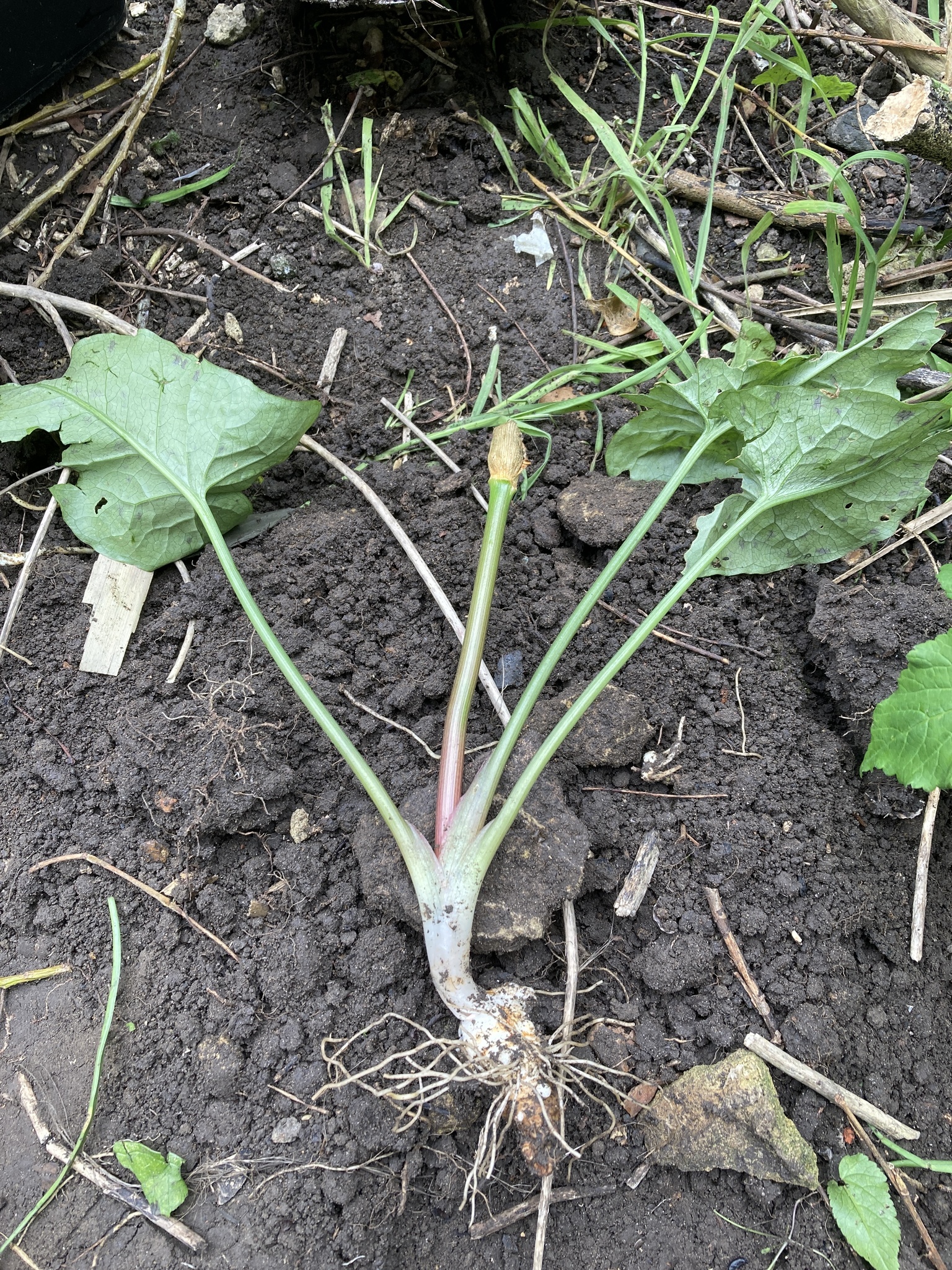
A tuberous geophyte, Arum maculatum emerges in late winter or early spring, before many other woodland plants. Its glossy, arrow-shaped leaves measure 10–20 cm (4–8 in), with stalks that can exceed the blade in length. Irregular black spots, when present, are a useful identifying feature, but their absence does not exclude the species: an entirely green natural form also occurs. 4 3
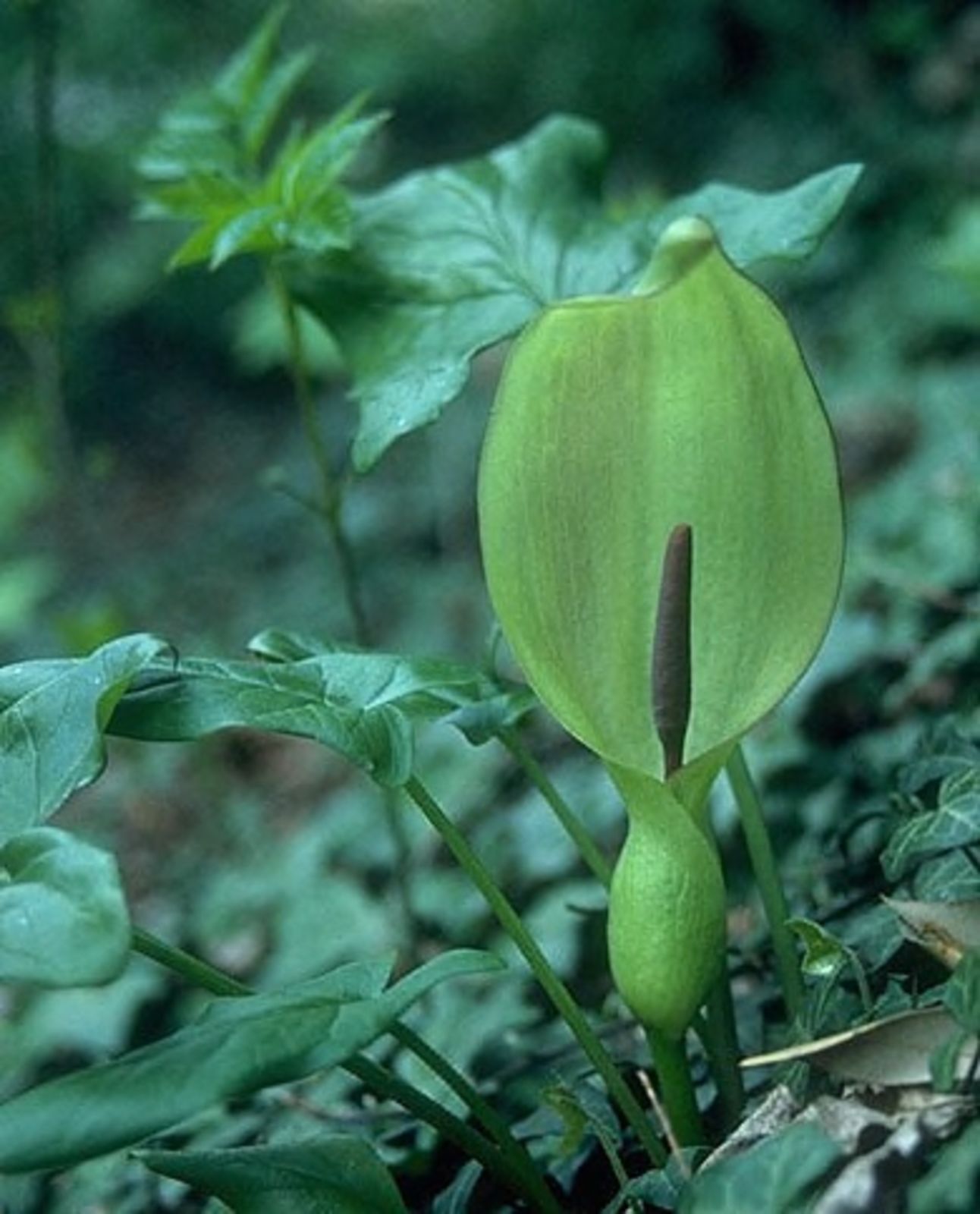
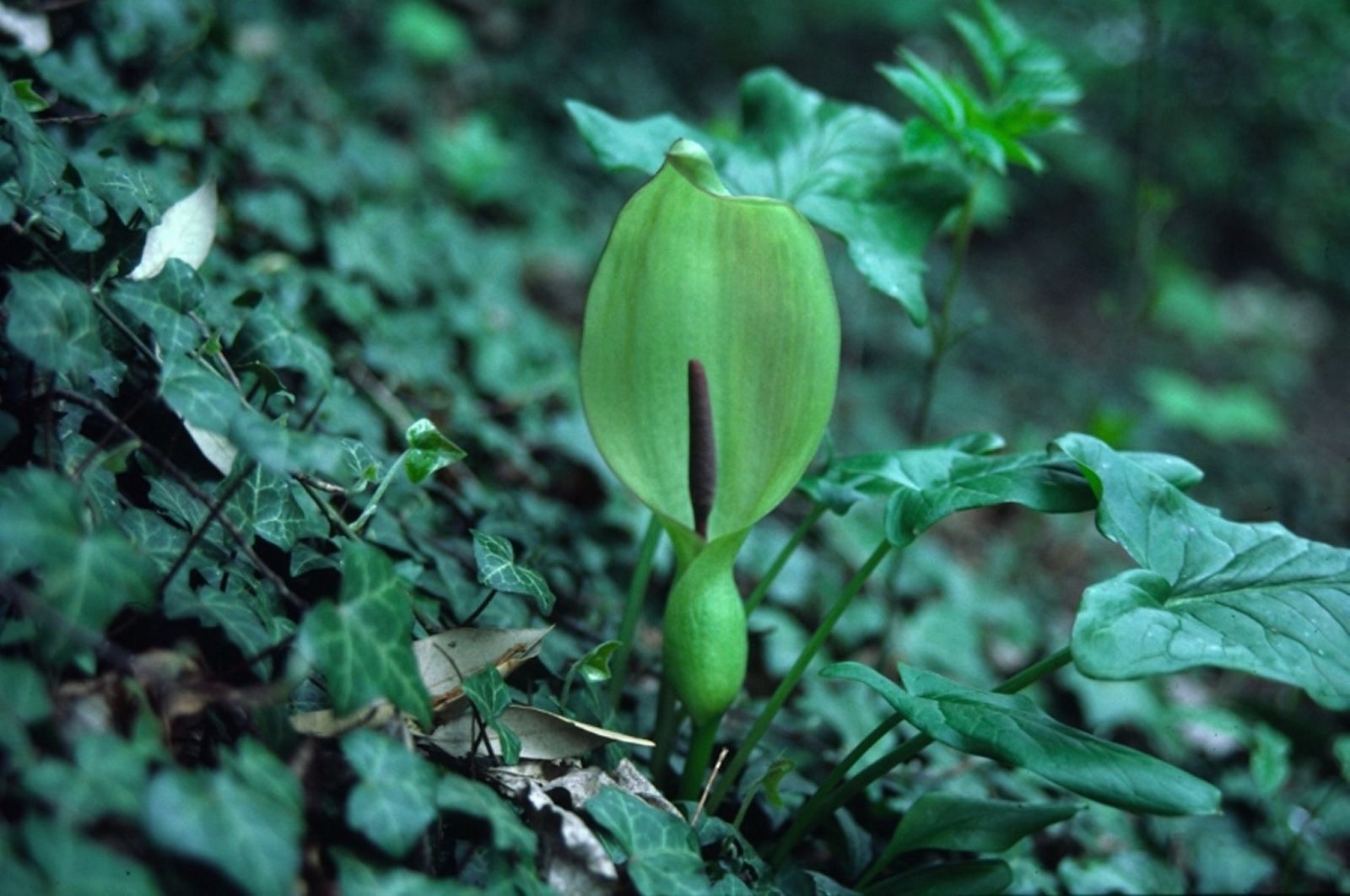
During spring, a typical aroid inflorescence appears: a greenish to purplish spathe wraps around a central spadix, often dark purple or pale yellow depending on the plant. Overall height, including the spathe, reaches 20–45 cm (8–18 in). 2 4
By early summer the leaves have vanished. A tight upright spike of orange-red berries remains on a bare stalk, visible along woodland edges into early fall. At this leafless stage, the plant often stands out more than it did among the spring woodland growth. 2 4
Useful taxonomy
Within Arum, a genus of roughly thirty Mediterranean and temperate species, cuckoo-pint has accumulated at least five historical botanical synonyms. These reflect local differences in color or spotting:
- Arum vulgare Lam. (a historical synonym)
- Arum vernale Salisb. (a historical synonym)
- Arum pyrenaeum Dufour (a historical synonym)
- Arum maculatum f. immaculatum (Mutel) Topa (the unspotted form)
- Arisarum maculatum (L.) Raf. (a historical combination)
The unspotted form immaculatum shows why black blotches alone cannot define the species. The accepted name used by POWO/WCVP remains Arum maculatum L. 1 9
Habitat and range
Across its native range, cuckoo-pint occurs through much of temperate Europe, from southern Sweden to North Africa and east to eastern Turkey and the western Caucasus. In mainland France it is common in deciduous woodland, hedgerows and cool woodland edges, especially on chalky soil. 1 8
Beyond that range, Arum maculatum is grown mainly as an ornamental for woodland gardens, including in North America. It readily self-seeds from its berries and can become difficult to contain in a small shaded garden. 4
Life cycle and pollination
Flowering depends on a mechanism unusual among temperate plants: the spadix warms several degrees above the surrounding air and releases a carrion-like odor. This floral thermogenesis attracts small flies, which remain trapped overnight below a ring of hairs above the male flowers before leaving coated in pollen. 7 6
Following pollination, a spike of orange-red berries develops and ripens through summer after the foliage has already disappeared. Some birds, including pheasants, eat the berries and disperse the seeds without apparent harm, despite their toxicity to most mammals. 6 4
An older plant's starch-rich underground tuber may sit more than 30 cm (12 in) deep and divides naturally in summer after flowering. Seed propagation is possible but slow: fresh seeds germinate in one to six months at 15 °C (59 °F), and flowering often takes several years. 3
Uses and risks
Starch extracted from the tuber was once used to stiffen linen and Elizabethan ruffs. As early as 1440, the nuns of Syon Abbey used it for liturgical linen when starch from other sources was not permitted. Processing was hazardous because raw tubers retain irritating crystals unless dried or cooked for a long time. 6 3
Insoluble calcium oxalate crystals occur throughout the plant, especially in the berries. Ingestion causes immediate burning in the mouth, excessive salivation and difficulty swallowing in people, cats, dogs and horses. The acrid taste and burning sensation generally limit the amount swallowed, helping explain why severe poisoning is uncommon despite frequent reports of exposure. 5 4
Foragers most often confuse cuckoo-pint with wild garlic (Allium ursinum), whose young leaves emerge at the same time in the same woodland. Crushing a leaf provides a clear distinction: wild garlic has a strong garlic smell, which Arum maculatum never produces. 4
Look-alikes and related species
Two other plants can cause confusion in spring woodland: lily of the valley (Convallaria majalis), with similarly low young shoots, and autumn crocus (Colchicum autumnale), another toxic underground storage-organ perennial whose leaves appear later and lack spots. Cuckoo-pint, lily of the valley and autumn crocus grow in neighboring habitats and all pose an ingestion risk. 4
Among other members of its genus, Italian arum (Arum italicum) is the closest common look-alike. Its leaves show white veins rather than black spots, and it flowers somewhat later. Both species share the same toxic chemistry and temporary insect-trapping pollination mechanism. 9 6
Main sources
- Plants of the World Online / Kew, Arum maculatum L.
- Royal Horticultural Society, Arum maculatum - lords-and-ladies
- Plants For A Future, Arum maculatum - cuckoo pint
- NC State Extension Gardener Plant Toolbox, Arum maculatum
- ASPCA, Cuckoo-pint (Arum maculatum) toxicity entry
- Encyclopaedia Britannica, cuckoopint
- Meeuse, 1963, Proceedings of the Royal Society B, thermogenesis in Arum maculatum
- Tela Botanica / eFlore BDTFX, Arum maculatum
- GBIF, Arum maculatum L.
Frequently asked questions
Is cuckoo-pint poisonous?
Yes. The leaves, raw tuber and especially the red berries contain insoluble calcium oxalate crystals. Ingestion causes immediate burning in the mouth, excessive salivation and difficulty swallowing in people, cats, dogs and horses.
Can cuckoo-pint be mistaken for wild garlic?
Their young leaves can look similar in woodland, but a crushed cuckoo-pint leaf never smells of garlic. This confusion is a frequent cause of accidental poisoning among foragers.
Why does cuckoo-pint smell bad?
The spadix warms several degrees above the surrounding air and releases a carrion-like smell that attracts small flies. They remain trapped overnight beneath a ring of hairs, become coated with pollen and leave to pollinate another inflorescence.
Are cuckoo-pint berries edible?
No. They are toxic to most mammals. Some birds, including pheasants, eat them and disperse the seeds without apparent harm, but that does not make the berries edible for people or pets.
Why do cuckoo-pint leaves disappear in summer?
The plant enters summer dormancy once its tuber has stored enough reserves. Its foliage yellows and dies back while the berry spike remains visible on a bare stalk into fall.
Do all cuckoo-pint leaves have spots?
No. Black spots vary between populations, and a naturally unspotted form, described as forma immaculatum, also occurs. A lack of spots does not rule out the species.
Where does cuckoo-pint grow in France?
It is native to most wooded and hedgerow landscapes in mainland France, growing in deciduous woodland, hedges and cool woodland edges, often on chalky soil.
Similar plants

If you are unsure about a plant’s toxicity, ask a botanist or veterinarian for advice.