
Summer-cypress (Bassia scoparia, )
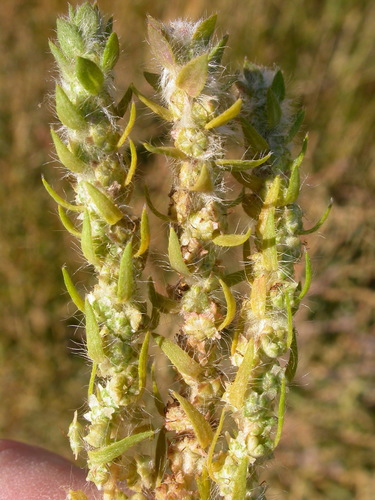
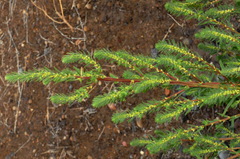
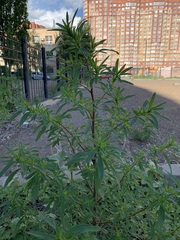
Summer-cypress (Bassia scoparia (L.) Voss, 1904) is an annual in the Amaranthaceae family, native from central and eastern Europe to temperate Asia. Its fine, conical outline and red fall foliage make it ornamental, but it is also a major agricultural weed in North America, where populations have evolved resistance to several herbicide groups, including glyphosate.
Read moreSummer-cypress, Kochia, Burning bush, Mock-cypress, Belvedere and World’s Fair plant
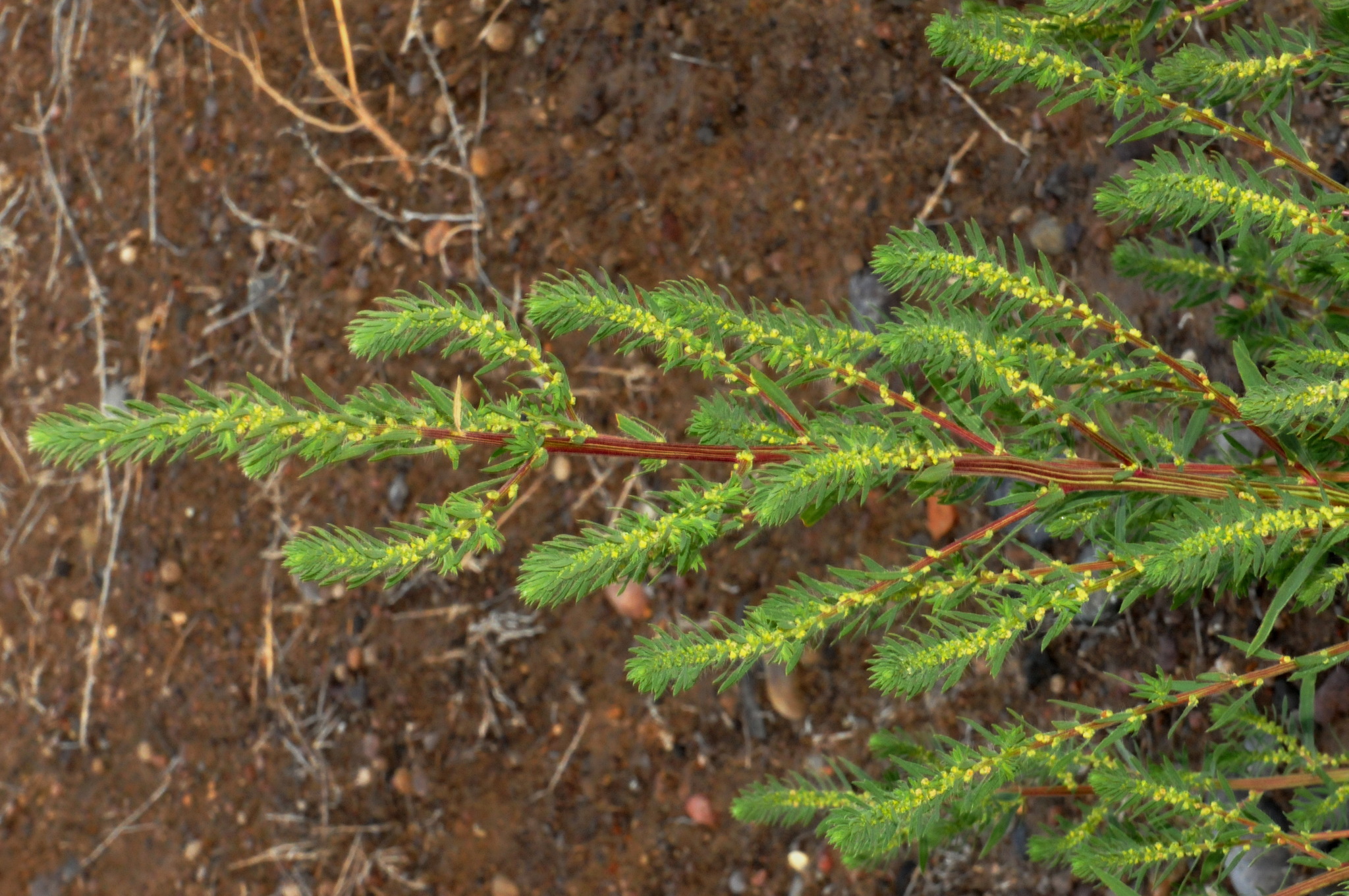
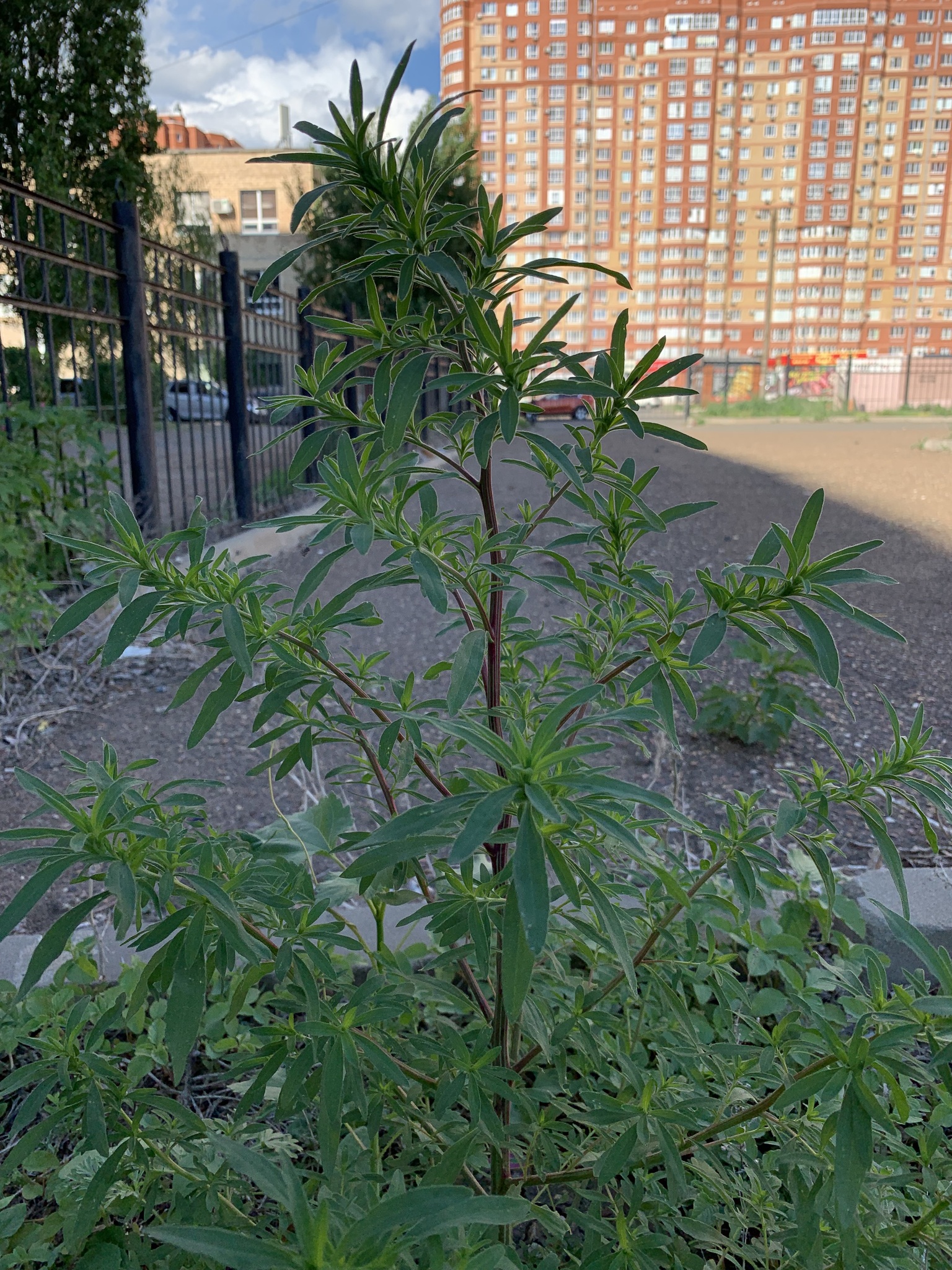


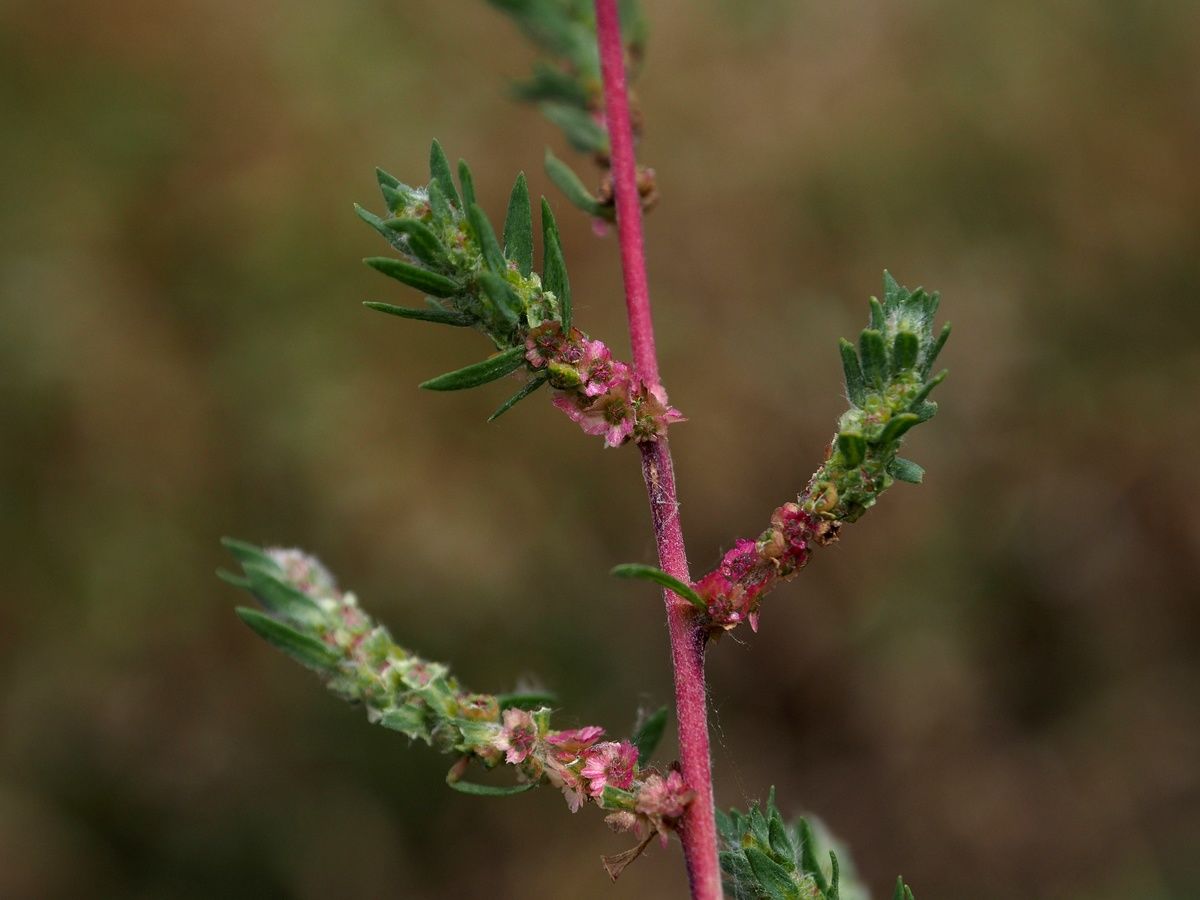
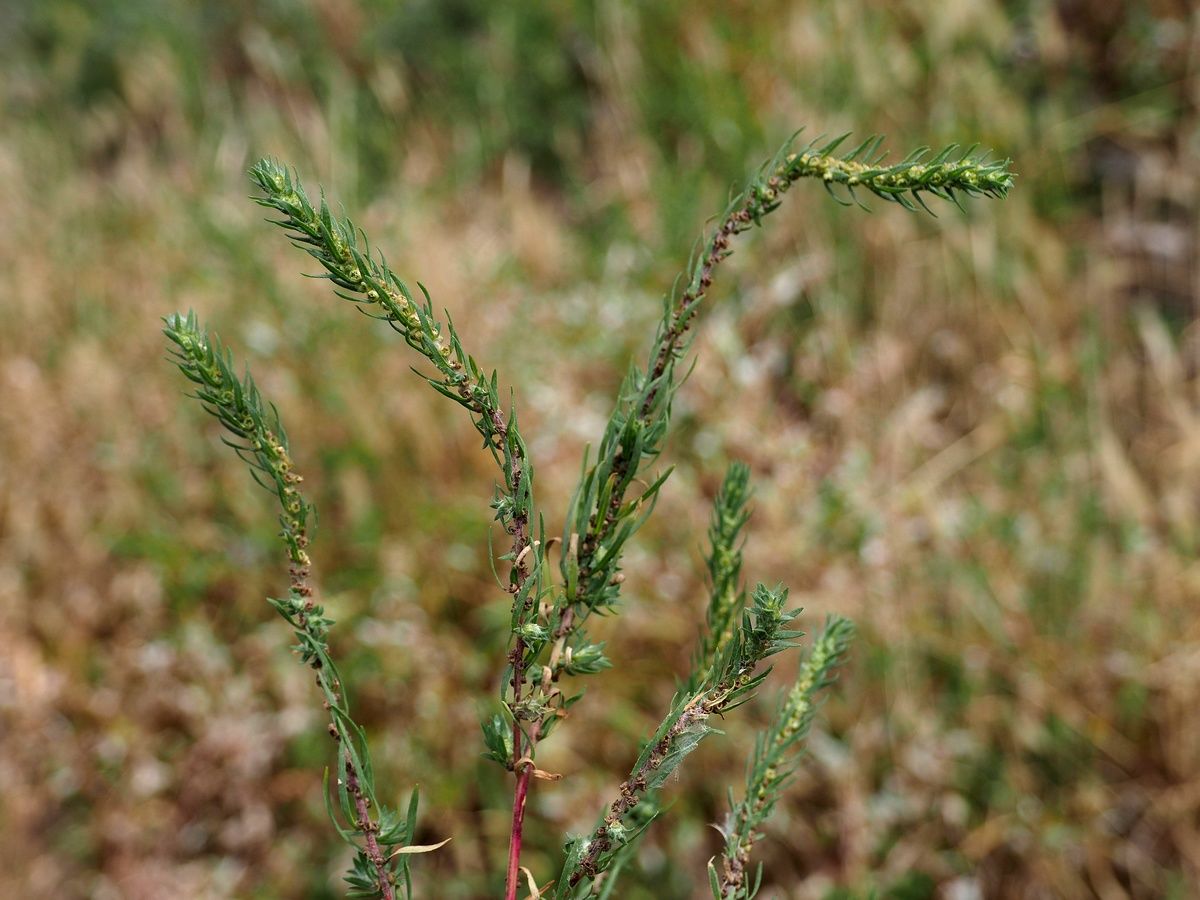
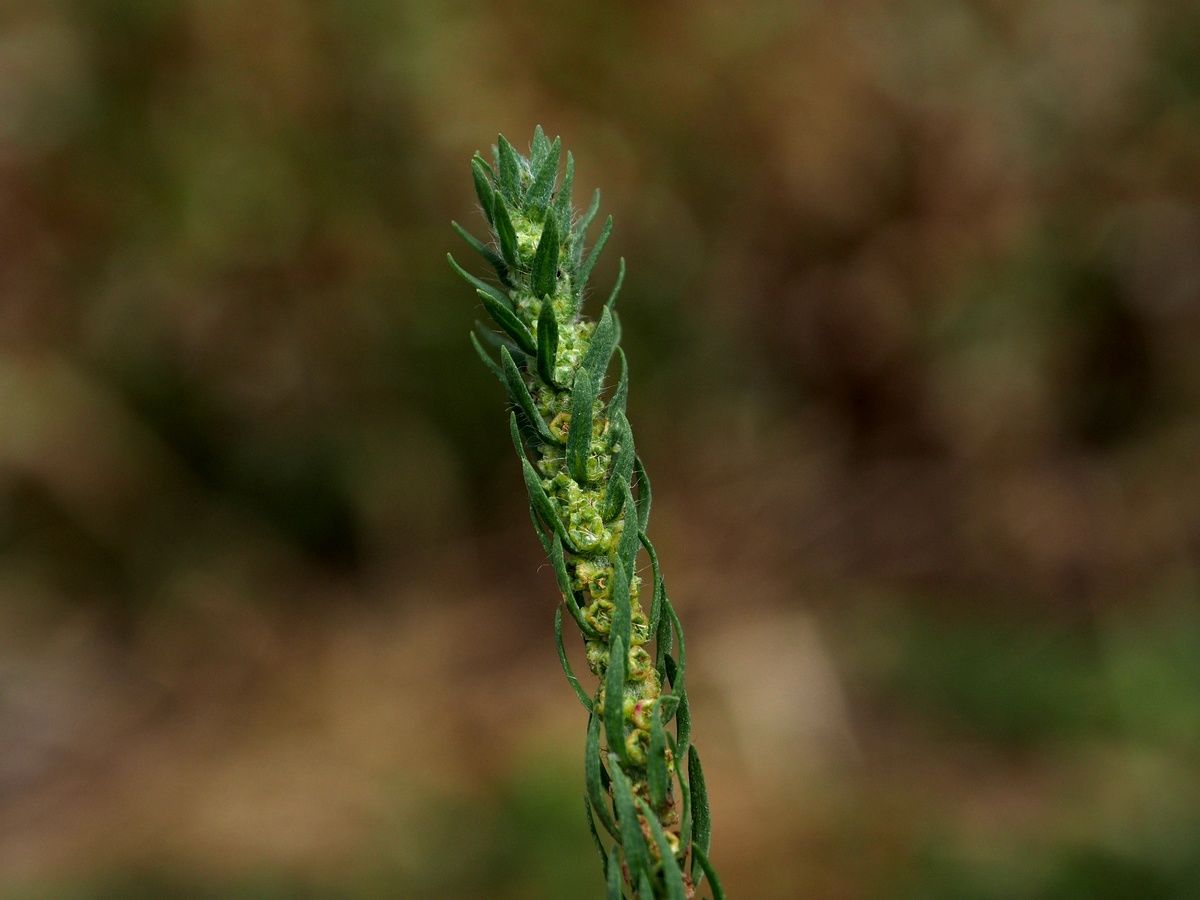
© photo
Matt Lavin · cc-by
Brian Finzel · cc-by
Valerii Glazunov · cc-by
Taken Sep 16, 2022 by Blue Bottle (cc-by-sa)
© copyright of the Board of Trustees of the Royal Botanic Gardens, Kew.


Global distribution
Native from central and eastern Europe to temperate Asia, in steppes and often saline soils. Long introduced to North America and Australia, where it is monitored as an agricultural weed; mainly cultivated as an ornamental in France and western Europe.
- Native2
- Invasive3
- Central and eastern Europe
- Temperate Asia
- United States
- Canada
- Australia
Hexagons: regions where the plant occurs. Green dots: native range.1
Identity
Summer-cypress (Bassia scoparia (L.) Voss, 1904), also known as kochia, burning bush, mock-cypress or belvedere, is an annual herb in the Amaranthaceae family. The older name Kochia scoparia remains common in North American agricultural literature, particularly work published before the 2011 merger of Kochia into Bassia. Both names refer to the same plant. 1 3
Linnaeus first described this plant as Chenopodium scoparium in 1753. It moved to Kochia in 1809, and phylogenetic research published in 2011 later supported including that genus in Bassia. Dried stems were traditionally used to make brooms in eastern Europe and Japan. Its English names summer-cypress and mock-cypress describe its resemblance to a small conifer. 3 2
Recognition
A bushy, conical outline gives summer-cypress the appearance of a young conifer, but it is an annual herb that dies in winter. Cultivated plants commonly reach 1–1.5 m (3–5 ft) tall and 10–50 cm (4–20 in) wide; heights of 2 m (6.5 ft) have been reported under favorable conditions. The fine foliage, rather than woody needles or scales, reveals its herbaceous nature. 5 6
Fine, linear leaves have fringed margins and remain pale green through summer before turning red, orange or purple in fall. This color change is especially marked in the trichophylla form. C4 photosynthesis helps the plant keep growing during heat and drought, conditions that would already slow a plant using the C3 pathway. 3 6
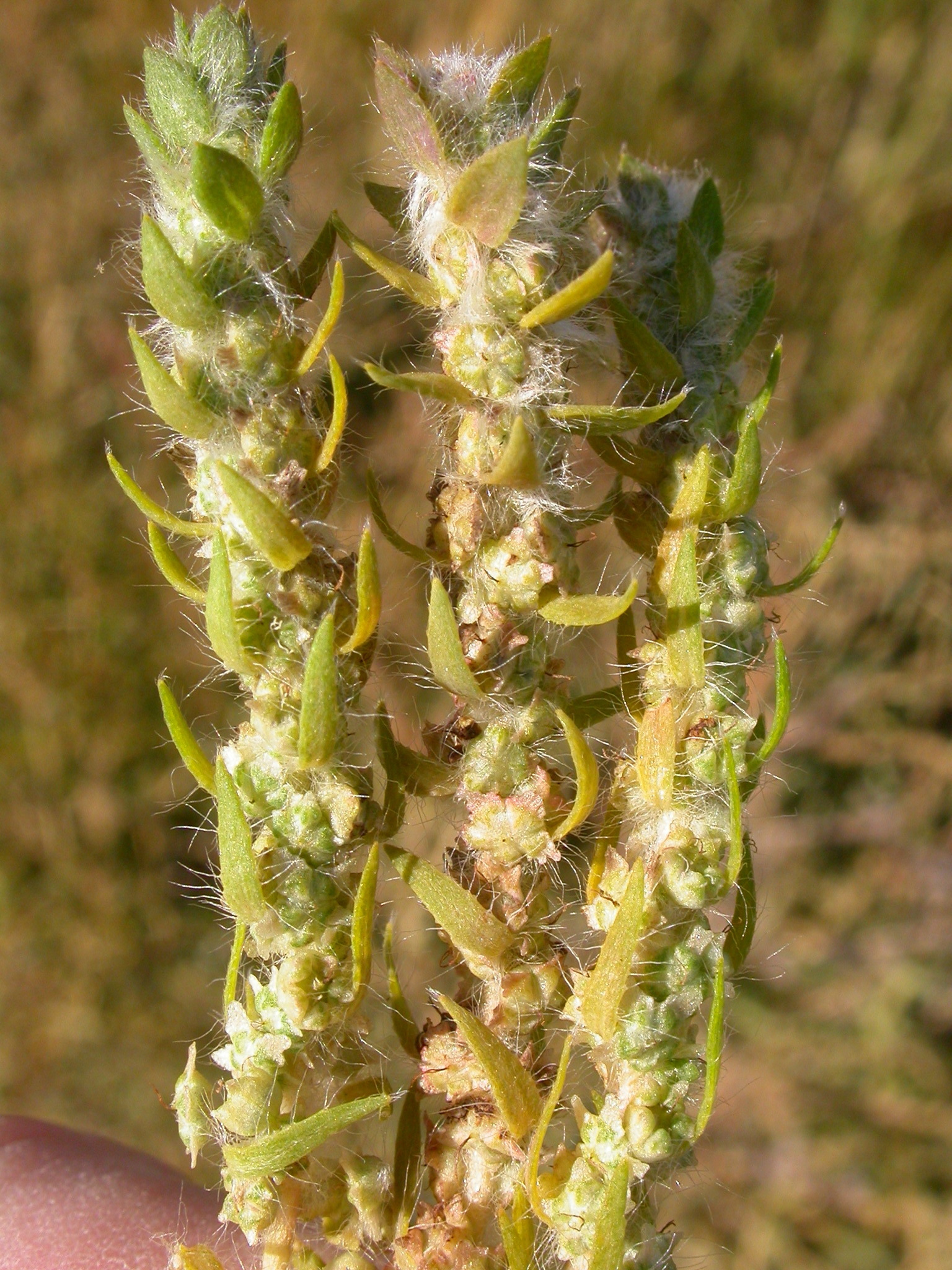
Tiny greenish flowers lack petals and sit in the leaf axils, where they are hard to distinguish from young stems without close inspection. Wind carries their pollen rather than insects. The fruit is an achene about 2 mm (0.08 in) across; removing its covering exposes a dark brown to nearly black seed. 3
Useful taxonomy
Kew's taxonomic treatment accepts Bassia scoparia (L.) Voss, published in 1904, in Amaranthaceae. Its basionym, Chenopodium scoparium L., dates to 1753 and records the original valid description. These publication details help connect modern plant records with the older names that still appear in floras and agricultural references. 1 2
Agricultural weed literature often uses Kochia scoparia (L.) Schrad., especially publications preceding the 2011 merger, and the name remains in circulation. Forms associated with the species include Bassia scoparia var. culta Voss, subsp. densiflora (Regel) Cirujano & Velayos and f. trichophylla (Schmeiss) S.L.Welsh. The last is sold as summer-cypress for its fall foliage color. 1 3
Habitat and range
Central and eastern Europe through temperate Asia form the native range of summer-cypress. Steppe habitats and often saline soils suit it, including alkaline ground reaching pH 8.5. That tolerance helps explain its presence on sites where many other annual weeds struggle, although its native distribution must be distinguished from the much wider area into which people have introduced it. 1
Long established in North America, summer-cypress also goes by the name World's Fair plant. It occupies grasslands, waste ground and desert shrublands in the United States and Canada. Several states and provinces regulate it as a weed; those classifications belong to their respective jurisdictions and should not be read as a single worldwide legal status. 3 7
French and western European gardens mainly grow summer-cypress as an ornamental annual. It can self-seed in mild climates, although the French source does not assign it an official invasive status in mainland France. This garden use differs from its agricultural weed role in North America and Australia; the place in which a plant is growing matters when interpreting its status. 8 4
Life cycle, resistance and dispersal
Spring germination begins an annual cycle, and seeds remain viable in soil for only about one year. Removing plants before their seeds ripen can therefore deplete the seed bank within one or two seasons. C4 photosynthesis drives rapid summer growth. In the temperate Northern Hemisphere calendar described here, inconspicuous flowers appear from July to September, followed by ripe seeds in September–October. 3
At maturity the entire stem dries, breaks away at its base and rolls with the wind as a tumbleweed. This movement scatters seeds over long distances before frost kills the plant. A dry rolling plant is consequently more than a dead garden remnant: it is part of the species' seed dispersal mechanism. 3
North American crop systems face unusually rapid development of herbicide resistance in this species. Populations resistant to four different herbicide groups, including glyphosate, have been confirmed. Such resistance makes control particularly difficult in rotations built around glyphosate-tolerant crops, while the plant's ability to spread as a tumbleweed complicates management of new patches. 3
Uses and risks
Japanese tonburi comes from the hulled seeds of a cultivated form of summer-cypress. The seeds are boiled and rubbed by hand to prepare a condiment with a caviar-like texture, often called land caviar. Tonburi is a specialty of Akita Prefecture, a culinary use distinct from simply gathering and eating unprocessed seed from a wild plant. 3
Cooked young leaves have been eaten despite their bitter, astringent flavor. Traditional Chinese medicine has used the seeds for hyperlipidemia and high blood pressure; this describes a traditional use rather than a treatment recommendation. The plant has also served as supplementary forage on dry rangeland, with a higher protein content than ordinary grass. 5 3
Large amounts eaten by livestock can cause harm from accumulated oxalates and nitrates, with weight loss, hyperbilirubinemia and photosensitization reported. Seeds also contain saponins and harmine, making repeated food use a concern. The French source documents no toxicity from simple contact in people, cats or dogs; that limited statement does not establish that unrestricted ingestion is safe. 5 3
Rapid rooting has also made summer-cypress useful for erosion control on degraded bare ground. Researchers have studied Bassia scoparia as a hyperaccumulator for phytoremediation, because its tissues can concentrate metals from polluted soil, including chromium, lead, mercury, selenium and uranium. This research use is separate from ornamental planting and from food or forage uses. 3
Varieties, look-alikes and related plants
Fall foliage is brightest in the horticultural trichophylla form, while childsii stays green and has a more compact habit. Both are grown as summer-cypress in beds or temporary low hedges. The distinction concerns the ornamental appearance of plants within the species, particularly their color late in the growing season. 6
Young summer-cypress plants can resemble small conifers until their herbaceous character becomes clear. Once dry and rolling, they may also resemble Russian thistle. Fine leaves with fringed edges provide a useful clue: summer-cypress is less prickly than the spines of that other tumbleweed. Neither a conical outline nor a rolling habit alone identifies the species. 3
Main sources
- Plants of the World Online / Kew, Bassia scoparia (L.) Voss
- International Plant Names Index, Bassia scoparia
- Wikipedia EN, Bassia scoparia
- INPN / MNHN, Bassia scoparia (L.) Voss
- Plants For A Future, Bassia scoparia
- Royal Horticultural Society, Bassia scoparia f. trichophylla
- USDA Plants Database, Bassia scoparia plant profile
- Au Jardin Info, summer-cypress and kochia, Bassia scoparia
Frequently asked questions
Is summer-cypress invasive in France?
It is cultivated as an ornamental annual in France without an official invasive status. It can self-seed in mild climates. That situation differs from its regulated agricultural weed status in the United States, Canada and Australia.
Why is it called summer-cypress?
Its fine foliage and conical outline resemble a young conifer in summer. Unlike a true cypress, it is an annual herb that dies with the first frosts.
Is summer-cypress toxic to pets?
No toxicity from simple contact is documented in people, cats or dogs. The main concern is livestock consuming large amounts, with photosensitization associated with accumulated nitrates and oxalates.
What is tonburi?
Tonburi consists of hulled seeds from a cultivated form of Bassia scoparia, boiled and rubbed by hand. Nicknamed land caviar for its texture, this Japanese condiment is a specialty of Akita Prefecture.
Why is kochia difficult to control in North American fields?
Some populations have developed resistance to four different herbicide groups, including glyphosate. The mature plant also breaks away and rolls as a tumbleweed, scattering seeds and complicating control.
Are Kochia scoparia and Bassia scoparia the same plant?
Yes. Kochia was incorporated into Bassia following phylogenetic research published in 2011, but Kochia scoparia remains widely used in North American agricultural literature.
Can summer-cypress be mistaken for a young conifer or Russian thistle?
Yes, especially when young or dry. Its fine, fringed leaves lack needles or scales and are less prickly than Russian thistle, providing the most useful recognition clues.
Similar plants
If you are unsure about a plant’s toxicity, ask a botanist or veterinarian for advice.