
Arabian jasmine (Jasminum sambac, )


Arabian jasmine (Jasminum sambac (L.) Aiton, 1789) is a scrambling, partly climbing shrub in the Oleaceae, native to the Himalayan foothills of India and Bhutan. Its intensely fragrant white flowers open late in the day and last less than a day. Long cultivated across tropical Asia, it supplies jasmine tea, perfume and ceremonial garlands and is a national flower in the Philippines and Indonesia.
Read moreArabian jasmine, sampaguita and pikake
Give plenty of ambient light without direct sun on the leaves.


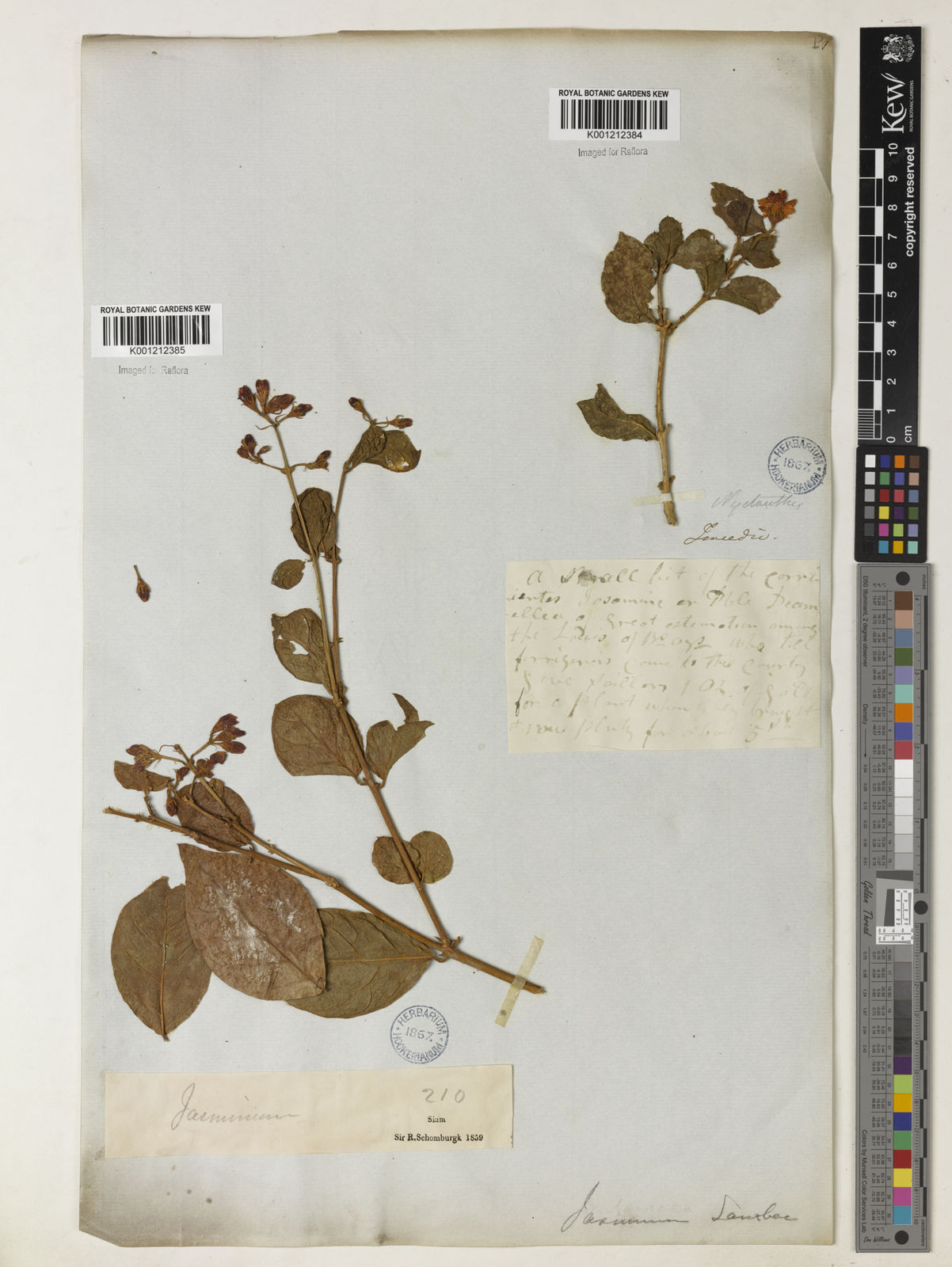
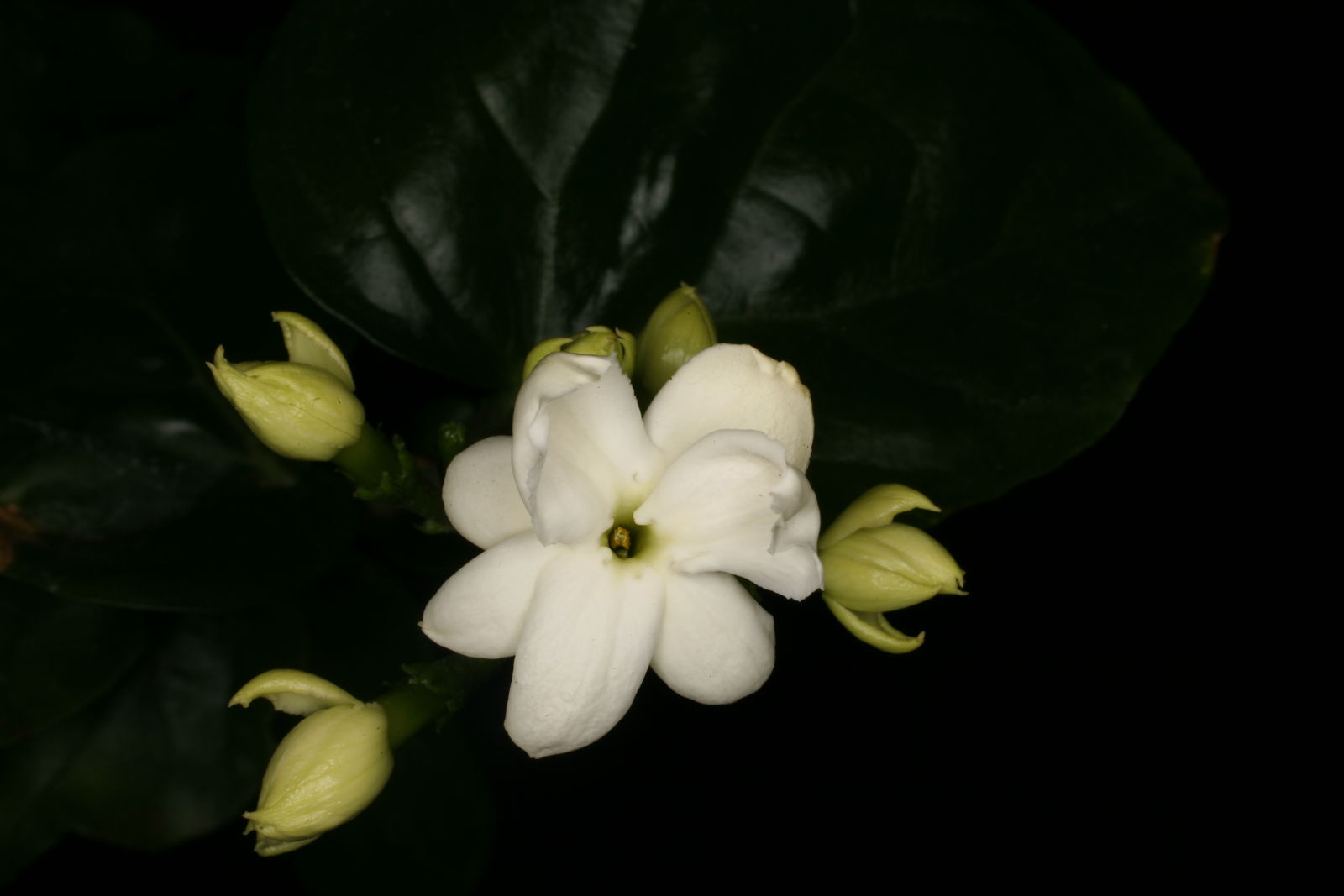
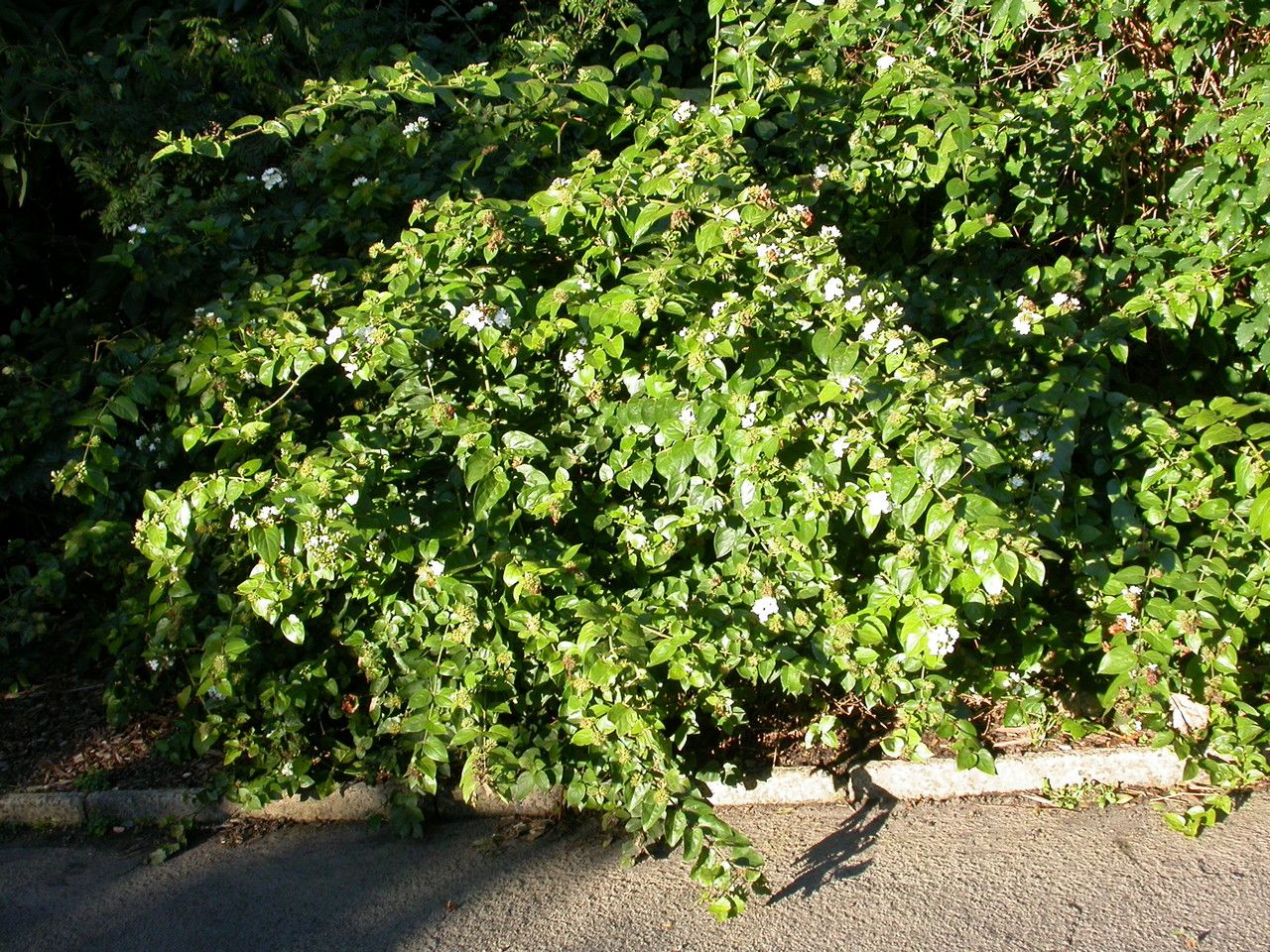
© photo
Wikimedia Commons · CC BY-SA or Public Domain
Wikipedia · CC BY-SA
Taken Dec 12, 2021 by Villena Rojas Marcelo (cc-by-sa)
Taken May 26, 2022 by Rao Ashritha (cc-by-sa)
Taken Jul 21, 2022 by Martins Micaela (cc-by-sa)
Taken Apr 21, 2022 by Juthika chutia (cc-by-sa)
Taken Aug 9, 2019 by Citra Endra (cc-by-sa)
© copyright of the Board of Trustees of the Royal Botanic Gardens, Kew.




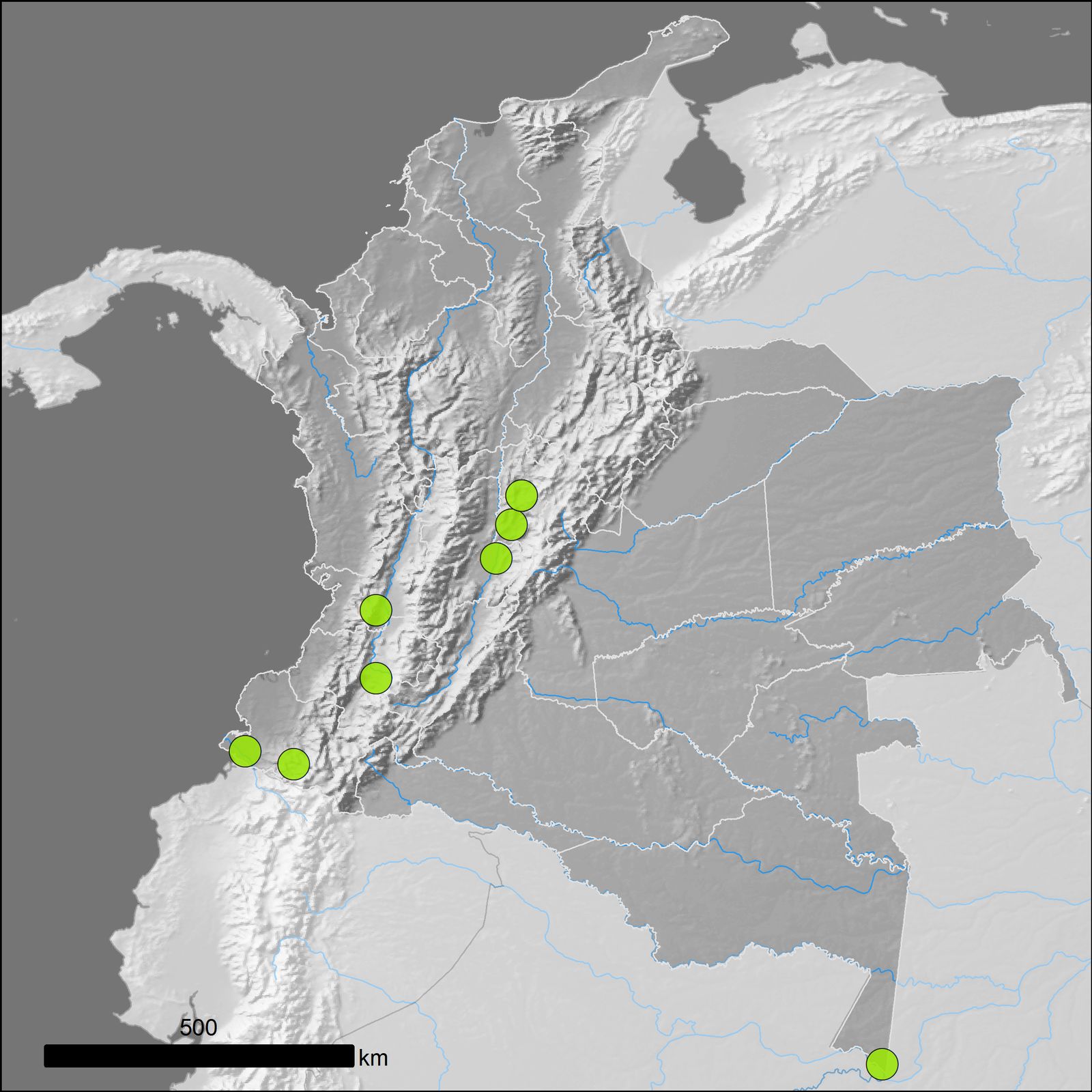
Global distribution
Jasminum sambac is native to the Himalayan foothills of India, particularly Uttarakhand and Himachal Pradesh, and neighboring Bhutan. Horticultural cultivation has spread it throughout tropical and subtropical Asia, then to gardens and conservatories around the world.
- Native2
- Introduced1
- India
- Bhutan
- United States (Florida and Hawaii)
Hexagons: regions where the plant occurs. Green dots: native range.1
Identity
Arabian jasmine (Jasminum sambac (L.) Aiton, 1789) is a scrambling, partly climbing shrub in the olive family, Oleaceae. Its English name reflects a long history of cultivation and trade in Arabia rather than its botanical origin. The plant is native to the Himalayan foothills between India and Bhutan, far from the Arabian Peninsula. 1 7
The epithet sambac traces back to the medieval Arabic zanbaq, a jasmine-scented oil. The word entered late Latin as sambacus and zambacca before becoming attached to the present species name. That history preserves the connection between this plant and its valued fragrance. 6
Linnaeus first described the plant in 1753 as Nyctanthes sambac. William Aiton transferred it to Jasminum in 1789, establishing the combination accepted today. The author citation records the change of genus, rather than a separate discovery of the plant. 6 1
Recognition
Scrambling stems form a shrub rather than a large canopy-climbing vine. Depending on pruning and support, plants commonly stand 1–4 m (3–13 ft) tall. The evergreen leaves are simple, oval and glossy, usually 4–12 cm (1.6–4.7 in) long, arranged in opposite pairs or groups of three. 4 6
White flowers appear in terminal clusters of 3–12. Each corolla has five to nine lobes and measures about 2–3 cm (0.8–1.2 in) across. A flower opens late in the day and fades within 12–20 hours. Repeated production of new buds compensates for the short life of each individual bloom. 6 4
Purple-black berries, about 1 cm (0.4 in) across, are uncommon on cultivated plants. Popular double-flowered cultivars produce few viable seeds, so growers usually preserve them through cuttings rather than relying on seed production. 6
Useful taxonomy
POWO, IPNI and Wikidata confirm the accepted name Jasminum sambac (L.) Aiton. Its basionym, Nyctanthes sambac L., is the earlier name on which Aiton based the transfer. Both names refer to the same species rather than to two different garden jasmines. 1 2 3
Older botanical books and catalogs may use these synonyms:
- Nyctanthes sambac L.
- Mogorium sambac (L.) Lam.
- Jasminum undulatum (L.) Willd.
- Jasminum pubescens Buch.-Ham. ex Wall.
- Jasminum zambac Roxb.
Using the accepted binomial helps resolve a genuine trade-name ambiguity. Garden centers may label Jasminum officinale and Trachelospermum jasminoides simply as “jasmine,” although both differ from Jasminum sambac. A familiar fragrant-flower name alone is therefore an unreliable guide to identity. 1
Habitat and growing conditions
The narrow native range lies in the Indian Himalayan foothills, including Uttarakhand and Himachal Pradesh, and neighboring Bhutan. Habitats include dipterocarp forest, woodland edges and disturbed sites up to about 600 m (1,970 ft) above sea level. 7 4
Cultivation has carried the shrub far beyond those origins, throughout tropical Asia and into tropical and subtropical gardens worldwide. It needs a humus-rich, well-drained growing medium, neutral to slightly acidic at pH 6–7.5, with bright partial shade or gentle sun. 5
Cold limits outdoor cultivation. RHS rates the plant H2, corresponding to minimum temperatures around 1–5 °C (34–41 °F); prolonged frost below -5 °C (23 °F) is generally fatal in the ground. In metropolitan France outside very mild districts, it is usually grown in a large pot and brought into a bright room or conservatory in fall. Similar protection is needed wherever the local winter is too cold. 4 7
Life cycle and propagation
Flowering peaks in the local summer, corresponding to June–August in the temperate Northern Hemisphere account. In tropical conditions it can be almost continuous as new buds replace fading flowers. The useful distinction is between a seasonal warm period and a consistently warm climate, rather than a single worldwide flowering calendar. 5
Buds destined for tea are collected at dawn while still closed. At that stage their fragrance is concentrated and declines quickly after the flower opens. Fresh or dried buds scent green and black tea, particularly in China, linking the plant’s horticultural value with its long history as a fragrance crop. 6
Because double-flowered cultivars set little seed, propagation chiefly uses semi-ripe cuttings about 8 cm (3 in) long. These root in roughly four weeks in moist, sandy growing medium. Layering year-old shoots is another method. Seed remains possible for single-flowered forms that produce fertile seeds. 6
Cultural uses
The Philippines adopted the flower as a national floral emblem in 1934. There it is known as sampaguita, woven into garlands sold outside churches and offered to both the living and the dead. Its cultural identity is much broader than its role as a garden shrub. 6
In Indonesia, melati putih is one of three national flowers. Strings of buds adorn Javanese bridal hair, while the groom’s kris carries jasmine garlands of its own. Closed buds are integral to these elaborate wedding arrangements. 6
Thailand associates the flower with Mother’s Day. In Hawaii it is called pikake and is used to make traditional flower leis. The same botanical species thus appears in distinct ceremonial traditions across the tropical Pacific and Asia. 9 6
In India, mogra has a sacred place in Hindu worship and traditionally adorns brides’ hair or braids. In Sri Lanka, where it is called pichcha, the flowers accompany Buddhist offerings as well as ceremonial garlands. 6
The ASPCA’s genus-level jasmine entry classifies Jasminum species as nontoxic to cats, dogs and horses. That scope includes true jasmines such as this species. Usual precautions with plant ingestion still apply; the classification does not make unlimited consumption advisable. 8
Cultivars and look-alikes
Five cultivars account for much of the horticultural trade. Maid of Orleans has single flowers and is sold as sampaguita in the Philippines and pikake in Hawaii. Grand Duke of Tuscany, introduced to Europe in the 17th century, has double flowers resembling small roses and a less pronounced fragrance. 6
Belle of India and Mysore Malli are similar, but the latter has shorter petals and a fragrance considered more intense. Arabian Nights bears double flowers smaller than those of Grand Duke of Tuscany. These differences concern named horticultural selections within the same species. 6
The main comparison is with Jasminum officinale, whose compound leaves and large climbing habit contrast with the simple leaves and compact shrubby growth of Jasminum sambac. Trachelospermum jasminoides, often sold as star jasmine, belongs to a different family, Apocynaceae. 7
Main sources
- Plants of the World Online / Kew, Jasminum sambac (L.) Aiton
- International Plant Names Index, Jasminum sambac
- Wikidata, Jasminum sambac
- Royal Horticultural Society, Jasminum sambac
- Missouri Botanical Garden PlantFinder, Jasminum sambac
- Wikipedia EN, Jasminum sambac
- Wikipédia FR, Jasminum sambac
- ASPCA, Jasmine toxicity entry
- University of Hawaii CTAHR, Pikake (Jasminum sambac)
Frequently asked questions
Is Arabian jasmine toxic to cats and dogs?
The ASPCA lists Jasminum species as nontoxic to cats, dogs and horses. Usual caution still applies: prevent animals from eating large amounts of plant material.
Why do the flowers fade so quickly?
Each flower normally lasts only 12–20 hours. It opens late in the day, releases its fragrance overnight and fades the next day; a succession of buds keeps the plant flowering.
Can Arabian jasmine stay outdoors in metropolitan France?
Only in very mild, sheltered conditions. Prolonged frost below -5 °C (23 °F) is generally fatal. Elsewhere it is mainly grown in a large pot and overwintered in a bright room or conservatory; the same temperature constraint matters in other cool climates.
How does Arabian jasmine differ from common jasmine?
Jasminum sambac has simple leaves and a relatively compact, shrubby habit. Jasminum officinale has compound leaves and develops into a much larger climber.
How are the flowers used in jasmine tea?
Buds are picked at dawn while still closed, when their fragrance is concentrated. Fresh or dried, they scent green or black tea, especially in China; the scent declines rapidly once the flower opens.
Why is Arabian jasmine a national flower?
In the Philippines it has been the national flower since 1934 under the name sampaguita. In Indonesia, melati putih is one of three national flowers, closely associated with wedding garlands and bridal hair ornaments.
Similar plants
If you are unsure about a plant’s toxicity, ask a botanist or veterinarian for advice.