
Manchurian walnut (Juglans mandshurica, )
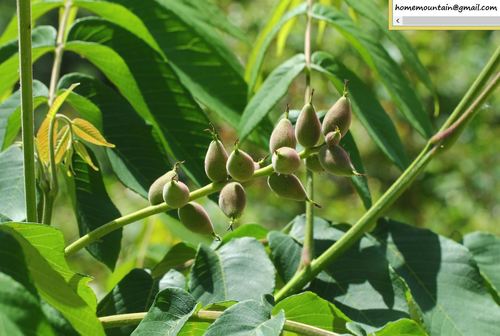

Manchurian walnut (Juglans mandshurica) is a large deciduous tree in the Juglandaceae native to the Russian Far East, China and the Korean Peninsula. Its very long compound leaves, exceptional cold hardiness and much weaker allelopathic effects than black walnut or Persian walnut distinguish it.
Read moreManchurian walnut and Tigernut
Allow a few hours of direct sun per day, preferably morning or evening.
Full sun; tolerates brief partial shade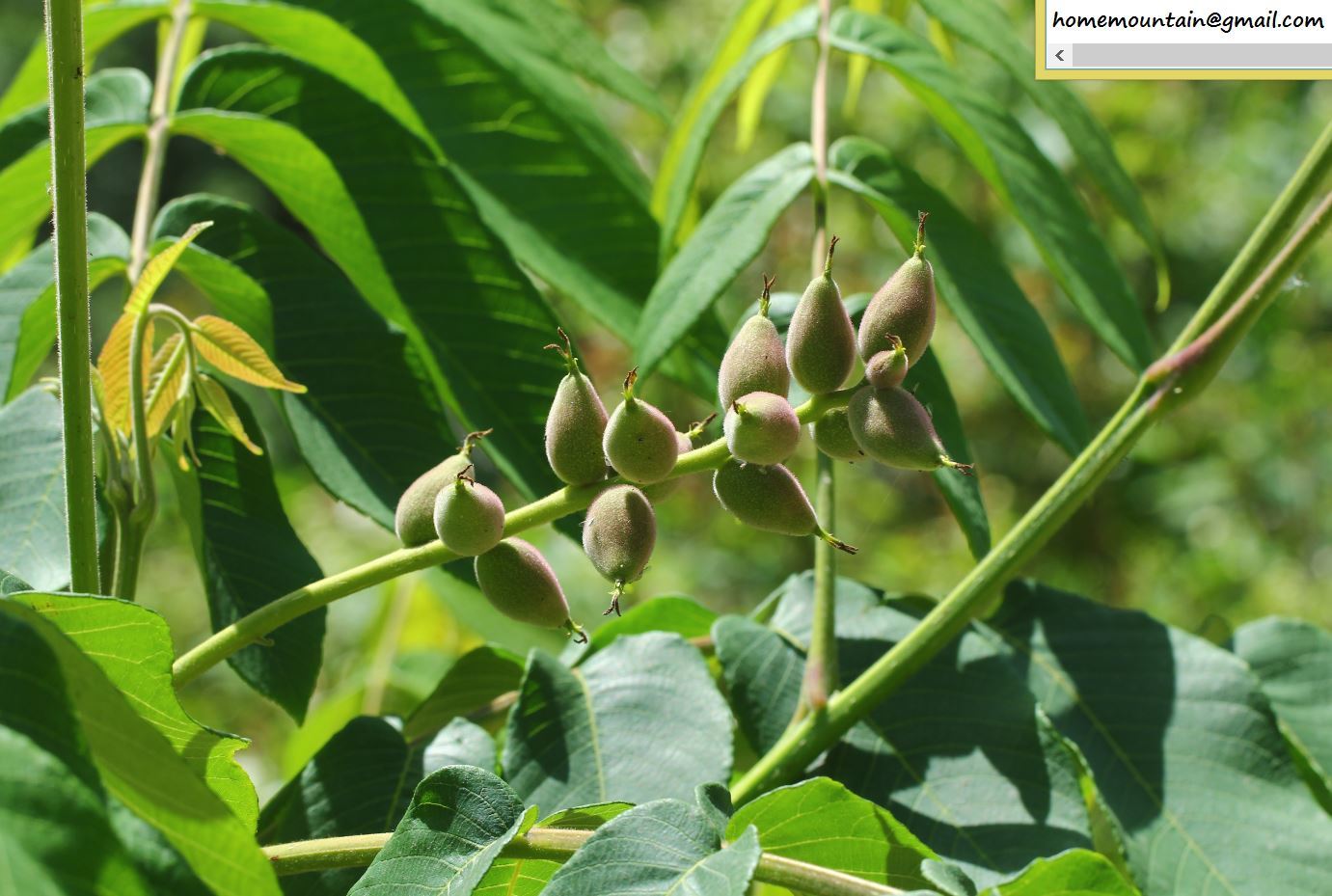


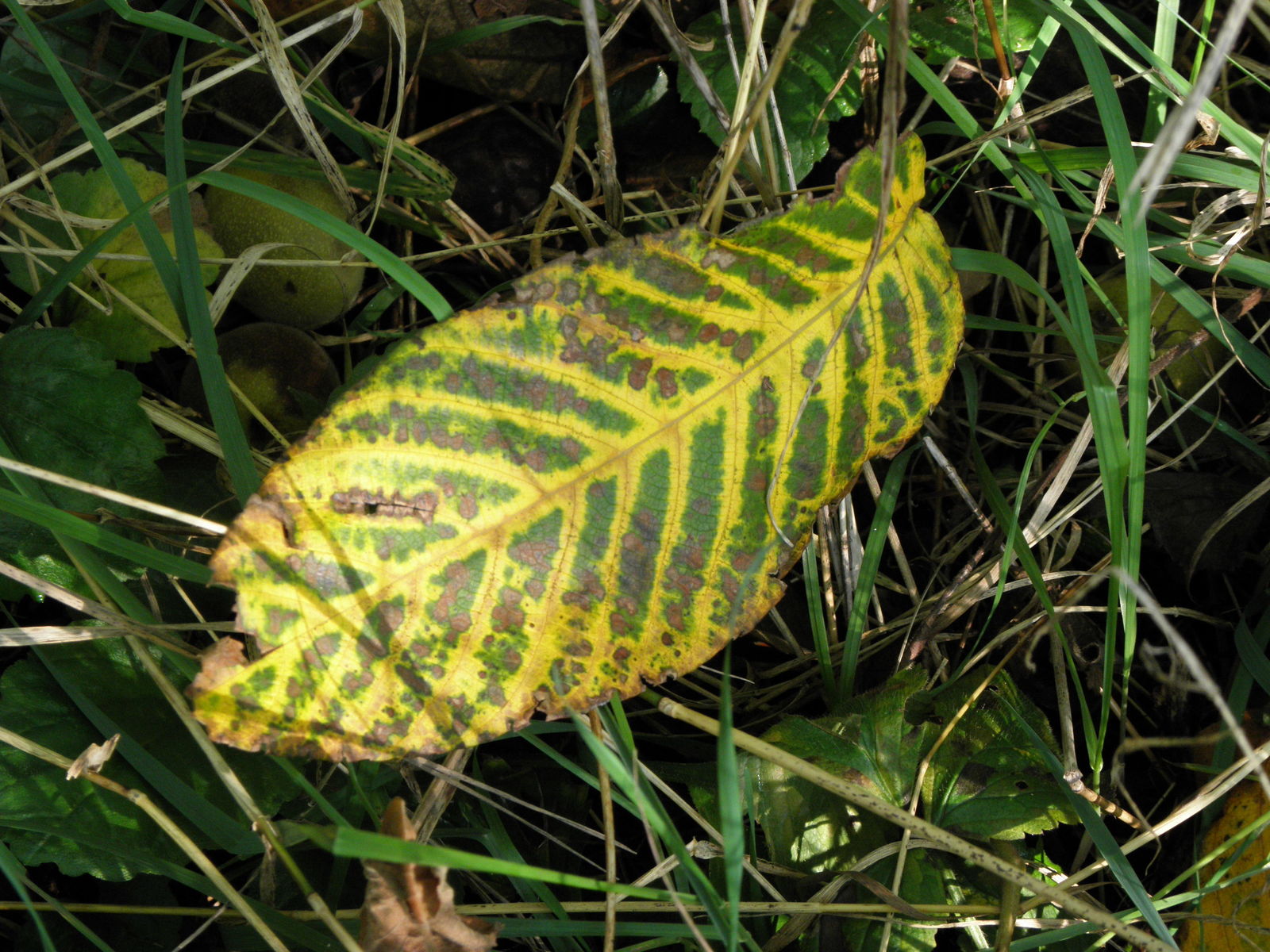
© photo
(c) Homemountain/Shan Gui, some rights reserved (CC BY-NC), uploaded by Homemountain/Shan Gui · cc-by-nc
Wikimedia Commons · CC BY-SA or Public Domain
Wikipedia · CC BY-SA
Taken Jul 9, 2022 by Adam Covey (cc-by-sa)
Taken Jul 29, 2019 by Emmerich El (cc-by-sa)
© copyright of the Board of Trustees of the Royal Botanic Gardens, Kew.


Global distribution
The native range of Juglans mandshurica covers the Russian Far East, much of northeastern and central China, the Korean Peninsula and Taiwan, in valley and low-mountain forests. It is also grown well beyond this range, far to the north, as a hardy ornamental tree, without being considered invasive in these introduced regions.
- Native5
- Russia
- China
- North Korea
- South Korea
- Taiwan
Hexagons: regions where the plant occurs. Green dots: native range.1
Identity
Manchurian walnut (Juglans mandshurica Maxim., 1856) is a large deciduous tree in the genus Juglans and family Juglandaceae. Russian botanist Carl Johann Maximowicz described it in 1856. It grows wild in the temperate forests of East Asia, from the Russian Far East to northeastern and central China. 1 3
The word Juglans derives from Latin Jovis glans, “Jupiter’s acorn.” Used in ancient Rome for Persian walnut, the expression was later adopted by Linnaeus for the whole genus. The epithet mandshurica refers to Manchuria, the historical region spanning northeastern China and the Russian Far East, at the heart of the species’ native range. 1 4
Recognition
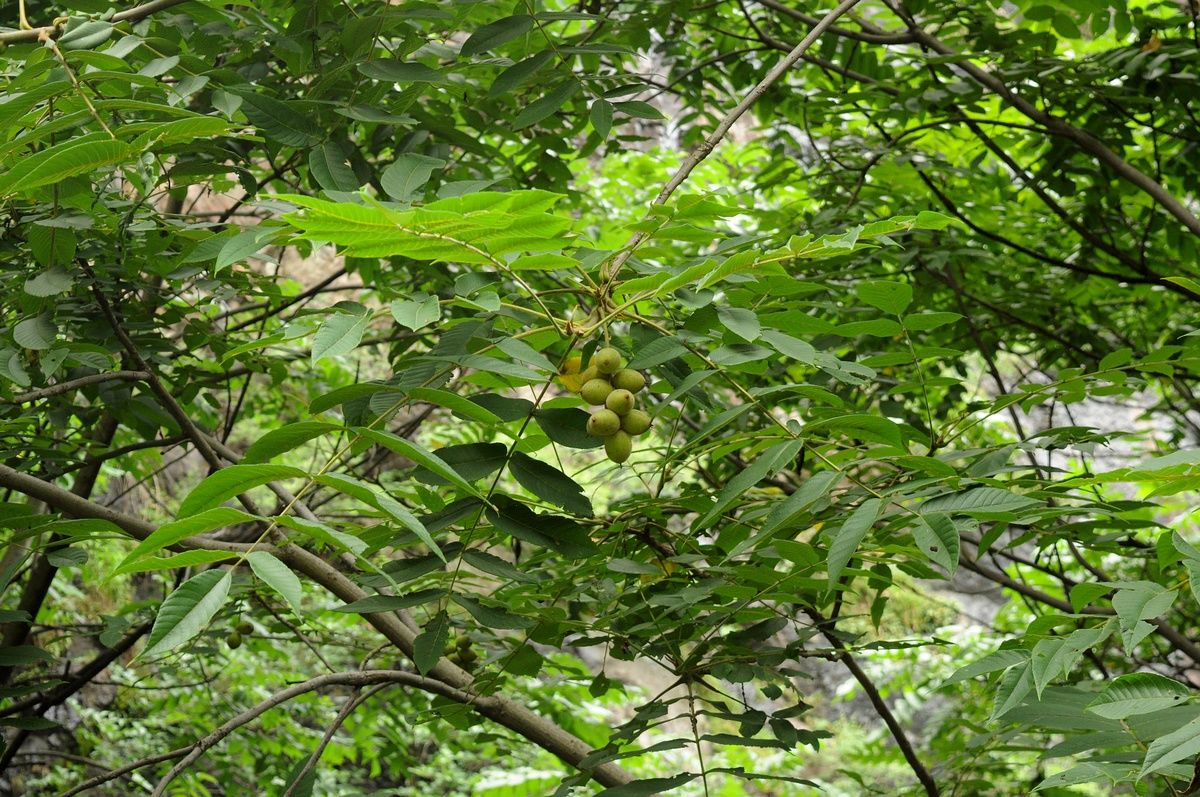
A broad, rounded crown tops the straight trunk of Juglans mandshurica, which commonly reaches 15–25 m (49–82 ft) at maturity. Its gray bark is less dark than black walnut’s. Alternate, odd-pinnate leaves measure 40–90 cm (16–35 in) and bear 7–19 oval-lanceolate leaflets, each 6–17 cm (2.4–6.7 in) long. The leaves are much longer than those of Persian walnut, which has only 5–9 leaflets, or black walnut. 6 7
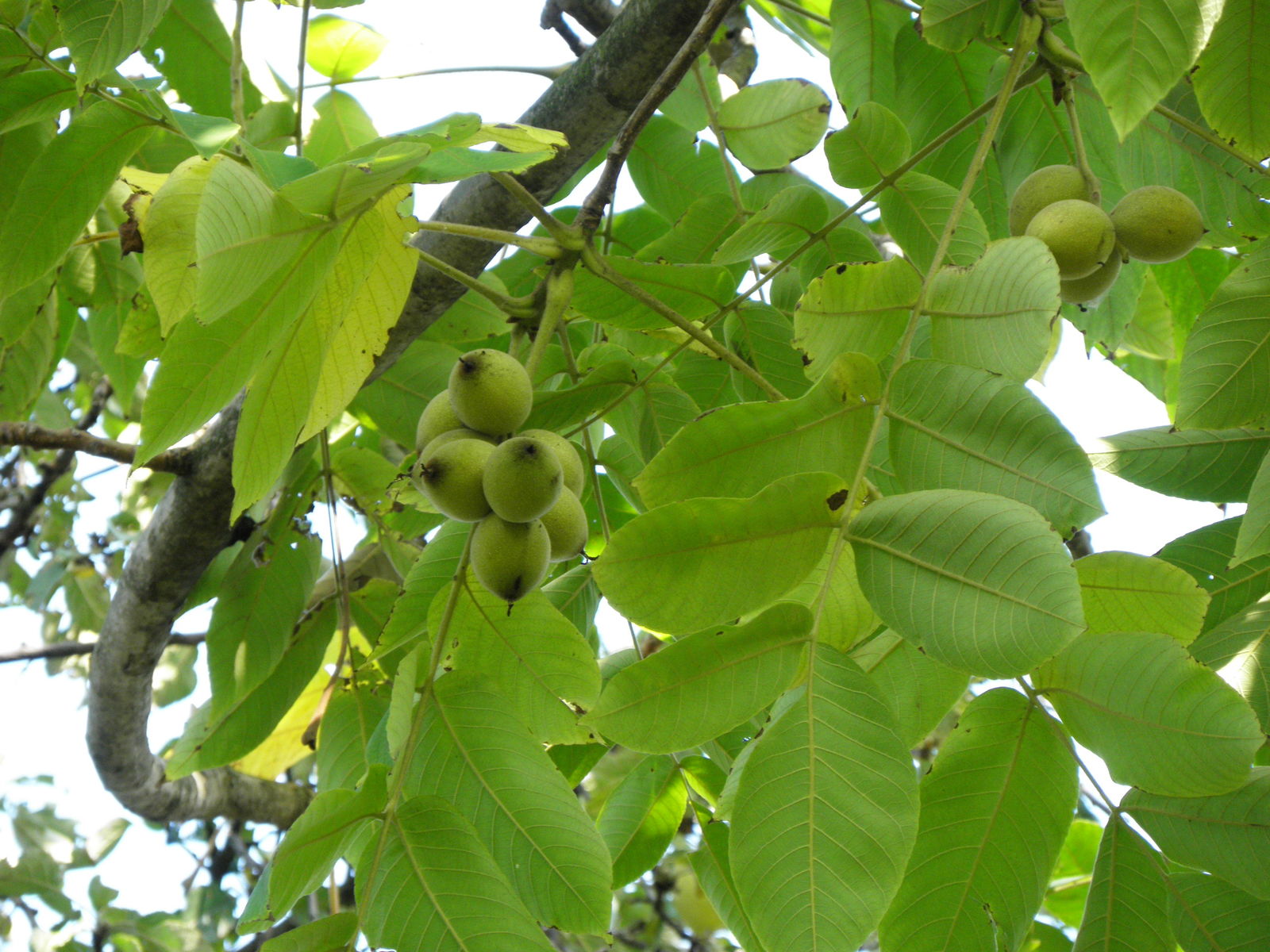
Long, drooping male catkins of 9–40 cm (3.5–16 in) and inconspicuous female flowers occur on the same monoecious tree in April–May in its native range. Round to oval nuts, 3–7.5 cm (1.2–3 in) long by 3–5 cm (1.2–2 in) wide, are enclosed in green husks densely covered in glandular hairs. They ripen between August and October there; their very thick shells make the kernels difficult to extract. 7 2
Useful taxonomy
For this tree, POWO/WCVP accepts the name Juglans mandshurica Maxim. Recognized varieties include Juglans mandshurica var. sachalinensis (Komatsu) Kitam., sometimes called Japanese walnut in horticultural literature, and Juglans mandshurica var. cordiformis (Makino) Kitam., a Japanese cultigen with heart-shaped nuts. 1 4
Taxonomists differ over the related Juglans cathayensis Dode. Some treat it as a synonym of Juglans mandshurica; others recognize a separate species with densely hairy leaflets and fuller flower spikes. The full scientific name remains the reliable reference amid this uncertainty. It also helps distinguish the true Japanese walnut, Juglans ailantifolia, a separate species often confused with J. mandshurica var. sachalinensis. 3 6
Habitat and range
Valley and low-mountain forests at 500–2,800 m (1,640–9,190 ft) support Juglans mandshurica across the Russian Far East, much of northeastern and central China, the Korean Peninsula and Taiwan. 1 2
Exceptional hardiness sets this tree apart from other walnuts commonly grown in France. It tolerates temperatures down to about −45 °C (−49 °F), allowing successful ornamental cultivation well north of its native range, as far as Alberta, Canada. 6
In Far Eastern valleys, Manchurian walnut forms pure or mixed stands with Korean pine, fir, ash and elm, with maples, birches and poplars in the understory. Its nuts feed wild boar, bears and squirrels, a documented food link in the region’s forests. 8
Life cycle and reproduction
Across its native range, flowering takes place in April–May, before or during leaf emergence. Drooping male catkins and separate female flowers coexist on a monoecious tree, favoring wind-mediated cross-pollination rather than self-pollination. 7
Between August and October, nuts ripen in the native range. Propagation in open ground is mainly by seed: fresh nuts go directly into deep pots or are stratified before spring sowing. For a named form such as cordiformis, only grafting maintains its varietal traits; seedlings are genetically variable. 2
One feature separates Juglans mandshurica from its North American and European relatives: roots and leaves release much less juglone, the allelopathic compound characteristic of the genus. This limits its effects on neighboring plant growth in cultivation. 6 7
Uses and risks
Though softer and less sought after than Persian walnut or black walnut, the timber is used in joinery, decorative veneers and gunstocks. Root sections with pronounced grain also supply boxes and turned objects valued by woodturners. 6 8
Kernels contain about 55% oil as well as protein and are eaten raw or roasted. Extraction is difficult through the thick shell, and the oil turns rancid quickly and stores poorly. Husks yield a stable dark-brown dye; dried leaves were once used to keep moths away from woolens, much like mothballs. Tannin-rich bark, leaves and husks also feature in local traditional medicine, without modern scientific validation for internal use. 8 2
Like other walnuts, moldy nuts of Juglans mandshurica may contain tremorgenic mycotoxins toxic to dogs, with possible tremors and seizures after ingestion. Laminitis in horses from wood-shaving bedding is documented for black walnut, Juglans nigra, but is not specifically established for this species with its lower juglone content. Cats are not listed as susceptible. 5
Varieties, look-alikes and related plants
Commercial horticultural interest remains limited: the tree is uncommon outside East Asia and a few botanical collections. The Japanese forms sachalinensis and cordiformis are the only varieties regularly named in specialist literature; the small Western market has not supported more extensive horticultural selection. 4
Potential look-alikes include Juglans regia, Persian walnut, with far fewer leaflets (5–9 rather than 7–19); Juglans nigra, American black walnut, with almost black bark and an unsplit husk; Juglans cinerea, butternut, with a sticky husk; and Juglans ailantifolia, the true Japanese walnut, sometimes confused with Juglans mandshurica var. sachalinensis. 6 3
Main sources
- Plants of the World Online / Kew, Juglans mandshurica Maxim.
- Plants For A Future, Juglans mandschurica
- ITIS, Juglans mandshurica Maxim.
- USDA GRIN Global Taxonomy, Juglans mandshurica
- ASPCA, Black Walnut toxicity entry
- Wikipedia (EN), Juglans mandshurica
- Wikipedia (FR), Noyer de Mandchourie
- Wikipedia (RU), Орех маньчжурский
Frequently asked questions
Is Manchurian walnut the same as Persian walnut?
No. Juglans mandshurica and Juglans regia, Persian walnut, are distinct species in the same genus. Manchurian walnut has much longer leaves with more leaflets and is considerably more cold hardy.
Why is this walnut less harmful to nearby plants?
Its roots and leaves release much less juglone, the allelopathic compound typical of Juglans, than black walnut or Persian walnut. Effects on nearby plants are therefore generally limited in cultivation.
Is Manchurian walnut poisonous to cats and dogs?
As with other walnuts, moldy nuts can poison dogs and may cause tremors if eaten. Documented laminitis in horses mainly concerns bedding made from black walnut shavings; cats are not listed as susceptible.
Can you eat Manchurian walnuts?
Yes. The oil-rich kernels are edible raw or roasted, but a very thick shell makes them difficult to extract. The extracted oil turns rancid quickly and stores poorly.
How cold hardy is Manchurian walnut?
Manchurian walnut is among the cold-hardiest walnuts, tolerating temperatures down to about −45 °C (−49 °F). This explains its successful cultivation far north of its native range, as far as Canada.
How do you distinguish Manchurian walnut from Japanese walnut?
The true Japanese walnut, Juglans ailantifolia, is a distinct species sometimes confused with Juglans mandshurica var. sachalinensis. The full scientific name remains the most reliable reference.
Is Manchurian walnut wood as valuable as black walnut?
No. It is softer and less valued for cabinetmaking than black walnut or Persian walnut. Root sections with pronounced grain are nevertheless appreciated for small turned objects.
Similar plants
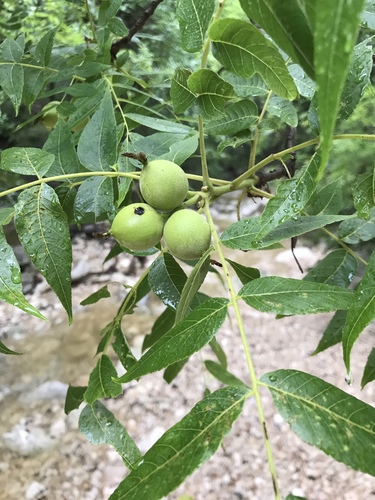
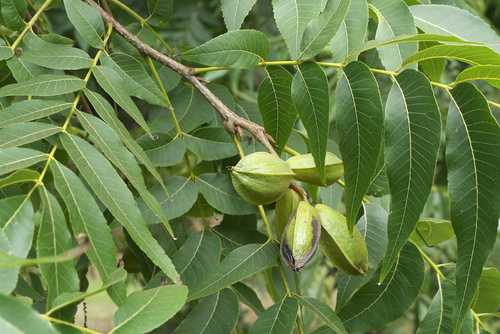
If you are unsure about a plant’s toxicity, ask a botanist or veterinarian for advice.