
bitter lettuce (Lactuca virosa, )

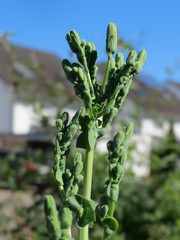
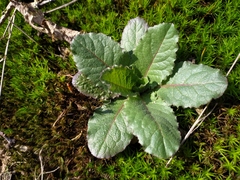
Bitter lettuce (Lactuca virosa L.) is a biennial in the Asteraceae, very common on disturbed ground, rubble and roadsides in France. Its intensely bitter white latex dries into lactucarium, a mild sedative used in the 19th century as an opium substitute. It is easily confused with its close relative prickly lettuce (Lactuca serriola).
Read morebitter lettuce, wild lettuce, opium lettuce and great lettuce
Allow a few hours of direct sun per day, preferably morning or evening.



© photo
(c) James Bailey, some rights reserved (CC BY-NC), uploaded by James Bailey · cc-by-nc
Andreas Rockstein · cc0
iNaturalist User · cc0
Taken Aug 17, 2020 by Marie Lauzon (cc-by-sa)
Taken May 23, 2021 by Max Ime (cc-by-sa)
© copyright of the Board of Trustees of the Royal Botanic Gardens, Kew.




Global distribution
POWO places the native range of Lactuca virosa in Madeira, Europe and North Africa, in temperate to Mediterranean climates. In France, Tela Botanica describes a common weed of uncultivated ground, rubble and roadsides. Outside that range, USDA documents local introductions in North America, where it remains rare and scattered rather than invasive.
- Native5
- Introduced2
- Metropolitan France
- Mediterranean and temperate Europe
- Macaronesia (Madeira)
- North Africa
- United Kingdom
- North America
- Australia
Hexagons: regions where the plant occurs. Green dots: native range.1
Identity
The intensely bitter latex distinguishes bitter lettuce (Lactuca virosa L., 1753), a biennial in the Asteraceae. It belongs to the same genus, Lactuca, as the much less bitter cultivated lettuce. Its epithet, virosa, means poisonous or foul-smelling in Latin, referring to the white, bitter, unpleasant-smelling latex behind its French name, laitue vireuse. 1 4
The English name wild lettuce is used for both this species and its close relative Lactuca serriola, or prickly lettuce. The name opium lettuce recalls its 19th-century medical use, when the dried latex occasionally replaced opium in some courses of treatment. The name great lettuce is another common name for the plant. 7
Recognition
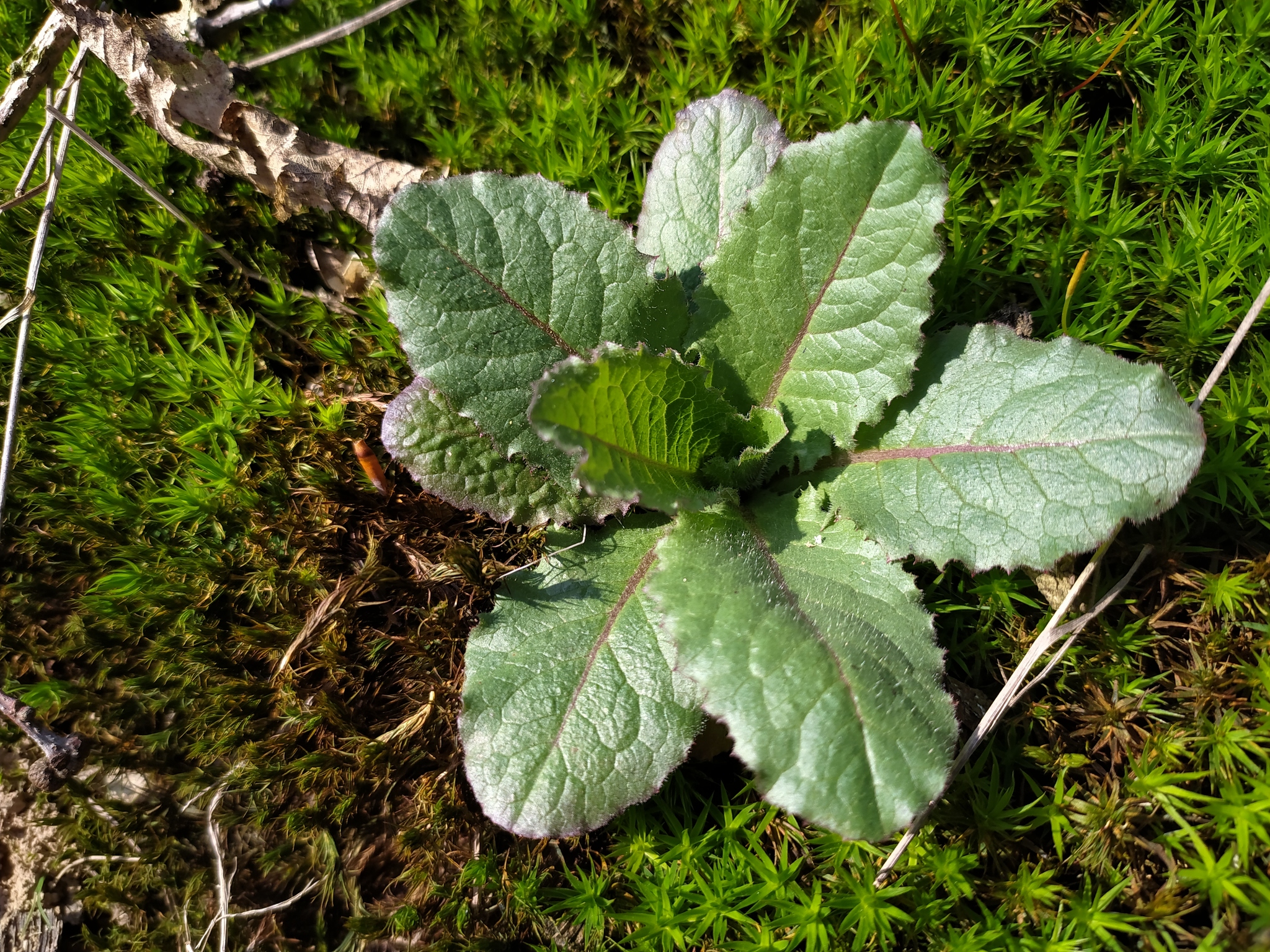
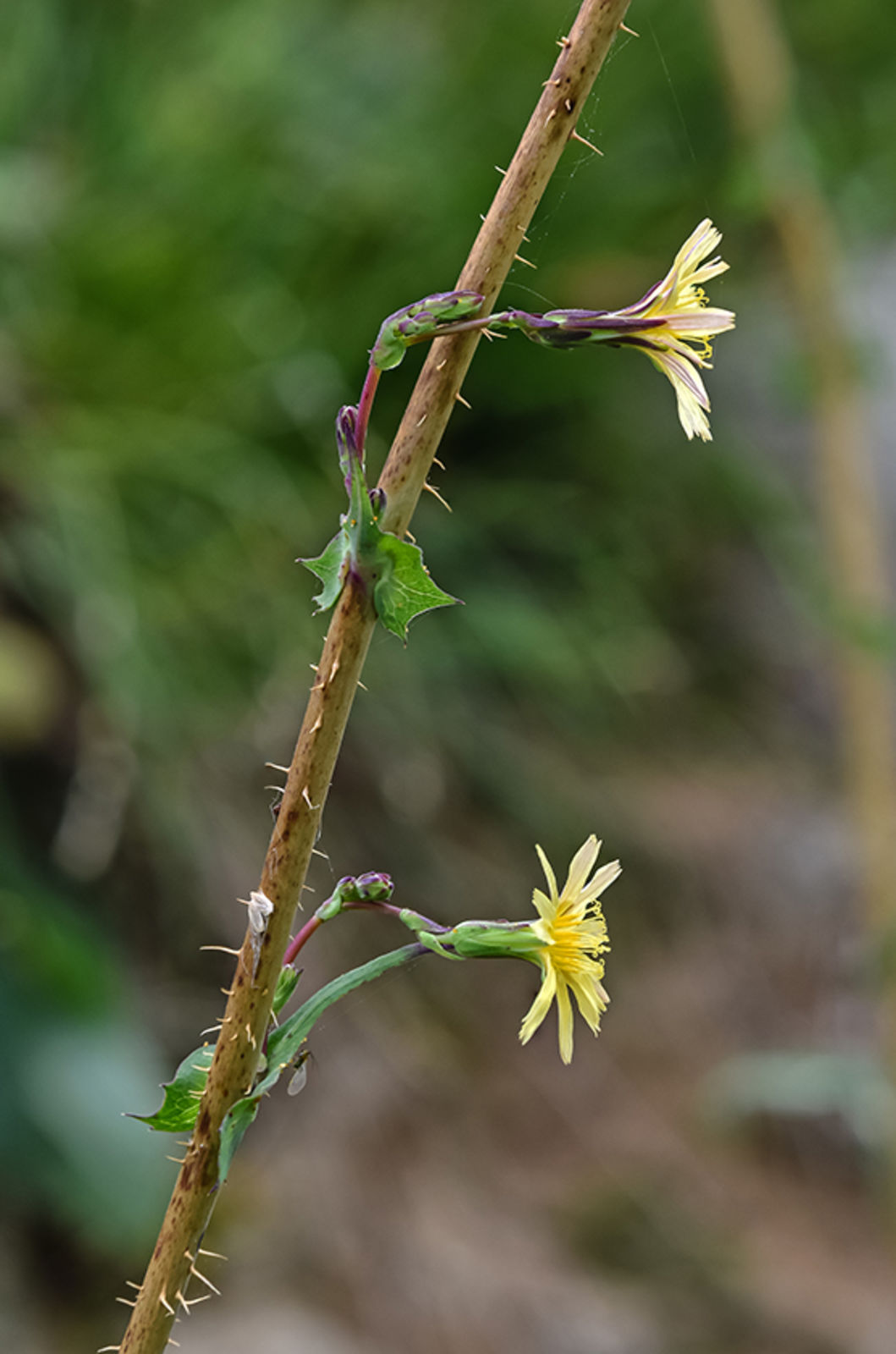
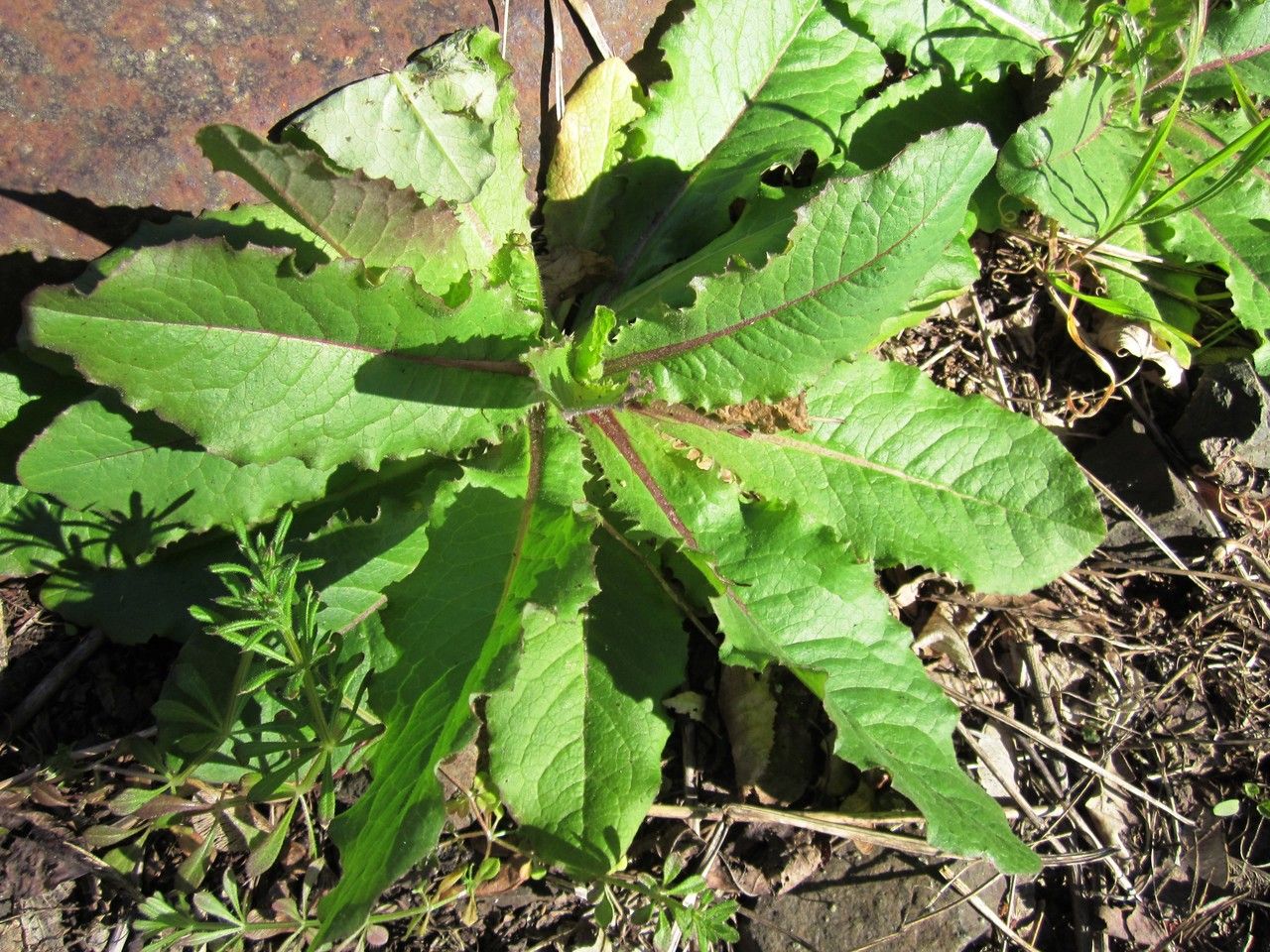
A basal rosette of blue-green leaves comes first, measuring 15–40 cm (6–16 in) across above a deep taproot. In the second year, a stout, bristly, upright stem takes over. Often purple near its base, it can reach 2 m (6.6 ft), nearly five times the width of the rosette from which it developed. 4 5
The leaves are stalkless and clasp the stem. Their margins are toothed to wavy, with spines along the edges and the prominent, angular midrib underneath. An injured stem releases foul-smelling white latex that darkens in air. Before flowering, this can be a more useful identification feature than leaf outline alone. 4
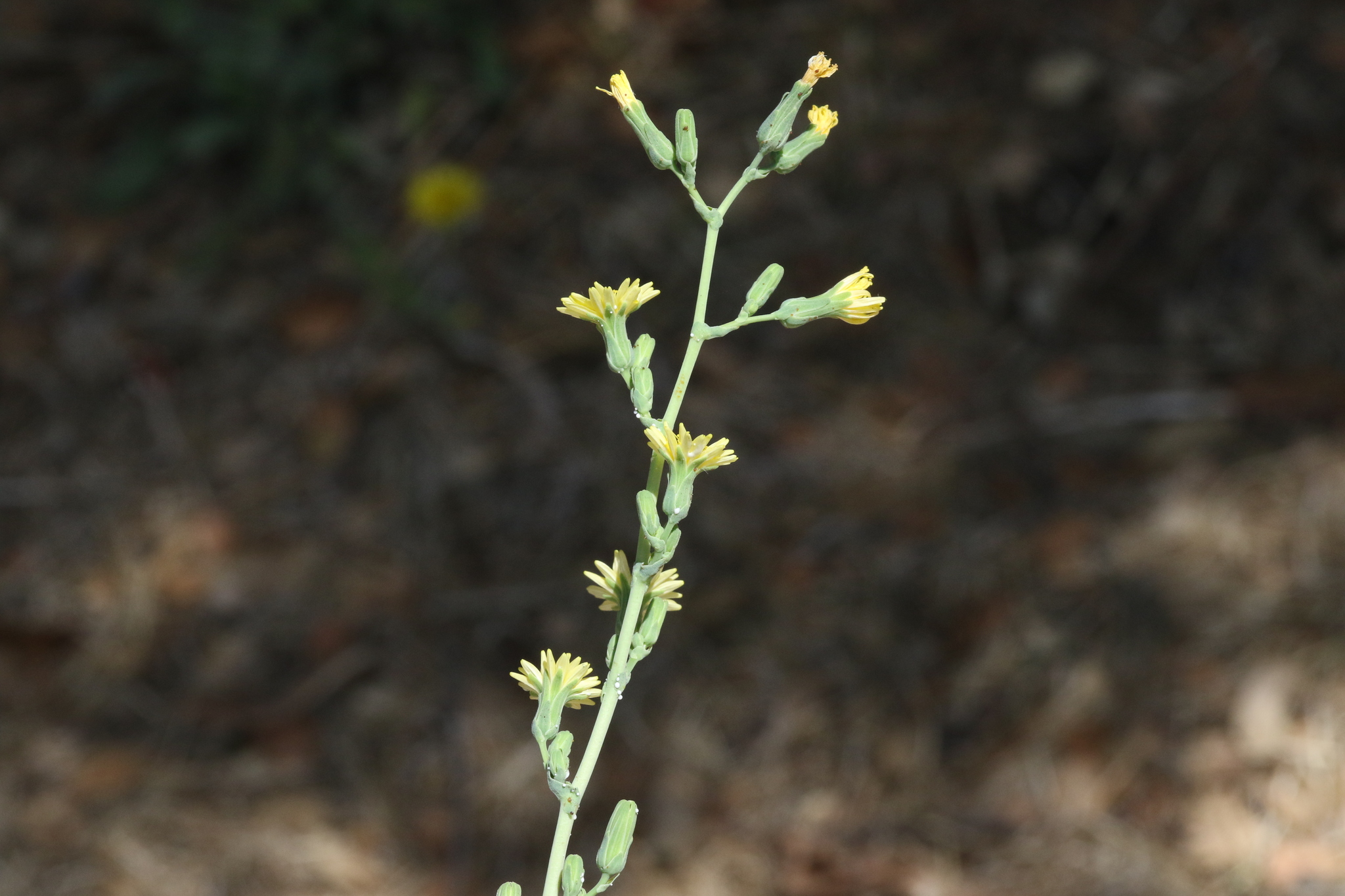
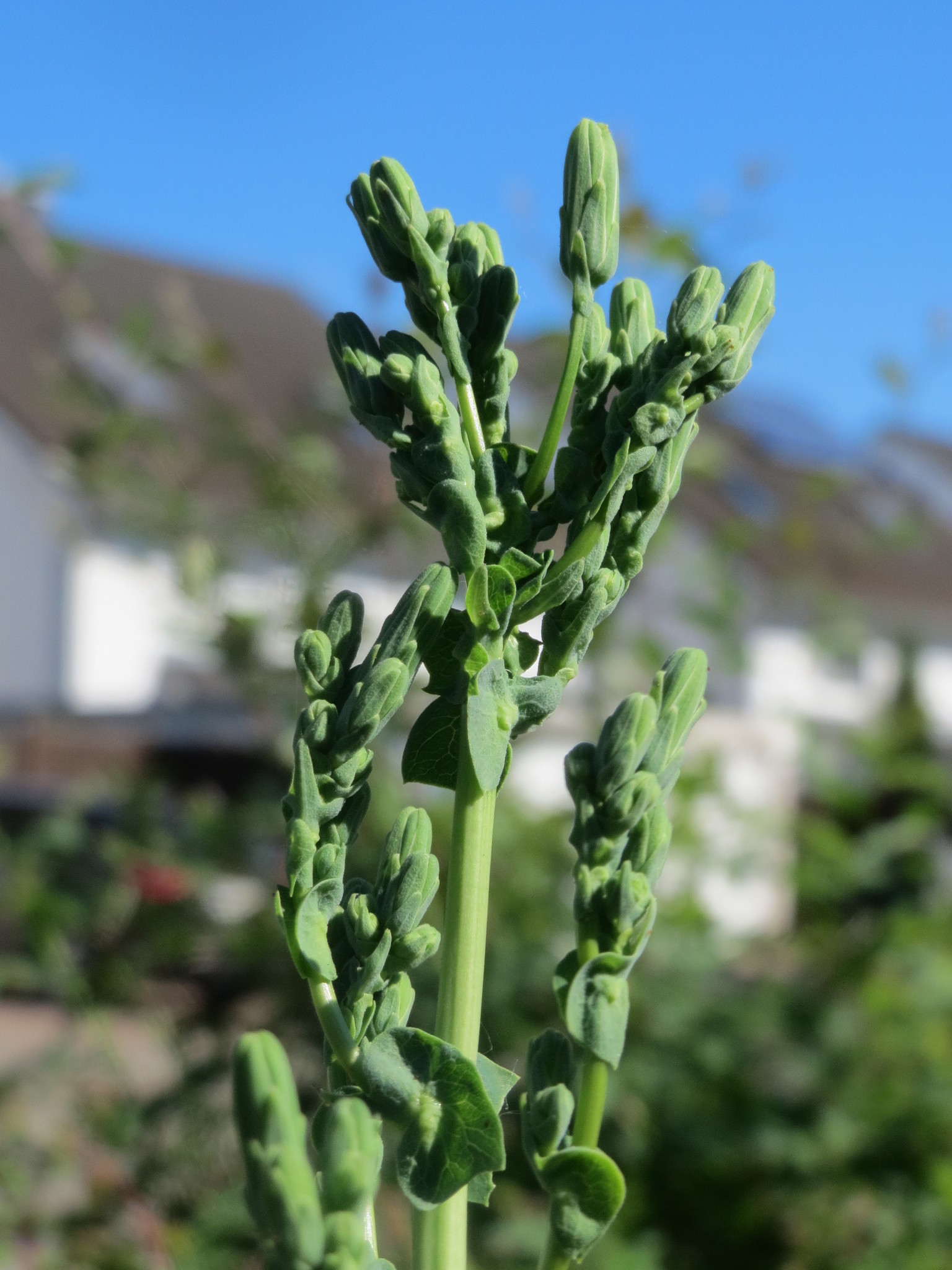
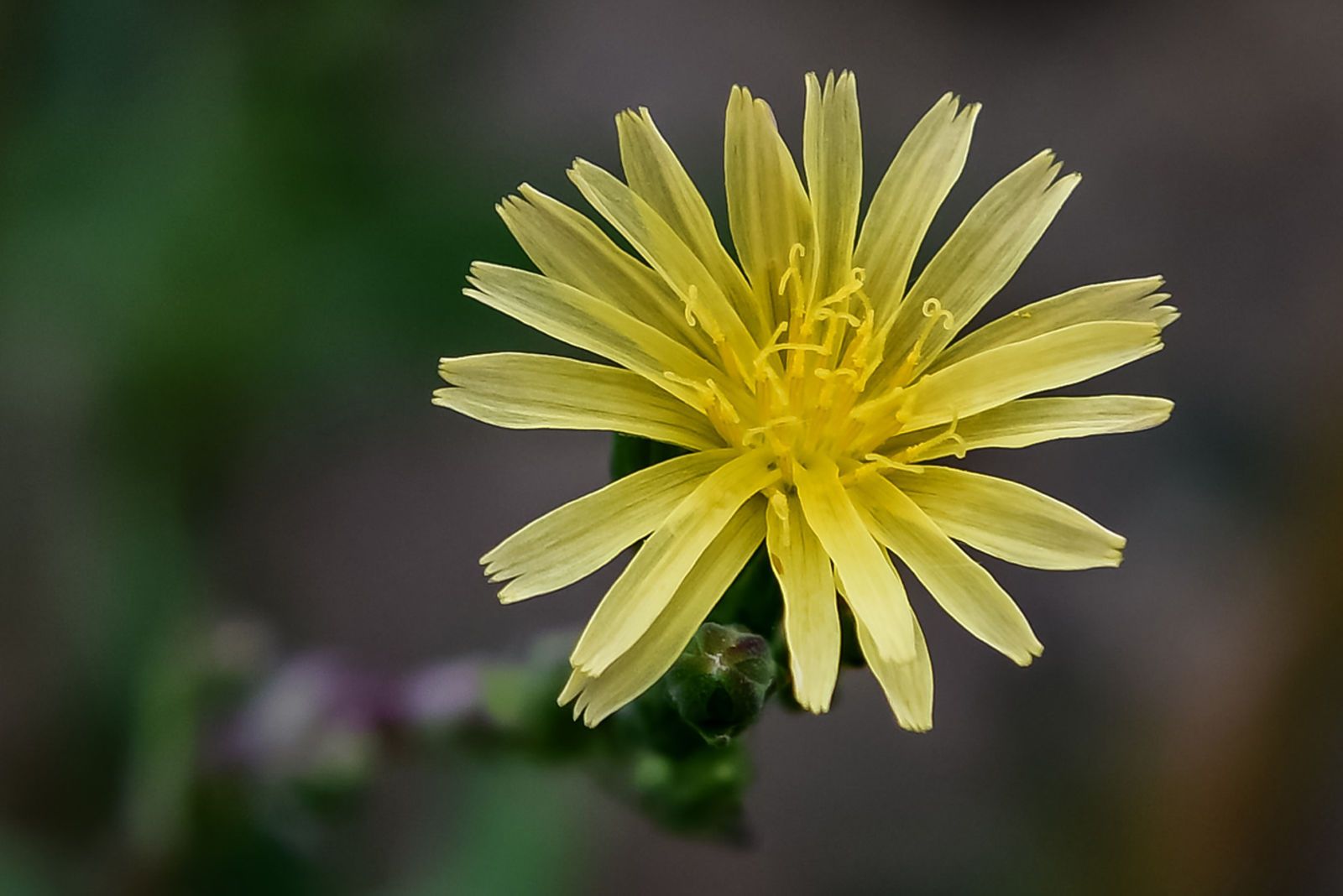
Flowering extends from July to September in the Northern Hemisphere seasonal setting: small yellow flower heads form loose, rather inconspicuous corymbs. The resulting purple-black achenes carry a white pappus that allows the wind to disperse them. 5
Useful taxonomy
POWO accepts Lactuca virosa L. in the Asteraceae, within the Cichorieae, the same tribe as dandelions and chicory. Two subspecies are recognized: the nominate subspecies and Lactuca virosa subsp. cornigera (Pau & Font Quer) Emb. & Maire, restricted to Morocco. 1 2
For a long time, the species was treated as a variant of prickly lettuce. Several botanical synonyms still visible in databases reflect that history:
- Lactuca scariola subsp. virosa (L.) Maire & Petitm.
- Lactuca scariola proles virosa (L.) Rouy
- Lactuca scariola subsp. virosa (L.) Bonnier & Layens
The long uncertainty over classification helps explain why bitter lettuce and prickly lettuce are still confused in the field. 1
Habitat and range
Madeira, Europe and North Africa make up the native range given by POWO, spanning temperate and Mediterranean climates. 1
In France, Tela Botanica describes a common weed of uncultivated ground, rubble, roadsides, fields and gardens, with a strong preference for nitrogen-rich soil. It is therefore often found around dumps and farms, wherever nitrogen enrichment favors seed germination. 4
Outside its native range, it has been introduced to North America. USDA records it in California, Alabama, Iowa and Washington, as well as Australia, where it grows in scattered populations rather than invasively. 6
Life cycle and reproduction
A biennial cycle begins with a rosette in the first year, often as early as February or March in mild Northern Hemisphere climates. The rosette stays green through winter without pronounced dormancy, helping protect the plant's cycle against late frosts. 4
During the second spring, the flowering stem begins to elongate. In the Northern Hemisphere, flowering runs from July until mid-August or September, depending on climate. After fruiting, the whole plant dries out and does not regrow from the same crown. 4
Each head produces several achenes with a pappus. Wind carries them over long distances, helping the plant colonize nearby disturbed ground. Mowing before the pappus develops greatly reduces self-seeding. Seed is the only known means of propagation for this taprooted species, which is not divided or propagated by cuttings. 5
Uses and risks
Incisions made in the stem at flowering release latex that dries into lactucarium, known since the 19th century as a mild opium substitute in some withdrawal treatments. It concentrates two active sesquiterpene lactones, lactucin and lactucopicrin. 7
In mice, these compounds show analgesic activity comparable to ibuprofen and a sedative effect on spontaneous locomotor activity; lactucopicrin proves the more active of the two. These are findings in mice. 7
A biomedical review of naturally derived psychoactive substances includes Lactuca virosa among plants containing sedative compounds sold without strict medical supervision in most countries. Above traditional doses, older literature reports headaches and marked drowsiness. Caution remains important, particularly during pregnancy and breastfeeding. 8
The less bitter young rosette shoots are sometimes pan-fried or included in very small amounts in mixed salad greens. They are never eaten raw in large quantities once the plant has bolted. 5
Varieties, look-alikes and related plants
Horticultural selection has produced no recognized cultivar of Lactuca virosa. It remains a wild plant, never selected for ornamental use or nursery sales. 5
Its closest look-alike is Lactuca serriola, prickly lettuce. That species has upright, stiff upper leaves lobed like an oak leaf, whereas bitter lettuce has looser, more horizontal foliage. The achenes also differ: pale brown in L. serriola, purple-black in L. virosa. Natural hybridization between the two can blur these distinctions. 4
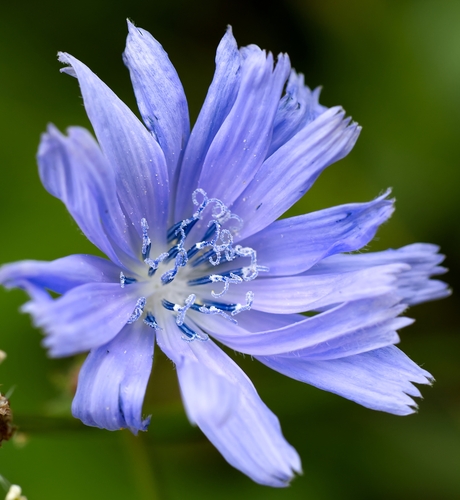
Other ruderal Cichorieae share the white latex and the same kinds of ground: chicory (Cichorium intybus), dandelions (Taraxacum) and cultivated lettuce (Lactuca sativa), descended from an ancestor close to Lactuca serriola. The scientific name is a safer guide than leaf resemblance alone, especially on young plants before the flowers settle the identification. 3
Main sources
- Plants of the World Online / Kew, Lactuca virosa L.
- International Plant Names Index, Lactuca virosa L.
- GBIF Backbone Taxonomy, Lactuca virosa L.
- Tela Botanica eFlore, Lactuca virosa L.
- Plants For A Future, Lactuca virosa
- USDA PLANTS Database, Lactuca virosa plant profile
- PubMed, Analgesic and sedative activities of lactucin and some lactucin-like guaianolides in mice
- PubMed, Biomedical analysis of New Psychoactive Substances (NPS) of natural origin
Frequently asked questions
Is bitter lettuce toxic?
Its dried latex contains the sedative sesquiterpene lactones lactucin and lactucopicrin. At traditional doses it mainly acts as a mild sleep aid; above those doses, older literature reports headaches and paradoxical agitation, requiring particular caution during pregnancy.
Can bitter lettuce be confused with prickly lettuce?
Yes, very often. Lactuca serriola has upright, stiff upper leaves lobed like an oak leaf and pale brown achenes, whereas Lactuca virosa has more horizontal leaves and purple-black achenes.
What is lactucarium?
It is the dried stem latex of Lactuca virosa, collected by making incisions at flowering. It concentrates lactucin and lactucopicrin, two compounds studied for analgesic and sedative effects.
Is bitter lettuce edible?
Only the less bitter young rosette shoots are sometimes eaten pan-fried or raw in very small amounts. The plant soon becomes acrid and indigestible after bolting.
Where does bitter lettuce grow in France?
Tela Botanica describes it as a common weed throughout France on uncultivated ground, rubble, roadsides, fields and gardens, with a marked preference for nitrogen-rich soil.
Is bitter lettuce related to cultivated lettuce?
Yes. Both belong to Lactuca. Cultivated lettuce, Lactuca sativa, descends from an ancestor close to Lactuca serriola, a direct relative of Lactuca virosa, but without the same sedative potential.
Similar plants

If you are unsure about a plant’s toxicity, ask a botanist or veterinarian for advice.