
Lettuce (Lactuca sativa, )

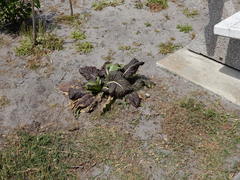
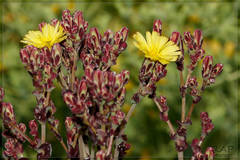
Lettuce (Lactuca sativa) is an annual vegetable in the Asteraceae, grown mainly for leaves eaten raw in salads. This cool-season crop is sensitive to heat, which encourages flowering and bitter latex. Depending on the type, the harvest is a tight head, a rosette of loose leaves or a fleshy stem.
Read moreLettuce, garden lettuce and cultivated lettuce




© photo
(c) Kai Yan, Joseph Wong, some rights reserved (CC BY-NC-SA) · cc-by-nc-sa
Lyndsey · cc-by
RAP · cc-by
Taken Jul 29, 2012 by Tela Botanica − Yoan MARTIN (cc-by-sa)
Taken Feb 19, 2022 by Johanna Rogel (cc-by-sa)
Taken Aug 17, 2010 by Tela Botanica − Yoan MARTIN (cc-by-sa)
Taken Jan 11, 2022 by William Coville (cc-by-sa)
© copyright of the Board of Trustees of the Royal Botanic Gardens, Kew.




Global distribution
Lactuca sativa is a cultigen unknown in a strictly wild state, derived from wild Lactuca serriola. It was domesticated in antiquity in the Near East and Egypt, then spread through cultivation to temperate regions worldwide. Wherever it occurs, it is a sown crop rather than spontaneous vegetation.
Identity
The crop known as lettuce (Lactuca sativa L., 1753), also known as garden lettuce or cultivated lettuce, is a vegetable in the Asteraceae and genus Lactuca. It is among the world’s most widely grown salad crops, raised chiefly for tender leaves eaten raw. Unknown in a strictly wild state, it is a cultigen shaped by a long history of domestication. 1 4
In vegetable gardens, lettuce is a fast-growing cool-season annual. It is harvested before flowering because heat encourages bolting, which makes the leaves bitter. The everyday French names laitue and salade encompass types with markedly different appearances, all belonging to the same species. 2 3
Recognition
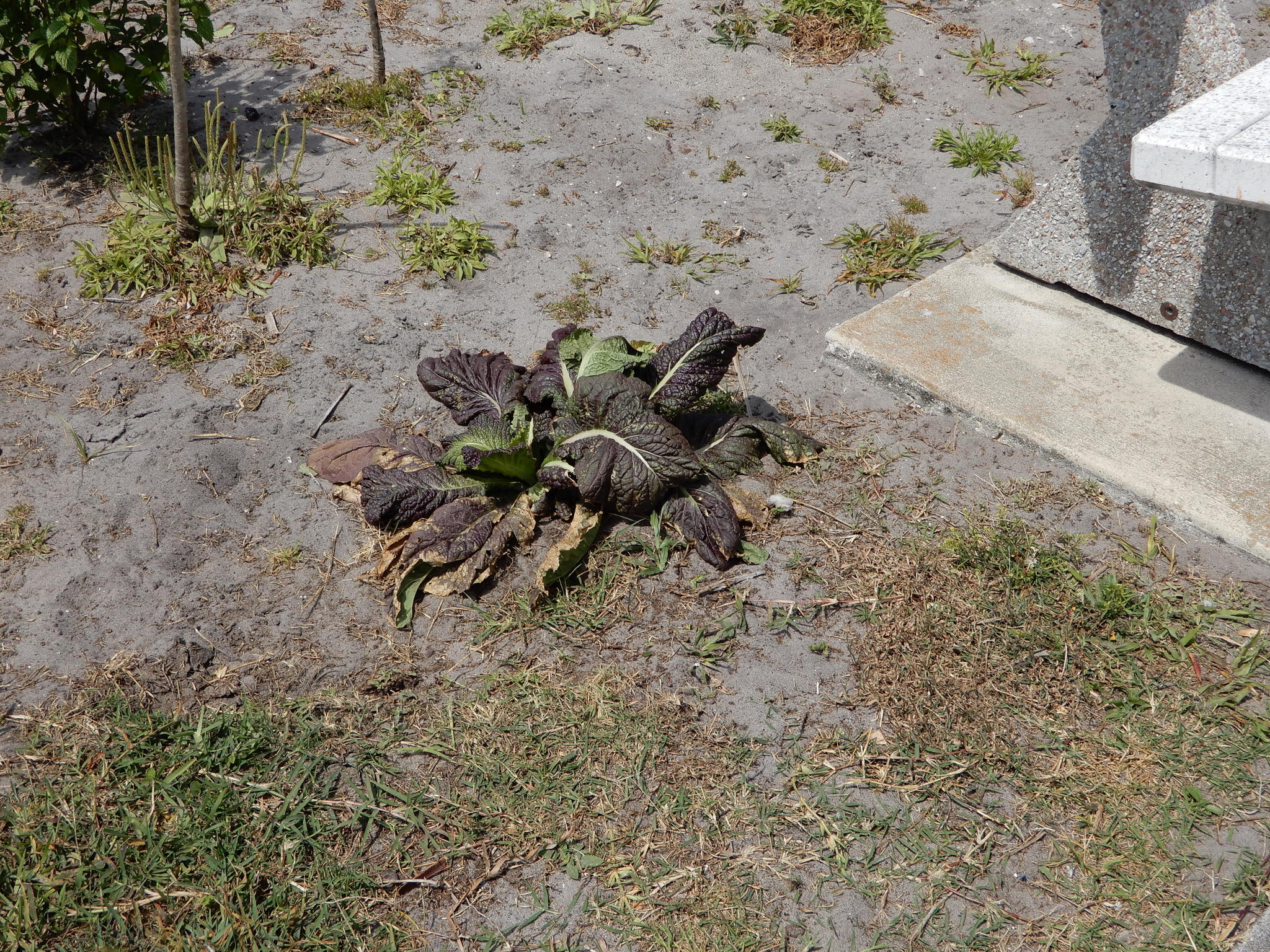
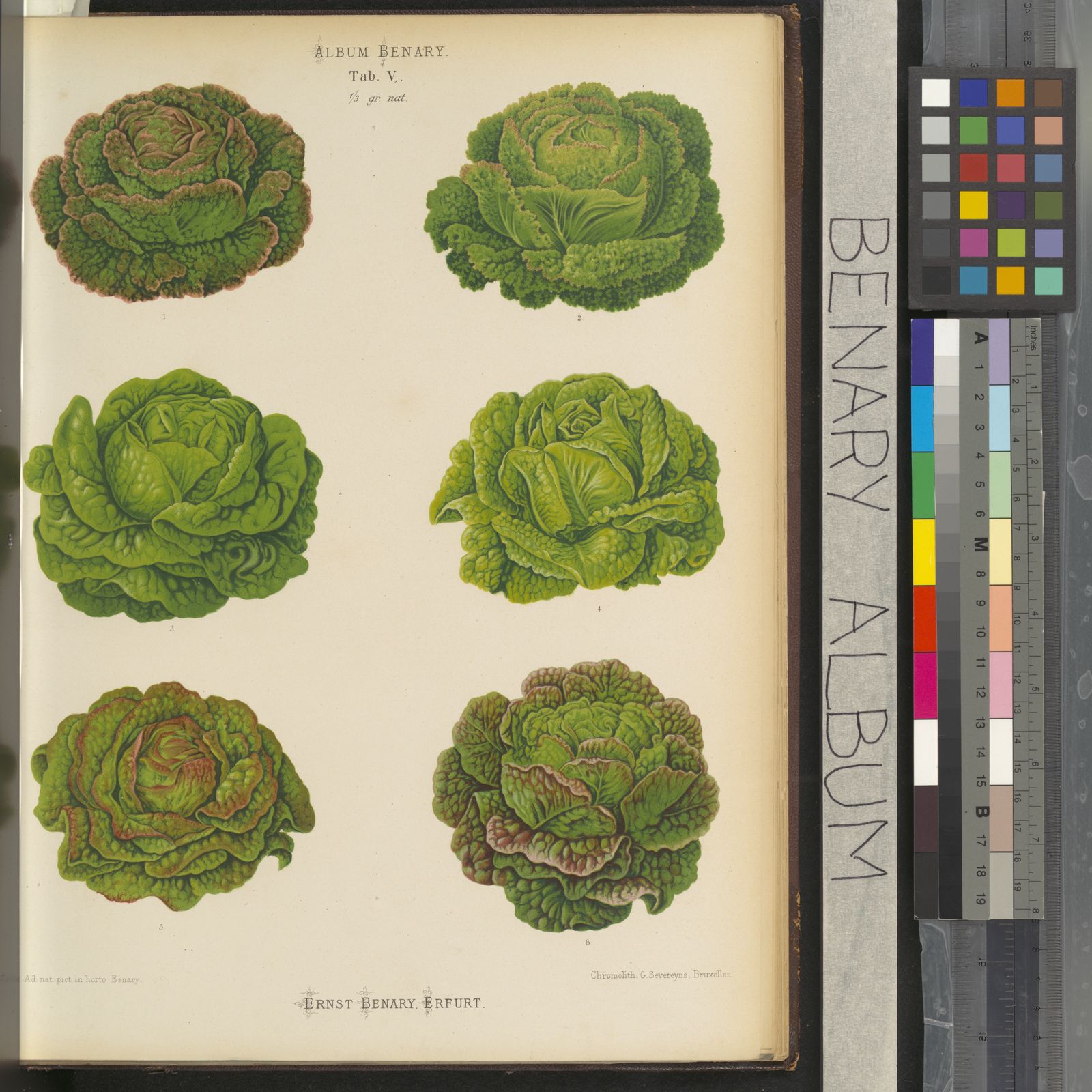
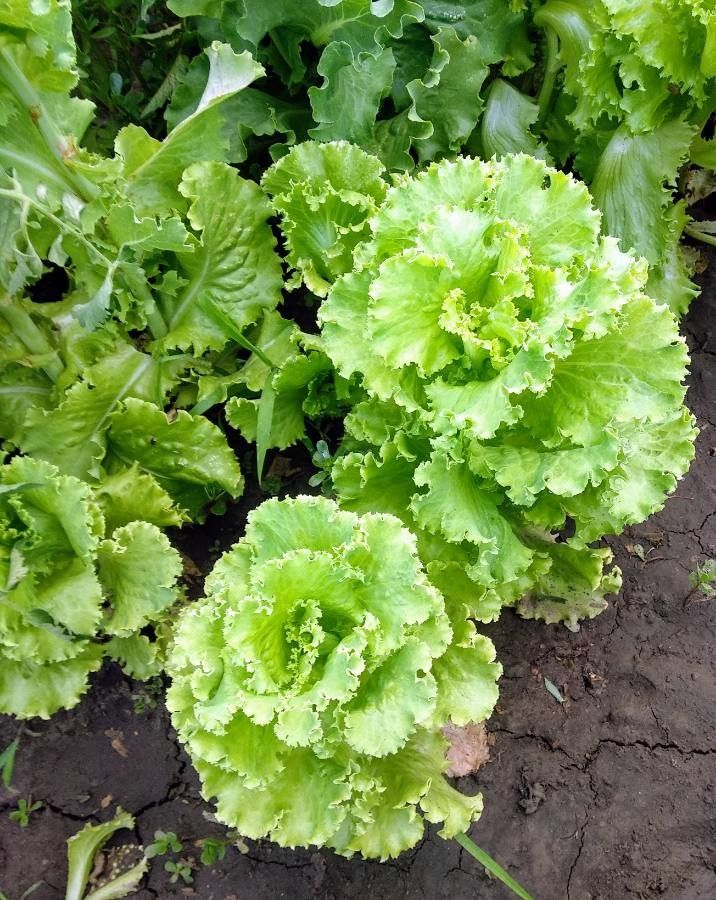
Lactuca sativa first forms a rosette of tender leaves close to the ground. Depending on type, the leaves may be entire, wavy or finely divided, pale to dark green and sometimes flushed red. Heading lettuces fold their leaves into a tight, crisp head, while romaine produces upright, elongated leaves with a prominent midrib. 3 5
Cutting the stem or a thick leaf vein releases milky white latex, the feature behind the Latin name. This latex becomes more plentiful and bitter as the plant ages. 4 6
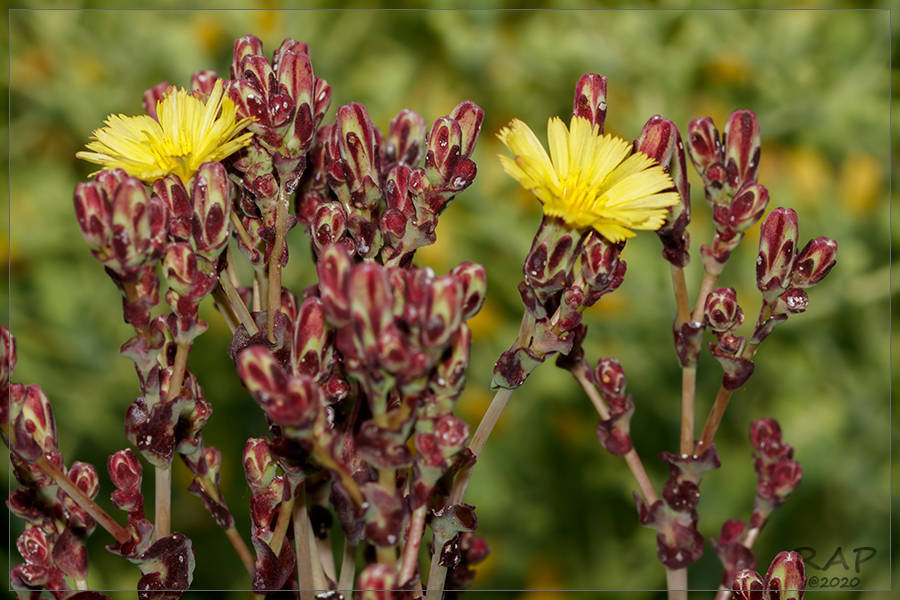
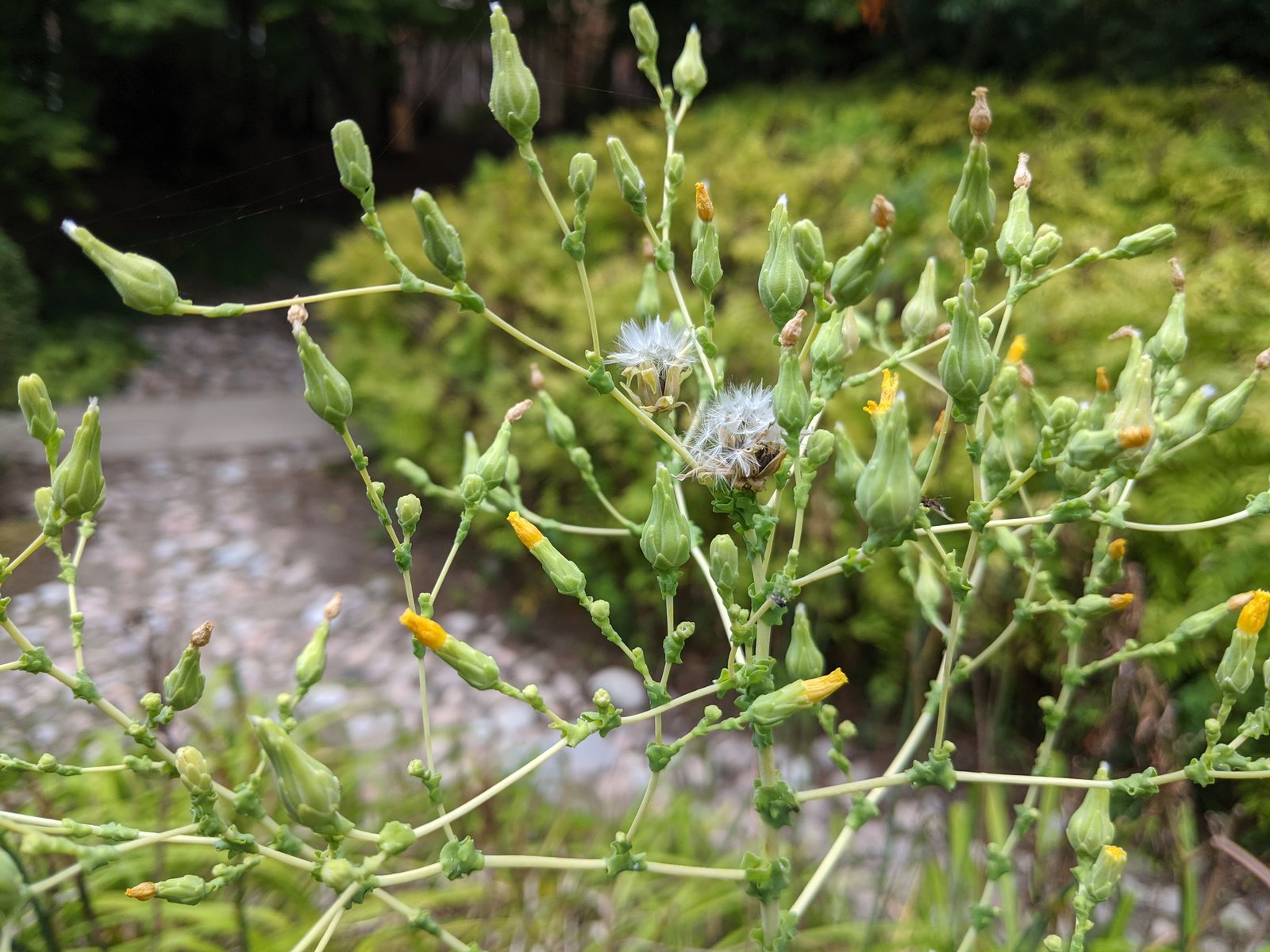
As heat brings the plant to maturity, it sends up a branched flower stalk that may exceed 1 m (3.3 ft). Small yellow flower heads, typical of Asteraceae, develop into light seeds with a feathery pappus that allows wind dispersal. 4 3
Useful taxonomy
Linnaeus described the species in 1753 as Lactuca sativa L. The large genus Lactuca and the crop’s horticultural diversity have generated numerous infraspecific names, now treated as synonyms. The main names to recognize are:
- Lactuca sativa var. capitata L., heading lettuce
- Lactuca sativa var. crispa L., curly looseleaf lettuce
- Lactuca sativa var. romana Gaudin, romaine lettuce
- Lactuca sativa var. angustana Irish, stem lettuce
- Lactuca scariola var. sativa (L.) Moris, a historical synonym
These names correspond to broad horticultural groups: heading lettuce (var. capitata), curly looseleaf lettuce (var. crispa), romaine (var. romana) and stem lettuce, grown for its fleshy stalk (var. angustana). The accepted name Lactuca sativa remains the stable reference, with wild Lactuca serriola regarded as its direct ancestor. 1 5
Habitat and range
Lactuca sativa does not occur in nature: it is a cultigen, known only in cultivation. Domestication began in antiquity in the Near East and Egypt, using wild Lactuca serriola. Early lettuces were grown for oil-rich seeds before becoming leafy vegetables. 1 4
From this center, lettuce growing spread around the Mediterranean and then throughout the world’s temperate regions. A cool-season crop, it prefers 10–20 °C (50–68 °F); above 24 °C (75 °F), rapid bolting limits open-field summer production. 3 6
Today it grows in kitchen-garden beds, large commercial fields and greenhouses, particularly for winter and hydroponic production. Combined world lettuce and chicory production reached 28 million metric tonnes (about 31 million US short tons) in 2023, with China producing more than half. 4 2
Life cycle and reproduction
Lettuce completes its life cycle in a single season. In cool, bright conditions, seeds emerge in one to two weeks and rapidly form a leaf rosette. This vegetative stage is the harvest: a formed head in heading types or a well-developed rosette in looseleaf types. 3 2
With heat or long days, the plant enters its reproductive phase and bolts, producing a flower stalk. Its latex, lactucarium, accumulates, making the leaves tough and bitter. Small yellow flower heads are largely self-pollinating and produce lightweight seeds with a feathery pappus. 4 5
Propagation is exclusively from seed. The tiny seeds need light to germinate, so they are surface-sown with only a very light covering. Sow directly or in pots under cover, then transplant at four to five leaves. Harvest follows 30–90 days after sowing, depending on type and climate; successive sowings every two to three weeks extend production. 2 6
Uses and risks
Fresh culinary use predominates. Leaves are eaten raw in salads but also go into sandwiches, wraps and soups; some types can be grilled. Stem lettuce, or celtuce, is grown for its fleshy stem, eaten raw or cooked. Crispness and freshness are its main appeal rather than concentrated nutrients. 4 5
Lettuce has no notable toxicity. ASPCA lists it as non-toxic to cats, dogs and horses, and its leaves are safe for people to eat. The main drawback is the bitter latex of bolted plants: it does not make the plant toxic, but renders the leaves unpalatable. Harvesting before the flower stalk develops avoids this problem. 7 6
Varieties, look-alikes and related plants
The many varieties are vegetable selections rather than separate species. Reine de Mai is a spring heading lettuce; Iceberg and Batavia Blonde de Paris are crisp types; Romaine Verte Maraîchère is an upright romaine; Feuille de Chêne and Lollo Rossa are non-heading looseleaf lettuces. Before buying seed, check the type, suitable growing season and resistance to bolting. 2
Confusion is most likely at the seedling stage:
- Lactuca serriola, the wild ancestor of cultivated lettuce, is more upright and prickly;
- chicory and escarole are other bitter salad vegetables that can look similar;
- corn salad forms young rosettes resembling small lettuces.
A rosette of tender leaves, white latex when cut and yellow flower heads remain the most useful combination for identifying Lactuca sativa. 3 1
Main sources
- Plants of the World Online / Kew, Lactuca sativa L.
- Royal Horticultural Society, lettuce - grow your own
- Missouri Botanical Garden, Lactuca sativa
- Encyclopaedia Britannica, lettuce
- Plants For A Future, Lactuca sativa
- North Carolina State Extension, Lactuca sativa
- ASPCA, lettuce (Lactuca sativa) non-toxic plant entry
Frequently asked questions
Is lettuce toxic?
No. Lactuca sativa leaves are edible and eaten raw in salads. ASPCA lists lettuce as non-toxic to cats, dogs and horses. The white latex in bolted plants is simply bitter, with no notable toxicity.
Why does my lettuce run to seed so quickly?
Heat and long days trigger bolting, often made worse by dry soil. The plant sends up a flower stalk and its leaves become bitter. Sowing in cool conditions and watering regularly delays this process.
Why are my lettuce leaves bitter?
Bitterness comes from the latex, lactucarium, which accumulates as the plant bolts or suffers drought. Harvesting young lettuce before the flower stalk develops and keeping soil moist helps leaves stay mild.
What are the main types of lettuce?
They include heading lettuces, such as crisp batavia and iceberg, upright ribbed romaines, non-heading looseleaf types and stem lettuce grown for its fleshy stalk. All belong to Lactuca sativa.
When should lettuce be sown and harvested?
Make successive sowings in cool conditions from spring to fall, as the local growing season allows. Depending on type, harvest 30–90 days after sowing, before bolting, once the head has formed or the rosette is well developed.
Which plants resemble cultivated lettuce?
Young plants can be confused mainly with wild Lactuca serriola, its ancestor, as well as some chicories and corn salad. White latex and a rosette of tender leaves are useful clues.
Where does lettuce come from?
It is a cultigen unknown in a strictly wild state, domesticated long ago in the Near East and Egypt from Lactuca serriola. Cultivation later spread throughout temperate regions worldwide.
Similar plants
If you are unsure about a plant’s toxicity, ask a botanist or veterinarian for advice.