
Flax (Linum usitatissimum, )
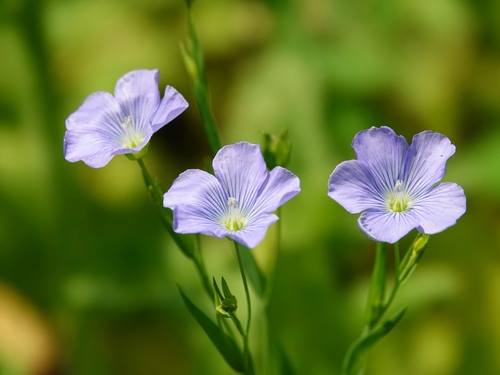
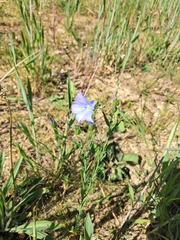
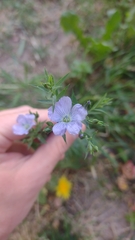
Flax (Linum usitatissimum) is an annual herb in the Linaceae family, cultivated for millennia for its textile fibers and oil-rich seeds. Its slender, upright stems bear sky-blue flowers with five petals. In fields and gardens, it is a short-cycle crop that needs full sun.
Read moreFlax, Common flax, Linseed, Fiber flax and Oilseed flax
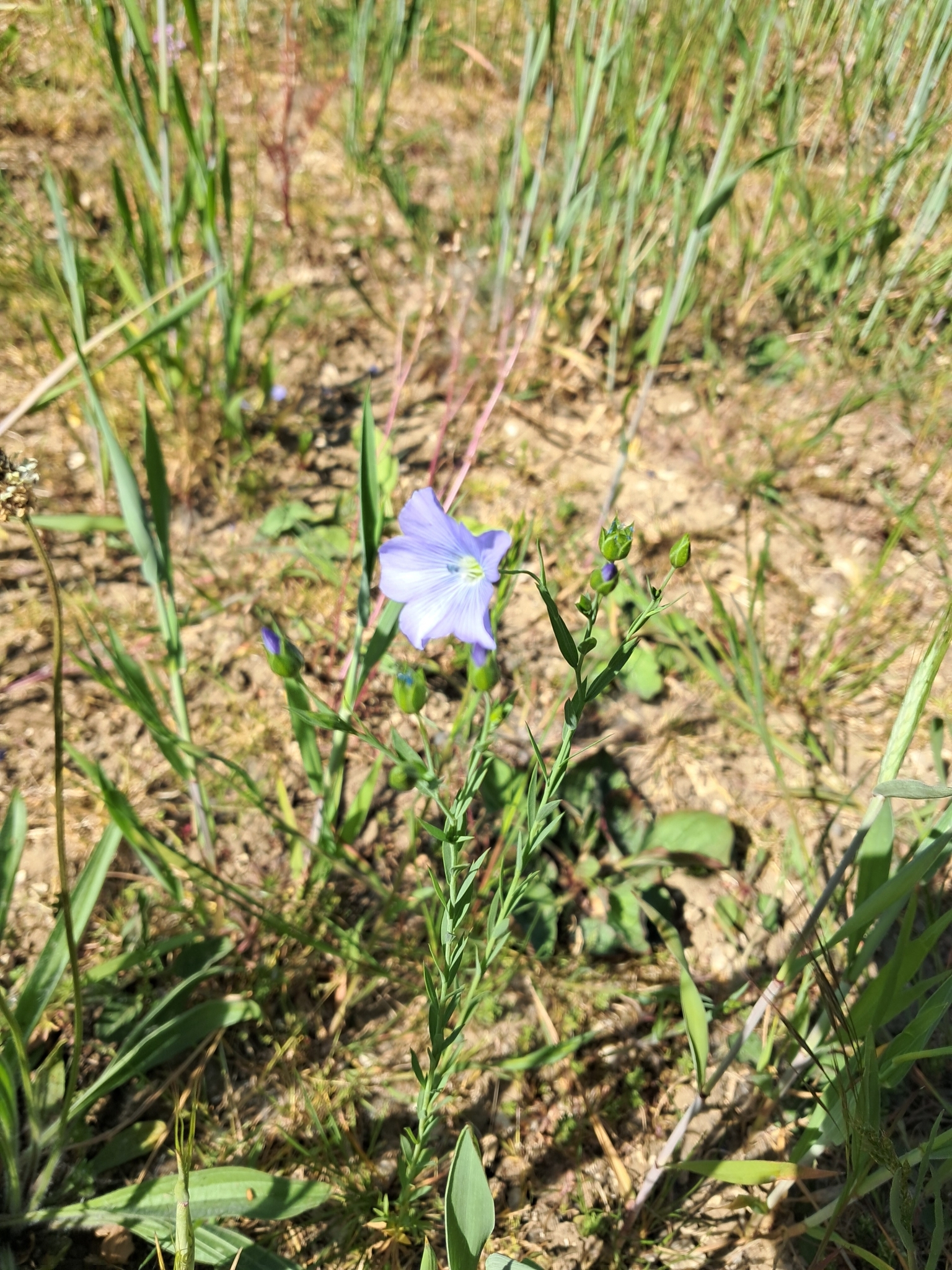
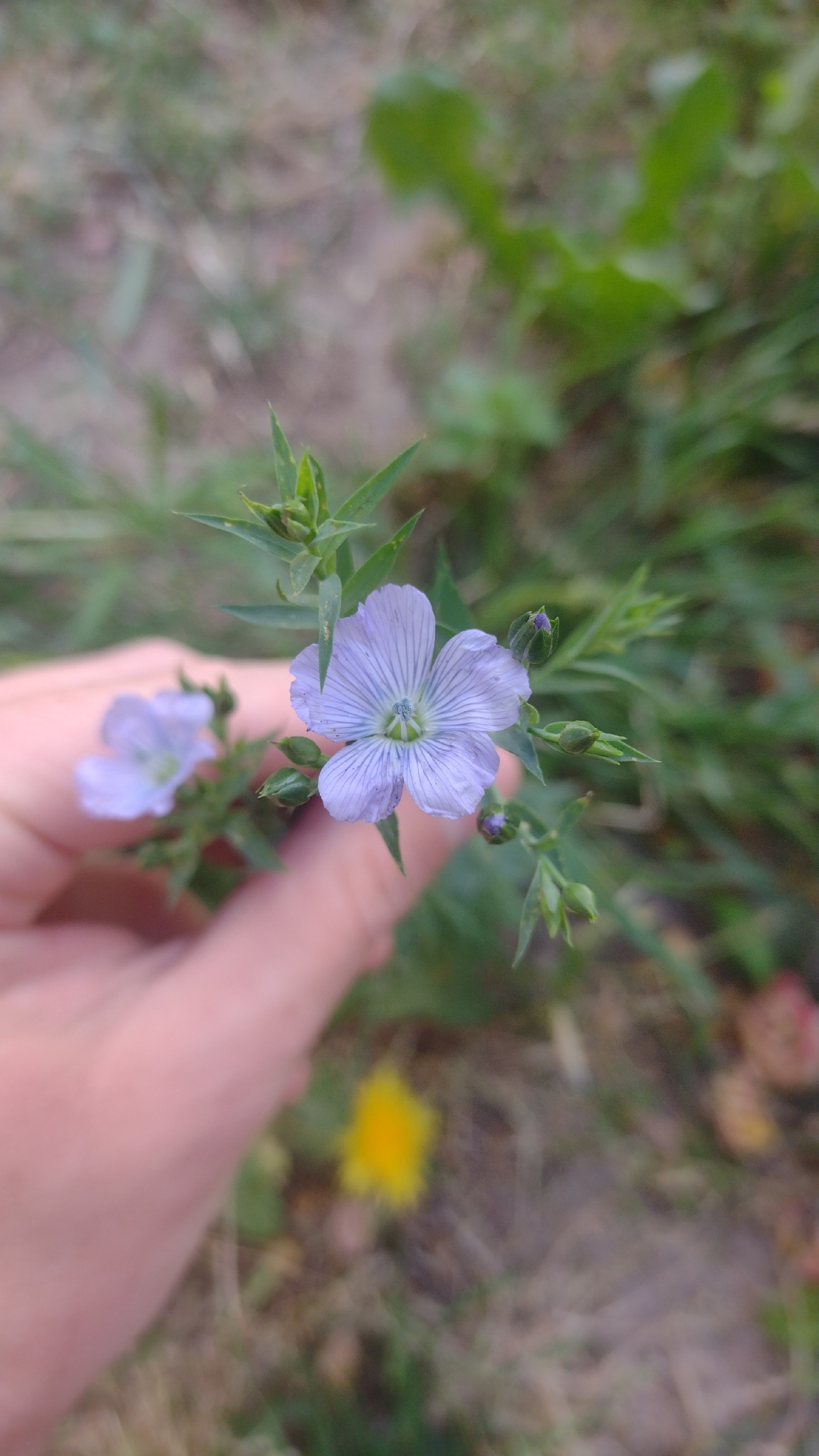


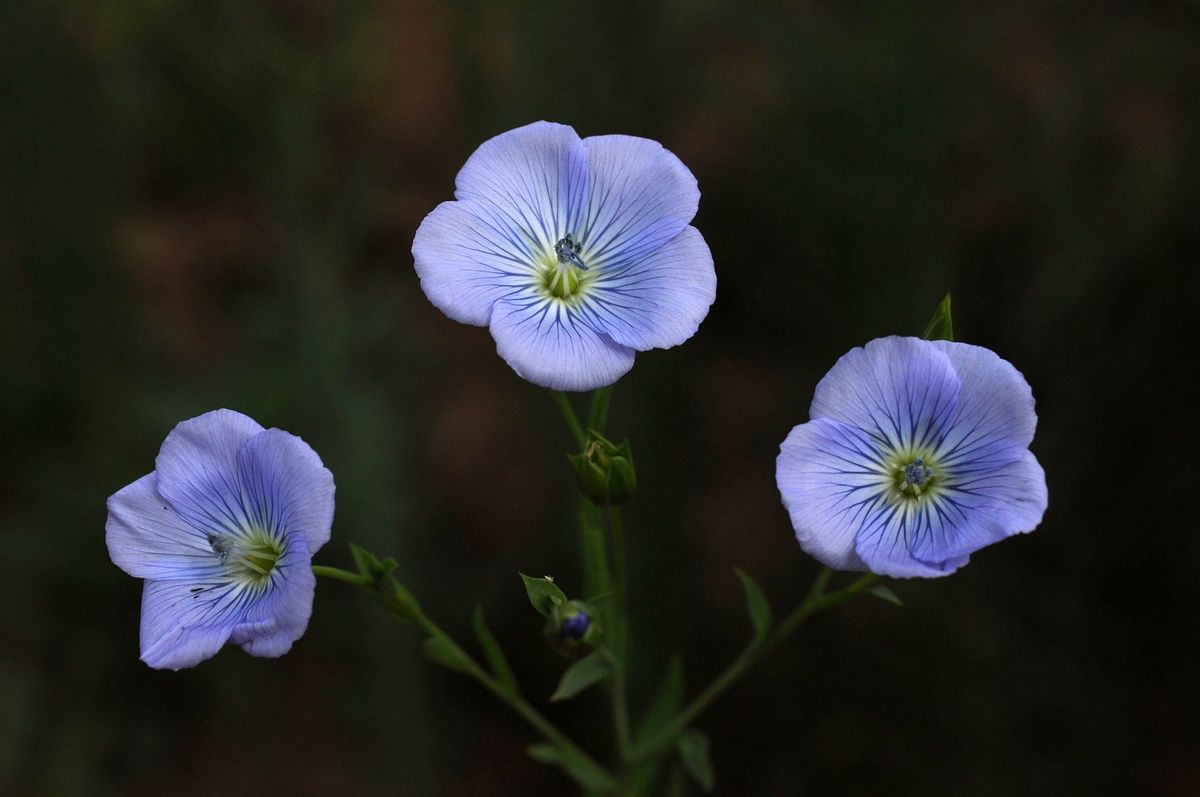
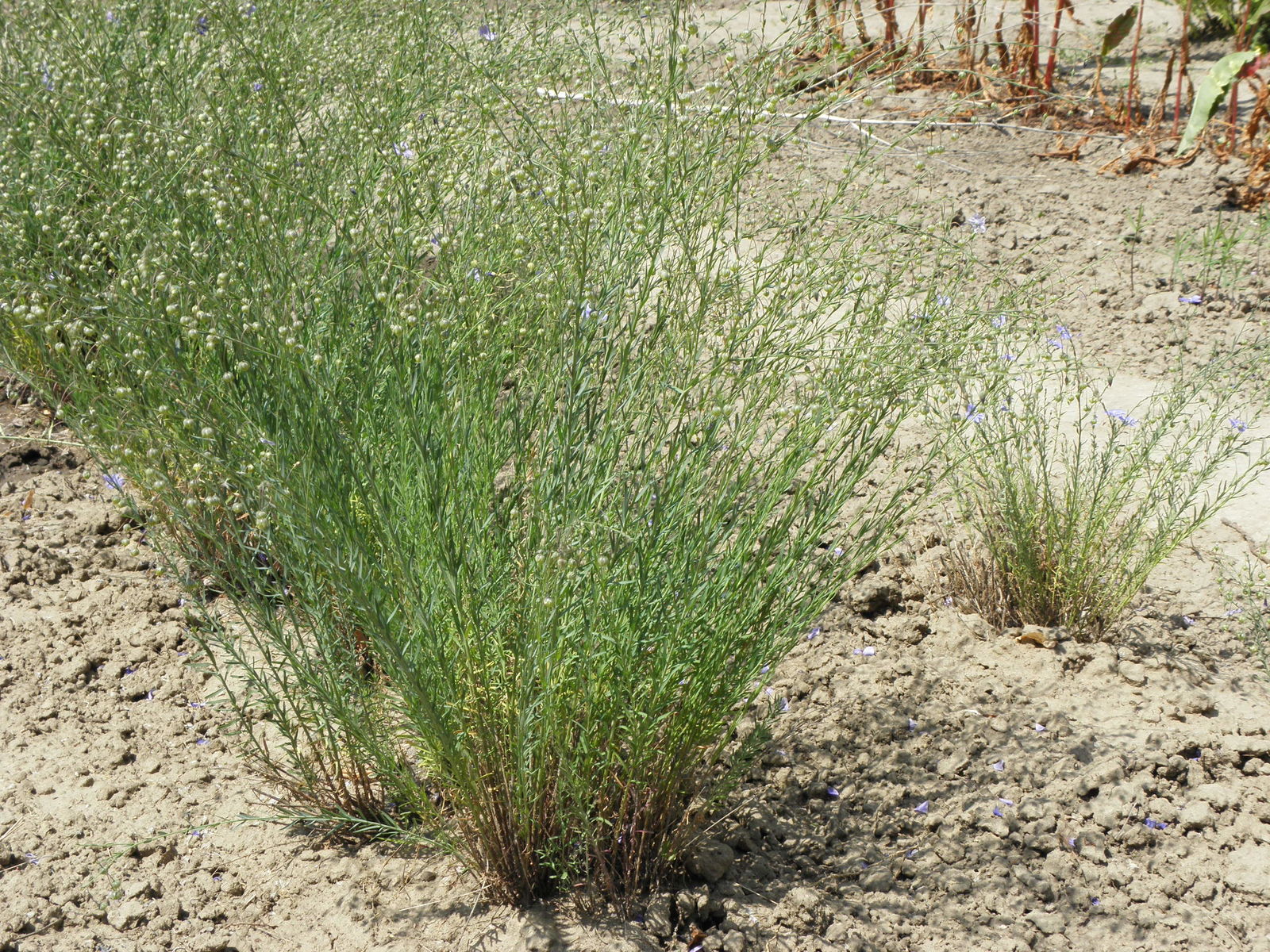
© photo
no rights reserved, uploaded by MadMagpie · cc0
A Hill · cc0
Fede Ferrer · cc0
Taken Jan 1, 1900 by EOL − Encyclopedia of Life (public)
Taken Dec 29, 2013 by Tela Botanica − Pierre CROUZET (cc-by-sa)
Taken Jun 17, 2020 by Gerda Teunissen (cc-by-sa)
Taken May 3, 2020 by Renaud Brochiero (cc-by-sa)
© copyright of the Board of Trustees of the Royal Botanic Gardens, Kew.




Global distribution
Linum usitatissimum is a cultivated plant of Eurasian origin, with ancestral forms associated with the region from Turkey to Iran. Domesticated early, it is now grown throughout temperate regions for fiber and seed. Its recorded presence represents a sown crop rather than established wild vegetation.
Identity
Flax (Linum usitatissimum L., 1753) is an annual herb in the Linaceae family and the genus Linum. It is the world's most widely cultivated flax species, grown for two products from the same plant: textile fiber from its stem and oil-rich seeds used to produce linseed oil. 1 3
Slender, upright stems carry numerous short-lived sky-blue flowers with five petals in summer. The Latin epithet usitatissimum, meaning “most useful,” reflects its long history as a fiber crop, an oilseed crop and a summer garden flower. 2 4
Recognition
An upright, hairless stem branching mainly at its tip is a useful identifying feature of Linum usitatissimum. Depending on the crop type and sowing density, it commonly reaches 70 cm–1.20 m (28–47 in). Its narrow, lance-shaped leaves are alternate, slightly blue-green and without a distinct leaf stalk. 5 3
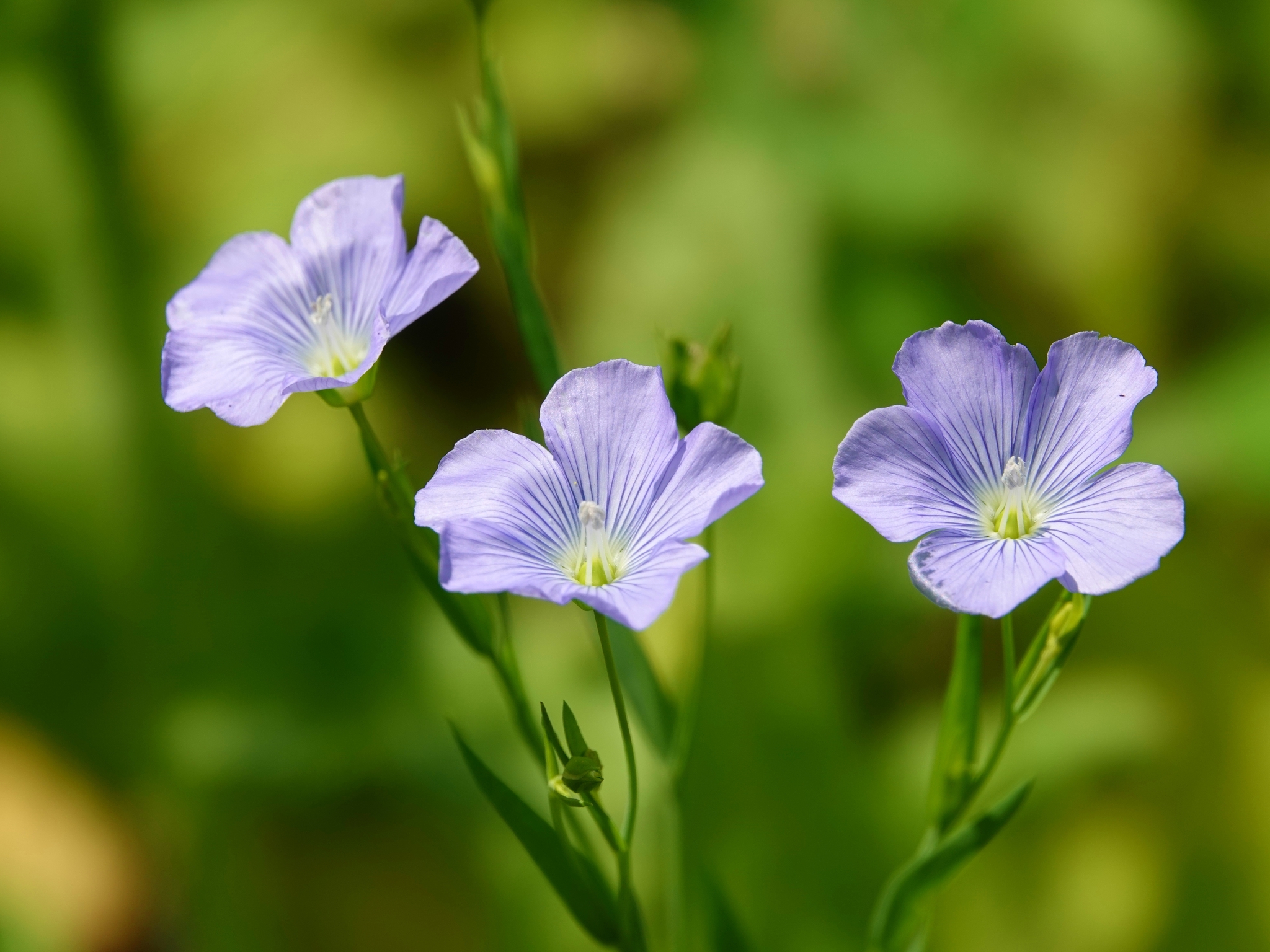
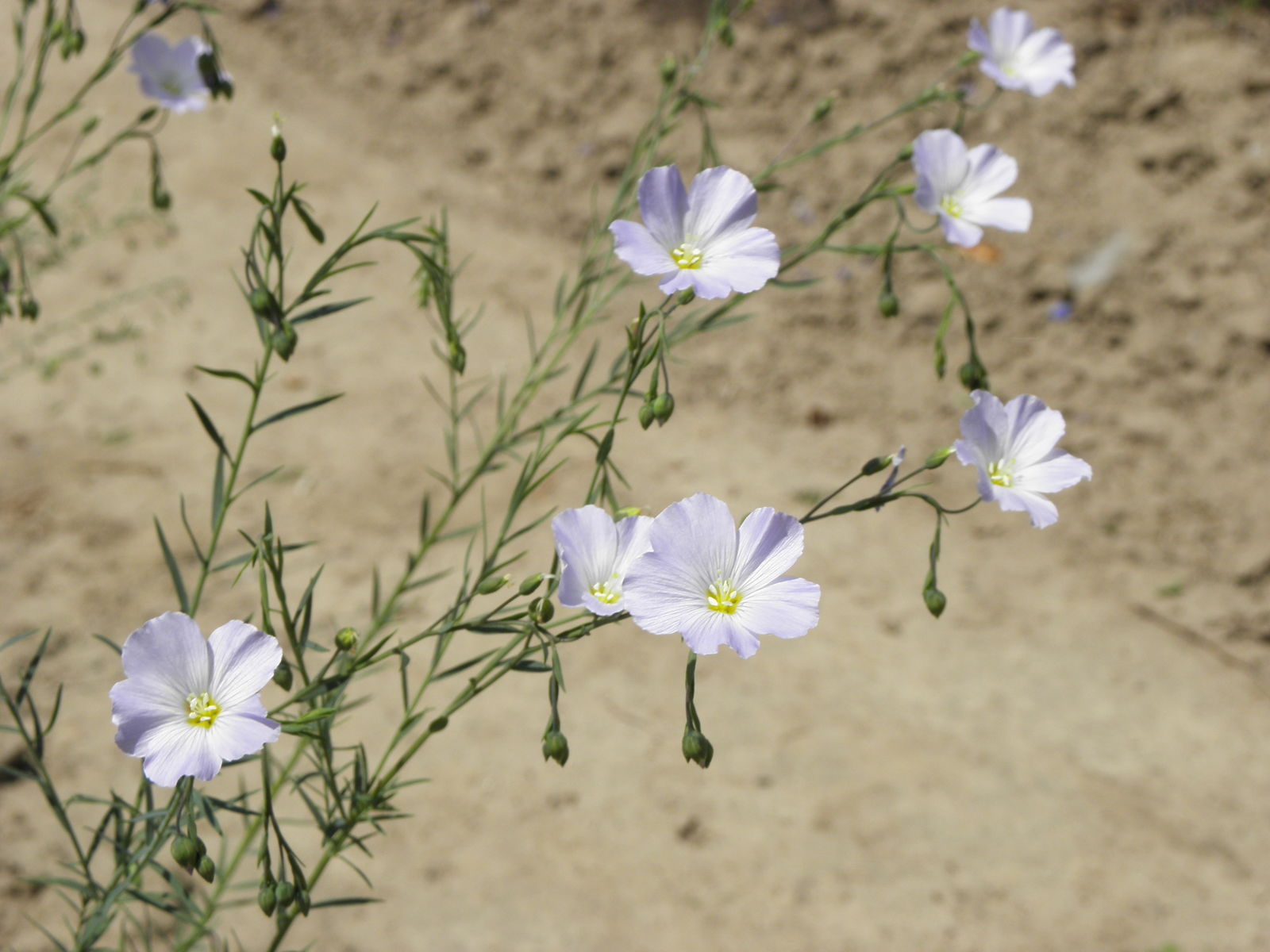
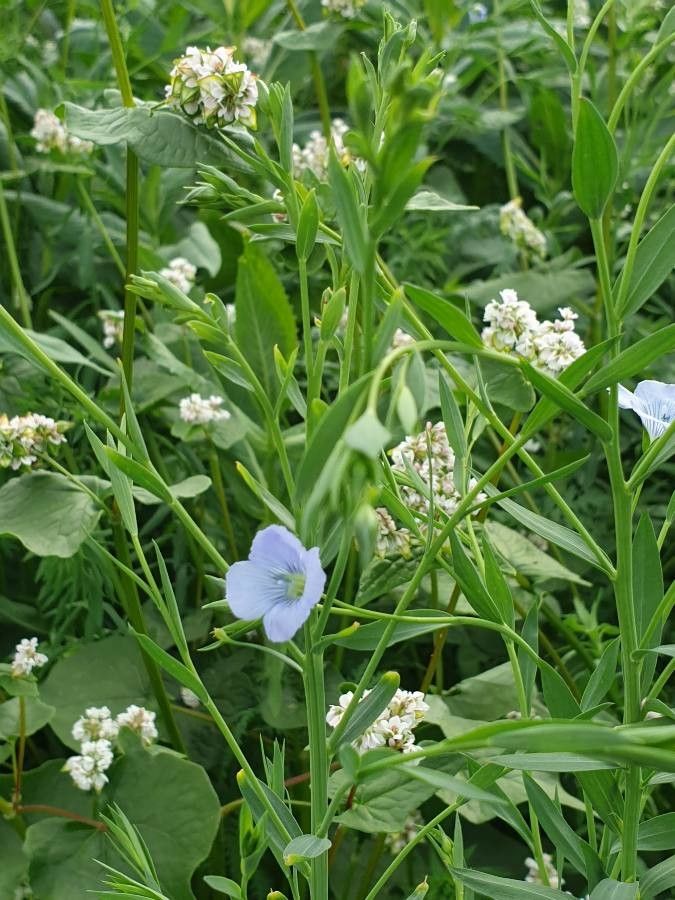
Five sky-blue petals, occasionally white or pinkish and each less than a centimeter (0.4 in) wide, form the flowers at the branch tips. Summer flowering is fleeting: an individual flower often lasts only a day before another takes its place. 3 5
Small, round, dry capsules develop after flowering, each holding about ten flat, oval, glossy seeds, brown to reddish brown. These oil-rich seeds provide another dependable clue to the plant's identity. 4 2
Fiber flax and oilseed flax differ most visibly in their habit. Fiber types have tall stems with little branching to maximize fiber length; oilseed types are shorter and branch more to carry additional capsules. These are differences between cultivated selections, while the flowers, capsules and seeds retain the species' characteristic form. 6 3
Useful taxonomy
The species was described by Linnaeus in 1753 as Linum usitatissimum L. Numerous varietal, subspecific and cultivated-group names have been applied to flax, and several remain in circulation. Names worth recognizing include:
- Linum usitatissimum var. usitatissimum, a historical varietal name
- Linum usitatissimum var. humile (Mill.) Pers.
- Linum usitatissimum subsp. crepitans (Boenn.) Schübl. & G.Martens
- Linum humile Mill.
- Linum crepitans (Boenn.) Dumort.
These names mainly describe forms differing in capsule opening or agricultural use. The accepted scientific name, Linum usitatissimum, remains the reliable reference: fiber flax and oilseed flax are cultivated selections, not separate botanical species. 1 3
Habitat and range
Cultivated flax has Eurasian origins. Its ancestral forms are associated with the region from Turkey to Iran, the probable center of domestication from a related wild flax. 1 5
From that region, flax cultivation spread throughout the Mediterranean basin and then across the world's temperate regions. It is now grown both in large fields and in garden plots, in loose, well-drained soil with full sun. 3 6
Its presence reflects deliberate sowing rather than an established wild flora. Flax does not tolerate shade; it can withstand fairly dry soil but struggles in heavy clay. Its approximate growing range is USDA zones 4–8. Unlike naturalized wild species, it does not form stable spontaneous populations. 5 4
Life cycle and reproduction
A single growing season takes flax from germination through flowering to seed production: it is a strict annual. Capsules mature 90–120 days after sowing, depending on variety and climate. Yellowing stems and dry capsules signal harvest time. 4 5
The blue flowers are bisexual and largely self-pollinating, though bees visit during their brief summer opening. Each fertilized flower produces a dry capsule containing about ten shiny brown seeds, both the means of reproduction and the source of oil. 3 2
Propagation is by direct sowing in spring, since flax tolerates bare-root transplanting poorly. Sow shallowly in a finely prepared seedbed; germination takes one to two weeks. Field crops need a six- to seven-year interval before flax returns to the same plot, to limit soilborne diseases such as fusarium wilt. 6 5
Uses and risks
Fiber and seed make flax primarily a useful crop. Its stems provide linen fiber after pulling and retting; the seeds yield linseed oil, among the vegetable oils richest in alpha-linolenic acid, used in food, paints and varnishes. Ripe seeds contain omega-3 fatty acids, lignans and fiber, and are eaten ground in bread, cereals and dietary preparations. 3 4
Food uses nevertheless require care. Raw, immature seeds contain cyanogenic glycosides, including linamarin, which can release small amounts of cyanide. Toxicity is low, and processed ripe seeds eaten in moderation are safe for most consumers. Ground, cooked or pressed seed is preferable to large quantities of raw seed. The same caution applies to animals, which should not receive large amounts of raw seed. 7 4
Varieties, look-alikes and related plants
Cultivated types are selections within one species. Fiber flax is selected for tall, sparsely branched stems and long fibers; oilseed flax is shorter and more branched to maximize seed yield. Spring and winter varieties also differ in sowing season. Before buying seed, check the crop type, intended use and suitability for the local climate.
Other ornamental or wild Linum species are the most likely sources of confusion:
- Linum perenne, perennial flax, with similar blue flowers but a persistent rootstock;
- Linum grandiflorum, flowering flax, an ornamental with red or pink flowers;
- Linum bienne, pale flax, a wild relative of the ancestral forms.
An annual life cycle, slender stems branching near the top and capsules with glossy brown seeds are the most reliable combination for confirming cultivated flax, Linum usitatissimum. 5 1
Main sources
- Plants of the World Online / Kew, Linum usitatissimum L.
- Canadian Food Inspection Agency, The Biology of Linum usitatissimum L. (Flax)
- Encyclopaedia Britannica, flax
- Plants For A Future, Linum usitatissimum
- North Carolina State Extension, Linum usitatissimum
- University of Wisconsin-Madison Extension, flax
- New Zealand Food Safety, Cyanogenic Glycosides — Information Sheet (undated), Internet Archive capture 11 April 2019
Frequently asked questions
Are flax seeds toxic?
Ripe flax seeds, eaten ground or cooked in reasonable quantities, are valued for omega-3 fatty acids and lignans. Raw, immature seeds contain cyanogenic glycosides such as linamarin, with a low but real toxicity risk. Prefer processed seed and consume it in moderation.
How do fiber flax and oilseed flax differ?
Fiber flax is selected for tall, sparsely branched stems that provide linen fiber. Oilseed flax is shorter and more branched, and is grown for its oil-rich seeds. Both belong to the same species, Linum usitatissimum.
What light does flax need?
Full sun is essential. Flax does not tolerate shade, where it becomes pale and flowers poorly. An open, sunny position supports healthy stems and regular flowering.
How long does flax take to reach harvest?
Capsules mature 90–120 days after sowing, depending on variety and climate. Plants are pulled when the stems turn yellow and the capsules are dry.
Is flax annual or perennial?
Cultivated flax is an annual that completes its life cycle from seed to seed in one growing season. It should not be confused with perennial flax, Linum perenne, an ornamental species with a persistent rootstock.
Where did cultivated flax originate?
It has Eurasian origins, with ancestral forms associated with the region from Turkey to Iran. Domesticated early, flax is now grown throughout the temperate regions of the world.
Which plants look like cultivated flax?
Perennial flax (Linum perenne) is the most frequent look-alike, with similar blue flowers but a persistent rootstock and a more spreading habit. The annual life cycle and slender stem branching near the tip help distinguish cultivated flax.
Similar plants
If you are unsure about a plant’s toxicity, ask a botanist or veterinarian for advice.