
Black gum (Nyssa sylvatica, )
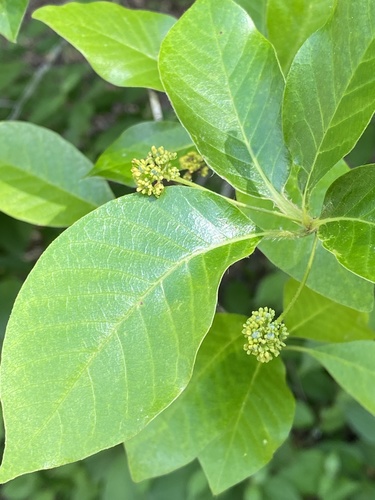
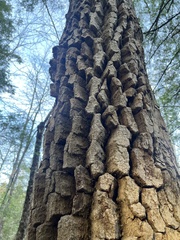
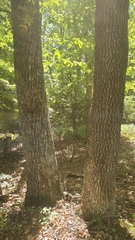
Black gum (Nyssa sylvatica) is a medium to large deciduous tree in the Nyssaceae, native to eastern North America and isolated mountain ranges in Mexico. Its dark bark splits into rectangular blocks, its leaves turn yellow, red and purple early in fall, and its small blue-black fruits attract migrating birds.
Read moreBlack gum, Black tupelo, Sour gum and Tupelo
Allow a few hours of direct sun per day, preferably morning or evening.
Full sun; tolerates less sunny positions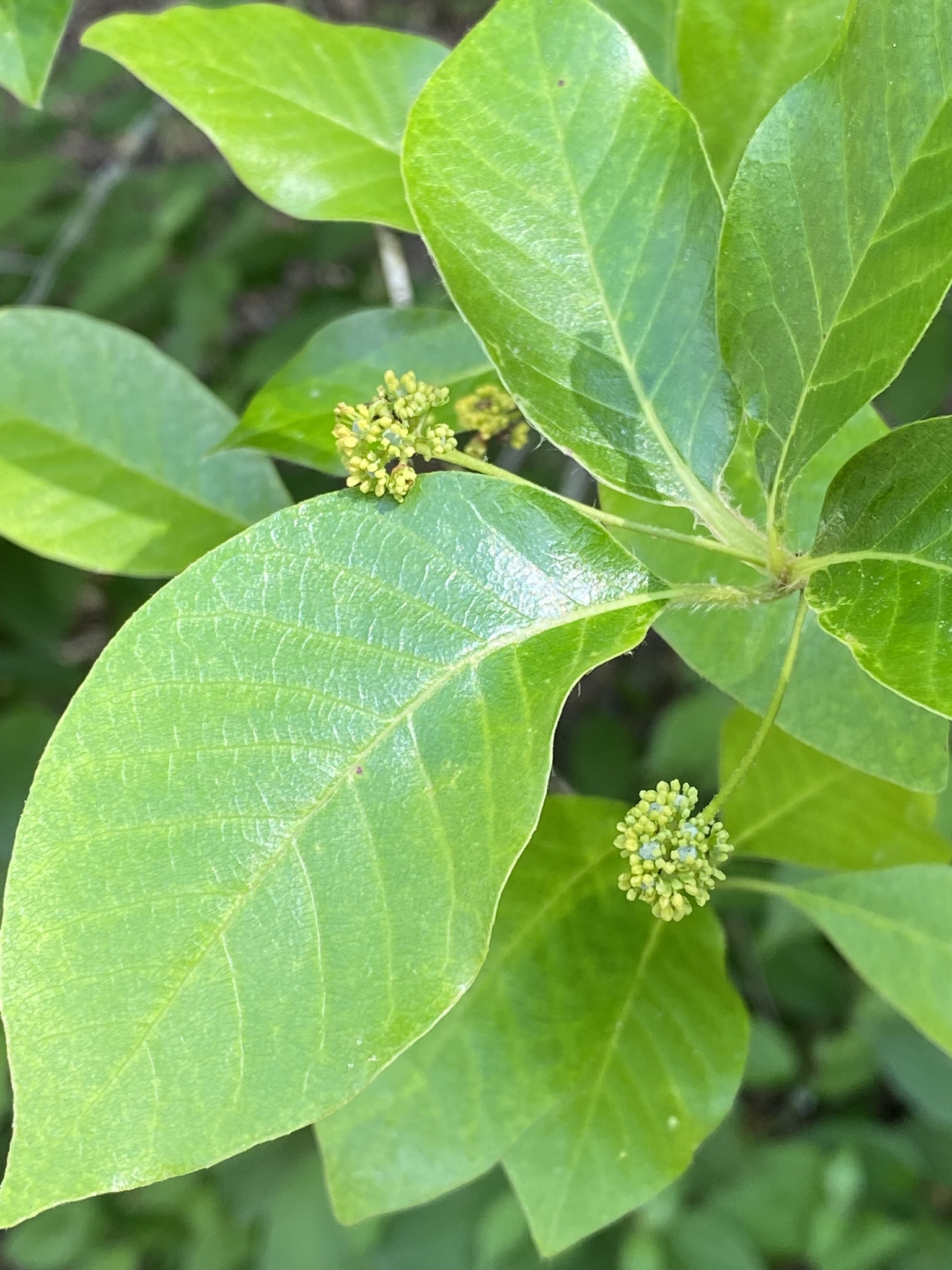
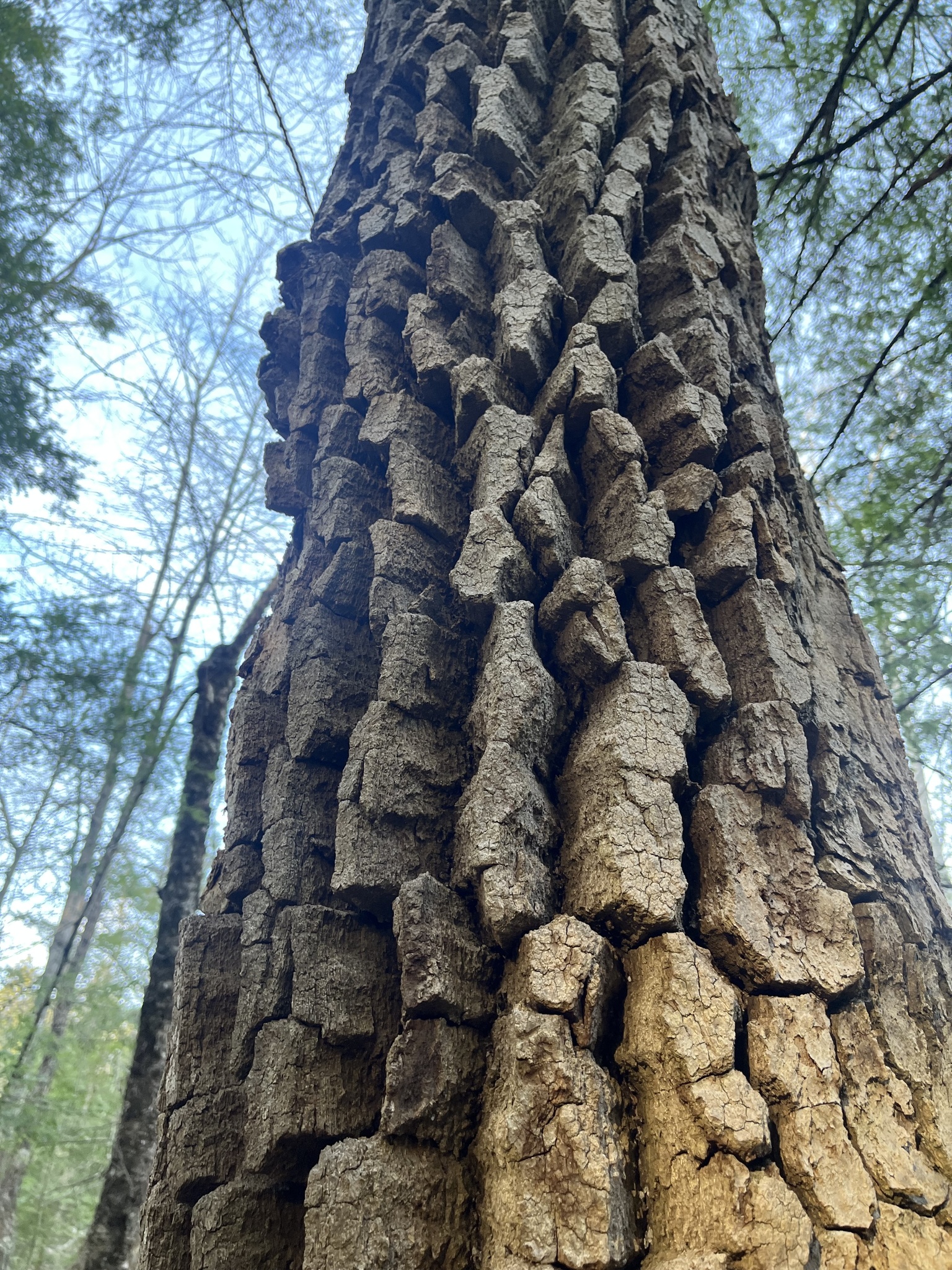
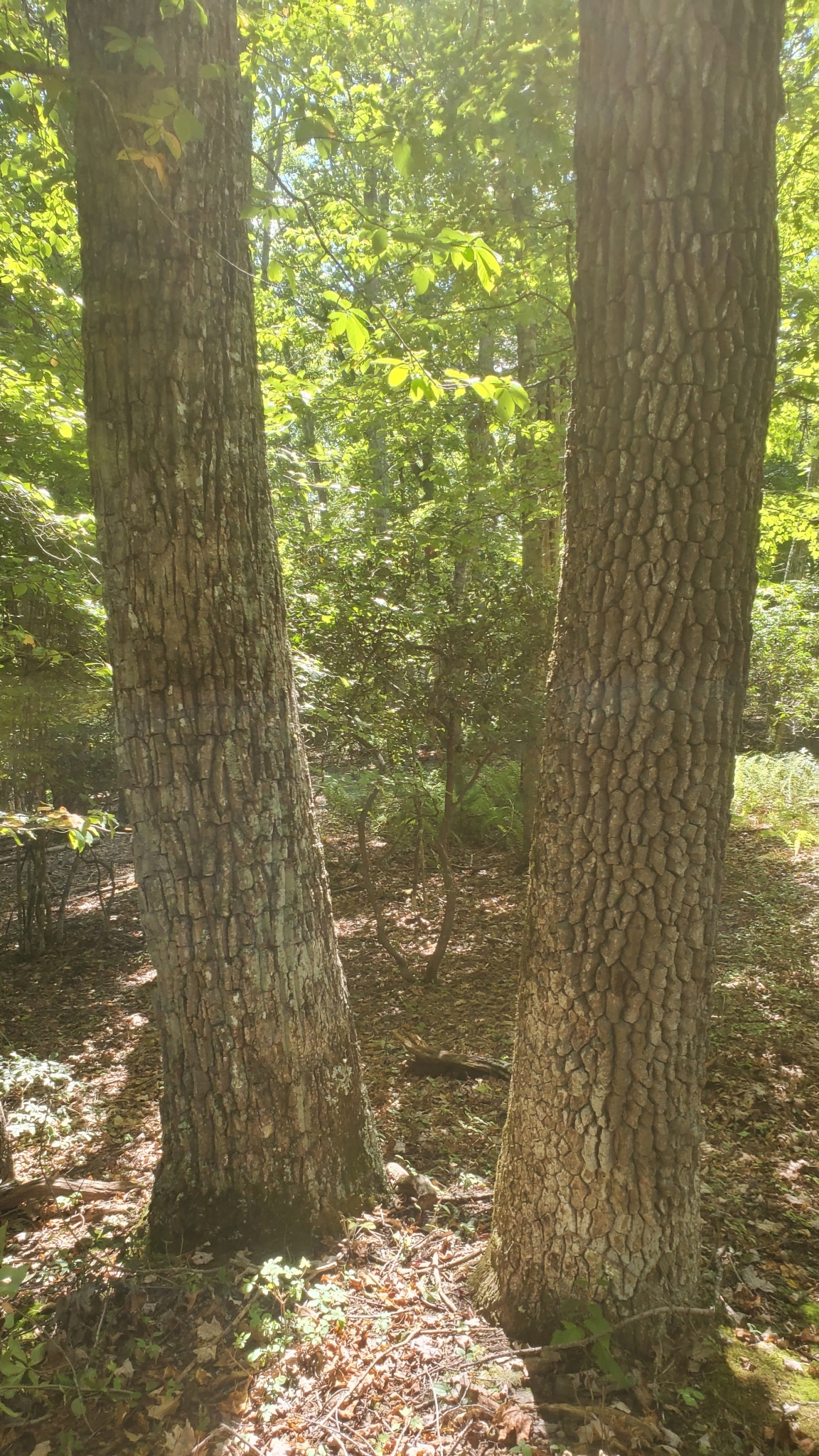


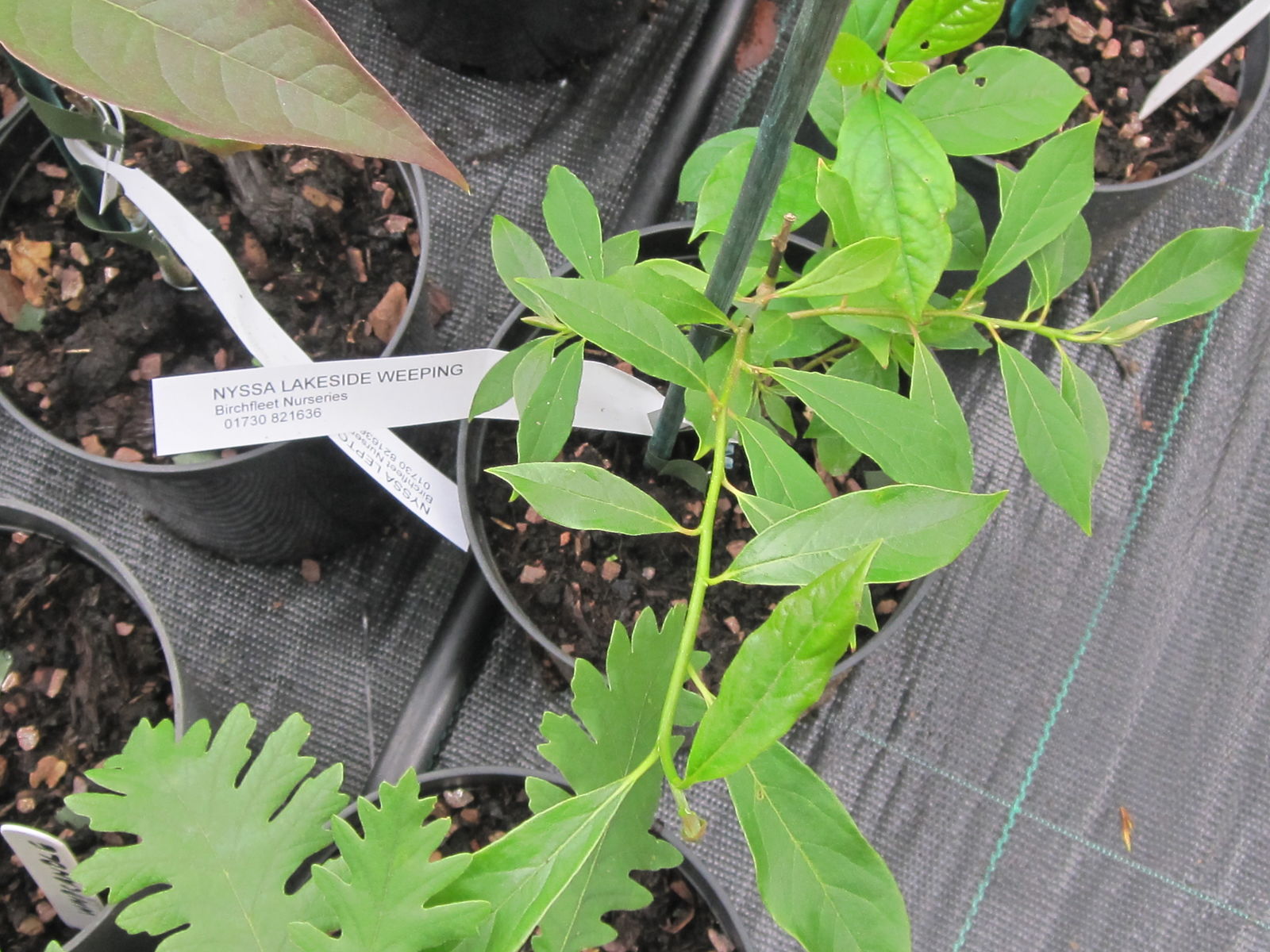
© photo
(c) mountainad82, some rights reserved (CC BY-NC) · cc-by-nc
Logan Stecker · cc0
iNaturalist User · cc0
Taken Aug 30, 2020 by Vicki Brown (cc-by-sa)
Taken Nov 25, 2022 by Gray Simpson (cc-by-sa)
© copyright of the Board of Trustees of the Royal Botanic Gardens, Kew.


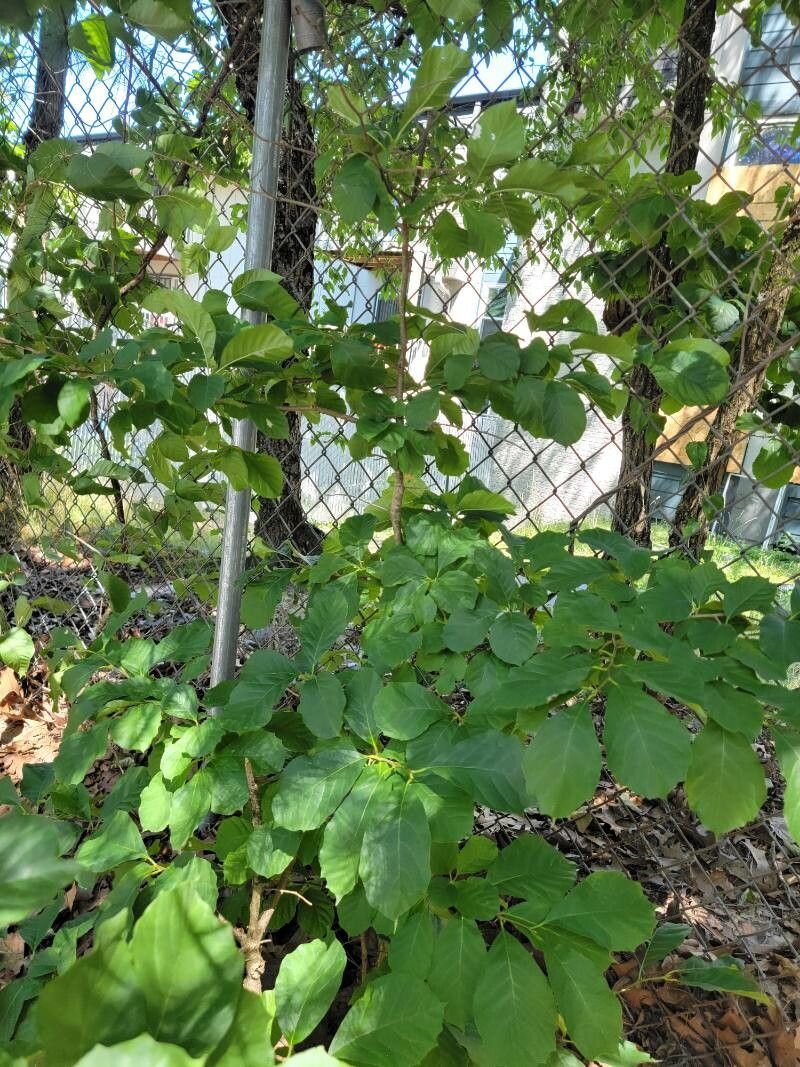


Global distribution
The native range covers eastern North America, from southwestern Maine and New York to southern Ontario, central Michigan, Illinois and Missouri, then south to southern Florida and eastern Texas. Isolated populations also occur in montane cloud forests in eastern and southern Mexico. Introduced to Europe as an ornamental tree, it is not reported invasive there.
- Native3
- United States
- Canada
- Mexico
Hexagons: regions where the plant occurs. Green dots: native range.1
Identity
Black gum (Nyssa sylvatica Marshall, 1785), also called black tupelo or sour gum, is a medium to large deciduous tree that can exceed 20 m (66 ft), in the genus Nyssa and family Nyssaceae. The genus name refers to a naiad in Greek mythology. The epithet sylvatica means “of the woods,” covering habitats from dry slopes to swamp margins. 1 3
Eastern North America is its home, from the coastal northeastern United States and southern Ontario to central Florida and eastern Texas, with isolated populations in eastern and southern Mexican mountains. The common name tupelo comes from the Creek words ito (“tree”) and opilwa (“swamp”), in use since the mid-18th century. 3 9
Despite the names black gum and sour gum, no part of the tree is particularly gummy. These names mainly distinguish it from American sweetgum (Liquidambar styraciflua), which does produce an aromatic resin. 9
Recognition
Wild Nyssa sylvatica commonly reaches 20–25 m (66–82 ft), rarely 35 m (115 ft), with a narrower spread of 6–11 m (20–36 ft). A solitary tree in a temperate climate rarely exceeds 12–20 m (39–66 ft). Its usually single straight trunk bears branches at right angles, a useful feature even when leafless. 3 4
Young bark is light gray and finely scaly. With age, deep ridges develop an alligator-skin pattern, eventually forming dark rectangular blocks on old trees. Twigs are reddish brown; greenish membranes divide the pith, clearly visible in a lengthwise cut. 3 4
Glossy, leathery, oval to obovate leaves measure 5–12 cm (2–5 in) and are among the first to turn yellow, orange, red and then purple, often from late summer. Deer favor young seedlings enough to hinder establishment locally, while mature trees suffer little browsing. 3
Useful taxonomy
American botanist Humphry Marshall described Nyssa sylvatica in 1785; Kew accepts the name today. Historical names now treated as synonyms include:
Historical synonyms (scientific names):
- Nyssa multiflora Wangenh.
- Nyssa multiflora Elliott
- Nyssa villosa Michx.
- Nyssa integrifolia Aiton
- Nyssa caroliniana Poir.
- Nyssa canadensis Poir.
About nine to ten accepted species belong to Nyssa, mainly in North America and eastern Asia. Close relatives include Nyssa aquatica L., water tupelo, and Nyssa biflora Walter, swamp tupelo, long treated as a variety before several taxonomic references recognized it as a separate species. 1 3
An Appalachian variant, Nyssa sylvatica var. caroliniana, grows on dry slopes rather than swamp margins. Its leaf blades are thinner, less glossy and slightly downy beneath. 5
Habitat and range
From southwestern Maine and New York, the native range reaches southern Ontario, central Michigan, Illinois and Missouri, extending south to southern Florida, eastern Texas and eastern Oklahoma. Nyssa sylvatica occurs in 35 forest stand types, from dry slopes to alluvial valley bottoms. 3 7
Mexican populations are isolated from the main range, in montane cloud forests of the Sierra Madre Oriental, Sierra Madre de Oaxaca and Chiapas Highlands. They occur in moist or riparian sites at 1,000–2,200 m (3,280–7,220 ft). The International Union for Conservation of Nature lists the species as Least Concern. 6
European introductions have established it as an ornamental in parks and large gardens in the United Kingdom, where Wisley Bonfire received the Royal Horticultural Society Award of Garden Merit. It is also planted in France and central Europe, with no invasive behavior reported there. 2
Life cycle and reproduction
Spring flowers open while the leaves are still half developed. Small greenish to yellowish flowers form inconspicuous clusters that attract many bees. The species is usually dioecious, with separate male and female trees, although some individuals bear both flower types, a condition called polygamo-dioecy. An isolated female without a nearby male does not fruit. 3
An ovoid blue-black drupe, about 1–1.3 cm (0.4–0.5 in) long, has thin, oily, distinctly sour flesh. Fruits hang singly or in groups of two or three on a long stalk and ripen in late September and October in its native range, ahead of most other fall fruits. Migrating birds benefit from this early dependable food. The early fall color is also interpreted as a signal attracting these birds to already ripe fruits. 3 4
Nursery propagation mainly uses seed, after cold stratification, and layering. Seed reproduces the species but never a cultivar faithfully: only grafting reliably transmits selections such as Wildfire or Wisley Bonfire. The early taproot makes later transplanting risky, so plant young and leave the tree in place. Established Nyssa sylvatica is among eastern North America’s longest-lived non-clonal hardwoods, with trees older than 650 years. 5 3
Uses and risks
As a specimen or park tree, black gum is valued chiefly for its early, intense fall color. Slow to moderate growth and a taproot make a permanent planting site essential; later transplanting often fails. 3 8
Heavy, hard wood that is difficult to split when dry was long used for mallets, pulleys, wheel hubs and wooden paving blocks. Wear resistance also made it useful for weaving shuttles, creosote-treated railroad ties and factory floors. Fibrous twigs even served as chewing sticks for dental hygiene in folk medicine. 9
Nectar-rich flowers attract bees, and Nyssa sylvatica is among the main wild honey sources in its range. Hollow trunks once served beekeepers as simple hives. Ripe fruit is edible raw or cooked despite its marked acidity and is used in jam. No toxicity is documented in people or common domestic animals; information for horses remains unavailable. 9 5
Varieties, look-alikes and related plants
Cultivar selection chiefly emphasizes fall color and habit: Wildfire has bronze-red new shoots, Wisley Bonfire has earned recognition in Britain, and Red Rage is less susceptible to leaf spots. Autumn Cascades has an unusual weeping habit. These selections do not alter the tree’s basic biology. 2 8
American sweetgum, Liquidambar styraciflua, is a frequent look-alike, sharing habitats and striking fall color. Its palmate leaves with 5–7 pointed lobes and sometimes cork-winged bark clearly differ from the entire leaves and blocky bark of Nyssa sylvatica. 9
Wetland look-alikes also include Nyssa biflora Walter, swamp tupelo, with narrower leaves and a strict association with waterlogged soils, and Nyssa aquatica L., water tupelo. The latter often has a swollen trunk base, reflecting almost permanently standing water, a more restrictive habitat than that of Nyssa sylvatica. 1
Main sources
- Plants of the World Online / Kew, Nyssa sylvatica Marshall
- Royal Horticultural Society, Nyssa sylvatica 'Wisley Bonfire'
- NC State Extension, Nyssa sylvatica (Black Gum)
- Missouri Botanical Garden, Nyssa sylvatica
- Plants For A Future, Nyssa sylvatica
- IUCN Red List, Nyssa sylvatica assessment
- USDA PLANTS Database, Nyssa sylvatica (NYSY)
- Oregon State University Landscape Plants, Nyssa sylvatica
- University of Arkansas Extension, Plant of the Week — Tupelo
Frequently asked questions
Is black gum poisonous?
No. No toxicity is documented for Nyssa sylvatica in people or common domestic animals. Ripe fruit is edible raw or cooked, despite its pronounced acidity.
Why do the leaves turn red so early in late summer?
This is normal for the species. Nyssa sylvatica changes color earlier than most trees in its range, a signal that benefits migrating birds by attracting them to already ripe fruit.
Why does my black gum have no fruit?
The species is usually dioecious, with separate male and female trees. An isolated female without a nearby pollen source does not fruit; first fruiting is also late, at about 20–30 years.
Can you transplant a mature black gum?
It is risky. Nyssa sylvatica develops a deep taproot early, making later transplanting uncertain. Choose a permanent site when planting.
How can I tell Nyssa sylvatica from Liquidambar styraciflua?
The leaves are clearly different. Nyssa sylvatica has entire oval to obovate leaves, whereas American sweetgum has palmate leaves with 5–7 pointed lobes and may also have corky wings on its bark.
Does black gum tolerate waterlogged soil?
Yes, temporarily. Nyssa sylvatica naturally grows along swamp margins and in flood-prone depressions, but calcareous soil suits it much less well than occasional excess water.
Where does the name tupelo come from?
It comes from the Creek words ito (tree) and opilwa (swamp), in use since the mid-18th century. Black gum and sour gum, more common names in the north, do not describe any actual secretion from the tree.
Similar plants

If you are unsure about a plant’s toxicity, ask a botanist or veterinarian for advice.